TODAY IN BLACK MEDIA (3/14/25)

TODAY IN BLACK MEDIA provides news and cultural discussions from an African American perspective, highlighting diverse voices and global black achievements while offering insightful commentary on a wide range of issues affecting the African Diasporic community. The platform serves as a vital resource for those seeking to understand the complexities of black life, culture, and history, bridging gaps and fostering understanding between different communities.

By showcasing prominent figures, emerging talent, and influential narratives, the goal is not only to amplify important stories but also to inspire meaningful change through an inclusive dialogue about race, culture, identity, and representation in the media. This initiative aims to cultivate a deeper appreciation for the rich tapestry of black experiences and challenges prevailing misconceptions, ultimately contributing to a more equitable and just society.

In today’s installment…

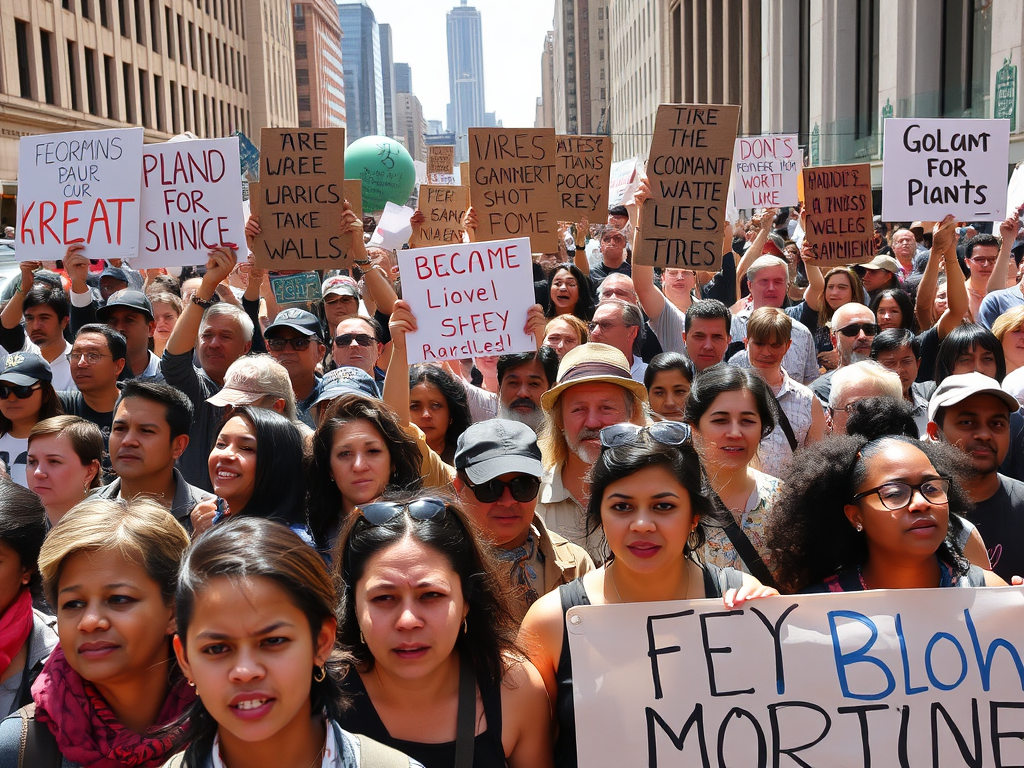
In Lincoln Heights, Ohio, a predominantly Black village, residents have created an armed patrol to safeguard their community following a neo-Nazi rally that involved rifles and racial slurs. This response emerged from a deep-rooted desire to protect their families and homes from the threat of hate and violence, with community members uniting under a shared commitment to uphold their safety and dignity.

The armed patrol not only serves as a physical presence against intimidation but also represents a larger movement of resilience and solidarity, where neighbors look out for one another in the face of mounting threats. By establishing this group, they aim to foster a sense of empowerment among residents, reinforcing their right to live peacefully and proudly in their own community. This initiative has cultivated a bond among participants, encouraging open lines of communication and mutual support that extend beyond mere safety concerns. The ongoing efforts have also sparked discussions about systemic racism and the urgent need for dialogues around community safety, social justice, and the importance of solidarity amid adversity.

As these conversations unfold, they highlight the necessity of understanding the historical context that has shaped current realities, bringing to light the experiences of marginalized individuals and advocating for inclusivity and healing within the community. Through collective action and persistent dialogue, this movement seeks not only to address immediate threats but also to dismantle the roots of inequality, paving the way for a more just society where everyone feels empowered and valued.

DON’T THINK I FORGOT IT’S WOMEN’S HISTORY MONTH!

The entire month of March is designated as Women’s History Month in the United States, and many other countries also observe it to celebrate women’s achievements and contributions throughout history. This month serves as a vital reminder of the strides made by women in various fields, including politics, science, arts, and social movements. Through the recognition of their accomplishments, we honor not only the individuals who paved the way for future generations but also the ongoing struggles many women face today. To celebrate, I’m gonna dedicate at least one blog to honor women who shaped our history, exploring their remarkable stories and the lasting impact they have had on society as a whole, while also encouraging discussion on the importance of gender equality and empowerment for women everywhere.

And I’m gonna start with not just 1 woman, but a whole army, the Agojie, the famed “Amazons” of the DAHOMEY KINGDOM of West Africa, as depicted here in the recent movie, “The Woman King”. These extraordinary women were not just fighters; they were warriors who defended their kingdom with unmatched bravery and skill, showcasing the strength and resilience of African heritage.

Now, as much as I liked this movie for bringing their story to the forefront, to me, it is also a reminder for my people to NEVER let Hollywood choose our heroes for us.

It’s essential that we take the narrative into our own hands, ensuring that the legacy of these remarkable women is told accurately and authentically, and that we celebrate our own cultural icons who have shaped history in profound ways. In doing so, we not only honor their contributions but also inspire future generations to recognize the power and potential within themselves. And for that end, I present THIS documentary, hosted by Lupita Nyongo, a pivotal figure in modern storytelling.

Journey across Benin, West Africa with Lupita, as she uncovers the story of the ‘Agoji’ (a forgotten female army) – or, as Europeans labeled them, the ‘Amazons.’ Through breathtaking landscapes and rich cultural narratives, this documentary reveals the strength and valor of these incredible women, shedding light on their pivotal role in history, which has often been overlooked and underappreciated.

As Lupita delves deeper into their stories, viewers will not only gain insight into the Agoji’s fierce battles and unwavering dedication but also into the broader implications of their legacy within the context of African history and women’s empowerment today. By exploring the personal narratives of these extraordinary women, the audience can appreciate the resilience they exhibited in the face of adversity, highlighting their roles not just as warriors, but as symbols of strength and courage.

This exploration serves as a reminder of the importance of acknowledging and celebrating the contributions of women throughout history, particularly in cultures where their voices were often marginalized. Through Lupita’s lens, the rich tapestry of the Agoji’s influence can inspire contemporary discussions around gender equality, motivating future generations to honor their heritage while advocating for women’s rights in today’s society, thus fostering a deeper understanding of how the past intricately shapes our present and future.

THE MOMENT OF TRUTH FRIDAY CRIME REPORT (3/7/25)

Every Friday, PROFESSOR BLACK TRUTH posts videos appropriately named “The Friday Crime Report”. I decided to post them here on this platform, because I want to show you how “bad things” still happen to black people with regularity in this country, despite others telling us “it’s all in the past.” This series provides a crucial perspective on the ongoing struggles faced by the black community, highlighting incidents that often go unnoticed or underreported. Each report serves as a stark reminder of the realities that many endure daily, emphasizing the need for awareness, dialogue, and action. By sharing this content, I hope to foster a deeper understanding of these issues and encourage conversations that are vital for progress and change in our society. It’s important for us all to confront these uncomfortable truths, as only then can we hope to pave the way towards a more equitable future where everyone is treated with dignity and respect, regardless of their background.

In Today’s installment…

In Tamarac, Florida, in a harrowing incident that shocked the local community, Nathan Gingles chased his wife with a gun, an act of violence that ultimately resulted in the tragic deaths of not only his wife but also his father-in-law and a neighbor who tried to intervene. This senseless tragedy was further compounded by the belief that it could have been preventable had the police acted appropriately and responded more effectively to the warning signs leading up to this horrifying event.

Many community members lament the missed opportunities for intervention, calling for a thorough review of the police protocols and a deeper understanding of domestic violence warning signs to ensure that such heartbreaking incidents do not occur in the future. They emphasize the need for comprehensive training for law enforcement officers, focusing not only on the legal aspects of domestic violence but also on the psychological and emotional factors involved. Furthermore, there is a growing demand for community outreach programs that educate the public about the red flags of abusive relationships and how to seek help. Initiatives that foster collaboration between law enforcement, social services, and community organizations are seen as crucial steps in creating a supportive environment that prioritizes the safety of vulnerable individuals and holds offenders accountable for their actions. Through these efforts, the community hopes to build a stronger framework that prevents similar tragedies and promotes healing for those affected.

Shout out to The Professor for his engaging video on important topics that resonate with many viewers today. His insights not only spark critical thinking but also encourage lively discussions among his audience. Click HERE to explore his YouTube channel, where you can delve into a treasure trove of thought-provoking analyses and connect with a community of interested individuals who share a passion for knowledge and understanding of complex issues. Don’t miss out on the opportunity to broaden your perspective and partake in enlightening conversations that can significantly enrich your worldview.

ICE, ICE, BABY

First they came for the socialists, and I did not speak out—
Because I was not a socialist.

Then they came for the trade unionists, and I did not speak out—
Because I was not a trade unionist.

Then they came for the Jews, and I did not speak out—
Because I was not a Jew.

Then they came for me—and there was no one left to speak for me.

So, Our dear president Donald Trump, and his administration, has been implementing Mass Deportations.

Of course, this is a very divisive topic that elicits strong feelings on all sides, and many black people here seem to have taken some kind of “hands-off policy” to this subject… for whatever reasons.

Well, I’m not one of them.

I wholeheartedly stand with our immigrant brothers and sisters in this fight, recognizing the inherent injustice and human rights violations that accompany such actions. Families are being torn apart, and communities are suffering as a result of these harsh measures that disrupt lives and create an atmosphere of fear and uncertainty. The rich tapestry of our society is built on the contributions of immigrants from various backgrounds, woven together by shared dreams and aspirations. Every individual deserves to feel safe and valued in their home and community, free from the threat of separation and discrimination. Therefore, I’m totally against mass deportation that has been going on in this country, as it contradicts the very values of compassion and respect for human dignity that we should uphold as a society.

Plus, Mass Deportations NEVER WORK.

The reason Mass Deportations NEVER work is due to the inherent complexity of human migration and the socio-economic factors that drive individuals to seek better opportunities in different countries. When entire communities are forcibly removed, it not only disrupts lives but also leads to increased tensions and resentment between different cultural groups. Furthermore, deportations often fail to address the root causes of migration, such as poverty, violence, and political instability in their home countries. Instead of resolving issues, these actions can exacerbate them, creating a cycle of displacement and desperation. Additionally, such measures can strain relationships between countries, leading to diplomatic fallout and weakening international cooperation on migration policy. In the long run, a more humane and comprehensive approach that focuses on integration, support, and addressing the reasons behind migration is essential for any meaningful solution.

It is crucial to recognize that immigrants enrich our culture, economy, and social fabric, bringing unique perspectives and strengths that enhance our collective experience. It’s vital for us to unite against these oppressive policies and advocate for a more inclusive approach that honors our collective humanity, fostering an environment where every person can thrive without fear and contribute to the well-being of our nation.

So, what can we do about it? How can we protect our communities against these ICE raids? One way is to organize community meetings to raise awareness and share resources about legal rights. We can collaborate with local advocacy groups that specialize in supporting affected individuals and families, providing them with the necessary tools to navigate these challenges.

Additionally, building networks of support can empower us to stand together, ensuring that everyone knows they are not alone in this fight. It’s essential to encourage community members to document any raids they witness, as this information can be crucial in holding authorities accountable. By taking these proactive steps, we can create a much safer and more resilient community. Furthermore, fostering an environment where individuals feel comfortable sharing their experiences can lead to stronger ties among residents, enhancing trust and collaboration. Workshops and community meetings can be organized to provide education on the documentation process, ensuring that members are fully equipped with the knowledge and tools needed to effectively report incidents. These collective efforts not only serve to protect each individual but also strengthen our community’s voice and influence in advocating for justice and reform.

Shout out to the organization Union Del Barrio for all their incredible work to protect our community. Their dedication to advocating for social justice and providing essential resources has made a significant impact on the lives of many residents. From organizing community events to offering support for those in need, they continuously strive to uplift and empower our community members. Please click HERE to check them out and learn more about the amazing initiatives they are involved in, as well as how you can contribute to their important mission.

Together, we can create a future that reflects our shared values of kindness, understanding, and fairness.

CORRUPT POLICE FILES (2/23/25)

The majority of police officers are dedicated individuals who protect their communities with unwavering commitment and courage, often putting themselves in harm’s way to ensure the safety of others. They engage in various community outreach programs, building relationships with the residents they serve and fostering a sense of trust and collaboration. However, there are some who abuse their power, acting in ways that contradict the very principles of justice and service. Such misconduct not only damages the reputation of their colleagues but also erodes public trust in law enforcement as a whole, leading to an atmosphere of suspicion and fear. This delicate balance between accountability and authority is vital, as the actions of a few can overshadow the hard work and dedication of the many, highlighting the need for ongoing training and stricter oversight within the police force.

These are their stories.

In today’s installment, we’re going to switch things up a bit.

What happens when Good Cops Stand Up To Corrupt Bad Cops?

This critical question arises in discussions about law enforcement integrity and the ongoing battle against corruption within police departments. When good officers take a stand against their corrupt colleagues, it often leads to significant consequences for both the individual officers and the institution as a whole. Firstly, these courageous actions can foster a culture of accountability, encouraging others to follow suit and report unethical behaviors. Moreover, it can strengthen public trust in law enforcement, demonstrating that there are officers who prioritize justice and ethics over complicity.

However, confronting corruption is fraught with challenges, including potential backlash from fellow officers, threats to personal safety, and even career repercussions. In many cases, these good cops may find themselves isolated, facing not only institutional pushback but also the emotional toll of being at odds with colleagues. Despite these risks, their bravery is crucial; it sends a powerful message that integrity matters within the force, potentially instigating broader reforms aimed at eradicating systemic corruption and fostering a healthier police culture for future generations.

THE MOMENT OF TRUTH FRIDAY CRIME REPORT (2/21/25)

Hello,

Every Friday, PROFESSOR BLACK TRUTH posts videos appropiately named “The Friday Crime Report”. I decided to post them here on this platform, because I want to show you how “bad things” still happens to black people in this country. You see, people still like to tell us things like the following…

To show that bad things that happen to black people was somehow “All in the Past”. Well, rather than talk about why this meme and ones like it piss me off, I like to show examples of why this meme is bulls*it.

In today’s installment…

The DA of Clay County, Zachary Thompson, failed to prosecute Andrew Lester for the attempted murder of 16-year-old Ralph Yarl, who tragically died without serving any prison time as a consequence of the violent act. This lack of accountability raises serious concerns about the justice system in the area, especially as Thompson is also reportedly delaying the prosecution of other cases related to racial killings, which further exacerbates community fears and distrust. Many residents are voicing their frustration and demanding justice, as they believe that such negligence not only harms the victims’ families but also undermines the very foundation of the legal system designed to protect them.

The community remains on edge, feeling that their safety is compromised and fearing that offenders may continue to act without consequence, leading to an atmosphere of impunity that can have dire implications for public safety and the rule of law. In this climate, it becomes increasingly vital for local leaders to address these concerns transparently and effectively to restore faith among the residents in their judicial processes.

Many residents believe that such inaction reflects a broader pattern of negligence and bias, undermining the pursuit of justice for victims of racially motivated violence and highlighting the urgent need for reform within the local prosecutorial office. This growing sentiment among the community members has led to intensified calls for accountability, urging officials to address systemic issues that have persisted for far too long.

As the community grapples with the painful consequences of these injustices, activists and concerned citizens band together, advocating for transparent policies and increased support for victims. They argue that without meaningful changes, the cycle of violence and impunity will continue, perpetuating a climate of fear and distrust. It is essential that the prosecutorial office reevaluates its approach, prioritizing equity and justice to restore faith amongst the residents they serve.

Shout out to The Professor for making this informative and engaging video, which sheds light on various important topics that resonate with many viewers. For more content like this, be sure to click HERE and check out his YouTube channel, where you’ll find a treasure trove of thought-provoking analyses, and a community of like-minded individuals eager to explore the world of knowledge together.

TODAY IN BLACK MEDIA (2/6/25)

Welcome to TODAY IN BLACK MEDIA, your source for news and cultural discussions from an African American perspective. We highlight diverse voices, celebrate global black achievements, and provide insightful commentary on issues affecting the African Diasporic community. Our goal is to amplify important stories, inspire change, and foster an inclusive dialogue that recognizes the contributions of black experiences and culture in society. Join us in exploring race, culture, identity, and the importance of representation in the media.

In this installment, Ibrahim Traore Stuns New US President Donald Trump with Daring Anti-West Offensive

In a surprising geopolitical move, Burkina Faso’s leader Ibrahim Traoré has initiated an anti-West campaign directed at newly elected U.S. President Donald Trump, indicating a significant change in global politics amidst rising tensions between Africa and Western nations. This unexpected initiative has raised eyebrows and sparked discussions among political analysts and leaders alike, as it reflects a growing sentiment in certain African countries to assert their sovereignty and challenge Western influence. As Traoré galvanizes support for this campaign, he highlights the need for African nations to unite and redefine their relationships with former colonial powers, emphasizing the importance of economic independence and political autonomy. This shift signals a potential realignment within international diplomacy, where African voices demand a seat at the table and seek to reshape policies that have traditionally favored Western interests, further complicating the already intricate dynamics of global governance as nations navigate the complexities of modern capitalism and the quest for equitable development.

The implications for U.S.-Africa relations are profound, with the potential for increased diplomatic friction and a reevaluation of foreign aid strategies that could alter long-standing agreements and partnerships. Furthermore, Trump’s potential response comes under increased scrutiny; many are curious whether he will seek to negotiate with Traoré to foster stability in the region, deploy sanctions as a punitive measure, or take an entirely different approach that prioritizes strategic interests over traditional diplomatic norms. This situation not only highlights the shifting power dynamics between powerful nations and emerging ones but also calls for a closer examination of global reactions to Traoré’s bold stance, particularly from other nations in Africa and the Western world, as they navigate this complex geopolitical landscape filled with uncertainties and potential conflicts, which may lead to a redefined global order where Africa plays a more significant role in international affairs.

THE GREAT EGYPTIAN RACE DEBATE!

I saw this well-done video this morning and decided to post it here, because when I first made this PAGE here on Jogo Corpo Fechado, I weighed in on this debate.

This video presents compelling arguments and carefully selected examples, making it an excellent resource for anyone looking to engage with the issues surrounding our societal narratives. By sharing it, I hope to spark more discussions and invite further reflections from all of you who visit this space, allowing us collectively to dissect the themes that are so crucial in today’s world.

From his Biracial Coptic Upper Egyptian/American perspective, YouTube user Metta Beshay evaluates Afrocentrism through comprehensive historical and cultural evidence, placing a particular emphasis on the significant contributions of Cheikh Anta Diop’s work and the nuanced racial representation in Jada Pinkett Smith’s Cleopatra film.

He meticulously investigates the complex racial identity of ancient and modern Egyptians by utilizing ancient population reports alongside Ptolemaic Greek census data, which provides crucial insights into the demographics of that era. Through this comprehensive analysis, Metta elucidates the various interwoven factors that shaped the identities of these diverse communities over time, revealing how historical narratives have been constructed, sometimes distorted, and often selectively remembered.

He delves into the socio-political context of each time period, highlighting the influences of migration, trade, and conquest that have contributed to the fluid nature of identity. Furthermore, he encourages viewers to explore the topic more deeply by providing numerous resources on Afrocentrism, Egyptian racial identity, and Egyptology, thereby fostering a richer understanding of the intricate social dynamics that have influenced perceptions of race within Egyptian history.

“History of the Coptic Orthodox People and the Church of Egypt” https://bigthink.com/surprising-scien…

https://www.academia.edu/906193/_Coun…

https://blog.oup.com/2010/12/cleopatr….

“The Population of Medieval Egypt By Josiah C. Russell” https://bigthink.com/surprising-scien…

http://www.cairoscene.com/Buzz/Nation…

https://www.bonhams.com/auction/24256…\

http://www.egyptsearch.com/forums/ult…

https://www.jstor.org/stable/2784711   

• Dr. Cheikh Anta Diop discusses the Af…  

https://en.wikipedia.org/wiki/Constan…

https://en.wikipedia.org/wiki/Ancient…  

 • African Scholar Dr. Cheikh Anta Diop …  

https://seshmedewnetcher.com/dr-cheik…

Middle Egyptian an Introduction To the Language and Culture of Hieroglyphs .pdf https://familypedia.fandom.com/wiki/A…

Fayum Portraits and greco-roman people https://www.metmuseum.org/press/exhib…

This exploration not only sheds light on the past but also invites a critical reflection on contemporary issues regarding identity and multiculturalism, prompting discussions that remain relevant in today’s multicultural societies. By examining historical contexts and their influences, we gain insights into the complexities of cultural identities and the ways they intersect in diverse communities. Furthermore, this dialogue encourages individuals to confront their biases and assumptions, fostering a deeper understanding and appreciation of different perspectives. As we navigate an increasingly globalized world, the necessity for inclusive conversations becomes paramount, paving the way for social cohesion and mutual respect among varying cultural backgrounds.

WHY BLACK WOMEN & GIRLS ARE 4 TIMES MORE LIKELY TO GO MISSING AND WHAT WE CAN DO ABOUT IT

Why are Black girls and women four times more likely to go missing than their counterparts? This alarming statistic not only highlights the deep-rooted issues of systemic racism and discrimination in our society, but it also raises critical questions about the lack of attention and resources dedicated to their safety. Various factors contribute to this troubling trend, including socioeconomic disparities, vulnerabilities faced by marginalized communities, and insufficient media coverage when they do go missing. Additionally, the intersectionality of race and gender amplifies the risks that Black girls and women face, leading to a cycle of neglect and invisibility. The systemic barriers in accessing support systems, such as law enforcement and social services, further exacerbate their plight, often resulting in delayed investigations and a lack of urgency in finding those who are missing. Furthermore, cultural narratives and societal perceptions contribute to the dismissive attitudes towards their disappearances, making it imperative that we confront and challenge these biases in order to advocate for better protection and support for these vulnerable populations. Addressing these disparities is crucial not only for the safety of Black girls and women but also for the overall justice and equity in our society.

To protect marginalized communities, we must raise awareness of their unique challenges and hardships, advocate for comprehensive policies that address systemic inequalities affecting education, healthcare, and employment opportunities, and support organizations that are actively tackling these disparities through funding, outreach programs, and education on social justice initiatives. Additionally, fostering representation in decision-making processes is crucial, as it ensures that the voices of those impacted by these issues are heard and valued.

Engaging in community-building activities and promoting allyship among different societal groups can further strengthen our collective efforts to combat injustice. The videostream below offers additional options for understanding these important themes and how you can contribute to meaningful change.

Shout out to Rob Doggett for making this presentation.

Rob Doggett is the Founder of Ijakadi African Martial Arts and AfricanMartialArts.com for the liberation and restoration of our African cultural identity. Ijakadi is a combat science and a way of life for people of African descent. Rob has been teaching African Martial Arts every week at Brikhouse Boxing in Portsmouth, VA and now does workshops throughout the Hampton Roads Area. He is also a member of the Afrikan War College and the Amos Wilson Collective. A practitioner of both 52 Blocks and Afro-Brazilian Capoeira, Rob’s a certified Jeet Kune Do Instructor, certified Kickboxing Coach, and former certified USA Boxing Coach. He has fought as an amateur kickboxer and traveled all over the world from Japan to Korea, China, and Africa training with some of the best in the world. However, his proudest accomplishment is the daily inspiration he provides to our youth online and in his workshops.

If you want to know more about him and his work, please checkout his website, africanmartialarts.com

HAPPY INDEPENDENCE DAY, HAITI!

In 1492, Christopher Columbus arrives on Hispaniola, leading to the enslavement of its inhabitants and significant population decline due to disease and harsh conditions introduced by European settlers.

For three centuries, many slaves are imported to serve European colonizers, as the demand for labor to cultivate sugar cane and other valuable crops escalates, further exacerbating the suffering of the indigenous peoples. The Haitian Revolution (1791-1804) is inspired by the French Revolution, which ignites a desire for liberty and equality among enslaved individuals, resulting in a successful rebellion against oppression that astonishes the colonial world.

In Haiti, the machete serves as both a weapon and a vital tool for farmers, exemplified by Alfred Avril, a skilled machete fencer and subsistence farmer whose expertise highlights the deep cultural significance of this implement. The practice of machete fencing has roots in the Haitian Revolution, where enslaved people, facing a lack of firearms, expertly wielded machetes from their sugarcane work as a means of survival and resistance. This historical context not only speaks to the resilience of the Haitian people but also underlines the ingenuity behind their adaptation to adversity.

In a short film by Third Horizon, Avril discusses his craft and the machete’s significance in Haitian history, both practically and spiritually, underscoring how, for many, the machete embodies a dual identity as a tool for agricultural sustenance and a symbol of revolutionary spirit and cultural heritage. He shares the deep connections forged between the machete, the land, and the people, revealing how this simple tool is intertwined with the vibrant tapestry of Haitian identity and collective memory.

Haiti gains independence on January 1, 1804, becoming the first nation founded by former slaves, though it faces isolation from European powers and the U.S., which fears the spread of revolutionary ideas and potential slave uprisings. This historic achievement was not only a remarkable testament to the resilience and courage of the Haitian people but also a significant turning point in the global narrative of freedom and human rights. The U.S. recognizes Haiti’s sovereignty in 1862, during the American Civil War, marking a significant turning point in international relations; however, Haiti continues to struggle with internal challenges such as political instability, economic hardship, and social division, alongside external pressures from foreign interventions and historical debt to France. These difficulties would profoundly shape its complex history in the following decades, as Haiti endeavored to assert its identity and navigate a world often resistant to the ideals of autonomy and self-governance.