BASIC ELEMENTS OF CAPOEIRA: AU BATIDO

“There are not more than five musical notes, yet the combinations of these five give rise to more melodies than can ever be heard. There are not more than five primary colours, yet in combination, they produce more hues than can ever been seen. There are not more than five cardinal tastes, yet combinations of
them yield more flavours than can ever be tasted.”
― Sun Tzu, The Art of War

Today, I will Introduce you to one of Capoeira’s Trademark kicks, the AU BATIDO.

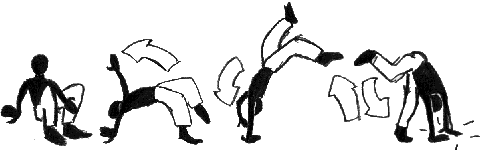
Aú batido is a traditional capoeira cartwheel kick, known under various names in breakdancing, MMA and other disciplines. This dynamic and visually striking maneuver is characterized by the graceful arc of the body, utilizing momentum and strength to execute a seamless transition from standing to upside-down and back again. The cartwheel kick originated as a combat kick, primarily used to evade attacks while simultaneously delivering a powerful blow to an opponent, showcasing the versatility and effectiveness of capoeira as both an art form and a martial discipline. Over time, it has become very popular as an acrobatic decoration, often featured in performances and demonstrations that highlight the athleticism and skill of practitioners. Beyond its practical applications, the aú batido has also gained a place in popular culture, being frequently depicted in media and competitions, making this likely the most photographed capoeira move, admired not only for its technical execution but also for the fluidity and style it conveys.

This movement is a defensive move, used when attempting to perform a cartwheel and the opponent attacks. Generally with a cabeçada, a headbutt, the aú batido takes place, attacking the opponent by surprise before the attack is executed. The aú batido is a clever and strategic technique that not only showcases the agility of the practitioner but also serves as an effective counter to incoming strikes, making it a valuable addition to any martial artist’s arsenal. This move is sometimes also used in moments of doubt, allowing the practitioner to regain control of the situation, or simply as a trick move to confuse the opponent. The versatility of the aú batido is evident as it can adapt to various combat scenarios.

Names used in different Capoeira schools may also include Beija Flor (Humming Bird, literally Flower Kiss(er)), Leque (Fan), Aú Québrado (also “broken cartwheel”), Aú Malandro (wily cartwheel), Aú Amazonas (Amazon cartwheel) or Amazonica, reflecting the diverse cultural influences and interpretations surrounding this fascinating technique. Each name carries its own unique story, adding depth to the practice and connecting practitioners with their heritage and the community. Moreover, these names often symbolize the characteristics associated with the movements, resonating with the emotions and spirit of those who perform them.

For instance, the Aú Malandro not only highlights agility but also the cleverness required to execute it gracefully, while Aú Amazonas captures the essence of strength and resilience found in the majestic Amazon rainforest. Such rich nomenclature emphasizes Capoeira’s role as a living art form, continuously evolving while remaining deeply rooted in its historical and cultural foundations, thus fostering a sense of belonging among practitioners from various backgrounds.

In addition to its defensive applications, this move is also performed in tricking, where it emphasizes style and creativity, showcasing the athlete’s ability to blend athleticism with artistic expression. Furthermore, in the world of dance, particularly for quality performances, it is frequently utilized in BREAKDANCING, where it is known as the L-kick. This dynamic movement captivates audiences not only due to its technical difficulty but also because it highlights the dancer’s unique interpretation of rhythm and flow. Its popularity in breakdancing underscores the cross-disciplinary nature of movement arts, revealing how varied techniques can be embraced and adapted across different forms of physical expression, ultimately fostering a rich tapestry of creative possibilities in both performance and personal style.

BASIC ELEMENTS OF CAPOEIRA: VINGATIVA

“There are not more than five musical notes, yet the combinations of these five give rise to more melodies than can ever be heard. There are not more than five primary colours, yet in combination, they produce more hues than can ever been seen. There are not more than five cardinal tastes, yet combinations of
them yield more flavours than can ever be tasted.”
― Sun Tzu, The Art of War

Today, I want to go into a fundamental takedown that I posted about before in another PAGE, but I want to expand on it and delve into a bit more detail for clarity and depth. This technique is called THE VINGATIVA, and it plays a crucial role in understanding the intricacies of Capoeira.

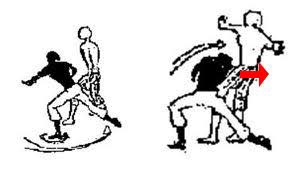
The Vingativa is a low takedown that involves stepping forward and trapping the back legs of an opponent who is in a side stance. This movement is characterized by the capoeirista also protecting their face with their elbow, demonstrating the importance of defense while executing an offensive maneuver.

Once the lead leg of the capoeirista has successfully trapped the leg of the opponent, they skillfully shift their weight in a fluid motion, pushing their hips forward and up, utilizing balance and leverage to maximize effectiveness. If the contact is maintained with the legs of the other player, they should be thrown up and away, thus executing the takedown with precision.

It’s fascinating to note that although this move originally came from batuque, it shares similarities in appearance with certain throws and sweeps found in traditional martial arts such as Baguazhang and Bajiquan, as well as the effective tai otoshi executed in various styles of karate. Other schools of thought in martial arts teach a variation of the Vingativa that resembles the sukui nage or obi otoshi techniques that are foundational in judo. You can even see this technique in Filipino Martial Arts, highlighting the interconnectedness of different martial arts traditions and the rich tapestry of techniques that practitioners can draw upon.

Understanding the nuances of the Vingativa allows martial artists not just to enhance their skillset, but also to appreciate the cultural heritage and evolution of capoeira as a dynamic and impactful form of combat art. By delving deeper into its techniques and philosophy, practitioners can cultivate not only physical prowess but also a profound respect for the history and traditions that have shaped this unique art form.

The Vingativa offers a gateway into the fusion of rhythm, movement, and strategy that defines capoeira, inviting artists to explore its rich narrative and the diverse influences that contribute to its ongoing evolution. Engaging with this practice enables martial artists to connect with a broader community, fostering a spirit of camaraderie and mutual growth as they share in the celebration of capoeira’s roots and its relevance in contemporary society.

HIDDEN SPIRITUALITY – From Spirit Science (7/24/25)

Welcome to HIDDEN SPIRITUALITY – From Spirit Science, where we delve into spiritual practices and philosophies from all over the world, revealing the rich tapestry of beliefs that shape our understanding of existence, hidden in some of the movies that we watch, and the games we play. Our exploration aims to uncover the profound messages embedded within cinematic narratives, illustrating how these films often serve as vehicles for transmitting spiritual wisdom. As we analyze various cultural traditions and contemporary interpretations, we invite you to join us on a journey of discovery that not only enhances our appreciation of film but also enriches our own spiritual journeys, encouraging a deeper reflection on the interconnectedness of all beings and the universe itself. Through this lens, we hope to foster a greater understanding of how these elements influence our daily lives and spiritual practices.

In today’s installment, We explore Final Fantasy 7.

As lovers and players of Final Fantasy ourselves, this episode is an homage to the precious, imaginative moments of childhood that many of us hold dear. It draws us back to a time when our dreams were filled with adventures in fantastical worlds, battling mighty foes and forging unbreakable bonds with companions. What at first seems like a regular “fantasy” experience becomes completely transformed when you understand the deeper mystical meaning behind each symbol and character; every twist and turn in the plot offers a new layer of complexity and nuance.

Final Fantasy 7 is rich with insight, exploring themes of identity, loss, and the relentless pursuit of hope, if only we choose to dig deep and uncover its many secrets. This captivating journey invites players to immerse themselves in the intricate narratives of its characters, each with their own struggles and triumphs, revealing the profound connections we share as human beings. As we navigate through the beautifully crafted landscapes and face formidable foes, we experience a rollercoaster of emotions that resonates with our own lives. The game encourages us to reflect on our choices and relationships, serving as a poignant reminder that the adventure is not just about the destination but also about the bonds we form along the way.

In our pursuit of understanding this complex world, we find joy in celebrating both the laughter and the tears that come with each new encounter in this timeless saga, ultimately reminding us of the delicate balance between light and dark that defines our existence.

Shoutout to SPIRIT SCIENCE for creating this video.

Discover the power of connection and community with Spiritverse – our online haven for the evolution of consciousness. In this vibrant space, individuals from all walks of life come together to share their experiences, insights, and journeys towards self-discovery and spiritual growth. Here, you will find a wealth of resources, interactive tools, and inspiring content designed to help you navigate the complexities of life and cultivate a deeper understanding of yourself and the universe. Join us as we embark on this transformative journey, fostering connections that uplift and inspire. Click here to gain access now: https://www.spiritverse.app/

SPIRITUAL PRACTICES OF AFRICA, AND THE DIASPORA (6/15/25)

This series explores indigenous beliefs and religions in Sub-Saharan Africa, focusing on ancestral worship, Christianity, and Islam. It highlights the region’s cultural heritage through rituals and community gatherings that celebrate identity and wisdom. By showcasing ceremonies, it illustrates the symbolic meanings of practices that strengthen social ties among ethnic groups. The series also examines how these traditions adapt within the diaspora, creating a blend of ancient customs and contemporary beliefs. Additionally, it emphasizes storytelling’s role in preserving oral histories that guide future generations.

Today, we’re gonna do something different. Lately, I’ve been watching a series from the SPIRIT SCIENCE YouTube channel called “Hidden Spirituality”, where they explore lessions in spirituality hidden in popular movies. I thought it would be a good idea to explore this series and learn these lessons that often go unnoticed in our everyday lives. So, welcome to the first episode of this series, Hidden Spirituality! Join us as we delve into the hidden spiritual themes in movies, starting with an in-depth analysis of “The Princess Bride”.

In this enlightening video, Patchman explores the themes of love and romance in the classic movie The Princess Bride, offering a thought-provoking message that challenges conventional ideas about love. With insightful analysis and visuals, the video encourages both fans and those curious about pop culture to rethink their perceptions of love. By delving into the intricate dynamics between the characters, it highlights not only the charming moments that define their relationships but also the deeper layers of sacrifice, friendship, and the unpredictability of true affection.

Through a captivating narrative, Patchman illustrates how the film intertwines humor and heart, revealing that love isn’t merely a fairytale but a complex journey filled with obstacles and growth. The story explores the often unpredictable nature of relationships, showcasing the moments of joy and laughter that accompany the struggles faced by its characters. As they navigate through misunderstandings and trials, viewers are invited to witness the transformative power of love, which emerges stronger when tempered by adversity. This journey not only deepens the emotional connections between characters but also encourages the audience to celebrate the multifaceted nature of romantic connections, embracing both the highs and lows as essential aspects of a genuine partnership.

If you want to watch the full movie for a small price, then click HERE. Shout out to SPIRIT SCIENCE for posting this video, which provides a unique perspective on consciousness and our connection to the universe. Looking for a place to connect with others on the path of truth, love, and authentic inner light? Join the Spiritverse community, an online haven for the evolution of consciousness, where like-minded individuals gather to share insights, experiences, and support one another on their journeys. Explore fascinating discussions, engage in workshops, and participate in events that inspire personal growth and enlightenment. To be a part of this vibrant network, follow this link: https://www.spiritverse.app/. Embrace the journey of self-discovery and spiritual awakening alongside a supportive community that thrives on connection and shared wisdom.

BRUCE LEE on how to fight your greatest battle

I wanted to add this to the Kung Fu Theater series, because it is a “Bruce Lee video.” However, I ultimately decided not to, not just because it’s a unique piece of content, but also because this video transcends the traditional boundaries of a martial arts film. This is not merely about physical prowess or combat techniques; rather, it delves deep into the philosophy that underpins martial arts. It explores the intricate connection between the mind and the body, revealing how mental discipline, focus, and a profound understanding of oneself can elevate one’s martial arts practice to new heights.

In this powerful video, we unlock the hidden mental training Bruce Lee used to sharpen his focus, increase his speed, and develop unbreakable self-belief. This insightful perspective offers viewers not just an opportunity to learn about martial arts, but to engage with the very essence of what it means to be strong, both physically and mentally.

These techniques are not just for fighters—they are for anyone who wants to master their mind, push beyond limits, and achieve greatness in life.

Bruce Lee was more than just a martial artist—he was a master of the mind. His legendary speed, power, and wisdom came from something deeper than physical training; it came from a profound understanding of the self and the universe. This understanding was nurtured through rigorous discipline and exploration of philosophies that transcended the ordinary. He incorporated forbidden mind techniques that most people never learn, techniques that challenge conventional beliefs about what the mind is capable of achieving.

By embracing these practices, individuals can uncover the latent potential within themselves, harnessing the incredible power of their thoughts and intentions to transform their everyday realities into extraordinary experiences. As they delve deeper into mindfulness and self-awareness, a profound shift begins to occur, allowing them to break free from limiting beliefs and unlock a new level of consciousness.

Bruce Lee’s legacy continues to inspire countless individuals, reminding us that true mastery lies at the intersection of mental and physical prowess, where discipline and passion converge to create not only exceptional skills but also a deeper understanding of oneself. This journey toward self-discovery encourages people to push their boundaries and strive for excellence, fostering resilience and adaptability in the face of challenges. Ultimately, it is through this holistic approach that individuals can truly realize their fullest potential and lead more fulfilling lives.

OKAY, I KNOW THIS IS TOTALLY OUT OF LEFT FIELD…

Masaru Emoto’s Water Experiment. Masaru Emoto, a Japanese author and researcher, claimed that human emotions could influence the molecular structure of water in profound ways. In his groundbreaking experiments, Emoto exposed water to a variety of emotional stimuli, such as positive or negative thoughts, words, and even music, observing the reactions closely. He would then freeze the water samples and examine their crystal formations under a microscope, revealing striking differences in the structures based on the type of energy the water was exposed to.

For instance, water exposed to loving words or uplifting music formed beautiful, intricate crystals, while water subjected to negative thoughts or harsh language produced distorted and chaotic formations. Emoto’s work sparked significant interest and controversy, challenging conventional views about the nature of water and the potential impact of human consciousness, leading many to explore the connections between emotions, environment, and physical matter more deeply.

I’ve been fascinated by this experiment for a while now, and though Dr. Emoto has had his DETRACTORS over the years, who often question the validity of his methods and results, this experiment is backed up by scientific research that delves into the intricate relationship between water and human emotion. The implications of his work suggest that our thoughts and feelings can physically influence the molecular structure of water, which opens up an entirely new perspective on how we should view our interactions with the world around us.

With advancements in quantum physics and consciousness studies continuing to emerge, I think everyone should check this out, as it challenges conventional scientific paradigms and encourages a deeper exploration of the unseen forces that shape our reality.

BASIC ELEMENTS OF CAPOEIRA: THE ROLE

“There are not more than five musical notes, yet the combinations of these five give rise to more melodies than can ever be heard. There are not more than five primary colours, yet in combination, they produce more hues than can ever been seen. There are not more than five cardinal tastes, yet combinations of
them yield more flavours than can ever be tasted.”
― Sun Tzu, The Art of War

Capoeira Angola is a defensive martial art that combines a rich cultural history with physical agility and mental discipline. It features 8 basic defenses, each designed with specific techniques that incorporate unique attacks and counters, empowering practitioners to effectively defend against various weapons. This dynamic art form not only emphasizes the importance of movement and rhythm but also teaches the value of strategy and adaptability in combat situations. By mastering these techniques, individuals can gain confidence in their ability to protect themselves while simultaneously enjoying the artistic expression that Capoeira Angola offers in its fluid and graceful movements.

And today, we’re gonna talk about the ROLE.

Rolê is a basic movement in the Roda, performed from Ginga or esquivas, where the capoeirista spins to the side, staying low and watchful of the opponent’s movements. During the rotation, he maintains eye contact with the adversary through his legs, which is crucial for anticipating their next actions and maintaining defensive readiness. This continuous visual connection not only enhances the capoeirista’s awareness of his surroundings but also establishes a psychological edge over the opponent.

The rolê can end in various positions such as roxana, Negativa, or other esquivas, each presenting unique defensive or offensive opportunities for countering or retreating, providing capoeiristas with a multitude of strategic options. Among its numerous variations, the Rolê de Cabeça stands out distinctly, as it involves placing the head on the ground, which not only enables smooth transitions into inverted techniques like the aú or even the macaco but also allows practitioners to execute dazzling aerial maneuvers that captivate audiences and instill fear in opponents. This versatility expands the repertoire of movements within the game, making it vital for practitioners to explore every facet of the rolê and its applications.

Moreover, mastery of the rolê and its various transitions is fundamental for any aspiring capoeirista, as it enhances agility and fluidity in their movements while simultaneously improving balance and spatial awareness. This foundational skill serves not only as a technical basis for performance but also as a gateway to deeper levels of expression within the art form. As practitioners become more skilled, the rolê allows them to experiment with different rhythms and styles, creating a unique signature in their practice. This expanded use of the rolê enables a dynamic and unpredictable style during combat, fostering an environment where creativity thrives and adaptability becomes key to overcoming challenges faced within the roda. Additionally, engaging in the rolê can cultivate a sense of camaraderie among capoeiristas, facilitating a shared journey of growth and mutual support as they explore the limitless possibilities inherent in capoeira.

MALICIA AS A GAME OF POWER (10/11/24)

Welcome to MALICIA AS A GAME OF POWER. This blog series aims to delve deep into the realm of Strategy. Throughout the series, we will explore various aspects of dealing with certain people, offering insights on effective communication, conflict resolution, and building meaningful connections. Additionally, we will provide valuable tips on avoiding scammers, protecting oneself from online fraud, and maintaining a secure online presence.

Navigating the world we live in can be challenging. In this series, we will share practical guidance on making informed decisions, embracing opportunities, and overcoming obstacles on the path to success. Whether it’s negotiation, identifying manipulation, or honing leadership skills, this series will equip you with the knowledge to thrive in interpersonal dynamics and strategic decision-making. We will also explore personal branding, self-presentation, and managing online reputation, empowering you to craft a compelling image in today’s digital world. Join us as we unravel the complexities of power dynamics and relations, arming you with the expertise to emerge victorious in your pursuits.

In this installment, we will explore the 11th law of power in the book, the 48 laws of power by Robert Greene. You can but a copy by clicking HERE.

Law 11: LEARN TO KEEP PEOPLE DEPENDENT ON YOU

&nbsp:

To maintain your independence, you must always be needed and wanted. The more you are relied on, the more freedom you have to shape your own life and decisions. Make people depend on you for their happiness and prosperity, offering them solutions to their problems and fulfilling their needs, and you have nothing to fear about losing your position. Your presence becomes essential in their lives, creating a bond that both empowers you and binds them to you. In this dynamic, it is crucial to cultivate your own skills and knowledge continuously, as this will enhance your value to others and ensure that they see you as an indispensable part of their journey.

By fostering genuine relationships built on trust and support, you not only strengthen your own foundation but also create a network of connections that can elevate you further. Always remember that your influence grows not just from what you can do for others, but also from the authentic way you interact with them, making them feel valued and understood in return.

Never teach them enough so that they can do without you; instead, cultivate an environment where they see you as their indispensable guide and supporter, someone who is always available to offer wisdom and assistance. By doing so, you ensure that their reliance on you only deepens over time, fostering loyalty and a strong sense of attachment that transcends mere guidance. In this way, you create a bond that is not just professional but personal, allowing them to turn to you for advice and solutions even in the most complex situations. This reliance is beneficial for both parties, as it reinforces their respect for your knowledge and expertise while providing you with a continuous platform to impart your influence.

By nurturing this relationship, you not only secure your own autonomy and significance but also create a dynamic where your influence continues to grow, reinforcing your role as a key figure in their lives and further solidifying your own power, ultimately creating a legacy of guidance that will benefit future generations.

The Angoleiro’s Philosophy of Dependence: The Necessity of the Other

For an Angoleiro, dependence is not about manipulative control; it is about establishing oneself as an indispensable resource. The very nature of Capoeira Angola—a dialogue, a conversation played out through movement, music, and ritual—demands the presence and active participation of others.

  1. The Mastery of Specific, Rare Skills (Os Segredos – The Secrets):
    • Indispensable Knowledge: An Angoleiro seeks out and masters aspects of the art that others neglect or find difficult. This could be the deep, historical knowledge of the toques (rhythms), the ability to repair, tune, or craft a perfect berimbau (the primary instrument), or a profound understanding of the forgotten movimentos (movements) and their practical applications.
    • The Power of the Instrumentalist: The person who truly masters the berimbau and leads the bateria (orchestra) is the heart of the roda. By controlling the rhythm and the songs, they control the energy, speed, and even the “mood” of the game. The roda depends completely on this person to exist and thrive, granting them a subtle but undeniable form of authority.
    • The Keeper of the Culture: The Angoleiro ensures they are the go-to source for authentic ritual, history, and Portuguese song lyrics, making their presence necessary for the group to maintain its cultural integrity and depth.
  2. Creating a Resource Economy within the Group:
    • The Teacher’s Hook: A wise teacher (Mestre) never gives all their knowledge away at once. They dispense it in measured, sometimes cryptic, doses. This creates a powerful desire in the student to remain close, to continue learning, and to demonstrate loyalty for the next piece of the puzzle. The student depends on the Mestre for their growth and initiation into deeper levels of the art.
    • The Utility of the Student: Conversely, the Mestre can make themselves dependent on the student in a positive way. They may assign a student the specific task of organizing events, maintaining the space (Academia), or managing the instruments. By assigning crucial, non-transferable responsibilities, the Mestre ensures the student feels valued and necessary, solidifying the student’s commitment.
  3. The Dynamic of the Roda (The Game):
    • Setting the Stage for the Other: In the game itself, the best Angoleiro is one who sets up their partner perfectly, either for a beautiful exchange or a clever trap. A player who consistently provides an engaging, challenging, and meaningful game—who makes their opponent look good, or who is the only one capable of truly testing them—becomes a highly sought-after partner. Their presence in the roda elevates the entire experience, making others dependent on their participation for the game to be worthwhile.

The Warning: Avoiding the Trap of Complete Control
The Angoleiro understands that this dependence must be managed carefully. If one becomes too necessary, the burden can become heavy, leading to resentment or even an attempt to overthrow the dependency structure. Therefore, the dependence cultivated is one of specialized utility, not total servitude. It is a reciprocal, necessary relationship that benefits the whole community, ensuring the Angoleiro remains central without stifling the growth of others. The goal is to be the indispensable pivot around which the roda turns, not the anchor that prevents it from moving.