LETTER FROM FREDERICK DOUGLASS TO HARRIET TUBMAN

Rochester, August 29, 1868

Dear Harriet,

I am glad to know that the story of your eventful life has been written by a kind lady, and that the same is soon to be published. You ask for what you do not need when you call upon me for a word of commendation. I need such words from you far more than you can need them from me, especially where your superior labors and devotion to the cause of the lately enslaved of our land are known as I know them.

The difference between us is very marked. Most that I have done and suffered in the service of our cause has been in public, and I have received much encouragement at every step of the way. You, on the other hand, have labored in a private way. I have wrought in the day – you in the night. I have had the applause of the crowd and the satisfaction that comes of being approved by the multitude, while the most that you have done has been witnessed by a few trembling, scarred, and foot-sore bondmen and women, whom you have led out of the house of bondage, and whose heartfelt, “God bless you,” has been your only reward.

The midnight sky and the silent stars have been the witnesses of your devotion to freedom and of your heroism. Excepting John Brown – of sacred memory – I know of no one who has willingly encountered more perils and hardships to serve our enslaved people than you have. Much that you have done would seem improbable to those who do not know you as I know you. It is to me a great pleasure and a great privilege to bear testimony for your character and your works, and to say to those to whom you may come, that I regard you in every way truthful and trustworthy.

Your friend,

Frederick Douglass.

O VÍDEO DO DIA DA CAPOEIRA ANGOLA (3/27/25)

There are THOUSANDS of videos of Capoeiran Angola out there in cyberspace, showcasing the vibrant culture, history, and unique techniques associated with this martial art. Each clip serves as a window into the heart of Capoeira Angola, where music, movement, and community intertwine beautifully. These videos not only highlight the intricate footwork and acrobatics that define Capoeira but also immerse viewers in the rhythmic beats of traditional instruments like the berimbau and atabaque.

Today we have a tutorial of Treinel Carla Natureza (Well, I think she’s a contramestra now) of Angoleiros do sertao in a 4-part video series, where she goes over some basic movementos.

Follow along… But before you do I gotta tell you the series is taught in Portuguese.

And here she is in a jogo (Game), fully immersed in the vibrant world around her, where the colors dance and the sounds create an exhilarating atmosphere that keeps her on her toes.

Each move she makes is filled with intention, as she navigates through challenges and quests, embodying the thrill of competition and collaboration with her fellow players.

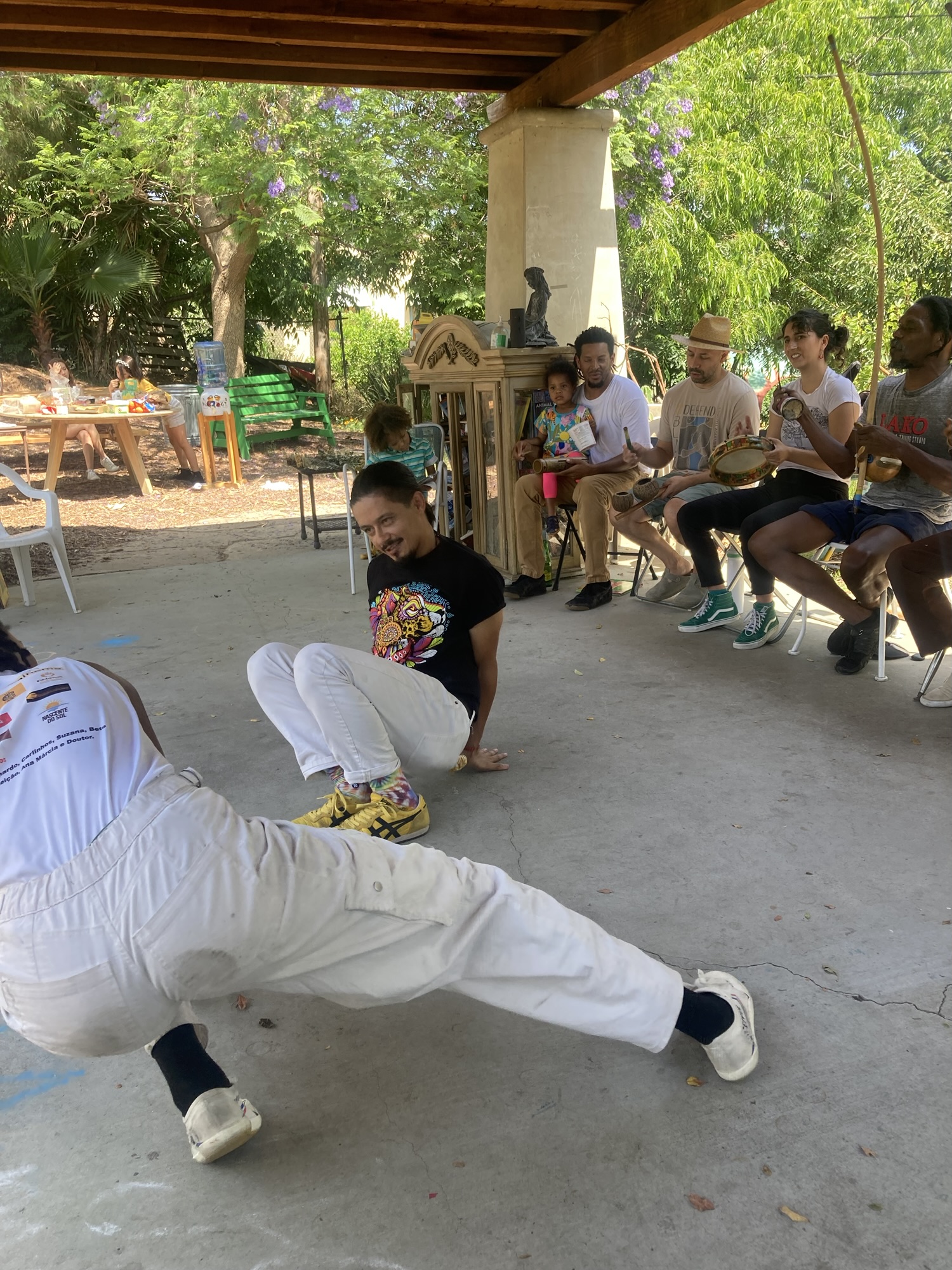
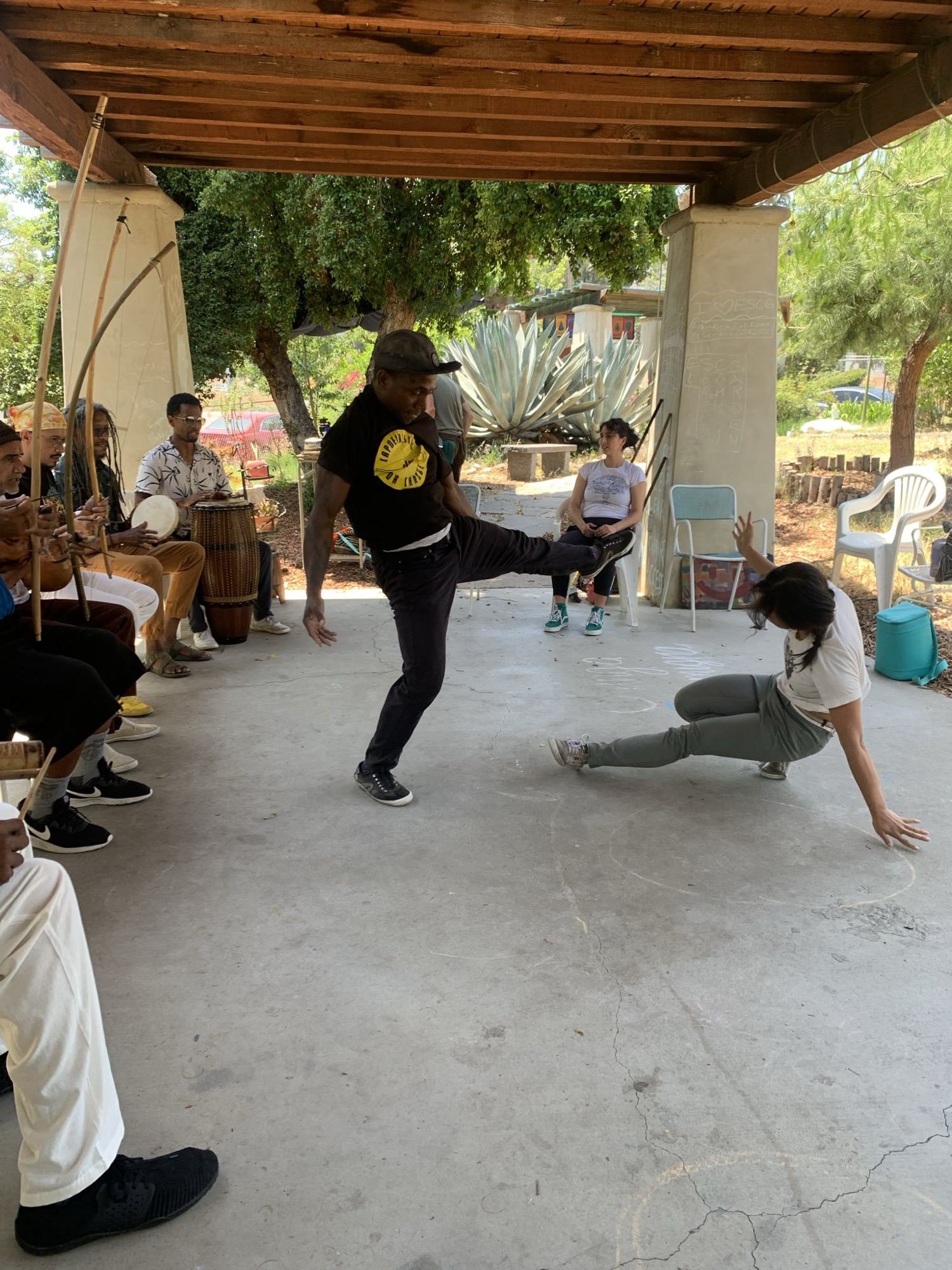
As practitioners come together in a circle, known as the roda, they embody the spirit of connection and expression, bringing to life the stories and experiences passed down through generations. The dance movements and rhythms intertwine in an intricate display of talent and creativity, forming a vibrant tapestry that reflects the rich history of capoeira. Enthusiasts and newcomers alike can feel the infectious energy that exudes from each performance, encouraging a deeper appreciation of this dynamic art form and its significance within the broader spectrum of Afro Brazilian culture. Each participant contributes to the collective atmosphere, fostering a sense of community that transcends individual skill levels and celebrates the shared joy of collective artistry.

The roda becomes more than just a performance space; it transforms into a sanctuary of cultural heritage, where every kick, spin, and musical note resonates with the pulse of Brazil’s diverse traditions.

INSIDE NEO-NAZISM

Okay, before I go into this, we must answer the question: What is Neo-Nazism? Well…

Neo-Nazism is a global movement with organized representation across various countries, characterized by its elements borrowed from Nazi ideology, including antisemitism, racism, xenophobia, and ultranationalism. It aims to revive Nazi doctrines and often promotes racial supremacy while targeting minority groups. Neo-Nazis show admiration for historical Nazi figures and symbols, and many countries have laws in place prohibiting pro-Nazi expressions and related symbols to combat this ideology.

Below, we see a documentary about how Neo-Nazism in the USA actually works, featuring Arno Michaelis.

A former white nationalist skinhead and lead singer of the neo-Nazi band Centurion, Arno Michaelis was deeply involved in spreading neo-Nazi ideology from 1987 to 1994, during which his band achieved significant sales of their albums and garnered a troublingly dedicated following.

In this video, he reveals the insidious recruitment strategies employed by white nationalist groups, detailing the psychological manipulation and the violent brutality that often defined their actions, illustrating the chilling lengths to which these organizations go to entrench their ideology. Michaelis openly discusses the profound personal impact of his participation in this movement, including struggles with addiction and crime that marred his life, serving as a cautionary tale of the destructive nature of extremist beliefs.

After leaving the movement and seeking redemption, he transformed his life into that of an anti-hate activist, passionately working with organizations like Parents for Peace to deradicalize extremists and educate the public about the dangers of hate in all its forms. His commitment to this cause is unwavering, as he travels across the country, delivering powerful speeches that resonate with audiences and encourage dialogue about acceptance and understanding. He further documented his journey in his memoirs, including “My Life After Hate,” where he reflects on his tumultuous past, the choices that led him down a dark path, and the profound lessons he learned along the way.

Additionally, “The Gift of Our Wounds,” co-written with Pardeep Singh Kaleka, delves deeply into the themes of healing and reconciliation, exploring the complexities of trauma and the importance of forgiveness. Through workshops and community outreach, he seeks to inspire others to confront their biases and build bridges between divided communities. Through his efforts, Michaelis stands as a testament to the possibility of change and the power of compassion overcoming hate, proving that the wounds of the past can be transformed into a force for good.

I created this post because a couple of days ago, I wrote a BLOG about how in Lincoln Heights, Ohio, a Black village, residents formed an armed patrol for community safety after a neo-Nazi rally.

And I wondered, why would someone want to be involved in this hateful ideology, to become a neo-Nazi? What are his or her motivations? What are they getting from it? After much contemplation, it became evident that various factors might contribute to this troubling attraction, including a sense of belonging, personal grievances, or even a reaction to societal changes.

Well, I saw the video above, and after watching it with deep concern, I decided to post about it so that you, my audience, can get a broader perspective about what this is, the alarming implications it carries for individuals and society at large, and how to cure oneself of this mental disease, this insidious and toxic racist ideology we call Neo-Nazism. By sharing insights and personal stories, I aim to foster an understanding that encourages empathy and, ultimately, healing for those ensnared by this dangerous belief system.

If you are concerned about someone’s extreme beliefs or behaviors, Parents for Peace has a free and confidential helpline at 844-49-PEACE (844-497-3223) or email at help@parents4peace.org.

If you or someone you know is dealing with substance misuse or mental illness, call the Substance Abuse and Mental Health Services Administration’s National Helpline (1-800-662-4357) for 24/7, free, confidential treatment referral and information.

TODAY IN BLACK MEDIA (3/14/25)

TODAY IN BLACK MEDIA provides news and cultural discussions from an African American perspective, highlighting diverse voices and global black achievements while offering insightful commentary on a wide range of issues affecting the African Diasporic community. The platform serves as a vital resource for those seeking to understand the complexities of black life, culture, and history, bridging gaps and fostering understanding between different communities.

By showcasing prominent figures, emerging talent, and influential narratives, the goal is not only to amplify important stories but also to inspire meaningful change through an inclusive dialogue about race, culture, identity, and representation in the media. This initiative aims to cultivate a deeper appreciation for the rich tapestry of black experiences and challenges prevailing misconceptions, ultimately contributing to a more equitable and just society.

In today’s installment…

In Lincoln Heights, Ohio, a predominantly Black village, residents have created an armed patrol to safeguard their community following a neo-Nazi rally that involved rifles and racial slurs. This response emerged from a deep-rooted desire to protect their families and homes from the threat of hate and violence, with community members uniting under a shared commitment to uphold their safety and dignity.

The armed patrol not only serves as a physical presence against intimidation but also represents a larger movement of resilience and solidarity, where neighbors look out for one another in the face of mounting threats. By establishing this group, they aim to foster a sense of empowerment among residents, reinforcing their right to live peacefully and proudly in their own community. This initiative has cultivated a bond among participants, encouraging open lines of communication and mutual support that extend beyond mere safety concerns. The ongoing efforts have also sparked discussions about systemic racism and the urgent need for dialogues around community safety, social justice, and the importance of solidarity amid adversity.

As these conversations unfold, they highlight the necessity of understanding the historical context that has shaped current realities, bringing to light the experiences of marginalized individuals and advocating for inclusivity and healing within the community. Through collective action and persistent dialogue, this movement seeks not only to address immediate threats but also to dismantle the roots of inequality, paving the way for a more just society where everyone feels empowered and valued.

Aisha : The Queen Hunter

In northeastern Nigeria, skilled hunters protect their communities from threats in the absence of official forces, led by Aisha Bakari Gombe, the renowned Queen Hunter.

Aisha Bakari Gombi, 38, from near the Sambisa forest, is a unique and courageous volunteer who has joined Nigerian soldiers in their relentless fight against Boko Haram, a group that has long terrorized the region. With her remarkable background in hunting and deep understanding of the local terrain, she leads a dedicated team of 15-20 fellow volunteers, all of whom share her unwavering commitment to restoring peace in their communities. Earning the esteemed title of ‘Queen Hunter’ due to her exceptional bravery and unparalleled skills in tracking and survival, Aisha has become a symbol of hope and resilience. Her team’s significant achievements include not only the successful rescue of many captives who were held by the insurgents but also the strategic neutralization of key components of the terrorist group, thereby contributing to greater safety and security in the area. Aisha’s leadership and determination inspire others, making her an integral part of the efforts to reclaim their homeland from the clutches of violence and fear.

These remarkable individuals employ a variety of traditional techniques and tools, meticulously honed through generations, to ensure the safety and security of their people. With unwavering courage and deep-rooted knowledge of the land, they navigate challenging terrains and unpredictable situations, embodying resilience and hope amidst personal challenges and sacrifices they face in their commitments. Each hunt not only represents their profound dedication to safeguarding their way of life but also reinforces the cultural heritage that binds their community together. Through their actions, they become symbols of strength and tenacity, inspiring younger generations to appreciate and uphold their ancestral responsibilities while striving for a future where their communities can thrive in peace and stability.

DON’T THINK I FORGOT IT’S WOMEN’S HISTORY MONTH!

The entire month of March is designated as Women’s History Month in the United States, and many other countries also observe it to celebrate women’s achievements and contributions throughout history. This month serves as a vital reminder of the strides made by women in various fields, including politics, science, arts, and social movements. Through the recognition of their accomplishments, we honor not only the individuals who paved the way for future generations but also the ongoing struggles many women face today. To celebrate, I’m gonna dedicate at least one blog to honor women who shaped our history, exploring their remarkable stories and the lasting impact they have had on society as a whole, while also encouraging discussion on the importance of gender equality and empowerment for women everywhere.

And I’m gonna start with not just 1 woman, but a whole army, the Agojie, the famed “Amazons” of the DAHOMEY KINGDOM of West Africa, as depicted here in the recent movie, “The Woman King”. These extraordinary women were not just fighters; they were warriors who defended their kingdom with unmatched bravery and skill, showcasing the strength and resilience of African heritage.

Now, as much as I liked this movie for bringing their story to the forefront, to me, it is also a reminder for my people to NEVER let Hollywood choose our heroes for us.

It’s essential that we take the narrative into our own hands, ensuring that the legacy of these remarkable women is told accurately and authentically, and that we celebrate our own cultural icons who have shaped history in profound ways. In doing so, we not only honor their contributions but also inspire future generations to recognize the power and potential within themselves. And for that end, I present THIS documentary, hosted by Lupita Nyongo, a pivotal figure in modern storytelling.

Journey across Benin, West Africa with Lupita, as she uncovers the story of the ‘Agoji’ (a forgotten female army) – or, as Europeans labeled them, the ‘Amazons.’ Through breathtaking landscapes and rich cultural narratives, this documentary reveals the strength and valor of these incredible women, shedding light on their pivotal role in history, which has often been overlooked and underappreciated.

As Lupita delves deeper into their stories, viewers will not only gain insight into the Agoji’s fierce battles and unwavering dedication but also into the broader implications of their legacy within the context of African history and women’s empowerment today. By exploring the personal narratives of these extraordinary women, the audience can appreciate the resilience they exhibited in the face of adversity, highlighting their roles not just as warriors, but as symbols of strength and courage.

This exploration serves as a reminder of the importance of acknowledging and celebrating the contributions of women throughout history, particularly in cultures where their voices were often marginalized. Through Lupita’s lens, the rich tapestry of the Agoji’s influence can inspire contemporary discussions around gender equality, motivating future generations to honor their heritage while advocating for women’s rights in today’s society, thus fostering a deeper understanding of how the past intricately shapes our present and future.

THE MOMENT OF TRUTH FRIDAY CRIME REPORT (3/7/25)

Every Friday, PROFESSOR BLACK TRUTH posts videos appropriately named “The Friday Crime Report”. I decided to post them here on this platform, because I want to show you how “bad things” still happen to black people with regularity in this country, despite others telling us “it’s all in the past.” This series provides a crucial perspective on the ongoing struggles faced by the black community, highlighting incidents that often go unnoticed or underreported. Each report serves as a stark reminder of the realities that many endure daily, emphasizing the need for awareness, dialogue, and action. By sharing this content, I hope to foster a deeper understanding of these issues and encourage conversations that are vital for progress and change in our society. It’s important for us all to confront these uncomfortable truths, as only then can we hope to pave the way towards a more equitable future where everyone is treated with dignity and respect, regardless of their background.

In Today’s installment…

In Tamarac, Florida, in a harrowing incident that shocked the local community, Nathan Gingles chased his wife with a gun, an act of violence that ultimately resulted in the tragic deaths of not only his wife but also his father-in-law and a neighbor who tried to intervene. This senseless tragedy was further compounded by the belief that it could have been preventable had the police acted appropriately and responded more effectively to the warning signs leading up to this horrifying event.

Many community members lament the missed opportunities for intervention, calling for a thorough review of the police protocols and a deeper understanding of domestic violence warning signs to ensure that such heartbreaking incidents do not occur in the future. They emphasize the need for comprehensive training for law enforcement officers, focusing not only on the legal aspects of domestic violence but also on the psychological and emotional factors involved. Furthermore, there is a growing demand for community outreach programs that educate the public about the red flags of abusive relationships and how to seek help. Initiatives that foster collaboration between law enforcement, social services, and community organizations are seen as crucial steps in creating a supportive environment that prioritizes the safety of vulnerable individuals and holds offenders accountable for their actions. Through these efforts, the community hopes to build a stronger framework that prevents similar tragedies and promotes healing for those affected.

Shout out to The Professor for his engaging video on important topics that resonate with many viewers today. His insights not only spark critical thinking but also encourage lively discussions among his audience. Click HERE to explore his YouTube channel, where you can delve into a treasure trove of thought-provoking analyses and connect with a community of interested individuals who share a passion for knowledge and understanding of complex issues. Don’t miss out on the opportunity to broaden your perspective and partake in enlightening conversations that can significantly enrich your worldview.

CORRUPT POLICE FILES (2/23/25)

The majority of police officers are dedicated individuals who protect their communities with unwavering commitment and courage, often putting themselves in harm’s way to ensure the safety of others. They engage in various community outreach programs, building relationships with the residents they serve and fostering a sense of trust and collaboration. However, there are some who abuse their power, acting in ways that contradict the very principles of justice and service. Such misconduct not only damages the reputation of their colleagues but also erodes public trust in law enforcement as a whole, leading to an atmosphere of suspicion and fear. This delicate balance between accountability and authority is vital, as the actions of a few can overshadow the hard work and dedication of the many, highlighting the need for ongoing training and stricter oversight within the police force.

These are their stories.

In today’s installment, we’re going to switch things up a bit.

What happens when Good Cops Stand Up To Corrupt Bad Cops?

This critical question arises in discussions about law enforcement integrity and the ongoing battle against corruption within police departments. When good officers take a stand against their corrupt colleagues, it often leads to significant consequences for both the individual officers and the institution as a whole. Firstly, these courageous actions can foster a culture of accountability, encouraging others to follow suit and report unethical behaviors. Moreover, it can strengthen public trust in law enforcement, demonstrating that there are officers who prioritize justice and ethics over complicity.

However, confronting corruption is fraught with challenges, including potential backlash from fellow officers, threats to personal safety, and even career repercussions. In many cases, these good cops may find themselves isolated, facing not only institutional pushback but also the emotional toll of being at odds with colleagues. Despite these risks, their bravery is crucial; it sends a powerful message that integrity matters within the force, potentially instigating broader reforms aimed at eradicating systemic corruption and fostering a healthier police culture for future generations.

MARTIAL ARTS THEATER (2/21/25)

Welcome to MARTIAL ARTS THEATER, a vibrant platform for martial arts enthusiasts dedicated to exploring a diverse range of disciplines such as karate, taekwondo, and Muay Thai. Here, we celebrate not only the history and philosophical foundations of these time-honored arts but also the intricate techniques that make them unique. Our platform provides a wealth of resources, including in-depth expert interviews, instructional videos, and exciting community events, designed for practitioners of all levels—from beginners stepping onto the mat for the first time to seasoned martial artists honing their skills. Join us as we foster a supportive environment where you can cultivate your abilities, share experiences, and connect with others who share your passion for martial arts, while also gaining insights into the broader cultural significance and practical applications of these disciplines in everyday life.

Today, let’s take a journey into the transformative power of martial arts for middle-aged individuals seeking strength, balance, and renewed vitality. Eternal Warriors showcases the transformative benefits of martial arts for middle-aged individuals, emphasizing strength, balance, and vitality, while highlighting resilience, discipline, and mental clarity through inspiring stories and insights. By participating in martial arts, individuals not only enhance their physical capabilities but also cultivate a profound sense of community among fellow practitioners.

The journey involves overcoming personal challenges, fostering a spirit of perseverance that transcends the dojo and positively impacts everyday life. Through a variety of practices, from traditional forms to modern techniques, practitioners discover new pathways to well-being, empowering them to embrace life with renewed energy and focus. Each session not only enhances physical abilities but also nurtures mental resilience, encouraging individuals to break through barriers they once deemed insurmountable. The narratives of those who have undergone these transformations serve as powerful motivators, illustrating that it is never too late to embark on a journey of self-discovery and improvement. These stories inspire others to reflect on their own lives and aspire to greater heights, ultimately leading to a more fulfilling and active lifestyle where every day becomes an opportunity for growth and connection with others.

This subject is something personal to me, because as of this date (2/21/25), I am middle age, 50 years old in fact, and in this documentary, I can see myself and my own journey in the individuals here. Their experiences resonate deeply with my own, as I reflect on the challenges and triumphs I have faced during this phase of life. Each story shared in the documentary serves as a reminder of the resilience we often need to muster as we navigate the complexities of aging, relationships, and personal growth. I find myself pondering how our collective narratives intertwine, revealing not only our individual struggles but also our shared humanity. Watching these brave souls articulate their thoughts and feelings makes me appreciate the power of storytelling and the connections we forge through our life experiences, reminding me that while each journey is unique, we are not alone in our shared quest for understanding and fulfillment.

TODAY IN BLACK MEDIA (2/6/25)

Welcome to TODAY IN BLACK MEDIA, your source for news and cultural discussions from an African American perspective. We highlight diverse voices, celebrate global black achievements, and provide insightful commentary on issues affecting the African Diasporic community. Our goal is to amplify important stories, inspire change, and foster an inclusive dialogue that recognizes the contributions of black experiences and culture in society. Join us in exploring race, culture, identity, and the importance of representation in the media.

In this installment, Ibrahim Traore Stuns New US President Donald Trump with Daring Anti-West Offensive

In a surprising geopolitical move, Burkina Faso’s leader Ibrahim Traoré has initiated an anti-West campaign directed at newly elected U.S. President Donald Trump, indicating a significant change in global politics amidst rising tensions between Africa and Western nations. This unexpected initiative has raised eyebrows and sparked discussions among political analysts and leaders alike, as it reflects a growing sentiment in certain African countries to assert their sovereignty and challenge Western influence. As Traoré galvanizes support for this campaign, he highlights the need for African nations to unite and redefine their relationships with former colonial powers, emphasizing the importance of economic independence and political autonomy. This shift signals a potential realignment within international diplomacy, where African voices demand a seat at the table and seek to reshape policies that have traditionally favored Western interests, further complicating the already intricate dynamics of global governance as nations navigate the complexities of modern capitalism and the quest for equitable development.

The implications for U.S.-Africa relations are profound, with the potential for increased diplomatic friction and a reevaluation of foreign aid strategies that could alter long-standing agreements and partnerships. Furthermore, Trump’s potential response comes under increased scrutiny; many are curious whether he will seek to negotiate with Traoré to foster stability in the region, deploy sanctions as a punitive measure, or take an entirely different approach that prioritizes strategic interests over traditional diplomatic norms. This situation not only highlights the shifting power dynamics between powerful nations and emerging ones but also calls for a closer examination of global reactions to Traoré’s bold stance, particularly from other nations in Africa and the Western world, as they navigate this complex geopolitical landscape filled with uncertainties and potential conflicts, which may lead to a redefined global order where Africa plays a more significant role in international affairs.