BASIC ELEMENTS OF CAPOEIRA: THE RASTEIRA

“There are not more than five musical notes, yet the combinations of these five give rise to more melodies than can ever be heard. There are not more than five primary colours, yet in combination, they produce more hues than can ever been seen. There are not more than five cardinal tastes, yet combinations of
them yield more flavours than can ever be tasted.”
― Sun Tzu, The Art of War

Capoeira Angola is a defensive martial art known for its intricate trap-like defenses designed to catch opponents off guard and provide fluidity in movement. It encompasses 8 basic defenses, each with unique unexpected attacks and counter-attacks based on the opponent’s positioning, which are essential for creating opportunities during a confrontation. Mastery of these movements enables capoeiristas to defend against individuals carrying various weapons, including sticks, clubs, knives, and potentially even firearms with the appropriate skills; by understanding the principles of anatomy, timing, and rhythm, practitioners can enhance their ability to react swiftly and effectively. Furthermore, the art form emphasizes not only physical technique but also the mental aspects of strategy and awareness, allowing capoeiristas to anticipate an opponent’s actions and respond accordingly, making it a holistic approach to self-defense that integrates body and mind.

Today, I’m gonna “type” about one of the most fundamental techniques, one of the “trademarks” if you will, of Capoeira Angola, the RASTEIRA.

“When you understand the rasteira you are very close to understanding the philosophy behind the art form known as capoeira. […] The rasteira represents the victory of knowledge over brute force, of shrewdness over strength. It is the weapon of the weak against the strong, of the oppressed against the oppressor.”

— Nestor Capoeira

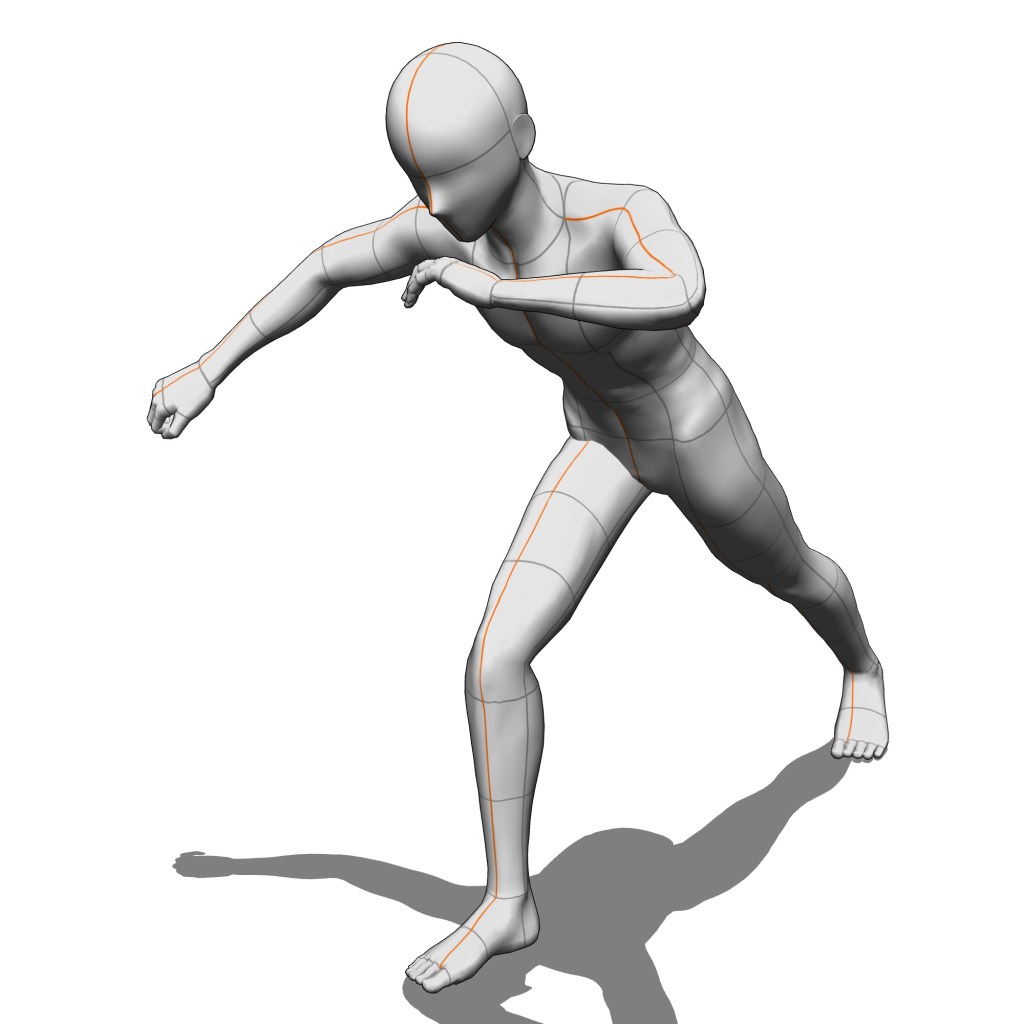
Rasteira is a foot sweep technique in capoeira that typically counters high kicks and disrupts the opponent’s balance by using their own force against them. It is fundamental in traditional capoeira and is a hallmark of an exceptional capoeirista, alongside the meia lua de compasso. Developed from the Angolan martial art engolo, rasteira can be executed from various positions.

The rasteira takedown is a defensive move performed by capoeiristas to counter an opponent’s attack, typically targeting their support leg during kicks. It involves instinctively evading the strike while sweeping the leg, often causing the attacker to fall on their back, which can be dangerous if they’re untrained. Mastering the rasteira enables one to effectively deal with aggressive opponents, and it is said, “The harder they come, the harder they fall.”

In friendly contexts, one can feign the move without actual contact, but targeting hands during handstands or cartwheels can result in serious injuries and should be avoided. Engaging in such playful interactions might seem harmless, yet the risk of causing an accident remains significant, especially if the individual performing the maneuver is not fully aware of their surroundings. It is crucial to emphasize safety and proper technique, as even a slight miscalculation during these activities can lead to falls or strains. Therefore, participants should exercise caution and communicate effectively about their intentions to ensure a safe and enjoyable experience for everyone involved.

The rasteira can be performed with one, two, or no hands on the ground. The variations of rasteira include:

  • crouching sweep (rasteira do chão)
  • back crouching sweep (rasteira de costas)
  • standing sweep (banda or rasteira em pé)
  • back standing sweep (banda de costas)

Crouching sweep (rasteira)

The Crouching sweep, known as rasteira or rasteira do chão, is a fundamental move in capoeira. To execute it, the capoeirista drops to one leg, balancing with their arms, and bends their trunk close to their thigh. They then extend the opposite leg and make a circular motion to sweep the opponent’s foot, aiming to hook their ankle or leg and topple them if they do not react quickly enough.

Back crouching sweep (rasteira de costas)

Rasteira de costas (back sweep) is a quick crouching sweep executed from a backward rotation, aiming at the back of the opponent’s ankle in less than a second. This maneuver resembles a low Rabo de arraia and is referred to as encruzilhada (crossroads) by some authors, found in the game of batuque, while others recognize it in ngolo.

Standing sweep (rasteira em pé)

The standing sweep is primarily used against direct kicks like martelo (roundhouse kick), and is effective when the opponent’s weight is on one leg, though it’s rarely successful. To execute it, position your foot behind their supporting leg and twist to sweep their foot off the ground. This technique is also referred to as banda or banda de frente, with the latter sometimes indicating a different method that involves using the knee of the attacking leg to push the opponent’s legs forward.

Back standing sweep (banda de costas)

Banda de costas (back band) is a takedown technique where the player thrusts forward to land on one foot and performs a back sweep using their heel to trip the opponent, leading to a loss of balance and a fall. It is most effective when sweeping both legs but is challenging against experienced opponents. This technique often serves as a counter against kicks like queixada and armada or during unexpected moments in a game.

Grass cutter (corta-capim)

Corta-capim (grass cutter) is a specific foot sweep technique often used in uneven fights, where one person confronts multiple opponents. The capoeirista lowers their body to one leg and violently extends the other leg to sweep the opponent. From queda de quatro, the fighter sweeps one leg in a semi-circle to target the opponent’s planted foot, similar to a rasteira, also aiming to lock onto the opponent’s foot for effective takedowns.

As a child, Mestre João Grande saw some guys doing corta capim in the street, and heard: “Do that movement to a person and the person will fall.” That sparked his lifelong interest in capoeira.

This very special takedown of old capoeira is used mostly as a floreo today.

Rasteiras de Mao

Rasteira is a simple yet effective capoeira move that involves placing your hands firmly on the ground while using your legs to create momentum. As you rotate your leg at a 180º angle, the objective is to strategically knock down the opponent, creating an opening for follow-up maneuvers. This move not only showcases agility but also requires precise timing and body control, making it a fundamental technique in the capoeira practitioner’s repertoire. Mastering the rasteira can greatly enhance one’s ability to fluidly transition between offensive and defensive postures during a match.
BASIC ELEMENTS OF CAPOEIRA: THE CABECADA

“There are not more than five musical notes, yet the combinations of these five give rise to more melodies than can ever be heard. There are not more than five primary colours, yet in combination, they produce more hues than can ever been seen. There are not more than five cardinal tastes, yet combinations of
them yield more flavours than can ever be tasted.”
― Sun Tzu, The Art of War

Capoeira Angola is a defensive martial art known for its intricate trap-like defenses designed to catch opponents off guard and provide fluidity in movement. It encompasses 8 basic defenses, each with unique unexpected attacks and counter-attacks based on the opponent’s positioning, which are essential for creating opportunities during a confrontation. Mastery of these movements enables capoeiristas to defend against individuals carrying various weapons, including sticks, clubs, knives, and potentially even firearms with the appropriate skills; by understanding the principles of anatomy, timing, and rhythm, practitioners can enhance their ability to react swiftly and effectively. Furthermore, the art form emphasizes not only physical technique but also the mental aspects of strategy and awareness, allowing capoeiristas to anticipate an opponent’s actions and respond accordingly, making it a holistic approach to self-defense that integrates body and mind.

The Cabeçada is a headbutt in capoeira, widely used and considered a fundamental technique. Though easy to perform, it is dangerous and historically deadly in 19th century capoeira carioca, but violent headbutts are now generally avoided in contemporary practice.

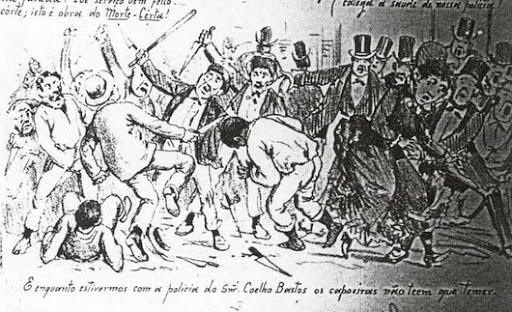
By the 19th century, head butts had evolved into the primary technique used by capoeiras, as documented in police records that highlighted the growing notoriety of capoeira in urban settings. This era saw a remarkable surge in interest and participation, prompting authorities to closely monitor the activities surrounding capoeira schools and the practitioners themselves.

In capoeira cariocacabeçada was a deadly technique. An English visitor to Rio de Janeiro wrote in 1826 on this lethal technique:

They need no stiletto, ferro de gaiola, or any other weapon. In lieu of all these, they use only the head; and with it, they butt like bulls at the chest of their victim. I saw a field officer who had been murdered in this manner and thrown over the wall into his garden, where his family found him in the morning: the upper part of the body had been flattened as if the implement of death had been a mallet.

Between 1822 and 1824, German painter Johann Moritz Rugendas characterized capoeira as a game centered around headbutting, emphasizing not only the physicality of the movement but also the cultural significance it held within the Brazilian landscape, serving as a form of resistance and identity for enslaved and marginalized communities.

Two contestants face each other, each trying to butt his adversary in the chest with his head and knock the opponent down. They turn cartwheels and pause as they launch into an attack. Sometimes they stand like he-goats, butting at each other. The game often turns into a wild brawl when knives are drawn and blood is shed.[6]

Johann Moritz Rugendas

Through Rugendas’ artwork, one can glimpse the vibrant energy and spiritedness of capoeira, which continues to resonate to this day, evolving while maintaining its historical roots in the struggle for freedom and self-expression.

Lethal headbutt techniques were also used in the 19th century Bahia.

On the night of February 22, 1883, the soldier José Raimundo de Souza, standing patrol in the Baixa dos Sapateiros, went to arrest the stevedore Celestino, author of a major conflict on that street, from whom he received a ‘cabeçada’ that caused him almost instant death.

Headbutts, once common in street-fighting capoeira for their effectiveness, are now used less frequently in the game, primarily as a defensive strategy against close opponents.

To execute a headbutt, the capoeirista bends down and strikes the opponent with their forehead, targeting various body regions such as the chest, jaw, or even the temple, depending on the opening and the intended impact. This technique not only serves as a powerful offensive move but also helps create space between the capoeirista and their adversary, allowing for a tactical retreat or a swift counterattack. Moreover, mastering the headbutt requires precise timing and body mechanics, as improper execution can lead to self-injury or ineffective blows. With the evolution of capoeira into a more dance-like performance art, the headbutt has become a less favored option, yet it remains a potent reminder of the martial roots from which this vibrant practice originated.

As long as there’s an opening in the defense, the possibility of a headbutt remains imminent. In this technique, the attacker rapidly approaches, gliding their head along the opponent’s chest with precision and agility, usually targeting sensitive areas like the chin, nose, or forehead upon contact. The speed and intent behind this maneuver can often catch an opponent off guard, making it a risky yet potentially effective tactic in certain situations. However, it’s crucial to emphasize that this technique should never be fully executed in a game situation due to its serious consequences. Not only can a headbutt lead to severe injuries for both the initiator and the target, but it can also result in disciplinary actions from officials, such as penalties or ejections. Understanding the gravity of this action is essential for athletes to maintain sportsmanship and ensure the safety of all players on the field.

According to mestre Pastinha and mestre Bimba, the headbutt, or cabeçada, is a dangerous technique in capoeira that can be effectively used at close range. It involves cunning application and can target the chest or face, often executed unexpectedly as opponents anticipate a withdrawal. Capoeiristas utilize various strategies to deliver headbutts, such as feigning dodges during ginga or dropping objects to surprise reckless opponents, and can also escape holds by using headbutts.

In capoeira carioca, different headbutts have specific names based on execution, such as caveira no espelho for a standing face strike and cocada for an upward jab under the chin. The cocada is performed by lowering the body to hit the opponent with the head, making it a deceptive move that can catch the adversary off guard. It can disorient and terrify the receiver, similar to the rabo de arraia, which is also known for its unexpected nature and effectiveness in combat situations.

The arpão de cabeça is a powerful headbutt that effectively utilizes the attacker’s body weight, initially shielding with crossed arms to create an illusion of vulnerability before delivering the strike with precision. This strikes not only aims to incapacitate but also serves to assert dominance in the rhythm of the game. Defense against a headbutt includes pulling back to hit the attacker’s head or quickly descending to kick upward, which requires agility and quick thinking. Learning to anticipate and react to these specific moves is crucial for any practitioner wishing to excel in capoeira, as each technique has its place in the fluid interplay of offense and defense that defines this dynamic martial art.

HAPPY BIRTHDAY, MESTRE JOAO GRANDE!!!

HAPPY BIRTHDAY, MESTRE JOAO GRANDE!!! May this special day be filled with joy, love, and laughter as we celebrate the incredible person you are. Your wisdom and guidance have touched the lives of many, and today we honor not only your birth but also the remarkable legacy you continue to build.

Here’s to many more years of health and happiness, surrounded by those who care deeply for you!

FELIZ ANIVERSÁRIO, MESTRE JOÃO GRANDE!!! Que este dia especial seja repleto de alegria, amor e risadas enquanto celebramos a pessoa incrível que você é. Sua sabedoria e orientação tocaram a vida de muitos, e hoje honramos não apenas seu nascimento, mas também o legado notável que você continua a construir.

Aqui está a muitos mais anos de saúde e felicidade, cercado por aqueles que se importam profundamente com você!

MARTIAL ARTS THEATER (1/15/25)

Welcome to MARTIAL ARTS THEATER, a vibrant platform for martial arts enthusiasts that offers diverse content on various disciplines, from traditional styles like karate and taekwondo to innovative techniques such as Krav Maga and Muay Thai, celebrating the rich history, profound philosophy, and unwavering dedication inherent in martial arts. Here, we delve into the nuances of each martial art, explore their unique techniques, engage with expert practitioners, and provide training tips for all skill levels, creating a community where passion for martial arts thrives. Whether you are a seasoned fighter or a curious beginner, our extensive resources aim to inspire and educate, fostering a deeper appreciation for the artistry and discipline that martial arts embody.

In this installment, Chu Hong, a Chinese martial artist, trains rigorously to integrate his martial arts skills with archery for an upcoming tournament, competing against other archers and learning lessons about perseverance, focus, and competition.

In 1030 CE, Chu Hong learns from his astute friend Liang Gao that a surprise archery competition, hosted by the local magistrate, is coming to their village, igniting a spark of excitement and nervous anticipation within him. This thrilling event not only draws in participants from neighboring towns but also attracts many spectators eager to witness the display of talent and skill.

As the details unfold, Hong realizes that this competition presents him with a golden opportunity to showcase his remarkable martial arts skills, honed over years of rigorous training, and earn much-needed money for his family, as outlined by Peter Lorge. The prospect of victory fills him with determination, fueling his desire to support his loved ones and bring honor to his name in their small community. With each passing day leading up to the competition, he practices relentlessly, envisioning himself standing at the center of the village square, the cheers of the crowd ringing in his ears as he triumphs over his rivals.

MARTIAL ARTS THEATER (12/27/24)

Welcome to MARTIAL ARTS THEATER, a vibrant platform for martial arts enthusiasts that offers diverse content on various disciplines, from traditional styles like karate and taekwondo to innovative techniques such as Krav Maga and Muay Thai, celebrating the rich history, profound philosophy, and unwavering dedication inherent in martial arts. Here, we delve into the nuances of each martial art, explore their unique techniques, engage with expert practitioners, and provide training tips for all skill levels, creating a community where passion for martial arts thrives. Whether you are a seasoned fighter or a curious beginner, our extensive resources aim to inspire and educate, fostering a deeper appreciation for the artistry and discipline that martial arts embody.

In this installment, we have this VERY SPECIAL episode of INSIDE FIGHTING.

In this eye-opening episode, Ilan from The Inside Fighting YouTube Channel discusses hidden issues that have long plagued the martial arts community, including abuse and manipulation, with valuable insights drawn from McDojo Life. They provide a deep dive into the important red flags that practitioners should recognize, stressing the crucial need for safety in training spaces.

By holding wrongdoers accountable, we as a united martial arts community can foster a culture of trust and respect, which is essential for maintaining the integrity of our beloved discipline. This responsibility extends to both seasoned practitioners and newcomers alike, making it vital for everyone to listen, engage, and learn from the experiences shared. It is important that we create an open dialogue where concerns can be expressed freely and without fear of retribution.

This includes mentoring programs that connect experienced martial artists with novices, ensuring that knowledge and principles are passed down effectively. Additionally, hosting regular workshops and seminars can serve as platforms for educating all members on the importance of ethics and accountability, further reinforcing our commitment to high standards. By building a solid foundation of mutual respect and understanding, we can ensure that our martial arts community remains a safe and supportive environment for all individuals involved.

This conversation is more than just discussing problems; it serves as a powerful call for the community to come together, to engage in open dialogues, and to actively take steps in protecting the core values and integrity of martial arts. In an age where the essence of martial arts can sometimes be overshadowed by external pressures and misconceptions, it is essential for practitioners, instructors, and enthusiasts alike to reaffirm their commitment to these foundational principles.

By collectively addressing these issues, we can create a supportive environment where all individuals feel safe and valued, ultimately allowing martial arts to thrive for future generations. Each voice matters, and through united efforts, we can foster a culture of respect, discipline, and growth that honors the traditions while embracing the evolution of martial arts as an integral part of our society. Together, we can forge pathways for learning and development that reflect not only the spirit of the practice but also the need for inclusiveness and resilience in our communities.

BASIC ELEMENTS OF CAPOEIRA: THE ROLE

“There are not more than five musical notes, yet the combinations of these five give rise to more melodies than can ever be heard. There are not more than five primary colours, yet in combination, they produce more hues than can ever been seen. There are not more than five cardinal tastes, yet combinations of
them yield more flavours than can ever be tasted.”
― Sun Tzu, The Art of War

Capoeira Angola is a defensive martial art that combines a rich cultural history with physical agility and mental discipline. It features 8 basic defenses, each designed with specific techniques that incorporate unique attacks and counters, empowering practitioners to effectively defend against various weapons. This dynamic art form not only emphasizes the importance of movement and rhythm but also teaches the value of strategy and adaptability in combat situations. By mastering these techniques, individuals can gain confidence in their ability to protect themselves while simultaneously enjoying the artistic expression that Capoeira Angola offers in its fluid and graceful movements.

And today, we’re gonna talk about the ROLE.

Rolê is a basic movement in the Roda, performed from Ginga or esquivas, where the capoeirista spins to the side, staying low and watchful of the opponent’s movements. During the rotation, he maintains eye contact with the adversary through his legs, which is crucial for anticipating their next actions and maintaining defensive readiness. This continuous visual connection not only enhances the capoeirista’s awareness of his surroundings but also establishes a psychological edge over the opponent.

The rolê can end in various positions such as roxana, Negativa, or other esquivas, each presenting unique defensive or offensive opportunities for countering or retreating, providing capoeiristas with a multitude of strategic options. Among its numerous variations, the Rolê de Cabeça stands out distinctly, as it involves placing the head on the ground, which not only enables smooth transitions into inverted techniques like the aú or even the macaco but also allows practitioners to execute dazzling aerial maneuvers that captivate audiences and instill fear in opponents. This versatility expands the repertoire of movements within the game, making it vital for practitioners to explore every facet of the rolê and its applications.

Moreover, mastery of the rolê and its various transitions is fundamental for any aspiring capoeirista, as it enhances agility and fluidity in their movements while simultaneously improving balance and spatial awareness. This foundational skill serves not only as a technical basis for performance but also as a gateway to deeper levels of expression within the art form. As practitioners become more skilled, the rolê allows them to experiment with different rhythms and styles, creating a unique signature in their practice. This expanded use of the rolê enables a dynamic and unpredictable style during combat, fostering an environment where creativity thrives and adaptability becomes key to overcoming challenges faced within the roda. Additionally, engaging in the rolê can cultivate a sense of camaraderie among capoeiristas, facilitating a shared journey of growth and mutual support as they explore the limitless possibilities inherent in capoeira.

SELF DEFENSE SERIES (11/13/24): WHY LEARN STICKFIGHTING?

Welcome to the Self Defense series, where we talk about self-defense. The subject of Self-defense is very important, as it not only empowers individuals but also enhances their awareness of personal safety. In today’s world, being equipped with the knowledge and skills to protect oneself is essential, given the increasing concerns regarding safety in various environments. We will explore different techniques, strategies, and the mental aspects of self-defense, aiming to provide you with valuable insights that can be applied in real-life situations. Join us as we delve deeper into this vital topic, ensuring you feel confident and prepared to face any potential challenges.

So, as the title says, “why should we learn stick fighting?” Well, we’re gonna try to answer that question with this article.

Let’s do this.


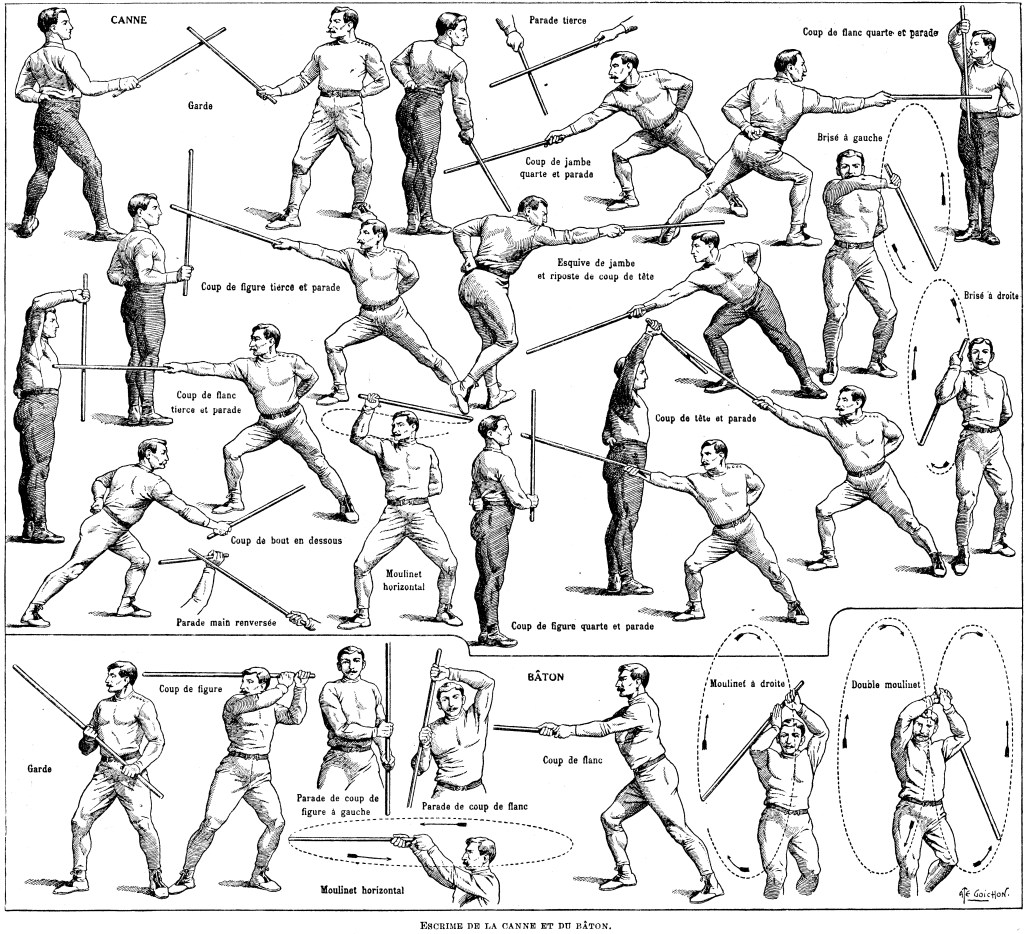
Studying stick fighting remains relevant despite the prevalence of firearms, as it offers practical benefits such as using a cane for support and self-defense. This ancient art form not only enhances physical fitness, agility, and reflexes, but also promotes mental discipline and strategic thinking, which are crucial in both combat and daily life. Additionally, stick fighting allows practitioners to connect with their cultural roots, providing valuable insights into historical combat techniques and the evolution of martial arts. This deeper understanding fosters a sense of respect for traditions and heritage that many modern disciplines lack. Moreover, the discipline fostered through martial arts can positively impact personal and professional life; skills such as focus, perseverance, and respect learned during training can enhance performance in various aspects of life, making the knowledge gained from studying stick fighting empowering and enriching. Embracing this practice can therefore lead not only to improved self-defense capabilities but also a more balanced and fulfilling life overall, encouraging individuals to build resilience and confidence in the face of challenges.


The study of the stick establishes foundational skills and dexterity for using various weapons, as sticks are commonly available in our environment compared to firearms and other weaponry. This accessibility not only encourages individuals to engage in training with an object that is both versatile and familiar, but also fosters creativity in weapon handling. Practicing with sticks allows for the development of core motor skills, balance, and coordination, which are transferable to a wide range of combat techniques.


Moreover, the simplicity of the stick serves as an accessible and versatile platform for experimentation, allowing practitioners to engage in a broad spectrum of techniques while fostering their creativity. This adaptability enables individuals to explore diverse styles and applications, whether they are focusing on traditional martial arts forms or innovative approaches that incorporate elements from various disciplines. As a result, the continuous practice and exploration not only lead to a nuanced understanding of fundamental movements but also cultivate a sense of mastery over the stick as a weapon. Ultimately, this process enhances their overall martial proficiency, equipping them with the skills needed to effectively respond to dynamic combat situations while encouraging personal growth and confidence in their abilities.

The stick serves as a versatile defensive tool for individuals who may be uncomfortable carrying more lethal options like firearms or knives due to the associated violence and potential legal ramifications; it provides them with a sense of security that is crucial in uncertain situations without crossing their personal psychological boundaries or ethical concerns. This simple yet effective instrument can empower people by allowing them to feel more prepared and confident, enabling them to navigate their environments with a degree of assurance. Furthermore, the stick is often seen as a less aggressive option, which can facilitate a non-confrontational approach to self-defense, thereby reducing the likelihood of escalating a situation into violence. By opting for a blunt weapon, individuals can maintain a sense of responsibility and control while still being ready to protect themselves if necessary.


Walking sticks are invaluable tools that provide essential stability and support, particularly for those navigating the often challenging and unpredictable conditions of uneven terrain. These instruments are especially beneficial for elderly individuals or those with mobility issues, as they help prevent falls and enhance overall confidence during movement. In addition to their primary function of assisting with balance, walking sticks can also act as a deterrent against aggressive animals. Their presence alone may discourage potential threats, and with a simple gesture, they can signal a protective stance. Beyond their defensive capabilities, walking sticks serve various practical uses, such as aiding in the clearing of paths overgrown with brush or even functioning as makeshift tent poles during outdoor adventures, showcasing their versatility in nature.


The stick serves various defensive purposes, including smashing, stabbing, binding, and tripping, and may be combined with hand and elbow techniques for enhanced effectiveness in close combat situations. Its versatility allows it to be employed in multiple ways, adapting to the unique dynamics of each encounter. The effectiveness of the stick depends significantly on its characteristics, such as length, weight, and type of wood, as these factors contribute to the force and control exerted during defensive maneuvers. While some strikes can be lethal if applied with sufficient force and precision, targeting non-lethal areas such as elbows, shins, and knees enables practitioners to engage in self-defense without inflicting fatal consequences. This approach prioritizes de-escalation and minimizing harm, thereby allowing individuals to protect themselves effectively while adhering to moral and ethical standards. Training and proper targeting play critical roles in influencing the lethality of its use, as a well-trained user is able to exploit the stick’s attributes to deliver precise and effective defensive actions. Legally, it can be viewed as a dangerous weapon, necessitating careful judgment and responsibility before use, as well as an understanding of the legal implications surrounding its application in various situations, ensuring that self-defense remains within the bounds of the law and societal norms.

The stick is a useful yet imperfect self-defense weapon that relies on the user’s skill and situational awareness. It can enhance defensive strategies, whether by creating distance from an aggressor or deflecting strikes. With proper training, individuals can learn techniques to maximize the stick’s potential, making it a versatile tool that complements other self-defense methods.

SELF DEFENSE SERIES (11/8/24) Once again, Knife Defense

Welcome to the Self Defense series, where we talk about it. The subject of Self-defense is very important, as it not only empowers individuals but also enhances their awareness of personal safety. In today’s world, being equipped with the knowledge and skills to protect oneself is essential, given the increasing concerns regarding safety in various environments. We will explore different techniques, strategies, and the mental aspects of self-defense, aiming to provide you with valuable insights that can be applied in real-life situations. Join us as we delve deeper into this vital topic, ensuring you feel confident and prepared to face any potential challenges.


Knife defense. Yes, we’re revisiting this topic because it holds significant relevance in today’s world. With incidents of knife attacks unfortunately becoming more common, understanding the techniques and strategies for self-defense is extremely important. Everyone should be equipped with the knowledge to protect themselves and their loved ones in potentially dangerous situations. Proper training can enhance awareness, improve reflexes, and provide the mental fortitude needed to react effectively under pressure. Additionally, exploring various defensive maneuvers and the psychology behind confrontations can empower individuals to respond wisely and safely.


I posted some videos to serve as resources for practical skills to handle a knife attack, covering self-defense techniques, situational awareness, and escape methods. By practicing these skills, you can enhance your confidence and preparedness for dangerous encounters, and I encourage sharing these resources with others to promote community safety awareness.

In this 1st video, special forces instructor Paulo GN Rubio of FUNKER TACTICAL, in a moment of reckless aggression, attempted to stab a United States Marine and 20-year Law Enforcement Officer with full intent and energy, wielding the knife like it was an extension of his own being. No warning! This was an impulsive action carried out with alarming fervor, full of intention and power! Each movement was raw, unrefined, and dangerously unrehearsed. Did he survive the attack? Watch and see as the events unfold!


After enduring this harrowing and humbling experience, he left Paul with 20 invaluable life-saving lessons about the complex nature of knife defense. It never looks as pretty as some would have you believe; the reality is often gritty and chaotic. Here is a no-nonsense approach to dealing with a bladed opponent, emphasizing the importance of preparation, awareness, and the mental fortitude required to endure such encounters.

These life-saving lesions are listed below:

  • DO NOT COLLECT FANCY TECHNIQUES!
  • SIMPLIFY KNIFE ATTACKS AS ABOVE OR BELOW 90 DEGREE ANGLES.
  • INCORPORATE “CONSEQUENCES” IN YOUR KNIFE TRAINING.
  • IN A FIGHT, EXPECT THAT YOU’RE GONNA GET HURT SOMEHOW.
  • GROSS MOTOR MOVEMENTS OVER FINE MOTOR MOVEMENTS.
  • BOTH THUMBS DOWN, CREATES INCIDENTAL DEFENSE FROM FOREARMS.
  • TECHNIQUES FAIL, FOCUS ON PRINCIPLES & KEEP GOING!
  • PUSHING FORWARD PREVENTS RECOIL AND RE-STAB!
  • WHAT IFS EXIST ONLY IN DEMOS. THEY DISAPPEAR WITH LIVE ENERGY.
  • FIGHTS MOVE, WE MOVE. REMEMBER THIS!
  • REMEMBER, YOU’RE GONNA GET CUT!
  • JUJITSU PRINCIPLE: STAY TIGHT!
  • IT’S NOT EASY TO SWITCH KNIFE HANDS! I’S JUST NOT.
  • SUPPORT HANDS KEEP WORKING! STRIKE OR ENFORCE CONTROL.
  • PROTECT YOUR VITALS.
  • RUN AWAY OR CRASH IN! ALL IN OR ALL OUT.
  • ISOLATE SOMETHING SMALL WITH SOMETHING BIG.
  • IMPACT WITH INTENT & AGGRESSION AT EVERY OPPORTUNITY.
  • USE ALL AVAILABLE TOOLS TO END THE FIGHT.

If you appreciated this free lesson, please say thanks to Sal by clicking on his Instagram account and giving him a follow. It means a lot to him to see support from learners like you, and by following his account, you’ll gain access to more valuable insights and resources that can enhance your knowledge even further. Here it is:   / ido_consulting

Now in this 2nd video, Paulo Rubio is himself being interviewed by Jesse Enkamp, aka THE KARATE NERD, as he shares some of his extensive experience and knowledge about this subject.


He emphasizes what truly works in self-defense scenarios and, just as importantly, what doesn’t work, helping you to avoid common pitfalls that many individuals face when confronted with threatening situations. By providing clear demonstrations, the training allows you to understand not only the actions to take but also the mindset needed for effective self-defense.

Thanks to FMJ Shooting Range, a hub for firearms training and self-defense courses: https://www.fmjskytte.se/english/, you have the opportunity to train in a supportive environment that prioritizes real-world self-defense. Train with Paulo GN Rubio: https://www.trainwithgn.com/, where you can refine your skills further and gain confidence in your ability to respond effectively in high-stress situations. Reinforce your knowledge through hands-on experience, supported by expert insights and drills that prepare you for the realities of knife encounters.

Knives, as well as other weapons, have been developed and used extensively by Capoeiristas for centuries, playing a significant role in various combat styles and self-defense techniques within the practice.


Although they may have fallen out of use in recent years due to the modern emphasis on unarmed techniques, some schools still place a strong focus on developing and refining these skills. The integration of weapon training not only enhances a practitioner’s overall proficiency but also helps them understand the principles of movement, timing, and distance in a more comprehensive way. Moreover, this traditional aspect of Capoeira helps preserve the cultural heritage and history associated with the art, ensuring that future generations remain connected to its rich legacy.


Knife defense is more than just the simplistic notions of “run away” or “expect to get cut”; it involves a comprehensive understanding of situational awareness, risk assessment, and techniques to either de-escalate a confrontation or effectively protect oneself should an attack occur. It requires training in recognizing potential threats before they escalate, as well as developing reflexes and strategies to respond swiftly and efficiently to an assailant’s movements.

Furthermore, awareness of the environment, the use of improvised barriers, and maintaining a calm demeanor play crucial roles in surviving such confrontations, making knife defense a multifaceted discipline that goes well beyond mere survival instincts. It involves a deep understanding of the surroundings, allowing individuals to identify potential escape routes and obstacles that can be utilized to their advantage. Additionally, the ability to create improvised barriers—from everyday objects like chairs to more substantial obstacles—can provide essential protection during a potentially life-threatening encounter. Coupled with this, cultivating a calm demeanor can significantly enhance one’s decision-making process, enabling the individual to react with clarity instead of panic, ultimately transforming a desperate situation into a more manageable challenge. It is this blend of mental preparedness, environmental awareness, and tactical response that elevates knife defense into an art form, requiring both psychological fortitude and physical dexterity.

BASIC ELEMENTS OF CAPOEIRA: THE AU

“There are not more than five musical notes, yet the combinations of these five give rise to more melodies than can ever be heard. There are not more than five primary colours, yet in combination, they produce more hues than can ever been seen. There are not more than five cardinal tastes, yet combinations of
them yield more flavours than can ever be tasted.”
― Sun Tzu, The Art of War

Capoeira Angola is a defensive martial art known for its intricate trap-like defenses designed to catch opponents off guard. It encompasses 8 basic defenses, each with unique unexpected attacks and counter attacks based on the opponent’s positioning. Mastery of these movements enables capoeiristas to defend against individuals carrying various weapons, including sticks, clubs, knives, and potentially even firearms with the appropriate skills.

And one of those movements is the AU.


The Aú (Pronounced “a-oo”), is capoeira’s answer to the cartwheel. However, In capoeira the cartwheel is done differently than a cartwheel in gymnastics.

An aú is a fundamental movement in capoeira that is not only performed slowly with bent arms and legs to maintain a low profile but also embodies the essence of fluidity and grace inherent in this martial art. First, in capoeira, a person must be able to see their opponent at all times. So instead of looking at the ground, a capoeirista must look forward or at his/her opponent while doing au. Also, players can pause in a handstand position, which adds an element of creativity and surprise to their practice while simultaneously being acutely aware of potential attacks from their opponents.

Emphasis is placed on observing the other player closely to respond quickly to threats, honing both reflexes and strategic thinking. Although primarily for mobility and evasion, there are numerous variations of the aú that allow for unpredictable strikes and dynamic movements, showcasing agility and adaptability in the heat of action. This versatility makes the aú a vital skill for capoeiristas, serving as a bridge between defense and offense. The aú symbolizes both a tactical maneuver and artistic expression, reflecting capoeira’s dual nature as a combat sport and cultural dance, where each movement tells a story and every encounter is a dance of life, where rhythm, timing, and respect intertwine in a beautiful display of human connection and athletic prowess.

The 2 most used variations of the Au are the open Au, and the closed Au.

Open cartwheel (Aú aberto)


In this Au, the free arm arcs gracefully over the head in the direction of motion, creating a sense of fluidity in the movement. The leg extended furthest leaves the ground first, kicking off to provide essential momentum that aids in the execution of the skill. As the action unfolds, the reaching hand extends toward the far side, aiming to enhance balance and control, while bending the elbows provides necessary support for weight distribution as both legs extend over the body in a poised manner. While inverted, the body should be fully extended and streamlined to maximize stability and reduce drag. One foot touches the ground gently first, followed by the other, with the arms lifted purposefully for protection once they no longer support weight, ensuring a safe and graceful transition back to a stable position. This intricate sequence not only showcases strength and flexibility but also emphasizes the importance of timing and coordination in achieving a smooth and elegant maneuver.

Closed cartwheel (Aú fechado)


In this au, the free arm moves gracefully over the head, highlighting fluidity, while the leg furthest from the body initiates movement, providing momentum for a seamless transition across the dance floor. This movement is not merely mechanical; it embodies an artistic expression, where each motion tells a story of strength and grace. The reaching hand stabilizes the movement, enhancing balance, as bent arms support the body’s weight while the legs pass over, creating a visual synergy that captivates the audience. Meanwhile, the core engages, ensuring that the body remains closed and protected during the maneuver, with one foot touching the ground first, followed smoothly by the other. This careful choreography culminates in a display of strength and agility, leaving onlookers in awe as the performer glides effortlessly, embodying the perfect harmony between power and elegance.

Of course, there are many other variations to discover and explore, which you can read more about by clicking HERE. These variations not only enhance your understanding of the subject but also invite you to delve into different perspectives and techniques that you may not be familiar with. Each variation offers unique insights and applications that can enrich your knowledge base, making your learning experience more comprehensive and enjoyable. Whether you are a beginner or someone with more experience, understanding these alternatives will greatly benefit your journey.

BASIC ELEMENTS OF CAPOEIRA: THE GINGA

“There are not more than five musical notes, yet the combinations of these five give rise to more melodies than can ever be heard. There are not more than five primary colours, yet in combination, they produce more hues than can ever been seen. There are not more than five cardinal tastes, yet combinations of
them yield more flavours than can ever be tasted.”
― Sun Tzu, The Art of War

Capoeira Angola is a defensive martial art known for its intricate trap-like defenses designed to catch opponents off guard. It encompasses 8 basic defenses, each with unique unexpected attacks and counter attacks based on the opponent’s positioning. Mastery of these movements enables capoeiristas to defend against individuals carrying various weapons, including sticks, clubs, knives, and potentially even firearms with the appropriate skills.


For those of you out there who don’t know about Capoeira Angola, what you’re watching above is the most fundamental technique and concept of Capoeira: the GINGA.

This unique movement serves as the heartbeat of Capoeira, allowing practitioners to flow seamlessly between offense and defense while maintaining rhythm and connection to the music. The GINGA not only embodies the essence of the art form but also offers a means of communication between participants, engaging them in a dynamic dialogue of movement. As one shifts from side to side, the body becomes a vessel of expression, showcasing agility, creativity, and cultural heritage. Mastering the GINGA is essential for anyone looking to delve deeper into the rich world of Capoeira Angola and truly appreciate its beauty and history.

Now, here’s a video of my friend Cheyenne Amen, giving you a more detailed definition of what the ginga is, along with its historical significance and how it is practiced in various contexts. In this video, Cheyenne breaks down the movements and techniques involved, demonstrating not just the physical aspects of the ginga, but also its cultural importance and its role in performances and martial arts.


And here is Da’Mon Stith of Austin Warrior Arts, demonstrating the dynamic and fluid movement of the Ginga within the context of combat. As he showcases this foundational step, he emphasizes its importance not only as a form of footwork but also as a way to create distance, maintain balance, and set up for various striking or defensive maneuvers.

So, why do we do the ginga? what advantages can a capoeirista gain from the ginga? Well…

The ginga not only enables you to move fluidly from one spot to another, while maintaining a suitable posture to defend or attack at all times, but it also serves as a fundamental building block of capoeira’s dynamic movement. With the ginga, you have the ability to change your position seamlessly, and even encircle a stationary opponent, thereby putting them at a disadvantage. Furthermore, since your body is already in motion, this allows you to deliver quicker and more powerful blows, enhancing your ability to react with greater speed when defending yourself against incoming attacks. As you continuously change your position, you’re not presenting your opponent with a fixed, stationary target; instead, you resemble a shadow, elusive and unpredictable, much like bobbing and weaving in boxing.


This unpredictability can be crucial in the heat of the fight, as it keeps your opponent guessing and hesitant. Additionally, the ginga lulls an opponent into a state of expectancy, a psychological advantage that a skilled capoeirista can exploit by swaying instead of stepping back. In this way, they can achieve the opposite profile of the fighter, thus cleverly delivering their attack from an unexpected angle. Although the primary purpose of the ginga is defensive, it also serves as the initial position for unleashing powerful offensive blows. Moreover, the leg that steps back can strike with significantly more power when it’s quickly brought forward than if it remains planted, creating an explosive counter-attack that can catch even the most seasoned opponents off guard. This interplay of motion and strategy highlights the beauty and complexity of capoeira, making it a unique blend of art, sport, and fight.


Now, I want to discuss the most important aspect of the ginga: making the ginga you own.

You see, over the last several decades, Capoeira has been subject to a process of standardization that has led to a homogenization of styles and techniques. While this standardization has facilitated its propagation across different regions and cultures, making it more accessible to new practitioners, and easier to learn, it has also attenuated many parts of its essence, dulling the vibrancy and authenticity that once characterized it.


It is crucial that we find ways to celebrate individuality within Capoeira, allowing each practitioner to connect with their heritage and express themselves fully. By doing so, we not only honor the traditions and teachings passed down through generations, but we also foster an environment where creativity thrives, enabling practitioners to innovate and reinterpret the art form in ways that resonate with their personal experiences. Moreover, embracing diversity within the practice of Capoeira can lead to a more vibrant and dynamic community, where shared stories and varied styles enhance the overall experience, strengthening the bond among practitioners while preserving the intricate history that gives Capoeira its unique identity.

The ginga, more than simply being a 2 step footwork pattern, is meant to reflect something intrinsic about how you move, how you embody the art, and about your personality. It serves as a fundamental expression of rhythm and balance, intertwining both grace and strength. In groups where practitioners are allowed to express Capoeira more naturally, you see this unique embodiment manifest in a variety of fluid movements and improvisations that tell individual stories, enriching the art form as a whole. Each movement speaks volumes, echoing the experiences and emotions of its practitioner, revealing a deep connection to cultural roots and personal journeys. When you watch old footage of Capoeira, you see this richness and diversity alive in the participants, each one bringing their own flair, spirit, and history to the art, contributing to a vibrant tapestry of life that celebrates both the past and the present.

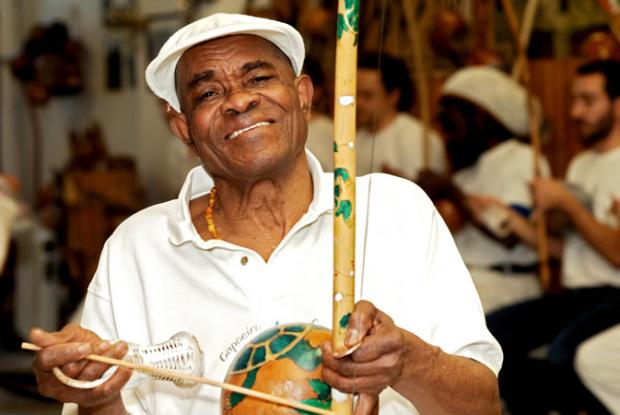
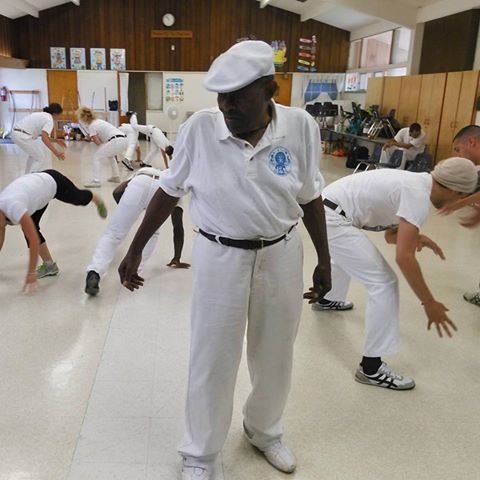
MESTRE WALDEMAR DA PAIXAO
 

The interplay of styles and expressions not only showcases the individual’s creativity but also fosters a sense of community and shared identity, making Capoeira a living, breathing organism that evolves with every practitioner.

So, if the “spirit” is lost, how do you get it back?

As far as I’m concerned, the solution is partly one of recognizing the purpose of the ginga and the movement philosophy that is implicit in Capoeira itself, which encourages freedom and personal interpretation of movement. This recognition is not just about understanding the movements; it is also about embracing the idea that every practitioner brings their essence into the practice, enriching the overall experience.


The second part involves learning or re-learning this philosophy and consistently practicing in this way to internalize it as part of one’s training. It requires dedication and an open mind, a willingness to explore the boundaries of one’s comfort zone and to challenge the status quo of movement. Again, in some settings, this more expressive style may be unwelcome, especially in environments fixed on “tradition” and rigid forms that do not allow room for innovation or personal flair. Hence, part of the solution is to actively seek out and train with mestres and groups that embrace such an innovative and open approach to movement. These mentors can provide invaluable insights and guidance, fostering a richer learning experience and a deeper connection to the art form, ultimately creating a community that celebrates diversity in expression and encourages its members to flourish as both individuals and artists.

A Deeper Dive into the Ginga

The foundational, rhythmic movement known as the ginga is arguably the most essential and recognizable element of Capoeira Angola. Far from a simple back-and-forth footwork pattern, the ginga is the Capoeirista’s constant state of motion—a dynamic ‘resting’ position that serves as the wellspring for all attacks, defenses, and evasions. It is the heartbeat of the jogo (the game) and an ever-present conversation with the opponent and the music.

The true nature of the ginga is multi-faceted:

  • The Catalyst for Movement: The continuous side-to-side and slight forward/backward shifting keeps the body loose, unpredictable, and ready to launch an explosive kick, dodge a counter-attack, or quickly transition into an acrobatic (cartwheel).
  • A Defensive Screen: The constant swaying makes the target area ambiguous and difficult for the opponent to accurately gauge distance and timing, effectively disrupting their attack strategy.
  • Rhythm and Connection: Performed in perfect synchrony with the berimbau‘s toque (rhythm), the ginga connects the player to the roda (the ring) and the tradition. It is a physical manifestation of the music itself.

To truly understand the depth of this movement, Today (1/22/26) I have published a comprehensive and much more detailed article specifically analyzing the nuances, history, and application of the ginga. This new article delves into the subtle variations, common mistakes, and the philosophy behind this core Capoeira movement.
You can read this expanded analysis by clicking HERE.