Capoeira Angola videos available online showcase its vibrant culture through music and movement, highlighting intricate footwork and acrobatics while celebrating Brazilian heritage and its historical context. These performances reveal the art form’s evolution as both self-defense and expression, emphasizing its legacy of beauty and resilience. They illustrate communal aspects, fostering connections among diverse individuals and demonstrating the power of art to unite across cultural barriers. Ultimately, these videos educate audiences about Capoeira as a living tradition, inspiring future generations to embrace its spirit.
In today’s installment, we have this game between Mestre Negoativo and Guaxini do Mar.
However, as good as that game is, Mestre Negoativo is more renowned for his musicality, which transcends mere entertainment to touch the depths of cultural expression. His unique blend of rhythms and melodies captivates audiences, often transforming traditional sounds into a modern masterpiece.
The intricacy of his compositions reflects a deep respect for his heritage, as he weaves together influences from various genres, creating an auditory experience that resonates with people of all ages. As he performs, it’s not just music that fills the air, but a rich narrative that tells stories of resilience and joy, which further enhances the emotional connection between the performer and his listeners.
This dynamic transformation serves as a bridge, linking generations and reminding us of the powerful role music plays in shaping community and identity. In every note and beat, Mestre Negoativo showcases not only his talent but also his passion for cultural storytelling, thereby leaving an indelible mark on the hearts of those fortunate enough to witness his artistry.
There are a plethora of Capoeira Angola videos which showcase the vibrant culture and community aspects of this martial art, featuring intricate movements and traditional music that create a captivating atmosphere. These recordings reveal various styles and insights from masters, highlighting the historical contexts of struggle and celebration inherent in this Brazilian tradition. The dedication of practitioners emphasizes the art’s beauty and resilience, as performances convey perseverance and cultural pride, while also demonstrating the importance of camaraderie and respect that fosters connections among diverse individuals.
In today’s installment, YouTuber THE ETHNIC EXPLORER takes a day to explore the rich history and vibrant culture of Capoeira de Angola. He heads down to the historic Jackson Ward of Richmond, Virginia, a neighborhood known for its deep roots in African American heritage, to meet up with a diverse group of angoleiros who share a passion for this unique martial art and its accompanying music and dance. Joining them in the roda, he not only witnesses the incredible skill and camaraderie among the practitioners but also learns about the traditions and philosophies that underpin Capoeira de Angola.
I really like to see stories like this, as they shed light on aspects of culture that often go unnoticed in our fast-paced world. When I first encountered Capoeira, it was an eye-opening experience for me in the sense that I’ve never encountered anything quite like it before; the energy, rhythm, and sense of community were palpable, making me feel as if I had stepped into a vibrant world where history and art intertwined seamlessly. Watching this mini-documentary, I was not only happy to see this man’s experience but also deeply moved by the passion and dedication of everyone involved in this beautiful art form. It stirred in me a longing to delve deeper into the stories behind such cultural expressions.
Cheers to experiencing new things in life and continuing the spirit of exploration of many things, for it is through such journeys that we gain a deeper understanding of our shared humanity and the beauty of different cultures, embracing the lessons they impart and the connections they foster among us all, encouraging unity in diversity. As we step outside of our comfort zones and delve into the unknown, we discover not only the richness of other traditions but also reflect upon our own beliefs and values, enriching our perspectives. These experiences open our hearts and minds, allowing us to foster empathy and compassion, as we learn to appreciate the intricacies of life lived through different lenses, ultimately paving the way for a more harmonious coexistence in this wonderfully diverse world we inhabit.
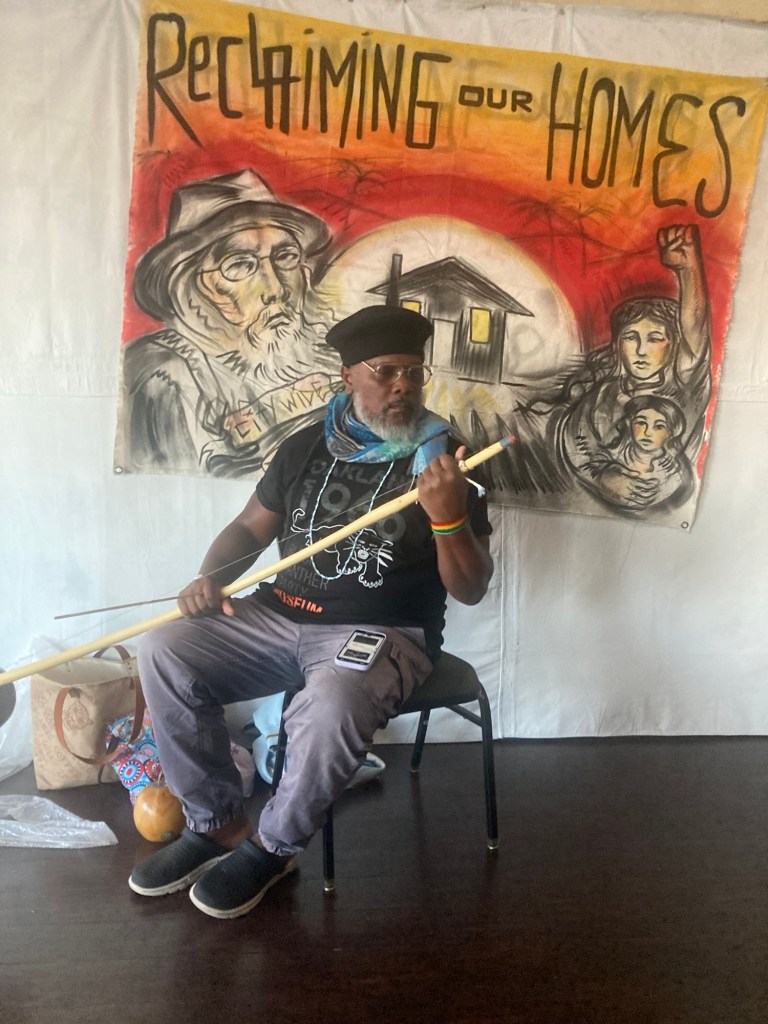
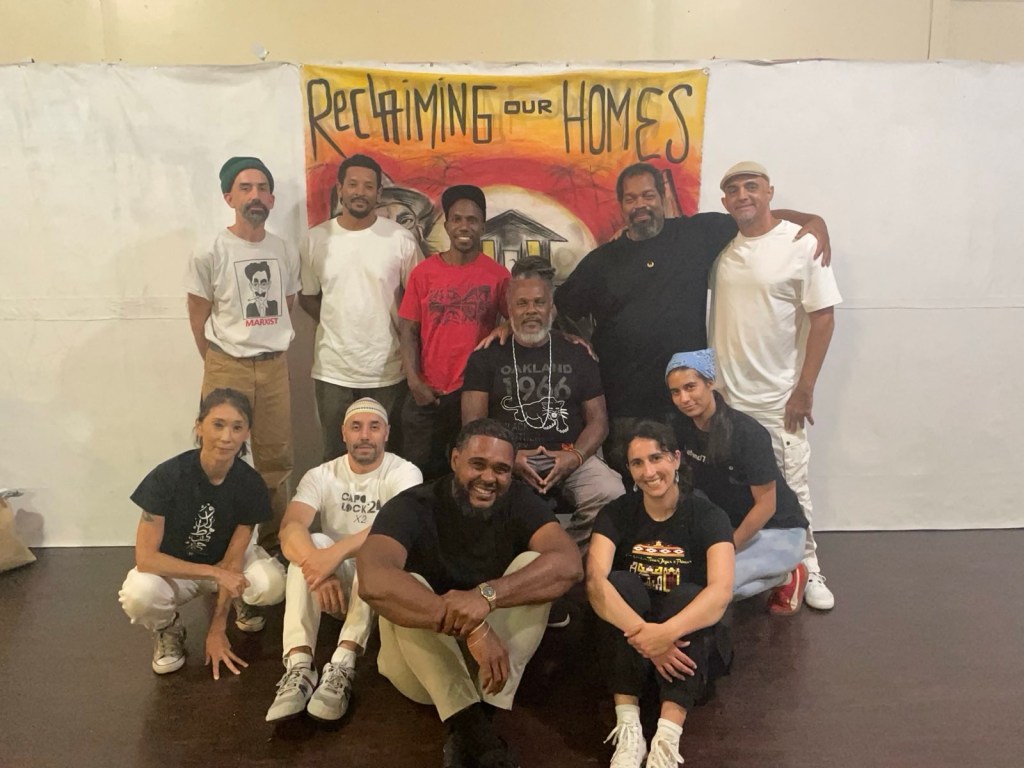
Last Friday morning (5/30/25), I arrived in Oakland for the long-awaited 10th anniversary celebration of Grupo No balanco D’Angola, a prestigious Capoeira Angola group that has made significant contributions to the community, which I previously wrote about in detail (Click HERE). The atmosphere was charged with anticipation as friends, families, and Capoeira enthusiasts gathered to honor a decade of dedication to this unique art form. The weekend was filled with excitement and learning, featuring a series of fascinating workshops led by the renowned Mestre Moraes and his talented student Mestre Kenji, who hails from Japan. Master Moraes’s deep knowledge and passion for Capoeira Angola shone through as he expertly guided us through various drills and practices. These workshops focused on fundamental movements, intricate techniques, principles, and the essential music of Capoeira Angola, immersing participants in the rich cultural heritage of this beautiful art form. As we practiced, the energy of the group soared, fostering a spirit of camaraderie that transcended borders and backgrounds. On the last day, there was a roda and a barbecue in the host Sergio’s backyard, where laughter and celebration echoed, allowing all to connect, share stories, and reflect on their journey within the world of Capoeira. The warmth of the community and the joy of movement created lasting memories that would resonate long after the event concluded.
Hence, this blog post.
A highlight of the event was undoubtedly Mestre Moraes taking the time to share his personal insights about his transformative journey in Capoeira, including anecdotes that resonate deeply with both seasoned practitioners and novices alike. He emphasized what it truly means to be a dedicated and authentic angoleiro, offering wisdom that is both inspiring and enlightening for everyone involved. Additionally, the sense of community and camaraderie that blossomed throughout the weekend made the experience even more memorable and impactful for all who attended.
And it’s always great to see some of the Capoeira Angola fam from SoCal…
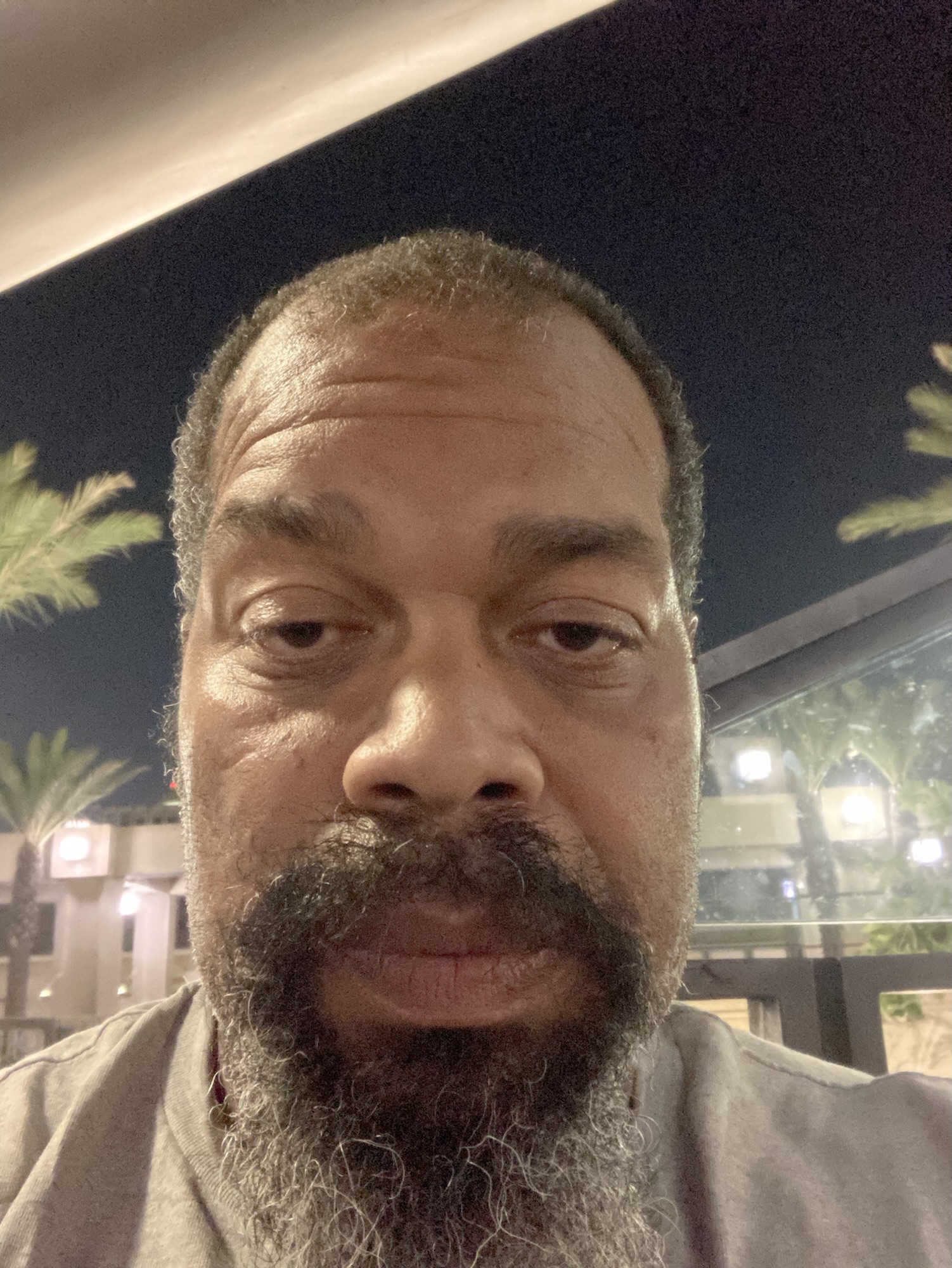
In case you’re wondering, the guy next to me is Brian Shields, a dedicated student of Capoeira Angola with Ngolo Preto Velho, based in the San Bernadino area.
You’re not gonna see pictures or videos of this event on this blog, basically because I went there to celebrate and to LEARN, not for some photo ops. However, I will show you some photos of the individuals below.
Of course, the man to the far left in this picture needs no introduction, but I’m gonna do it anyway.
MESTRE MORAES, who began training in Capoeira de Angola at age 7, founded Grupo Capoeira Angola Pelourinho (GCAP) in 1980 to preserve traditional teachings and return to capoeira’s philosophical and African roots, particularly from Angola. He aimed to create a space free from commercial influences, honoring his mentors’ legacy while preserving capoeira’s authenticity. GCAP serves as a guardian of capoeira’s history and as a platform for education and cultural exchange, promoting understanding among practitioners through workshops and community events, thereby reinforcing cultural identity in a changing world.
Yes the video is in Portuguese, but like I always say, if you’re in Capoeira and you don’t know Portuguese, then you should learn.
The man between me and Mestre Moraes is Contra Mestre Sergio Bittencort Ferreira, founder of Grupo No Balanco D’Angola and main host of the event. He grew up in Belo Horizonte, a city rich in culture and tradition, where he began practicing Capoeira Angola with GCAP at a young age. His early experiences in this vibrant environment ignited a deep passion for the art form, and he quickly became an accomplished capoeirista. Over the years, he has dedicated himself to not only mastering the techniques of Capoeira Angola but also to preserving its rich history and cultural significance. Through his teaching, he aims to inspire the next generation and ensure that the traditional elements of Capoeira Angola are transmitted and appreciated by all, thus fostering a vibrant legacy that celebrates its roots while embracing the future.
Here he is in action:
Now, the man standing next to me is Kenji Shibata, known as MESTRE KENJI.
He has dedicated over 20 years to promoting Capoeira angola in Japan through GCAP. His commitment to the art includes not only mastering its skills but also teaching and nurturing new practitioners, instilling values of discipline, respect, and community. He actively organizes workshops and cultural events that enhance understanding of Capoeira angola, bridging cultural gaps and ensuring its traditions are preserved. Kenji inspires students to embrace Capoeira as a means of personal growth, creating a supportive environment that fosters self-expression and cultural pride.
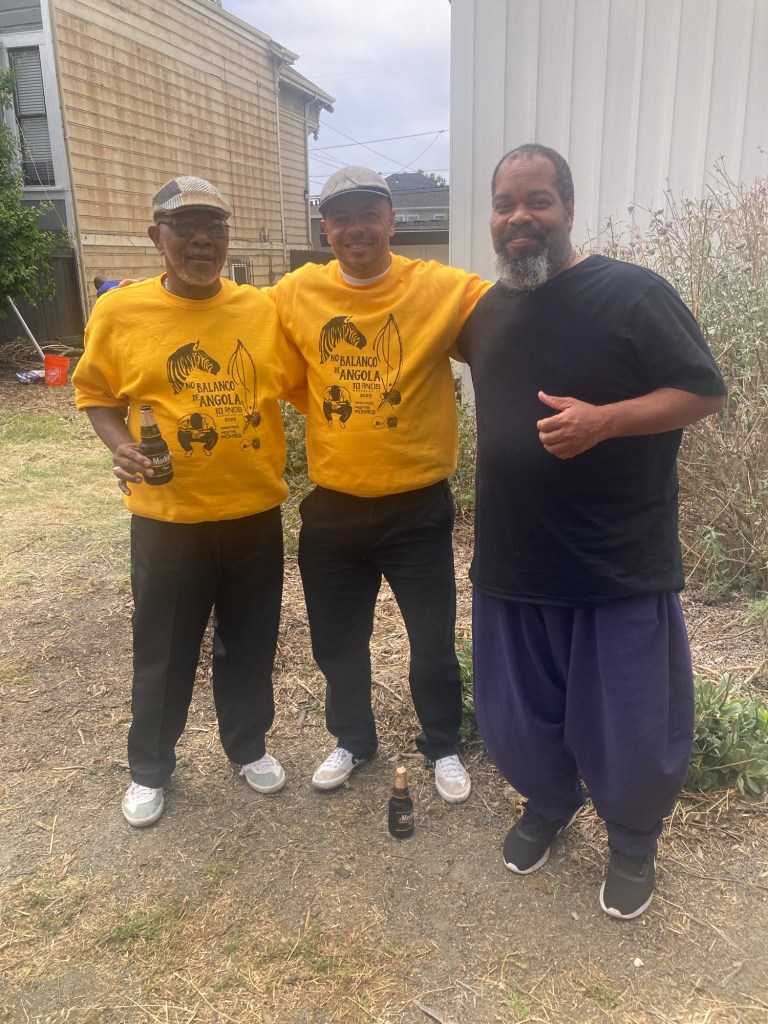
Now, my weekend cannot be complete by talking about this man here with me, Daniel Mattar, a very skilled Angoleiro, totally dedicated to Capoeira Angola, not to mention a great father and gentleman. His passion for Capoeira Angola is truly inspiring; it’s evident in the way he moves, blending agility and grace with resilience and strength.
Once again, I wish I knew more about his story in Capoeira Angola. I’m not even sure of what title he holds (I think it’s treinel, but I could be wrong). Man, I gotta learn to start interviewing people.
However, I do know that he hails from the vibrant city of Rio de Janeiro, a hub of cultural richness and diversity. Before he joined the respected Grupo No Balanco D’Angola, he was with the renowned Group Fundacao Internacional Capoeira Angola (FICA for short), where he honed his skills and embraced the deep philosophical roots of this beautiful art form. Daniel’s journey not only embodies the essence of Capoeira but also reflects his commitment to nurturing the next generation, as he often shares his knowledge and experiences with young practitioners, instilling in them the same love and respect for the traditions of Capoeira Angola that he holds dear.
Before I left Oakland to come back home, I took a moment to pay my respects to MESTRE THEMBA and the good people at Grupo Ngolo Preto Velho, who have also played significant roles in my journey and the community I cherish. Their wisdom and guidance have been invaluable, and visiting them always fills me with a sense of peace and gratitude.
What you’re seeing below is the sun rising in the early morning, casting a beautiful golden hue across the sky at Union Station in Downtown Los Angeles, an hour and a half before I made it home. The quiet of the early morning blended seamlessly with the hustle and bustle that awaited as the city began to wake, reminding me of the contrasting energies that exist in life.
Once again, I want to extend my heartfelt gratitude to Mestres Moraes and Kenji, CM Sergio, Alma (HAPPY BIRTHDAY TO THE BOTH OF YOU!!!), Daniel, Kofi, Jeff, and all of you at Grupo No Balanco D’Angola for all of the love and camaraderie you’ve shown us guests. Your warm hospitality has truly made our experience unforgettable, allowing us to feel like part of your vibrant community.
The passion you have for capoeira Angola is palpable and inspiring, igniting a shared enthusiasm that resonates deeply within all of us. It’s in the smiles we exchanged during practice, and the incredible connections we’ve made that showcase the essence of what you embody as a group. We deeply appreciate the dedication and effort you put into nurturing both your craft and your visitors, creating an atmosphere where everyone feels welcome and valued. Thank you for making our time together so enriching and memorable; we look forward to many more moments shared in the spirit of capoeira.
Axe!
Oh, and one more thing. Thank you Sergio for the beautiful event shirt:
Well it was beautiful until it took a 8 hour bus ride in my luggage. And I promise I’ll be wearing it in STYLE one day… After I lose some weight.
In this video, he, along with Mestres João Grande, Cobra Mansa, Mestre Themba, and Mestre Nego Gato, performed at the Center for Research in Black Culture in Schoemberg, New York, in 1990 in a wonderful display of skill, dexterity, and respect. This event marked a significant milestone as it was one of the 1st public demonstrations of Capoeira Angola here in the U.S.A., a style rich in history and cultural significance. FOR 45 YEARS NOW, he has dedicated his life to spreading this beautiful art of Capoeira Angola all over the world, inspiring countless practitioners and enthusiasts alike. His relentless passion has not only increased awareness of Capoeira but has also fostered a deeper appreciation for its roots and traditions.
Here he is below, in his first visit to the island nation of Japan, where he shared the rhythms and teachings of Capoeira,planting seeds, and creating connections with a new generation of students eager to learn about this vibrant martial art form and its philosophical underpinnings.
And speaking of new generations…
The man playing with Metsre moraes in this video, who is also featured in the previous video, is named Kenji Shibata, who is now recognized as MESTRE KENJI.
For over 20 years, he’s been holding it down for GCAP, helping to establish and grow Capoeira angola in his nation of Japan. With a deep commitment to the art form, Kenji has dedicated himself not only to mastering the skills inherent to Capoeira but also to teaching and nurturing a new generation of practitioners, instilling in them the values of discipline, respect, and community that are fundamental to this unique martial art.
Through his relentless efforts, Kenji has played an instrumental role in bridging cultural gaps and promoting the rich traditions of Capoeira angola in Japan, solidifying its place within the global Capoeira community and ensuring that its teachings and heritage are preserved for future generations. His dedication goes beyond mere practice, as he tirelessly organizes workshops, cultural exchanges, and community events that foster understanding and appreciation for this vibrant art form.
As he continues to inspire those around him, Kenji remains a beacon of passion and perseverance, championing the art that has transformed not only his life but also the lives of countless others in his country. His influence is felt in the hearts of many, as he imparts the values of discipline, creativity, and respect that Capoeira embodies, encouraging his students to embrace the dance as a means of personal growth and cultural pride. By creating a supportive environment, Kenji empowers individuals to express themselves and connect with their roots, ensuring that the spirit of Capoeira angola thrives in Japan for years to come.
So, you may be asking me, “Why bring these 2 amazing mestres up now, John?”
Yeah, like I really need a reason to blog about 2 AMAZING Capoeira Angola Mestres on my blog about CAPOEIRA ANGOLA.
However, the reason I’m blogging about them now is because on the weekend of May 30th – June 1st, BOTH mestres are coming to the Bay Area for Grupo No Balanco D’Angola’s 10th year celebration, and I’m gonna be there!
It will be a full weekend of Capoeira Angola, where you will have the unique opportunity to learn from renowned Mestres Moraes and Kenji. This event promises to be an immersive experience, filled with workshops, performances, and community gatherings that honor the rich history and cultural significance of Capoeira.
We will be celebrating not only 10 years of No Balanço D’Angola but also the dedication and passion that our community has shown in keeping this beloved tradition alive for future generations. Over the past decade, we have witnessed a remarkable journey filled with unforgettable moments, extraordinary performances, and a deep sense of unity among practitioners and supporters alike. This milestone is a testament to the hard work and commitment of everyone involved, from their talented instructors like Contramestre Sergio Ferreira, to their enthusiastic students. Their growth is not merely quantitative; it reflects an ever-deepening connection to our roots and an unwavering commitment to excellence.
Don’t miss the chance to be part of this vibrant celebration that showcases the spirit and artistry of Capoeira Angola! Join us as we honor the rich cultural heritage of our art form, immersing ourselves in the rhythms, movements, and values that define us, all while inspiring a new generation to carry on the legacy that has brought us all together. Your participation is not just welcomed; it is essential as we forge ahead, ensuring that the flame of our passion continues to burn brightly for years to come.
Capoeira Angola videos showcase the vibrant culture and community aspects of this martial art, featuring intricate movements and traditional music that create a captivating atmosphere. These recordings reveal various styles and insights from masters, highlighting the historical contexts of struggle and celebration inherent in this Brazilian tradition. The dedication of practitioners emphasizes the art’s beauty and resilience, as performances convey perseverance and cultural pride, while also demonstrating the importance of camaraderie and respect that fosters connections among diverse individuals.
In Today’s installment, we have two views of the same game. this game is between Contramestre Boneco, and Professor Neve Angola. Here, we have a view from the outside of the roda.
And here is a inside look.
In both views, you can see the beauty of Capoeira Angola, a rich and dynamic art form that blends elements of dance, martial arts, and music into a captivating performance. The intricate movements of the practitioners, coupled with the rhythmic beats of traditional instruments, create a mesmerizing spectacle that draws in spectators and participants alike.
The vibrant cultural expression of the Afro-Brazilian community encapsulates their history and resilience, offering a profound experience that connects the past and present. This dynamic representation of identity is not merely an art form; it is a rich tapestry woven from the threads of ancestral traditions, social struggles, and the spirit of joy that permeates their celebrations. Through movement, song, and visual elements, it conveys stories of struggle and triumph, promoting appreciation and understanding of their contributions to Brazil’s cultural landscape, as it spreads and enriches people all over the world.
Festivals infused with rhythm and dance serve as a reminder of their enduring legacy and bring together diverse communities, fostering unity and respect. Every note played and every step danced invites individuals to engage with the historic narratives that shape the Afro-Brazilian experience, ensuring that their voices continue to resonate through time.
GREETINGS!!! there are Many videos of Capoeira Angola out there that highlight its vibrant culture, showcasing the fusion of music, movement, and community in this martial art. They depict intricate footwork and acrobatics by artists in white attire, symbolizing unity and resistance, while the rhythmic sounds of traditional instruments enhance the experience, enveloping spectators in a captivating atmosphere. These recordings present various styles and insights from masters, deepening the appreciation of this Brazilian heritage and the stories behind each movement, all of which are rooted in rich historical contexts that reflect both struggle and celebration. The dedication of practitioners reflects the enduring legacy of Capoeira Angola, inviting all to recognize its beauty and resilience, as each performance tells a tale of perseverance and cultural pride that resonates across generations. Through these videos, viewers can also see the communal aspect of Capoeira, where camaraderie and respect are vital, forging connections among individuals regardless of their backgrounds, thus illustrating the transformative power of art and tradition in bringing people together.
In Today’s installment, we have a jogo between 2 men who have helped me to gain an understanding of what Capoeira is about: Mestre Roque of Bodysport Capoeira, now Capoeira Estilazada of Long Beach, California, playing with Prof. Budião (Now Mestre Budiao) of Capoeira Beringandao in Sao Paulo.
Mestre Roque, a renowned figure from Bodysport Capoeira and Capoeira Esporte do Corpo (Now Capoeira Estilazada) is deeply engaged in a vibrant roda, showcasing his exceptional skills alongside the talented Prof. Budião (Now Mestre Budiao) from Capoeira Beringandao. Together, they create an electrifying atmosphere at Prof. João Gigante’s academy, Escola de Capoeira Arte Corpo, nestled in the heart of Salvador, Bahia.
As they dance and interact with the rhythms of the music, the soul of Capoeira is palpable in the air, weaving a tapestry of movement and emotion that resonates with everyone present. Prof. João Gigante enriches the experience by singing traditional songs that reflect the spirit and history of Capoeira, imbuing the atmosphere with stories of resilience and cultural pride. His powerful voice reverberates through the circle, drawing in both seasoned practitioners and curious observers alike, who find themselves entranced by the fluidity of the movements and the infectious energy that pulses throughout the gathering. Each kick, each flip, and each clapping hand creates a dialogue, speaking to the shared passion and dedication that define this vibrant community, creating an extra layer of depth to this lively gathering of passionate practitioners and observers alike.
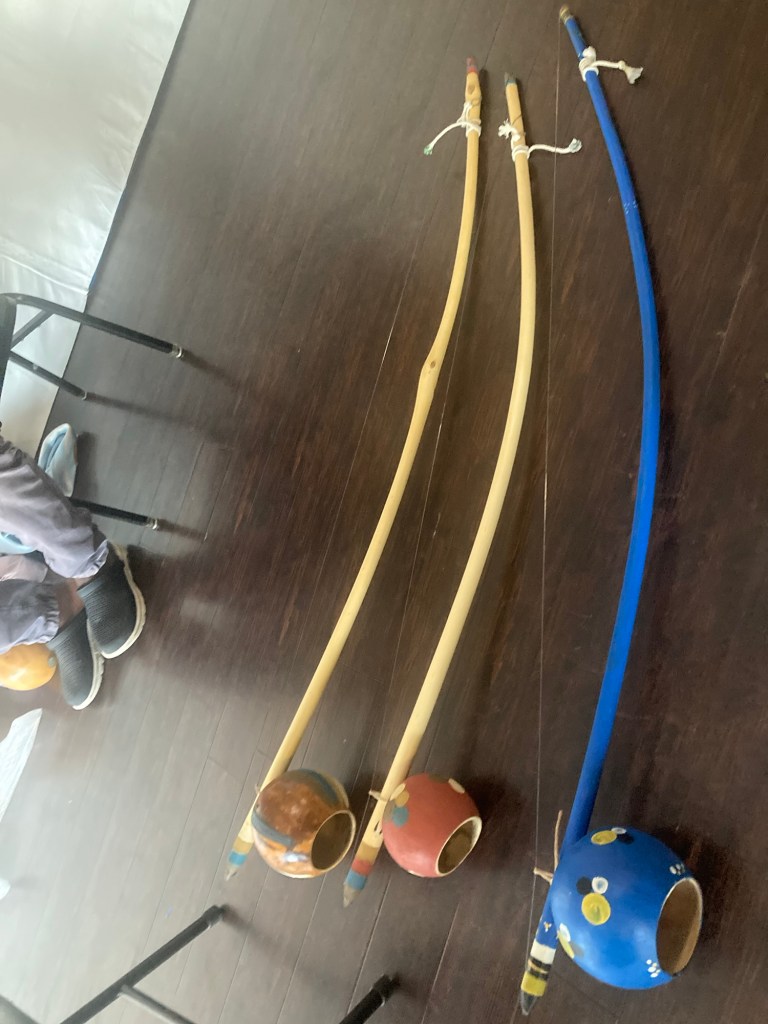
There are THOUSANDS of videos of Capoeiran Angola out there in cyberspace, showcasing the vibrant culture, history, and unique techniques associated with this martial art. Each clip serves as a window into the heart of Capoeira Angola, where music, movement, and community intertwine beautifully. These videos not only highlight the intricate footwork and acrobatics that define Capoeira but also immerse viewers in the rhythmic beats of traditional instruments like the berimbau and atabaque.
Today we have a tutorial of Treinel Carla Natureza (Well, I think she’s a contramestra now) of Angoleiros do sertao in a 4-part video series, where she goes over some basic movementos.
Follow along… But before you do I gotta tell you the series is taught in Portuguese.
And here she is in a jogo (Game), fully immersed in the vibrant world around her, where the colors dance and the sounds create an exhilarating atmosphere that keeps her on her toes.
Each move she makes is filled with intention, as she navigates through challenges and quests, embodying the thrill of competition and collaboration with her fellow players.
As practitioners come together in a circle, known as the roda, they embody the spirit of connection and expression, bringing to life the stories and experiences passed down through generations. The dance movements and rhythms intertwine in an intricate display of talent and creativity, forming a vibrant tapestry that reflects the rich history of capoeira. Enthusiasts and newcomers alike can feel the infectious energy that exudes from each performance, encouraging a deeper appreciation of this dynamic art form and its significance within the broader spectrum of Afro Brazilian culture. Each participant contributes to the collective atmosphere, fostering a sense of community that transcends individual skill levels and celebrates the shared joy of collective artistry.
The roda becomes more than just a performance space; it transforms into a sanctuary of cultural heritage, where every kick, spin, and musical note resonates with the pulse of Brazil’s diverse traditions.
I saw this well-done video this morning and decided to post it here, because when I first made this PAGE here on Jogo Corpo Fechado, I weighed in on this debate.
This video presents compelling arguments and carefully selected examples, making it an excellent resource for anyone looking to engage with the issues surrounding our societal narratives. By sharing it, I hope to spark more discussions and invite further reflections from all of you who visit this space, allowing us collectively to dissect the themes that are so crucial in today’s world.
From his Biracial Coptic Upper Egyptian/American perspective, YouTube user Metta Beshay evaluates Afrocentrism through comprehensive historical and cultural evidence, placing a particular emphasis on the significant contributions of Cheikh Anta Diop’s work and the nuanced racial representation in Jada Pinkett Smith’s Cleopatra film.
He meticulously investigates the complex racial identity of ancient and modern Egyptians by utilizing ancient population reports alongside Ptolemaic Greek census data, which provides crucial insights into the demographics of that era. Through this comprehensive analysis, Metta elucidates the various interwoven factors that shaped the identities of these diverse communities over time, revealing how historical narratives have been constructed, sometimes distorted, and often selectively remembered.
He delves into the socio-political context of each time period, highlighting the influences of migration, trade, and conquest that have contributed to the fluid nature of identity. Furthermore, he encourages viewers to explore the topic more deeply by providing numerous resources on Afrocentrism, Egyptian racial identity, and Egyptology, thereby fostering a richer understanding of the intricate social dynamics that have influenced perceptions of race within Egyptian history.
This exploration not only sheds light on the past but also invites a critical reflection on contemporary issues regarding identity and multiculturalism, prompting discussions that remain relevant in today’s multicultural societies. By examining historical contexts and their influences, we gain insights into the complexities of cultural identities and the ways they intersect in diverse communities. Furthermore, this dialogue encourages individuals to confront their biases and assumptions, fostering a deeper understanding and appreciation of different perspectives. As we navigate an increasingly globalized world, the necessity for inclusive conversations becomes paramount, paving the way for social cohesion and mutual respect among varying cultural backgrounds.