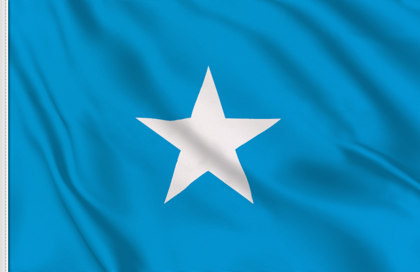
Somalia’s Independence Day in 2025 is today, July 1st, 2025. This significant date marks the formation of the Somali Republic in 1960 through the unification of British Somaliland and the Trust Territory of Italian Somaliland, a historical event that reshaped the identity and governance of the region. While June 26th is also recognized as the independence day of British Somaliland, which gained sovereignty from the United Kingdom on that date in 1960, the national holiday celebrating the formation of the Somali Republic is July 1st. This day is not only a reminder of the struggle for freedom but also an occasion for Somalis worldwide to reflect on their rich cultural heritage and the journey towards unity and independence.
The celebration commemorates the unification and the Somali people’s pursuit of sovereignty and self-determination. In 2025, Somalia will be celebrating its 65th anniversary of independence, marking a significant milestone in its journey toward nationhood. This important day is not only a time for reflection on the struggles and triumphs of the past but also serves as an opportunity to envision a brighter future for the country.
Typically, the day involves various festivities, such as parades, flag-raising ceremonies, and cultural events that showcase the rich heritage of the Somali people. These activities foster a sense of unity and national pride among citizens, as families gather to celebrate together. International partners often extend congratulations to Somalia on this day, recognizing the achievements and resilience of the Somali people in their ongoing quest for peace and stability. The vibrant atmosphere of the celebrations embodies the hopes and aspirations of a nation as it looks forward to continuing its development and strengthening its sovereignty.
Rwanda’s Independence Day is celebrated on July 1st, a significant date in the nation’s history that marks the achievement of freedom from Belgian colonial rule in 1962. This day not only honors the struggle and sacrifices made by Rwandans in their quest for self-determination but also serves as a reflection of the country’s journey towards unity and progress since gaining independence.
Festivities typically include various events such as parades, cultural performances, and speeches by government officials, all aimed at promoting national pride and a sense of community among Rwandans. The celebration also highlights the importance of continued growth and development in the nation, as Rwandans come together to remember their past and look forward to a brighter future.
Rwanda also celebrates Liberation Day on July 4th, marking the end of the Rwandan genocide, a day that symbolizes resilience and unity for the nation. This significant event commemorates the victory of the Rwandan Patriotic Front in 1994, which put an end to a period of devastating violence and suffering.
In the aftermath, the country has made remarkable strides in rebuilding itself, fostering a sense of national pride and commitment to peace and reconciliation that is palpable in every corner of the nation. On this day, the Rwandan people participate in various activities, including memorial services, cultural performances, and community gatherings, which serve as a vital reminder of the resilience of the human spirit. Families and friends come together to share stories of love and loss, ensuring that the memories of those who were lost are not forgotten. Through art, music, and dance, they express their hopes for a united future, reflecting on the past while looking forward to a brighter future filled with opportunities for all. This day is not just a moment of remembrance, but also a celebration of progress, unity, and the commitment of every Rwandan to build a peaceful society where diversity is cherished and embraced.
This series explores indigenous beliefs and religions in Sub-Saharan Africa, focusing on ancestral worship, Christianity, and Islam. It highlights the region’s cultural heritage through rituals and community gatherings that celebrate identity and wisdom. By showcasing ceremonies, it illustrates the symbolic meanings of practices that strengthen social ties among ethnic groups. The series also examines how these traditions adapt within the diaspora, creating a blend of ancient customs and contemporary beliefs. Additionally, it emphasizes storytelling’s role in preserving oral histories that guide future generations.
This video is taken from a segment of a fascinating livestream. Be sure to check out Hometeam History during these engaging broadcasts, as each one offers a wealth of insight and discussion. In this particular segment, home team delves into the concept of cognitive dissonance faced when studying African spirituality—a rich and complex area of inquiry that often challenges prevailing narratives. He also shares his personal journey of exploration and the transformative experience that led him to reconsider the voodoo ceremony of the Haitian revolution.
By analyzing it through the lens of the results-based African spiritual model of the Niger-Congo peoples, he uncovers the deeper connections that unite these practices with broader African traditions, revealing a rich tapestry of beliefs and rituals that have evolved over centuries. This approach not only enriches our understanding of the cultural significance and historical context surrounding these powerful spiritual expressions but also highlights the intricate ways in which these practices serve as a foundation for community cohesion and individual identity.
Furthermore, it brings to light the ongoing struggles and triumphs faced by African descendants globally, situating their experiences within a framework of resilience and strength that transcends geographical boundaries and historical traumas. Ultimately, this exploration enhances the narrative of resilience and identity among African descendants, celebrating their enduring legacy and the continual adaptation of their spiritual practices in the face of modern challenges.
Welcome to SPIRITUAL PRACTICES OF AFRICA AND THE DIASPORA! This series highlights the diverse indigenous beliefs and religions in Sub-Saharan Africa, showcasing ancestral worship and the profound impacts of Christianity and Islam on local traditions and practices. By illustrating the region’s rich cultural heritage and vibrant spiritual life, we delve into a variety of rituals and community gatherings that not only celebrate identity and belonging but also serve to preserve ancient wisdom and foster intergenerational connections. As we explore these practices, we will discover how they evolve and adapt within the diaspora, creating a dynamic tapestry of faith and cultural expression that resonates with millions around the world.
In today’s installment, I wanted to talk a bit about Islam in Africa.
There is a misconception that Islam is new in Africa, but Africans were among the first non-Arabs to accept Islam, embracing its teachings and principles with open hearts. It’s unfortunate that many believe Africans are recent converts or unaware of the rich history of Islam on the continent, while in reality, the Prophet Muhammad (SAWS) sent his companions to Africa before anywhere else, establishing early Muslim communities that flourished in regions such as Abyssinia.
These early interactions not only facilitated the spread of Islamic beliefs but also fostered significant cultural exchanges between Arab and African societies, laying the groundwork for a vibrant Islamic civilization that would grow and evolve over centuries across the diverse landscapes of Africa.
Now, to go into more detail…
Join Dr. John Henrik Clarke in his enlightening lecture “The Rise of Islam in Africa,” where he not only discusses the historical significance of Islam’s expansion in Africa but also delves deeply into the complex interactions between various African societies and the rich Islamic traditions that emerged as a result.
He explores the multifaceted factors that facilitated Islam’s spread across the continent, such as the pivotal roles of trade networks, cultural exchanges, and migratory patterns, which served as conduits for ideas, beliefs, and practices to traverse vast distances. Furthermore, Dr. Clarke highlights the invaluable contributions of African Muslims to the cultural, intellectual, and artistic landscape of Islamic civilization, showcasing remarkable figures and communities that have enriched the faith’s legacy through their innovations in philosophy, art, and science.
He delves into the fascinating stories of scholars and artisans whose legacies continue to influence modern thought and creativity, illustrating how their contributions have laid the foundation for numerous fields ranging from philosophy to the arts. In addition, he examines how Islam has been integrated into diverse African cultures, adapting to and influencing local customs and practices in a myriad of ways, which ultimately shapes the identities of millions across the continent. This intercultural exchange not only enriches the local cultures but also promotes a deeper understanding among communities that may otherwise remain isolated. The synthesis of Islamic tenets with indigenous beliefs has led to unique expressions of faith and community that celebrate both spirituality and heritage, giving rise to vibrant traditions, festivals, and artistic endeavors that draw on the rich tapestry of history while fostering a sense of belonging in an ever-changing world. Such interactions highlight the dynamic nature of culture, emphasizing that identities are not static but continually evolving through dialogue and shared experiences.
GREETINGS!!! There are Many videos of Capoeira Angola out there that highlight its vibrant culture, showcasing the fusion of music, movement, and community in this martial art. They depict intricate footwork and acrobatics by artists in white attire, symbolizing unity and resistance, while the rhythmic sounds of traditional instruments enhance the experience, enveloping spectators in a captivating atmosphere. These recordings present various styles and insights from masters, deepening the appreciation of this Brazilian heritage and the stories behind each movement, all of which are rooted in rich historical contexts that reflect both struggle and celebration. The dedication of practitioners reflects the enduring legacy of Capoeira Angola, inviting all to recognize its beauty and resilience, as each performance tells a tale of perseverance and cultural pride that resonates across generations. Through these videos, viewers can also see the communal aspect of Capoeira, where camaraderie and respect are vital, forging connections among individuals regardless of their backgrounds, thus illustrating the transformative power of art and tradition in bringing people together.
In Today’s installment, we have a very special treat.
While surfing YouTube, I came across this new podcast called Reflections on Capoeira. In this episode of the Reflections on Capoeira podcast, Broderick had the privilege to interview Mestre Themba Mashama. Mestre Themba is a San Francisco native who has dedicated over 45 years of his life to the study of capoeira.
I have a permanent page about Mestre Themba on this website (Click HERE to check it out). However, in case you’re too lazy to go to that page, here’s some words about who he is.
As a father, husband, activist, and therapist, Mestre Themba Mashama has embraced capoeira not only for personal growth but also as a powerful tool for community development. His journey through this vibrant martial art began with rigorous training in both Capoeira Regional under the esteemed Mestre Acordeon and Capoeira de Angola under the revered Mestre Moraes. Demonstrating exceptional dedication and skill, he became the first American to master both styles, a significant achievement that highlights his commitment to preserving the authenticity of this cultural practice.
In addition to his personal accomplishments, he established the first Capoeira de Angola school in the U.S., a landmark institution that fosters a deep appreciation for the art form among students of all backgrounds. Currently, he leads Kapoeira N’gola Preto Velho, where he not only empowers students through rigorous physical training but also imparts the rich cultural heritage and historical significance of capoeira, creating a vibrant community that celebrates diversity, resilience, and unity. Through his leadership, Mestre Themba continues to inspire and uplift those around him, ensuring that the spirit of capoeira thrives in every class and performance.
Shoutout to Reflections on CapoeiraPodcast for creating and posting this amazing video, which beautifully captures the essence and artistry of Capoeira through the wisdom of Mestre Themba.
From their YouTube page…
“The purpose of this podcast is to provide students of capoeira an opportunity to hear the stories and philosophies of wise and beloved elders in our community. Capoeira is a “complete” artform that includes ritual, music, dance, combat movement, and community that fosters physical, mental and spiritual development. To guide us in this endeavor, it is of utmost importance to glean whatever wisdom we can from the stories of our elders. May the wisdom shared in this podcast fuel us to be caretakers of this precious art we love so much. This podcast is geared towards an english speaking audience.”
Please click HERE to go to their YouTube channel for more inspiring content. Additionally, click HERE to go to their Instagram page, where you can follow their journey,and stay updated on upcoming events and workshops that celebrate this incredible community.
This series aims to highlight the diverse indigenous beliefs and world religions in Sub-Saharan Africa, showcasing practices like ancestral worship and the influence of Christianity and Islam. It seeks to illustrate the region’s rich cultural heritage and spiritual life through unique rituals and community gatherings, while fostering understanding of these practices’ role in forming identity and belonging among its diverse populations.
In today’s installment, we have this engaging video that delves into the intricate concept of HELL in Christian doctrine, presented by Rob of Ijakadi African Martial Arts.
How the concept of HELL in religious or spiritual systems scares Black Folks into Obedience has deep roots in historical trauma and cultural narratives. This fear is often amplified by the teachings that depict hell as a place of eternal suffering, which can be particularly visceral and impactful in communities that have faced systemic oppression.
The use of fiery imagery and tales of punishment can create a sense of urgency that pressures individuals to conform to societal norms or religious doctrines, as deviating from these prescribed paths is portrayed as a direct route to damnation. Additionally, the manipulation of this concept serves to reinforce authority figures within both religious institutions and broader societal structures.
By instilling fear around the consequences of disobedience or questioning established beliefs, individuals may feel compelled to adhere strictly to the expected behaviors, often at the expense of their personal identities and values. This dynamic not only reinforces a culture of compliance but also obscures the complexities of spirituality and personal faith, leading to a cycle of obedience driven by fear rather than genuine understanding or belief. As a result, many individuals may suppress their doubts and inner conflicts, creating a facade of agreement that masks their true feelings and thoughts. This avoidance of personal introspection can lead to a disconnection from one’s own spiritual journey, preventing meaningful exploration and growth.
Furthermore, the pressure to conform can stifle open discussions about faith, leaving people feeling isolated in their struggles. The fear of judgment or reprisal can become a barrier to authentic connections with others, ultimately hindering a deeper, more personal engagement with spirituality. The cycle continues as newer generations grow up in this environment, perpetuating the culture of silence and conformity, making it even more challenging for individuals to break free from the shackles of fear and embrace their unique paths to understanding and belief.
Shout out to the Ijakadi African Martial Arts YouTube channel for making this video. Their dedication to preserving and promoting African martial arts is truly commendable. They create a wealth of content that not only showcases various techniques and forms but also dives into the cultural significance behind these martial arts. For anyone interested in martial arts, history, or culture, please click HERE to check out their amazing channel, where you’ll find numerous fascinating videos that inspire and educate viewers of all ages.
Thank you for reading this blog series, “Spiritual Practices of Africa and the Diaspora.” In this series, we explore the rich tapestry of spiritual traditions that have emerged from the diverse cultures and histories of African nations and their diasporic communities. Each entry delves into unique rituals, beliefs, and the profound impact these practices have had on identity and community cohesion, emphasizing the importance of understanding and celebrating this heritage within a contemporary context. We hope you have gained valuable insights and a deeper appreciation for the spiritual legacies that continue to influence lives across the globe.
Welcome to MARTIAL ARTS THEATER, a vibrant platform for martial arts enthusiasts where we explore various disciplines, including karate, taekwondo, Krav Maga, Muay Thai, etc. As we delve deeper into the rich history, intricate philosophy, and advanced techniques of these diverse arts, we celebrate the discipline, dedication, and cultural significance they embody. Through expert interviews, instructional videos, and community events, we aim to provide insightful resources and foster a supportive network for practitioners of all levels, from beginners to seasoned masters. Join us on this exciting journey through the world of martial arts, where you can cultivate your skills, share your experiences, and connect with like-minded individuals who share your passion for this empowering and transformative discipline.
Today, We’re gonna talk about the popularity of Shaolin Martial arts in Africa.
The popularity of Shaolin Kung Fu in Africa raises concerns about the impact on local traditions, as embracing foreign martial arts may threaten the survival of African fighting arts, which have deep historical roots and cultural significance. While some groups have successfully globalized their traditions, such as Kung Fu and Muay Thai, Africa’s efforts remain limited, often overshadowed by the allure of international styles. Investing in and promoting African martial arts can provide economic, psychological, and social benefits, positioning them as viable options for people both on the continent and in the Diaspora.
By emphasizing the unique philosophies, techniques, and histories of these local fighting arts, practitioners can foster a sense of identity and pride, engaging younger generations to appreciate their cultural heritage while also encouraging collaboration with global martial arts communities. This deeper connection to one’s roots not only cultivates respect for the traditions that have been passed down through generations but also instills a sense of responsibility to preserve these practices for future learners. Furthermore, this investment can lead to the establishment of training centers, competitions, and workshops that not only elevate the profile of African martial arts but also contribute to community development and intercultural exchange.
These initiatives can serve as vital platforms for skill development and social cohesion, drawing in diverse participants who share a passion for martial arts while celebrating the rich tapestry of cultural narratives that enrich the practice. Such engagements can bridge gaps between communities, fostering mutual understanding and respect, and ultimately enhancing the global appreciation for the unique contributions of African martial arts to the broader landscape of combat sports and cultural heritage.
Welcome to TODAY IN BLACK MEDIA, your source for news and cultural discussions from an African American perspective. We highlight diverse voices, celebrate global black achievements, and provide insightful commentary on issues affecting the African Diasporic community. Our goal is to amplify important stories, inspire change, and foster an inclusive dialogue that recognizes the contributions of black experiences and culture in society. Join us in exploring race, culture, identity, and the importance of representation in the media.
In this installment, Ibrahim Traore Stuns New US President Donald Trump with Daring Anti-West Offensive
In a surprising geopolitical move, Burkina Faso’s leader Ibrahim Traoré has initiated an anti-West campaign directed at newly elected U.S. President Donald Trump, indicating a significant change in global politics amidst rising tensions between Africa and Western nations. This unexpected initiative has raised eyebrows and sparked discussions among political analysts and leaders alike, as it reflects a growing sentiment in certain African countries to assert their sovereignty and challenge Western influence. As Traoré galvanizes support for this campaign, he highlights the need for African nations to unite and redefine their relationships with former colonial powers, emphasizing the importance of economic independence and political autonomy. This shift signals a potential realignment within international diplomacy, where African voices demand a seat at the table and seek to reshape policies that have traditionally favored Western interests, further complicating the already intricate dynamics of global governance as nations navigate the complexities of modern capitalism and the quest for equitable development.
The implications for U.S.-Africa relations are profound, with the potential for increased diplomatic friction and a reevaluation of foreign aid strategies that could alter long-standing agreements and partnerships. Furthermore, Trump’s potential response comes under increased scrutiny; many are curious whether he will seek to negotiate with Traoré to foster stability in the region, deploy sanctions as a punitive measure, or take an entirely different approach that prioritizes strategic interests over traditional diplomatic norms. This situation not only highlights the shifting power dynamics between powerful nations and emerging ones but also calls for a closer examination of global reactions to Traoré’s bold stance, particularly from other nations in Africa and the Western world, as they navigate this complex geopolitical landscape filled with uncertainties and potential conflicts, which may lead to a redefined global order where Africa plays a more significant role in international affairs.
The Festival of Iemanjá is a vibrant and colorful celebration of the West African goddess of the sea, Iemanjá, which takes place not only in Brazil but also in various parts of the world that honor African heritage and spirituality.
This festival is a significant event for followers of the Candomblé and Umbanda religions, which deeply respect Iemanjá as a protector of women, children, and families. From the bustling shores of Bahia to coastal cities across the globe, the festival is marked by lively processions, the offering of flowers and gifts, and an overall atmosphere of reverence and joy.
The biggest celebration of Iemanjá occurs on February 2nd in the Rio Vermelho neighborhood of Salvador, Brazil, where thousands gather to pay homage to the goddess, creating a unique blend of ritual, dance, and music that draws both locals and tourists alike, fostering a sense of community and cultural pride.
This annual gathering not only commemorates Iemanjá but also reinforces the rich traditions and customs that have been passed down through generations, making it a cornerstone of Afro-Brazilian identity. It serves as a vibrant display of culture, with colorful processions, offerings, and rituals that honor the goddess of the sea, further intertwining spirituality with the community’s collective memory. As families come together to share stories, music, and dance, they foster a sense of belonging and pride in their heritage. Additionally, this event attracts participants from diverse backgrounds, cultivating an environment of inclusivity and understanding, thereby expanding awareness of Afro-Brazilian history and its significant contributions to the country’s cultural tapestry.
Today, Black History Month begins, a significant time dedicated to acknowledging and celebrating the profound contributions of black individuals throughout history. This month serves as a reminder for the rest of the world to reflect on the struggles, triumphs, and resilience of the black community.
However, we at Jogo De Corpo Fechado firmly believe that honoring black history should not be confined to just one month. Here, we celebrate ALL YEAR, recognizing that the rich heritage, culture, and achievements of black individuals deserve continuous acknowledgment and appreciation. Our commitment extends beyond mere acknowledgment; we actively engage in uplifting voices, sharing stories, and fostering understanding, ensuring that the legacies of those who fought for justice and equality resonate throughout every day of the year.
EVERY Black History Month we are guaranteed to hear about Dr. Martin Luther King. Interestingly, we only hear about his “I Have A Dream” speech and ideology which he moved beyond as he progressed in his activism. We never truly hear what King continued to fight for, including his commitment to economic justice, anti-war activism, and the fight against poverty. These later years of his life reveal a man dedicated not just to civil rights but also to creating a better society for all marginalized communities. Moreover, we seldom hear the truth about his death, which explains SO MUCH MORE ABOUT HIS LIFE and legacy. For instance, did you know that after MLK’s death, his family used the FBI in a wrongful death suit and WON?
No?
Well, you’re gonna learn all about it here in Jogo de Corpo Fechado, where we dive deeper into these crucial aspects of his life that are often overlooked during the commemorative celebrations.
This significant victory not only highlighted the injustices surrounding his assassination but also cemented the importance of his ongoing fight for social justice.



 Jogo Corpo Fechado