The Self-Defense Series: A Holistic Blueprint for Personal Empowerment and Survival
The traditional view of self-defense, often limited to mere physical techniques, is fundamentally incomplete. True readiness for the complexities of real-world violence demands a vital, holistic path to empowerment, one that integrates and strengthens the individual across four critical domains. The Self-Defense Series is built upon these four pillars of personal safety: physical, mental, spiritual, and legal. Our philosophy asserts that effective self-defense transcends rote techniques, requiring a deep, well-rounded foundation to foster genuine readiness, unwavering resilience, and absolute confidence in the face of danger.
Today’s Installment: The Psychology of Conflict – Why Ego is the Enemy of Self-Preservation
Some men mistakenly believe that being loud, aggressive, and confrontationally asserting dominance makes them genuinely dangerous. They mistake performance for proficiency. In reality, the men who shout the most, whose actions are driven by visible emotional volatility and a need to prove their toughness, are often the least prepared for the true nature of real-world violence. This outward display of aggression is a critical liability.
When emotions take over, specifically the ego’s urgent need for validation or status, rational decision-making collapses. The brain’s limbic system hijacks the prefrontal cortex, leading to a state of emotional flooding where poor judgment and impulsive reactions are guaranteed. Situations escalate fast, turning minor disagreements into life-threatening confrontations.
Real self-defense isn’t about proving toughness—it’s about control, awareness, and a comprehensive understanding of the dynamics of human violence.
In a real confrontation, the difference between someone who performs toughness and someone who understands violence becomes terrifyingly clear. The person driven by ego is reacting to a personal insult or perceived challenge; their goal is “winning the argument” or “saving face.” The person who understands violence is focused solely on survival, de-escalation, and creating distance to ensure their physical safety.
This is why psychology, emotional regulation, and situational awareness play a far bigger and more definitive role in survival than most people realize. The ability to remain calm under extreme pressure is the hallmark of true competence. The men who can regulate their fear, control their anger, and maintain a state of detached observation in a crisis are the ones who truly understand what is at stake when things turn physical—it’s not about winning a fight; it’s about going home.
To deepen your understanding of conflict dynamics, street fighting psychology, situational awareness, and the mindset needed to effectively deal with real-world violence, the YouTube channel @FIGHTSCIENCE explores the behavioral patterns behind aggression, intimidation, and dominance in confrontational situations. Their content meticulously breaks down how ego, fear, and status dynamics influence conflict and can fundamentally change the way you see aggressive behavior forever. Train hard. Stay sharp. Stay calm. Remember, the ultimate victory in self-defense is avoiding the fight entirely.
Is walking away actually quitting, or is the act of leaving sometimes a profound display of inner fortitude?
We often associate ‘walking away’ with defeat, a failure of endurance, or the easy path. The narrative of persistence—of staying and fighting, of never giving up—is deeply ingrained in our cultural psyche. But this perspective overlooks the critical distinction between reckless abandonment and a deliberate, self-preserving retreat. To ‘quit’ implies a giving up on something worthwhile—a goal, a relationship, a challenge—out of fear or lack of will.
However, there comes a point in certain struggles—be they professional, personal, or emotional—where the cost of staying far outweighs any potential benefit. This is the moment when leaving demands more courage, more self-awareness, and more strength than simply continuing to endure the familiar pain.
Or is there a point where leaving takes more strength than staying?
Staying can often become the default, the comfortable rut of inertia, even if that inertia is destructive. It can be easier to tolerate the known misery—the toxic environment, the stagnant relationship, the soul-crushing job—than to face the terror and uncertainty of the unknown future. Staying requires a kind of passive tolerance.
Leaving, on the other hand, is an active decision. It requires a brutal reckoning with reality, an acknowledgment that one’s own well-being is non-negotiable. It demands the strength to:
Acknowledge Failure: To accept that a given path, despite best efforts, has reached a dead end.
Embrace Uncertainty: To step into a void without a guaranteed safety net.
Overcome External Judgment: To face the inevitable questions and criticisms from those who mistake self-respect for weakness.
Break Momentum: To shatter the comfortable routine and rebuild from the ground up.
When staying means sacrificing one’s mental health, core values, or sense of self, the ‘walk away’ is not a surrender; it is a declaration of self-respect. It is not quitting the effort; it is quitting the path that demanded too high a price. In these instances, the true measure of strength is not how long one can suffer, but the clarity of mind required to choose life, peace, and a fresh start.
The foundation of public safety rests on the integrity of its law enforcement. The vast majority of police officers, worldwide, are dedicated men and women who fulfill their duties with a profound sense of honor, commitment, and dignity, serving as vital protectors of their communities. They are the first line of defense, often risking their lives to uphold the law and maintain civil order.
Unfortunately, this crucial profession is occasionally marred by the actions of a few bad actors. These officers abuse the power entrusted to them, violate the very laws they swore to enforce, and inflict harm on the communities they are meant to protect. Such behavior not only causes direct injury but also erodes the indispensable public trust necessary for effective policing.
The disparities in conduct among law enforcement personnel are not random; they are the result of multiple, interwoven factors. These contributing elements include inadequate or biased training protocols, systemic issues within police department cultures, lack of sufficient mental health and stress management support, ineffective internal accountability mechanisms, and societal pressures that disproportionately affect officers. Addressing these complex factors is not merely an optional reform; it is an absolute imperative to ensure the safety, well-being, and constitutional rights of all individuals within society. Comprehensive reform must focus on enhanced screening, continuous ethical and de-escalation training, robust oversight, and fostering a culture of transparency and accountability from the top down.
The following accounts delve into the darker side of law enforcement, where the protectors become the perpetrators.
These are their stories—tales of officers who crossed the line and betrayed their badge.
In this installment, we shine a spotlight on officers whose gender did not exempt them from accountability:
When FEMALE Cops Get CAUGHT Breaking The Law!
The public holds police officers, regardless of gender, to an exceptionally high standard. They are entrusted with upholding the law, ensuring public safety, and embodying justice. When female officers—or any officer—are caught on camera or through internal investigations engaging in criminal activity, the breach of trust is profound and the public’s reaction is often intense.The Double Standard and Media Scrutiny
The Double Standard and Media Scrutiny
Instances of female law enforcement officers being arrested, investigated, or convicted for offenses like theft, excessive force, drug offenses, misuse of power, or even violent crimes tend to draw significant media attention. This disproportionate focus can be attributed to several factors:
Breach of Trust: The uniform is a symbol of authority. When the person wearing it is the one violating the very laws they swore to protect, it creates a deep sense of betrayal.
Novelty Factor: While police misconduct is a recurring news topic, the arrest of a female officer can be perceived as less common, leading to greater sensationalism.
Erosion of Confidence: These incidents not only damage the reputation of the individual officer but can also contribute to a broader distrust in the police department, particularly around issues of accountability and internal oversight.
The Scope of Misconduct
The offenses committed by female officers can span a wide range, often reflecting the same types of crimes committed by officers of any gender, but are compounded by the power of their position:
Abuse of Authority: This can include planting evidence, making false arrests, misusing police databases for personal reasons, or coercing citizens.
Financial Crimes: Theft from crime scenes, embezzlement from police funds or unions, and fraudulent activities are not uncommon.
Substance Abuse and Related Offenses: Being caught with illegal drugs or driving under the influence (DUI) while off-duty can immediately end a career.
Crimes of Passion/Domestic Issues: High-stress jobs can sometimes lead to officers being involved in domestic violence or other violent crimes that cross into their professional lives.
Accountability and Aftermath
When female cops are caught breaking the law, the immediate actions taken by the department are crucial for maintaining public confidence. These steps typically include:
Administrative Leave: The officer is usually placed on immediate paid or unpaid leave pending the outcome of the investigation.
Internal Affairs Investigation (IA): The department’s IA division launches a thorough internal inquiry to determine if department policies were violated.
Criminal Prosecution: Depending on the severity of the offense, the officer faces criminal charges brought by the District Attorney’s office.
Disciplinary Action: If found guilty internally, the officer faces a range of penalties, from suspension and demotion to, most often, termination of employment and decertification, which bars them from working in law enforcement again.
The consequences are not merely professional; they are intensely personal, leading to public shaming, legal penalties, and the destruction of a career built on public service.
HIDDEN SPIRITUALITY – From Spirit Science: Unveiling the Esoteric Core of Modern Culture
Hidden Spirituality is a dedicated platform by Spirit Science that delves into the profound, often-unseen, intersection between perennial spiritual wisdom and the vibrant tapestry of contemporary popular culture. We propose that the timeless truths of ancient philosophies, universal spiritual concepts, and powerful archetypes are not relics of the past but active, formative forces shaping the stories, media, and entertainment that captivate the modern global audience.The Mission: Decoding Universal Wisdom in Contemporary Storytelling
Our primary mission is to illuminate how universal spiritual themes, mythic structures, and potent archetypes—such as the Hero’s Journey, the concept of Karma, the principle of Oneness, or the cycles of death and rebirth—are meticulously woven into the fabric of modern storytelling. This includes a deep, analytical look at:
Films and Television: Exploring the mystical symbolism in blockbuster narratives, science fiction epics, and independent cinema.
Video Games: Analyzing the spiritual lessons, moral frameworks, and deep psychological archetypes embedded in interactive worlds and character development.
Novels and Literature: Dissecting the philosophical underpinnings and esoteric messages hidden within fantasy, dystopian, and mainstream literary works.
Anime and Comics: Uncovering the complex spiritual systems and eastern philosophical influences frequently depicted in these globally influential mediums.
We seek to understand the fundamental, universal appeal of these modern myths. Why do stories from across different languages, cultures, and genres resonate so deeply with people worldwide? We believe the answer lies in their function as profound mirrors for the inner journey. These narratives offer frameworks for self-discovery, guideposts for personal transformation, and powerful conduits for connecting the individual to cosmic, universal truths that transcend dogma and geography.Fostering a Conscious Community and Spiritual Bridge
A key aspiration of Hidden Spirituality is to cultivate an engaged, thoughtful community that not only consumes entertainment but also actively recognizes its inherent spiritual value. By spotlighting the ancient wisdom and profound psychological insights embedded in modern media, we are actively building a critical bridge:
Between Contemporary Culture and Universal Spiritual Truths: We show that the spiritual journey is not limited to temples or texts but is alive and accessible through the very culture we engage with daily.
Encouraging Conscious Reflection and Personal Transformation: Our analysis encourages viewers and readers to move beyond passive consumption. By recognizing the archetypes and lessons in the media, they are empowered to apply those same insights to their personal challenges and spiritual development.
Diving Deep into Hidden Narratives: The Case of “Noah”
Beyond the familiar and often literal interpretations of scripture, a rich, hidden mystical narrative exists, one that speaks directly to the very essence of human existence and the nature of reality itself.
In the analysis of the film “Noah”, we embark on a journey that deliberately transcends time and space. It is not merely a historical or religious retelling, but an exploration of the absolute depths of the human experience—the weight of responsibility, the internal conflict between creation and destruction, and the ultimate test of faith.
Join us as we meticulously dissect the film’s symbolism and uncover the profound, transformative insights it offers. We reveal how the story of Noah is far more than a simple tale of a great flood and divine punishment; it is a timeless, allegorical lesson about:
The Power of Faith: Not as blind belief, but as radical trust in one’s highest intuition and purpose.
The Necessity of Sacrifice: Understanding that transformation often requires the dissolution of the old self or the letting go of attachments.
The Eternal Journey of the Soul: Seeing the flood not just as an external event, but as an internal cleansing and spiritual renewal.
This is not a typical movie critique or breakdown; it is an invitation to a journey of the spirit, designed to reveal hidden messages that possess the genuine power to transform your life and perception of reality.
Explore Further: Resources for Spiritual Deepening
Ready to dive deeper into the mystical side of biblical and universal wisdom?
The Four Elements Transformation Course: A compelling, in-depth course that masterfully synthesizes core Kabbalistic, Christian (esoteric), and Taoist teachings into a practical system for personal transformation.
About Spirit Science: A Journey of Open-Hearted Exploration
Our Core Mission and Philosophy
At Spirit Science, our deepest aspiration is to serve as a supportive companion and guide on your unique path of personal and spiritual evolution. We are dedicated to providing a sacred, welcoming space—a true sanctuary—where you can freely and safely explore, question, and deeply experience the essence of your spiritual journey.
Our fundamental intention is to engage with and share the diverse facets of spirituality in a manner that is always open-hearted, inclusive, and profoundly respectful. This respect extends universally, honoring the beauty, divinity, and inherent worth within every individual, every expression of nature, and the vast, wondrous tapestry of the universe itself.
The Synthesis of Science and Spirituality
Spirit Science is founded upon the open-hearted exploration and profound synthesis of both scientific inquiry and spiritual wisdom. This exploration is intentionally free of the constraints of dogma, rigid belief systems, or prescriptive doctrines. They champion a fluid, inquisitive approach, recognizing that the greatest truths often lie at the intersection of outer scientific discovery and inner spiritual realization. Their ultimate focus is on the elevation and transformation of human consciousness, guiding ourselves and our community into what we believe is an emerging era defined by love, light, compassion, and unity. They believe that true growth involves shedding outdated paradigms and embracing a higher vibrational state of being.
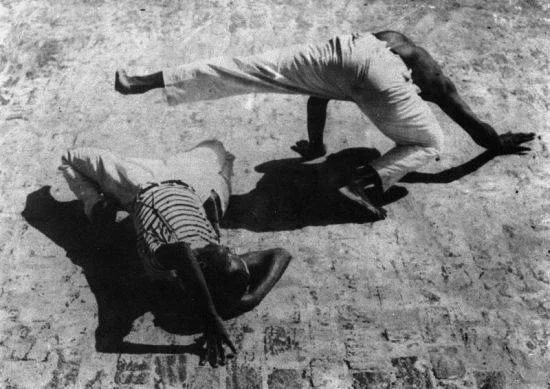
Capoeira Angola, standing far beyond the simplified labels of a mere martial art or a traditional folk dance, is a profound, dynamic, and multifaceted cultural practice. Its genesis is inextricably linked to the brutal socio-historical crucible of transatlantic slavery in Brazil. It emerged as a clandestine, holistic technology for liberation, serving simultaneously as a covert training regimen for physical combat, a vital means of spiritual and cultural preservation, and a highly sophisticated medium for political communication and communal solidarity. Within the ruthlessly oppressive structures of colonial and later, post-colonial Brazil, Capoeira Angola functioned as a critical infrastructure for survival, community formation, and coordinated, decentralized mobilization against a state apparatus systemically and violently dedicated to the subjugation, repression, and erasure of African and Afro-Brazilian populations.
Historically forged in the relentless heat of chattel slavery, colonial violence, and persistent resistance across Brazil’s vast plantations and burgeoning urban centers, Capoeira Angola embodies a system that is at once covert yet intensely potent. It is simultaneously a system of highly effective, holistic self-defense, a sophisticated form of non-verbal and coded communication, a vital mechanism for meticulously preserving ancestral knowledge systems, and a powerful, centrifugal engine for profound community solidarity and collective self-determination. This singular, complex synthesis allowed enslaved and deeply marginalized populations to effectively resist the brutal, omnipresent structures of colonial and state control, whose explicit objective was to strip them utterly of their culture, dignity, and fundamental human autonomy. The fluid, often deceptive movements, seamlessly integrated with complex musical rhythms and song, acted as an ingenious cultural camouflage. This disguise masked combative, strategic training as a seemingly harmless celebratory dance or game, thereby enabling its continuous practice to persist and flourish even under the constant, immediate threat of severe torture, death, and state prohibition. In this crucial way, Capoeira Angola transcended a simple set of techniques; it became a living, embodied, and transmitted archive of resistance, passing down critical tactical knowledge, historical memory, and an unyielding spirit of defiance across successive generations.
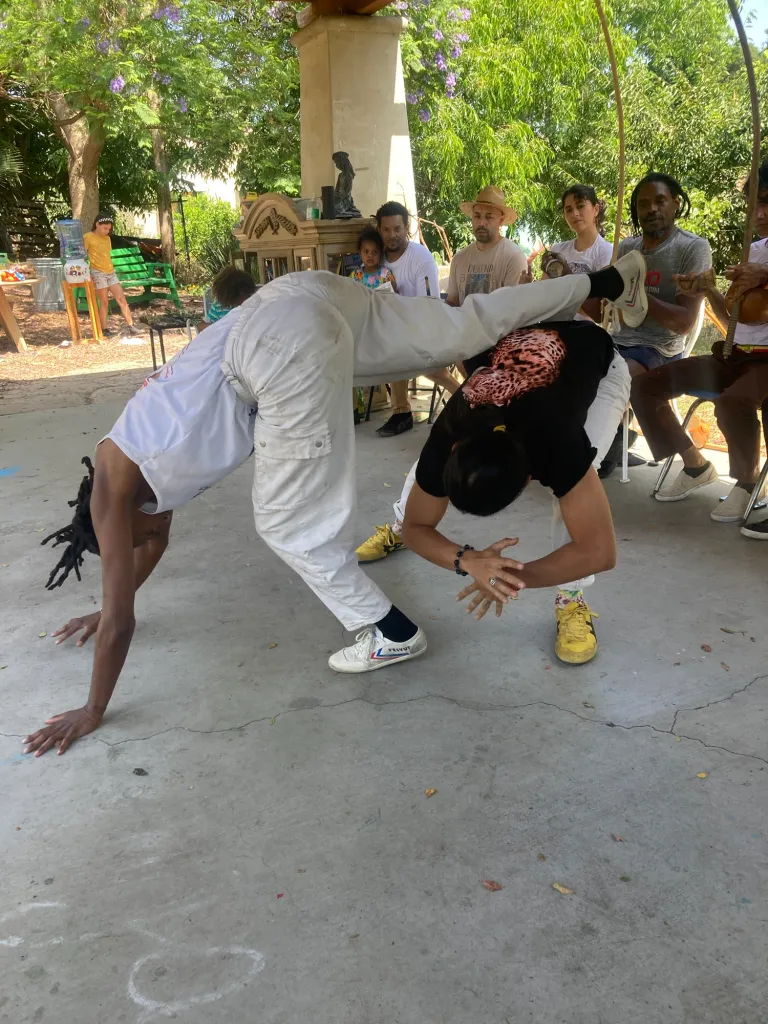
The enduring historical trajectory of Capoeira Angola vividly illuminates its consistent function as a continuous, adaptable site of resistance. The seemingly playful and ceremonial nature of the roda—the circle where Capoeira is played, a sacred space of practice—is, in fact, a masterful, multi-layered act of political camouflage. It conceals highly sophisticated fighting techniques, intricate strategic planning, and coded messages embedded within the music, the narrative songs (Ladainhas and corridos), and the physical movements themselves. This living tradition not only persists but actively thrives today, providing a practical, embodied, and analytical framework for critical engagement with contemporary, modernized forms of state violence, pervasive systemic racism, and crippling social inequality. By actively reclaiming, preserving, and practicing this art, participants engage in a profound and active process to confront, negotiate with, and ultimately dismantle the deep-seated psychic and physical legacies of historical trauma and ongoing, contemporary repression.
The practice itself offers a unique, replicable, and culturally resonant framework for effective, community-based mobilization:
Community Building and Essential Cohesion: The roda (the circle in which Capoeira is played) is intentionally structured as a micro-society built upon explicit principles of mutual respect, active cooperation, and collective responsibility for all participants’ well-being. This inherently collaborative structure directly and powerfully counters the state’s historical and ongoing attempts to atomize, isolate, and divide oppressed communities. By cultivating deep and visceral interdependence, the roda fosters the essential cohesion, trust, and shared language needed for effective political and social action.
Strategic Subtlety and Political Cunning (Malícia): The characteristically deceptive and elusive movements of Capoeira Angola—which often deliberately appear as dance, music, or playful interaction—viscerally instruct practitioners in the critical value of strategic subtlety, known as malícia. This historical necessity of masking resistance—of making a powerful action look like a simple game—translates directly into methodologies for covert organizing, navigating pervasive state surveillance and infiltration, and developing adaptable resistance strategies that effectively evade overt detection by oppressive state apparatuses and intelligence gathering.
Embodiment of Historical Resistance and Blueprint for Uprising: The narrative songs (Ladainhas, corridos, and others) and the oral traditions preserved within Capoeira Angola serve as powerful cultural vehicles. They transmit the concrete historical memory of successful uprisings, the autonomous sovereignty of maroon communities (quilombos), and the inspiring narratives of figures who bravely and successfully challenged the violent status quo. This continuous cultural transmission keeps the spirit and, crucially, the practical historical blueprints of resistance alive, providing both moral inspiration and a practical historical template for contemporary struggles against injustice.
Physical and Mental Discipline for Sustained Conflict: Beyond its symbolic power, Capoeira Angola holistically trains the body and mind for sustained engagement with profound adversity and conflict. The rigorous physical demands of the practice systematically build physical and psychological resilience, while the emphasis on improvisation, quick and decentralized decision-making, and maintaining composure and emotional balance under intense pressure (the “game” within the roda) prepares individuals for the often high-stakes demands of non-violent direct action, community defense, and the inherent risks associated with protesting and challenging entrenched state authority.
Capoeira Angola and Transformative Justice: A Methodology for Resistance
Pod mapping and skill sharing are foundational practices within the frameworks of transformative justice and mutual aid, designed specifically to cultivate resilient, self-reliant communities. These methodologies, which emerged significantly from the work of organizations like the Bay Area TransformativeJustice Collective (BATJC) and activists such as Mia Mingus, empower individuals to identify, utilize, and strengthen their internal support networks. The core objective is to create systems capable of addressing harm, crisis, and chronic needs autonomously, deliberately bypassing reliance on punitive and often harmful state institutions, notably the police and prison systems.
Pod Mapping: Visualizing Interdependence and Care
Pod mapping is a rigorous, often visual, exercise used to articulate and solidify the network of individuals one can reliably call upon for both long-term (chronic) and immediate (acute) needs. This identified group constitutes one’s “pod”—a localized, intensely trusted support ecosystem.
The Structure: The exercise typically places the individual’s name at the center of a diagram. Surrounding circles categorize the degree of trust and commitment within the network:
Immediate Pod (Solid Circles): This is the core, deeply vetted group of people with whom a deep sense of trust is shared, and who can be relied upon unconditionally in a crisis. This includes partners, immediate family, chosen family, and profoundly trusted friends or neighbors.
Movable People (Dotted Circles): These individuals represent potential pod members. While trusted, their inclusion requires further intentional relationship-building, clear conversations about boundaries, expectations, and commitment to specific support roles.
Community Resources (Large Circles): These are the broader networks, organizations, spiritual centers, or mutual aid societies that offer specialized or general support, such as food banks, tenant organizing groups, or trauma-informed therapy collectives.
The Purpose: The process is diagnostic and preventative. It explicitly reveals gaps or imbalances in one’s care network, offers a deeper understanding of how care and resources flow across larger communal networks, and ensures a proactive “emergency contact list” and corresponding plan are in place well before a crisis manifests.
Skill Sharing: Enhancing Collective Capacity and Self-Reliance
Skill sharing, in conjunction with pod mapping, ensures that a diverse array of practical, emotional, and technical needs can be met through deeply embedded mutual support, minimizing the need to look externally for critical assistance.
Identifying Assets: A crucial step during the pod mapping process is the meticulous inventory of the specific skills each member possesses and is willing to share. These assets are expansive, ranging from practical abilities like active listening, conflict resolution, first aid, childcare, and basic legal observation to technical skills like administrative help, grant writing, or digital security.
Mutual Benefit and Reciprocity: A foundational philosophical principle of mutual aid is the recognition that the act of being a “support giver” is just as powerful and generative as being a receiver. This reciprocal exchange fosters deeper, more equitable connections, builds collective self-worth, and strengthens the foundation for long-term political collaboration.
Building Competency: Resilient communities actively commit to holding intentional “skill shares” or workshops. These sessions are designed to teach one another essential transformative justice tools, practical safety planning methodologies, de-escalation techniques, and advanced communication skills, ensuring that the pod’s capacity to sustain itself and respond to harm is continuously expanding and evolving.
The Capoeira Angola Paradigm: A Historical Methodology for Resilience
The historical, philosophical, and operational principles embedded within Capoeira Angola—its emphasis on cooperative learning, deep mutual support, intuitive adaptation, and immediate collective response—offer a potent, living methodology directly applicable to contemporary organizing focused on community resilience, sustainable mutual aid, and holistic safety.
Radical Skill Sharing and the Roda
The traditional structure and pedagogy of the roda are inherently a radical, de-hierarchized skill-sharing model.
Decentralized Knowledge Transfer: Highly experienced practitioners (mestres and contramestres) transmit critical knowledge not through formal, prescriptive, or hierarchical classroom lessons, but through direct, embodied interaction, intuitive correction, communal storytelling, and the immersive experience of “playing” together. This decentralized, organic knowledge transfer ensures that essential survival, cultural, and combative skills are spread rapidly, deeply, and organically throughout the community.
Contemporary Relevance: This process mirrors the vital necessity of widely distributed expertise in contemporary social movements. In a protest setting or crisis, skills such as de-escalation, rapid legal observation, psychological first aid, and critical media communication must be widely and reliably distributed across the entire network, much like the decentralized mastery required to maintain the integrity of a roda.
Historical Precedent for Pod Mapping: The Roda and the Quilombo
Capoeira Angola offers a profound historical and theoretical precedent for “pod mapping”—the contemporary practice of creating proactive, reliable support networks within small, intensely trusted groups (“pods”) for autonomously handling crises and security concerns.
The Roda as a High-Stakes Pod: The roda itself functions as a temporary, high-stakes, intensely focused pod. All surrounding participants are collectively responsible for the immediate physical safety and strategic support of those playing within the circle. The collective maintenance of the rhythm (batuque), the watchful, supportive eyes of the surrounding community, and the strategic, guiding interventions of the berimbau player all powerfully reflect the principle of deep, localized, and dynamic interdependence required in a successful pod.
The Quilombo as the Ultimate Historical Pod Map: The historical organization of enslaved Africans and the formation of autonomous runaway communities (quilombos) around shared defense, resource pooling, and collective security represents the ultimate historical “pod map.” In this context, Capoeira Angola acted as the central, shared, and secret technology—the critical, non-state asset—for group defense, strategic communication, and self-determination against the oppressive state. The quilombo demonstrates that collective liberation is achievable only when an intensely mapped, highly skilled, and mutually committed community organizes its resources outside of state control.
The Quilombo: A Paradigm of Black Autonomy, Collective Defense, and Non-State Sovereignty
The concept of the QUILOMBO—the autonomous communities forged by runaway enslaved Africans, primarily in Brazil—transcends simple historical footnote to become the ultimate, real-world blueprint for radical collective mobilization and resistance. These settlements were not merely temporary shelters; they were sophisticated, sovereign micro-nations built entirely outside the genocidal control of the colonial state. In their foundational structure, the quilombos represent the highest historical realization of a “pod map”—a tightly integrated, self-sustaining network organized around shared principles of defense, resource equity, and mutual commitment to collective survival.
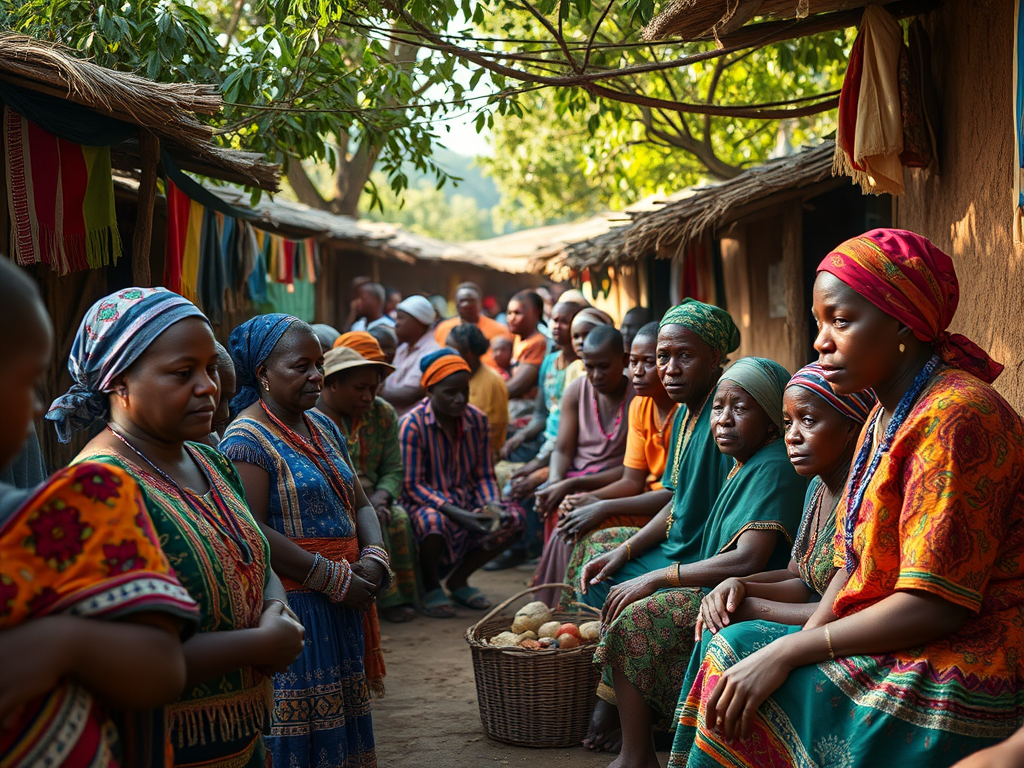
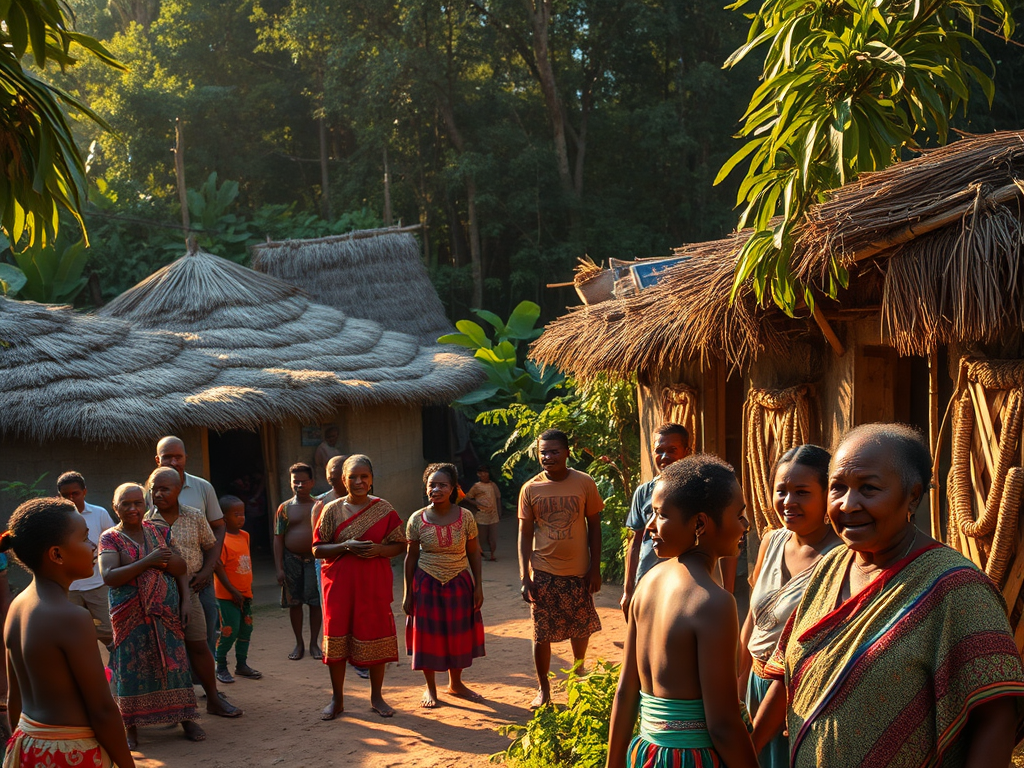
The historical significance of the Quilombo in Brazil is profound. Far more than mere settlements, they were powerful, self-governing communities established by enslaved and marginalized people, primarily of African descent, who had successfully escaped the brutal system of Portuguese chattel slavery. These hidden, often fortified, societies flourished across Brazil from the 16th century onward, serving as beacons of resistance, maroonage, and alternative social organization. They were, in essence, independent republics within the colonial territory, actively rejecting the socio-political and economic structures of the state. The most famous and long-lasting was Palmares, which endured for nearly a century and at its peak housed over 30,000 people, demonstrating a profound capacity for complex statecraft and self-defense against relentless colonial assault.
Life within a quilombo was an active attempt to reconstruct African social and political traditions, mixing them with Indigenous practices and new creolized forms born of shared struggle. The internal structure was often highly organized, emphasizing communal ownership of land and resources, democratic decision-making, and collective security. They cultivated land, engaging in diverse and sustainable agricultural practices to ensure self-sufficiency, and established sophisticated trade networks, often exchanging goods and intelligence with sympathetic settlers, marginalized laborers, and other quilombos. This economic and political self-determination fundamentally separated them from the colonial system.
Capoeira Angola: The Non-State Technology of Survival
Within this revolutionary framework, Capoeira Angola emerged as far more than a cultural practice or simple physical exercise. It functioned as the essential, shared, and deeply secret technology—the critical, non-state asset—that ensured the quilombo‘s survival. This complex art form, disguised as a dance or game, was in reality a comprehensive system for group defense, strategic communication (using movement and rhythm), psychological warfare, and the physical enactment of self-determination. It was the central pillar of military and political education, meticulously developed to counter the oppressive tactics and superior weaponry of the Portuguese and later, Brazilian, state forces.
Crucially for the quilombo‘s defense, they developed sophisticated methods of defense, including this martial art, intricate signaling systems, and expert use of the challenging local terrain. The very existence of the quilombo represented a profound rejection of colonial authority and the fundamental illegitimacy of slavery, marking them as the primary organizational structure for mobilization and resistance against the repressive state apparatus of the time. They were living proof that freedom was not a gift to be granted but a condition to be seized and defended.
The Enduring Legacy and Contemporary Application of Quilombo Methodology
The enduring legacy of the quilombo, particularly the most famous and enduring, Palmares, conclusively demonstrates that true collective liberation is not an abstract ideal but an achievable state. This achievement, however, hinges on several non-negotiable conditions: the formation of an intensely mapped community (one with a profound knowledge of its members, its environment, and its adversaries), the cultivation of highly skilled and non-transferable abilities (like those encoded in Capoeira Angola), and the complete and mutually committed organization of all critical resources and defense capabilities outside the control of the state apparatus. The quilombo, therefore, stands as a powerful and enduring historical testament to the necessity of autonomous Black self-organization and the profound efficacy of non-state, community-based resistance against legacies of state repression and enslavement.
The spirit and methodology of quilombo resistance provide a vital, actionable framework for contemporary mobilization. Integrating the core principles of Capoeira Angola into contemporary organizing—specifically through structured, continuous skill-sharing and the development of robust, trust-based pod maps—allows activists, community organizers, and community members to forge connections rooted in profound trust, shared historical consciousness, and deep physical and cultural resilience.
Capoeira Angola, a cultural and physical practice forged in the fires of the quilombos, embodies this resistance. Its circular formation (the roda) inherently promotes decentralized leadership, collective awareness, and mutual support—a perfect microcosm of the quilombo‘s social structure. Its movements, which mask martial efficacy within dance and ritual, teach practitioners to navigate conflict with strategic subtlety and adaptability. This structured physical and philosophical training prepares individuals not just for isolated acts of protest, but for sustained, collective action that prioritizes mutual aid and survival. By embedding this practice, and by building “pod maps”—small, highly trusted affinity groups that function as modern quilombo cells—we actively and powerfully counter the isolating, atomizing, and destructive effects of systemic state repression and historical marginalization. This methodology directly translates the historical defense mechanism of the quilombo into a contemporary strategy for community safety, political mobilization, and cultural persistence.
By profoundly grounding themselves in the philosophical depth, the complex physical and verbal vocabulary, and the enduring historical narrative of Capoeira Angola, marginalized communities are equipped to forge robust, culturally resonant, adaptable, and enduring methodologies for actively confronting and ultimately dismantling the interwoven tapestry of historical inequities and the contemporary, evolving mechanisms of systemic violence. This violence manifests today through aggressive state policing, political disenfranchisement, economic exploitation, and structural marginalization.
Capoeira Angola, at its core, is far more than a simple, codified physical fighting system; it is a profound, holistic, and comprehensive cultural technology. It operates as an intricately woven strategy that fundamentally champions the realization of collective liberation and uncompromising socio-political self-determination for marginalized communities.
Its profound, enduring utility is located not in the superficial mastery of its acrobatic and combative movements, but in its unparalleled capacity to cultivate a suite of essential, interconnected tools for survival and freedom. These tools include the development of an unwavering, almost monastic discipline; a deep, organic mechanism for collaborative community building and mutual aid; an advanced, anticipatory strategic thinking that mirrors both martial and social maneuvering; and the cultivation of a powerful, embodied, and living sense of historical consciousness that connects practitioners directly to their ancestors’ struggles and triumphs.
Theroda—the circle of participants that is the central performance space—is the ultimate functional and transformative microcosm for political and social organizing. It is a sacred, consecrated site where the practice of active resistance is not a theoretical exercise but a continuous, physical reality. Within this circle, cultural memory, often suppressed and distorted by the state, is meticulously preserved, rehearsed, and celebrated through music, movement, and narrative. The essential, practical, and intuitive tools necessary for navigating, subverting, and ultimately overcoming the omnipresent mechanisms of oppressive state control and surveillance are intensely honed, physically embodied, and faithfully passed down, generation to generation, in a way that written history cannot capture.
This total practice, encompassing music, philosophy, strategy, and physical confrontation, serves as a living, breathing, and embodied archive of resistance against historical trauma and contemporary subjugation. More than just a repository of memory, Capoeira Angola functions as a dynamic, practical blueprint—an executable methodology—for achieving genuine, self-determined, and ultimately sustainable freedom from the pervasive structures of state repression and cultural erasure. It is a pedagogy of the oppressed, transforming practitioners into agents of change through movement and shared experience.
Those of you who frequently read this blog may be wondering why I don’t write too much about Afro-Brazilians or the intricate dynamics of race in Brazil. It’s a question I’ve been meaning to address, but the fact is, race in Brazil is a confusing, loaded topic.
This complexity is the “elephant in the room” for any outsider—and often for Brazilians themselves—trying to understand the nation’s social fabric. Unlike the often more rigid, binary racial classifications found in countries like the United States, Brazil operates on a nuanced spectrum, a legacy of centuries of miscegenation and a cultural mythology of “racial democracy.” This mythology suggests that racial harmony prevails and that class, not color, is the primary divider. While appealing on the surface, this concept obscures deep, systemic inequalities.
Why is it so complicated? Well…
The confusion often begins at the level of the individual and the family. Consider the striking example of a single family, where perception is fluid and self-identification is not uniform. As seen in the work of journalists like Stephanie Nolen, you might find a sister, like Jessica, who says she is preta (Black), while her cousin, perhaps with only slightly lighter skin or different hair texture, insists she is branca (white) or, more commonly, parda (brown or mixed).
This fluidity stems from a historical continuum of classification. The Brazilian Institute of Geography and Statistics (IBGE) officially recognizes five categories: branca (white), preta (black), parda (brown/mixed), amarela (yellow/Asian), and indígena (Indigenous). However, social practice is far more granular, encompassing hundreds of informal terms, such as morena (dark-haired, often a polite euphemism for mixed race), sarará (light-skinned with red or blond curls), and cabra (a very dark mixed person). These terms are context-dependent and often influenced by factors like education, wealth, and social standing. A person considered “Black” in a primarily white neighborhood might be categorized as “brown” in a predominantly Black community. This complex, subjective system makes any discussion of race immediately fraught with personal and political implications.
So… What is it like to be Black in Brazil?
As a Black man born and raised in the United States, I’m looking from the outside in when it comes to the daily reality of race in Brazil. My understanding is necessarily filtered through videos, articles, and the powerful personal accounts that people choose to share with me.
What becomes abundantly clear is that despite the official narrative of a colorblind society, an underlying, pervasive racism shapes the lives of Afro-Brazilians. The acclaimed actor Douglas Silva, in his poignant Ted Talk, asks a question that resonates with the experience of millions:
Does my skin color automatically make me a bandit?
Unfortunately, in Brazil, the data and lived experience often suggest this is the tragic reality. Afro-Brazilians, who constitute more than half of the nation’s population when combining pretos and pardos, face disproportionate social exclusion and violence, with systemic barriers that persist across various facets of society. They are grossly underrepresented in higher education, in positions of corporate or political power, and on the covers of major magazines that typically highlight the successes of others. Conversely, they are overrepresented in the country’s favelas, prisons, and among the victims of police brutality, highlighting a stark and painful contrast to the prevailing narrative of progress and equality.
The color of one’s skin often becomes a proxy for presumed criminality, particularly for Black men, who find themselves at the intersection of stigma and bias in their daily lives. The pervasive prejudice means that a young Black man walking in a middle-class neighborhood is far more likely to be stopped and searched by police than a white peer, leading to an ongoing cycle of mistrust and fear. This systemic suspicion and prejudice is the harsh counterpoint to the romanticized ideal of mestiçagem (racial mixing), which tends to overshadow the reality of ongoing inequalities. It confirms that the “elephant in the room” is not just about confusion over labels, but about the enduring, painful legacy of slavery and a society that has yet to truly reckon with racial inequality, requiring urgent and meaningful discussions and actions to address these centuries-old injustices.
The Crucial Platform: The Friday Crime Report with Professor Black Truth
The “Friday Crime Report,” typically airing on Friday mornings, is far more than a routine news broadcast; it is a vital, unflinching academic and activist platform dedicated to the deep exploration of the structural and societal forces that disproportionately impact the Black community. Hosted by the insightful Professor Black Truth, the program serves as an essential counter-narrative to mainstream reporting, which often sensationalizes crime while neglecting its systemic roots.Dissecting Systemic Injustice
The core mission of the Report is the meticulous dissection of fundamental structural injustices. This includes a robust examination of:
Systemic Racism: Moving beyond individual prejudice, the program analyzes how policies, institutions, and cultural practices—from housing to healthcare to education—are fundamentally skewed against Black people, generating cycles of disadvantage that manifest in crime statistics.
Economic Inequality: The broadcast links the wealth gap and chronic underinvestment in Black communities to the environment of desperation and limited opportunity. It meticulously traces the line from historical disenfranchisement to contemporary economic precarity.
Police Brutality and Injustice: The “Friday Crime Report” moves past surface-level incident reports to offer a profound examination of the failures within the criminal justice system. It highlights discriminatory policing practices, prosecutorial biases, and sentencing disparities, positioning these issues not as isolated events but as hallmarks of a broken system.
A Catalyst for Engagement and Reform
The ultimate objective of the “Friday Crime Report” transcends mere awareness or critique; it is designed to be a catalyst for engagement and reform. Professor Black Truth provides listeners with facts and analysis, but the program’s true power lies in its focus on practical, tangible solutions.
Fostering Active Community Engagement: The Report is a forum for discussion, debate, and mobilization, actively encouraging listeners to participate in local governance and advocacy efforts.
Highlighting Actionable Steps: Crucially, the program does not leave listeners feeling helpless. It emphasizes actionable steps—practical, grassroots measures that individuals and communities can implement immediately. This focus on grassroots advocacy is designed to empower listeners, equipping them to become effective agents of positive change and to confront injustices directly in their neighborhoods and local institutions.
Today’s Critical Installment
The current episode underscores the persistent failures of the justice system:
Last month, a deeply troubling incident occurred where a career criminal violently attacked a Black citizen without any discernible provocation. This assault was captured on video, providing clear evidence of the unprovoked violence. Following the attack, police recommended a serious charge of 2nd Degree Assault. However, in a decision that is sadly illustrative of broader systemic leniency towards certain offenders, the District Attorney intervened. The DA determined that the police’s recommended charge was “too harsh” for this racist thug, signaling a profound miscarriage of justice and a devaluation of the Black victim’s experience.
This case is presented as a crucial example of how the system fails to deliver justice, even when the facts are undeniable, reinforcing the necessity of the “Friday Crime Report” platform.
Support Prof Black Truth’s Work:
Your support ensures this vital independent analysis can continue to expose systemic injustices and promote community empowerment.
The Self-Defense Series: A Holistic Blueprint for Personal Empowerment and Survival
The traditional view of self-defense, often limited to mere physical techniques, is fundamentally incomplete. True readiness for the complexities of real-world violence demands a vital, holistic path to empowerment, one that integrates and strengthens the individual across four critical domains. The Self-Defense Series is built upon these four pillars of personal safety: physical, mental, spiritual, and legal. Our philosophy asserts that effective self-defense transcends rote techniques, requiring a deep, well-rounded foundation to foster genuine readiness, unwavering resilience, and absolute confidence in the face of danger.
The Four Pillars of Personal Safety
Physical: The mastery of practical, reality-based techniques, focused not on sporting rules or ring performance, but on survival mechanics. This pillar includes gross motor skill development, efficient striking and grappling, and training to function effectively under extreme duress.
Mental (Psychological/Mindset): The cultivation of an ironclad, decisive, and proactive mindset. This involves intensive training in situational awareness for sophisticated threat recognition and avoidance, as well as the psychological conditioning required to manage shock, surprise, ego collapse, and the profound physiological effects of an adrenaline dump.
Spiritual (Inner Strength): Exploring practices that cultivate inner strength, emotional regulation, and calm control amidst chaos. This pillar is about understanding one’s values, maintaining moral and ethical clarity, and accessing a deep reservoir of composure that is often the deciding factor in a life-or-death scenario.
Legal: Providing a clear, comprehensive understanding of legal frameworks governing self-defense. This ensures that any action taken is informed, justifiable, and proportionate, protecting the defender from unintended legal consequences after a successful defense.
The Essential Toolkit for Survival
This comprehensive program provides an essential toolkit that is systematically integrated for maximum effectiveness. We merge practical, reality-based techniques—designed to work when complex motor skills fail—with intensive situational awareness training—the single most effective means of threat avoidance. Critical emphasis is placed on the psychological components necessary to build the decisive mindset required to survive. Beyond the physical and mental, we delve into spiritual practices to ground the individual in inner strength and discuss the vital legal frameworks for ensuring justifiable actions. This series is not a simple class; it is a transformative journey meticulously preparing you for any challenge.
Performance vs. Survival: A Critical Distinction in Personal Protection
Martial arts and combat sports are invaluable for instilling discipline, cultivating unwavering confidence, providing essential structure, and developing formidable physical skills. These are foundational, non-negotiable traits for any dedicated practitioner. However, to mistake the mastery of the training environment for mastery of a real-world violent encounter is a profound and potentially fatal error. The dynamics of genuine self-defense are fundamentally, jarringly different: a survival scenario is not structured, controlled, or remotely predictable.
The transition from the dojo to the street is instantaneous and brutal. The moment adrenaline floods the system, the moment paralyzing shock replaces composed timing, and the moment all pretense of control disappears, the entire equation shifts. The square ring, the padded dojo, and the consistent training mat offer a sterile, controlled environment that enforces rules and expectations. The street, a parking garage, or a darkened alley offers no such luxury; there are no guarantees, no referee, and no reset button.
The Gap Between Training and Reality
Most people who commit years to hard training focus almost exclusively on high-level performance: drilling complex combinations until they are seamless, sharpening footwork for perfect positioning, and engaging in controlled sparring to test technique. This focus is necessary for competitive success, but it often fosters a profound and critical gap in preparation for a survival encounter: very few train for the psychological trauma of shock, the disorientation of surprise, the debilitating nature of ego collapse, or the moment reality violently refuses to follow the script of a training drill.
This leads us to the core, life-saving difference: the chasm between performance and survival.
There is a world of difference between a perfected, aesthetically pleasing technique and a crude, reflexive, immediate reaction born of primal necessity.
There is a vast difference between looking sharp, controlled, and fluid in a gym setting and functioning effectively, maintaining a cognitive edge, and executing a gross motor skill defense under the paralyzing duress of an actual, life-threatening assault.
The goal of a martial artist in training is often to win or to demonstrate mastery; the goal of self-defense is simply to survive—to exit the engagement with minimal injury and maximum speed.The Imperative of Stress-Inoculation
If your focus is genuinely fixed on real-world self-defense, surviving street violence, comprehensive personal protection, maintaining sophisticated situational awareness, mastering adrenaline management, cultivating a combat mindset, and understanding what actually happens to the body and mind under extreme duress—then a deeper conversation, one moving beyond mere physical technique, becomes indispensable.
This perspective is not an attack on the integrity or value of traditional martial arts; rather, it is a clear-eyed, unvarnished assessment of what standard, performance-based training reliably prepares you for—and, crucially, what it habitually leaves unaddressed. The true objective is not to be a better fighter in the gym, but a more capable survivor in the worst-case scenario. The ultimate mandate is to move beyond mere technique and towards genuine psychological and physiological preparedness.
The call to action is simple and vital: Train smart. Stay ready. Prepare for the reality, not the ideal.
Elevating Your Fight IQ
This program is the product of a unique and powerful synthesis: Blending Criminal Psychology and Martial Arts for Self Defence.
This specialized knowledge is presented by Dr. Mark Phillips, a highly credentialed Criminal Psychologist, Security Consultant, and seasoned Martial Artist. Our approach offers No Nonsense Self Defence Tips & Tricks, covering a spectrum of critical topics:
Behavioural Risk Management: Proactive strategies for identifying and mitigating potential threats before they escalate.
Criminal Behaviour: Insights into the mindset, planning, and methods of attackers to better predict and avoid violence.
Self Defence Techniques: Practical, easy-to-learn skills optimized for high-stress environments.
Street Fighting Tips: Proven methods for handling uncontrolled, chaotic, and multiple-opponent confrontations.
Mindset Preparation: Psychological training to maintain composure, decisiveness, and aggression when necessary.
General tips on how to defend yourself: Simple, accessible ideas that can be immediately implemented.
The good people at FIGHT SCIENCE believe in making martial arts training simple and effective, with easy-to-follow ideas. Look for their weekly Self Defence and Martial Arts video releases every Sunday.
The insidious, pervasive narrative often whispered, sometimes shouted, within and about Black communities—the “Ghetto Lie”—is not merely a social construct; it is a complex, multi-generational affliction actively undermining progress and leading to catastrophic outcomes. This “lie” is the toxic amalgamation of historical trauma, systemic disenfranchisement, and a dangerous cycle of self-fulfilling prophecy, tragically masquerading as an unavoidable, innate cultural reality. It is the sophisticated mechanism by which external oppression is converted into internal surrender.
This destructive ideology posits that the pathology associated with deeply impoverished, inner-city neighborhoods—characterized by high rates of single-parent households, poor educational outcomes, joblessness, and violence—is an inherent part of Black identity, rather than the symptom of socio-economic and structural oppression. By internalizing this lie, the focus shifts disastrously from demanding systemic change and equitable resources to merely managing the “symptoms” or, worse, accepting them as the natural order. The structural architects of disadvantage are thus absolved, and the victims are made to blame themselves for the conditions imposed upon them.
Before I go on with this post, we at Jogo de Corpo Fechado would like to to take a moment to give a huge, well-deserved shoutout to Black Stories Untold. They are the incredible creators and dedicated historians responsible for the powerful and insightful video that we’ve featured or linked to within this post. Their commitment to uncovering, documenting, and sharing marginalized narratives is truly invaluable.
Their work, and the specific video you’ve just engaged with, provides essential context and a critical perspective that often goes overlooked. We strongly encourage you to explore their channel further.
If you found the video as compelling and necessary as we did, we know that your support would mean a great deal to the team at Black Stories Untold. Producing high-quality, deeply researched content takes a considerable amount of time, effort, and resources.
There are many ways to show your appreciation and help them continue this vital work:
Contribute Directly:If you are in a position to do so, a direct financial contribution to their efforts is the most impactful way to support their production and research costs.
Engage with Their Content:If contributing financially isn’t possible right now, your engagement is still incredibly valuable. A simple “Like” on their videos and hitting the “Subscribe” button on their channel are crucial ways to support them. It helps increase their visibility, ensures their content reaches a wider audience, and provides them with the motivation to keep producing excellent material.
Thank you for watching and thank you for considering supporting Black Stories Untold!
Now, let’s continue.
The Core Components of the Ghetto Lie: An Anatomy of Deception
The Ghetto Lie is not a monolithic myth; it is composed of several reinforcing pillars, each designed to chip away at Black agency and potential:
1. The Myth of Innate Pathology: The Denial of Historical Context
This component falsely asserts that issues like academic disengagement, casual violence, and disdain for authority are cultural norms passed down through generations, rather than coping mechanisms developed in hostile, resource-starved environments. This fatalistic view systematically ignores the robust history of Black intellectualism, family structure, and community resilience that existed prior to and outside of concentrated poverty created by redlining, discriminatory housing covenants, and the brutal economic shock of deindustrialization.
The truth is that concentrated urban poverty—the geographical space the “ghetto” describes—was engineered through policy and prejudice. By framing the resulting behaviors as inherent “pathology,” the Lie distracts from the poverty and lack of opportunity that are the true root causes. This intellectual sleight of hand transforms a political and economic problem into a cultural and moral failing.
2. The Attack on the Black Family: Normalizing Instability
The most damaging facet is the normalization of fractured family units. While acknowledging the historical impact of slavery and Jim Crow on family separation, the Ghetto Lie elevates the single-parent, often matriarchal, structure from a necessity born of economic struggle and male incarceration to the accepted standard. This minimizes the critical, measurable role of present fathers and stable nuclear or extended families in providing economic stability, emotional security, and effective socialization for children. The consequence is a vicious cycle of poverty replication, where the very structure needed to escape generational poverty is systematically undermined and pathologized. The message becomes: your family is broken by design, not by external pressure.
3. The Culture of Anti-Intellectualism and Anti-Achievement: The Internal Censor
This lie creates a crushing societal pressure that often labels educational excellence, articulate speech, and professional ambition as “acting white.” This phenomenon, deeply rooted in the historical reality that Black success was often met with white violence, economic exclusion, or institutional sabotage, now functions as an internal mechanism of suppression. The fear of social ostracization or the desire to maintain community credibility limits educational attainment and upward mobility, creating a self-imposed ceiling on ambition. It is a defense mechanism turned destructive, leading to the tragic waste of millions of bright minds whose potential is sacrificed on the altar of manufactured authenticity.
4. The Normalization of Interpersonal Violence: Absolving External Responsibility
By accepting the high murder and crime rates within concentrated Black communities as simply “how things are,” the Ghetto Lie drains the collective will to fight for safer streets, better policing, and adequate mental health resources. It frames the violence exclusively as Black-on-Black crime—a self-inflicted wound—thereby absolving external institutions (government, education, law enforcement, healthcare) of their foundational responsibility to protect and serve these citizens equitably. This narrative weaponizes tragedy, using the symptoms of systemic neglect as justification for further neglect and punitive control (e.g., mass incarceration), rather than investment and restoration.
The Killing Mechanism: The Slow, Systemic Loss of Potential
The consequence of this internalized narrative is nothing less than the slow, systemic killing of potential. The Ghetto Lie kills:
Educational Opportunity: By lowering expectations in schools, fostering environments where academic rigor is mocked, and pushing students out of the classroom and into the school-to-prison pipeline.
Economic Mobility: By discouraging the disciplined effort, networking, and cultural code-switching often required to navigate professional, largely white-dominated, corporate spaces.
Physical Safety and Well-being: By allowing endemic violence and unchecked mental health crises to persist without the unified community and political action needed to stop them.
The Black Soul: By convincing individuals that their highest aspiration should be to merely survive their hostile environment, rather than to master it, transform their world, and realize their full, inherent brilliance.
The Economy of Dysfunction: Profit and Perception
Today, we are ripping the mask off the lie that has been insidiously poisoning our community’s soul for decades—the systemic fiction that has defined our struggle and obscured our brilliance. This is the harrowing story of how power structures meticulously convinced the world, and disturbingly, segments of our own people, that the term “ghetto” is synonymous with “Black.” This dangerous conflation is a masterful piece of social engineering, designed to erase the rich, complex tapestry of our culture and replace it with a single, devastating stereotype of deprivation and despair.
This narrative of pathology is not organic; it is meticulously cultivated because it is profitable. We must confront the uncomfortable truth: billion-dollar corporations and entrenched institutions are not merely observing our dysfunction—they are actively feeding off it. From predatory lending practices, exploitative housing markets, and the booming private prison and surveillance industries to the targeted marketing of harmful, addictive products (alcohol, tobacco, high-fat foods), a vast, complex economy thrives on keeping our communities marginalized, fragmented, and in a state of perpetual crisis. Our perceived dysfunction is their quarterly dividend; our instability is their investment opportunity.
The ultimate tragedy is the internal toll this constant assault has taken. We have, consciously or unconsciously, allowed the relentless, sensationalized media focus on our worst moments—the crime, the poverty, the division—to drown out the soaring symphony of our greatest achievements. The brilliance of our scientists, the passion of our artists, the resilience of our families, the political victories won through generations of struggle—these foundational truths are constantly obscured by a spotlight fixed only on our failures. We are allowing their narrative, the one that defines us by our deficits rather than our potential, to become the loudest voice in the room, threatening to silence the historical chorus of Black excellence and achievement forever.
The Path Forward: Refuting the Lie with Truth and Action
To save Black America and truly unlock its potential, the Ghetto Lie must be confronted and refuted with a forceful and uncompromising embrace of high standards, educational rigor, family stability, and an insistence on equitable societal investment in these communities.
The path forward requires replacing the lie of innate pathology with the truth of unfulfilled potential. This demands a dual approach: demanding external structural reform while simultaneously fostering internal cultural strength. We must aggressively dismantle the systems of inequity (housing, education, justice) while nurturing the values of excellence, scholarship, entrepreneurship, and stable family formation within our own communities, not as an appeal to external validation, but as the inherent, historical standard of Black life. The lie has been told long enough. The time for truth, potential, and collective action is now.
The apprehension and hostility often displayed by certain segments of “nerd culture” toward Black people is a complex phenomenon, rooted not merely in isolated prejudice but in systemic anxieties over ownership, narrative control, and accountability. This fear is multifaceted and manifests across various subcultures, from gaming and comics to fantasy and anime.
1. The Perceived Threat to Ownership and Exclusivity
For decades, many core pillars of nerd culture—including tabletop role-playing games, superhero comic books, and high fantasy epics—were overwhelmingly marketed to and consumed by white, often male, audiences. This created a powerful, albeit artificial, sense of cultural ownership and exclusivity. The established “old guard” came to view themselves as the authentic inheritors and exclusive guardians of the lore, traditions, and community spaces.
When Black people enter these spaces in visible numbers—as successful creators, influential interpreters, central protagonists, or vocal fans—it is often defensively interpreted by these gatekeepers as an intrusion or a challenge to their established hierarchy and comfortable racial default. This defensive posture is fueled by the fear of “losing” what they believe is their exclusive property. The reaction is frequently aggressive, manifesting in toxic gatekeeping and harassment campaigns intended to maintain the perception of a white-dominated community. The perceived “dilution” of the cultural space is a deep-seated anxiety, revealing a desire to keep the community insular and homogeneous.
2. A Historical Pattern of Whitewashing and Exclusion
The root of this discomfort lies in a history where Black characters were systematically marginalized. They were often:
Nonexistent: Absent from narratives entirely.
Tokenized: Relegated to single, minor, or often stereotypical roles.
Erased: Actively minimized or had their importance stripped through practices like whitewashing.
As major media franchises begin to intentionally embrace substantive diversity—introducing well-developed Black protagonists, adapting established white characters as Black, or centering Black experiences—a vocal minority of the fandom reacts with vitriol. This resistance is frequently masked by arguments about “fidelity to the source material” or “historical accuracy,” even when discussing fictional worlds containing magic, dragons, or faster-than-light travel. This reveals a fundamental discomfort with seeing Black people centered in imaginative narratives that were long presumed to be white by default. The deeper fear is the loss of a perpetually white imaginative landscape, where the comfort of racial homogeneity in fantasy and escapism is unchallenged.
3. Resistance to Change and Aversion to Systemic Confrontation
Nerd culture is not immune to the broader societal issues of racism, misogyny, and prejudice. Yet, it has often cultivated a resistant environment where critical analysis of these issues is aggressively dismissed. Any attempt to point out tokenism, harmful tropes, or a lack of representation is typically framed as “bringing politics” into a space supposedly reserved purely for “escapism.”
Black fans, critics, and creators who challenge the status quo are frequently labeled as aggressors, “social justice warriors,” or “ruiners of fun.” The defensive reaction is a profound fear of introspection and accountability. By maintaining a facade of neutrality or political apathy, the community effectively preserves the status quo of white dominance, prioritizing the comfort of the dominant group over the inclusion and safety of marginalized fans. The resistance is not just to change in the media itself, but to the necessary self-examination and dismantling of systemic bias within the community structure.
4. A Pervasive, Year-Round Reality
From the highly visible spectacle of Cosplay competitions and the widespread global media of Anime and Video Games to the often-anonymous realms of online forums and V-Tubers, overt and insidious forms of racism are a deeply entrenched and exhausting reality. This pervasive negativity extends beyond isolated incidents; it is manifested through systemic underrepresentation, coded prejudice in narrative arcs, and actively hostile environments for Black creators and fans.
This cultural dynamic is particularly disappointing given that these subcultures often self-identify as havens for the marginalized and outsiders. Yet, they frequently reproduce the very same oppressive societal structures they claim to reject. In a period of heightened global reckoning with race and identity, the commitment to substantive change within these fan-driven worlds remains tepid. Conversations about inclusion are often met with aggressive, immediate backlash—a clear, powerful indicator of the deeply guarded, often racially-charged status quo.
The “scared” is, ultimately, a multilayered anxiety: the fear of losing exclusive ownership, the fear of a historically white narrative center shifting, and the fear of being forced to acknowledge and dismantle systemic racism within a community beloved for its perceived sanctuary. This defensive, toxic posture manifests as a chilling effect on the participation and creative expression of Black fans and creators, revealing far more about the fragility and insecurity of the established, dominant elements of nerd culture than it does about the Black people who simply seek to exist within the worlds they love.
The issues of Black representation, Black excellence, and Black criticism are not seasonal; they are fundamental, continuous, and demand sustained, year-round attention and action. The struggle is not for a temporary acknowledgment but for permanent, equitable space.






 Jogo Corpo Fechado