The apprehension and hostility often displayed by certain segments of “nerd culture” toward Black people is a complex phenomenon, rooted not merely in isolated prejudice but in systemic anxieties over ownership, narrative control, and accountability. This fear is multifaceted and manifests across various subcultures, from gaming and comics to fantasy and anime.
1. The Perceived Threat to Ownership and Exclusivity
For decades, many core pillars of nerd culture—including tabletop role-playing games, superhero comic books, and high fantasy epics—were overwhelmingly marketed to and consumed by white, often male, audiences. This created a powerful, albeit artificial, sense of cultural ownership and exclusivity. The established “old guard” came to view themselves as the authentic inheritors and exclusive guardians of the lore, traditions, and community spaces.
When Black people enter these spaces in visible numbers—as successful creators, influential interpreters, central protagonists, or vocal fans—it is often defensively interpreted by these gatekeepers as an intrusion or a challenge to their established hierarchy and comfortable racial default. This defensive posture is fueled by the fear of “losing” what they believe is their exclusive property. The reaction is frequently aggressive, manifesting in toxic gatekeeping and harassment campaigns intended to maintain the perception of a white-dominated community. The perceived “dilution” of the cultural space is a deep-seated anxiety, revealing a desire to keep the community insular and homogeneous.
2. A Historical Pattern of Whitewashing and Exclusion
The root of this discomfort lies in a history where Black characters were systematically marginalized. They were often:
Nonexistent: Absent from narratives entirely.
Tokenized: Relegated to single, minor, or often stereotypical roles.
Erased: Actively minimized or had their importance stripped through practices like whitewashing.
As major media franchises begin to intentionally embrace substantive diversity—introducing well-developed Black protagonists, adapting established white characters as Black, or centering Black experiences—a vocal minority of the fandom reacts with vitriol. This resistance is frequently masked by arguments about “fidelity to the source material” or “historical accuracy,” even when discussing fictional worlds containing magic, dragons, or faster-than-light travel. This reveals a fundamental discomfort with seeing Black people centered in imaginative narratives that were long presumed to be white by default. The deeper fear is the loss of a perpetually white imaginative landscape, where the comfort of racial homogeneity in fantasy and escapism is unchallenged.
3. Resistance to Change and Aversion to Systemic Confrontation
Nerd culture is not immune to the broader societal issues of racism, misogyny, and prejudice. Yet, it has often cultivated a resistant environment where critical analysis of these issues is aggressively dismissed. Any attempt to point out tokenism, harmful tropes, or a lack of representation is typically framed as “bringing politics” into a space supposedly reserved purely for “escapism.”
Black fans, critics, and creators who challenge the status quo are frequently labeled as aggressors, “social justice warriors,” or “ruiners of fun.” The defensive reaction is a profound fear of introspection and accountability. By maintaining a facade of neutrality or political apathy, the community effectively preserves the status quo of white dominance, prioritizing the comfort of the dominant group over the inclusion and safety of marginalized fans. The resistance is not just to change in the media itself, but to the necessary self-examination and dismantling of systemic bias within the community structure.
4. A Pervasive, Year-Round Reality
From the highly visible spectacle of Cosplay competitions and the widespread global media of Anime and Video Games to the often-anonymous realms of online forums and V-Tubers, overt and insidious forms of racism are a deeply entrenched and exhausting reality. This pervasive negativity extends beyond isolated incidents; it is manifested through systemic underrepresentation, coded prejudice in narrative arcs, and actively hostile environments for Black creators and fans.
This cultural dynamic is particularly disappointing given that these subcultures often self-identify as havens for the marginalized and outsiders. Yet, they frequently reproduce the very same oppressive societal structures they claim to reject. In a period of heightened global reckoning with race and identity, the commitment to substantive change within these fan-driven worlds remains tepid. Conversations about inclusion are often met with aggressive, immediate backlash—a clear, powerful indicator of the deeply guarded, often racially-charged status quo.
The “scared” is, ultimately, a multilayered anxiety: the fear of losing exclusive ownership, the fear of a historically white narrative center shifting, and the fear of being forced to acknowledge and dismantle systemic racism within a community beloved for its perceived sanctuary. This defensive, toxic posture manifests as a chilling effect on the participation and creative expression of Black fans and creators, revealing far more about the fragility and insecurity of the established, dominant elements of nerd culture than it does about the Black people who simply seek to exist within the worlds they love.
The issues of Black representation, Black excellence, and Black criticism are not seasonal; they are fundamental, continuous, and demand sustained, year-round attention and action. The struggle is not for a temporary acknowledgment but for permanent, equitable space.
HIDDEN SPIRITUALITY – From Spirit Science: Bridging Ancient Wisdom and Modern Culture
Welcome to HIDDEN SPIRITUALITY – From Spirit Science, a unique and groundbreaking platform dedicated to exploring the profound and often overlooked intersection of timeless spiritual wisdom and the vibrant tapestry of modern popular culture. We are dedicated to illuminating how ancient philosophies, universal spiritual concepts, and powerful archetypes are not merely historical relics, but are actively shaping, enriching, and providing the underlying structure for contemporary media across all major formats. We delve deeply into this confluence, examining everything from blockbuster films and critically acclaimed immersive video games to bestselling fantasy and science fiction novels, and beloved, philosophically rich anime series.—–Our Vision and Mission: The Unseen Connection
Our core mission is to meticulously analyze and illuminate how universal spiritual themes, archetypes of the collective unconscious, and enduring philosophical structures are subtly—and sometimes not so subtly—woven into the fabric of modern storytelling. This analysis is not merely academic; it is a quest to understand the power of narrative.
By examining these deep connections, we seek to uncover why powerful stories resonate so deeply and universally with global audiences, effortlessly transcending cultural and linguistic barriers. We believe that the most compelling and successful narratives often serve as powerful mirrors, reflecting our own inner journeys of self-discovery, spiritual growth, and our inherent connection to cosmic truths and the nature of reality itself.
We aim to foster an inclusive, open-minded community of explorers—seekers, fans, and thinkers—who are ready to recognize that the entertainment we consume holds immense spiritual value. By shining a light on the profound wisdom embedded in modern entertainment, we build an essential, practical bridge between contemporary culture and universal spiritual truths. This exploration is designed to encourage deeper, more conscious reflection on the media we consume, demonstrating its immense potential not just to entertain or distract, but to inspire genuine personal transformation and propel spiritual evolution in the modern world.
Today’s Feature Presentation: Doctor Strange – A Treasure Trove of Mystic Wisdom
Prepare to have your mind blown as we delve into the mystic, visually spectacular world of Marvel’s Doctor Strange and explore the hidden spiritual wisdom within this incredible film. From its foundational concepts to its philosophical teachings, Doctor Strange is a profound cinematic treasure trove of spiritual insight and wisdom.
We will be unlocking the secrets embedded within its narrative, including:
The Multiverse as Cosmic Consciousness: Exploring how the concept of the Multiverse mirrors ancient and modern spiritual ideas of multiple dimensions of reality and the infinite nature of consciousness.
The Teachings of the Ancient One: Analyzing how the tutelage Stephen Strange receives from the Ancient One parallels esoteric teachings on ego death, surrendering control, and the transcendence of the physical self.
Manipulation of Time and Causality: Examining the film’s depiction of time as a loop and the non-linear nature of reality, reflecting deep Eastern philosophical insights.
The Power of Virtue and Sacrifice: Discussing the film’s ultimate message on the true source of spiritual and magical power—not selfish acquisition, but selfless action.
Through its mind-bending visuals, powerful storytelling, and profound character arc, this film takes us on an unmistakable journey of self-discovery and transformation. It invites us to explore the deeper dimensions of reality and the true nature of the self beyond the limitations of the material world. Join us as we unlock the secrets of this remarkable movie and discover the hidden spirituality of Doctor Strange!
Shoutout to SPIRIT SCIENCE for creating and posting the original video analysis.
The Spiritverse Library: Expand Your Consciousness
Become a master of magic and Virtue by exploring the timeless wisdom in their newest bestseller, “The Virtual Way”, which provides a modern, accessible guide to ancient spiritual texts: https://www.spiritmysteries.com/tao-t…✨If you liked this video, here are some other things you might enjoy ✨
Dive deeper into our video archives:
Our Great Transformation Begins Now! – A look at the paradigm shift occurring in human consciousness and planetary evolution: • Our Great Transformation Begins Now!
✨ About Spiritverse: Your Sanctuary for Personal and Spiritual Growth ✨
Welcome to Spiritverse, a dedicated sanctuary designed to be your steadfast companion on the journey of personal and spiritual evolution. Our core mission is to provide you with the resources, inspiration, and sacred space necessary to support your highest growth and well-being.
They believe that true fulfillment comes from a deep connection to the self, to nature, and to the universal energy that unites us all. Spiritverse was created to be a beacon of light, offering enlightening content that stimulates the mind, nourishes the soul, and encourages profound inner transformation.
At Spiritverse, they dive into many topics that touch upon the breadth and depth of the spiritual and personal development journey. Our exploration includes, but is not limited to:
Mindfulness and Meditation: Practices for cultivating inner peace, presence, and clarity.
Energy Work and Healing Modalities: Understanding the subtle body and techniques for energetic balance.
Esoteric Wisdom and Ancient Philosophies: Insights from various traditions to broaden your perspective.
Conscious Living: Guidance on aligning your daily life with your highest values and intentions.
The Power of Nature and Elemental Wisdom: Reconnecting with the Earth and its profound teachings.
Astrology, Numerology, and Intuitive Arts: Tools for self-discovery and navigating life’s cycles.
The Spiritverse Philosophy: Respect, Honor, and Openness
Every piece of content, every discussion, and every interaction within the Spiritverse community is approached with an open heart. We operate under a foundational philosophy of deep respect and inclusivity, respecting all paths to the divine. We recognize that the journey is intensely personal, and we strive to create a non-judgmental environment where diverse beliefs and practices are not only accepted but celebrated.
We are committed to honoring the beauty and divinity within us, nature, and the universe. This recognition is the foundation of our work, fostering a deeper sense of reverence and interconnectedness. Spiritverse is more than just a platform; it is a community where you can feel safe to explore, question, heal, and ultimately, remember the luminous being you are. Join us as we collectively move toward a more conscious, compassionate, and spiritually awakened existence.
We’re grateful to have you with us on this adventure, and we always enjoy connecting with you and reading your comments! So please share your thoughts and feelings with us and the community! Thank you for being a part of the conversation! ✨💛🙏Today, we also have created an Academic Community Space to take the exploration further! Join the Spiritverse Academy with hundreds of hours of classes, workshops, challenges, and an ever-growing community of beautiful souls. Spiritvsere Academy is a space for the evolution of your consciousness, and you can learn more here: https://spiritverse.academy
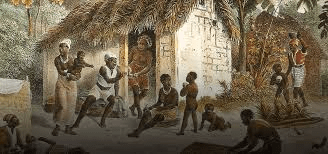
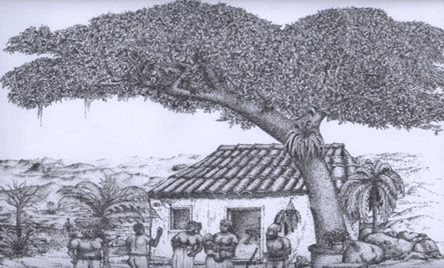
The Quilombos represent one of the most remarkable and enduring examples of self-liberation and societal reconstruction in the history of the Americas. Born from the brutal reality of the transatlantic slave trade, these communities were not merely temporary hideouts but fully functioning, complex societies established by enslaved and marginalized people, primarily of African descent, who had escaped the Portuguese colonial plantations. Their existence was a direct and powerful act of resistance against the institution of slavery and the entire colonial system.
Origins and Formation
The term “quilombo” is derived from the Kimbundu word kilombo, which originally referred to a youth war-camp or settlement in Angola. In Brazil, it became the umbrella term for any settlement founded by escaped slaves (escravos fugidos), though Indigenous peoples and marginalized Europeans were also sometimes included.
Quilombos began to appear shortly after the large-scale introduction of African slavery into Brazil in the 16th century. Life on the sugar, tobacco, and gold plantations was extraordinarily harsh, characterized by relentless labor, violence, and systematic dehumanization.
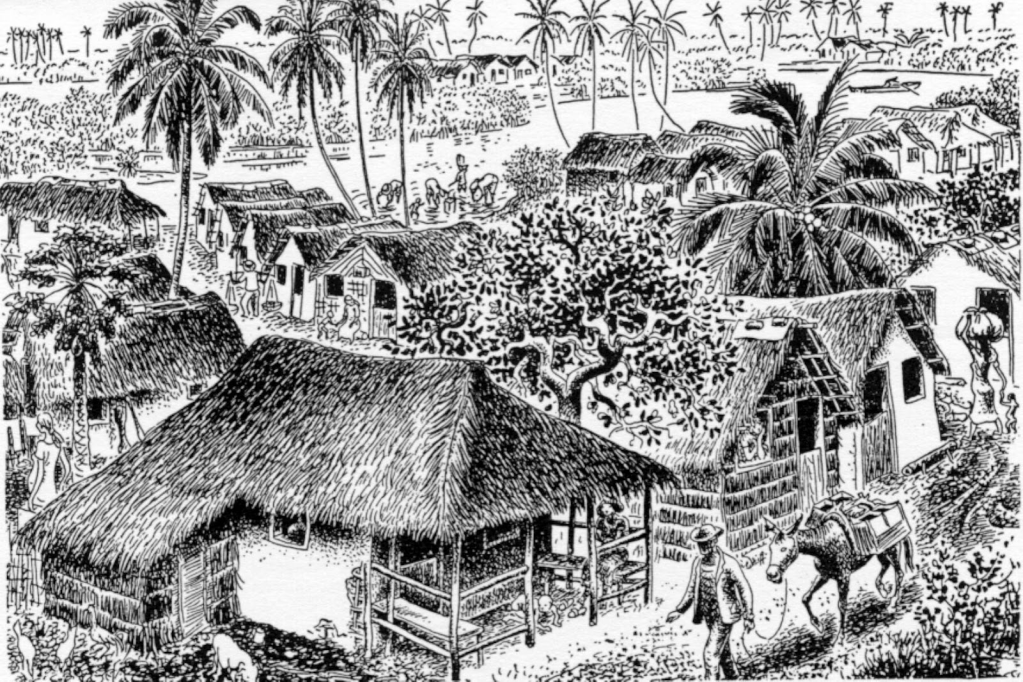
These settlements were strategically located in remote, difficult-to-access areas: deep in the dense Mata Atlântica (Atlantic Forest), in mountainous terrain, or in the vast, arid interior (sertão). This geographical isolation was crucial for defense and survival, making it difficult for colonial capitães do mato (bush captains or slave hunters) to find and destroy them.
Societal Structure and Culture
Quilombos were pioneering examples of a new social order, blending various African cultural traditions with Indigenous knowledge and the necessities of their unique situation.
Political Structure: Many Quilombos developed complex political systems, often led by a king or queen (Zumbi being the most famous leader) or a council of elders. Decisions were made communally, reflecting a strong emphasis on egalitarianism, though military organization and clear lines of command were also vital for defense.
Economic Life: Self-sufficiency was the cornerstone of the Quilombo economy. They practiced subsistence agriculture, growing essential crops like manioc, beans, corn, and sweet potatoes, often employing techniques learned from local Indigenous groups. They also engaged in hunting, fishing, and foraging. Furthermore, many Quilombos engaged in commerce with neighboring colonial towns, trading surplus goods, and sometimes even raiding plantations for tools, weapons, and to free more enslaved people.
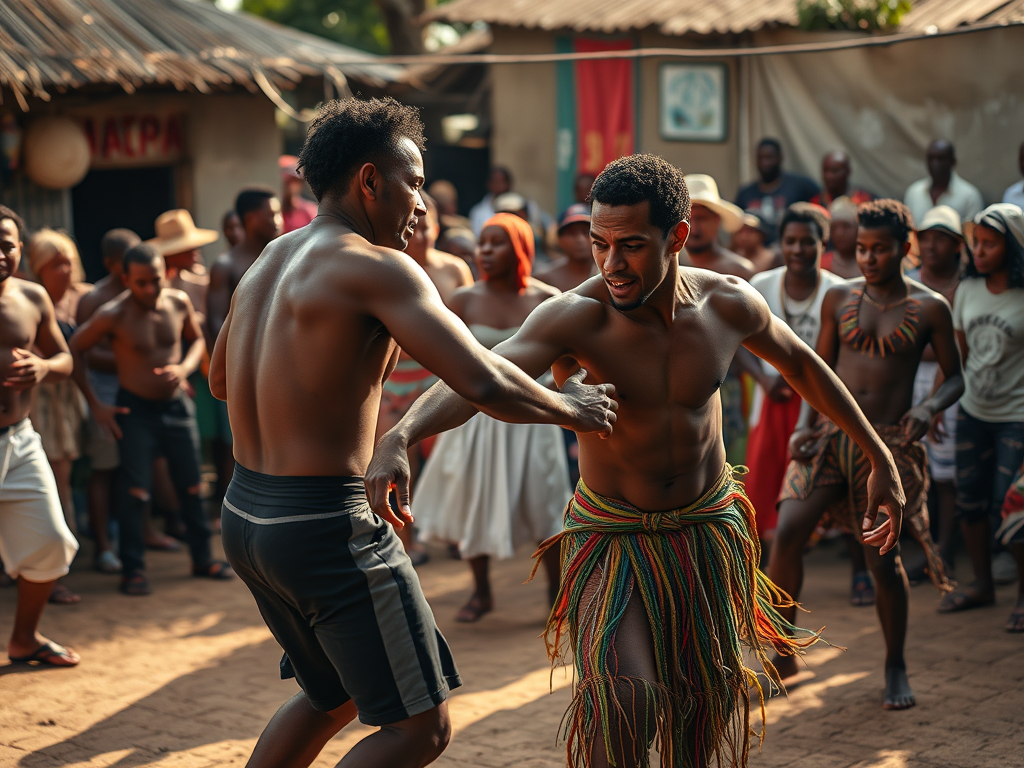
Culture and Spirituality: Quilombos were vital reservoirs of African culture, preserving languages, religions, music, and art that were systematically suppressed on the plantations. Candomblé, Capoeira (a dance-fight form), and a rich oral tradition flourished within these free spaces, serving as a source of identity, community cohesion, and spiritual resilience.
Palmares: The Most Famous Quilombo
The historical phenomenon of the Quilombo—a community established by formerly enslaved and marginalized people, often in remote, difficult-to-reach areas—is best exemplified by the magnificent and enduring Quilombo dos Palmares. This self-governing republic, often referred to simply as Palmares, was not a temporary refuge but a genuine new society that thrived for nearly a century, roughly from 1594 to 1694. It was situated strategically in the rugged, forested terrain of the Serra da Barriga region, which lies in the interior of what is now the Brazilian state of Alagoas.
Click HERE to watch a movie about Palmares, And click HERE to check out some Capoeira videos, and some Afro-Brazilian cinema.
At its zenith, Palmares was far more than a single village. It functioned as a sophisticated confederation of autonomous settlements, known as mocambos (a term derived from the Bantu language, signifying a hideout or settlement). This network of communities boasted an impressive population that, according to various estimates, ranged from 10,000 to as many as 30,000 residents. This population base was comprised primarily of escaped slaves (known as quilombolas), but also included Indigenous peoples and even poor white settlers who sought refuge and freedom within its borders. Its size and organization rendered Palmares a power comparable to—and in some cases, even larger than—the colonial towns established by the Portuguese along the coast.
Palmares was a genuine proto-state forged by people who had been stripped of their freedom. It developed a complex political and social structure, led by a succession of formidable figures. The early leadership included Ganga Zumba, an imposing king or chief who oversaw the confederation’s diplomatic and military affairs. Following his reign, his nephew, Zumbi (meaning ‘immortal’ or ‘ghost’), rose to prominence. Zumbi rejected attempts at a negotiated peace with the Portuguese, insisting on absolute freedom for all Palmarinos and for any enslaved person who reached the Quilombo. Under his charismatic and uncompromising leadership, Palmares became the definitive symbol of Black autonomy and resistance in the Americas.
The very existence of Palmares was a direct challenge to the economic and social foundation of the Portuguese colony—the institution of slavery. Its continued survival was an intolerable affront to colonial authority. Consequently, Palmares faced repeated, brutal military assaults over its history. Its final, tragic end came in 1694, when the Portuguese Crown—tired of the constant threat Palmares posed—funded a massive military expedition. This force was led by the notorious bandeiranteDomingos Jorge Velho, a ruthless frontiersman and professional slave hunter. Velho’s forces successfully besieged and destroyed the main settlement of Palmares.
Though Palmares itself was ultimately conquered, the profound spirit of resistance that it embodied did not immediately extinguish. Following the final, overwhelming assault by Portuguese forces, Zumbi, the last and most iconic leader of the quilombo, managed to evade capture. For nearly a year, he continued a desperate and arduous guerrilla war, utilizing the familiar, dense terrain of the Serra da Barriga to strike against the colonial power. This final, heroic struggle demonstrated an unwavering commitment to the ideals of freedom Palmares represented.
However, the immense resources of the Portuguese crown were not to be denied. Zumbi was eventually captured and, in a brutal act of public terror intended to utterly crush the morale of the enslaved population, he was executed in 1695. His head was severed and displayed in the town of Recife. This gruesome end, far from diminishing his impact, cemented his place not merely as a historical figure, but as a legendary and enduring icon. Zumbi has become the ultimate symbol of Black resistance, the struggle for freedom, and the fight against oppression in Brazil—a figure whose name echoes across centuries as a call to defiance.
Crucially, the government forces, despite their victory over the main settlement, were never truly able to claim a complete and total destruction of the Palmares movement. The deeply ingrained culture of resistance and the decentralized nature of the quilombo meant that the fight simply morphed and persisted. Other courageous warriors took Zumbi’s place, continuing the difficult struggle. A notable example is Camuanga, who carried on the resistance until his death in 1709. The ongoing presence of former Palmares residents and their descendants, coupled with the constant influx of new fugitives, ensured that the region remained a hotbed of anti-colonial activity. In fact, the last recorded instance of organized resistance in the area that was once Palmares did not occur until 1797—over a century after Zumbi’s execution—underscoring the extraordinary longevity and deep-rooted legacy of this revolutionary settlement. Palmares, therefore, was not a failure but a spark that continued to ignite resistance for generations.
Legacy and Modern Significance
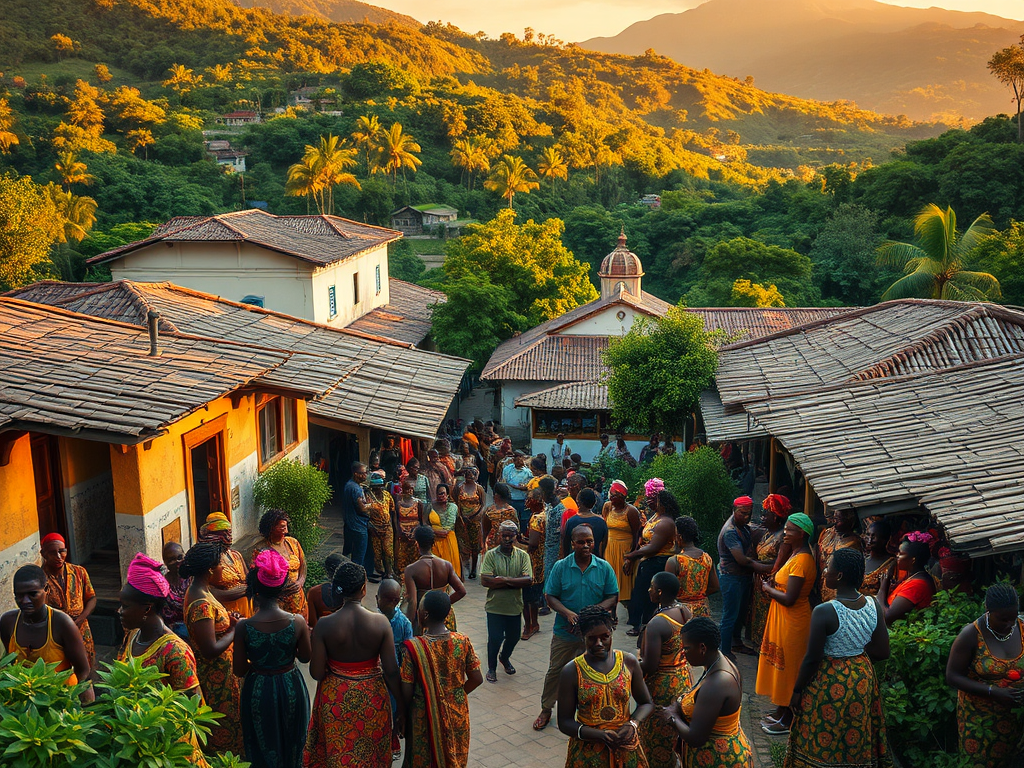
Although thousands of Quilombos were eventually destroyed by colonial forces, their spirit and legacy survived. Today, the descendants of these communities, known as Quilombolas, live in officially recognized QuilomboCommunities (Comunidades Quilombolas) across Brazil.
The struggle of the modern Quilombola movement is centered on land rights, cultural preservation, and recognition of their unique historical and social contributions. Article 68 of the 1988 Brazilian Constitution grants these communities the right to the definitive ownership of the lands they historically occupied, transforming the Quilombo from a historical phenomenon of resistance into a contemporary legal and political reality. The Quilombo, therefore, remains the essential blueprint for self-determination and the creation of a just society in the face of systemic adversity.
How do you create a quilombo village or group of villages?
The question of “How do you create a quilombo village or group of villages?” delves into a complex historical, social, and political process rooted in the resistance of enslaved and marginalized people in Brazil, primarily during the colonial and imperial periods, but with enduring relevance today.
A quilombo was fundamentally a settlement, often hidden and fortified, founded by self-liberated (runaway) slaves (escravos fugidos), but also including indigenous peoples, poor whites, and other social outcasts seeking autonomy and freedom from the oppressive plantation system (latifúndio) and the broader colonial society.
The creation of a quilombo involved several critical, interlinked stages and factors:
I. The Initial Act of Resistance and Escape (The Genesis)
The Decision to Flee: The primary catalyst was the intolerable brutality, dehumanization, and exploitation of the slave regime. The decision to flee was a high-risk, often communal, act of radical self-determination.
Formation of Escape Groups: Escapes were organized either individually, in small family units, or, most effectively, in pre-planned, larger groups. These groups needed leaders, often those with practical knowledge (e.g., survival skills, navigation, or martial training).
Routes and Resources: Escapees utilized detailed local knowledge—often provided by indigenous allies, sympathetic individuals, or their own labor experience—to navigate dense forests (Mata Atlântica), swamps, and rugged terrain, avoiding capitães do mato (slave hunters). They carried minimal supplies, relying on foraging and survival skills.
II. Site Selection and Initial Settlement
Strategic Location: The chosen site was paramount for survival. It needed:
Isolation and Concealment: Deep in remote, inaccessible areas (mountaintops, dense jungles, hidden valleys, or river islands) to deter discovery and attack.
Defensibility: Natural barriers (cliffs, rivers, thick undergrowth) that could be augmented with man-made fortifications like palisades, traps, and strategically cleared lines of fire.
Resource Access: Proximity to potable water, fertile land for subsistence farming, and materials for construction.
Construction of the Mocambo (Huts): The initial settlement often consisted of simple huts (mocambos) built quickly from local materials. Over time, these settlements would become more structured, sometimes developing a central meeting area, larger community structures, and specialized areas for crafting and storage.
III. Establishing Social and Economic Autonomy
Subsistence Agriculture: Immediate focus was on securing a food supply. Quilombolas cleared land using slash-and-burn techniques (roça) to plant staple crops such as manioc (cassava), corn, beans, and sweet potatoes. This farming was often diversified and hidden among the natural vegetation to make aerial or distant observation difficult.
Internal Governance:Quilombos developed their own internal systems of governance and social order, often blending African political traditions, indigenous practices, and responses to the new environment. Leadership could be hereditary, military, or based on religious or moral authority, with figures like the legendary Zumbi of Palmares.
Defense and Security: A standing defense force was critical. Quilombolas employed guerilla warfare tactics, utilizing their knowledge of the terrain, bows and arrows, spears, and eventually, stolen or bartered firearms. They established extensive watch systems and maintained high vigilance against incursions.
IV. Expansion and Maintenance (The Quilombo Network)
Inter-Quilombo Relations: To increase security and resilience, individual quilombos often formed alliances, creating networks or “groups of villages.” These networks shared intelligence, provided mutual aid, facilitated trade, and coordinated defense against major expeditions launched by colonial forces. The Republic of Palmares (Quilombo dos Palmares) stands as the most famous example of such a large, organized polity.
Maintaining Population: New members arrived continuously through ongoing escapes from plantations. The quilombos also grew through births within the community and, in some cases, through the capture or voluntary inclusion of indigenous people or other marginalized groups.
External Relations and Trade: While aiming for self-sufficiency, quilombos often needed goods (metal tools, salt, ammunition) that they couldn’t produce. They engaged in clandestine trade with poor settlers, small farmers, or even corrupt officials, exchanging agricultural surplus, crafts, or items stolen from plantations. Raids on plantations were also conducted to liberate others, acquire tools, and disrupt the slave economy.
V. Endurance and Legacy (Modern Quilombos)
The historical model of quilombo creation has evolved into the modern context. Today, Comunidades Quilombolas are recognized as ethnic and racial groups with their own specific historical trajectory, territorial relations, and presumption of Black ancestry related to resistance to historical oppression.
The modern “creation” of a quilombo focuses less on physical escape and more on territorial recognition and cultural preservation:
Self-Recognition: A community must self-identify as a quilombo based on its history and relationship to the land.
Legal Process: In Brazil, communities must undergo a complex legal and anthropological process—certified by the Palmares Cultural Foundation (FCP)—to gain official recognition and, crucially, to secure communal land titles (titulação), protecting them from eviction and guaranteeing their collective rights as mandated by the 1988 Brazilian Constitution.
Thus, creating a quilombo historically involved a radical, military, and social transformation from enslaved status to autonomous community; in the contemporary sense, it involves the political assertion of identity and the legal struggle for territory and cultural rights.
The Quilombo and the Roots of Capoeira
Was Capoeira created and/or practiced in the quilombos?
The relationship between the quilombos—the independent settlements formed by runaway enslaved people in Brazil—and the creation and practice of Capoeira is one of the most debated and essential topics in the study of Afro-Brazilian culture and martial arts. While definitive written records from the quilombos themselves are scarce, the overwhelming historical and cultural consensus supports the idea that the quilombos, particularly the largest and most famous, Palmares, were the fertile ground where Capoeira as a distinct art form was forged.
The Quilombo as a Cultural Crucible
The quilombos were not merely places of refuge; they were sovereign, self-governing societies created from scratch, designed to sustain life, resist capture, and preserve an African-rooted identity. This required the development of sophisticated means of self-defense.
Necessity of Self-Defense: Every resident of a quilombo was a potential soldier. The settlements were under constant threat of attack by the capitães-do-mato (bush captains) and organized military expeditions. A fighting system that was both highly effective and capable of being practiced secretly was not a luxury but a fundamental requirement for survival.
Cultural Synthesis: The populations of the quilombos were drawn from various African ethnic groups (Kongo, Angolan, Yoruba, etc.) and often included indigenous peoples and impoverished Europeans. The fighting forms, dances, music, and religious practices of these diverse groups were brought together and synthesized into new, distinctly Brazilian forms. Capoeira is believed to be the ultimate expression of this synthesis—blending African circle dances and fighting techniques with Brazilian necessity.
The Element of Deception: One of the most powerful arguments for Capoeira’s quilombo origin is its characteristic use of deception. The fighting movements are often masked within the movements of a dance or a ritualistic game (jogo). This technique of dissimulation was vital: practicing an overt martial art would have immediately exposed the quilombo’s inhabitants to greater danger and confirmed their military threat to the Portuguese. By disguising fighting as brincadeira (play) or dance, the practitioners could train in the open without giving away their true capabilities.
Historical Evidence and Scholarly Debate
While direct documentary proof (a diary entry reading, “Today, we invented Capoeira”) is absent, several lines of evidence point to the quilombo thesis:
Oral Tradition: The oral history passed down through generations of Capoeira masters (Mestres) consistently traces the art’s origins to the communities of resistance.
The Mandinga Connection: Early descriptions of the fighting style often refer to it as “Mandinga,” “Jogo de Mandinga,” or “brincadeira de Angola”—all terms that strongly connect the art to Central West African traditions prevalent among those taken to Brazil, particularly those who formed the core of Palmares.
Location and Early Practice: The earliest documented evidence of Capoeira being practiced openly appears in the major urban centers, such as Rio de Janeiro and Salvador, in the 18th and 19th centuries, often associated with the communities of libertos (freedmen) and the urban poor, many of whom were descendants of those who had passed through or been influenced by the quilombos. They brought the fighting tradition with them as they migrated or were resettled.
The evidence overwhelmingly supports the conclusion that Capoeira was indeed forged and developed within the quilombos. These independent, self-governing communities—established by formerly enslaved people in remote, often inhospitable areas of colonial Brazil—were not merely settlements; they were crucible environments perfectly suited for the gestation of a sophisticated and clandestine martial art.
The existence of quilombos provided a unique confluence of factors necessary for Capoeira’s emergence:
1. Intense External Pressure and the Need for Secrecy
The paramount factor was the relentless, existential threat posed by colonial authorities and the capitães-do-mato (bush captains) tasked with their destruction. Survival depended on the ability to repel armed incursions. This intense external pressure demanded an effective, highly adaptable fighting system. However, openly practicing a martial art would have been suicidal, immediately drawing the full wrath of the Portuguese crown. This necessity for concealment drove the innovation of integrating combat techniques into seemingly innocuous cultural forms. The fluid, dance-like movements, the music, and the songs could have served as a brilliant camouflage, allowing practitioners to hone deadly skills in plain sight. The roda (circle) itself became a laboratory of resistance disguised as a festival.
2. A Diverse and Concentrated Cultural Foundation
The quilombos drew people from a multitude of African ethnic groups, each bringing their own distinct cultural, religious, and combative traditions. From the wrestling styles of Angola (such as Engolo) and the ritual dances of various Central and West African cultures, the quilombo synthesized a rich tapestry of movement and knowledge. This diverse cultural foundation was essential. Rather than simply preserving one tradition, the quilombo environment fostered a dynamic exchange and refinement process, transforming disparate African fighting games and dances into the uniquely deceptive and sophisticated martial art we recognize today. The integration of music, particularly the berimbau, was crucial, acting as both an auditory guide and a code for signaling danger or the intensity of the fight, further masking its martial purpose.
3. The Quilombo as a Laboratory of Resistance
The isolation of the quilombos granted a critical measure of autonomy and the necessary time and space for this cultural synthesis and evolution. They were, in essence, independent “laboratories of resistance.” Within their borders, practitioners could experiment with, develop, and perfect the movements, strikes, sweeps, and feints that define Capoeira, passing the knowledge down in a concentrated environment free from direct colonial observation. This extended period of development, driven by a clear need for self-defense and community cohesion, solidified Capoeira’s dual nature: an elusive, powerful, embodied testament to human resilience and the unrelenting fight for freedom, inextricably linked to the quilombo’s legacy.
In conclusion, the path to establishing and sustaining a successful Quilombo—a free territory and new society born out of resistance—is fraught with peril and demands an unyielding commitment to both internal cohesion and external vigilance. The very act of creating a new social order when surrounded by those who view your existence as a threat requires a complete paradigm shift, moving from a mindset of individual survival to one of collective, revolutionary self-determination.
The essential facts borne out by historical precedent and the foundational principles of this guide can be summarized thus:
Unity is the Ultimate Defense: A Quilombo’s primary strength is the absolute solidarity of its members. Every individual must internalize the understanding that a threat to one is a threat to the whole. Internal dissension, rivalry, or a failure to adhere to the core tenets of the new society—equitable distribution of resources, mutual aid, and democratic self-governance—will prove more fatal than any external attack. Trust must be earned, maintained, and constantly reinforced through transparent decision-making and shared sacrifice.
Resource Independence is Non-Negotiable: A society dependent on its enemies for food, water, or material goods is a society living on borrowed time. The immediate and sustained focus must be on achieving complete self-sufficiency. This includes the development of resilient, diversified agriculture; secure and managed water sources; and localized production of essential tools, medicines, and defensive materials. Dependence is a vulnerability that will inevitably be exploited.
The Environment is a Strategic Ally: The founders of a Quilombo must intimately understand and utilize the surrounding terrain for both camouflage and defense. The land is not merely a place to live, but a living partner in resistance. This involves mastering natural defenses, establishing complex and deceptive travel routes, and using the landscape to monitor and thwart enemy movements.
Constant Vigilance and Intelligence Gathering: Because everyone outside the boundary is a potential enemy, the community cannot afford complacency. A robust, layered, and disciplined security system—including a rapid-response defensive force and an intelligence network dedicated to identifying infiltrators, anticipating attacks, and tracking external political and military developments—is indispensable. The enemy will probe for weaknesses, and the Quilombo must be prepared to respond immediately and decisively to maintain the integrity of its borders and its internal order.
A New Culture of Resilience: More than just a fortress, a Quilombo is a cultural experiment. Its survival depends on cultivating a new social fabric that actively replaces the corrosive values of the old world (hierarchy, exploitation, selfishness) with a regenerative ethos of community, equality, and shared purpose. This requires constant educational efforts, the establishment of rituals that reinforce communal identity, and a commitment to justice that resolves conflicts internally without resorting to the oppressive methods of the outside world.
In essence, creating a new society from the ground up, under continuous pressure, is the ultimate act of defiant creation. It requires not just the courage to fight, but the wisdom to build, and the relentless discipline to maintain the essential balance between freedom and security. The Quilombo is the living proof that a better world is possible, provided its members never lose sight of the fact that their collective survival is a daily, revolutionary undertaking.
Welcome to the Survivor Series: Mastering Essential Urban and Wilderness Survival
This comprehensive Survivor Series is meticulously designed to equip you with the essential knowledge and practical skills required to navigate and conquer life’s most demanding challenges, whether faced in the urban jungle or the untamed wilderness. Our focus is on holistic preparedness, transforming mere concepts into actionable, life-saving abilities.
The series curriculum delves deep into foundational survival pillars:
Shelter-Building Techniques: Learn fundamental and advanced methods for constructing various types of shelters, ensuring protection from the elements, optimizing heat retention, and minimizing your environmental footprint in diverse climates and terrains.
Food Sourcing Methods: Master sustainable and effective ways to secure sustenance. This includes in-depth instruction on foraging for edible plants with a focus on identification safety, proven trapping methods utilizing natural materials, and effective fishing techniques applicable to various bodies of water.
Self-Defense Strategies and Threat Assessment: Enhance your personal security by developing effective self-defense strategies. Crucially, this involves honing your skills in threat assessment and analysis, boosting your confidence, and ensuring you can de-escalate or decisively respond to perilous situations.
Mental Resilience and Situational Awareness: Beyond the physical skills, we emphasize the critical role of the mind. The series highlights the supreme importance of mental toughness—the ability to maintain composure, focus, and rational decision-making under extreme stress. Coupled with this is the cultivation of acute situational awareness, turning you into an observer who can anticipate potential adversity before it strikes.
Our ultimate aim is to empower every participant—from absolute beginners seeking a foundation to seasoned enthusiasts looking to refine their expertise. By the end of this series, you will not only have boosted your overall preparedness but also have instilled an unshakeable confidence, allowing you to face any challenge—be it a lost trail, a sudden natural disaster, or a critical personal crisis—with competence and assuredness.—–Today’s Installment: Ancient Wisdom for Modern Survival
The Enduring Genius of Indigenous Survival Techniques
In this vital installment of the Survivor Series, we turn our attention to the deepest well of survival knowledge—the generations of practical wisdom preserved by the Native American tribes. Long before the advent of modern navigational tools, synthetic materials, or packaged survival rations, these communities mastered the art of survival and thriving in some of the most challenging and diverse environments on Earth, from the arid deserts to the dense forests and the frigid northern plains.
In this feature, we meticulously explore native American traditional survival techniques—advanced systems of living developed and refined over millennia. These methods represent a profound, intimate, and functional understanding of the natural world, a knowledge base that is currently gaining immense respect:
Natural Insulation and Clothing: Understanding how to utilize animal hides, barks, and natural fibers not just for covering, but for creating highly efficient, moisture-wicking, and temperature-regulating garments and bedding.
Food Preservation: Techniques like drying, smoking, and using natural salts/sugars that allowed for the storage of meat and plants for extended periods, ensuring survival through harsh winters or lean seasons without modern refrigeration.
Advanced Water Procurement and Purification: Innovative methods for finding hidden water sources and purifying it using materials like charcoal and specific plant matter, transcending simple boiling.
Shelter Engineering: Beyond basic lean-tos, learn about earth lodges, wick-i-ups, and tipis—structures designed with precise architectural intelligence to maximize airflow, insulation, and durability against severe weather.
Resource Management (Sustainable Living): A profound lesson in taking only what is needed, ensuring that resources—from medicinal plants to game animals—were conserved and respected for future generations.
Fire Craft: Mastering fire not just as a heat source, but as a tool for signaling, cooking, water purification, and crafting, using friction and other natural methods.
Navigation and Tracking: Reading the landscape, stars, sun, and even animal movements to navigate vast territories without a compass, and the skill of tracking for hunting and security.
Many of these sophisticated methods are no longer relegated to the dusty shelves of history; they are actively being studied and respected by contemporary scientists, leading survival experts, and modern engineers for their extraordinary efficiency, elegant sustainability, and remarkable ingenuity. Far from being archaic relics, these techniques are providing cutting-edge solutions to modern problems, particularly in fields like sustainable architecture, permaculture, and resilient infrastructure design. The principles behind them—minimal waste, maximum resource utilization, and deep environmental integration—are the very tenets driving 21st-century innovation.
These were not merely “primitive skills” born of desperation. They were highly advanced systems built from a deep, symbiotic understanding of nature’s laws and cycles. Ancestral peoples mastered complex ecological relationships, predicting weather patterns, soil health, and resource migration with an accuracy that modern technology often struggles to replicate in dynamic, real-world conditions. Their knowledge of botany, hydrology, and material science was empirical, honed over countless generations of observation and experimentation. The precision of their stone tools, the durability of their structures, and the efficacy of their natural medicines speak to a scientific rigor that simply relied on a different methodology than our own. They represent Real knowledge. Proven over centuries. This accumulated wisdom, tested by the unforgiving crucible of time and natural selection, offers a profound and invaluable library of successful strategies for living harmoniously with the planet. These methods are inherently regenerative, working with the ecosystem rather than against it. They offer invaluable lessons for anyone seeking true self-reliance, genuine resourcefulness, and a path toward resilience in the 21st century. By re-engaging with these ancestral technologies, we gain not just survival skills, but a renewed sense of connection to the world and a practical blueprint for a sustainable future.
“Never interrupt your enemy when they are making a mistake” is a profound and enduring piece of strategic wisdom, most famously attributed to Napoleon Bonaparte. This maxim underscores the immense value of patience and observation in any competitive environment, whether military, political, or business-related.
The Core Principle: Capitalizing on Self-Inflicted Error
The fundamental idea is simple: an opponent’s error is often the most potent weapon one can possess, and interrupting that process risks alerting them to their blunder, thereby giving them a chance to correct it. When an adversary is acting based on flawed information, poor judgment, or an incorrect assessment of the situation, their actions are inherently self-destructive. By allowing the mistake to fully unfold and compound, the observing party ensures the maximum possible negative impact on the enemy’s position.
Strategic Implications:
Magnification of Damage: Every step taken based on the initial error deepens the trap. An interruption might merely negate the first mistake, but silent observation allows the opponent to commit successive, reinforcing mistakes (the “snowball effect”). The goal is not just to see an error, but to see it leveraged into a significant strategic or tactical disadvantage.
Information Advantage: The act of observing an ongoing mistake yields critical intelligence. It reveals the opponent’s underlying assumptions, their current mental model, and their operational weaknesses. This knowledge is far more valuable than the temporary tactical gain of an immediate counter-move, as it can be used to plan future, more decisive attacks.
Preserving Resources: Reacting prematurely to an error may force the observer to commit resources unnecessarily. By waiting, the observer can conserve their strength until the optimal moment to strike, which is typically after the opponent has fully committed to their flawed course of action and is too deeply entangled to easily withdraw.
Maintaining Concealment: A well-timed interruption may expose the observer’s own intentions or tactical position. Silence and patience maintain the element of surprise, ensuring the eventual counter-move is both unexpected and devastating.
Application Across Domains:
Military Strategy: Allowing a poorly executed flanking maneuver to continue, or permitting an enemy to commit forces to a terrain they have misjudged, only to cut them off once they are fully engaged.
Negotiations and Politics: Remaining quiet while a rival makes an unreasonable or overconfident demand, thereby exposing their true bargaining floor or alienating their potential allies.
Business and Competition: Watching a competitor sink massive capital into a product or market based on faulty research, and only then launching a superior, well-timed alternative, knowing the competitor is now financially and operationally overextended.
In essence, this maxim is a call for disciplined restraint. It is a caution against the impulsive satisfaction of immediate engagement, arguing instead for the strategic patience required to secure a decisive, long-term victory by letting the enemy orchestrate their own downfall.
The Rodney King Incident: A 35-Year Retrospective on a Pivotal Moment in American Civil Rights History
March 3, 1991. This date is indelibly marked in American history, serving as a critical touchstone in the ongoing national discourse concerning police brutality and racial injustice. The year 2026 will commemorate the 35th anniversary of this historic and tragic event—an occasion that demands solemn remembrance, rigorous academic scrutiny, and deep, critical reflection on its lasting, transformative impact on the nation’s legal and social landscape.
March 3, 1991, stands as a fundamental date in recent American civil rights history. Its historic significance lies in how the event fundamentally reshaped the national discourse on police brutality, systemic racism, and the role of technology in accountability. The widely circulated, amateur video footage of the assault—one of the earliest instances of a citizen’s documentation of police force going viral—set the stage for subsequent, necessary developments in judicial oversight, police reform legislation, and the public’s access to documentation of force through personal devices. Its tragic nature is rooted in the profound injustice of the brutal, unprovoked assault of Rodney King by members of the Los Angeles Police Department (LAPD) and the subsequent failure of the initial judicial process. The acquittal of the officers involved in 1992 exposed deep-seated systemic racism within the justice system and law enforcement, igniting widespread civil unrest across Los Angeles and signaling to the nation that the fight for equal protection under the law was far from over.
The 35-year milestone in 2026 provides a vital, indeed crucial, opportunity for historians, sociologists, educators, legal scholars, journalists, and the public at large to engage in a comprehensive and critical examination of the entire sequence of events: the incident on March 3, 1991; the ensuing highly-publicized state and federal trials; and the devastating 1992 Los Angeles Riots (or Uprisings). This retrospective must delve deeply into the complex and often intertwined political, social, and economic causes that led up to the incident and the subsequent violence.
A true understanding requires analyzing the decades of tensions, beginning long before 1991, characterized by discriminatory housing policies, deindustrialization leading to economic despair, and punitive ‘tough on crime’ legislation that disproportionately targeted minority communities. These factors fostered a volatile, antagonistic relationship between law enforcement and Black and Brown communities in Los Angeles, particularly in areas like South Central. The King beating and the officers’ initial acquittal served as the catalyst that shattered the fragile social contract, bringing decades of suppressed anger and institutional neglect to a violent, fiery climax. Examining the legacy of the Rodney King incident is essential not just for understanding the past, but for informing contemporary efforts toward achieving genuine police accountability, judicial equity, and racial justice in America.
Furthermore, it is essential to scrutinize the immediate consequences, tracing the ripple effects through local communities—particularly in South Central Los Angeles and Koreatown—and through the national political discourse. This includes documenting the pivotal legislative and cultural shifts that followed, such as the formation of the Christopher Commission to investigate the LAPD, the push for the implementation of community policing models, and the increased demand for police departments to adopt consent decrees under the purview of the Department of Justice. A thorough analysis must also explore the indelible role that new media technology—the amateur video recording of the King beating—played in transforming public perception and igniting a movement for transparency and accountability that continues to resonate in modern activism. This anniversary serves not merely as a remembrance of a single act of violence, but as a crucial moment to assess the unfinished work of addressing institutional racism within the American justice system.
Crucially, this anniversary serves as a powerful moment to reflect on the long-term repercussions that continue to shape contemporary society. The echoes of March 3, 1991, are still discernible in ongoing debates about accountability, justice reform, and community-police relations. It is a moment not only for somber reflection and the respectful honoring of the victims and survivors—whose resilience and suffering must be central to the narrative—but also for a concerted effort to ensure that the profound and often painful lessons learned from those events are not eroded by the passage of time or obscured by generational distance. By committing to this thorough examination, the anniversary can transcend simple remembrance and become a catalyst for informed dialogue and enduring change.
This somber anniversary serves as a powerful and inescapable reminder of the fragility of peace and the enduring need for vigilance against the catastrophic forces that led to this lamentable moment in history.
The passage of time does not diminish the gravity of this day, nor does it dull the sharp ache of collective memory. This anniversary compels us to pause and reflect on the immense human cost—the lives lost, the communities shattered, and the generational trauma inflicted by the conflict. It stands as a stark and sobering testament to how quickly stability can erode and how devastating the consequences are when diplomacy fails and aggression prevails.
It is our solemn duty not merely to remember the past, but to actively confront the systemic failures, the ideological extremism, and the unchecked ambitions that paved the road to this tragedy. The lessons learned, though painful, must be internalized and translated into tangible actions. We must renew our commitment to international cooperation, strengthen the institutions dedicated to conflict resolution, and remain perpetually alert to the warning signs of rising intolerance and militarism. Only through unwavering vigilance and a resolute defense of democratic values and human rights can we hope to honor the fallen and safeguard a future free from the recurrence of such a lamentable moment.
The passage of time, while dulling the immediacy of the pain, must never be allowed to erode the clarity of memory. We are called upon not merely to observe this date, but to profoundly reflect upon the systemic failures, the insidious rise of extremism, and the collective hesitations that culminated in such widespread loss and sorrow. This anniversary compels a renewed commitment to upholding the international norms and democratic values so bitterly bought with the sacrifices of the past. It stands as a solemn, indelible marker—a testament to the high cost of complacency and a crucial, ongoing lesson for all generations on the imperative of proactive diplomacy, mutual respect, and the unwavering defense of human dignity.
The Self-Defense Series: A Holistic Path to Empowerment
Welcome to the Self-Defense series, a comprehensive and vital program meticulously crafted to empower you by addressing the four crucial pillars of personal safety: physical, mental, spiritual, and legal. In a world with increasing complexities, true self-defense extends far beyond mere physical techniques; it demands a well-rounded foundation that promotes not just readiness, resilience, and confidence, but also a profound and actionable understanding of personal security.
This series provides an essential toolkit for protection, integrating a wide spectrum of self-defense strategies. We delve deeply into practical, reality-based techniques that are effective under duress, and pair them with an intensive focus on situational awareness—the foundational skill for threat avoidance. Complementing the physical is a strong emphasis on psychological components designed to build an ironclad mindset capable of facing potential threats with clarity, decisiveness, and minimal hesitation.
Beyond the mental and physical, we explore spiritual practices—not necessarily tied to any specific religion, but focusing on enhancing your inner strength, maintaining focus under pressure, and fostering a deep sense of peace and balance that underpins your ability to act from a place of calm control. Finally, the legal frameworks are discussed in detail. This understanding is vital for encouraging informed and justifiable actions, ensuring your rights are upheld, and empowering you to act with responsibility both for yourself and within your community. Ultimately, this series transcends simple defense training; it is a transformative journey toward personal growth and empowerment that meticulously prepares you for challenges—both on and off the training mat.
The Critical Mistake That Loses Street FightsToday’s Focus: The Fight-Losing Mindset
In today’s pivotal installment, we address a harsh truth often ignored by the overconfident. Most young men, fueled by adrenaline and fantasy, believe they are instinctively ready for a street fight. Yet, time and time again, they commit a crucial, psychological mistake that inevitably leads to them being knocked out or severely beaten. This failure is not fundamentally about brute strength, size disparity, or even a lack of technical skill—it is something far deeper. It is a fatal flaw in the fight mindset that causes both highly trained practitioners and complete novices alike to lose fights they possessed all the physical tools to win.
The Cold Reality vs. The Fantasy:
The brutal truth is that real-world violence and spontaneous confrontations do not unfold like they do in movies or in your controlled sparring sessions. The moment genuine fear, confusion, and raw, uncontrolled emotions take over, rational thought and learned technique dissolve. This cascade invariably leads to bad decisions—a flinch instead of a block, charging in wildly, turning your back, or freezing completely. In the chaotic, unforgiving environment of a street fight, just one bad decision is all it takes for the fight to be decisively lost.
The individual who recognizes and masters this psychological battleground has an unshakeable edge. The one who dismisses it—the one who believes sheer aggression and untested natural instincts are sufficient to win—is the one who is left reeling, dropped by the simple, critical mistake. This foundational error has cost countless men their fights, their dignity, their freedom, and, in tragic cases, much worse. We implore you to watch this analysis to the end so that you can arm yourself with the awareness necessary to avoid falling into this devastating trap.
A Special Acknowledgment
A heartfelt and sincere shoutout to the entire team at FIGHT SCIENCE for their unwavering commitment, tireless dedication, and exceptional skill in creating and consistently sharing this absolutely essential video content. Their work is a vital resource for anyone serious about personal safety and understanding the dynamics of real-world conflict.—–Join the FIGHT SCIENCE Community
Don’t miss out on vital knowledge. We urge you to Subscribe now to the FIGHT SCIENCE channel for continuous access to their library of content. You’ll receive more in-depth, meticulous breakdowns focused on the sobering realities of real-world violence, proven effective fighting strategy, and the critical psychological principles necessary for self-preservation and survival.—–Our Core Philosophy: Elevating Your Fight IQ
FIGHT SCIENCE stands alone as a truly unique platform, dedicated to forging the ultimate intersection of rigorous academic expertise and practical, battle-tested martial arts application. Our paramount focus is squarely on ELEVATING YOUR FIGHT IQ. We achieve this by meticulously blending the rigorous, evidence-based analysis drawn from the field of Criminal Psychology with the practical, proven methodologies of professional Martial Arts for truly effective, ethical Self-Defence. This holistic approach ensures that you are prepared not just physically, but mentally and strategically.—–Meet the Expert: Dr. Mark Phillips
Our authoritative content is expertly researched, designed, and presented by Dr. Mark Phillips. He is a highly distinguished and credentialed professional, serving as a Criminal Psychologist, an experienced Security Consultant operating at an executive level, and a committed, lifelong Martial Artist. This exceptional and rare combination of high-level academic and psychological expertise with deep, practical, real-world experience provides a truly unparalleled, non-sensationalized, and no-nonsense approach to self-defense and personal security. Dr. Phillips’ unique perspective cuts through the myths and misinformation, delivering instruction that is grounded in scientific understanding and practical effectiveness.
Topics Covered in the Series:
Behavioural Risk Management: Learning to read, understand, and avoid pre-assault indicators and dangerous situations.
Criminal Behaviour: Deep dives into the psychology of predators, their targets, and how they select victims.
Self-Defence Techniques: Simple, high-percentage techniques proven to work when stress levels are high.
Street Fighting Tips: Strategies for managing the chaos and unpredictability of real, unsanctioned conflicts.
Mindset Preparation: Developing the mental fortitude, intent, and ability to transition from “prey” to “defender” instantly.
General Safety Tips: Practical, easy-to-implement advice on how to defend yourself in various environments.
Our philosophy emphasizes Simple Martial Arts training with easy-to-follow ideas, making complex concepts accessible to everyone. Expect Weekly Self Defence and Martial Arts video releases every Sunday to keep your skills and knowledge constantly sharp.
CONNECT WITH DR.PHILIPS!!!
Stay engaged with the Fight Science community across our social platforms:
For in-depth, hands-on training with Dr. Phillips and his team, explore our dedicated martial arts academies specializing in systems perfectly suited for self-defense:
London Wing Chun Academy (LWCA) ► http://www.londonwingchun.co.uk – Mastering the art of close-quarters self-preservation and structure.ORIGIN Brazilian Jiu-Jitsu (BJJ) ► http://www.londonbjj.com – The essential grappling art for controlling a fight on the ground and neutralizing larger opponents.
The Young Turks’ Indisputable Tackles ‘Karen’ Incident: Black Man Interrogated Outside His Own Home
Today’s segment on The Young Turks (TYT), featured on the program Indisputable, delved into a viral video depicting a disturbing instance of racial profiling. The segment, hosted by the insightful Dr. Rashad Richey and co-discussed with Adrienne Lawrence, focused on an incident where a visibly “smirking Karen” aggressively questioned a Black man merely for standing outside his own residence.
The hosts of Indisputable provided commentary and analysis on the video, which has circulated widely and sparked intense debate about neighborhood surveillance, racial bias, and the presumption of criminality often placed upon Black individuals in their own communities. The segment dissects the entitlement and audacity displayed by the woman, commonly referred to as a ‘Karen,’ who felt justified in challenging the resident’s presence.
Watch the full video of the original confrontation here:
Indisputable is a cornerstone program of The Young Turks network, offering in-depth coverage and analysis of the top news stories of the day. Dr. Richey leads the conversation, providing his sharp perspective on politics, social issues, and current events. A dynamic show, Indisputable frequently features lively discussions, engaging debates with guests, and direct interaction with the audience through the reading of viewer comments. The show is committed to holding power accountable and addressing systemic injustices head-on.
Support Independent Media: Help TYT Speak Truth to Power
The Young Turks network, and by extension Indisputable, is dedicated to providing news and analysis free from the influence of corporate interests. Membership in TYT is crucial for protecting this independence and ensuring the platform can continue to deliver unfiltered, truthful live shows to people worldwide. By becoming a member, you help support TYT’s mission to speak truth to power and gain access to exclusive perks.
Capoeira Angola videos available online offer a captivating window into a rich and vibrant cultural tradition. These digital showcases go beyond simple instruction, acting as vital archives of Capoeira’s evolution as a complex, multifaceted art form. They meticulously document the intricate interplay of music, movement, self-defense, and historical expression. Viewers are treated to demonstrations of astounding agility and technical prowess, witnessing practitioners execute intricate movements that seamlessly integrate elements of acrobatics, rhythm, and strategy.
Crucially, these videos are invaluable resources for exploring the deep, often-untold history of Capoeira, placing it within the context of its origins and cultural significance. They consistently emphasize the art’s powerful role in fostering and strengthening community connections. Capoeira is presented as a unifying force, an art capable of transcending societal barriers and bringing together diverse individuals from various backgrounds and social groups within the unifying space of the roda (the circle where Capoeira is played).
Beyond mere performance, the footage serves an essential educational purpose, portraying Capoeira as a dynamic, living tradition that actively inspires and nurtures future generations. The demonstrations embody core values such as resilience, a deep-seated creativity necessary for improvisation within the game, and a profound sense of cultural pride. By witnessing the passion and commitment of the players, viewers are not merely entertained; they are issued an invitation to participate in this unique blend of dance, self-defense, and martial philosophy.
A significant element of these online features includes interviews with seasoned practitioners, often referred to as mestres (masters) or high-ranking students. These personal accounts provide depth and context, revealing intimate details about their individual journeys, the transformative impact Capoeira has had on their lives, and the profound sense of belonging and discipline it has instilled.
The Enduring Legacy of Capoeira Angola: A Resource for Understanding and Appreciation
The visual record of Capoeira Angola, captured in every filmed jogo (game) or roda (the circle in which the game takes place), is far more than mere documentation. These videos fulfill a profound dual role: they not only entertain with the sheer physical beauty, intricate strategy, and fluid performance of the art, but they also serve as a vital, accessible, and comprehensive resource. By offering an unedited glimpse into the practice, they are essential for truly understanding the deep historical roots, the sociological complexity, and the cultural significance of Capoeira Angola. Ultimately, through this visual medium, a deeper appreciation is fostered for this dynamic art form—recognizing it not just as a martial art or a dance, but as a powerful, living means of cultural expression, historical preservation, and a testament to human unity and resilience.
A Glimpse into the Living Tradition: Angoleiros do Sertão London Open Roda Anniversary
The enduring vitality and communal spirit of the Capoeira Angola tradition are perfectly exemplified by consistent community events, such as the one celebrated by Angoleiros do Sertão London. A particularly significant date was Saturday, April 6th, 2024. This day did not just mark another monthly gathering; it celebrated the second-year anniversary of the Angoleiros do Sertão London community open rodas.
These open rodas are a commitment to consistency, a practice that takes place faithfully on the first Saturday of every month. By maintaining this reliable schedule, the London community creates essential gathering points. These events transcend individual group affiliations, allowing practitioners (capoeiristas) from various schools, lineages, and backgrounds to meet, train together, exchange knowledge, and collectively celebrate the art. The open roda fosters a cross-pollination of styles and a reinforcement of the overarching global Capoeira family.
The Featured Jogo: A Dialogue in Movement
The emotional and technical centerpiece of the anniversary celebration was a high-level game played in the center of the roda, showcasing the collaborative and respectful spirit of the wider Capoeira community. This particular pairing featured:
Contra Mestre James Berimbau (representing Angoleiros do Sertão London)
Treinel Lazaroni (representing UR Capoeira)
This game was a masterclass in the slow, strategic, and deceptive movements characteristic of Capoeira Angola. The pairing of a Contra Mestre and a Treinel from different schools highlighted the collaborative spirit of the community, where rank and affiliation are set aside to engage in a profound and respectful dialogue of movement. The resulting jogo was not a conflict but a sophisticated exchange, marked by deep knowledge, mutual respect, and skillful improvisation.
The Bateria (Musical Orchestra): The Soul of the Roda
The rhythm, energy, and overall temper of the jogo are not controlled by the players but are entirely dictated by the bateria, the musical orchestra that provides the soul and heartbeat of the roda. For the anniversary event, the musicians present comprised a dedicated and highly skilled lineup of instrumentalists, each fulfilling a specific, crucial role in weaving the complex musical tapestry that guides the game.
Instrument
Musician
School/Community
Role in the Roda
Viola (Smallest Berimbau)
Treinel Ian
Filhos de Angola
Responsible for the counter-rhythm. It is the most melodic berimbau, weaving complex variations and maintaining the melodic line against the Gunga.
Gunga (Largest Berimbau)
CM Boneco
[School name not specified]
The lead berimbau and conductor of the orchestra. It plays the main toque (rhythm), sets the speed and type of game, and dictates when the jogo begins and ends.
Berra-boi (Medium Berimbau)
Joel
Angoleiros do Sertão London
Plays a rhythm that strategically bridges the Gunga and the Viola. Its role is to add rhythmic complexity and depth, complementing both the lead and the counter-rhythm.
Atabaque (Tall Drum)
Peppa
Angoleiros de Kanaga
The primary drum, establishing the fundamental, unwavering pulse and heartbeat of the roda. It is the rhythmic anchor for all other instruments.
Pandeiro 1 (Tambourine)
Lupo
FICA
Provides a driving, consistent rhythm, adding texture and a bright, metallic jingling quality to the music.
Pandeiro 2 (Tambourine)
Ben
UR Capoeira
Complements the first pandeiro, often adding syncopation or a slightly different rhythmic pattern to create a richer, more layered percussive sound.
Agogô (Double Bell)
Alex
UR Capoeira
Provides a vital, high-pitched, clear rhythmic pattern that cuts through the bass-heavy tones of the atabaque and the drone of the berimbaus.
Reco-reco (Scraper)
Treinel Joana
Menino quem foi seu Mestre – Mestre Roberval
A distinctive percussive instrument that adds a grating, high-pitched scratching sound, filling out the high-end frequency of the orchestra.
The heartbeat of the Capoeira roda lies within the collective effort of the bateria, the musical ensemble whose rhythm and energy are utterly indispensable. This intricate group, typically featuring the berimbau (often three, each playing a different melodic/rhythmic role), atabaque, pandeiro, agogo, and reco-reco, serves as the conductor of the entire experience. Their intricate interplay of traditional Brazilian and African rhythms ensures that the Capoeira roda remains a dynamic, cohesive, and fully integrated experience.
Within this circle, music, the acrobatic movement of the players, the traditional songs (quadras and corridos), and the deep historical and philosophical context are not merely related elements but are, in fact, inseparable, creating a living, breathing expression of this martial art and cultural heritage. The tempo and style set by the lead berimbau and the bateria dictate the pace, intensity, and nature of the game being played, seamlessly connecting the sound to the kinetic energy and narrative unfolding in the center of the roda.
“The Friday Crime Report,” an essential and consistently powerful program usually broadcast every Friday morning (with the understanding that profound truth is worth the wait), is expertly hosted by the respected voice ofPROFESSOR BLACK TRUTH. This program stands as a critical platform dedicated to a deep and unflinching exploration of the societal forces that disproportionately impact the Black community.
The show meticulously dissects the complex and intertwined issues of systemic racism, pervasive economic inequality, and the reality of police brutality. It moves far beyond surface-level reporting to offer a robust, thought-provoking examination of how these structural injustices manifest in daily life and in the legal system.
A Commitment to Comprehensive Dialogue and Authentic Voices:
Compelling Expert Interviews: Each episode features leading sociologists, legal scholars, activists, and community leaders whose insights provide a structured, evidence-based understanding of the issues at hand.
Heartfelt Personal Narratives: Crucially, the program is anchored by the lived experiences of those directly affected. These narratives are integrated to provide depth and emotional resonance, transforming cold data into relatable human stories that resonate profoundly with the audience.
Fostering Vibrant Dialogue: By presenting both rigorous facts and personal accounts, “The Friday Crime Report” seeks not just to inform but to actively stimulate open and honest public conversation aimed at inspiring and driving meaningful, sustainable change.
Beyond Awareness: A Call to Collective Action:
The program’s ultimate goal extends beyond raising awareness; it is a catalyst for engagement and reform. It meticulously presents the cold, hard facts while simultaneously fostering active community engagement. Listeners are encouraged to collectively confront societal challenges and understand their role in challenging the status quo.
Furthermore, “The Friday Crime Report” goes the vital step further by highlighting actionable steps—practical, tangible measures that individuals and communities can implement in their daily lives. This focus on grassroots advocacy is designed to inspire local reform efforts and empower listeners to become agents of positive change in their own neighborhoods. By addressing the complexities of these social justice topics, the program seeks to empower its audience, motivating a united front against injustices and equipping them with the necessary tools to impact their communities positively.
In Today’s Critical Installment: Confronting Domestic Extremism
Today’s episode brings to light a profoundly disturbing case that underscores the media’s often-selective coverage of violent extremism. The program discusses the heinous actions of a domestic extremist who utilized the social media platform Discord to groom a child, starting when she was just 12 years old. This grooming culminated in him luring her to a hotel, where he committed acts of unspeakable violence: mutilation, rape, and choking her near unconsciousness, with a stated plan to ultimately commit murder-suicide.
The gravity of this case is amplified by the fact that Federal authorities have officially identified the perpetrator as a member of a recognized extremist movement. However, the host points out a significant pattern of media failure: the lack of comprehensive coverage from the mainstream, or “white media,” which consistently downplays or ignores the threat posed by domestic, ideologically-driven violence when the perpetrators fit a certain profile. This selective omission prevents a crucial public discussion about the nature of this particular extremist threat.
A Word of Appreciation and Support for the Mission:
Shoutout to the professor for his courage in creating and sharing this essential, often difficult, content. His dedication to uncovering ignored truths is a vital service to the public.
Support the Work of Professor Black Truth:
The continued operation of this critical platform relies on community support. If you value the integrity and depth of this reporting, you can contribute through:






 Jogo Corpo Fechado