
Capoeiristas, State Repression, and Violence Part 2

Well, my first post on this subject was so well received, that I decided to create a Part 2.
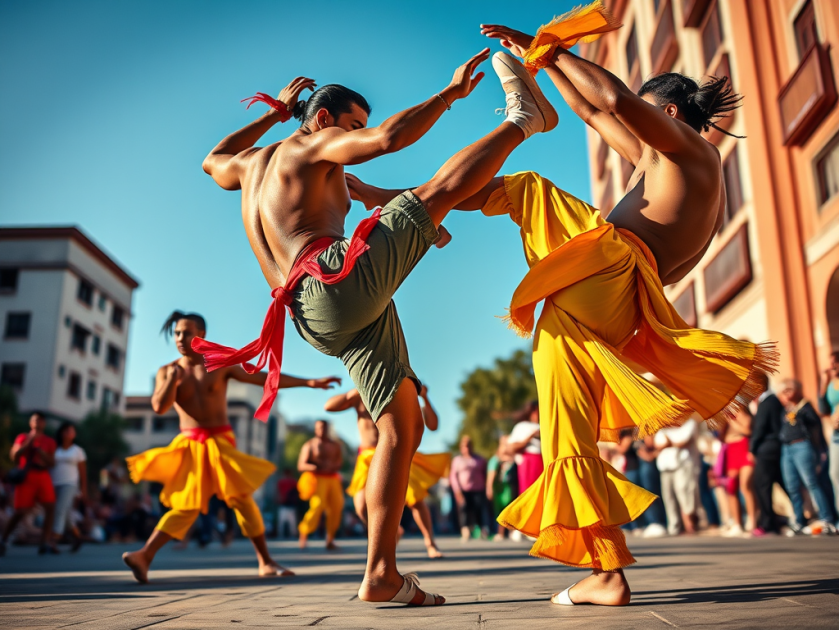
Capoeira’s journey from a tool of survival to a celebrated cultural art form encapsulates the very best of human endurance and ingenuity. It demonstrates that culture is not static; it is a dynamic, living entity that can adapt, resist, and flourish even in the most hostile environments. Its continued growth and global reach stand as an irrefutable testament to the power of cultural resilience and the universal human yearning for freedom and self-determination.

Capoeiristas have often found themselves at the crossroads of cultural expression and state repression, facing violence and discrimination throughout history. Our art, which embodies a rich tapestry of Afro-Brazilian heritage, has been a form of resistance against oppression, allowing them to reclaim their identity in the face of adversity. However, the struggles of these practitioners are not confined to historical contexts; they resonate with contemporary issues, such as the recent ice raids that have disproportionately targeted marginalized communities. The connection lies in the ongoing fight for recognition and rights, highlighting how both capoeira and the experiences related to immigration enforcement reflect a deep-seated struggle against systemic injustice. How these cultural warriors navigate the dual realities of preserving their traditions while confronting oppressive forces reveals the complexities of identity and resistance in today’s society.Capoeiristas have historically occupied a precarious position at the nexus of profound cultural expression and severe state repression. Throughout centuries, they have endured violence, discrimination, and relentless attempts to suppress their unique art, which embodies a rich and intricate tapestry of Afro-Brazilian heritage. More than just a martial art or a dance, capoeira has served as a powerful and enduring form of resistance against the systemic oppression faced by enslaved Africans and their descendants in Brazil. Through its movements, music, and philosophy, capoeira allowed them to reclaim their identity, preserve their cultural memory, and foster community in the face of profound adversity.

The struggles of capoeiristas, however, are not confined to the annals of history; they resonate powerfully with contemporary issues, demonstrating an ongoing fight for recognition, justice, and fundamental human rights that transcends time and geography. A stark and deeply troubling parallel can be drawn between the historical persecution of capoeiristas, who faced oppression from colonial powers and societal disdain, and the recent ice raids that have disproportionately targeted marginalized communities in various parts of the world, igniting debates on immigration policies and human rights violations. In both instances, the state, through its enforcement mechanisms, has been used to control, displace, and subjugate populations deemed “other,” resulting in widespread trauma and disenfranchisement. This systemic marginalization not only stifles individual and collective identities but also fuels a broader societal narrative that seeks to erase the rich cultural contributions of these groups. The legacy of capoeiristas serves as a poignant reminder of the resilience inherent in fighting against injustice, offering a beacon of hope and solidarity for contemporary advocates striving to dismantle oppressive structures and promote a more equitable society.

The connection between these seemingly disparate struggles lies in the pervasive and deeply entrenched struggle against systemic injustice that persists in multiple forms across different societies. Just as capoeira was once outlawed, seen as a threat to colonial authority, and its practitioners persecuted and marginalized, immigrant communities today face the constant threat of family separation, detention, and deportation, often without due process or adequate legal representation. These parallel narratives reveal how marginalized groups continually fight for their rights and cultural identities in the face of oppressive systems. Both capoeira, with its history of covert practice, coded movements, and resilient spirit, and the experiences related to immigration enforcement, with its harrowing impact on vulnerable families and the fragility of their dreams, reflect a profound and ongoing battle against powerful, often invisible, forces of oppression that seek to silence their voices and erase their existence. By recognizing these interconnected struggles, we can better understand the importance of solidarity in the pursuit of justice, ensuring that the legacies of resistance continue to inspire current and future generations to challenge and dismantle the structures of inequality that persist today.

The profound question that arises from this comparison is how these “cultural warriors” – whether historical capoeiristas or contemporary advocates for immigrant rights – navigate the complex dual realities of preserving their cherished traditions and cultural identities while simultaneously confronting oppressive forces. Their resilience and determination reveal the intricate complexities of identity formation, cultural survival, and resistance in today’s increasingly interconnected yet often divisive society. Understanding these parallels is crucial for recognizing the enduring legacy of struggle and the continuous need for vigilance in safeguarding human rights and cultural expression against all forms of systemic injustice.The profound question that arises from this comparison is how these “cultural warriors” – whether historical capoeiristas or contemporary advocates for immigrant rights – navigate the complex dual realities of preserving their cherished traditions and cultural identities while simultaneously confronting oppressive forces. Their resilience and determination reveal the intricate complexities of identity formation, cultural survival, and resistance in today’s increasingly interconnected yet often divisive society. This struggle is not merely a historical footnote but a continuous, evolving challenge that demands constant vigilance.

Historically, capoeiristas, often marginalized and facing severe state repression in Brazil, transformed their cultural practice into a formidable tool of resistance. The seemingly innocent dance and music masked a highly effective martial art, allowing them to maintain their cultural heritage while subtly, yet powerfully, challenging the dominant order. Their ability to adapt and innovate under duress highlights a crucial aspect of cultural survival: the capacity for transformation and reinvention. The very act of practicing capoeira became an assertion of self, a defiance against attempts to erase their identity.

In parallel, contemporary advocates for immigrant rights find themselves in a similar crucible. They champion the preservation of diverse cultural traditions, languages, and identities, often against restrictive policies, xenophobic sentiments, and systemic discrimination. Their efforts to establish cultural centers, organize community events, and advocate for inclusive policies are direct echoes of the capoeiristas’ struggle to maintain their cultural integrity. The fight for the right to speak one’s native language, practice one’s religion, or celebrate one’s heritage becomes a fundamental act of resistance against assimilationist pressures.

Understanding these parallels is crucial for recognizing the enduring legacy of struggle and the continuous need for vigilance in safeguarding human rights and cultural expression against all forms of systemic injustice. It underscores the idea that cultural expression is not a superficial aspect of human existence but a fundamental component of identity and a powerful catalyst for social change. The lessons learned from the historical resilience of capoeiristas offer invaluable insights into the strategies and spirit required for contemporary cultural warriors to navigate the challenges of a world grappling with issues of globalization, migration, and the persistent struggle for equality and recognition. The battles fought in the past, though seemingly different in context, provide a blueprint for understanding and empowering those who continue to fight for the right to exist authentically and express their cultural identities freely in the face of adversity. This ongoing dialectic between cultural preservation and resistance shapes the very fabric of diverse societies, reminding us that the defense of culture is, at its heart, the defense of human dignity.

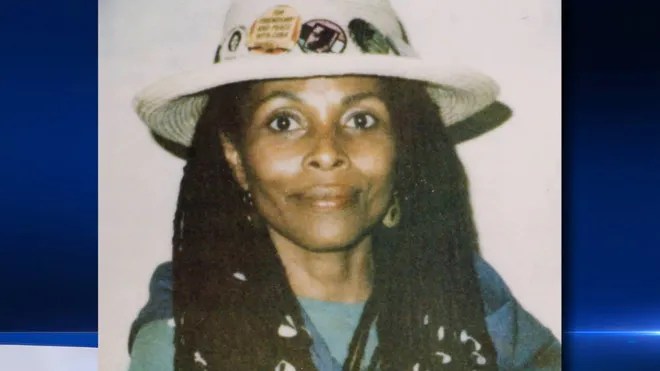
R.I.P. Assata Chakur

Assata Shakur died in Havana, Cuba, on September 25, 2025, at the age of 78. The cause of death was cited as “health conditions and advanced age” by Cuba’s Ministry of Foreign Affairs. Her passing brings a close to a decades-long saga that began with a high-profile murder conviction and ended with a long life in political asylum, during which she became an enduring symbol of resistance and resilience against systemic injustice.

Shakur, born Joanne Chesimard, was a prominent member of the Black Liberation Army, a radical group that sought to fight against systemic racism and promote civil rights for African Americans. In 1977, after a highly publicized trial, she was convicted of the 1973 murder of a New Jersey State Trooper during a tense and violent traffic stop, a case that garnered national attention due to its implications regarding police brutality and racial injustice. In a dramatic turn of events, she escaped from a New Jersey prison in 1979 with the help of fellow activists and quickly sought refuge outside the United States. By 1984, Shakur had successfully obtained political asylum in Cuba, where she was welcomed as a symbol of resistance against U.S. imperialism and was able to continue her activism in a supportive environment. For decades, the U.S. government engaged in extensive efforts to locate and extradite her from Cuba, yet these attempts proved fruitless, illustrating the complexities of international law and diplomatic relations. In 2013, to reignite the pursuit of justice, the FBI added her to its Most Wanted Terrorists list, marking the first time a woman was included on that list, elevating her status as both a fugitive and a controversial figure in the ongoing discussions surrounding race, justice, and activism in America.

Throughout her life, Shakur advocated for social change and equality, capturing the attention of activists and scholars around the world. Her contributions to discussions about race, class, and gender continue to resonate, making her a significant figure in both American history and contemporary social movements. In a time marked by turmoil and transformation, she stood at the forefront, challenging societal norms and articulating the struggles faced by marginalized communities. Her fierce commitment to justice, demonstrated through her writings, speeches, and actions, has paved the way for meaningful dialogue and awareness around issues of inequality. Her legacy will likely inspire future generations to confront the challenges of oppression and fight for justice in pursuit of a more equitable society.

Today, as we reflect on her impact, we honor her legacy, recognizing the profound influence she has had on the fight for civil rights and social justice, and the path she has carved for those who continue to advocate for change. Her relentless pursuit of equality and her unwavering commitment to justice have inspired countless individuals to stand up against oppression and challenge societal norms.

MALICIA AS A GAME OF POWER (9/26/25)

Welcome to MALICIA AS A GAME OF POWER, a blog series that delves deeply into the intricate strategies of human interactions, encompassing a wide range of topics including communication, conflict resolution, negotiation, and manipulation. This series not only discusses the nuances of leadership and personal branding but also explores the crucial aspect of online reputation management in today’s digital landscape. By providing a rich collection of practical strategies aimed at enhancing influence and fostering meaningful relationship-building, it equips readers with the tools necessary to navigate complex interpersonal dynamics. Moreover, through thorough analysis and a diverse array of examples drawn from real-life scenarios, the series aspires to empower readers, enabling them to master the art of successfully navigating interpersonal relationships and emerging stronger in their personal and professional lives.

In this installment, we will explore the 35th law of power in the book, the 48 laws of power by Robert Greene. You can buy a copy by clicking HERE.

Law 35: Master the art of timing.

Never seem in a hurry, always seem patient. In a world that often rushes forward without considering the consequences, embracing a calm demeanor can set you apart from the crowd. Sniff out the spirit of the times, find the trends that’ll give you power; it’s essential to be in tune with the shifting paradigms around you, as they hold the key to future opportunities.

Learn to stand back when not ready, observing the landscape before you with a keen eye and an open mind, allowing yourself to absorb all the nuances that may influence your choices. Take the time to reflect on the possibilities and potential outcomes, gathering insights that will inform your next move. Only then should you strike with precision and confidence when the moment is right, fully aware of the implications of your actions.

This strategic approach not only enhances your decision-making but also positions you as a thoughtful leader in your field, capable of navigating complexities with ease and grace. By fostering a sense of patience and awareness, you cultivate an environment where informed decisions lead to greater success, inspiring others to adopt a similar mindset and elevating the overall standard of leadership.

Capoeiristas, State Repression, and Violence

How Capoeiristas have historically dealt with State repression and violence has been a complex and multifaceted issue, steeped in rich cultural traditions and resilience. Throughout history, Capoeira emerged as a form of resistance against oppression, allowing practitioners to blend martial arts with dance and music to evade detection by colonial authorities. The strategic use of Capoeira as both a means of self-defense and a way to foster a strong community has enabled practitioners to maintain their identity in the face of harsh societal challenges. This vibrant art form has not only provided a physical outlet for those subjected to violence but also a spiritual sanctuary, reinforcing bonds among practitioners and serving as a source of pride and cultural heritage. Furthermore, the ongoing evolution of Capoeira has seen it adapt to modern forms of resistance, where the principles of agility and creativity are now extended to address contemporary social injustices, proving that its inherent values of unity and strength continue to resonate deeply within communities striving for autonomy and recognition.

Capoeira, a quintessential Afro-Brazilian art form, stands as a profound testament to human resilience and cultural ingenuity in the face of relentless state repression and violence. Its historical trajectory is not merely a narrative of survival but a vibrant illustration of how a community forged a powerful instrument of resistance from the crucible of oppression. Originating in the dark era of colonial Brazil, Capoeira ingeniously blended martial arts, dance, and music, creating a sophisticated language of defiance that allowed its practitioners, the Capoeiristas, to evade detection by the very authorities who sought to suppress them. This strategic fusion transcended mere disguise; it was a deeply embedded cultural practice that enabled the honing of combat skills in plain sight, veiled under the guise of festive celebration and communal gathering.

The intrinsic duality of Capoeira—serving simultaneously as a potent means of self-defense and a powerful instrument for fostering community cohesion—was absolutely critical in preserving the identity and dignity of its practitioners amidst relentless societal challenges. In a world bent on stripping them of their heritage and humanity, Capoeira offered a sacred sanctuary, a dynamic space where physical prowess seamlessly intertwined with spiritual solace. It acted as a powerful social glue, reinforcing the bonds among practitioners and cultivating a robust network of solidarity that was absolutely crucial for their collective survival. Beyond its practical applications in combat and community building, Capoeira blossomed into a profound source of pride, a living embodiment of cultural heritage, and a vibrant tapestry meticulously woven from threads of resistance, resilience, and unwavering hope.

The enduring legacy of Capoeira is further underscored by its remarkable adaptability, a characteristic that has allowed it to transcend its origins and address contemporary social injustices. As societies evolved and new forms of oppression emerged, so too did Capoeira, continuously transforming itself to remain relevant and impactful. The core principles of agility, creativity, and strategic evasion, meticulously honed over centuries in the face of historical oppression, found new and profound relevance in modern forms of activism and social protest. This continuous evolution powerfully demonstrates that Capoeira’s inherent values of unity, strength, and the unwavering pursuit of autonomy resonate deeply within communities striving for recognition, justice, and self-determination, unequivocally proving its timeless power as a transformative force for social change.

As the Brazilian government intensified its repressive measures against Capoeira practitioners, including outright criminalization and the brutal application of state-sponsored violence, Capoeiristas responded with ingenious and highly effective strategies to navigate this increasingly hostile environment. They masterfully transformed public spaces—city squares, street corners, and open fields—into vibrant stages for their resistance. These gatherings, often appearing as spontaneous festivals and lively performances, were, in fact, cleverly orchestrated acts of defiance. Under the vibrant and seemingly innocuous guise of cultural celebration, they subtly challenged state authority and showcased their indomitable spirit, their physical prowess, and their unwavering cultural pride.

This clever camouflage served a crucial purpose, allowing Capoeiristas to demonstrate their extraordinary skills, practice their art, and reinforce their community ties without inviting direct, often violent, confrontation from the authorities. The vibrant energy and communal spirit of these gatherings fostered an incredibly deep sense of solidarity among practitioners, strengthening their resolve and commitment in the face of persecution. By transforming these events into public spectacles, they not only meticulously preserved their cherished art form but also raised crucial awareness about their struggles, their deep cultural roots, and their unwavering resilience. As Capoeira solidified its reputation as a potent symbol of resistance against oppression, it began to attract diverse audiences, transcending its original context to become a vital expression of broader Brazilian identity and a powerful advocate for social justice, echoing the voices of the marginalized and oppressed.

This innovative practice, born out of necessity and brilliant improvisation, served a critical dual purpose. Firstly, it effectively circumvented direct confrontations with oppressive forces, thereby minimizing casualties and maintaining the integrity of their community. Secondly, and perhaps more profoundly, it played a pivotal role in reclaiming cultural heritage and fostering profound solidarity among community members. It ignited a powerful sense of identity and belonging, providing an unyielding bulwark against the forces of dehumanization and cultural eradication. The transformative journey of Capoeira, from a grassroots struggle for survival among enslaved and marginalized populations to its current elevated status as a globally recognized and celebrated cultural symbol, eloquently underscores the extraordinary tenacity, inventive spirit, and enduring courage of those who practice it. This remarkable evolution vividly illustrates how the art form has adapted and thrived over time, seamlessly blending the rhythmic intricacies of music, the expressive and fluid movements of dance, and the disciplined, potent techniques of martial arts to forge a dynamic, compelling, and utterly unique expression of resistance.

Ultimately, this profound transformation of Capoeira reflects not merely a fight against oppression but also a joyous and vibrant celebration of culture, community strength, and the indomitable human spirit. It serves as a powerful and timeless reminder that even in the darkest hours of oppression, the spirit of Capoeira possesses the extraordinary power to inspire resilience, galvanize resistance, and ignite hope. It stands as a shining beacon of hope and inspiration for future generations, encouraging them to embrace their roots, honor their heritage, and continuously innovate for a brighter, more equitable tomorrow. The enduring legacy of Capoeira is, therefore, a living testament to the human spirit’s boundless capacity for creativity, unwavering resilience, and an unshakeable commitment to freedom and cultural preservation against all odds.

Capoeira’s profound transformation transcends a mere struggle against oppression; it blossoms into a jubilant and vibrant celebration of culture, the unwavering strength of community, and the indomitable human spirit. This evolution serves as a powerful and timeless reminder that even amidst the darkest hours of tyranny, the spirit of Capoeira possesses an extraordinary power to inspire resilience, galvanize resistance, and ignite hope.

It stands as a shining beacon of hope and inspiration for all future generations, actively encouraging them to embrace their roots, honor their heritage, and continuously innovate for a brighter, more equitable tomorrow. The enduring legacy of Capoeira is, therefore, a living testament to the human spirit’s boundless capacity for creativity, its unwavering resilience in the face of adversity, and an unshakeable commitment to freedom and cultural preservation against all odds.

This dynamic art form, born from the crucible of slavery, meticulously wove together elements of martial arts, dance, music, and ritual. It provided an clandestine means for the enslaved to practice self-defense, forge strong communal bonds, and preserve their African traditions under the watchful and often brutal eyes of their oppressors. Each movement, each rhythm, and each song within Capoeira became a coded language, a form of silent defiance against the forces that sought to strip away their humanity.

Over centuries, Capoeira adapted and evolved, transcending its origins to become a global phenomenon. It moved from the hidden senzalas and quilombos to the bustling streets of Brazilian cities, and eventually, to dojos and cultural centers across the world. This journey was not without its challenges, facing periods of state repression and outright prohibition, with capoeiristas often being persecuted and criminalized. Yet, through it all, the essence of Capoeira – its spirit of freedom, adaptability, and cultural pride – persisted.

Today, Capoeira is not just a physical discipline; it is a holistic philosophy that fosters self-awareness, discipline, and respect. It teaches its practitioners the importance of community (“comunidade”), the beauty of improvisation (“improvisação”), and the power of individual expression (“expressão individual”). The “roda,” the circle in which Capoeira is played, symbolizes a sacred space where individuals connect, challenge each other, and collectively create a living, breathing testament to their shared heritage.

In essence, Capoeira’s journey from a tool of survival to a celebrated cultural art form encapsulates the very best of human endurance and ingenuity, illustrating a remarkable transformation over centuries. Rooted in the struggles faced by enslaved Africans in Brazil, Capoeira emerged not just as a means of self-defense but as a means of expression, allowing practitioners to convey their emotions and identities through movement and rhythm. It demonstrates that culture is not static; it is a dynamic, living entity that can adapt, resist, and flourish even in the most hostile environments, shaping itself through the experiences and creativity of its practitioners. Its continued growth and global reach stand as an irrefutable testament to the power of cultural resilience and the universal human yearning for freedom and self-determination, drawing diverse individuals into its fold and fostering a sense of community that transcends borders, languages, and backgrounds. As Capoeira evolves, it continues to inspire future generations, serving as a potent reminder of the enduring spirit of those who fought to preserve their heritage and the importance of cultural exchange in a rapidly changing world.

Let’s keep the Martial Arts LEGIT!

I was web surfing, and I ran across this amazing YouTube video that captured my attention immediately. In this in-depth interview, Rob from McDojo Life passionately discusses his mission to expose the numerous frauds and cults that have infiltrated the martial arts community. He offers valuable insight into the manipulative tactics employed by instructors who prioritize profit over their students’ well-being.

Furthermore, he delves into the systemic issues stemming from the lack of regulatory oversight in martial arts, which not only enables predatory behavior but also endangers those who seek genuine training and personal development. Rob’s clear commitment to elevating the standards of martial arts and protecting practitioners from exploitation is both inspiring and thought-provoking, illuminating the darker corners of a discipline that many view as a path to self-improvement and empowerment.

CORRUPT POLICE FILES (9/24/25)

Greetings! The majority of police officers are dedicated to protecting their communities and building trust through outreach programs like community events and educational workshops that foster engagement and understanding between law enforcement and the public. These proactive initiatives not only educate citizens about safety and crime prevention but also create opportunities for dialogue that can help bridge the gap between diverse communities. Unfortunately, a small number of officers abuse their power, which damages their reputations and undermines public trust in law enforcement, leading to skepticism and fear among the very people they are sworn to protect. This reality emphasizes the need for ongoing ethical training and stricter oversight to ensure accountability, as well as the importance of transparent policies that govern police conduct. Amid these challenges, it’s essential to recognize the dedication of many officers who serve their communities with integrity and selflessness, as their work is vital in restoring faith in the justice system and demonstrating the positive impact that law enforcement can have when it operates with compassion and respect for all citizens.

In today’s installment…

The FBI investigates police corruption linked to drug trafficking in New Orleans, employing a key informant and an undercover agent who infiltrates local gangs. This intricate operation not only highlights the pervasive issues of corruption within law enforcement but also sheds light on the broader impact of drug trafficking on the community. As part of its efforts, the FBI collaborates with local authorities and community leaders to build a comprehensive understanding of the crime landscape.

The FBI Files is a captivating docudrama that delves into the inner workings of the FBI’s crime laboratory through detailed reenactments and interviews with agents and experts. The series offers a gripping look at real cases that have shaped law enforcement, but it comes with a warning for viewers due to its sensitive content, which may be disturbing to some and serves as a reminder of the stark realities faced by those fighting crime.

THE WARRIOR CLASS (9/23/25)

Welcome to the WARRIOR CLASS podcast, the dopest, most unique self-protection, self-defense, martial arts, and prepping podcast in the universe! Here, the hosts delve into the essential skills and knowledge you need to empower yourself and navigate the world safely. With each episode comes engaging discussions, expert interviews, and practical tips designed to enhance your personal safety and self-defense prowess. Self-protection with Black Power!

Tune in every Saturday at 1pm EST and be empowered to become the strongest version of yourself, physically and mentally, while exploring the rich cultural heritage of martial arts and the importance of community resilience in everyday life. Don’t miss out on the journey to becoming a warrior!

This week, The Warrior Class Instructors give you some essential skills to learn how to disengage from grabs, break free from holds, and effectively use your voice to create space or call for help. In this engaging session, you will not only practice these techniques in a safe environment, but also gain a deeper understanding of the psychology behind self-defense. The Warrior Class instructors will guide you through various scenarios, ensuring that you feel confident and prepared to handle unexpected situations. If you properly learn this lession, you will have developed practical skills that empower you to advocate for your own safety and well-being when faced with potential threats.

This lesson was actually screened 3 days ago, and I have been reflecting on the valuable insights and information shared during the session. I will try to post these videos on the blog as soon as they become available on YouTube, because I believe that from this podcast, you’ll learn life-saving skills everyone should learn. These skills not only enhance personal safety but also empower individuals to assist others in critical situations, fostering a sense of community and preparedness. The knowledge gained can truly make a difference in emergency scenarios, transforming everyday people into capable responders who can navigate challenging situations with confidence and composure. I encourage everyone to stay tuned for the release, as the lessons within promise to be both enlightening and essential.

MALANDROS IN ACTION (9/23/25)

This series explores the modern malandro in urban society, highlighting their charm and resourcefulness while tackling economic disparity and social justice. It illustrates their resilience and cleverness in overcoming challenges, portraying them as influential figures in discussions of equity. By interweaving personal stories with societal issues, the series examines the complexities of the malandro’s life, showcasing both their struggles and successes. Ultimately, it invites viewers to reassess their views on success and morality, celebrating the malandro’s significant contributions to urban culture, where defiance can signify solidarity.

In Today’s installment, We follow Conor Woodman in a show named scam city, a series where he gets scammed, so we don’t have to.

As soon as Conor arrives in Bogota, he is warned about a dangerous drug made from a flowering shrub that renders victims helpless to thieves’ requests. This drug, known locally as “la flor de la muerte,” has been the center of numerous alarming reports, with locals sharing chilling stories of unsuspecting tourists who fell victim to its effects. Conor learns that the shrub thrives in the lush landscapes surrounding the city, making it not just a symbol of beauty, but a hidden peril.

He becomes acutely aware of the dangers lurking in unfamiliar alleys and crowded markets, where the whispered warnings of street vendors echo in his mind, painting a vivid picture of both intrigue and caution. With each passing hour, the gravity of the situation intensifies, as he realizes that understanding the local culture and its dangers is as essential as exploring the vibrant sights of the city, which pulse with life and energy yet hide complexities beneath their alluring facades.

Each interaction, each fleeting glance exchanged with strangers, serves as a reminder that the excitement of discovery must be tempered with vigilance, for the vibrant colors of the market can just as easily invite opportunity as they can camouflage potential threats. As he navigates through this maze of experiences, he begins to appreciate the depth of the city not just by its sights, but also by recognizing the unsung rules that govern its rhythm and flow, making him increasingly aware that his journey is as much about understanding the heart of the city as it is about visually consuming its beauty.