Welcome to NAMED AND SHAMED, a platform exposing abuse in martial arts through personal accounts and expert interviews. We aim to raise awareness about the need for safe environments for affected individuals, empowering victims with a voice and community. Inspired by McDojo Life, our mission promotes transparency and accountability in the martial arts community, fostering discussions that prioritize safety and respect, allowing individuals to train without fear and grow in their martial arts journey.
Today, we cover the Zuma Martial Arts Scandal, delving into the details surrounding the events that shook the martial arts community.
The Zuma Martial Arts scandal involves multiple allegations of sexual harassment and misconduct against the owner and head coach of Zuma Martial Arts, Adam Zugec, in Victoria, British Columbia. Multiple women have come forward with accusations detailing inappropriate behavior, including unwanted advances and coercive tactics that created a hostile training environment. These revelations have sparked outrage within the local community and beyond, leading to calls for accountability and justice for the victims. In response to these serious claims, the Victoria Police Department is conducting a thorough investigation into the matter, examining the evidence and testimonies presented by the accusers. The outcome of this inquiry could have significant implications not only for Zugec but also for the broader culture within martial arts organizations.
The martial arts community should prioritize empowerment and confidence by addressing negative behaviors and providing education on misbehavior in a comprehensive manner. This includes not only recognizing and correcting such behaviors but also instilling a culture of respect and accountability among members. Open discussions and mentorship foster trust, unity, and collaboration, creating a supportive environment where members inspire each other and build strong relationships to face challenges and celebrate successes together. By encouraging personal growth and development, we enhance the collective strength of our community, allowing every individual to flourish while learning valuable lessons in discipline, perseverance, and compassion. This holistic approach not only cultivates skilled martial artists but also responsible citizens who uplift one another in and out of the dojo.
Welcome to NAMED AND SHAMED, a vital platform addressing abuse in martial arts by revealing stories of practitioners misusing their authority in profound and alarming ways. We share personal accounts and expert interviews to highlight the urgent need for awareness, safe spaces, and supportive environments for those affected by these troubling experiences. Our mission is to expose injustices that often go unnoticed, while also aiming to empower victims by providing them with a voice and community. Inspired by the impactful work of the YouTube channel McDojo Life, we strive to promote transparency and accountability within the martial arts community, encouraging open discussions and fostering a culture that prioritizes safety and respect for all practitioners. Through our efforts, we hope to create an environment where individuals can train without fear and trust their instructors completely, facilitating personal growth and well-being in their martial arts journey.
Today, we check out a martial artist, Martin Amba, who has been accused of some pretty horrific things, including serious allegations of misconduct and unethical behavior, which have sparked a significant backlash within the martial arts community and beyond.
The ripple effect created by these accusations has led to intense discussions among fans, practitioners, and industry professionals, raising important questions about accountability and integrity in the sport. As more details come to light, many are left grappling with the implications of these claims, reflecting on how such controversies can impact not only the individuals involved but also the broader perception of martial arts as a whole. The diverse opinions being shared highlight the complexity of the situation, urging a reevaluation of how standards and ethics are upheld within the community. Furthermore, this discourse has sparked a deeper examination of the mechanisms in place that govern conduct and whistleblowing, shedding light on the potential need for reform to ensure a safe and respectful environment for all participants. As the conversations unfold, they not only serve to illuminate the darker corners of the sport but also advocate for a culture of transparency and respect, which is vital for the future of martial arts.
GOOD NEWS!!!
Well, something good has come from this. Martin Amba, was sentenced to 25 years in prison for sexual assault.
The martial arts community should focus on empowerment and confidence, addressing negative behaviors to foster trust and respect. Education on misbehavior and support among members enhance personal growth and shared values. Open discussions and mentorship promote unity, making members feel valued and fostering collaboration. This sense of belonging creates a resilient community where individuals share experiences and inspire each other towards excellence, while strong relationships and communication build collective strength to face challenges and celebrate successes.
“There are not more than five musical notes, yet the combinations of these five give rise to more melodies than can ever be heard. There are not more than five primary colours, yet in combination, they produce more hues than can ever been seen. There are not more than five cardinal tastes, yet combinations of them yield more flavours than can ever be tasted.” ― Sun Tzu, The Art of War“
Today, I am showing you a basic kick that’s NOT NECESSARILY from Capoeira Angola, but is utilized by many Angoleiros.
The “Martelo” (Portuguese for “hammer”) is a dynamic and powerful roundhouse kick in Capoeira, often delivered with the instep or the lower part of the shin.
This striking technique is not only characterized by its speed and agility, but also by the fluidity and rhythm that are fundamental to Capoeira as a whole. Practitioners often utilize the Martelo to surprise their opponents, executing the kick with precision while maintaining an impressive level of balance and control. In addition to its offensive capabilities, the Martelo can also serve as a defensive maneuver, allowing the practitioner to deflect incoming attacks while simultaneously countering with their own strike. Moreover, mastering this kick requires extensive practice and strength training, as it engages multiple muscle groups and demands coordination and timing, ensuring that it remains an essential component of Capoeira training routines and sparring sessions.
The most common forms of the Martelo include:
Martelo em pé
This is the most common martelo seen in Regional and Contemporânea rodas. Its execution on the very basic level is identical to the sport version of the roundhouse kick commonly seen in Tae Kwon Do and kickboxing. Capoeira emphasizes using kicks anywhere at any time, which allows for a dynamic approach to combat. As practitioners advance, more intricate forms of the martelo em pé can emerge, often springing from feints to mislead opponents, skipping to create distance while launching the kick with the front leg, and employing evasive maneuvers like the esquiva diagonal to avoid strikes. This creative use of movement not only showcases the beauty of Capoeira but also emphasizes the strategic aspect of the art. Players must maintain their balance and awareness, continually calculating the best moments to strike while staying agile. Emphasis is placed on speed and deception rather than merely delivering a knockout blow. However, even with this precaution, knockouts still occur due to the weight and sheer force of the leg, reminding practitioners of the power behind each technique and the importance of control in practice. Such experiences contribute to a deeper understanding of the art’s physicality and underlying principles, fostering a respect for both the discipline and the unpredictability of a roda environment.
Martelo do chão
Martelo do chão or martelo de negativa is a martelo that starts from the negativa position, showcasing the elegant flow and complexity of capoeira techniques. The Martelo do chão is delivered from a lower position, usually right before a rolê, allowing for a seamless transition between movements while in esquiva baixa or downward going into a queda de rins. This kick, characterized by its deceptive angles and powerful execution, has a confusing amount of names, depending on the group, reflecting the rich cultural tapestry of capoeira where different regions and schools impart their unique terminologies and styles. The variation in names not only adds to the intricacy of the art form but also illustrates the diverse approaches practitioners may take, often blending traditional methods with innovative interpretations during their practice.
Martelo rodado
A spinning martelo, similar to a 540 kick, is a dynamic and powerful movement often seen in martial arts and acrobatics. The martelo rodado combines the techniques of the 540 or parafuso with the classic martelo. While the parafuso is characterized by a spinning motion from the outside to the inside, producing a crescent kick that adds elegance to the maneuver, the martelo rodado focuses primarily on delivering force. Unlike its counterpart, the martelo rodado strikes with the instep of the foot, allowing for a more impactful contact with the target. In this execution, control is sacrificed for sheer power, as the leg does not stop abruptly but continues through the motion, following with an impressive full rotation of the hips. This fluidity in movement not only enhances the strength of the kick but also showcases the practitioner’s athleticism and skill, making the spinning martelo a visually captivating and effective technique in various combat sports.
“There are not more than five musical notes, yet the combinations of these five give rise to more melodies than can ever be heard. There are not more than five primary colours, yet in combination, they produce more hues than can ever been seen. There are not more than five cardinal tastes, yet combinations of them yield more flavours than can ever be tasted.” ― Sun Tzu, The Art of War“
Chapa de costas (back plate) is a powerful back push kick in capoeira, and one of the few principal capoeira‘s kicks, showcasing the art’s fluidity and dynamism. It is also considered a fundamental kick in the traditional African martial art engolo, which serves as a historical forerunner to capoeira, illustrating the deep cultural roots shared between these martial arts. Specifically, Chapa de costas is a signature kick of capoeira Angola, characterized by its graceful execution and tactical application in both offensive and defensive scenarios. This “malicious” kick not only requires precision but also utilizes agility, being similar to chapa de frente, applied strategically from behind to catch the opponent off guard.
Furthermore, Engolo, an Angolan martial art, embraces a wide range of techniques involving back push kicks, which may include rotations with or without jumping to enhance unpredictability and versatility in combat scenarios. Among its notable variations is the hooking kick, executed from behind when in close proximity to the opponent, emphasizing the element of surprise in combat dynamics. This technique not only demands precision and timing but also highlights the practitioner’s ability to read their opponent’s movements, allowing for a more strategic approach to martial engagements. Engolo also draws profound inspiration from animal behaviors, particularly in the techniques that mimic the fighting styles of zebras, effectively showcasing how these majestic animals have influenced martial training. Practitioners study the grace and agility of zebras in the wild to refine their own skills, emphasizing fluidity and responsiveness in their movements. A key aspect of Engolo is the “zebra kick,” artfully performed with palms on the ground, requiring a remarkable level of balance and strength, and exemplifying the beautifully coordinated movements that define these rich martial arts traditions.
This particular kick serves as a demonstration of the intricate relationship between athleticism and artistry in Engolo, as each movement is executed with an aesthetic quality that speaks to the history and culture of the art. This integration of nature and technique not only underscores the philosophical connections between martial practices and the environment they originate from but also cultivates not just physical prowess but also a deeper understanding of one’s surroundings, fostering a holistic approach to both training and personal development. The practice of Engolo nurtures respect for the natural world, encouraging practitioners to embody the virtues observed in animals, which in turn translates into their martial discipline.
Chapa de costas usually aims at the opponent’s face or groin area. According to mestre Pastinha, chapa de costas is a “treacherous strike when used against someone unfamiliar with capoeira”, as the opponent is violently struck when they believe the attacker is withdrawing. So Pastinha warns that a cautious capoeirista is “suspicious” and does not allow to be fooled by the apparent withdrawal of a potential aggressor.
“There are not more than five musical notes, yet the combinations of these five give rise to more melodies than can ever be heard. There are not more than five primary colours, yet in combination, they produce more hues than can ever been seen. There are not more than five cardinal tastes, yet combinations of them yield more flavours than can ever be tasted.” ― Sun Tzu, The Art of War“
Today, I want to talk about the Arrastao.
The term “Arrastão” in Capoeira refers to a specific takedown technique.
Here’s a closer look:
The Capoeira move “Arrastão” is a classic leg takedown that skillfully combines agility and strategy, where the practitioner closes in on the opponent with precision, sweeping their legs or pushing them to the ground using their shoulder or head. This dynamic maneuver can manifest as both a double or single-leg takedown, showcasing the versatility of Capoeira techniques, and may also involve a lateral technique that enhances its effectiveness in various combat scenarios.
In competitive settings, it can catch opponents off guard, leading to quick transitions into follow-up moves or escapes. Counters to the “Arrastão” include a sprawl or guillotine choke, which require the opponent to be alert and responsive to avoid being taken down. This move not only reflects the athleticism inherent in Capoeira but also underscores its practicality beyond being merely a form of dance.
The term “arrastão” holds additional cultural significance; it also refers to flash robbery in Brazil and Portugal, derived from the verb “arrastar,” illustrating the term’s multifaceted nature within both martial arts and social contexts. Such connections highlight the rich tapestry of language and movement that Capoeira embodies, blending physical skill with deeper cultural narratives.
In essence, the Arrastão is a powerful and strategic takedown within the dynamic art of Capoeira.
Welcome to MARTIAL ARTS THEATER, a comprehensive hub for martial arts enthusiasts, where we proudly offer an array of expert interviews, detailed instructional videos, and engaging community events designed to inspire and educate. Our platform caters to practitioners of all skill levels, from beginners looking to learn the fundamentals to advanced martial artists seeking to refine their techniques.
With a wide-ranging selection of insights aimed at enhancing your skills across various styles, including karate, judo, taekwondo, and Brazilian jiu-jitsu, we are committed to fostering a supportive and inclusive environment. Join us to connect with others who share your passion, exchange knowledge, and embrace the rewarding journey of self-discovery and excellence in martial arts. Whether you’re training for competition, personal growth, or simply for the joy of movement, MARTIAL ARTS THEATER is your go-to destination for all things martial arts-related.
In today’s installment…
Sensei Seth, a man who appreciates your open-mindedness and diligence in promoting all martial arts, has recently visited the world’s first Wing Chun Museum (Ving Tsun Museum). During his visit, he was given an insightful introduction to Wing Chun’s Triad, as well as the symbolic tiger and dragon concepts from the rich Shaolin Wing Chun lineage, which provided a fascinating look into the philosophy and strategy behind this martial art.
The experience was not only educational but also deeply inspiring, reminding all practitioners of the importance of tradition in their training. As he explored the museum’s various exhibits, Sensei Seth found himself captivated by the historical artifacts and detailed displays that chronicled the evolution of Wing Chun, showcasing the efforts and sacrifices of countless masters who have contributed to its development over centuries. This visit solidified his belief in continually honoring and understanding the foundational aspects of martial arts, encouraging him to share this wisdom with his students and the wider community.
Shout out to @BennyMeng-swc108 for graciously creating and guiding us around the Wing Chun Museum! Benny’s extensive knowledge and passion for the art made the tour particularly memorable. To learn more about his teachings and upcoming events, visit https://www.mengsmartialarts.com/. Additionally, make sure you follow the three brothers Vincent, Spencer, and Derikson Meng on IG to see their competitions and witness their remarkable growth in the world of martial arts! Their dedication to training exemplifies the spirit of perseverance that is essential for success in any discipline.
No matter what martial art you’re training, the most important thing you will ever learn is the fact that THERE IS NO SUBSTITUTE FOR real TRAINING!!! It’s through consistent practice and dedication that you not only sharpen your techniques but also build the mental fortitude needed to overcome challenges. The sweat, the struggles, and even the setbacks you face during your training sessions are essential components of your growth. Each kick, punch, and block you perfect is a step closer to mastery, and an acknowledgment that the path to becoming proficient is paved with hard work and resilience. Embrace every moment on the mat, as these experiences are what truly shape you into a skilled martial artist, reinforcing the idea that true improvement comes from persistent, real-world practice.
In this video, you will see people who forgot that lesson, a crucial takeaway for anyone in pursuit of mastery. He trained for decades, tirelessly honing his skills and perfecting his techniques, but the stark truth was revealed in mere seconds during an unexpected showdown.
This video not only debunks the myth that time served equals skill but also captures the often-overlooked reality of the fight world, showcasing real fight footage where “masters,” who’ve been training half-heartedly, even for “YEARS”, are outperformed by younger, better-prepared fighters. As the clips unfold, viewers witness the dramatic contrasts between the two groups, emphasizing that dedication and hard work are crucial components to success in combat sports.
These moments starkly highlight the shortcomings of not taking your training seriously against someone who does, serving as a powerful reminder that passion, discipline, and a commitment to continuous improvement can elevate one’s performance far beyond mere experience. Additionally, these encounters reveal the importance of adapting to evolving techniques and staying mentally sharp, illustrating that without the willingness to evolve and challenge oneself, even the most experienced fighters can fall behind in a rapidly changing landscape.
“There are not more than five musical notes, yet the combinations of these five give rise to more melodies than can ever be heard. There are not more than five primary colours, yet in combination, they produce more hues than can ever been seen. There are not more than five cardinal tastes, yet combinations of them yield more flavours than can ever be tasted.” ― Sun Tzu, The Art of War“
Capoeira Angola is a defensive martial art known for its intricate trap-like defenses designed to catch opponents off guard and provide fluidity in movement. It encompasses 8 basic defenses, each with unique unexpected attacks and counter-attacks based on the opponent’s positioning, which are essential for creating opportunities during a confrontation. Mastery of these movements enables capoeiristas to defend against individuals carrying various weapons, including sticks, clubs, knives, and potentially even firearms with the appropriate skills; by understanding the principles of anatomy, timing, and rhythm, practitioners can enhance their ability to react swiftly and effectively. Furthermore, the art form emphasizes not only physical technique but also the mental aspects of strategy and awareness, allowing capoeiristas to anticipate an opponent’s actions and respond accordingly, making it a holistic approach to self-defense that integrates body and mind.
Today, I’m gonna “type” about one of the most fundamental techniques, one of the “trademarks” if you will, of Capoeira Angola, the RABO – DE – ARRAIA.
Rabo de arraia (stingray’s tail) is a key technique in capoeira involving inverted kicks over the head, reminiscent of a stingray’s strike, characterized by its fluid motion and dynamic execution. This kick is often seen as the most associated with capoeira, serving not only as an offensive maneuver but also as a means of showcasing the practitioner’s agility and finesse. While executing the rabo de arraia, the capoeirista must maintain a deep understanding of balance and timing, which are crucial for delivering the kick effectively.
Moreover, it includes various movements that seamlessly blend into the overall flow of the game, enhancing the aesthetic appeal of the performance. It is regarded as one of the most powerful and effective capoeira kicks and stands out as a signature move, alongside the RASTEIRA, which further highlights the versatility of a capoeirista’s arsenal. A capoeirista’s skill level is often judged by how hard and fast they can perform it, as the beauty of this move lies not only in its impact but also in the seamless integration into the rhythm and spontaneity of the game, reflecting the cultural richness of capoeira.
Rabo – De – Arraia is a parent term includes following major techniques:
MEIA LUA DE COMPASSO with its variations, the traditional rabo-de-arraia in capoeira Angola.
The kick is done with the heel, a technique that is not only unique but also adds a distinct flair to the player’s arsenal. It is extensively used in the “low game,” a traditional sport that emphasizes agility and precision.
In the “inside game” of capoeira, players are in close proximity, which requires cunning and strategic thinking to outsmart one another. A lapse in attention can lead to serious consequences, particularly because kicks to the head, like the rabo de arraia, are more effective in this position, often catching opponents off guard and demonstrating the importance of precision and timing.
Certain movements like rabo de arraia (meia lua de compasso and scorpion kick) originated from the African martial art n’golo. These acrobatic maneuvers not only showcase the physical prowess of practitioners but also reflect a deep cultural heritage intertwined with spiritual beliefs. Inverted positions, foundational to these techniques, likely stem from Bantu Ngangas using handstands to emulate ancestors who walked on their hands in the spirit realm, serving as a bridge between the physical world and the spiritual. This practice highlights the significance of body movement as a form of communication and connection to ancestral lineage.
In engolo, spinning kicks performed with hands on the ground are referred to as okuminunina or okusanene komima, illustrating the unique blend of artistry and combat that defines this martial art, where each technique is rich with historical context and meaning, often telling a story of resilience and cultural identity.
Welcome to the Self Defense series, where we discuss the importance of self-defense in empowering individuals and enhancing personal safety awareness. With rising safety concerns, it is crucial to have the knowledge and skills for protection. We will cover various techniques, strategies, and mental aspects of self-defense to provide valuable insights for real-life situations, ensuring you feel confident and prepared for challenges.
Today, we will once again explore the world of knives and knife DEFENSE.
In this video, Michael Donvito and Former Green Beret Jack Nevils discuss the significance of mindset and situational awareness in carrying a knife for self-defense, emphasizing that an effective self-defense strategy extends far beyond merely wielding a blade. They delve into the psychological aspects that accompany self-defense, explaining how a proper mental approach can dramatically influence outcomes in high-stress situations. Furthermore, they offer valuable insights on the effectiveness of knives in personal protection, detailing the various scenarios in which a knife can serve as a crucial tool for safety, including unexpected encounters and how one might react in tense moments. The discussion also touches on the importance of training and practice, underscoring that knowledge and skill in using a knife can make a significant difference in ensuring personal safety, as well as the necessity of understanding the legal implications associated with weapon carry.
Additionally, they delve into the psychological aspects of self-defense, highlighting the importance of confidence, preparedness, and understanding one’s environment, which are vital components in effectively responding to threats. This discussion also covers what to consider before carrying a knife, such as local laws, personal training, and the ethical implications of using such a tool. Moreover, they emphasize the need to evaluate one’s personal circumstances and the potential consequences of carrying a knife, both legally and morally. The video is strongly recommended for those contemplating knife carry for self-defense, as it provides essential insights and practical advice that can aid in making informed decisions about personal safety and the responsibilities that come with carrying a potentially lethal instrument.
Police Lieutenant Todd Ory shares a personal account of a violent encounter with multiple assailants that affected him both physically and emotionally, altering his views on knives and self-defense. He emphasizes the importance of preparedness and the broader concept of self-defense, which includes awareness and mental resilience beyond physical confrontations.
He delves into the psychological turmoil he faced during the event, exploring the immediate reactions of fear and adrenaline that coursed through him, which starkly contrast with the cautious reflection that followed in the days and weeks thereafter. In his narrative, he shares powerful insights into his mindset both before the incident, characterized by a somewhat naive understanding of personal safety, and after, when he came to realize the stark realities of violence and its unpredictable nature.
Throughout the video, he answers audience questions candidly, addressing common misconceptions about self-defense strategies and the importance of mental preparedness. By providing invaluable lessons drawn from his lived experience, he equips viewers with practical knowledge and encourages a proactive approach to personal safety, making it a significant resource for those interested in self-defense and the psychological effects of violence, as well as fostering a deeper understanding of the challenges faced by individuals in high-stress situations.
Shoutout to Skallawag Tactical for producing both videos, which showcase their exceptional skills and insights into tactical training and gear evaluations. Their high-quality content not only entertains but also educates viewers on the latest techniques and equipment available in the market. If you’re interested in enhancing your knowledge in this field, click HERE to go to their YouTube channel and explore a variety of engaging and informative videos that cater to both beginners and experienced enthusiasts alike.
Welcome to the Self Defense series, where we talk about self-defense. The subject of Self-defense is very important, as it not only empowers individuals but also enhances their awareness of personal safety. In today’s world, being equipped with the knowledge and skills to protect oneself is essential, given the increasing concerns regarding safety in various environments. We will explore different techniques, strategies, and the mental aspects of self-defense, aiming to provide you with valuable insights that can be applied in real-life situations. Join us as we delve deeper into this vital topic, ensuring you feel confident and prepared to face any potential challenges.
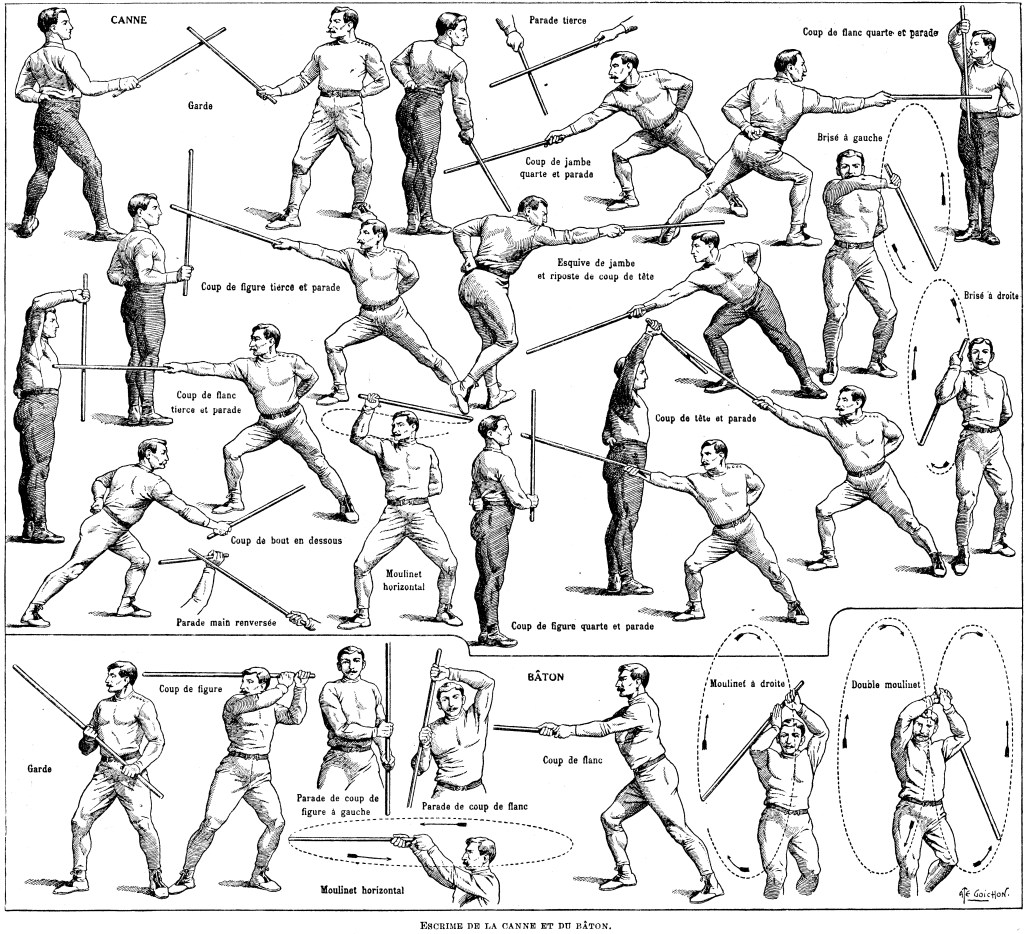
So, as the title says, “why should we learn stick fighting?” Well, we’re gonna try to answer that question with this article.
Let’s do this.
Studying stick fighting remains relevant despite the prevalence of firearms, as it offers practical benefits such as using a cane for support and self-defense. This ancient art form not only enhances physical fitness, agility, and reflexes, but also promotes mental discipline and strategic thinking, which are crucial in both combat and daily life. Additionally, stick fighting allows practitioners to connect with their cultural roots, providing valuable insights into historical combat techniques and the evolution of martial arts. This deeper understanding fosters a sense of respect for traditions and heritage that many modern disciplines lack. Moreover, the discipline fostered through martial arts can positively impact personal and professional life; skills such as focus, perseverance, and respect learned during training can enhance performance in various aspects of life, making the knowledge gained from studying stick fighting empowering and enriching. Embracing this practice can therefore lead not only to improved self-defense capabilities but also a more balanced and fulfilling life overall, encouraging individuals to build resilience and confidence in the face of challenges.
The study of the stick establishes foundational skills and dexterity for using various weapons, as sticks are commonly available in our environment compared to firearms and other weaponry. This accessibility not only encourages individuals to engage in training with an object that is both versatile and familiar, but also fosters creativity in weapon handling. Practicing with sticks allows for the development of core motor skills, balance, and coordination, which are transferable to a wide range of combat techniques.
Moreover, the simplicity of the stick serves as an accessible and versatile platform for experimentation, allowing practitioners to engage in a broad spectrum of techniques while fostering their creativity. This adaptability enables individuals to explore diverse styles and applications, whether they are focusing on traditional martial arts forms or innovative approaches that incorporate elements from various disciplines. As a result, the continuous practice and exploration not only lead to a nuanced understanding of fundamental movements but also cultivate a sense of mastery over the stick as a weapon. Ultimately, this process enhances their overall martial proficiency, equipping them with the skills needed to effectively respond to dynamic combat situations while encouraging personal growth and confidence in their abilities.
The stick serves as a versatile defensive tool for individuals who may be uncomfortable carrying more lethal options like firearms or knives due to the associated violence and potential legal ramifications; it provides them with a sense of security that is crucial in uncertain situations without crossing their personal psychological boundaries or ethical concerns. This simple yet effective instrument can empower people by allowing them to feel more prepared and confident, enabling them to navigate their environments with a degree of assurance. Furthermore, the stick is often seen as a less aggressive option, which can facilitate a non-confrontational approach to self-defense, thereby reducing the likelihood of escalating a situation into violence. By opting for a blunt weapon, individuals can maintain a sense of responsibility and control while still being ready to protect themselves if necessary.
Walking sticks are invaluable tools that provide essential stability and support, particularly for those navigating the often challenging and unpredictable conditions of uneven terrain. These instruments are especially beneficial for elderly individuals or those with mobility issues, as they help prevent falls and enhance overall confidence during movement. In addition to their primary function of assisting with balance, walking sticks can also act as a deterrent against aggressive animals. Their presence alone may discourage potential threats, and with a simple gesture, they can signal a protective stance. Beyond their defensive capabilities, walking sticks serve various practical uses, such as aiding in the clearing of paths overgrown with brush or even functioning as makeshift tent poles during outdoor adventures, showcasing their versatility in nature.
The stick serves various defensive purposes, including smashing, stabbing, binding, and tripping, and may be combined with hand and elbow techniques for enhanced effectiveness in close combat situations. Its versatility allows it to be employed in multiple ways, adapting to the unique dynamics of each encounter. The effectiveness of the stick depends significantly on its characteristics, such as length, weight, and type of wood, as these factors contribute to the force and control exerted during defensive maneuvers. While some strikes can be lethal if applied with sufficient force and precision, targeting non-lethal areas such as elbows, shins, and knees enables practitioners to engage in self-defense without inflicting fatal consequences. This approach prioritizes de-escalation and minimizing harm, thereby allowing individuals to protect themselves effectively while adhering to moral and ethical standards. Training and proper targeting play critical roles in influencing the lethality of its use, as a well-trained user is able to exploit the stick’s attributes to deliver precise and effective defensive actions. Legally, it can be viewed as a dangerous weapon, necessitating careful judgment and responsibility before use, as well as an understanding of the legal implications surrounding its application in various situations, ensuring that self-defense remains within the bounds of the law and societal norms.
The stick is a useful yet imperfect self-defense weapon that relies on the user’s skill and situational awareness. It can enhance defensive strategies, whether by creating distance from an aggressor or deflecting strikes. With proper training, individuals can learn techniques to maximize the stick’s potential, making it a versatile tool that complements other self-defense methods.





 Jogo Corpo Fechado