THE MOMENT OF TRUTH FRIDAY CRIME REPORT (2/28/25)

Hello,

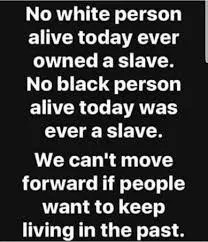
Every Friday, PROFESSOR BLACK TRUTH posts videos appropiately named “The Friday Crime Report”. I decided to post them here on this platform, because I want to show you how “bad things” still happens to black people in this country. You see, people still like to tell us things like the following…

To show that bad things that happen to black people was somehow “All in the Past”. Well, rather than talk about why this meme and ones like it piss me off, I like to show examples of why this meme is bulls*it.

In today’s installment…

Silicon Valley had been harboring a deadly cult that attempted murder and faked deaths, but action was only taken when the bodies began to accumulate, prompting a sense of urgency among law enforcement officials and the community at large. Hidden within the shadows of innovation and technology, this dangerous group wove a complex web of deception, manipulating vulnerable individuals and leading them into a life of crime. The cult’s insidious influence spread rapidly, preying on those seeking belonging in a fast-paced environment, coercing them into illicit activities with promises of wealth and success.

As authorities sifted through the chilling evidence, the shocking reality of the cult’s activities became apparent, raising troubling questions about how such an insidious organization could flourish in an area celebrated for its progress and innovation. Increasingly alarmed residents began to share their suspicions, and the once-quiet whispers transformed into a chorus of concern that would finally compel investigators to confront the growing threat head-on. The community, once vibrant and hopeful, found itself marred by fear and uncertainty, as the cult’s hold on vulnerable individuals revealed deeper societal issues. Neighbors exchanged information and tips in hushed tones, their initial disbelief evolving into a shared determination to seek the truth, while local leaders scrambled to address the rising panic, holding meetings to reassure citizens and develop strategies to counteract the insidious influence of the cult.

This collective awakening illuminated the need for vigilance and unity in the face of such darkness, leading to a renewed commitment among the populace to safeguard their community’s cherished values and ensure that such malevolence could no longer thrive in the shadows.

Shout out to The Professor for his engaging video on important topics that inspire critical thinking and deepen our understanding of complex issues. His ability to present information in a relatable and entertaining manner keeps viewers coming back for more. For more content, visit his YouTube channel HERE for insightful analyses, a wealth of knowledge, and a vibrant community of learners who share diverse perspectives and encourage meaningful discussions. Don’t miss out on the opportunity to be a part of this enlightening journey!

IT’S CHRISTMAS!!! Part 2

This post will be thoughtfully divided into two distinct parts, with the first part addressing the significant question of what Christmas should mean for Black Americans. In exploring this topic, I believe it’s essential to consider the historical and cultural context that shapes the Black American experience during this holiday.

To provide a deeper understanding, I have included insightful commentary from the professor, whose perspective can shed light on the complexities and unique traditions that enrich this celebration within the Black community. Through this exploration, we can better appreciate the values and meanings that Christmas holds for Black Americans today.

Or at least, what I think they SHOULD hold.

Black people should prioritize saving money and investing their overtime pay in local businesses, community initiatives, and educational opportunities to create a lasting impact. By doing so, they not only support the entrepreneurial spirit within their communities but also contribute to the development of a robust local economy that can withstand external pressures. This approach will enrich themselves and their communities by creating jobs that offer stable employment and generating a network of mutual support among local business owners and consumers.

Furthermore, investing in community initiatives not only addresses immediate needs but also fosters a sense of belonging and resilience. These initiatives, such as after-school programs or cultural events, can provide valuable resources and educational support to the youth, helping to instill confidence and ambition. As individuals acquire new skills through various educational opportunities, whether through traditional degree programs or hands-on vocational training, they enhance their economic prospects and better position themselves for career advancement. Ultimately, by strategically channeling their financial resources and engaging with their communities, individuals can break the cycle of dependency and foster sustainable success that reverberates through future generations.

Now for the second part, we have THIS.

Filmmaker and activist Peter Joseph created this segment for his thought-provoking movie, ZEITGEIST, which has sparked significant discussions around its themes. This particular segment presents a unique and often controversial view on the life of Jesus Christ, exploring not just his teachings and impact, but also delving into the historical and sociopolitical contexts surrounding his existence.

It discusses how religion, particularly Judeo-Christian beliefs, has been used for centuries as a powerful tool to control various aspects of the Western world, influencing everything from governance to social norms. Throughout history, this influence is evident in the establishment of laws and ethical systems that reflect religious tenets, which often dictate not only individual behavior but also societal expectations.

By analyzing these dynamics, Joseph encourages viewers to reflect critically on the role of religion in shaping cultural identities and power structures throughout history, prompting a deeper understanding of how these beliefs have not only unified communities but also created divisions, often serving as a justification for conflict and discrimination. He invites us to consider the implications of religious narratives on contemporary issues, urging a reassessment of the moral frameworks that guide modern governance and cultural interactions.

SPIRITUAL PRACTICES OF AFRICA, AND THE DIASPORA (12/01/24)

Many discussions about global religious practices often ignore Sub-Saharan Africa or highlight it negatively; this series seeks to change that by showcasing the diverse indigenous beliefs, such as ancestral worship and the reverence for natural elements, alongside the significant impact of world religions like Christianity and Islam, which have woven themselves into the social fabric of the region. By exploring these belief systems, we aim to illustrate the rich cultural heritage and vibrant spiritual life of the region, emphasizing the unique rituals, festivals, and community gatherings that highlight the importance of spirituality in everyday life. Furthermore, this exploration will not only reveal the complexity of these practices but also foster a deeper understanding of how they contribute to a sense of identity and belonging among the diverse populations of Sub-Saharan Africa.

In this installment…

This is an hour and a half exploration of the myths and realities of voodoo, which delves deeply into its rich historical context and cultural significance. The presentation includes a look at the sources of voodoo in ancient African religion, highlighting how these traditional beliefs have evolved and adapted over time. Furthermore, it examines the syncretism that occurred when African practices intertwined with European and Caribbean influences, creating a uniquely vibrant form of spirituality. By analyzing various rituals, symbols, and practices, the exploration reveals the profound connection between voodoo and identity, community, and resistance against oppression. Additionally, the role of folklore and oral traditions in preserving these ancient beliefs is discussed, showcasing how voodoo continues to play a significant role in modern societies.

It also examines current day practitioners, offering insights into their diverse practices, intricate rituals, and the community’s vital role in preserving this rich spiritual heritage. By delving deeply into the beliefs that underpin these traditions, the program showcases how these rituals are not just mere performances but are steeped in profound historical significance and communal identity. Furthermore, the program investigates the startling phenomenon of possession, shedding light on both the psychological and spiritual dimensions of this intense experience, in Season 3, “Voodoo.” Through expert interviews and firsthand accounts, it explores the complexity of these transformative moments, making it a comprehensive and enlightening study for anyone interested in understanding this often misunderstood and misrepresented practice, while fostering a deeper appreciation for its cultural context and the narratives woven around it.

SPIRITUAL PRACTICES OF AFRICA, AND THE DIASPORA (11/25/24)

Many discussions on global religious and spiritual practices often overlook Sub-Saharan Africa, and when addressed, it is usually negatively; this series aims to change that perception by highlighting the rich tapestry of beliefs and traditions that thrive in this region. From the diverse array of indigenous faiths to the profound influence of world religions such as Christianity and Islam, Sub-Saharan Africa is home to a vibrant cultural heritage that reflects a deep connection to spirituality and community. By showcasing the unique rituals, philosophies, and the stories of practitioners from various backgrounds, we hope to foster a greater appreciation for the complexity and beauty of spiritual life in this often-misunderstood part of the world.

In this installment..

The importance of African centered Spirituality in the Black Community is questioned amidst the presence of Christianity, Islam, Judaism, and Atheism. Many individuals find themselves in a struggle to reconcile their ancestral traditions with the prevailing faiths around them, leading to a rich but complex dialogue about identity and worship.

There’s a dilemma of whether to practice traditions like Ifa, Yoruba, Kemetic, Igbo, or Vodun while also grappling with the significance of established faiths like Jesus, Allah, and Yah. This tension not only influences personal beliefs but also impacts community dynamics, creating a space for both conflict and unity as people seek to honor their roots while remaining true to their spiritual journeys. As individuals explore the rich tapestry of their ancestral customs, they often find themselves negotiating their identities in relation to modern societal values and expectations.

The interplay between these ancient traditions and contemporary faith systems can lead to profound reflections on spirituality, identity, and community, as adherents strive to harmonize the teachings and practices of their heritage with the more widely accepted beliefs that shape the world around them. This complex landscape invites dialogue and introspection, encouraging a deeper understanding of the significance of faith across different cultures and the shared human experience that transcends time and space. Ultimately, this exploration fosters a sense of belonging and empowerment, as individuals navigate their paths in a world that increasingly values diversity and inclusivity, celebrating the richness brought forth by differing perspectives on the divine and the ancestral.

As the conversation evolves, understanding and respect for diverse pathways become crucial, fostering an environment where African centered Spirituality can coexist alongside other belief systems, enriching the collective experience of the Black Community.

Shoutout to the Ijakadi African Martial Arts YouTube channel for creating this video. If you want to know more about them click HERE,

AfricanMartialArts.com offers Ijakadi African Martial Arts, a comprehensive at-home program that covers various techniques such as footwork, striking, grappling, and weapons, rooted in African culture. Users gain access to weekly video lessons, live workshops, rank testing, and more, catering to all skill levels from beginner to advanced.

SPIRITUAL PRACTICES OF AFRICA, AND THE DIASPORA (11/21/24)

Many discussions on global religious and spiritual practices often overlook Sub-Saharan Africa, and when addressed, it is usually negatively; this series aims to change that perception by highlighting the rich tapestry of beliefs and traditions that thrive in this region. From the diverse array of indigenous faiths to the profound influence of world religions such as Christianity and Islam, Sub-Saharan Africa is home to a vibrant cultural heritage that reflects a deep connection to spirituality and community. By showcasing the unique rituals, philosophies, and the stories of practitioners from various backgrounds, we hope to foster a greater appreciation for the complexity and beauty of spiritual life in this often-misunderstood part of the world.

In this installment…

About 45 percent of all Africans transported throughout the Americas during the transatlantic slave trade arrived from West Central Africa, including the Kongo, a region rich in cultural heritage and historical significance. This area was not only characterized by its vibrant societies and complex political structures but also by its diverse languages, art forms, and traditions that reflected the deep-rooted connections of its people to their land.

The Kongo played a pivotal role in trade networks, facilitating the exchange of goods, culture, and ideas long before the onset of the slave trade. Furthermore, the experiences and contributions of those who came from this region have profoundly influenced the cultural landscapes of the Americas, giving rise to unique blends of African, European, and Indigenous traditions that continue to resonate in music, religion, and culinary practices today.

Kôngo spirituality includes a wide variety of concepts grouped around two areas of application: divine practice and human practice. This intricate system encompasses not only rituals and beliefs but also the profound relationship between the spiritual and the material realms, reflecting the interconnectedness of life.

This lecture aims to elucidate this wealth, with regard to Palo and Bukôngo as two different schools of Kôngo spirituality, both of which offer unique perspectives and methodologies for understanding the universe and one’s place within it. The richness of Kôngo spirituality is rooted in ancient traditions and oral histories that convey wisdom through generations.

This elucidation will be attained through the interpretation of the divine initiatory process through the Kôngo cosmogram, a vital tool that visually represents the spiritual journey and its stages, allowing practitioners to navigate their path with clarity and purpose. By delving into these elements, the lecture will highlight the significance of both the divine and human aspects in the pursuit of spiritual enlightenment within the Kôngo tradition.