HIDDEN SPIRITUALITY: Bridging Ancient Wisdom and Modern Media
HIDDEN SPIRITUALITY is the flagship initiative of Spirit Science, dedicated to demonstrating how profound, universal spiritual truths and time-honored archetypes are intricately woven into the fabric of modern pop culture. they assert that the foundational principles of spirituality—including consciousness, cosmic cycles, and the journey of the soul—actively shape and permeate contemporary media, such as blockbuster films, video games, popular literature, and comic books.
Our core mission is to meticulously decode and illuminate these embedded spiritual themes, transforming everyday entertainment into a vehicle for deeper self-discovery and enlightenment. We focus on recurring, perennial concepts that appear across all major spiritual traditions:
The Hero’s Journey (Monomyth): The archetypal structure, first articulated by Joseph Campbell, which maps the individual’s path of transformation, crisis, and triumphant return, mirroring the soul’s journey of individuation.
Karma and Causality: The immutable law of cause and effect, which dictates that every action, thought, and word generates a corresponding consequence, powerfully reflected in the narrative arcs and moral lessons of modern storytelling.
Oneness (Non-Duality): The ultimate truth that all existence is fundamentally interconnected and of the same unified consciousness, often subtly explored through narratives of empathy, unity, and the dissolution of separateness.
Cycles of Death and Rebirth: The constant, transformative pattern of dissolution followed by renewal, which is essential to both the individual soul’s evolution and the narrative rhythm of life, frequently symbolizing deep personal change.
We move beyond superficial media critique to offer an in-depth, mystical analysis of symbolism, philosophical underpinnings, and mythological parallels present in popular media. We believe that these modern stories are not just for escape; they act as profound psychological and spiritual mirrors for our personal inner journeys, providing vital clues for self-realization and transformation.
Building a Conscious Community
Beyond rigorous analysis, HIDDEN SPIRITUALITY is committed to fostering a conscious, engaged global community. We empower viewers to recognize and value the spiritual significance inherent in their entertainment consumption. Our work aims to build a vital bridge between the casual consumption of modern media and the application of perennial spiritual truths, encouraging our audience to apply the moral lessons, ethical dilemmas, and archetypal encounters found in these narratives to their own lives and existential challenges.
Today’s Featured Installment: Decoding the Depths of Avatar: The Last Airbender
Unlock Your Inner Elemental Power: The Four Elements Transformation
Are you ready to truly master the four elements within the landscape of your own consciousness? We invite you to discover the Four Elements Transformation, our newest online course and profound mystical experience designed to harmonize your mind, body, and spirit by understanding the ancient principles of the elements.
Unveiling the Hidden Spirituality of Avatar: The Last Airbender
The critically acclaimed animated series, “Avatar: The Last Airbender” (ATLA), is far more than just a captivating tale of a young hero’s journey; it is a spiritual allegory woven into a fantastical narrative. The show has garnered global adoration, successfully capturing the hearts and minds of viewers with its compelling characters, dynamic action, and rich world-building. However, our ongoing analysis reveals a deeper, more profound, and often hidden spiritual and philosophical meaning subtly embedded beneath the surface of the show’s intricate world.
In our dedicated video series, “Hidden Spirituality,” we embark on a meticulous exploration of the complex spiritual, psychological, and philosophical themes that serve as the foundational bedrock of Avatar: The Last Airbender. We treat the fictional nations, bending arts, and conflicts not as mere plot devices, but as powerful archetypes for the human condition and the universal journey toward enlightenment and self-mastery.Episode Focus: The Allegory of the Fire Nation
In this particular episode, we conduct a close, allegorical examination of the Fire Nation and its pivotal role in the narrative. We dissect what its relentless aggression, imperialistic expansion, and seemingly evil acts truly symbolize on a deeper spiritual and psychological level. The Fire Nation represents the unbridled, unbalanced energy of the ego—the destructive passion that consumes rather than illuminates, symbolizing an individual or collective consciousness driven by fear, control, and a disconnection from the natural order.The Holistic View: Balance, Peace, and the Human Condition
To fully understand the Fire Nation’s spiritual significance, we integrate its archetype with the distinct philosophies, social structures, and core values of the other three nations:
The nomadic Air Nomads embody the spirit of freedom, detachment, and inner peace, representing the mental and spiritual aspects of the self.
The resourceful Water Tribes symbolize adaptability, emotion, and community, representing the flow of feelings and the subconscious mind.
The stable Earth Kingdom signifies resilience, groundedness, and pragmatism, representing the physical world and the conscious will.
By examining the interplay between these nations and integrating them with the show’s overarching, explicit themes of balance (physical and spiritual), inner peace (essential for Airbending mastery), and responsibility (the Avatar’s core duty), we explore what “Avatar: The Last Airbender” truly reveals about the fundamental human condition, the nature of conflict, and the evolutionary path of consciousness. The Avatar, as the bridge between the physical and spirit worlds and the master of all four elements, represents the fully integrated, awakened self—the potential within all of us.
Join us on this transformative journey of discovery as we dive deep into the hidden meaning, psychological depth, and mystical symbolism of one of the most beloved animated series of all time, uncovering the profound wisdom it holds for modern spiritual seekers.—–Connect with the Community: The Spiritverse
Ready to engage directly with Team Spirit and a global community of like-minded spiritual explorers? Join Spiritverse, our dedicated spiritual social platform where you can share insights, discuss esoteric knowledge, and foster connections on your journey of awakening.
If you found value in this deep dive, we invite you to explore more of our extensive content library, which covers a wide spectrum of spiritual and philosophical topics:
The blog series opens with a comprehensive commitment to exploring the intricate spiritual topography of Sub-Saharan Africa and its enduring, transformative influence on global culture. It establishes a systematic framework for examining the rich tapestry of diverse indigenous belief systems, providing concrete examples such as the Akan’s reverence for the supreme being, Nyame, and the sprawling, influential pantheon of the Òrìṣà within the Yoruba tradition.
Crucially, the series dedicates significant attention to the historical and theological journey of the Abrahamic faiths—Christianity and Islam—within the African continent. It offers a detailed analysis of their respective arrivals, the complex dynamics of their interaction with established traditional religions, and their ultimate evolution into distinctive, localized African faiths that synthesized and reshaped foreign doctrines.
A central, unifying theme threaded throughout the exploration is the profound, continuous, and living role of ancestral worship. The series argues that the veneration of ancestors is far from an obsolete relic of the past; rather, it is a potent, contemporary expression of cultural heritage. It serves as a vital anchor, reinforcing collective identity, ensuring cultural and social continuity, and acting as the primary vehicle for transmitting essential ethical wisdom and moral frameworks from one generation to the next.
Furthermore, the blog series meticulously highlights the extraordinary resilience and preservation of these African spiritual traditions across the global diaspora, a direct consequence of the transatlantic slave trade. It underscores how practices like the Haitian Vodou, the Cuban Santería (or Regla de Ocha), and the Brazilian Candomblé have been maintained and thrived. This enduring preservation is attributed to the flexible and powerful mechanism of oral tradition, the consistent execution of sacred rituals, and the deep-seated cultural practice of storytelling, which together keep the spiritual roots firm and vibrant despite centuries of physical displacement.
An In-Depth Exploration of Yoruba Spirituality: Ifá and the Orisha Pantheon
Yoruba Spirituality, one of the most widespread and globally impactful African cosmologies, offers a complex, multi-layered worldview centered on the figure of the supreme creator, Olódùmarè. Olódùmarè is understood as the ultimate source of all existence, the creator of the cosmos, destiny, and Aṣẹ itself. Though often considered remote and transcendent, Olódùmarè’s divine power and essence are not absent but manifest throughout the entire universe. The active, accessible forces of the divine are the Orisha, a vast pantheon of deities, spirits, and deified ancestors who govern every conceivable aspect of nature, human experience, and destiny.
At the very heart of this sophisticated system is Ifá, the sacred spiritual and divinatory tradition that functions as the repository of Yoruba wisdom, philosophy, history, and ethical code. This immense body of knowledge has been meticulously preserved and passed down through an unbroken lineage over centuries. The master and embodiment of this wisdom is Orunmila, the revered Orisha of wisdom, knowledge, and ethical conduct. He is mythologically recognized as the “witness to creation” (Eléri-Ìpín) and is the direct source of the entire Ifá literary corpus. This corpus, known as the Odu Ifá, contains thousands of verses that cover every facet of human life, offering profound philosophical guidance, historical narratives, and practical solutions for navigating any life situation.
The professional practice of Ifá is led by the Babaláwo (meaning “Father of the Secrets” or “Father of Yesterday, Today, and Tomorrow”), who are highly trained, disciplined, and initiated priests. Their primary responsibility is to consult the Oracle on behalf of clients. Through a ritualistic form of divination—most commonly involving the systematic casting and interpretation of palm nuts (ikin) or the quick, rhythmic reading of the divining chain (opèlè)—the Babaláwo determines which Odu (chapter/verse) is revealed. This revelation offers diagnostic counsel, clarifies the individual’s spiritual path, prescribes necessary sacrifices (ebo) or ritual actions, and ultimately helps the individual align their conscious life with their predetermined destiny (ìpín).
The practical application of this spiritual knowledge is grounded in a foundational ethical concept: Iwà Pẹ̀lẹ́, which literally translates to “good and gentle character.” This concept is not merely a suggestion but a spiritual imperative, emphasizing the critical importance of living a life defined by morality, humility, respect, patience, and the maintenance of balance (ìwontúnwònsì). A person’s destiny is believed to be fully realized only through the consistent cultivation of Iwà Pẹ̀lẹ́.
All power, manifestation, growth, and life force in the universe are fundamentally attributed to Aṣẹ (often transliterated as Ashé). Aṣẹ is the divine, dynamic energy that allows things to happen, to grow, to create, and to be effective. It is the lifeblood of the cosmos, present in its fullest form in Olódùmarè, distributed among the Orisha, residing in the ancestors, embedded in sacred objects, and activated by the ritual words (ofo) of a Babaláwo or priestess (Ìyánífá or Ìyálòrìṣà).
The enduring connection to the collective of ancestors is also an indispensable component of Yoruba Spirituality, frequently celebrated through the veneration of Egúngún, the collective spirits of the departed. Egúngún rituals and ceremonies serve to reinforce the continuum between the living community and the spiritual realm of the dead, providing a channel for the ancestors to offer their guidance, blessings, and corrections, thereby ensuring the spiritual and physical well-being of the living.
The journey within Yoruba Spirituality often involves initiation into the mysteries of a specific Orisha (becoming a devotee) or into the full practice of Ifá (becoming a priest or priestess), marking a profound dedication and spiritual rebirth. These sacred rituals and meticulously orchestrated ceremonies are essential for establishing and maintaining cosmic and community balance, honoring the deities, and receiving vital spiritual protection and grace.
This ancient, profound wisdom has demonstrated a remarkable ability not just to survive, but to thrive across the diaspora. The brutal mechanism of the transatlantic slave trade forcibly transplanted millions of Yoruba people, yet their spiritual heritage persisted by syncretizing with indigenous Caribbean and South American practices, as well as the Catholicism imposed by colonizers. This blend gave rise to powerful, vibrant New World religions that share the core Yoruba foundation:
Santería (or Regla de Ocha) flourished in Cuba and Puerto Rico, maintaining a direct and recognizable connection to the Orisha pantheon.
Vodou in Haiti, while also incorporating Arada and Kongo elements, shares fundamental cosmological principles and ritual structures rooted in West African belief.
Candomblé developed in Brazil, becoming a crucial institution for cultural and spiritual survival, centered entirely on the worship of the Orisha.
These diasporic traditions, while now distinct socio-religious entities, share the core reverence for the Orisha, the essential philosophical principles of Ifá, and the fundamental belief in the divine interconnectedness of all things, ensuring that this profound African spiritual heritage continues to guide and enrich the lives of millions worldwide.
The Self-Defense Series: A Holistic Blueprint for Personal Empowerment and Survival
The traditional view of self-defense, often limited to mere physical techniques, is fundamentally incomplete. True readiness for the complexities of real-world violence demands a vital, holistic path to empowerment, one that integrates and strengthens the individual across four critical domains. The Self-Defense Series is built upon these four pillars of personal safety: physical, mental, spiritual, and legal. Our philosophy asserts that effective self-defense transcends rote techniques, requiring a deep, well-rounded foundation to foster genuine readiness, unwavering resilience, and absolute confidence in the face of danger.
Today’s Installment: The Psychology of Conflict – Why Ego is the Enemy of Self-Preservation
Some men mistakenly believe that being loud, aggressive, and confrontationally asserting dominance makes them genuinely dangerous. They mistake performance for proficiency. In reality, the men who shout the most, whose actions are driven by visible emotional volatility and a need to prove their toughness, are often the least prepared for the true nature of real-world violence. This outward display of aggression is a critical liability.
When emotions take over, specifically the ego’s urgent need for validation or status, rational decision-making collapses. The brain’s limbic system hijacks the prefrontal cortex, leading to a state of emotional flooding where poor judgment and impulsive reactions are guaranteed. Situations escalate fast, turning minor disagreements into life-threatening confrontations.
Real self-defense isn’t about proving toughness—it’s about control, awareness, and a comprehensive understanding of the dynamics of human violence.
In a real confrontation, the difference between someone who performs toughness and someone who understands violence becomes terrifyingly clear. The person driven by ego is reacting to a personal insult or perceived challenge; their goal is “winning the argument” or “saving face.” The person who understands violence is focused solely on survival, de-escalation, and creating distance to ensure their physical safety.
This is why psychology, emotional regulation, and situational awareness play a far bigger and more definitive role in survival than most people realize. The ability to remain calm under extreme pressure is the hallmark of true competence. The men who can regulate their fear, control their anger, and maintain a state of detached observation in a crisis are the ones who truly understand what is at stake when things turn physical—it’s not about winning a fight; it’s about going home.
To deepen your understanding of conflict dynamics, street fighting psychology, situational awareness, and the mindset needed to effectively deal with real-world violence, the YouTube channel @FIGHTSCIENCE explores the behavioral patterns behind aggression, intimidation, and dominance in confrontational situations. Their content meticulously breaks down how ego, fear, and status dynamics influence conflict and can fundamentally change the way you see aggressive behavior forever. Train hard. Stay sharp. Stay calm. Remember, the ultimate victory in self-defense is avoiding the fight entirely.
HIDDEN SPIRITUALITY – From Spirit Science: Unveiling the Esoteric Core of Modern Culture
Hidden Spirituality is a dedicated platform by Spirit Science that delves into the profound, often-unseen, intersection between perennial spiritual wisdom and the vibrant tapestry of contemporary popular culture. We propose that the timeless truths of ancient philosophies, universal spiritual concepts, and powerful archetypes are not relics of the past but active, formative forces shaping the stories, media, and entertainment that captivate the modern global audience.The Mission: Decoding Universal Wisdom in Contemporary Storytelling
Our primary mission is to illuminate how universal spiritual themes, mythic structures, and potent archetypes—such as the Hero’s Journey, the concept of Karma, the principle of Oneness, or the cycles of death and rebirth—are meticulously woven into the fabric of modern storytelling. This includes a deep, analytical look at:
Films and Television: Exploring the mystical symbolism in blockbuster narratives, science fiction epics, and independent cinema.
Video Games: Analyzing the spiritual lessons, moral frameworks, and deep psychological archetypes embedded in interactive worlds and character development.
Novels and Literature: Dissecting the philosophical underpinnings and esoteric messages hidden within fantasy, dystopian, and mainstream literary works.
Anime and Comics: Uncovering the complex spiritual systems and eastern philosophical influences frequently depicted in these globally influential mediums.
We seek to understand the fundamental, universal appeal of these modern myths. Why do stories from across different languages, cultures, and genres resonate so deeply with people worldwide? We believe the answer lies in their function as profound mirrors for the inner journey. These narratives offer frameworks for self-discovery, guideposts for personal transformation, and powerful conduits for connecting the individual to cosmic, universal truths that transcend dogma and geography.Fostering a Conscious Community and Spiritual Bridge
A key aspiration of Hidden Spirituality is to cultivate an engaged, thoughtful community that not only consumes entertainment but also actively recognizes its inherent spiritual value. By spotlighting the ancient wisdom and profound psychological insights embedded in modern media, we are actively building a critical bridge:
Between Contemporary Culture and Universal Spiritual Truths: We show that the spiritual journey is not limited to temples or texts but is alive and accessible through the very culture we engage with daily.
Encouraging Conscious Reflection and Personal Transformation: Our analysis encourages viewers and readers to move beyond passive consumption. By recognizing the archetypes and lessons in the media, they are empowered to apply those same insights to their personal challenges and spiritual development.
Diving Deep into Hidden Narratives: The Case of “Noah”
Beyond the familiar and often literal interpretations of scripture, a rich, hidden mystical narrative exists, one that speaks directly to the very essence of human existence and the nature of reality itself.
In the analysis of the film “Noah”, we embark on a journey that deliberately transcends time and space. It is not merely a historical or religious retelling, but an exploration of the absolute depths of the human experience—the weight of responsibility, the internal conflict between creation and destruction, and the ultimate test of faith.
Join us as we meticulously dissect the film’s symbolism and uncover the profound, transformative insights it offers. We reveal how the story of Noah is far more than a simple tale of a great flood and divine punishment; it is a timeless, allegorical lesson about:
The Power of Faith: Not as blind belief, but as radical trust in one’s highest intuition and purpose.
The Necessity of Sacrifice: Understanding that transformation often requires the dissolution of the old self or the letting go of attachments.
The Eternal Journey of the Soul: Seeing the flood not just as an external event, but as an internal cleansing and spiritual renewal.
This is not a typical movie critique or breakdown; it is an invitation to a journey of the spirit, designed to reveal hidden messages that possess the genuine power to transform your life and perception of reality.
Explore Further: Resources for Spiritual Deepening
Ready to dive deeper into the mystical side of biblical and universal wisdom?
The Four Elements Transformation Course: A compelling, in-depth course that masterfully synthesizes core Kabbalistic, Christian (esoteric), and Taoist teachings into a practical system for personal transformation.
About Spirit Science: A Journey of Open-Hearted Exploration
Our Core Mission and Philosophy
At Spirit Science, our deepest aspiration is to serve as a supportive companion and guide on your unique path of personal and spiritual evolution. We are dedicated to providing a sacred, welcoming space—a true sanctuary—where you can freely and safely explore, question, and deeply experience the essence of your spiritual journey.
Our fundamental intention is to engage with and share the diverse facets of spirituality in a manner that is always open-hearted, inclusive, and profoundly respectful. This respect extends universally, honoring the beauty, divinity, and inherent worth within every individual, every expression of nature, and the vast, wondrous tapestry of the universe itself.
The Synthesis of Science and Spirituality
Spirit Science is founded upon the open-hearted exploration and profound synthesis of both scientific inquiry and spiritual wisdom. This exploration is intentionally free of the constraints of dogma, rigid belief systems, or prescriptive doctrines. They champion a fluid, inquisitive approach, recognizing that the greatest truths often lie at the intersection of outer scientific discovery and inner spiritual realization. Their ultimate focus is on the elevation and transformation of human consciousness, guiding ourselves and our community into what we believe is an emerging era defined by love, light, compassion, and unity. They believe that true growth involves shedding outdated paradigms and embracing a higher vibrational state of being.
Capoeira Angola, standing far beyond the simplified labels of a mere martial art or a traditional folk dance, is a profound, dynamic, and multifaceted cultural practice. Its genesis is inextricably linked to the brutal socio-historical crucible of transatlantic slavery in Brazil. It emerged as a clandestine, holistic technology for liberation, serving simultaneously as a covert training regimen for physical combat, a vital means of spiritual and cultural preservation, and a highly sophisticated medium for political communication and communal solidarity. Within the ruthlessly oppressive structures of colonial and later, post-colonial Brazil, Capoeira Angola functioned as a critical infrastructure for survival, community formation, and coordinated, decentralized mobilization against a state apparatus systemically and violently dedicated to the subjugation, repression, and erasure of African and Afro-Brazilian populations.
Historically forged in the relentless heat of chattel slavery, colonial violence, and persistent resistance across Brazil’s vast plantations and burgeoning urban centers, Capoeira Angola embodies a system that is at once covert yet intensely potent. It is simultaneously a system of highly effective, holistic self-defense, a sophisticated form of non-verbal and coded communication, a vital mechanism for meticulously preserving ancestral knowledge systems, and a powerful, centrifugal engine for profound community solidarity and collective self-determination. This singular, complex synthesis allowed enslaved and deeply marginalized populations to effectively resist the brutal, omnipresent structures of colonial and state control, whose explicit objective was to strip them utterly of their culture, dignity, and fundamental human autonomy. The fluid, often deceptive movements, seamlessly integrated with complex musical rhythms and song, acted as an ingenious cultural camouflage. This disguise masked combative, strategic training as a seemingly harmless celebratory dance or game, thereby enabling its continuous practice to persist and flourish even under the constant, immediate threat of severe torture, death, and state prohibition. In this crucial way, Capoeira Angola transcended a simple set of techniques; it became a living, embodied, and transmitted archive of resistance, passing down critical tactical knowledge, historical memory, and an unyielding spirit of defiance across successive generations.
The enduring historical trajectory of Capoeira Angola vividly illuminates its consistent function as a continuous, adaptable site of resistance. The seemingly playful and ceremonial nature of the roda—the circle where Capoeira is played, a sacred space of practice—is, in fact, a masterful, multi-layered act of political camouflage. It conceals highly sophisticated fighting techniques, intricate strategic planning, and coded messages embedded within the music, the narrative songs (Ladainhas and corridos), and the physical movements themselves. This living tradition not only persists but actively thrives today, providing a practical, embodied, and analytical framework for critical engagement with contemporary, modernized forms of state violence, pervasive systemic racism, and crippling social inequality. By actively reclaiming, preserving, and practicing this art, participants engage in a profound and active process to confront, negotiate with, and ultimately dismantle the deep-seated psychic and physical legacies of historical trauma and ongoing, contemporary repression.
The practice itself offers a unique, replicable, and culturally resonant framework for effective, community-based mobilization:
Community Building and Essential Cohesion: The roda (the circle in which Capoeira is played) is intentionally structured as a micro-society built upon explicit principles of mutual respect, active cooperation, and collective responsibility for all participants’ well-being. This inherently collaborative structure directly and powerfully counters the state’s historical and ongoing attempts to atomize, isolate, and divide oppressed communities. By cultivating deep and visceral interdependence, the roda fosters the essential cohesion, trust, and shared language needed for effective political and social action.
Strategic Subtlety and Political Cunning (Malícia): The characteristically deceptive and elusive movements of Capoeira Angola—which often deliberately appear as dance, music, or playful interaction—viscerally instruct practitioners in the critical value of strategic subtlety, known as malícia. This historical necessity of masking resistance—of making a powerful action look like a simple game—translates directly into methodologies for covert organizing, navigating pervasive state surveillance and infiltration, and developing adaptable resistance strategies that effectively evade overt detection by oppressive state apparatuses and intelligence gathering.
Embodiment of Historical Resistance and Blueprint for Uprising: The narrative songs (Ladainhas, corridos, and others) and the oral traditions preserved within Capoeira Angola serve as powerful cultural vehicles. They transmit the concrete historical memory of successful uprisings, the autonomous sovereignty of maroon communities (quilombos), and the inspiring narratives of figures who bravely and successfully challenged the violent status quo. This continuous cultural transmission keeps the spirit and, crucially, the practical historical blueprints of resistance alive, providing both moral inspiration and a practical historical template for contemporary struggles against injustice.
Physical and Mental Discipline for Sustained Conflict: Beyond its symbolic power, Capoeira Angola holistically trains the body and mind for sustained engagement with profound adversity and conflict. The rigorous physical demands of the practice systematically build physical and psychological resilience, while the emphasis on improvisation, quick and decentralized decision-making, and maintaining composure and emotional balance under intense pressure (the “game” within the roda) prepares individuals for the often high-stakes demands of non-violent direct action, community defense, and the inherent risks associated with protesting and challenging entrenched state authority.
Capoeira Angola and Transformative Justice: A Methodology for Resistance
Pod mapping and skill sharing are foundational practices within the frameworks of transformative justice and mutual aid, designed specifically to cultivate resilient, self-reliant communities. These methodologies, which emerged significantly from the work of organizations like the Bay Area TransformativeJustice Collective (BATJC) and activists such as Mia Mingus, empower individuals to identify, utilize, and strengthen their internal support networks. The core objective is to create systems capable of addressing harm, crisis, and chronic needs autonomously, deliberately bypassing reliance on punitive and often harmful state institutions, notably the police and prison systems.
Pod Mapping: Visualizing Interdependence and Care
Pod mapping is a rigorous, often visual, exercise used to articulate and solidify the network of individuals one can reliably call upon for both long-term (chronic) and immediate (acute) needs. This identified group constitutes one’s “pod”—a localized, intensely trusted support ecosystem.
The Structure: The exercise typically places the individual’s name at the center of a diagram. Surrounding circles categorize the degree of trust and commitment within the network:
Immediate Pod (Solid Circles): This is the core, deeply vetted group of people with whom a deep sense of trust is shared, and who can be relied upon unconditionally in a crisis. This includes partners, immediate family, chosen family, and profoundly trusted friends or neighbors.
Movable People (Dotted Circles): These individuals represent potential pod members. While trusted, their inclusion requires further intentional relationship-building, clear conversations about boundaries, expectations, and commitment to specific support roles.
Community Resources (Large Circles): These are the broader networks, organizations, spiritual centers, or mutual aid societies that offer specialized or general support, such as food banks, tenant organizing groups, or trauma-informed therapy collectives.
The Purpose: The process is diagnostic and preventative. It explicitly reveals gaps or imbalances in one’s care network, offers a deeper understanding of how care and resources flow across larger communal networks, and ensures a proactive “emergency contact list” and corresponding plan are in place well before a crisis manifests.
Skill Sharing: Enhancing Collective Capacity and Self-Reliance
Skill sharing, in conjunction with pod mapping, ensures that a diverse array of practical, emotional, and technical needs can be met through deeply embedded mutual support, minimizing the need to look externally for critical assistance.
Identifying Assets: A crucial step during the pod mapping process is the meticulous inventory of the specific skills each member possesses and is willing to share. These assets are expansive, ranging from practical abilities like active listening, conflict resolution, first aid, childcare, and basic legal observation to technical skills like administrative help, grant writing, or digital security.
Mutual Benefit and Reciprocity: A foundational philosophical principle of mutual aid is the recognition that the act of being a “support giver” is just as powerful and generative as being a receiver. This reciprocal exchange fosters deeper, more equitable connections, builds collective self-worth, and strengthens the foundation for long-term political collaboration.
Building Competency: Resilient communities actively commit to holding intentional “skill shares” or workshops. These sessions are designed to teach one another essential transformative justice tools, practical safety planning methodologies, de-escalation techniques, and advanced communication skills, ensuring that the pod’s capacity to sustain itself and respond to harm is continuously expanding and evolving.
The Capoeira Angola Paradigm: A Historical Methodology for Resilience
The historical, philosophical, and operational principles embedded within Capoeira Angola—its emphasis on cooperative learning, deep mutual support, intuitive adaptation, and immediate collective response—offer a potent, living methodology directly applicable to contemporary organizing focused on community resilience, sustainable mutual aid, and holistic safety.
Radical Skill Sharing and the Roda
The traditional structure and pedagogy of the roda are inherently a radical, de-hierarchized skill-sharing model.
Decentralized Knowledge Transfer: Highly experienced practitioners (mestres and contramestres) transmit critical knowledge not through formal, prescriptive, or hierarchical classroom lessons, but through direct, embodied interaction, intuitive correction, communal storytelling, and the immersive experience of “playing” together. This decentralized, organic knowledge transfer ensures that essential survival, cultural, and combative skills are spread rapidly, deeply, and organically throughout the community.
Contemporary Relevance: This process mirrors the vital necessity of widely distributed expertise in contemporary social movements. In a protest setting or crisis, skills such as de-escalation, rapid legal observation, psychological first aid, and critical media communication must be widely and reliably distributed across the entire network, much like the decentralized mastery required to maintain the integrity of a roda.
Historical Precedent for Pod Mapping: The Roda and the Quilombo
Capoeira Angola offers a profound historical and theoretical precedent for “pod mapping”—the contemporary practice of creating proactive, reliable support networks within small, intensely trusted groups (“pods”) for autonomously handling crises and security concerns.
The Roda as a High-Stakes Pod: The roda itself functions as a temporary, high-stakes, intensely focused pod. All surrounding participants are collectively responsible for the immediate physical safety and strategic support of those playing within the circle. The collective maintenance of the rhythm (batuque), the watchful, supportive eyes of the surrounding community, and the strategic, guiding interventions of the berimbau player all powerfully reflect the principle of deep, localized, and dynamic interdependence required in a successful pod.
The Quilombo as the Ultimate Historical Pod Map: The historical organization of enslaved Africans and the formation of autonomous runaway communities (quilombos) around shared defense, resource pooling, and collective security represents the ultimate historical “pod map.” In this context, Capoeira Angola acted as the central, shared, and secret technology—the critical, non-state asset—for group defense, strategic communication, and self-determination against the oppressive state. The quilombo demonstrates that collective liberation is achievable only when an intensely mapped, highly skilled, and mutually committed community organizes its resources outside of state control.
The Quilombo: A Paradigm of Black Autonomy, Collective Defense, and Non-State Sovereignty
The concept of the QUILOMBO—the autonomous communities forged by runaway enslaved Africans, primarily in Brazil—transcends simple historical footnote to become the ultimate, real-world blueprint for radical collective mobilization and resistance. These settlements were not merely temporary shelters; they were sophisticated, sovereign micro-nations built entirely outside the genocidal control of the colonial state. In their foundational structure, the quilombos represent the highest historical realization of a “pod map”—a tightly integrated, self-sustaining network organized around shared principles of defense, resource equity, and mutual commitment to collective survival.
The historical significance of the Quilombo in Brazil is profound. Far more than mere settlements, they were powerful, self-governing communities established by enslaved and marginalized people, primarily of African descent, who had successfully escaped the brutal system of Portuguese chattel slavery. These hidden, often fortified, societies flourished across Brazil from the 16th century onward, serving as beacons of resistance, maroonage, and alternative social organization. They were, in essence, independent republics within the colonial territory, actively rejecting the socio-political and economic structures of the state. The most famous and long-lasting was Palmares, which endured for nearly a century and at its peak housed over 30,000 people, demonstrating a profound capacity for complex statecraft and self-defense against relentless colonial assault.
Life within a quilombo was an active attempt to reconstruct African social and political traditions, mixing them with Indigenous practices and new creolized forms born of shared struggle. The internal structure was often highly organized, emphasizing communal ownership of land and resources, democratic decision-making, and collective security. They cultivated land, engaging in diverse and sustainable agricultural practices to ensure self-sufficiency, and established sophisticated trade networks, often exchanging goods and intelligence with sympathetic settlers, marginalized laborers, and other quilombos. This economic and political self-determination fundamentally separated them from the colonial system.
Capoeira Angola: The Non-State Technology of Survival
Within this revolutionary framework, Capoeira Angola emerged as far more than a cultural practice or simple physical exercise. It functioned as the essential, shared, and deeply secret technology—the critical, non-state asset—that ensured the quilombo‘s survival. This complex art form, disguised as a dance or game, was in reality a comprehensive system for group defense, strategic communication (using movement and rhythm), psychological warfare, and the physical enactment of self-determination. It was the central pillar of military and political education, meticulously developed to counter the oppressive tactics and superior weaponry of the Portuguese and later, Brazilian, state forces.
Crucially for the quilombo‘s defense, they developed sophisticated methods of defense, including this martial art, intricate signaling systems, and expert use of the challenging local terrain. The very existence of the quilombo represented a profound rejection of colonial authority and the fundamental illegitimacy of slavery, marking them as the primary organizational structure for mobilization and resistance against the repressive state apparatus of the time. They were living proof that freedom was not a gift to be granted but a condition to be seized and defended.
The Enduring Legacy and Contemporary Application of Quilombo Methodology
The enduring legacy of the quilombo, particularly the most famous and enduring, Palmares, conclusively demonstrates that true collective liberation is not an abstract ideal but an achievable state. This achievement, however, hinges on several non-negotiable conditions: the formation of an intensely mapped community (one with a profound knowledge of its members, its environment, and its adversaries), the cultivation of highly skilled and non-transferable abilities (like those encoded in Capoeira Angola), and the complete and mutually committed organization of all critical resources and defense capabilities outside the control of the state apparatus. The quilombo, therefore, stands as a powerful and enduring historical testament to the necessity of autonomous Black self-organization and the profound efficacy of non-state, community-based resistance against legacies of state repression and enslavement.
The spirit and methodology of quilombo resistance provide a vital, actionable framework for contemporary mobilization. Integrating the core principles of Capoeira Angola into contemporary organizing—specifically through structured, continuous skill-sharing and the development of robust, trust-based pod maps—allows activists, community organizers, and community members to forge connections rooted in profound trust, shared historical consciousness, and deep physical and cultural resilience.
Capoeira Angola, a cultural and physical practice forged in the fires of the quilombos, embodies this resistance. Its circular formation (the roda) inherently promotes decentralized leadership, collective awareness, and mutual support—a perfect microcosm of the quilombo‘s social structure. Its movements, which mask martial efficacy within dance and ritual, teach practitioners to navigate conflict with strategic subtlety and adaptability. This structured physical and philosophical training prepares individuals not just for isolated acts of protest, but for sustained, collective action that prioritizes mutual aid and survival. By embedding this practice, and by building “pod maps”—small, highly trusted affinity groups that function as modern quilombo cells—we actively and powerfully counter the isolating, atomizing, and destructive effects of systemic state repression and historical marginalization. This methodology directly translates the historical defense mechanism of the quilombo into a contemporary strategy for community safety, political mobilization, and cultural persistence.
By profoundly grounding themselves in the philosophical depth, the complex physical and verbal vocabulary, and the enduring historical narrative of Capoeira Angola, marginalized communities are equipped to forge robust, culturally resonant, adaptable, and enduring methodologies for actively confronting and ultimately dismantling the interwoven tapestry of historical inequities and the contemporary, evolving mechanisms of systemic violence. This violence manifests today through aggressive state policing, political disenfranchisement, economic exploitation, and structural marginalization.
Capoeira Angola, at its core, is far more than a simple, codified physical fighting system; it is a profound, holistic, and comprehensive cultural technology. It operates as an intricately woven strategy that fundamentally champions the realization of collective liberation and uncompromising socio-political self-determination for marginalized communities.
Its profound, enduring utility is located not in the superficial mastery of its acrobatic and combative movements, but in its unparalleled capacity to cultivate a suite of essential, interconnected tools for survival and freedom. These tools include the development of an unwavering, almost monastic discipline; a deep, organic mechanism for collaborative community building and mutual aid; an advanced, anticipatory strategic thinking that mirrors both martial and social maneuvering; and the cultivation of a powerful, embodied, and living sense of historical consciousness that connects practitioners directly to their ancestors’ struggles and triumphs.
Theroda—the circle of participants that is the central performance space—is the ultimate functional and transformative microcosm for political and social organizing. It is a sacred, consecrated site where the practice of active resistance is not a theoretical exercise but a continuous, physical reality. Within this circle, cultural memory, often suppressed and distorted by the state, is meticulously preserved, rehearsed, and celebrated through music, movement, and narrative. The essential, practical, and intuitive tools necessary for navigating, subverting, and ultimately overcoming the omnipresent mechanisms of oppressive state control and surveillance are intensely honed, physically embodied, and faithfully passed down, generation to generation, in a way that written history cannot capture.
This total practice, encompassing music, philosophy, strategy, and physical confrontation, serves as a living, breathing, and embodied archive of resistance against historical trauma and contemporary subjugation. More than just a repository of memory, Capoeira Angola functions as a dynamic, practical blueprint—an executable methodology—for achieving genuine, self-determined, and ultimately sustainable freedom from the pervasive structures of state repression and cultural erasure. It is a pedagogy of the oppressed, transforming practitioners into agents of change through movement and shared experience.
The Crucial Platform: The Friday Crime Report with Professor Black Truth
The “Friday Crime Report,” typically airing on Friday mornings, is far more than a routine news broadcast; it is a vital, unflinching academic and activist platform dedicated to the deep exploration of the structural and societal forces that disproportionately impact the Black community. Hosted by the insightful Professor Black Truth, the program serves as an essential counter-narrative to mainstream reporting, which often sensationalizes crime while neglecting its systemic roots.Dissecting Systemic Injustice
The core mission of the Report is the meticulous dissection of fundamental structural injustices. This includes a robust examination of:
Systemic Racism: Moving beyond individual prejudice, the program analyzes how policies, institutions, and cultural practices—from housing to healthcare to education—are fundamentally skewed against Black people, generating cycles of disadvantage that manifest in crime statistics.
Economic Inequality: The broadcast links the wealth gap and chronic underinvestment in Black communities to the environment of desperation and limited opportunity. It meticulously traces the line from historical disenfranchisement to contemporary economic precarity.
Police Brutality and Injustice: The “Friday Crime Report” moves past surface-level incident reports to offer a profound examination of the failures within the criminal justice system. It highlights discriminatory policing practices, prosecutorial biases, and sentencing disparities, positioning these issues not as isolated events but as hallmarks of a broken system.
A Catalyst for Engagement and Reform
The ultimate objective of the “Friday Crime Report” transcends mere awareness or critique; it is designed to be a catalyst for engagement and reform. Professor Black Truth provides listeners with facts and analysis, but the program’s true power lies in its focus on practical, tangible solutions.
Fostering Active Community Engagement: The Report is a forum for discussion, debate, and mobilization, actively encouraging listeners to participate in local governance and advocacy efforts.
Highlighting Actionable Steps: Crucially, the program does not leave listeners feeling helpless. It emphasizes actionable steps—practical, grassroots measures that individuals and communities can implement immediately. This focus on grassroots advocacy is designed to empower listeners, equipping them to become effective agents of positive change and to confront injustices directly in their neighborhoods and local institutions.
Today’s Critical Installment
The current episode underscores the persistent failures of the justice system:
Last month, a deeply troubling incident occurred where a career criminal violently attacked a Black citizen without any discernible provocation. This assault was captured on video, providing clear evidence of the unprovoked violence. Following the attack, police recommended a serious charge of 2nd Degree Assault. However, in a decision that is sadly illustrative of broader systemic leniency towards certain offenders, the District Attorney intervened. The DA determined that the police’s recommended charge was “too harsh” for this racist thug, signaling a profound miscarriage of justice and a devaluation of the Black victim’s experience.
This case is presented as a crucial example of how the system fails to deliver justice, even when the facts are undeniable, reinforcing the necessity of the “Friday Crime Report” platform.
Support Prof Black Truth’s Work:
Your support ensures this vital independent analysis can continue to expose systemic injustices and promote community empowerment.
The insidious, pervasive narrative often whispered, sometimes shouted, within and about Black communities—the “Ghetto Lie”—is not merely a social construct; it is a complex, multi-generational affliction actively undermining progress and leading to catastrophic outcomes. This “lie” is the toxic amalgamation of historical trauma, systemic disenfranchisement, and a dangerous cycle of self-fulfilling prophecy, tragically masquerading as an unavoidable, innate cultural reality. It is the sophisticated mechanism by which external oppression is converted into internal surrender.
This destructive ideology posits that the pathology associated with deeply impoverished, inner-city neighborhoods—characterized by high rates of single-parent households, poor educational outcomes, joblessness, and violence—is an inherent part of Black identity, rather than the symptom of socio-economic and structural oppression. By internalizing this lie, the focus shifts disastrously from demanding systemic change and equitable resources to merely managing the “symptoms” or, worse, accepting them as the natural order. The structural architects of disadvantage are thus absolved, and the victims are made to blame themselves for the conditions imposed upon them.
Before I go on with this post, we at Jogo de Corpo Fechado would like to to take a moment to give a huge, well-deserved shoutout to Black Stories Untold. They are the incredible creators and dedicated historians responsible for the powerful and insightful video that we’ve featured or linked to within this post. Their commitment to uncovering, documenting, and sharing marginalized narratives is truly invaluable.
Their work, and the specific video you’ve just engaged with, provides essential context and a critical perspective that often goes overlooked. We strongly encourage you to explore their channel further.
If you found the video as compelling and necessary as we did, we know that your support would mean a great deal to the team at Black Stories Untold. Producing high-quality, deeply researched content takes a considerable amount of time, effort, and resources.
There are many ways to show your appreciation and help them continue this vital work:
Contribute Directly:If you are in a position to do so, a direct financial contribution to their efforts is the most impactful way to support their production and research costs.
Engage with Their Content:If contributing financially isn’t possible right now, your engagement is still incredibly valuable. A simple “Like” on their videos and hitting the “Subscribe” button on their channel are crucial ways to support them. It helps increase their visibility, ensures their content reaches a wider audience, and provides them with the motivation to keep producing excellent material.
Thank you for watching and thank you for considering supporting Black Stories Untold!
Now, let’s continue.
The Core Components of the Ghetto Lie: An Anatomy of Deception
The Ghetto Lie is not a monolithic myth; it is composed of several reinforcing pillars, each designed to chip away at Black agency and potential:
1. The Myth of Innate Pathology: The Denial of Historical Context
This component falsely asserts that issues like academic disengagement, casual violence, and disdain for authority are cultural norms passed down through generations, rather than coping mechanisms developed in hostile, resource-starved environments. This fatalistic view systematically ignores the robust history of Black intellectualism, family structure, and community resilience that existed prior to and outside of concentrated poverty created by redlining, discriminatory housing covenants, and the brutal economic shock of deindustrialization.
The truth is that concentrated urban poverty—the geographical space the “ghetto” describes—was engineered through policy and prejudice. By framing the resulting behaviors as inherent “pathology,” the Lie distracts from the poverty and lack of opportunity that are the true root causes. This intellectual sleight of hand transforms a political and economic problem into a cultural and moral failing.
2. The Attack on the Black Family: Normalizing Instability
The most damaging facet is the normalization of fractured family units. While acknowledging the historical impact of slavery and Jim Crow on family separation, the Ghetto Lie elevates the single-parent, often matriarchal, structure from a necessity born of economic struggle and male incarceration to the accepted standard. This minimizes the critical, measurable role of present fathers and stable nuclear or extended families in providing economic stability, emotional security, and effective socialization for children. The consequence is a vicious cycle of poverty replication, where the very structure needed to escape generational poverty is systematically undermined and pathologized. The message becomes: your family is broken by design, not by external pressure.
3. The Culture of Anti-Intellectualism and Anti-Achievement: The Internal Censor
This lie creates a crushing societal pressure that often labels educational excellence, articulate speech, and professional ambition as “acting white.” This phenomenon, deeply rooted in the historical reality that Black success was often met with white violence, economic exclusion, or institutional sabotage, now functions as an internal mechanism of suppression. The fear of social ostracization or the desire to maintain community credibility limits educational attainment and upward mobility, creating a self-imposed ceiling on ambition. It is a defense mechanism turned destructive, leading to the tragic waste of millions of bright minds whose potential is sacrificed on the altar of manufactured authenticity.
4. The Normalization of Interpersonal Violence: Absolving External Responsibility
By accepting the high murder and crime rates within concentrated Black communities as simply “how things are,” the Ghetto Lie drains the collective will to fight for safer streets, better policing, and adequate mental health resources. It frames the violence exclusively as Black-on-Black crime—a self-inflicted wound—thereby absolving external institutions (government, education, law enforcement, healthcare) of their foundational responsibility to protect and serve these citizens equitably. This narrative weaponizes tragedy, using the symptoms of systemic neglect as justification for further neglect and punitive control (e.g., mass incarceration), rather than investment and restoration.
The Killing Mechanism: The Slow, Systemic Loss of Potential
The consequence of this internalized narrative is nothing less than the slow, systemic killing of potential. The Ghetto Lie kills:
Educational Opportunity: By lowering expectations in schools, fostering environments where academic rigor is mocked, and pushing students out of the classroom and into the school-to-prison pipeline.
Economic Mobility: By discouraging the disciplined effort, networking, and cultural code-switching often required to navigate professional, largely white-dominated, corporate spaces.
Physical Safety and Well-being: By allowing endemic violence and unchecked mental health crises to persist without the unified community and political action needed to stop them.
The Black Soul: By convincing individuals that their highest aspiration should be to merely survive their hostile environment, rather than to master it, transform their world, and realize their full, inherent brilliance.
The Economy of Dysfunction: Profit and Perception
Today, we are ripping the mask off the lie that has been insidiously poisoning our community’s soul for decades—the systemic fiction that has defined our struggle and obscured our brilliance. This is the harrowing story of how power structures meticulously convinced the world, and disturbingly, segments of our own people, that the term “ghetto” is synonymous with “Black.” This dangerous conflation is a masterful piece of social engineering, designed to erase the rich, complex tapestry of our culture and replace it with a single, devastating stereotype of deprivation and despair.
This narrative of pathology is not organic; it is meticulously cultivated because it is profitable. We must confront the uncomfortable truth: billion-dollar corporations and entrenched institutions are not merely observing our dysfunction—they are actively feeding off it. From predatory lending practices, exploitative housing markets, and the booming private prison and surveillance industries to the targeted marketing of harmful, addictive products (alcohol, tobacco, high-fat foods), a vast, complex economy thrives on keeping our communities marginalized, fragmented, and in a state of perpetual crisis. Our perceived dysfunction is their quarterly dividend; our instability is their investment opportunity.
The ultimate tragedy is the internal toll this constant assault has taken. We have, consciously or unconsciously, allowed the relentless, sensationalized media focus on our worst moments—the crime, the poverty, the division—to drown out the soaring symphony of our greatest achievements. The brilliance of our scientists, the passion of our artists, the resilience of our families, the political victories won through generations of struggle—these foundational truths are constantly obscured by a spotlight fixed only on our failures. We are allowing their narrative, the one that defines us by our deficits rather than our potential, to become the loudest voice in the room, threatening to silence the historical chorus of Black excellence and achievement forever.
The Path Forward: Refuting the Lie with Truth and Action
To save Black America and truly unlock its potential, the Ghetto Lie must be confronted and refuted with a forceful and uncompromising embrace of high standards, educational rigor, family stability, and an insistence on equitable societal investment in these communities.
The path forward requires replacing the lie of innate pathology with the truth of unfulfilled potential. This demands a dual approach: demanding external structural reform while simultaneously fostering internal cultural strength. We must aggressively dismantle the systems of inequity (housing, education, justice) while nurturing the values of excellence, scholarship, entrepreneurship, and stable family formation within our own communities, not as an appeal to external validation, but as the inherent, historical standard of Black life. The lie has been told long enough. The time for truth, potential, and collective action is now.
This is a blog series dedicated to exploring the multifaceted spiritual landscape of Sub-Saharan Africa and its profound, lasting influence across the globe. The series goes beyond a superficial examination to delve into the intricate systems of indigenous beliefs, which form the bedrock of countless cultural traditions. It meticulously traces the historical trajectory and enduring impact of major monotheistic religions—namely, the widespread adoption of both Christianity and Islam—within the African context.
A central theme of this comprehensive study is the paramount and enduring role of ancestral worship. It emphasizes that these practices are not merely historical relics but living, breathing components of contemporary African and diasporic life. The communal rituals associated with these spiritual systems are examined as powerful mechanisms that:
Express Cultural Heritage: They serve as dynamic theaters for the performance and preservation of unique cultural identities.
Reinforce Collective Identity: They forge strong bonds between community members, linking them through a shared spiritual lineage.
Ensure the Transmission of Wisdom: They are the primary vehicles through which ethical codes, historical knowledge, and practical life wisdom are passed seamlessly across generations.
The series further highlights the ingenious and resilient preservation of these traditions among the descendants of Africa scattered throughout the diaspora. This preservation was often achieved against incredible odds, relying heavily on the power of oral tradition and the artistry of storytelling, which acted as covert but durable means of cultural continuity.
Ultimately, this program is designed to foster a sophisticated and nuanced understanding of the dynamic interplay between faith, identity, and the extraordinary cultural resilience demonstrated by the region’s people and their descendants worldwide.
Featured Exploration: BuKongo and Palo Mayombe
Today, we embark on an illuminating journey to discover the profound connections and unique distinctions that exist between BuKongo and Palo Mayombe. These are two powerful, yet often misunderstood, spiritual traditions, both deeply rooted in the foundational cosmology and spiritual heritage of the Kongo people of Central Africa.
In this dedicated video segment, the respected spiritual practitioner Iya J. guides viewers through this comparative exploration. She meticulously uncovers the shared sacred symbols, the pantheon of interconnected spirits and forces, and the fundamental ritualistic practices that unite these two traditions.
Crucially, the exploration is conducted with a deep sense of reverence, consistently honoring the rich histories, complex ethical frameworks, and immense cultural significance of both BuKongo and Palo Mayombe. This commitment to respect is evident in every aspect, ensuring that the customs and practices are depicted authentically and with the utmost integrity. Through careful consideration of the symbols, rituals, and narratives, the journey becomes not merely an observation but a profound dialogue with the ancestral voices that still resonate today. This is presented as a respectful, enlightening, and deeply informative journey into the enduring spirit of Kongo, offering a unique opportunity for viewers to gain deeper awareness and appreciation for these vibrant religious pathways. By engaging with the traditions and philosophies that underpin these practices, observers are invited to reflect on their own spiritual journeys, creating a bridge between cultures that fosters understanding and empathy.
Acknowledgements and Resources
A special acknowledgement is extended to Isis Moon for the creation and publication of this insightful video content on the YouTube platform.
Online videos constitute an invaluable digital archive for Capoeira Angola, an Afro-Brazilian art form that stands as a complete system of self-defense, a vibrant expression of culture, and a rigorous holistic discipline. These dynamic digital documents are crucial for showcasing the art’s complex, multilayered nature, its deep historical roots, and its ongoing, continuous evolution, masterfully intertwining movement, music, rhythm, strategy, and philosophy.
The visual evidence provided by these recordings offers a detailed view of the practitioners’ breathtaking technical mastery. They reveal the fluent, almost liquid execution of foundational movements characteristic of the Angola style, such as esquivas (evasions), meia-lua (half-moon kicks), rasteiras (sweeps), and aús (cartwheels). Crucially, all these movements are performed with the Angola style’s distinctively low-to-the-ground, grounded posture, emphasizing connection to the earth and readiness for defense.
It is critical to understand that these physical movements are entirely inseparable from the comprehensive musical and strategic framework of the roda (the circle in which Capoeira is played). The berimbau, a single-string percussion instrument, is the absolute conductor and spiritual anchor of the roda. It dictates the precise pace, intensity, and nature of the game through its specific toque (rhythm or melody). This musical direction is complemented by the accompanying call-and-response songs, known as corridos, which are far more than mere entertainment. They function as repositories of philosophical wisdom, oral history, proverbs, and essential cultural memory, often commenting on the actions within the roda or recalling figures of the past. The interaction within the roda itself is not a simple physical exchange but a sophisticated, strategic, often non-contact dialogue—a complex dance of anticipation, misdirection, and feints, where the mind is engaged in strategic calculation as profoundly as the body is engaged in fluid movement.
Beyond the technical and strategic elements, the video recordings powerfully convey the art’s profound emotional and social heart: a deep and palpable sense of community, shared identity, and unyielding cultural pride. Capoeira Angola is fundamentally a collective ritual, illustrating strong, hierarchical, yet often familial, bonds (irmandade) and a clear, indispensable mentorship system. This structure flows from the mestres (masters), who embody the tradition’s highest wisdom and skill, down to the professores (teachers), and the alunos (students). As essential educational and preservation tools, these videos serve to meticulously safeguard the rich African-Brazilian heritage. They detail Capoeira’s origins as a veiled means of physical resistance and cultural autonomy created by enslaved Africans in Brazil, and its ultimate transformation from a clandestine practice into a globally recognized, living tradition. Through this continuous documentation, the art form ensures that its history of survival, defiance, and cultural genius is never forgotten and continues to inspire future generations.
Today, events like the following highlight this living tradition:
Capoeira Angola: A Cultural Immersion at Midway Mall in Natal, RN
A truly vibrant and authentic expression of Capoeira Angola recently captivated the public at the Midway Mall Shopping Center in Natal, the bustling capital of Rio Grande do Norte (RN). This significant cultural event transformed a high-traffic commercial space into a traditional Afro-Brazilian roda (circle), providing an unforgettable immersion into the heart of this ancestral art form.The Leadership of Contramestre Rodrigo
The entire event was meticulously conducted and led by Contramestre Rodrigo, a figure of profound respect, dedication, and authority within the Capoeira Angola community. His presence was pivotal, serving as a guarantee of the event’s authenticity. Contramestre Rodrigo ensured that the fundamental tradition, profound philosophy, and characteristic rituals of this martial art were strictly maintained. His leadership not only guided the rhythms and movements but also reinforced the ethical and historical underpinnings of Capoeira Angola for both participants and onlookers. The roda under his direction was a living classroom, demonstrating the slow, strategic, and deeply spiritual nature of this cultural practice.A Public Stage for Ancestral Art
The strategic choice of the Midway Mall as the venue was a deliberate and brilliant move to bridge cultural tradition with contemporary public life. By placing the roda in a high-visibility, accessible location, the event successfully brought the richness of Capoeira Angola directly to the public. Shoppers and visitors were momentarily transported, given a direct experience of the art’s powerful yet nuanced aesthetic. The air was filled with the unmistakable, slow, and rhythmic pulses of the berimbau—the soul of the roda—accompanied by the communal energy of the call-and-response choral chants. The visual spectacle was completed by the expressive and strategic movements of the capoeiristas, whose low, grounded, and often deceptive movements showcased a unique blend of dance, fight, and ritual. The energy generated within the circle was infectious, drawing curious crowds who watched in respectful fascination as the cultural exchange unfolded.Promoting and Preserving Brazilian Popular Culture
This initiative transcends a mere performance; it serves as a powerful instrument for the promotion and vital dissemination of Capoeira Angola. By strengthening the visibility and practice of this art form, the event plays a crucial role in bolstering Brazilian popular culture as a whole. Furthermore, it actively encourages the practice, rigorous study, and deeper understanding of this ancestral art within the Natal/RN region. Such public demonstrations are essential for connecting new generations to their cultural heritage, ensuring that the history, philosophy, and physical practice of Capoeira Angola continue to thrive, safeguarding its legacy for years to come.
Welcome to “SPIRITUAL PRACTICES OF AFRICA, AND THE DIASPORA.” This series offers an in-depth exploration of the religious landscape across Sub-Saharan Africa and its subsequent influence on the global African diaspora. It delves into the rich tapestry of diverse indigenous belief systems, the widespread adoption and adaptation of Christianity and Islam, and, most critically, the profound and enduring role of ancestral worship. The study highlights how communal rituals, ceremonies, and gatherings serve as powerful mechanisms for expressing deep-seated cultural heritage, reinforcing a collective social and spiritual identity, and, most importantly, ensuring the seamless cultural transmission of wisdom from one generation to the next. The series further examines the ingenious adaptation and preservation of these traditions within the African diaspora, underscoring the vital function of oral tradition and storytelling in safeguarding histories, ethical life lessons, and essential cultural wisdom against the forces of erasure. Ultimately, the program is designed to foster a more nuanced and deeper understanding of the complex, dynamic interplay between faith, identity, and the remarkable cultural resilience demonstrated by the people of the region and their descendants worldwide.
Today, we’re gonna explore Kongo Spirituality – A Paradigm of Resilience and Cultural Transmission. This rich spiritual tradition, rooted in the ancient Kongo civilization, encompasses a vast array of beliefs, practices, and rituals that have been passed down through generations. It serves not only as a means of connecting with the divine but also as a source of strength and resilience for its practitioners, especially in the face of historical adversities such as colonization and forced migration. Kongo Spirituality emphasizes the importance of ancestors, nature, and community, weaving together a tapestry of cultural identity and shared experiences that continue to inspire and empower individuals. Through our exploration, we will delve into the symbols, ceremonies, and philosophies that make Kongo Spirituality a profound expression of human endurance and cultural heritage, highlighting its relevance in today’s world as a guiding light for those seeking a deeper understanding of their roots and spiritual path.
The Kongo Spiritual Paradigm: Rooted in Africa, Resilient in the Diaspora
Kongo spirituality, which has its genesis in the historical Kingdom of Kongo, situated in what is now West Central Africa, represents a profoundly sophisticated and intricate system of belief and practice. It is a worldview that has not only endured but actively evolved across many centuries. The onset of the transatlantic slave trade violently scattered this spiritual framework across the globe. Despite this forced dispersal and the systematic efforts aimed at cultural erasure, the Kongo spiritual paradigm managed to take deep root in various parts of the Americas and the Caribbean. This resilience resulted in the development of several distinct yet intrinsically interconnected spiritual branches, each representing a testament to the ingenious adaptation, synthesis, and preservation of the core Kongo worldview.
The enduring and holistic Kongo spiritual paradigm is fundamentally defined by four key, interconnected principles that have allowed it to persist and thrive:
Profound Veneration of Ancestors (Bakulu): This is the heart of the Kongo worldview. Ancestors are not relegated to the past or seen as mere departed figures; they are considered active, vital, and powerful members of the community, whose wisdom, influence, and energy continually shape and intervene in the world of the living. This reverence reinforces the core belief in the essential unity of the living and the dead.
Cyclical Relationship between Worlds: The Kongo cosmology posits a cyclical relationship where the physical world (Nza yayi) and the spiritual world (Ku mpemba) constantly overlap, interact, and influence one another. This holistic view dismantles the Western dichotomy between the sacred and the profane.
Power Inherent in the Natural World (Nkisi): The paradigm places immense significance on the intrinsic spiritual power that resides in the natural world. Every element—from specific ancient trees and flowing rivers to majestic mountains, and even particular mineral deposits and crossroads—is understood to possess a unique, concentrated form of spiritual energy or essence. This holistic integration of the human experience within the larger cosmos emphasizes respect for and interaction with nature.
Pragmatic Application of Spiritual Force (Nganga and Nkisi): Kongo spirituality is inherently pragmatic, focusing intently on the practical application and harnessing of spiritual force. This force is often channeled through ritual specialists, known as Nganga, and materialized in sacred bundles or objects, called Nkisi. The Nkisi functions as a spiritual technology—a vessel designed to contain, focus, and direct cosmic energy for tangible, real-world purposes such as healing, protection, ensuring justice, promoting fertility, or securing success in communal endeavors.
The Five Pillars of Kongo Spirituality in the Diaspora
The core Kongo principles are powerfully encapsulated and disseminated through five primary, identifiable spiritual systems that have flourished across the African Diaspora:
Haitian Vodou: A deeply syncretic religion developed in Haiti. Vodou weaves together elements of Kongo cosmology with the traditions of the Fon and other West African groups. Crucially, it was often masked by the superficial use of Catholic imagery to survive persecution. The Kongo influence is indelible, evident in:
Ancestor Veneration: The importance of the dead, where the term Kongo itself means ‘people of the dead’ or ‘ancestors’ in some dialects.
Specific Lwa (Deities): Certain spiritual entities (Lwa) clearly trace their origins back to Kongo beliefs.
Ritual Elements: The characteristic use of distinct Kongo drum rhythms and specific ritual objects.
Spirit Concepts: The significance of the Simbi, powerful water spirits, which is a key concept shared directly with Kongo traditional beliefs.
Palo Mayombe (also known as Las Reglas de Kongo): This system, prominently practiced in Cuba and also found in Puerto Rico, the Dominican Republic, and the United States, is arguably the most overtly Kongo-based spiritual system preserved in the Diaspora. Its core characteristics include:
The Nganga: The central practice revolves around the Nganga, a consecrated cauldron or vessel that holds sacred earth, sticks, bones, and concentrated spiritual forces. This vessel is directly analogous to the Kongo Nkunia or power packet.
Core Beliefs: It strictly adheres to the belief in the power of the Nkisi (spiritually charged objects or containers) and the forces of nature, which are governed by the Nfuri (spirits).
Linguistic Preservation: Palo maintains and utilizes the original Kongo language (often referred to as Kikongo or Boza) in many of its most sacred rituals and incantations, preserving a vital linguistic link to the ancestral homeland.
Santería (or Regla de Ocha) and Abakuá: While Santería is predominantly a Yoruba-derived tradition from Nigeria, its development in Cuba, often in parallel with Palo, resulted in a significant Kongo substratum.
Santería Influence: Kongo spiritual principles influence some of the lesser-known paths or caminos of the Orishas (Yoruba deities) and certain crucial funerary rites.
Abakuá Society: More specifically, the Abakuá society (also known as Ekpe or Ñáñigo) is an exclusive, all-male mutual aid society. Though its deepest roots lie in the Efik and Ejagham traditions of the Cross River region, its secretive structure, hierarchical organization, and socio-political role were significantly influenced by the various Kongo-Angola groups within Cuban society, leading to a distinct, Kongo-inflected presence within its overall structure and practice.
Candomblé de Angola: This constitutes one of the main, distinct branches of the Afro-Brazilian religion Candomblé. This form retains the strongest connection to the spiritual and linguistic heritage of the Bantu-speaking peoples, specifically those forcibly brought from the Kongo and Angola regions.
Deity Terminology: The deities are referred to as Inkices (a clear variation of the Kongo Nkisi).
Distinct Rituals: The entire liturgy and the unique, complex rhythm of the ritual music (toques) are distinctly different from the Ketu (Yoruba) and Jeje (Fon/Ewe) branches of Candomblé, placing particular emphasis on the ancestral realm and the power of nature spirits as understood within the specific Kongo-Angolan worldview.
Hoodoo/Rootwork/Conjure: Primarily established and practiced throughout the Southern United States, Hoodoo is accurately described as a folk magical system rather than a structured religion. However, it is deeply replete with practical techniques and foundational beliefs traceable directly to the Kongo and Angola regions. This diffused yet pervasive influence is seen in:
Working with the Dead: The emphasis on actively working with the power of the deceased (Minkisi).
Grave Dirt: The traditional and potent use of dirt collected from gravesites.
Power Bundles: The construction of “hands” or “mojo bags,” which are a direct functional and conceptual analog to the Nkisi power bundles.
Places of Power: The symbolic and practical use of crossroads as significant places of power and spiritual communication, all aligning with traditional Kongo magical and spiritual technologies.
The collective existence of these traditions illustrates a dynamic, actionable theology that has not only survived the trials of slavery and cultural oppression but has allowed the Kongo worldview to adapt, persist, and flourish across millennia and continents, demonstrating an unparalleled level of cultural and spiritual resilience.
A profound acknowledgment and warm appreciation are extended to Isis Moon, also known by her spiritual title, Janiqwa “Iya J.” Nganga—esteemed High Priestess, dedicated Wholistic Wellness Coach, and insightful spiritual guide—for the creation and public sharing of the aforementioned video content.
Elevate Your Spiritual Journey: Coaching and Development Programs
For those who are truly committed to making a substantive investment in their spiritual development and overall wellbeing, and who aspire to elevate their current spiritual practice and understanding, a personal invitation is extended to engage in direct, one-on-one learning and application through one of Iya J.’s structured Coaching Programs.
Ready to Commit to Your Growth?
Learn more and submit your application for one of these transformative coaching experiences by following the link below:
Support for Spiritual Entrepreneurs: Business Consultation
Are you running a Spiritual Business and seeking expert guidance, strategic insight, or personalized mentorship to expand your reach and impact? Iya J. offers specialized assistance to help you navigate the unique challenges and opportunities within the spiritual business landscape.
Receive a FREE Consultation:
Begin the journey toward optimizing your spiritual enterprise by signing up for a complimentary consultation:
For those who prefer a flexible learning environment, allowing them to integrate spiritual studies seamlessly into their personal schedule, you can choose to study at your own pace through an array of courses available via the online portal. Explore the diverse offerings designed for independent study.
Explore the Online Portal:
Access the full catalog of self-paced courses here:
Stay connected with Isis Moon/Iya J. across her social media platforms and support her mission by following, sharing her content, and liking her posts:
If you feel moved to support the mission and work of Isis Moon/Iya J. Nganga in fostering spiritual development and wholistic wellness, donations are graciously accepted:

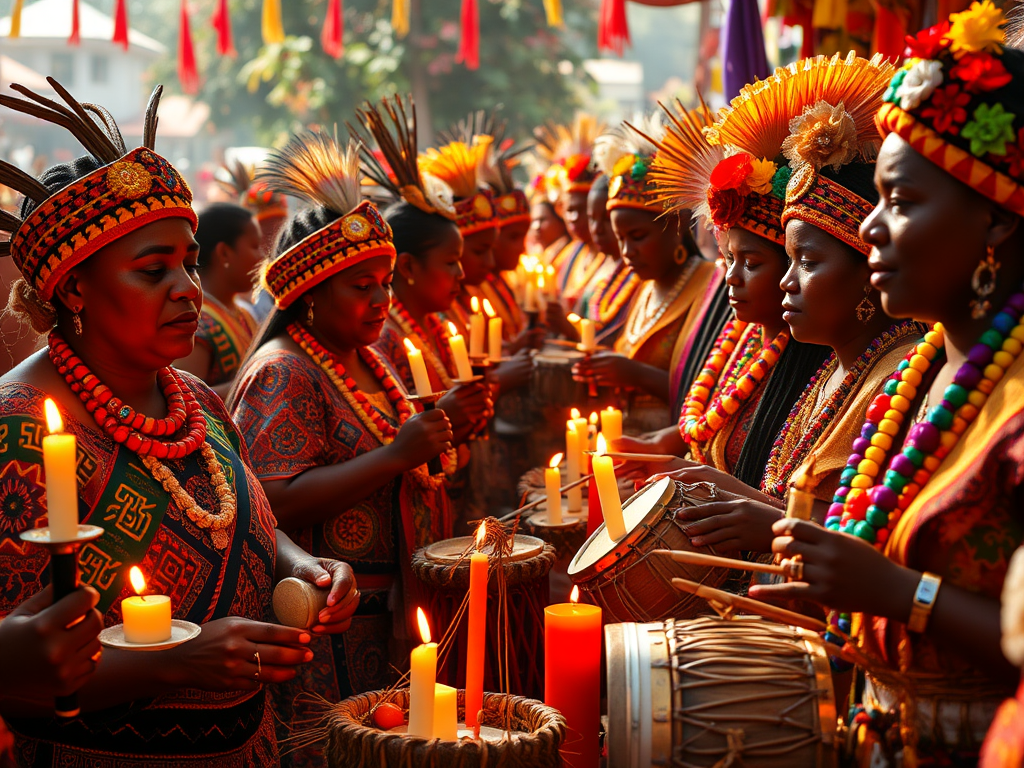
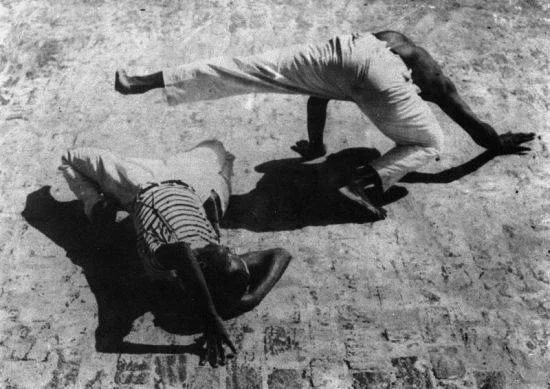


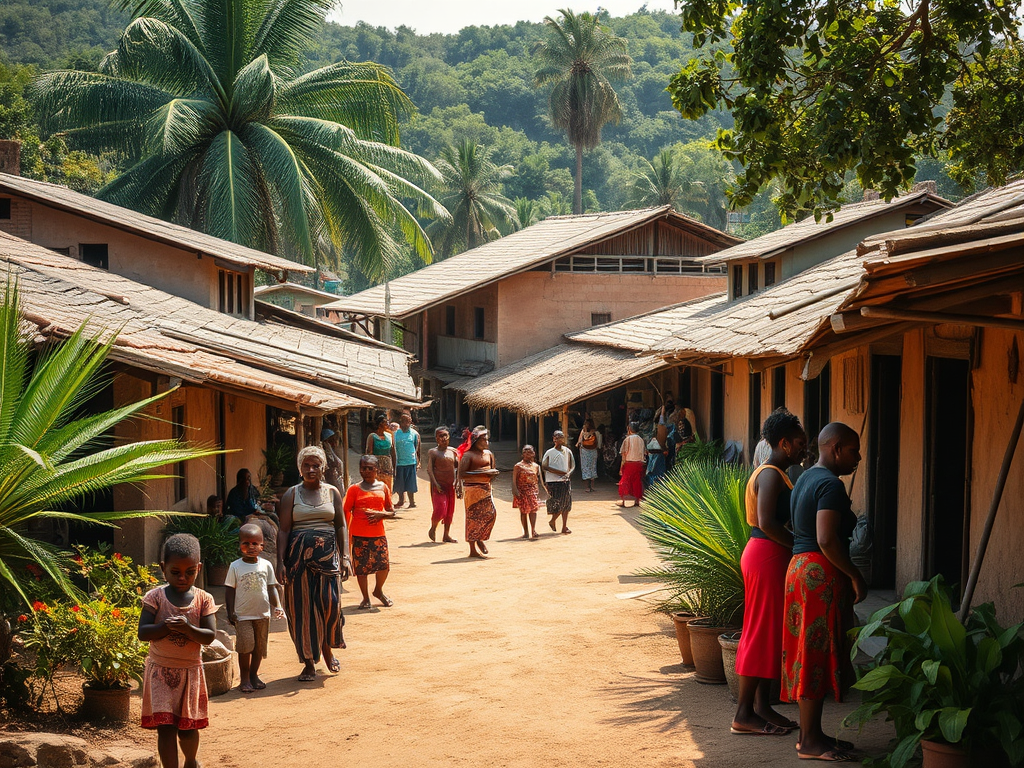
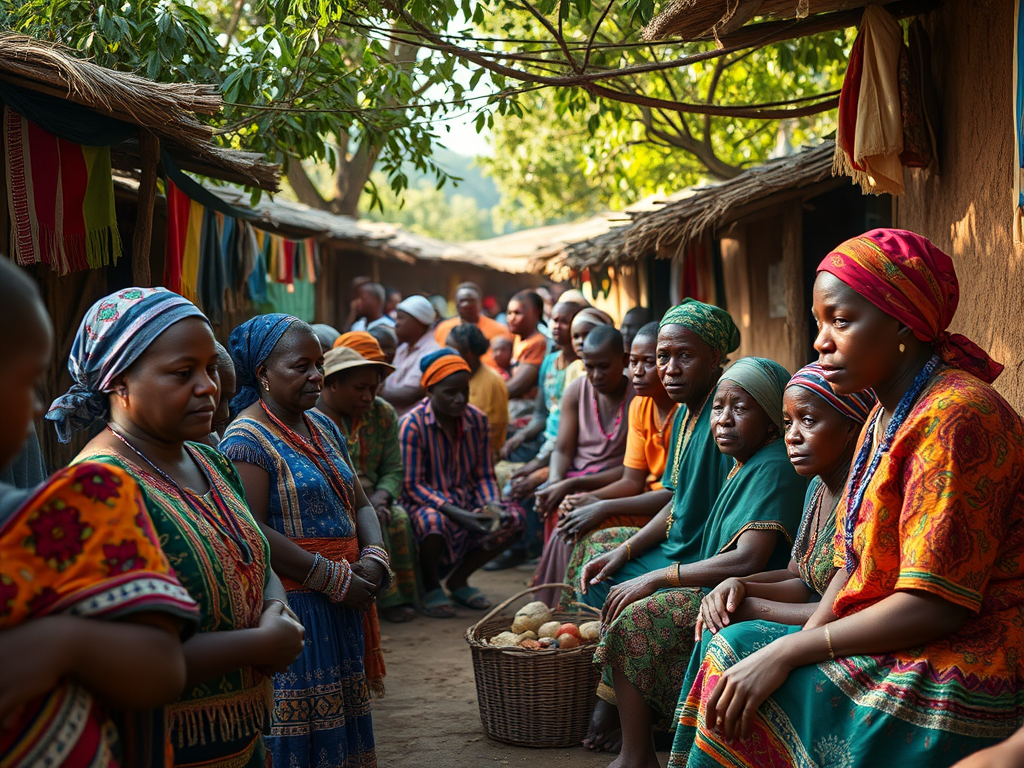
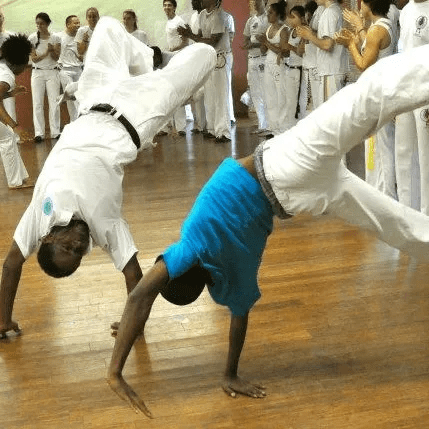
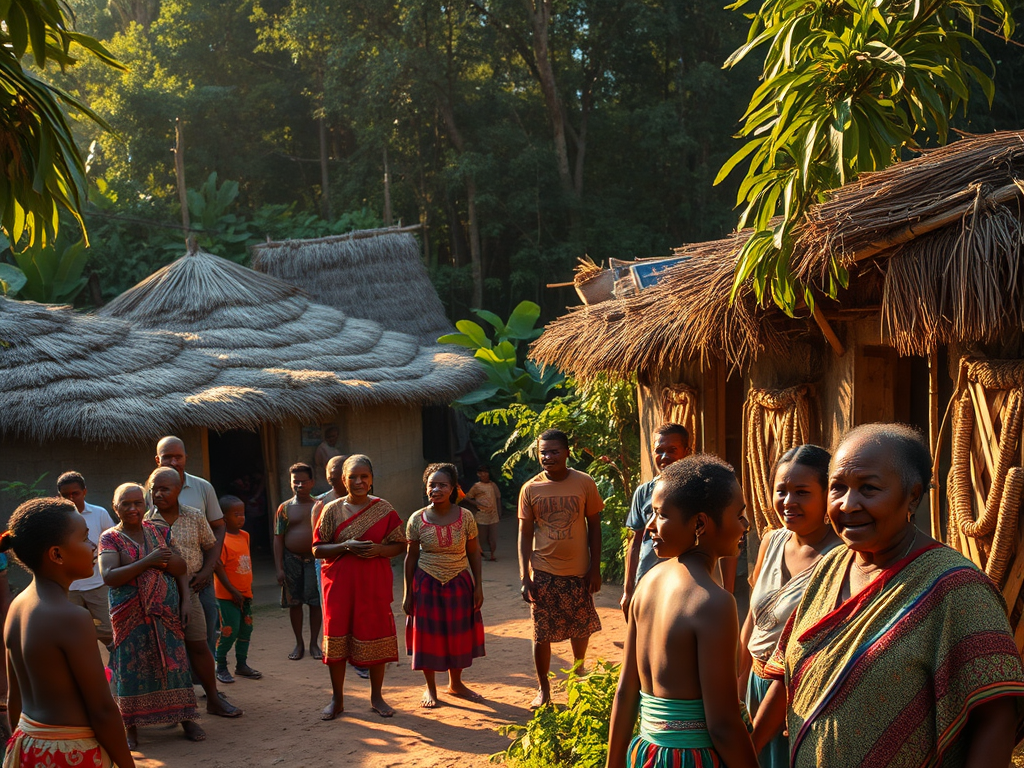

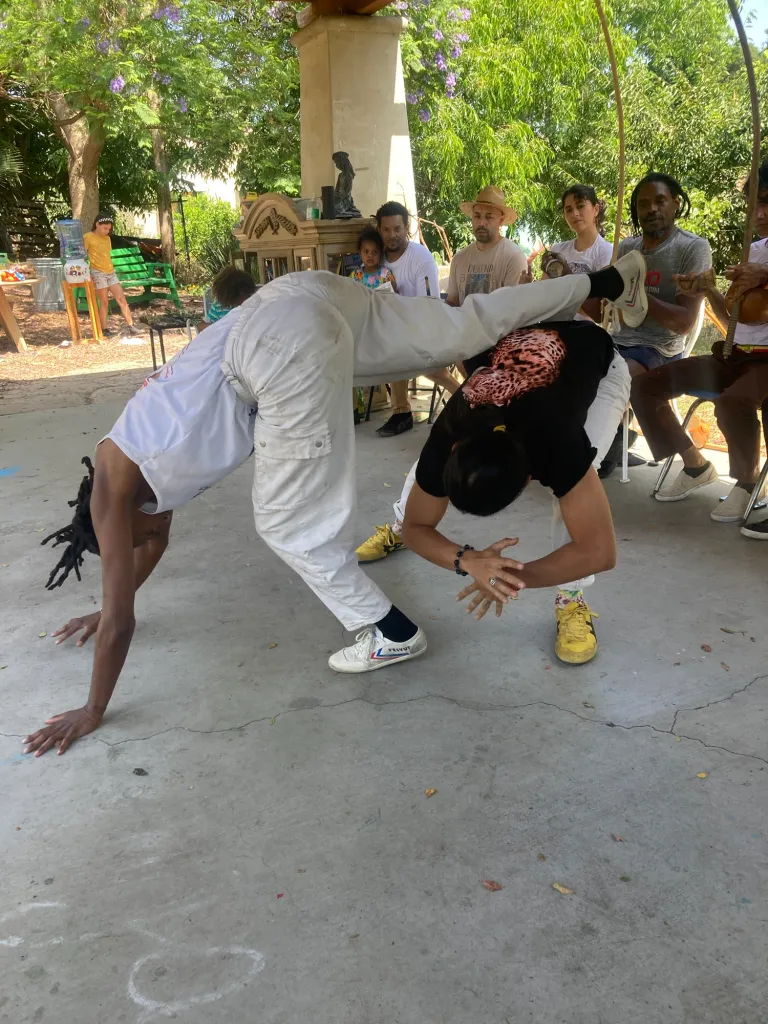
 Jogo Corpo Fechado