The Enduring Legacy of Capoeira Angola: More Than Just a Game
Online videos of Capoeira Angola offer a captivating and vital window into this rich cultural tradition, serving as both indispensable archives and dynamic educational resources. These visual records are crucial for preserving and transmitting the intricate blend of music, movement, self-defense, and profound history that defines the art. They capture the astounding agility, technical prowess, and strategic depth found within every choreographed movement and spontaneous interaction.
Crucially, these documented moments explore Capoeira’s deep historical roots and immense cultural significance, emphasizing its role not just as a physical discipline, but as a unifying social force. Within the roda (the circle where the game is played), Capoeira strengthens community connections, fosters mutual respect, and serves as a powerful expression of collective identity. Beyond the sheer performance of the jogo (game), the preserved footage inspires and educates future generations by embodying core Capoeira values: resilience in the face of adversity, boundless creativity, and unwavering cultural pride.
A significant element of the video archive is the inclusion of interviews and testimonials from esteemed mestres (masters) and high-ranking students. These personal narratives provide essential context, offering deep insights into the transformative impact and discipline that Capoeira instills in its practitioners. They bridge the gap between the historical origins of the art and its contemporary, living practice.
Ultimately, the visual record of Capoeira Angola—in every filmed jogo and roda—stands as a comprehensive and invaluable resource. It is foundational for anyone seeking a deep appreciation for the art, essential for understanding its historical roots, and key to recognizing its sociological complexity. Capoeira Angola is a powerful, living form of cultural expression, a profound act of historical preservation, and a testament to the enduring power of human unity and resistance.
A Tribute to the Axé: Celebrating Contra Mestra Rita Angoleira
Today, my focus shifts from the general body of work to a specific, luminous individual who embodies the axé (life force, energy) of Capoeira Angola: Contra Mestra Rita Angoleira.
She is more than just a highly skilled angoleira (a female practitioner of Capoeira Angola); she is a lovely soul, a dedicated mother, and a vital sister within the wider Capoeira community. Her presence brings not only technical skill but also warmth and spirit—the dendê (a term referencing the powerful, fiery energy derived from the Afro-Brazilian palm oil, often used to signify vigor and spirit in the game).
I first had the distinct pleasure of meeting Contra Mestra Rita and watching her play at an unforgettable open Roda in Los Angeles State Historic Park. It was on the evening of December 27th, 2025—fittingly dubbed the “Last Roda” of the year. I had brought a friend of mine, who had only started her journey with Capoeira Angola a few months prior. My intention was for her to witness the vibrant, diverse spirit of the Los Angeles Capoeira scene and see how practitioners of all styles “get down” in this community.
Contra Mestra Rita played one of the very first games that evening, and her performance was nothing short of incredible. Her movement was fluid, powerful, and deeply rooted in the tradition. I was instantly amazed, and profoundly happy that her game was the introduction my friend saw in Capoeira Angola from an accomplished leader outside of her immediate school. It was a moment of pure inspiration, showcasing the art at its highest level.
This video wasn’t from that day, but it does show what an amazing player Contra Mestre Rita is.
Building on that inspiration, I am incredibly proud and excited to announce a fantastic opportunity for our local community. This coming Tuesday night, March 31st, Contra Mestra Rita Angoleira will be sharing her knowledge and spirit by teaching a special class and workshop at my teacher’s school.
The event is scheduled to run from 7:00 PM until approximately 9:30 PM. This is a chance to learn directly from a master, to absorb her unique perspective on the jogo, music, and philosophy of Capoeira Angola.
Therefore, this entire post serves as a dedicated tribute to Contra Mestra Rita Angoleira, and by extension, to every Angoleira who sustains this powerful tradition. These remarkable individuals embody the essence of the culture, dedicating their lives to the art form and ensuring its vitality for future generations. To those who step into the roda, holding it up with their skill and spirit, they create a vibrant tapestry of movement and sound that resonates with the history and struggles of their ancestors. They connect deeply with the roots of their art, managing to blend the past and present while fostering a sense of community and belonging among practitioners and admirers alike. In every beat of the berimbau, they bring dendê and axé into every song and every movement, infusing their performance with energy that captivates the audience and honors the legacy of those who came before them in this beautiful, transformative journey.
Capoeira Angola videos available online offer a captivating window into a rich and vibrant cultural tradition. These digital showcases go beyond simple instruction, acting as vital archives of Capoeira’s evolution as a complex, multifaceted art form. They meticulously document the intricate interplay of music, movement, self-defense, and historical expression. Viewers are treated to demonstrations of astounding agility and technical prowess, witnessing practitioners execute intricate movements that seamlessly integrate elements of acrobatics, rhythm, and strategy.
Crucially, these videos are invaluable resources for exploring the deep, often-untold history of Capoeira, placing it within the context of its origins and cultural significance. They consistently emphasize the art’s powerful role in fostering and strengthening community connections. Capoeira is presented as a unifying force, an art capable of transcending societal barriers and bringing together diverse individuals from various backgrounds and social groups within the unifying space of the roda (the circle where Capoeira is played).
Beyond mere performance, the footage serves an essential educational purpose, portraying Capoeira as a dynamic, living tradition that actively inspires and nurtures future generations. The demonstrations embody core values such as resilience, a deep-seated creativity necessary for improvisation within the game, and a profound sense of cultural pride. By witnessing the passion and commitment of the players, viewers are not merely entertained; they are issued an invitation to participate in this unique blend of dance, self-defense, and martial philosophy.
A significant element of these online features includes interviews with seasoned practitioners, often referred to as mestres (masters) or high-ranking students. These personal accounts provide depth and context, revealing intimate details about their individual journeys, the transformative impact Capoeira has had on their lives, and the profound sense of belonging and discipline it has instilled.
The Enduring Legacy of Capoeira Angola: A Resource for Understanding and Appreciation
The visual record of Capoeira Angola, captured in every filmed jogo (game) or roda (the circle in which the game takes place), is far more than mere documentation. These videos fulfill a profound dual role: they not only entertain with the sheer physical beauty, intricate strategy, and fluid performance of the art, but they also serve as a vital, accessible, and comprehensive resource. By offering an unedited glimpse into the practice, they are essential for truly understanding the deep historical roots, the sociological complexity, and the cultural significance of Capoeira Angola. Ultimately, through this visual medium, a deeper appreciation is fostered for this dynamic art form—recognizing it not just as a martial art or a dance, but as a powerful, living means of cultural expression, historical preservation, and a testament to human unity and resilience.
A Glimpse into the Living Tradition: Angoleiros do Sertão London Open Roda Anniversary
The enduring vitality and communal spirit of the Capoeira Angola tradition are perfectly exemplified by consistent community events, such as the one celebrated by Angoleiros do Sertão London. A particularly significant date was Saturday, April 6th, 2024. This day did not just mark another monthly gathering; it celebrated the second-year anniversary of the Angoleiros do Sertão London community open rodas.
These open rodas are a commitment to consistency, a practice that takes place faithfully on the first Saturday of every month. By maintaining this reliable schedule, the London community creates essential gathering points. These events transcend individual group affiliations, allowing practitioners (capoeiristas) from various schools, lineages, and backgrounds to meet, train together, exchange knowledge, and collectively celebrate the art. The open roda fosters a cross-pollination of styles and a reinforcement of the overarching global Capoeira family.
The Featured Jogo: A Dialogue in Movement
The emotional and technical centerpiece of the anniversary celebration was a high-level game played in the center of the roda, showcasing the collaborative and respectful spirit of the wider Capoeira community. This particular pairing featured:
Contra Mestre James Berimbau (representing Angoleiros do Sertão London)
Treinel Lazaroni (representing UR Capoeira)
This game was a masterclass in the slow, strategic, and deceptive movements characteristic of Capoeira Angola. The pairing of a Contra Mestre and a Treinel from different schools highlighted the collaborative spirit of the community, where rank and affiliation are set aside to engage in a profound and respectful dialogue of movement. The resulting jogo was not a conflict but a sophisticated exchange, marked by deep knowledge, mutual respect, and skillful improvisation.
The Bateria (Musical Orchestra): The Soul of the Roda
The rhythm, energy, and overall temper of the jogo are not controlled by the players but are entirely dictated by the bateria, the musical orchestra that provides the soul and heartbeat of the roda. For the anniversary event, the musicians present comprised a dedicated and highly skilled lineup of instrumentalists, each fulfilling a specific, crucial role in weaving the complex musical tapestry that guides the game.
Instrument
Musician
School/Community
Role in the Roda
Viola (Smallest Berimbau)
Treinel Ian
Filhos de Angola
Responsible for the counter-rhythm. It is the most melodic berimbau, weaving complex variations and maintaining the melodic line against the Gunga.
Gunga (Largest Berimbau)
CM Boneco
[School name not specified]
The lead berimbau and conductor of the orchestra. It plays the main toque (rhythm), sets the speed and type of game, and dictates when the jogo begins and ends.
Berra-boi (Medium Berimbau)
Joel
Angoleiros do Sertão London
Plays a rhythm that strategically bridges the Gunga and the Viola. Its role is to add rhythmic complexity and depth, complementing both the lead and the counter-rhythm.
Atabaque (Tall Drum)
Peppa
Angoleiros de Kanaga
The primary drum, establishing the fundamental, unwavering pulse and heartbeat of the roda. It is the rhythmic anchor for all other instruments.
Pandeiro 1 (Tambourine)
Lupo
FICA
Provides a driving, consistent rhythm, adding texture and a bright, metallic jingling quality to the music.
Pandeiro 2 (Tambourine)
Ben
UR Capoeira
Complements the first pandeiro, often adding syncopation or a slightly different rhythmic pattern to create a richer, more layered percussive sound.
Agogô (Double Bell)
Alex
UR Capoeira
Provides a vital, high-pitched, clear rhythmic pattern that cuts through the bass-heavy tones of the atabaque and the drone of the berimbaus.
Reco-reco (Scraper)
Treinel Joana
Menino quem foi seu Mestre – Mestre Roberval
A distinctive percussive instrument that adds a grating, high-pitched scratching sound, filling out the high-end frequency of the orchestra.
The heartbeat of the Capoeira roda lies within the collective effort of the bateria, the musical ensemble whose rhythm and energy are utterly indispensable. This intricate group, typically featuring the berimbau (often three, each playing a different melodic/rhythmic role), atabaque, pandeiro, agogo, and reco-reco, serves as the conductor of the entire experience. Their intricate interplay of traditional Brazilian and African rhythms ensures that the Capoeira roda remains a dynamic, cohesive, and fully integrated experience.
Within this circle, music, the acrobatic movement of the players, the traditional songs (quadras and corridos), and the deep historical and philosophical context are not merely related elements but are, in fact, inseparable, creating a living, breathing expression of this martial art and cultural heritage. The tempo and style set by the lead berimbau and the bateria dictate the pace, intensity, and nature of the game being played, seamlessly connecting the sound to the kinetic energy and narrative unfolding in the center of the roda.
This post springs from a truly inspiring conversation I had recently. It unfolded between myself, a fellow student named Tre, and our exceptional ESGRIMA DE MACHETE Y BORDON teacher, Sonny Batata, after a class. We found ourselves discussing certain fundamental aspects of African American culture, diving deep into its rich complexities and historical context. During this insightful discussion, Sonny shared a thought-provoking video with us that focused on the systemic factors explaining how and why Black America has been historically held back.
Here at Jogo Corpo e Fechado, our core mission is to honor, study, and celebrate all aspects of African and African diasporic cultures, recognizing their profound global impact and resilience. In keeping with that commitment, today I want to dedicate this post to elaborating on a specific, vibrant, and transformative aspect of Afro-American culture: Hip Hop. This cultural movement, which began over five decades ago, has not only defined generations but has irrevocably taken the world by storm, influencing music, fashion, language, art, and social commentary across every continent. Its fifty-plus years of existence mark it as one of the most significant cultural exports in modern history.
Rap, R&B, and Hip Hop Culture:
Emerging from the urban centers of the late 20th century, particularly the Bronx, New York, Hip-Hop culture is a potent, multifaceted global phenomenon that has profoundly reshaped modern music, fashion, language, and art. Born out of marginalized communities, it served as a creative and expressive response to socio-economic challenges and a lack of resources, giving a voice to the voiceless.
The culture is fundamentally defined by its four core elements, often referred to as the “four pillars”:
MCing (Rapping): This is the rhythmic, rhyming, and often poetic delivery of lyrical narratives over a beat. It serves as a powerful and unfiltered medium for storytelling, political commentary, social critique, philosophy, and linguistic innovation. The MC is the orator, channeling personal and communal struggles, triumphs, and observations into complex verse structures.
DJing: The original foundation of the sound, DJing involves the manipulation of music using turntables and a mixer. Pioneers developed innovative techniques like scratching, beat-juggling, and looping breaks (the most rhythmic, instrumental parts of records) to create continuous, danceable music, laying the sonic groundwork for both Hip-Hop and Rap.
B-Boying/B-Girling (Breakdancing): This dynamic, athletic form of street dance emerged as a visual component of the culture. Characterized by intricate footwork, power moves (such as headspins and windmills), freezes, and stylistic flair, B-Boying is a form of competitive physical artistry and self-expression.
Graffiti Art (Writing): As a visual language, graffiti art involves stylized, often large-scale murals and tags executed in public spaces. It functions as a declaration of identity and territory, a form of artistic reclamation, and a vibrant, if sometimes controversial, commentary on the urban landscape.
Rap, R&B, and Hip Hop Culture: A Global Phenomenon
Beyond the foundational and celebrated “four elements”—MCing (rapping), DJing (turntablism and beat production), breakdancing (B-boying/B-girling), and graffiti art (aerosol art)—Hip-Hop has organically grown into a sprawling, multi-faceted cultural ecosystem. This powerful influence now seamlessly encompasses global fashion trends, specialized linguistic innovation and slang, a strong spirit of entrepreneurship, and a complex philosophy. From its raw genesis in community parks, Hip-Hop has consistently and aggressively redefined the global popular music landscape, demonstrating an unmatched capacity for artistic and commercial evolution. It has transformed dramatically from its initial community-driven block party roots—born out of necessity and serving as a creative, non-violent response to social and economic neglect—into the single most commercially dominant and culturally influential music genre worldwide. Despite this massive commercial success, Hip-Hop has remarkably maintained its foundational ethos as a potent, authentic platform for critical social commentary, storytelling, and a powerful catalyst for profound social change and youth empowerment.
History: The Birth of a Movement
Hip-Hop, a global cultural phenomenon, was not born in a boardroom or a recording studio but emerged organically from the neglected and economically challenged streets of the South Bronx, New York, in the early 1970s. This revolutionary movement was pioneered by resourceful Black and Puerto Rican youth who ingeniously fused their disparate cultural heritages and musical interests into a potent new form of expression and community building.
The bedrock of this cultural edifice was built by key visionary figures, each contributing an indispensable element to what would become the four pillars of Hip-Hop: DJing, MCing, B-boying/B-girling (breakdancing), and Graffiti Art.
DJ Kool Herc (Clive Campbell): Widely regarded as the founding father, this Jamaican-born pioneer introduced the rhythmic and organizational principles of Jamaican sound system culture to the Bronx. His most significant innovation was the “Merry-Go-Round” technique—the isolation and continuous looping of the most rhythmic, percussive sections of records, known as the “breakbeats.” By using two turntables, Herc could extend these instrumental “breaks” indefinitely, providing a sustained, energetic platform for dancers (B-boys and B-girls) to showcase their most intricate moves.
Grandmaster Flash (Joseph Saddler): A technical virtuoso, Flash refined and elevated the art of DJing to an unprecedented level. He innovated advanced, essential techniques such as scratching (creating rhythmic sounds by moving the record back and forth under the needle), punch-phrasing (manipulating records to create new rhythmic patterns), and cutting (seamlessly transitioning between two records). His mastery transformed the DJ from a simple selector of music into a creative, instrumental performer.
Afrika Bambaataa (Lance Taylor): Often called the “Godfather” of Hip-Hop Culture, Bambaataa was instrumental in articulating the culture’s foundational philosophical principles and promoting a positive, unifying message. As the founder of the Zulu Nation, he championed the culture as a conscious alternative to the destructive cycle of gang violence that plagued the borough. Bambaataa blended the electronic rhythmic foundations of Kraftwerk with the funk and soul of classic records, emphasizing cultural awareness, artistic mastery, and non-violent, competitive expression.
These visionary artists seamlessly blended the rhythmic intensity of funk and soul records, the repetitive, propulsive four-on-the-floor beat of disco, and the structural creativity of the sound system aesthetic. This foundational period laid the essential groundwork for an entire global culture, prioritizing community expression, artistic mastery, and non-violent competition as a powerful social mechanism for self-determination and empowerment. The extended instrumental break sections they created soon became the ultimate stage for the MCs (Masters of Ceremony) to develop their vocal skills, evolving from mere hype men into the lyrical storytellers of the emerging genre.
Philosophy: Peace, Authenticity, and the Challenge to the Status Quo
The foundational philosophical framework of Hip-Hop, initially articulated and widely promulgated by Afrika Bambaataa and the Universal Zulu Nation, is centered on the core tenets of “Peace, Love, Unity, and Having Fun.” This original maxim provided a positive, unifying structure intended to divert inner-city youth away from gang violence and destructive behaviors toward creative expression and community building.
However, the culture simultaneously embodies a far more complex and nuanced set of internal ideas that directly reflect its origin as an expressive voice for the marginalized, the dispossessed, and the systematically oppressed. Central to this lived philosophy is the concept of “Keepin’ It Real”—a powerful, non-negotiable demand for unvarnished authenticity, genuine self-representation, and fidelity to one’s own lived experience and communal history. This value rejects artifice and performative posturing, insisting on truth in lyrics, attitude, and lifestyle.
Masterful storytelling is not merely an artistic preference but a critical tool for survival and social documentation. Through vivid narrative and lyrical dexterity, Hip-Hop artists chronicle the realities of urban life, systemic inequalities, personal triumphs, and internal struggles, thereby giving form and weight to narratives often ignored or misrepresented by mainstream institutions.
Furthermore, the culture carries a perpetual, inherent dedication to challenging the status quo and relentlessly questioning authority. Born from a context of socio-economic disparity and political neglect, Hip-Hop acts as an active form of counter-culture, criticizing governmental policies, exposing hypocrisy, and advocating for social justice. It is inherently a voice for the voiceless, prioritizing the distinct, highly individualized narrative and agency within the broader context of collective empowerment.
Finally, Hip-Hop places an extremely high value on artistic mastery, linguistic innovation, and technical skill (known as “flow” and “mic control”). These attributes are not sought for aesthetic reasons alone; they are viewed as essential, powerful tools for achieving social mobility, economic independence, and establishing intellectual authority. Superior skill is recognized as a legitimate pathway to transcend prescribed social and economic boundaries.
Culture: A Dynamic, Entrepreneurial Aesthetic – The Global Impact of Hip-Hop
Hip-Hop culture is not merely a genre of music; it is a profound, globally-adopted aesthetic and a self-referential cultural phenomenon characterized by its restless dynamism and ever-evolving field of creative expression. Its influence has transcended artistic boundaries, establishing itself as a dominant force in popular culture and commerce worldwide.
The foundational pillars of Hip-Hop—often cited as DJing, MCing, breakdancing, and graffiti art—created a complex, active interplay of sound, visual art, movement, and a unique vernacular. This vernacular constantly injects new vocabulary, slang, and idiomatic expressions into the mainstream lexicon, demonstrating the culture’s power to shape communication globally.
Furthermore, Hip-Hop has been an unparalleled engine for fashion and style. This influence has spanned decades, starting with the early adoption of oversized silhouettes, brand-driven sportswear, and gold jewelry in the 1980s and 90s, which signaled both identity and status. Today, this sartorial legacy has matured into a sophisticated, multi-billion-dollar market, evidenced by the ubiquitous presence of luxury streetwear. Major artists now routinely engage in high-end collaborations, securing creative director roles at esteemed fashion houses, thereby validating Hip-Hop’s place at the pinnacle of global style and design.
Crucially, the success of Hip-Hop is underpinned by a robust and aggressive entrepreneurial spirit. Driven by artists and creators who recognized the immense commercial power of their aesthetic and voice, the culture fostered a powerful DIY (Do-It-Yourself) ethos. This self-determination has led to the creation of hugely successful, independent record labels (such as Def Jam, Bad Boy, and Roc-A-Fella in their early days), global clothing lines, innovative marketing agencies, and diversified media empires. This vertical integration of creativity and commerce, often bypassing traditional industry gatekeepers, has solidified Hip-Hop’s standing not just as an artistic movement, but as a significant, enduring global economic force that empowers its participants to own and control their creative output and commercial destiny.
Intertwining with R&B: The Symbiotic Sonic Bedrock
Rhythm and Blues (R&B), while a venerable and distinct genre with its own long and foundational history rooted in gospel, blues, and jazz traditions, is profoundly and inextricably intertwined with Hip-Hop. The relationship is fundamentally symbiotic and mutually beneficial. R&B often provides the soulful samples, sophisticated chord progressions, and lush melodic structures that serve as the harmonic and emotional bedrock for countless Hip-Hop tracks, injecting a necessary element of warmth and musical complexity. Furthermore, the genres frequently and successfully collaborate on vocal performances, with R&B artists lending their smooth, often intricate hooks and complex harmonies that significantly enrich and diversify the overall soundscape of modern urban and popular music. This collaborative history is not merely incidental; it is absolutely essential to understanding the sonic richness, commercial versatility, and mainstream dominance of contemporary Hip-Hop and R&B music.
So… What does rap and Hip Hop have to do with Capoeira Angola?
This connection, while not always immediately apparent, is deeply rooted in the shared history, cultural aesthetics, and political consciousness of the African diaspora. Both are powerful, multi-faceted cultural expressions that emerged from marginalized communities and serve as vehicles for communication, resistance, and self-expression.
Capoeira Angola, with its origins in enslaved Africans in Brazil, is a complex blend of martial art, dance, and music. It was a tool for both physical defense and cultural preservation, disguised as a dance to evade colonial authorities. The roda (the circle in which Capoeira is played) is a space for communal storytelling, history, and improvisation, powered by the rhythmic instruments like the berimbau and the call-and-response songs.
Similarly, Hip Hop—encompassing rap, DJing, breaking (breakdancing), and graffiti—arose from the economically disenfranchised, predominantly Black and Latino communities of the Bronx in the 1970s. It was a creative response to urban decay, social inequality, and police violence. Rap music, in particular, became the lyrical voice of the movement, using complex rhythm and rhyme schemes to articulate social commentary, personal narratives, and cultural pride.
The essential ties lie in several key areas:
Improvisation and Flow: Both demand high levels of physical and verbal improvisation. In Capoeira, the jogo (the game) is a constant, spontaneous dialogue between the two players. In rap, “flow” is the rapper’s ability to manipulate rhythm and meter, creating a spontaneous, dynamic, and unique lyrical style.
Rhythm and Call-and-Response: The musical backbone of both is based on African rhythmic traditions. Capoeira Angola is entirely dictated by the beat of the berimbau. Hip Hop’s foundation is the breakbeat, often looped and manipulated by a DJ, and the vocal style frequently employs the African-derived call-and-response pattern that fosters community participation.
The Cypher/Roda as Sacred Space: The roda in Capoeira and the cypher (the circle formed by B-boys/B-girls, rappers, or beatboxers) in Hip Hop are structurally and functionally similar. They are defined, enclosed spaces where participants engage in a competitive yet supportive display of skill, respect, and cultural knowledge. They are stages for performative identity and mastery.
Aesthetics of Resistance and Subversion: Both forms embody a spirit of resistance. Capoeira hid martial skill in dance. Hip Hop culture, especially through graffiti and lyrical content, often subverts mainstream narratives and challenges the status quo, transforming overlooked, marginalized spaces and voices into platforms of power.
Physicality and Acrobatics: The dynamic, often floor-based acrobatics of Capoeira Angola find a clear echo in the power moves and footwork of breaking. Both emphasize a mastery of body control, balance, and gravity-defying maneuvers that are central to the performance.
The deep connection between rap, Hip Hop culture, and Capoeira Angola is ultimately revealed by recognizing them as parallel and profound movements of cultural survival and creative ingenuity born from the global African diaspora. These cultural forms are not merely entertainment; they are dynamic, living archives of shared history, enduring resistance, and vibrant community, expressed through a powerful synthesis of movement, music, and voice.
Rap and Hip Hop, emerging from the socio-economic crucible of the Bronx in the 1970s, provided a voice for disenfranchised youth, transforming urban blight into a space for artistic expression. The four core elements—rapping (MCing), DJing, B-boying/B-girling (breakdancing), and graffiti art—each represent a unique form of cultural literacy and historical reclamation. The rhythmic complexity of the music and the verbal dexterity of the MCs echo the call-and-response traditions and the griot storytelling heritage of West Africa. B-boying, with its intricate footwork, freezes, and power moves, draws a kinetic parallel to the circular dance and strategic play of Capoeira.
Capoeira Angola, conversely, is an Afro-Brazilian martial art and a dance, created by enslaved Africans as a means of physical self-defense, community bonding, and resistance against colonial oppression. Its structure—the roda (the circle), the berimbau (the lead instrument), the songs, and the fluid, low-to-the-ground movements—is a meticulously preserved system of coded communication and historical memory. The mandinga (the trickery, cunning, and soul of the game) is the philosophical core that ties strategy to rhythm.
The shared essence lies in their functionality as tools for empowerment. Both Capoeira Angola and Hip Hop culture provided a non-violent, yet intensely powerful, means for marginalized populations to establish identity, assert dignity, and create a self-determined space outside of the dominant culture’s control. They utilize the body as an instrument of cultural preservation and the circle (the roda or the cypher) as a sacred, democratic space where skill, respect, and dialogue are paramount. The improvisational nature of both forms—the freestyle rap, the breakdance battle, the Capoeira game—underscores a shared commitment to spontaneity, personal narrative, and an ongoing, competitive yet collaborative, dialogue with history and the present moment.
In 1977, amidst a period of political and cultural ferment in Brazil, a band hailing from Rio de Janeiro released a seminal work that would irrevocably alter the landscape of Brazilian popular music. That band was Banda Black Rio, and the album was the legendary Maria Fumaça (meaning “Smoke Train”). Far from a simple musical release, Maria Fumaça became a manifesto, a vibrant and complex sonic tapestry that captured the energy of an emerging Afro-Brazilian cultural movement.
A Groundbreaking Fusion: Samba, Soul, Funk, and Jazz
The genius of Banda Black Rio lay in their revolutionary approach to genre. Under the leadership of the brilliant multi-instrumentalist and arranger Oberdan Magalhães, the band forged a completely new style. They masterfully blended the foundational Brazilian rhythms of samba and its modern evolution, samba-funk, with the powerful, syncopated grooves of American funk, the soulful depth of soul music, and the harmonic sophistication of jazz. The result was a sound that was intensely Brazilian yet utterly global, creating a sophisticated musical conversation between the streets of Rio and the sounds emerging from Philadelphia and New York.
This potent musical hybrid was more than just an aesthetic choice; it was a cultural statement. Banda Black Rio successfully channeled the raw, celebratory energy of the bailes black—the black dances or parties that were vital social and cultural hubs in Rio’s suburbs—and brought that energy, that sense of self-celebration and identity, to the national and international stage. The music became a powerful expression of Afro-Brazilian identity and pride during a time when such expressions were highly significant.
Diving Deep into the Album’s Legacy
This video essay embarks on an extensive journey to uncover the story behind this landmark record. We will trace the rise of Banda Black Rio, examining the core philosophy behind their unique sonic experiment: the seamless fusion of deep Brazilian rhythms with the powerful structures of American funk and jazz.
Maria Fumaça is revered as one of the most important instrumental albums in Brazilian history. Its tracks—from the titular, driving funk anthem to the jazzy, sophisticated arrangements—serve as a masterclass in ensemble performance and arrangement. We will analyze how Oberdan Magalhães and the band, featuring an incredible lineup of musicians, constructed these complex pieces.
The Black Rio Movement and Enduring Influence
Crucially, the band’s rise cannot be separated from the broader cultural and social phenomenon of the 1970s known as the Black Rio movement. This movement was a cultural renaissance centered on embracing black aesthetics, music, and identity, heavily influenced by figures like James Brown and the emerging hip-hop scene, yet rooted firmly in Brazilian context. Banda Black Rio was the instrumental voice of this movement, connecting the dots between global black culture and local Brazilian reality.
Their influence did not end in the 70s; it established a profound and lasting legacy that permeates Brazil’s music scene today. The foundation they laid can be clearly heard in subsequent genres, including:
Samba-Rock: The vibrant dance-oriented fusion that directly built upon their initial mix.
Pagode: The soulful, highly rhythmic sub-genre of samba.
Contemporary Brazilian R&B and Hip-Hop: The current generation of Brazilian artists in these genres continually cite Banda Black Rio as a primary inspiration, recognizing their pioneering role in bridging the gap between funk/soul and Brazilian popular music.
Join us on a deep dive into the making and enduring impact of a truly seminal album. We will meticulously discover how this extraordinary collection of music came into existence, tracing the creative lineage, the innovative recording process, and the cultural forces that shaped its sound. The album wasn’t just a collection of songs; it was a vibrant cultural touchstone that perfectly captured the restless, hopeful, and revolutionary spirit of a generation, providing an essential soundtrack to a pivotal moment in history.
More than four decades later, the groundbreaking musical fusion pioneered by Oberdan Magalhães and his legendary collective, Banda Black Rio, continues to be a powerful and essential reference point. We will explore in detail why their legacy—a unique blend of funk, soul, and distinctively Brazilian rhythms like samba and baião—not only persists but continues to resonate as loudly, inspirationally, and relevantly as ever within the global music landscape, influencing contemporary artists and captivating new listeners with its timeless energy.
A heartfelt shoutout and sincere appreciation go out to Black Brazil Today for the creation and posting of this insightful and crucial video. Their dedication to presenting a more accurate and nuanced view of Brazil is commendable.
To delve deeper and gain more comprehensive information on the important work they are doing, we strongly encourage you to visit their official, amazing website:
Black Brazil Today serves as an essential platform dedicated to exploring and sharing the true narrative of Brazil, one that often goes unacknowledged in mainstream media. By subscribing to their channels and following their content, you will gain access to:
Insightful Discussions on Race: Unpacking the complexities of race relations, history, and the lived experiences of Black Brazilians.
Deep Dives into Culture: Celebrating the profound and often uncredited contributions of Afro-Brazilian culture to the national identity.
Critical Media Analysis: Providing a necessary counter-narrative to how Blackness and Brazilian society are typically represented in various media.
We urge you to explore the rich, multifaceted, and often-untold history and contemporary reality of Brazil through their lens. Your support helps amplify vital voices and perspectives.
When first considering the art forms of Capoeira and Vogue, it is understandable that one might struggle to find common ground. On the surface, they appear to exist in completely different cultural, historical, and geographical spheres. Capoeira, the Afro-Brazilian martial art that blends fighting, acrobatics, music, and dance, evokes images of sun-drenched rodas and centuries of resistance. Vogue, the highly stylized, modern house dance originating from the Harlem ballroom scene, suggests the vibrant, assertive self-expression of marginalized communities in urban America.
I must admit, my initial reaction was one of skepticism; I simply couldn’t quite see how a historical, ritualized martial art and a contemporary, high-fashion dance form could have anything meaningful in common.
However, the deeper I delved into the philosophy, movement vocabulary, and cultural significance of both practices, a powerful and undeniable connection began to emerge—a kinship rooted in resilience, improvisation, theatricality, and a profound commitment to self-assertion. This exploration has been a journey of discovery, forcing me to challenge preconceived notions about movement and cultural dialogue.
I am more than happy to be proven wrong in my initial assessment. The intersections of Capoeira and Vogue offer a compelling case study in how seemingly disparate forms of embodied expression can share a common DNA of survival and spectacular creativity. The following article details the unexpected and beautiful resonances between these two dynamic, powerful, and deeply significant cultural practices. Enjoy the exploration of this fascinating dialogue.eped in a rich and sometimes painful history, yet they share a surprising and profound number of parallels. Both are sophisticated languages of the body, particularly in their emphasis on complex movement, dramatic self-expression, the channeling of competitive energy, and the creation of a defined, protected community space for performance. Exploring the connection between these two forms offers a fascinating and critical lens through which to examine global artistic currents, the power of marginalized communities to create and preserve culture, and the universal human desire for radical self-definition.
Capoeira: A Dance-Fight of Resistance, Flow, and Cunning
Capoeira originated in Brazil, ingeniously developed by enslaved Africans primarily from West and Central Africa. To evade detection and the severe punishment of their oppressors, they creatively disguised a sophisticated and deadly martial art as an innocent-looking, rhythmic dance. This duality—the art of masking aggression with grace—is the very soul of Capoeira. It is characterized by fluid, acrobatic movements, high-velocity kicks, powerful sweeps, and the continuous, swaying motion known as the ginga.
The practice is inseparable from its musical foundation. Every jogo (game) is always accompanied by the potent, driving rhythm from the berimbau (a single-string percussion instrument that dictates the pace and intensity), the atabaque (a hand drum), and traditional songs, which often tell stories of history, struggle, and resistance.
Key Characteristics and Cultural Function:
Ginga (The Flow and Deception): The foundational, rhythmic, swaying movement. The ginga is not merely a warm-up; it serves as both a posture of perpetual readiness and a mesmerizing rhythmic dance. It embodies the constant state of motion, misdirection, and deception crucial to the art, protecting the player while creating openings for attack. It is the heart of Capoeira’s flow state.
The Roda (The Sacred Circle): The circle formed by participants where capoeiristas “play.” The roda is a multi-functional space: a performance stage, a dynamic battleground, a communal gathering, and a ceremonial arena. It is rigorously governed by rituals, respect for the music, and deference to the Mestre (Master) or senior players, ensuring the integrity and lineage of the art form are maintained.
Acrobatics and Expressiveness: While fundamentally a fighting technique, Capoeira is intensely aesthetic and theatrical. It incorporates impressive, often gravity-defying acrobatics (aú – cartwheel, macaco – monkey jump) and a theatrical element where players communicate, challenge, and spar with each other non-verbally, often with a sense of playful cunning or malícia.
Vogue: Striking a Pose, Finding the Spotlight, and Self-Definition
Vogue, or Voguing, emerged as a brilliant cultural explosion from the African American and Latino LGBTQ+ Ballroom scene in Harlem, New York, starting in the 1960s and dramatically evolving through the 80s. Born out of necessity, it was an art form and a competitive culture centered on self-definition, fierce competition, and the radical celebration of marginalized identities that were aggressively rejected by mainstream American society. It evolved into a highly stylized, modern house dance characterized by striking angular and linear poses that mimic the dramatic artistry of fashion models in Vogue magazine, interwoven with complex hand movements, dramatic dips, spins, and drops.
Essential Elements and Historical Context:
Posing and Hand Performance: The core element involves sharp, angular, and often gravity-defying poses (the “snap”), connected by intricate, graceful, and articulate hand movements (“Hand Performance”) that can tell a complex, non-verbal story or convey an attitude. The three major styles—”Old Way,” “New Way,” and “Vogue Femme”—each emphasize different aspects of line, precision, and femininity.
Walks and Battles (The Ballroom Culture): Participants “walk” in hyper-competitive events known as Balls. These categories are judged not just on technical execution and complexity, but also on costume, attitude, and the elusive concept of “realness” (the ability to convincingly portray a particular identity, especially one denied to them). The “battle” structure is the central, electric engine of the Ballroom scene’s energy and innovation.
Attitude and Radical Self-Affirmation: Vogue is a potent tool for confidence, catharsis, and radical self-expression. In the Ballroom, performers can temporarily become the aspirational, powerful, and aspirational figures often denied to them in the external world. It is an art of claiming space, demanding respect, and affirming existence.
—–The Overlapping Aesthetics: Flow, Drama, and the Circle of Life
The conceptual and physical overlap between Capoeira and Vogue, despite their geographic and historical distance, is strikingly cohesive. Both are manifestations of genius created under duress.
The Element of Flow and Deception (The Ginga/The Illusion):
Capoeira: The ginga is a rhythmic, constant flow designed specifically to confuse an opponent, masking a sudden, powerful offensive move as a mere step or sway. The goal is to move so fluidly that the attack is obscured until the last possible moment.
Vogue: Similarly, Vogue, particularly “New Way” with its intricate locks, “clicks,” and illusions, utilizes a constant, controlled flow of transition to create mesmerizing visual effects that fool the eye. Both practices prioritize continuous, deceptive motion over static, exposed form, leveraging the element of surprise.
Performance, Theatricality, and Emotional Intensity:
Both forms are inherently dramatic, theatrical, and performative. Capoeira is a ritualized “game” played to the pulsing sound of music, where flair, humor, malícia (cunning), and misdirection are valued as highly as power.
Vogue is performance perfected—a dramatic art form built on fierce attitude, the communication of confidence, and the ability to command and hold the entire room’s attention. Both create an atmosphere of intense, almost electric energy and non-verbal dialogue between participants and the audience.
The Community Circle (The Roda/The Ball):
The Roda in Capoeira and the Ball in Vogue serve as sacred, delimited, and intensely focused spaces where the art is performed, judged, and celebrated by a close-knit, self-selected community.
These circles are more than just venues; they are safe havens that allow for maximum, uninhibited self-expression and cultural perpetuation. Functioning as cultural centers of resistance, they offer a powerful counter-narrative and protection against external societal pressures, judgment, and historical marginalization.
Improvisation, Dialogue, and Call-and-Response:
A capoeira game is a continuous, improvised, and highly responsive dialogue between two players. Each player’s move is a comment on, a challenge to, or a deflection of their opponent’s previous action.
Vogue battles also rely heavily on improvisation, with performers dynamically responding to the driving music, the commentator (MC), and directly challenging their opponent’s moves. The entire process creates a kinetic, competitive conversation that pushes the boundaries of innovation in real-time.
By recognizing the shared vocabulary of fluid movement, dramatic expression, communal ritual, and the defiant spirit ingrained in their structure, a comparative study of Capoeira and Vogue reveals a universal human necessity: the desire for creative freedom, self-definition, the preservation of culture, and the power of resistance articulated through the spectacular art of the body.
Now, I would like to introduce you to someone who embodies a profound dialogue between two powerful forms of movement and cultural resistance. Her name is Puma Camillê.
Puma Camillê is a prominent Brazilian multidisciplinary artist, capoeirista, and performer who has pioneered a captivating hybrid performance style that has garnered attention both nationally and internationally. Her work is a fluid and powerful convergence of the traditional Afro-Brazilian martial art of capoeira, known for its intricate movements and rhythmic footwork, with the fierce, expressive dance style of voguing, which celebrates individuality and self-expression. This unique synthesis of movement forms is not merely an artistic experiment but a profound statement on cultural continuity, self-expression, and resilience, as it bridges the gap between historical traditions and contemporary manifestations of identity. Through her performances, Puma invites audiences to reflect on the rich tapestries of their heritage while simultaneously challenging societal norms, making her artistry a vital force in the ongoing dialogue about culture, race, and empowerment in the modern world.
About Puma Camillê: A Profile in Art and Activism
Identity and Roots: Born in São Paulo, Puma Camillê is a black trans woman and a leading figure in the Brazilian ballroom community. Her personal journey and identity are inseparable from her artistic practice, grounding her work in the lived experience of marginalized communities.
The Hybrid Artistry of Resistance: Puma’s artistic signature is the seamless blending of capoeira and voguing. She identified deep parallels between these two seemingly disparate movement traditions, recognizing a shared philosophical foundation built on resistance and rebellion. Capoeira, born from the enslaved African people in Brazil, served as a disguised form of martial arts and cultural preservation. Voguing, originating in the LGBTQIA+ ballroom scene of 1980s Harlem, emerged as a celebration of queer identities, a defiant, creative response to a hostile social landscape. For Puma, both art forms are born from a foundational search for freedom and a refusal to be suppressed.
Artivism and Community Building: Beyond the stage, Puma Camillê uses her art as a form of “artivism”—a conscious integration of artistic practice with social and political activism. This commitment is exemplified by her founding of the collective Capoeira Para Todes (Capoeira For Everyone). This initiative actively promotes and ensures a visible, affirmed presence for queer and transfeminine individuals within these historically significant art forms, challenging heteronormative and patriarchal structures.
Global Impact and Pedagogy: Puma Camillê is an internationally recognized figure, traveling extensively to host workshops and deliver breathtaking performances. Her pedagogy focuses on much more than technique; it is centered on promoting body diversity, fostering ancestral connection, and empowering participants through the transformative experience of movement. She connects the spiritual lineage of capoeira’s roda (the circle in which capoeira is played) with the community and defiance of the ballroom kiki (social gathering/mini-ball).
Critical Recognition: Her singular practice has garnered significant attention, including being the subject of the short film PUMA by director JDiscovering (J. Molinari). This evocative film casts a dreamlike, intimate lens on the vibrant creative landscape that birthed her unique fusion style, following the seamless synergy between the two performance styles as they elegantly intertwine and are interpreted as one cohesive whole. By delving into the intricacies of her artistic process, the film showcases not only the transformative nature of her performances but also the emotional depth and authenticity that captivates audiences. It provides a rare glimpse into her inspirations, the challenges she has faced, and her unwavering commitment to pushing artistic boundaries, making her work not just a performance but a profound exploration of identity and expression that resonates on multiple levels.
PUMA explores the spiritual connection and sense of identity that Puma finds through these distinct yet connected forms of movement—both created by, and for, marginalized communities. The film successfully documents her singular practice through the connectedness it brings, highlighting the influential forces behind her pursuit of unexplored ground and establishing her art form as one for which the personal is the driving, revolutionary principle. Her work consistently finds fluidity and new meaning in experimental movements that honor tradition while blazing a trail for future generations. By intertwining personal narratives with collective histories, she crafts a tapestry of experiences that resonate deeply within the heart of her audience, inviting them to engage with the transformative power of dance as a means of expression. The vibrant choreography not only serves as a reflection of her own journey but also embodies the struggles and triumphs of the communities she represents, making each performance a powerful statement about resilience and hope. Through this lens, Puma not only challenges the conventional boundaries of art but also paves the way for dialogue about cultural identity and the importance of preserving heritage in an ever-evolving world.
Long before the raw, confrontational narratives of gangsta rap or the macabre theatricality of horrorcore ever found a voice, the American musical landscape was stalked by a bluesman who audaciously claimed the moniker, The Devil’s Son-in-Law. This enigmatic figure, whose life story was woven with themes of struggle and redemption, wielded his guitar like a sorcerer’s wand, conjuring emotions that mirrored the turbulent times in which he lived. With haunting melodies and profound lyrics, he captured the essence of heartbreak, betrayal, and the search for salvation, leaving a profound mark on generations of musicians who followed. His performances were not merely concerts; they were transformative experiences, drawing audiences into a world where the shadows of despair danced alongside flickers of hope, making it clear that the roots of American music run deep and are intertwined with the very fabric of the human experience.
This figure was William Bunch, immortalized on shellac records as Peetie Wheatstraw—a towering, yet deeply mysterious artist who deliberately constructed his entire public career around themes of the sinister, the inevitable finality of death, and a defiant, almost anarchic rejection of moral authority. In the shadowy corners of blues history, Wheatstraw is often cited as the prototypical ‘Faustian’ artist, one of the first to weave the legend of “making a deal” with the Devil directly into his musical identity. His profound and unsettling influence still resonates today, perceptible in the dark storytelling and larger-than-life personas embraced by contemporary rap artists.
Peetie Wheatstraw’s enduring and distinctly audacious niche was carved out in the turbulent landscape of pre-war blues, spanning the 1930s. This was an era defined by the crushing economic hardship of the Great Depression and the deep, often contradictory, cultural and spiritual currents flowing through the American South and Midwest. Amidst this turmoil, Wheatstraw didn’t just play music; he forged a spectacular and unforgettable public identity that seamlessly merged the roles of a highly-skilled musician, a carefree rogue or “bad man,” and a supernatural figurehead.
He was bestowed with a collection of formidable aliases, including the chilling “The High Sheriff from Hell” and, most famously, “The Devil’s Son-in-Law.” Wheatstraw’s carefully cultivated persona was steeped in the dark, mystical folklore that was a vital part of the African American experience and the bedrock of the blues tradition. His music and lyrical themes frequently and explicitly invoked the ominous concept of the crossroads—a location laden with powerful symbolism in African American and hoodoo belief. This was the legendary, desolate spot where, according to the lore, a person could allegedly barter their mortal soul, their earthly life, or their spiritual freedom in exchange for exceptional earthly talents or fortunes, with the pact typically being struck directly with the Devil or a powerful demon.The Persona of Impunity: A Faustian Bargain with a Twist
Wheatstraw’s adoption of the “Devil’s Son-in-Law” title was not just a clever marketing ploy; it was a fundamental component of his artistic identity. The designation afforded him a kind of lyrical and moral impunity. By claiming such a kinship, he positioned himself not as a mere supplicant who sold his soul, but as someone who was related to the source of all earthly vice and power. This twist on the classic Faustian bargain meant he didn’t just sing about sin and defiance; he embodied it. His lyrics were often characterized by a boastful confidence, a world-weary cynicism, and an almost gleeful embrace of the consequences of a life lived without conventional restraint, frequently dealing with heavy subjects like drinking, gambling, infidelity, and death with a casual, knowing authority.
Wheatstraw’s stage name and meticulous self-mythologizing aligned him directly with this profound Faustian bargain, yet his interpretation was revolutionary. Unlike the deeply troubled, intensely personal, and often tormented blues of contemporaries like Robert Johnson, Wheatstraw’s engagement with the demonic was often delivered with a sophisticated, swaggering sardonic humor. He reframed the narrative of the “soul-selling” pact not merely as a source of tragedy or desperation, but as a defiant badge of honor and the explicit source of his potent, piano-based musical prowess.
His most famous moniker, “The Devil’s Son-in-Law,” suggested a relationship far more intimate and controlling than that of a mere victim of a demonic pact. It implied a direct, almost familial, connection to the Prince of Darkness, suggesting a level of power, impunity, and executive authority over infernal matters that was unparalleled among his peers. He was not a supplicant; he was a relative by marriage, a figure who could command respect in both the mortal and supernatural realms. This audacious claim was a brilliant, subversive stroke of marketing in a segregated society where Black men often possessed little social power.A Distinctive Sound for the Juke Joint
Wheatstraw’s immense popularity among Black audiences in the 1930s was built on more than just his provocative image. His musical signature was instantly recognizable: a smooth, slightly slurred vocal delivery, combined with his characteristic, infectious rolling piano style. This piano accompaniment (often backed by an acoustic guitar and a stand-up bass) anchored a sound perfectly suited for the juke joints and house parties of the era.
Songs like “The Devil’s Son-in-Law,” “The High Sheriff from Hell,” and “Peetie Wheatstraw Stomp” cemented his identity, presenting a character who was the quintessential charming rogue: a relentless ladies’ man, a hard drinker, a man of few regrets, and a figure who treated the supernatural with a casual, confident familiarity. His music frequently featured a spoken “sermon” or monologue, delivered in a high-pitched, mocking drawl, a direct address to the audience where he would reinforce his outlandish claims and his devilish lineage.The Crossroads Reimagined: Power Over Pity
The legend of the crossroads—the mythic meeting point where mortal desire confronts infernal power—is a cornerstone of American blues folklore. While Robert Johnson is the figure most frequently associated with the myth, the theme of a pact with the Devil for musical mastery was embraced, embodied, and marketed perhaps most famously and effectively by William Bunch.
Unlike Johnson, whose legend is shrouded in personal mystery and intense, raw emotion, Wheatstraw actively cultivated the persona of a man who had made a deal and thrived on it. He was not just singing about the Devil; he was claiming a literal family tie and an executive role in the underworld. This deliberate, pervasive self-mythologizing was an astute and compelling marketing strategy in the segregated and often superstitious world of the time, providing his audience with a thrilling, rebellious fantasy. In Wheatstraw’s hands, the crossroads was transformed. It was no longer a place of fear, dread, or eventual regret, but a deliberate site of power exchange—a business transaction that elevated a simple musician to a figure of untouchable, almost supernatural cool. The implication was clear: his unique talent and commercial success were not merely the result of human practice or luck, but a direct endowment from the Devil himself, a soul-for-skill bargain struck at the fabled, desolate junction of two roads, usually at midnight. This narrative gave his music an indelible edge of danger and forbidden knowledge that few other bluesmen could match. Peetie Wheatstraw didn’t just sing the blues; he wore the legend of the crossroads like a badge of honor, ensuring that the saga of the man who married the Devil’s daughter endures long after his tragic and untimely death in 1941. His influence lives on in subsequent blues and R&B artists who adopted similar themes of hedonism, defiance, and supernatural affiliation.
This is for those of you who actually think we Black Americans don’t have a culture… You know who you are!
Now family, if you don’t want to read this long article, just watch the video below from the YouTube Channel Foundational Black American History. It basically says the same thing.
Click HERE if you want to watch a longer version of this video.
The video is an excellent visual resource that summarizes the key concepts discussed in this article, providing a more engaging and easily digestible format. Watching it can offer valuable insights and a deeper understanding of the historical context, and it allows you to absorb the information while multitasking or relaxing.
Black American culture, alternatively recognized as African American culture, is an extraordinarily rich, dynamic, and fundamental component of the broader American society, and an immense force in shaping global culture. It is a profound cultural tradition that emerged from the unique and often brutal experiences of African descendants in the United States, representing a powerful synthesis of ancestral African heritage—preserved and adapted under duress—and the transformative, often oppositional, American environment. This culture is deeply forged by the historical crucible of chattel slavery, the persistent, multi-generational reality of systemic oppression, and the enduring, monumental struggle for fundamental freedom, equality, and dignity. This historical context has fostered an unparalleled collective spirit characterized by resilience, unbreakable community bonds, deep pride, and a constantly evolving, distinctive identity that finds creative expression across every facet of human endeavor.
—–Core Elements and Enduring Contributions: Transformative Influence
The contributions of Black American culture are not merely additive; they are transformative, profoundly shaping the core character of the nation and influencing global trends across numerous domains.Music: The Global Soundtrack and Revolutionary Art Forms
African American culture has exerted a pervasive, revolutionary, and foundational influence on global musical forms. Genres born from the Black experience are the undisputed bedrock of much of modern popular music, driving innovation in melody, rhythm, harmony, and performance worldwide:
Blues: Originating in the Deep South post-emancipation, the Blues served as a vital emotional and narrative outlet, utilizing a distinct 12-bar structure and “call-and-response” patterns to express the existential hardships, hopes, and spiritual strength of the community. It is the direct ancestor of multiple subsequent genres, carrying a foundational emotional gravitas.
Jazz: A uniquely American art form that developed in the vibrant, multicultural setting of New Orleans at the turn of the 20th century. Jazz—with its complexity, polyrhythms, improvisation, and syncopated rhythms—swiftly became recognized as America’s classical music, demanding high artistry and influencing musicians and composers across all continents.
Gospel: Evolving from spirituals—the coded songs of enslaved people—Gospel music is the uplifting, powerful, and deeply emotional voice of the Black church. It provides both profound religious inspiration and a crucial, technical foundation for R&B, Soul, and eventually, Pop music, emphasizing vocal dexterity and powerful, communal harmony.
R&B (Rhythm and Blues), Rock and Roll, and Funk: These genres further expanded the landscape, bridging the gap between sacred and secular music. R&B and Rock and Roll pioneers synthesized the structures of Blues and the energy of Gospel, while Funk, rooted in deep, syncopated basslines and percussive horns, utilized infectious rhythms and raw, passionate delivery to create a distinct sound that influenced disco, pop, and dance music globally.
Hip-Hop and Rap: Emerging from the urban centers of the late 20th century, particularly the Bronx, New York, Hip-Hop culture is a potent, multifaceted global phenomenon. Encompassing MCing (rapping), DJing, breakdancing (B-Boying), and graffiti art, it serves as a powerful and unfiltered medium for storytelling, political commentary, social critique, linguistic innovation, and entrepreneurship, constantly redefining the global popular music landscape.
Oral Tradition and Language: The Spoken Legacy
The maintenance of a strong oral tradition was critically important for cultural and historical preservation during the era of slavery, when literacy was often forbidden by law. This tradition continues to thrive, shaping communication and artistic expression:
Storytelling and Proverbs: These were and remain vital tools for teaching history, preserving cultural memory, communicating ethical principles, and transmitting cultural values across generations, often through stylized and highly dramatic performance.
African American Vernacular English (AAVE): Far from being mere slang, AAVE is a complex, structured, and linguistically rich form of English with its own consistent grammar, syntax, vocabulary, and expressive nuances. It is a powerful cultural identifier and a source of continuous linguistic innovation that profoundly shapes not only literature but also mainstream American speech and global communication via music and media.
Spoken-Word Poetry and Rap: These modern forms are direct and powerful descendants of the traditional oral legacy, emphasizing rhythmic language, sophisticated wordplay, rhetorical flourish, and often containing piercing social and political commentary.
Family, Church, and Community: The Social and Political Foundation
In the face of systemic adversity and the systematic destruction of biological family units during slavery, the Black community built robust, resourceful institutions that served as vital centers of survival, support, and activism:
The Black Church: Historically and contemporarily, the church has been more than a spiritual sanctuary; it has been the single most central social, educational, economic, and political hub for the community. It provided essential leadership, organized the monumental Civil Rights Movement, and continues to foster a critical sense of collective purpose and hope.
Extended Family and Kinship Networks: Strong, often non-biological, extended family structures and “fictive kinship” (treating close friends as relatives) have been essential. This network ensures the care of children, the support of the vulnerable, and the preservation of values, creating a safety net where traditional institutional support was lacking.
Core Values: Central values emphasize deep respect for elders as carriers of history and wisdom, a high degree of community inter-dependency (often summarized by the concept of Ubuntu—”I am because we are”), and a commitment to “giving back” for the collective upliftment of the race.
Cuisine: Soul, Sustenance, and Cultural Ingenuity
The development of “Soul food” and distinct Southern Black cooking traditions is a profound testament to cultural creativity and ingenuity, transforming limited, often poor-quality resources into flavorful, communal, and spiritually resonant meals.
Origins: These food ways were developed by enslaved Africans, blending West African staples (like rice, okra, and black-eyed peas) and traditional cooking techniques (like deep frying and long stewing) with the ingredients available in the Americas, often using overlooked or discarded animal parts and vegetables.
Key Dishes: Signature dishes include staples like fried chicken, richly seasoned macaroni and cheese, collard and other seasoned greens, black-eyed peas, candied yams, and red beans and rice. Soul food is a vital, symbolic part of celebrations, weekly family gatherings, and the preservation of cultural memory.
Art and Literature: Resistance, Identity, and A Declaration of Self
African American art, literature, and performance arts have consistently served as both a detailed record of struggle and a powerful declaration of self-worth, identity, and beauty in a society that often denied all three.
The Harlem Renaissance (1920s-1930s): This period marked an explosive cultural flowering in which writers (like Langston Hughes and Zora Neale Hurston), artists, and musicians celebrated Black life, asserted their intellectual and creative identity, and powerfully challenged racist narratives both domestically and internationally.
Themes: Contemporary expressions continue to explore universal themes—love, loss, morality—through the highly nuanced lens of the Black experience: identity formation, the persistent struggle for justice, the celebration of Black joy, and the complex, intersectional nature of Black American life.
Fashion and Aesthetics: Style, Statement, and Global Influence
Black American fashion is a dynamic force that constantly innovates and influences global trends, often turning necessity into high style:
African Aesthetics: Traditional African elements, such as the use of vibrant, expressive colors, intricate textiles (like kente cloth), and symbolic motifs (like Adinkra), are frequently incorporated and adapted into contemporary styles.
Modern Trends: Modern styles, exemplified by hip-hop fashion (e.g., oversized clothing, high-top fades, visible luxury branding) and the global impact of athletic wear (like iconic Air Jordan sneakers), not only originated in but were fiercely driven and popularized by Black American culture.
Cultural Practices: The tradition of elaborate, highly decorative “Sunday hats” worn by women in Black churches is a notable sartorial expression of dignity, status, and artistry that connects back to African head-wrapping traditions.
Holidays and Commemorations: Honoring History and Collective Memory
Several observances are central to acknowledging and celebrating the history, endurance, and achievements of the culture, ensuring collective memory is maintained:
Black History Month (February): Founded as “Negro History Week” by historian Carter G. Woodson, this month is dedicated to honoring the monumental contributions, history, and achievements of African Americans throughout U.S. and global history.
Juneteenth (June 19): Now a federal holiday, Juneteenth commemorates the day in 1865 when enslaved people in Galveston, Texas, finally received the news of their freedom, marking the effective, though delayed, end of slavery in the United States. It is a celebration of freedom and persistence.
Kwanzaa (December 26 – January 1): A cultural, non-religious holiday established in 1966 that celebrates African heritage, unity, and culture, based on seven core principles known as the Nguzo Saba (The Seven Principles).
Resilience and Activism: The Ongoing Fight for Justice
A shared history of enduring extreme circumstances—from chattel slavery to Jim Crow segregation and modern systemic inequality—has cultivated an extraordinary, deep-seated sense of resilience, collective pride, and unwavering hope against all odds.
Social and Political Engagement: This foundation is the engine for ongoing social and political activism, most famously embodied by the Civil Rights Movement and continuing through modern movements for social justice. This commitment ensures the culture remains active, engaged, and focused on collective advancement, constantly demanding that America live up to its stated ideals.
—–The Profound Diversity and Non-Monolithic Nature of Black American Culture
Black American culture is an extraordinarily complex, dynamic, and fundamentally diverse phenomenon that defies a single, simple definition. It is emphatically non-monolithic, meaning it cannot be treated as a uniform entity but rather as a vast, rich tapestry woven from countless threads of heritage, environment, class, region, and religious experience.
This immense richness is manifested through a broad spectrum of variations, including:
Regional Specificity: Distinct cultural ecosystems have emerged across different American landscapes.
Gullah/Geechee Culture: The unique, isolated culture of the Sea Islands (South Carolina, Georgia, Florida), which has preserved a deep linguistic, artisanal (e.g., basket weaving), and spiritual connection to West Africa that is unparalleled in the continental U.S.
Louisiana Creole and Cajun Traditions: Vibrant, syncretic cultures that blend African, French, Spanish, and Native American influences, giving rise to unique music (Zydeco) and cuisine.
Urban Cultures: The diverse, fast-paced urban cultures of Northern and Midwestern cities like New York, Chicago, and Detroit, which fostered landmark movements in Jazz, Blues, Motown, and Hip-Hop, and developed distinct local dialects and style.
Socioeconomic and Class Stratifications: Experiences within the Black community are also shaped by economic status and social class. Different socioeconomic groups often have distinct cultural markers, traditions, educational priorities, and leisure activities, further fragmenting the idea of a singular “Black experience” while still sharing the overarching legacy of the struggle for racial equality.
Religious and Spiritual Practices: A wide array of spiritual traditions contribute to the culture, from the historically central Black Christian denominations (Baptist, AME, CME) that served as cultural and political anchors, to the significant presence of Islam (including the Nation of Islam and Sunni communities), African indigenous religions, and non-theistic belief systems.
Crucially, the dynamism of Black American culture is continuously enhanced by the growing population of Black immigrants from the Caribbean and the continent of Africa. This ongoing infusion acts as a profound catalyst for cultural evolution, deepening and broadening the overall Black experience in the United States. Each incoming group contributes invaluable, unique elements:
Caribbean Contributions: Immigrants from nations like Jamaica, Haiti, Trinidad, and Barbados introduce distinct English, French, and Spanish-based creole languages, influential musical forms (e.g., Reggae, Soca, Zouk), rich political traditions, and diverse culinary staples (e.g., jerk seasoning, roti, patties).
African Contributions: New arrivals from West, East, and South Africa bring a multitude of national languages (e.g., Yoruba, Amharic, Swahili), diverse cuisines, and specific cultural practices, enriching the community’s connection to the global African diaspora.
The rich tapestry of Black American culture is a dynamic and ever-evolving mosaic, continuously enriched by a multitude of influences. These influences, particularly the recent cultural contributions from the African diaspora—including immigrants from the Caribbean, various African nations, and elsewhere—interact with and often hybridize established Black American traditions. This makes the culture a living, breathing entity that is perpetually redefining itself.
This continuous process of synthesis and cross-pollination is visible across all facets of Black American life. In music, the sounds of Afrobeats and Caribbean dancehall blend seamlessly with the foundational genres of jazz, hip-hop, R&B, and gospel, creating new, globally infectious rhythms and styles. In cuisine, new spices, cooking techniques, and ingredients from West Africa and the islands are being incorporated into and expanding the scope of traditional Southern and soul food, leading to a culinary renaissance. Fashion, language, and artistic expression also reflect this vibrant fusion, with distinctive accents, sartorial choices, and narrative perspectives adding layers of complexity to the broader cultural narrative.
The vibrant tapestry of Black American culture is a dynamic and ever-evolving phenomenon, rooted in the profound history of the descendants of enslaved Africans, whose resilience, ingenuity, and cultural contributions form the indispensable bedrock of the American experience. This deep historical foundation, marked by both struggle and triumph, acts as the primary source of its unique character, artistic forms, and community structures.
Yet, this culture is not a static relic of the past; it is a constantly shifting, self-renewing mosaic, significantly enriched by the ongoing cultural dialogue with recent Black immigrants from the Caribbean, Africa, and other parts of the global Black diaspora. The interplay between these two powerful streams—the established Black American heritage and the expansive, diverse traditions brought by new arrivals—creates a cultural entity that is more complex, resilient, inventive, and globally connected than ever before. This convergence is a powerful demonstration that Black culture in the United States is fundamentally not monolithic. Instead, it is an integrated network of local, national, and transnational identities, each drawing strength from its deep historical roots while simultaneously expanding its scope through global connections.
This ongoing cultural dialogue manifests across every facet of American life. In music, for example, the foundational genres of jazz, blues, gospel, and hip-hop, created by the descendants of the enslaved, continually absorb and integrate new rhythms and sonic textures from Afrobeats, Dancehall, and Zouk, propelling Black music to the forefront of global innovation. In cuisine, new spices, cooking techniques, and ingredients from West Africa and the Caribbean blend with established soul food and Creole traditions, creating a fusion that is both nostalgic and avant-garde. In language and fashion, the infusion of global Black perspectives keeps the culture at the cutting edge of identity expression.
This continual cross-pollination ensures that Black American culture remains a potent engine of American creativity and global soft power. It is an enduring testament to the power of cultural synthesis, demonstrating how the retention of a painful, yet ultimately powerful, heritage can coexist and thrive alongside a radical, expansive embrace of the new. It is this unique ability to draw strength from both deep history and expansive global input that guarantees Black American culture will remain at the very forefront of global innovation, social discourse, and identity formation for generations to come.
For several years now, a significant and often contentious effort has been underway to establish a dedicated Hip-Hop Museum in the Bronx, the very birthplace of the genre. This ambitious project aims not only to celebrate the rich history and cultural impact of Hip-Hop but also to honor the countless artists, producers, and pioneers who have shaped its evolution. What once seemed like a distant dream now appears closer than ever to becoming a tangible reality, with various community stakeholders and local leaders increasingly rallying behind the initiative. As plans progress, generating both excitement and a degree of apprehension within the community, many residents are contemplating the impact this museum will have on their neighborhood, hoping it will bring revitalization while also preserving the authentic essence of the culture that originated there.
The proposed museum aims to be more than just a collection of artifacts; it seeks to chronicle the rich history, cultural impact, and artistic evolution of hip-hop from its nascent stages in the 1970s to its global dominance today. Proponents envision a space that celebrates the pioneering DJs, MCs, B-boys, B-girls, and graffiti artists who forged this revolutionary art form. It would highlight the social and economic conditions that gave rise to hip-hop, its role as a voice for the marginalized, and its eventual transformation into a multi-billion dollar industry that influences fashion, language, and popular culture worldwide. Educational programs, interactive exhibits, and archival resources are also expected to be central to its mission, providing a comprehensive understanding of hip-hop’s enduring legacy.
However, the journey to establish this institution has not been without its challenges and criticisms. A central question that continues to surface and fuel debate is whether the museum’s creation is truly about preserving the authentic culture of hip-hop or, conversely, whether it represents an act of appropriation. Critics express concerns that commercial interests and corporate influences might dilute the raw, rebellious spirit of hip-hop, transforming it into a sanitized, commodified version for mass consumption. There are fears that the voices of the true originators might be overshadowed by those with financial power, leading to a narrative that prioritizes profit over authenticity and community ownership.
The discussion also extends to who will ultimately control the narrative and benefit from the museum’s success. Will it genuinely serve as a hub for the community it represents, or will it become another tourist attraction that extracts value from the culture without adequately reinvesting in its roots? These are complex questions that delve into issues of cultural ownership, economic justice, and the delicate balance between preservation and commercialization. As the project inches closer to completion, these debates underscore the profound significance of hip-hop and the fierce protectiveness its originators and long-time fans feel towards its integrity and legacy. The successful realization of the Hip-Hop Museum will ultimately depend on its ability to navigate these nuanced concerns, ensuring that it remains a true testament to the culture while embracing its global impact.
The Professor’s engaging videos on black empowerment tackle both historical and contemporary issues with a profound depth that encourages viewers to explore their own understanding of race and identity. By combining thorough research with relatable storytelling, he effectively promotes critical thinking and ignites meaningful conversations among diverse audiences. His YouTube channel HERE serves not only as an educational platform but also fosters a vibrant community focused on significant black topics and encourages open dialogue, making it a vital resource for anyone looking to expand their knowledge and participate in these important discussions. Additionally, the community aspect of the channel allows viewers to share their personal experiences, further enriching the discourse around black empowerment and cultural awareness.
On the permanent section of this website, I referred to the musical side of Capoeira as the HEART of capoeira, a fitting title that encapsulates its essence. Last night, as the sun set and the atmosphere filled with vibrant energy, I embarked on a Journey into the heart of capoeira, immersing myself in its rhythm and soul. During this exploration, I encountered something truly special, a blend of sound and movement that resonated deeply with me. The melodies and beats seemed to tell stories of tradition, struggle, and celebration, offering insights that I believe are essential for anyone looking to understand this beautiful art form. It’s an experience I feel compelled to share with you, as the insights I gained shed light on the profound connections that unite us all through the music and movements of capoeira.
And below, is the conductor of that amazing journey, MESTRE NEGOATIVO.
Mestre Negoativo, a renowned Cultural Activist and Researcher of Afro-Mineira traditions, has dedicated his life to preserving and promoting the rich tapestry of Bantu and Vissungo heritage in Bela Horizonte, a city that pulses with cultural diversity. His unwavering commitment to this cause is vividly showcased in his deeply insightful book “Capoeiragem no País das Gerais”, where he explores the intricate history and significance of capoeira as a form of cultural expression and resistance. Beyond his literary contributions, he founded the Lamparina Cultural Center, a vibrant hub for the community, where workshops, performances, and discussions are held to educate and inspire future generations. Through his passionate efforts, Mestre Negoativo not only honors the legacy of his ancestors but also fosters a renewed sense of identity and pride among those who share these traditions.
And the journey he took us on was a journey of the iconic berimbau, an instrument deeply rooted in the cultural landscape of Brazil, where its rhythmic melodies echo the struggles and triumphs of capoeira’s history.
As we explored the origins of this unique musical tool, we delved into the rich traditions of the African diaspora, revealing the deep cultural heritage that informs the music and practices surrounding the berimbau. The craftsmanship involved in creating each berimbau is not merely a technical process but a profound art form passed down through generations, showcasing the skill and dedication of artisans who honor their ancestors through their work. Each berimbau, with its distinctive sound, serves as a bridge that unites communities in celebration and resistance, resonating with the struggles and triumphs of those who have come before and those who continue the fight for their rights.
Through engaging storytelling and captivating demonstrations, we came to appreciate the berimbau not just as a musical instrument, but as a vibrant symbol of resilience, artistry, and the powerful connection between past and present, illuminating the path of those who have played it for generations. We focused on 2 toques (rhythms) and their variations, intricately crafted and played by the revered Mestres of capoeira from the early 20th century, Mestres such as WALDEMAR, GATO, and TRAIRA, among others. These rhythms are essential to the art form, each carrying its unique stories and significance, creating a musical dialogue that captivates both the body and spirit.
And NO, I’m not gonna tell you what those toques were; you should have attended the class to uncover their mysteries, like we did.
But in case you want to listen to them, click on the video below.
Sidenote: In the picture below, you see 3 berimbaus, each with its own unique story and significance. The 2 on the left are new and belonged to my friend Gigante of Capoeira Batuque. (Shout out to you, Gigante, for translating Mestre Negoativo’s insightful words during our musical journey). These impressive instruments were brought here from Brazil about a month ago, carefully chosen for their resonance and craftsmanship, but they weren’t armed (strung up) until that evening to allow them time to acclimate to the local weather conditions, ensuring they would produce the best sound possible.
The blue berimbau on the right is mine, a cherished part of my capoeira practice. I bought it from Mestre Negoativo a few years ago, and from then until now, it still had a good sound—a strong, rich tone that filled the space around me. A GOOD sound, indeed. However, after Mestre took it and made a couple of adjustments, now it sounds AMAZING, with a clarity and volume that exceed anything I’ve experienced before, resonating in a way that captivates everyone who hears it. It’s incredible to see how a few tweaks from a master can elevate an already beautiful instrument to new heights.
Whenever I take a class with Mestre Negoativo, I am reminded that Capoeira is a profound expression of culture and nature, embodying fluidity and harmony in every movement. The intricate motions reflect animal grace, each gesture teaching a connection to our bodies and the environment that surrounds us. This connection not only fosters community energy but also cultivates a deep appreciation for the diverse elements of nature, helping to understand better our role in the larger tapestry of life. The rhythm of Capoeira serves as a reminder of the importance of balance and unity, resonating with the heartbeat of the earth.
The berimbau is also a manifestation of nature, embodying the rich cultural heritage that is profoundly intertwined with the natural elements surrounding it. Its sound resonates with the rhythm of the earth, evoking feelings of harmony and balance that invite introspection and contemplation. Traditionally crafted from materials such as wood and steel wire, the berimbau showcases the beauty of sustainability and resourcefulness in utilizing what nature provides, highlighting the importance of preserving these traditions while respecting the earth. As it echoes through the air, each note tells a story of community, spirituality, and the age-old connection between humanity and the environment, inviting us to reflect on our shared responsibilities toward the planet and each other while celebrating the art that brings us together in joy and solidarity.
The movements, infused with powerful ancestral narratives, bridge generations, weaving a complex history that honors the struggles and triumphs of those who came before us. Each session becomes a gathering, a ritual where individuals from diverse backgrounds unite, breaking the barriers created by modern society, and reinforcing the idea that our differences are what enrich our collective experience. Moreover, Capoeira transcends mere physicality, evolving into a philosophical journey that urges participants to seek deeper meanings in both practice and life. As we dance and create music, we are reminded of our innate connection to the natural world, celebrating not just the skills we develop, but the wisdom we gain through our ongoing relationship with both Capoeira and the environment.
As I said before, human beings, like various animal species, can be domesticated through societal norms from an early age, which suppress intrinsic qualities that embody our humanity. These norms often mold our behaviors, preferences, and aspirations, leading us to conform rather than explore our true selves. However, Capoeira serves as an antidote to this domestication; it is not merely a martial art but a vibrant cultural expression that encourages individuals to break free from societal constraints and rediscover their authentic selves. By engaging in its rhythmic movements and music, practitioners are given the opportunity to tap into their innate awareness, passion, and joy, ultimately leading to profound personal growth that transcends the boundaries of conventional self-expression. Through the dynamic interplay of dance, acrobatics, and music in Capoeira, individuals are invited to foster a deep connection not only with themselves but also with others around them, cultivating a supportive community that celebrates creativity and individuality. In this rich environment, practitioners learn to embrace their uniqueness and build resilience against societal pressures, allowing them to reconnect with their essence and pursue their dreams with renewed vigor and authenticity. As they immerse themselves in the history and philosophy of Capoeira, they also gain valuable life skills, such as adaptability and collaboration, which empower them to navigate the complexities of modern life with confidence and joy.
To all capoeiristas out there, if you get the opportunity to take one of Mestre Negoativo’s classes, take it! It will be one of the best decisions you ever make, as his teaching style is not only profound but also deeply rooted in the authentic traditions of capoeira. His ability to connect with students, whether you’re a beginner or an experienced practitioner, creates an environment that fosters growth and exploration. Don’t miss out on the chance to absorb his incredible wisdom and passion for capoeira.
Now, I want to switch gears a bit and tell you about a place that is special to Mestre Negoativo’s heart, and the hearts of the community of MARIA GORETTI… LAMPARINA.
LAMPARINA is a meaningful symbol for Mestre Negoativo and the MARIA GORETTI community, representing their collective memories and shared history that spans generations. It evokes deep emotions and connections through traditions and stories passed down over time, highlighting its vital role in their lives and the cherished significance it holds for everyone in the community. This emblem serves not only as a reminder of their past struggles and triumphs but also as a beacon of hope for the future, fostering a sense of unity and belonging among the members. Each flicker of its light resonates with the laughter, tears, and aspirations of the community, reminding them of their resilience and the enduring spirit that binds them together. The stories woven around LAMPARINA nurture a rich tapestry of identity, pride, and cultural heritage, making it an irreplaceable part of their everyday life and celebrations.
If you would like to learn more about Lamparina, and/or would like to donate, please check out the links below.
Capoeira Angola videos available online showcase its vibrant culture through music and movement, highlighting intricate footwork and acrobatics while celebrating Brazilian heritage and its historical context. These performances reveal the art form’s evolution as both self-defense and expression, emphasizing its legacy of beauty and resilience. They illustrate communal aspects, fostering connections among diverse individuals and demonstrating the power of art to unite across cultural barriers. Ultimately, these videos educate audiences about Capoeira as a living tradition, inspiring future generations to embrace its spirit.
In today’s installment, we have this game between Mestre Negoativo and Guaxini do Mar.
However, as good as that game is, Mestre Negoativo is more renowned for his musicality, which transcends mere entertainment to touch the depths of cultural expression. His unique blend of rhythms and melodies captivates audiences, often transforming traditional sounds into a modern masterpiece.
The intricacy of his compositions reflects a deep respect for his heritage, as he weaves together influences from various genres, creating an auditory experience that resonates with people of all ages. As he performs, it’s not just music that fills the air, but a rich narrative that tells stories of resilience and joy, which further enhances the emotional connection between the performer and his listeners.
This dynamic transformation serves as a bridge, linking generations and reminding us of the powerful role music plays in shaping community and identity. In every note and beat, Mestre Negoativo showcases not only his talent but also his passion for cultural storytelling, thereby leaving an indelible mark on the hearts of those fortunate enough to witness his artistry.

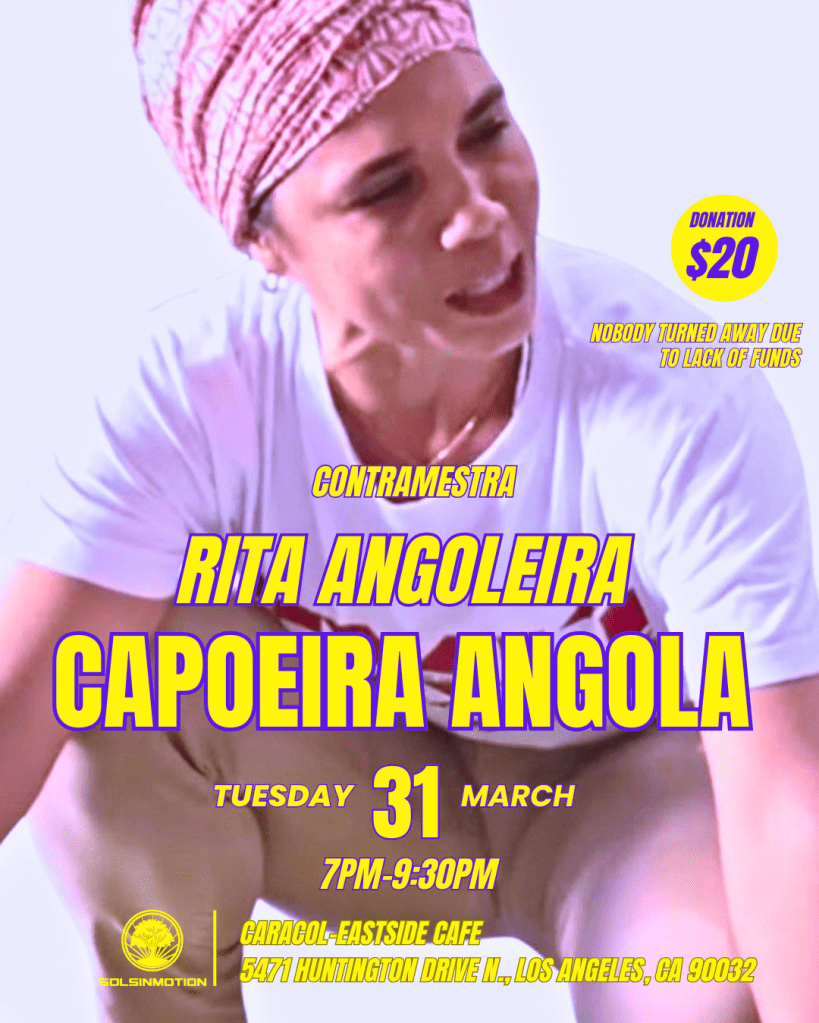
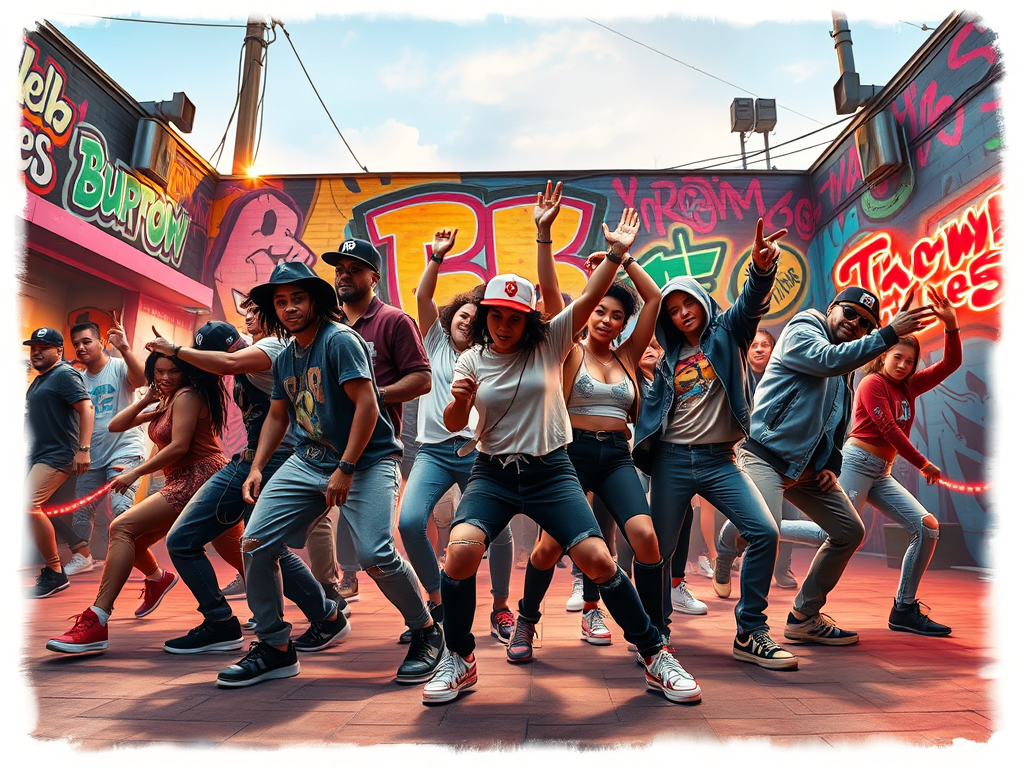
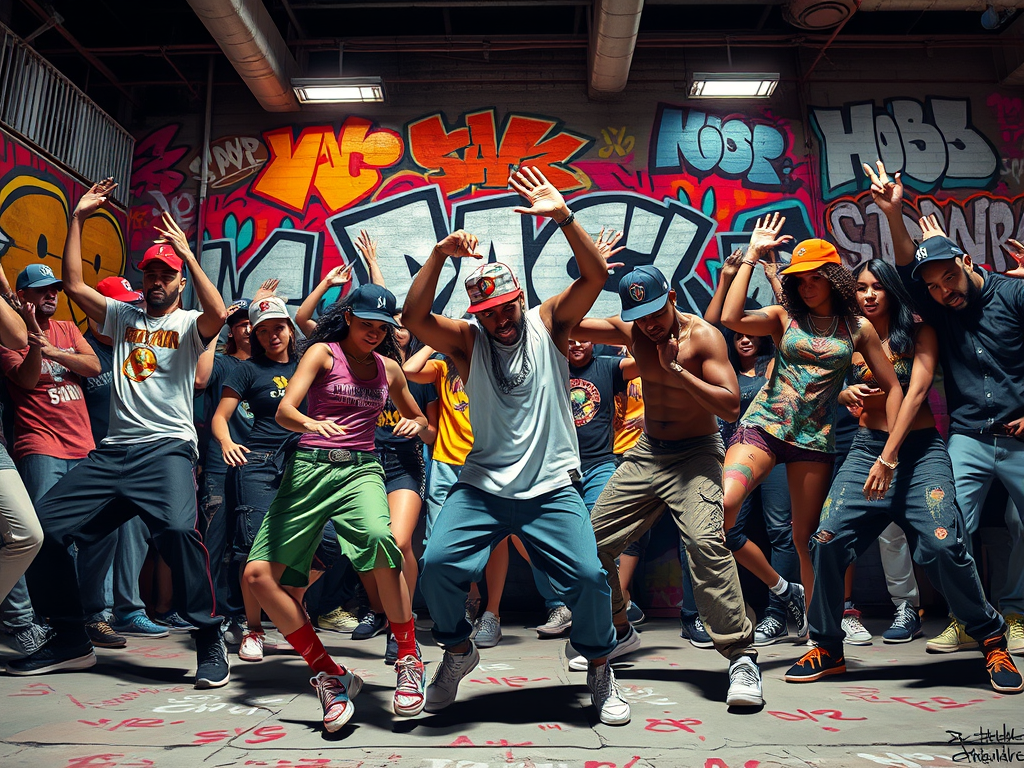


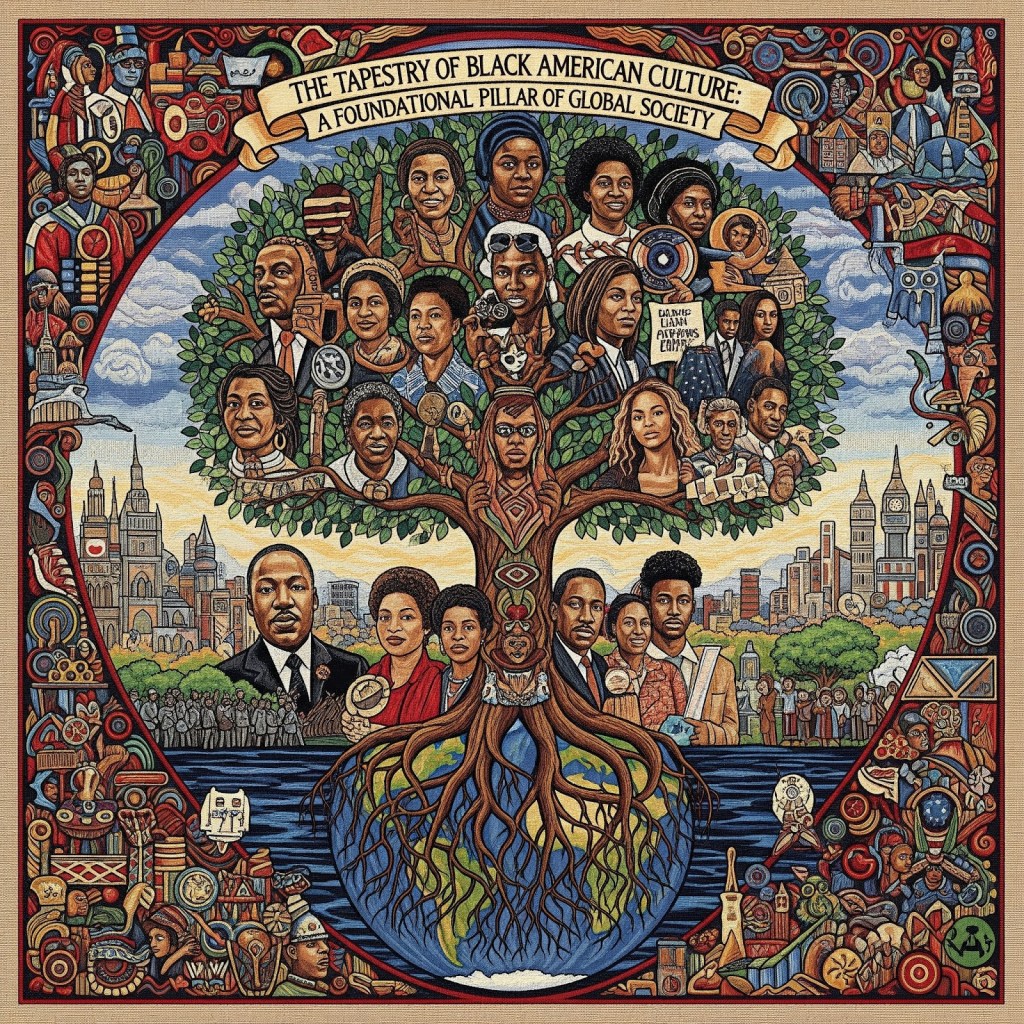
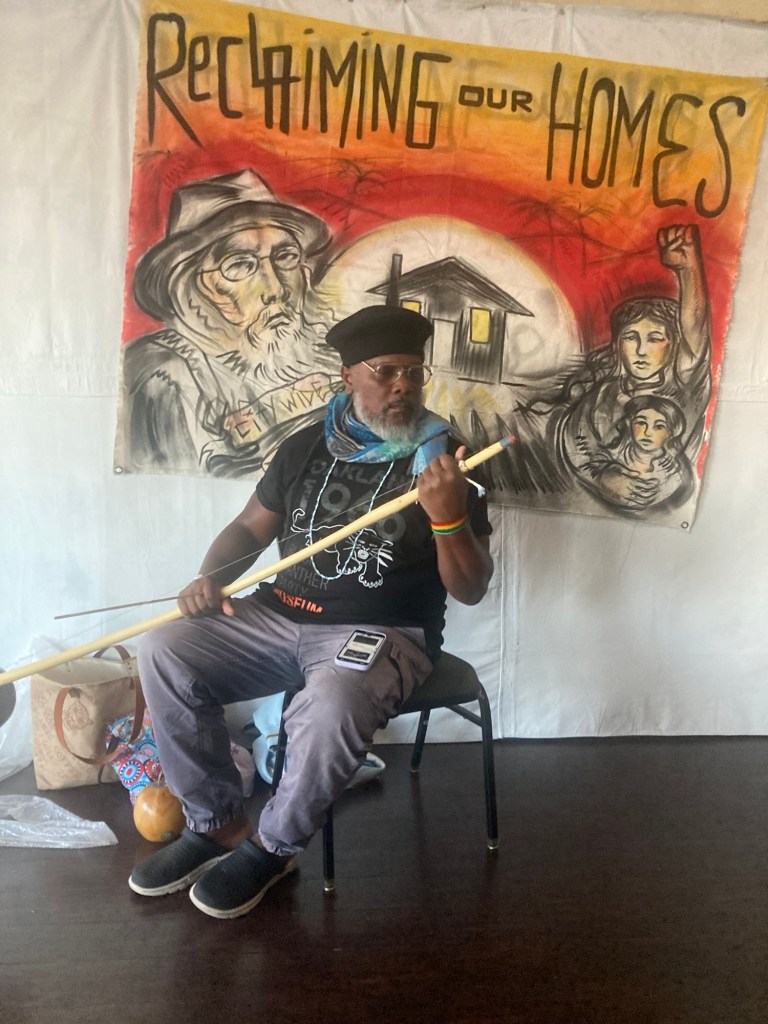
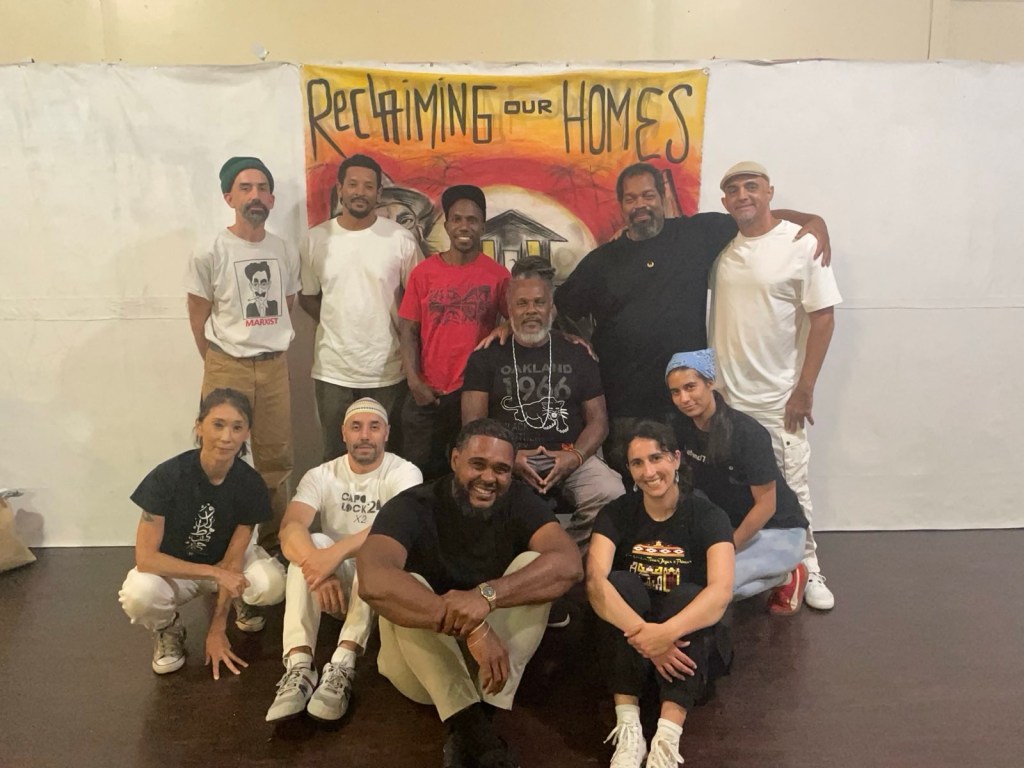
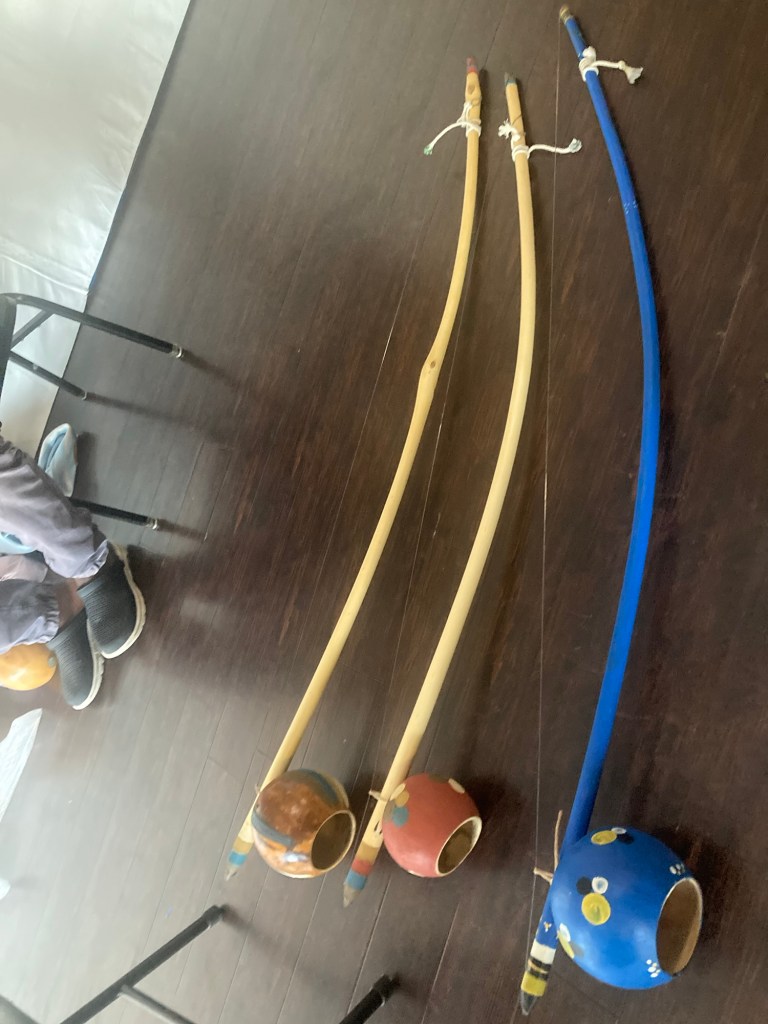

 Jogo Corpo Fechado