THE GREAT EGYPTIAN RACE DEBATE!

I saw this well-done video this morning and decided to post it here, because when I first made this PAGE here on Jogo Corpo Fechado, I weighed in on this debate.

This video presents compelling arguments and carefully selected examples, making it an excellent resource for anyone looking to engage with the issues surrounding our societal narratives. By sharing it, I hope to spark more discussions and invite further reflections from all of you who visit this space, allowing us collectively to dissect the themes that are so crucial in today’s world.

From his Biracial Coptic Upper Egyptian/American perspective, YouTube user Metta Beshay evaluates Afrocentrism through comprehensive historical and cultural evidence, placing a particular emphasis on the significant contributions of Cheikh Anta Diop’s work and the nuanced racial representation in Jada Pinkett Smith’s Cleopatra film.

He meticulously investigates the complex racial identity of ancient and modern Egyptians by utilizing ancient population reports alongside Ptolemaic Greek census data, which provides crucial insights into the demographics of that era. Through this comprehensive analysis, Metta elucidates the various interwoven factors that shaped the identities of these diverse communities over time, revealing how historical narratives have been constructed, sometimes distorted, and often selectively remembered.

He delves into the socio-political context of each time period, highlighting the influences of migration, trade, and conquest that have contributed to the fluid nature of identity. Furthermore, he encourages viewers to explore the topic more deeply by providing numerous resources on Afrocentrism, Egyptian racial identity, and Egyptology, thereby fostering a richer understanding of the intricate social dynamics that have influenced perceptions of race within Egyptian history.

“History of the Coptic Orthodox People and the Church of Egypt” https://bigthink.com/surprising-scien…

https://www.academia.edu/906193/_Coun…

https://blog.oup.com/2010/12/cleopatr….

“The Population of Medieval Egypt By Josiah C. Russell” https://bigthink.com/surprising-scien…

http://www.cairoscene.com/Buzz/Nation…

https://www.bonhams.com/auction/24256…\

http://www.egyptsearch.com/forums/ult…

https://www.jstor.org/stable/2784711   

• Dr. Cheikh Anta Diop discusses the Af…  

https://en.wikipedia.org/wiki/Constan…

https://en.wikipedia.org/wiki/Ancient…  

 • African Scholar Dr. Cheikh Anta Diop …  

https://seshmedewnetcher.com/dr-cheik…

Middle Egyptian an Introduction To the Language and Culture of Hieroglyphs .pdf https://familypedia.fandom.com/wiki/A…

Fayum Portraits and greco-roman people https://www.metmuseum.org/press/exhib…

This exploration not only sheds light on the past but also invites a critical reflection on contemporary issues regarding identity and multiculturalism, prompting discussions that remain relevant in today’s multicultural societies. By examining historical contexts and their influences, we gain insights into the complexities of cultural identities and the ways they intersect in diverse communities. Furthermore, this dialogue encourages individuals to confront their biases and assumptions, fostering a deeper understanding and appreciation of different perspectives. As we navigate an increasingly globalized world, the necessity for inclusive conversations becomes paramount, paving the way for social cohesion and mutual respect among varying cultural backgrounds.


ROOTS OF CAPOEIRA: AFRO BRAZILIAN CUISINE (1/18/25)

This paragraph discusses the “ROOTS OF CAPOEIRA” blog series, highlighting the significance of Afro-Brazilian culture as the foundation of Capoeira. It emphasizes the deep connection between Capoeira and the rich heritage of the Afro-Brazilian people, who express their struggles, creativity, and resilience through various forms of art, including dance, music, and storytelling. Additionally, it notes the importance of these art forms in celebrating identity and preserving history, showcasing the community’s innovation and resilience in the face of adversity. The series delves into various elements of Capoeira, such as the rhythm of the berimbau, the role of the roda, and the significance of traditional songs, all of which contribute to a collective narrative that honors ancestors and fosters a sense of belonging. By understanding these cultural roots, readers gain a deeper appreciation for how Capoeira not only serves as a form of self-defense and physical expression but also as a vital cultural practice that unites individuals in celebration of their shared heritage.

In today’s installment..

Join us on a culinary journey through Afro-Brazilian cuisine, highlighting its unique blend of African, Portuguese, and indigenous influences that have shaped the rich tapestry of Brazil’s food culture.

Discover iconic dishes like Feijoada, a hearty stew that combines black beans and various types of meat, and Moqueca, a flavorful fish stew made with coconut milk and spices that varies regionally in Brazil, showcasing the diversity of local ingredients and culinary techniques. Learn about key ingredients such as dendê oil, which imparts a distinctive flavor that is essential in many traditional recipes, and okra, often used to enhance the texture of many dishes, providing a unique twist to the overall experience.

Celebrate the vital role of women in preserving these traditions, as they pass down invaluable recipes and cooking techniques from generation to generation, ensuring that the heritage remains vibrant and alive, and fostering a deep connection to their roots. Share this video to spread appreciation for Afro-Brazilian cuisine, inviting others to explore and savor the diverse tastes and cultural stories embedded within each dish, while also recognizing the significance of these culinary practices in shaping community bonds and local identities.

HONORING THE HEROES OF AFRICA, AND THE DIASPORA (1/01/25)

In this series, we celebrate the heroes of Africa and the African Diaspora who have significantly impacted politics, arts, sciences, and social justice, aiming to inspire future generations by exploring their struggles, triumphs, and lasting legacies while fostering a deeper understanding of African heritage and community in the pursuit of equality and justice. These remarkable individuals have not only challenged the status quo but also paved the way for transformative movements that resonate across the globe. By delving into their stories, we uncover the tenacity and creativity that fueled their quests for change, showcasing the richness of diverse experiences and perspectives. In doing so, we invite readers to reflect on the ongoing journey toward equity and to recognize the vital role that cultural heritage plays in shaping a just society. Through this exploration, we hope to ignite passion and purpose in younger generations, encouraging them to carry forward the torch of activism and advocacy in their own communities.

In today’s installment…

January 1st is the birthday of John Henrik Clarke, one of the greatest Grand Master Teachers in the realm of African history and culture. As we honor this significant date, we reflect on the profound impact he had on countless individuals through his teachings, writings, and lectures. His words resonated deeply, inspiring generations to embrace their identity and understand the complexities of their heritage. He dedicated his life to educating others about the rich heritage of African people and the vital contributions they have made throughout history, emphasizing the importance of knowledge as a tool for empowerment.

Clarke’s commitment to uncovering and sharing the often-overlooked narratives of African civilizations helped to foster a sense of pride and unity within the African diaspora, igniting a passion for learning and cultural appreciation that continues to inspire scholars and activists alike. His legacy endures, reminding us that understanding our past is crucial for shaping a better future.

We mark this date, as he would have wanted us to: by remembering what he taught us, sharing the lessons and insights that continue to inspire new generations, and showing our gratitude for the knowledge that empowers us to understand our past and shape our future. Each story, each piece of wisdom passed down becomes a thread in the rich tapestry of our collective narrative, reminding us of our shared humanity. Let us celebrate his legacy by committing to lifelong learning and fostering a deeper appreciation of our cultural roots, exploring not only our own heritage but also the diverse influences that shape our communities today. Through engaging discussions, thoughtful reflections, and active participation in cultural events, we can ensure that his teachings resonate far beyond this moment, igniting a passion for learning and growth in those who follow. Together, we can create an environment where curiosity flourishes and respect for our history guides our journey forward.

Professor Black Truth creates engaging videos that simplify complex topics and make learning enjoyable, with a captivating teaching style and innovative educational content available on his channel HERE. His ability to break down intricate subjects into digestible pieces allows viewers of all ages to grasp even the most challenging concepts effortlessly. Each video combines rich visuals with clear explanations, making the learning experience not only informative but also entertaining. Whether you are looking to deepen your understanding of history, science, or culture, Professor Black Truth’s content is designed to inspire curiosity and foster a love for lifelong learning. Don’t miss out on the opportunity to explore a wealth of knowledge presented in a unique and engaging manner!

HONORING THE HEROES OF AFRICA, AND THE DIASPORA (12/31/24)

In this series, we celebrate the heroes of Africa and the African Diaspora who have significantly impacted politics, arts, sciences, and social justice, aiming to inspire future generations by exploring their struggles, triumphs, and lasting legacies while fostering a deeper understanding of African heritage and community in the pursuit of equality and justice. These remarkable individuals have not only challenged the status quo but also paved the way for transformative movements that resonate across the globe. By delving into their stories, we uncover the tenacity and creativity that fueled their quests for change, showcasing the richness of diverse experiences and perspectives. In doing so, we invite readers to reflect on the ongoing journey toward equity and to recognize the vital role that cultural heritage plays in shaping a just society. Through this exploration, we hope to ignite passion and purpose in younger generations, encouraging them to carry forward the torch of activism and advocacy in their own communities.

In today’s installment, we honor Dr. Yosef Ben-Jochannan, a distinguished scholar, historian, and author whose profound contributions have left an indelible mark on the field of African history and its connection to global civilization. His tireless dedication to uncovering the truths of African heritage has inspired countless individuals to delve deeper into understanding their roots and cultural legacy.

Throughout his life, Dr. Ben-Jochannan has sought to challenge the conventional narratives that often overlook the rich history of African peoples, emphasizing the importance of reclaiming one’s identity and understanding the broader implications of history on contemporary society. He believes that much of the historical discourse has been dominated by Eurocentric perspectives that fail to acknowledge the significant contributions of African civilizations. His work continues to illuminate the paths of knowledge and empowerment, encouraging new generations to embrace their heritage with pride and determination.

By sharing his insights and fostering critical discussions, he inspires individuals to delve deeper into their roots, recognizing the strength that comes from a well-understood past. In his lectures, writings, and community engagements, Dr. Ben-Jochannan champions the notion that understanding one’s history is not just about pride, but also about forging a path forward in a world that often seeks to erase such narratives. Through his tireless efforts, he serves as a beacon of hope and a catalyst for change, urging society to acknowledge and celebrate the diverse tapestry of human experience, thereby fostering a more inclusive and comprehensive understanding of our shared history.

Shout out to Professor Black Truth for creating engaging videos that simplify complex topics, making learning enjoyable. His unique teaching style captivates viewers, and his channel HERE provides innovative educational content for deeper understanding.

HONORING THE HEROES OF AFRICA, AND THE DIASPORA.

This is a new series where, just as the title says, we honor the heroes, past and present, of Africa and the African Diaspora. These remarkable individuals have made significant contributions across various fields, including politics, arts, sciences, and social justice, shaping the cultural and historical landscape of the continent and beyond. By telling their stories, we aim to inspire future generations to recognize the strength and resilience that has characterized the African experience throughout history. We will delve into the lives of these figures, exploring their struggles and triumphs, as well as the enduring legacies they leave behind, fostering a deeper understanding of African heritage and the importance of community in the fight for equality and justice.

We begin with Dr. Chancellor Williams, whose profound contributions to African history have not only shaped our understanding of the past but also provided valuable insights for our present and future. His work stands as a testament to the resilience and richness of African culture, revealing the complexities of historical narratives that often go unacknowledged.

While his scholarly pursuits focused primarily on the experiences and achievements of African peoples, there’s more than a few lessons we could stand to learn from it, especially regarding the importance of preserving our legacies and understanding the significance of cultural identity in shaping our lives today. The rich history and diverse cultures of African peoples serve as a powerful reminder of how heritage influences not only individual identities but also the collective fabric of society.

By exploring these narratives, we can gain insights into resilience, creativity, and a profound sense of community that transcends geographical boundaries. Moreover, embracing and celebrating our unique cultural backgrounds enables us to foster mutual respect and empathy, essential traits in our increasingly interconnected world. Thus, it becomes imperative for us to engage in these discussions and actively participate in the preservation of our diverse legacies, not only for our benefit but for future generations to appreciate and learn from.

The professor creates engaging videos that simplify complex topics, making learning enjoyable and inspiring critical thinking. His unique teaching style captivates viewers, and his channel HERE offers innovative content and educational resources for those looking to deepen their understanding.

HAPPY KWANZZA! Day 2

Kwanzaa, established on December 26, 1966, is a week-long celebration in the United States that honors African heritage and culture, created by Maulana Karenga to reconnect African Americans with their roots and promote community and empowerment.

Now, let’s talk about the 2nd day of Kwanzaa.

Today’s Kwanzaa principle is Kujichagulia, or self-determination, which emphasizes the importance of personal and community identity in the broader context of cultural heritage. This principle encourages individuals to explore and understand themselves deeply by reflecting on their unique backgrounds and experiences, allowing for a more profound appreciation of who they are and where they come from. By engaging in this reflective process, individuals are prompted to recognize and celebrate their accomplishments and challenges alike. By asking the critical questions, “Who am I?” and “Am I all that I ought to be?”, individuals not only affirm their own existence but also seek to establish a stronger connection with their heritage and community values. This journey of self-discovery fosters a sense of empowerment and pride, encouraging individuals to contribute positively to their communities and to stand resilient in the face of adversity, thereby reinforcing the significance of Kujichagulia in their lives.

Kujichagulia serves as a powerful reminder that self-determination empowers us to shape our own destinies and contribute positively to society, fostering both individual growth and collective well-being. By embracing our inherent right to define our paths, we become active participants in our communities, inspiring others to pursue their own dreams and aspirations. This journey of self-discovery and empowerment not only enriches our lives but also lays the groundwork for a more equitable and just society, where each individual’s voice is valued and respected. In turn, such a commitment to self-determination cultivates a sense of solidarity among diverse groups, ultimately leading to a stronger, more unified community that thrives on collaboration and mutual support.

Tomorrow, we will talk about Day 2 of Kwanzaa, and present the next principle, Ujima (collective work and responsibility)

IT’S CHRISTMAS!!!

Yes, it’s that time of year again, and I have a truly HEARTWARMING story for you!

This is the Untold Story of The CHRISTMAS REBELLION in Jamaica, a significant uprising that occurred in December 1831, fueled by the deep-seated frustrations of enslaved individuals yearning for freedom and justice. The rebellion was ignited when the news of the impending abolition of slavery in the British Empire reached the enslaved population, sparking hope and determination for a better future. This hope transformed into action; thousands of enslaved people, driven by the desire for liberation, rose up against their oppressors, challenging the brutal system that had treated them as mere property for so long. As the insurrection unfolded, it not only exposed the harsh realities of plantation life but also galvanized support from sympathetic abolitionists, who began to advocate more fervently for the cause of emancipation. The rebellion ultimately became a symbol of resistance, inspiring future generations to fight for their rights and dignity, setting in motion a series of events that would reshape the course of history in Jamaica and beyond.

As the rebels rose against their oppressors, they sought not only liberation from bondage but also the establishment of their dignity and rights as human beings, yearning for a future where freedom was no longer a dream but a lived reality. The intense struggle unfolded across plantations, each field echoing the cries of those who refused to be silenced, highlighting the bravery and resilience of those who fought for their cause, often confronting violence and inhuman conditions with unyielding spirit and hope. The bravery demonstrated by these individuals became a beacon of inspiration, igniting the flames of resistance not just in their immediate surroundings, but its reverberations were profoundly felt throughout the Caribbean, influencing subsequent movements for emancipation and encouraging solidarity among oppressed groups, culminating in a broader quest for justice and equality that would echo through the ages.

HAPPY HOLIDAYS FROM JOGO CORPO FECHADO!!!

ANYBODY WHO WANTS TO KNOW ABOUT AFRICA NEEDS TO SEE THIS!

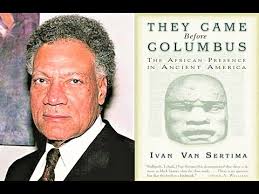
In this show, produced and hosted by Listervelt Middleton, For the People delivered African American history and culture every week to South Carolina ETV’s viewers. Dr. Ivan Van Sertima, a noted literary critic and historian, passionately discusses the significant and often overlooked role of Africans in pre-Columbian America during an insightful interview, effectively challenging conventional historical narratives that routinely marginalize the contributions of Africa and its peoples.

Through a careful examination of a variety of archaeological findings and artifacts, he meticulously presents compelling evidence to support his theories, asserting that Africans not only traveled to the Americas long before Columbus but also made a lasting and profound impact on the development of American civilization.

This impact is prominently highlighted in his thoughtful response to Listervelt’s question about the connections between Africans and early America, where he elaborates on the cultural exchanges, technological advancements, and agricultural practices that were likely influenced by African societies, thus urging a reevaluation of history to recognize the rich contributions of Africans to the New World.

Now if you actually watched the second video, then you will know why I posted the video below.

Shared on the 50th anniversary of the 1970 Ra II expedition, which famously sailed from Morocco to Barbados in an impressive 57 days, this groundbreaking journey demonstrated the intriguing possibility of pre-Columbian contact between the Mediterranean and the Americas. The expedition was noteworthy for its international crew, which included skilled members from various countries, all united in their quest for discovery while sailing proudly under the UN flag, symbolizing global cooperation and understanding. Directed by the renowned Thor Heyerdahl and Lennart Ehrenborg, the film was brought to life by cinematographers Kei Ohara and Carlo Mauri, who captured the essence of the adventure and the challenges faced by the crew. This extraordinary cinematic work was nominated for an Academy Award for Best Documentary Feature, a prestigious recognition that marked Heyerdahl’s second nomination after his previous triumph with “Kon-Tiki” in 1951, a testament to his lasting influence on the field of documentary filmmaking and exploration. The Ra II expedition not only enriched our understanding of ancient maritime history but also encouraged further discussion on the interconnectedness of different cultures throughout history.

YESTERDAY IN BLACK MEDIA

Yes, I should have said, “TODAY IN BLACK MEDIA”, but this video from Professor Black Truth was posted yesterday, and I was busy having the time of my life yesterday.

I’ll tell you all about it pretty soon.

One of the same women who is accusing Diddy of violating her is also making serious allegations against Jay-Z, raising eyebrows across the entertainment industry and igniting a heated debate among fans and critics alike. Despite the fact that these accusations have seemingly collapsed under scrutiny, it is clear that they will surely keep trying anyway, fueled not only by their courage to speak out but also by a desire to bring about accountability in a world where such powerful figures often go unchallenged.

The broader implications of these claims resonate deeply, stirring conversations about the treatment of women in the music industry and the systemic issues that allow such behavior to persist, as well as highlighting the importance of addressing and rectifying injustices that many have faced in silence for far too long. With each revelation, supporters rally around the accusers, amplifying their voices in an effort to ensure that their experiences are taken seriously and that necessary change is brought about within the industry.

As the spotlight intensifies, the implications of these claims could have far-reaching consequences, sparking discussions about the treatment of women in the music industry and the need for systemic change. The conversations that emerge could lead to a critical examination of the industry’s long-standing practices, shining a light on the barriers that female artists face at every level, from the boardroom to the stage. Advocates may seize this moment to push for policies that not only enhance the representation of women but also ensure their voices are heard in decision-making processes. Moreover, this pivotal moment could inspire emerging artists to speak out and demand the respect and opportunities they rightfully deserve, ultimately reshaping the music landscape for future generations.

Shout out to the professor for his engaging video that simplifies complex topics, making learning enjoyable and accessible for everyone. His approach not only demystifies challenging subjects but also encourages critical thinking and fosters a love for knowledge. Check out his channel HERE for innovative educational content that inspires curiosity and deepens understanding, featuring a variety of topics that cater to different interests and learning styles. You’ll find a wealth of resources aimed at enhancing your educational journey and making complex concepts easier to grasp.