Welcome to HIDDEN SPIRITUALITY – From Spirit Science, where we explore spiritual practices in movies and games, highlighting profound wisdom in narratives. We examine various cultures and their stories to illuminate lessons that resonate with our experiences. Our community fosters reflection on the interconnectedness of all beings through storytelling and symbolism, encouraging insights and discussions that bridge spirituality and entertainment. Together, we uncover universal truths and explore the spiritual dimensions of storytelling.
In today’s installment…
Uncovering the Hidden Depths of Star Wars: The Rise of Skywalker
Get ready for a truly special Star Wars Day treat! In this in-depth exploration, we go beyond the surface-level narrative of The Rise of Skywalker (Episode IX) to uncover the rich, hidden spiritual secrets and esoteric wisdom intricately woven into the very fabric of the story.
While the sequel trilogy, and arguably The Rise of Skywalker in particular, has faced criticism regarding its overall plot cohesion, it is undeniably a treasure trove of profound spiritual symbolism, ancient philosophical concepts, and perennial wisdom that echoes throughout the Star Wars saga. This video essay invites you to join us on an intellectual and spiritual journey, viewing the final installment of the Skywalker saga through an enlightened, esoteric lens.The Lore and Language of the Jedi
Our exploration begins with the very essence of the galaxy’s spiritual warriors: the Jedi. We will meticulously explore the etymological meaning behind the name “Jedi” itself and its fascinating connection to the historical and mythological figure of Djedi. This ancient Egyptian magician, known from the Westcar Papyrus, was famed for his wisdom and alleged power to reattach severed heads and control animals—a figure whose name carries connotations of profound magical knowledge and spiritual power, mirroring the mystique surrounding the Jedi Order.The Force: A Cosmic Tao
Next, we delve into the core metaphysical concept that defines the Star Wars universe: the Force. Far more than just a power source for telekinesis, we examine the Force as a reflection of the ancient Chinese philosophical concept of Tao (or Dao). Taoism emphasizes living in harmony with the Tao, the fundamental principle, the natural order of the universe, which is both the source and the pattern of everything that exists. The Force, described as “an energy field created by all living things,” that “surrounds us and penetrates us,” and “binds the galaxy together,” is a direct echo of the all-encompassing, dualistic, yet unifying nature of the Tao. We’ll discuss how the Light Side and the Dark Side can be seen as manifestations of the Yin and Yang—opposing yet interdependent forces necessary for cosmic balance.The Spiritual Crucible of Rey and Kylo Ren
The heart of The Rise of Skywalker rests on the intertwined, tumultuous spiritual journeys of its two central figures: Rey and Kylo Ren (Ben Solo). Their connection—a powerful Force Dyad—represents a modern mythological exploration of the Anima and Animus, or the integration of spiritual opposites. We will analyze how Rey’s path is one of self-discovery, confronting the shadows of her lineage (Palpatine), and achieving self-acceptance and spiritual mastery, ultimately embodying the Light. Conversely, Kylo Ren’s struggle is a classic heroic arc of redemption, a descent into the darkness that eventually leads to a return to the Light, sacrificing his self to save another and restore balance—a narrative deeply rooted in archetypal tales of the wounded healer and the prodigal son. Their climactic battle, both physical and psychic, is not merely a clash of laser swords, but a cosmic confrontation between the forces of creation and destruction, good and pure evil, culminating in the triumph of compassion and selflessness.
So, grab your imaginary lightsaber, prepare your mind for a deep dive, and join us for an enlightening, mythic exploration of The Rise of Skywalker that transcends its cinematic shortcomings. This is a journey into the spiritual and philosophical bedrock that makes Star Wars endure. May the Force—and true wisdom—be with you.
If you enjoyed this insightful and mind-expanding video, which was expertly produced by the creators at The Spirit Science YouTube Channel, we encourage you to explore more of their captivating work.
To delve further into the world of consciousness, spirituality, ancient wisdom, and metaphysical concepts, simply click HERE to visit The Spirit Science channel.
In addition to their main channel, you might also find the following related resources and content streams enjoyable:
Other Spirit Science Series: Look for specific playlists or documentary series that piqued your interest within their main library.
Spirit Science Social Media: Follow their official accounts on platforms like Instagram, Facebook, or Twitter for daily inspiration, announcements, and shorter-form content.
The Spirit Science Website/Community: Check out any associated websites or forums where the community discusses the topics presented in the videos, often providing a space for deeper conversation and resource sharing.
Similar Independent Creators: Explore other channels and creators focusing on complementary subjects such as quantum physics, meditation, energy healing, and alternative history, as recommended by The Spirit Science community.
By clicking the link, you are taking the next step on your journey of discovery and learning. We hope you find more content that resonates with your personal quest for knowledge and spiritual growth!
Welcome to MALICIA AS A GAME OF POWER, a blog series that explores human interactions through communication, conflict resolution, and negotiation. It provides strategies for leadership, personal branding, and reputation management while emphasizing social influence and emotional intelligence. Readers will discover techniques for navigating social dynamics, resolving conflicts, and building a strong personal brand. The blog offers insights and advice to help individuals effectively harness communication for success in life.
In this installment, we will explore the 45th law of power in the book, the 48 laws of power by Robert Greene. You can buy a copy by clicking HERE.
LAW 45 PREACH THE NEED FOR CHANGE BUT NEVER REFORM TOO MUCH AT ONCE
The delicate art of governance and leadership often hinges on successfully navigating the turbulent waters of change. While stagnation is a sure path to decline, a sudden, radical upheaval can be equally fatal. This law dictates a strategy of measured transformation: Preach the necessity of change, but execute the reforms gradually.
The initial step is to cultivate the desire for change. You must clearly articulate the current system’s failings and demonstrate how the proposed adjustments will alleviate suffering, increase prosperity, or restore order. This involves a sustained campaign of rhetorical persuasion, highlighting the gap between the present reality and a glorious future. The people must be made to feel that your vision is their salvation, that the old ways are no longer sustainable, and that a new direction is inevitable and desirable. This preaching of the need for change is essential for creating a supportive climate and neutralizing early opposition.
However, once the groundwork is laid, the execution of the reform must be tempered by caution. Human beings are creatures of habit; deep-seated customs, traditions, and ways of operating provide comfort and stability. To strip these away all at once is to provoke fear, resentment, and a powerful counter-reaction. A sweeping, revolutionary restructuring generates confusion and often paralyzes the very system it intends to improve. It gives your enemies a unified target and turns moderate supporters into apprehensive opponents.
Therefore, the wise leader implements change incrementally. Introduce reforms one by one, allowing people time to adapt to each new reality before presenting the next. The appearance of continuity must be maintained, even as the substance is quietly altered. Present the changes not as a radical departure, but as a “return” to original, purer principles, or as a natural “evolution” of the existing structure. In this way, you achieve your ultimate objective—a thorough transformation—without triggering the destructive backlash that massive, immediate reform inevitably invites. The slow, steady drip of change is often more corrosive and effective than a sudden flood. You retain the psychological advantage by being the acknowledged champion of a necessary movement, while simultaneously avoiding the practical pitfalls of reckless, overwhelming upheaval.
How to Use the 45th Law of Power Ethically
The 45th Law of Power, often interpreted as “Preach the need for change, but never reform too much at once,” comes from Robert Greene’s The 48 Laws of Power. In its original context, the law advises those in positions of authority to speak constantly of the need for reform and improvement—to signal dynamism and foresight—while simultaneously ensuring that actual change is slow, measured, and non-threatening to the established order or to the ruler’s own power base. The cynical application is to create the illusion of progress without undertaking the difficult or risky work of genuine transformation, thereby maintaining stability and control.
To use this law ethically requires a fundamental shift in motivation from self-preservation of power to genuine, constructive progress for the greater good. The focus is no longer on deception, but on strategic, humane, and sustainable implementation of necessary change.Ethical Principles for Applying the 45th Law
1. Genuine Intent vs. Illusory Reform:
Ethical Use: The “preaching” of change must stem from a sincere commitment to solving real problems, improving systems, and creating positive impact for stakeholders (employees, customers, citizens, etc.). The goal is to move toward a specific, beneficial vision, not merely to placate critics or distract from failure.
Unethical Contrast: Using the rhetoric of change solely to appear progressive, quell unrest, or buy time while secretly intending to maintain the status quo or consolidate personal power.
2. Phased, Sustainable Implementation (The “Never Reform Too Much At Once” Component):
Ethical Use: This part of the law becomes a crucial tool for responsible leadership. Ethical change is introduced in manageable, digestible phases to minimize disruption, reduce fear, and ensure long-term adoption. This strategic pacing:
Respects Stakeholders: It allows people time to understand, adapt, and acquire new skills, preventing burnout and resistance.
Ensures Stability: It avoids the chaos and organizational collapse that often result from radical, abrupt overhauls. Change is stabilized before the next phase is introduced.
Promotes Buy-In: Small, visible wins build momentum and credibility, encouraging greater support for subsequent, larger reforms.
3. Clear and Transparent Communication:
Ethical Use: Leaders must clearly articulate why the change is necessary, what the end goal is, and how the phased approach will work.
Honesty about Pace: Be transparent that the full reform will take time, explaining that the slow pace is a deliberate strategy for stability and thoroughness, rather than a lack of commitment.
Acknowledge Difficulty: Do not pretend the transition will be easy. Address the pain points and sacrifices involved in the initial small changes.
4. Focus on Systemic Improvement over Personal Gain:
Ethical Use: Every phase of reform must be clearly tied to a measurable, external benefit—whether it’s increased efficiency, better service, enhanced well-being, or improved organizational culture. The changes should not primarily benefit the leader’s standing, wealth, or influence.
Accountability: Establish metrics to evaluate the success of each small reform step. If a phase fails to deliver the promised benefit, the ethical leader must adjust the strategy, admitting the error rather than doubling down on a flawed path.
Practical Ethical Applications
Context
Ethical Application of Law 45
Corporate Leadership
Announce a long-term vision for a complete digital transformation (preach change), but roll out the new software or processes department by department, allowing for training and feedback loops (never reform too much at once).
Government/Public Policy
Champion a major shift toward sustainable infrastructure (preach change), but fund the projects incrementally, starting with pilot programs in a few key sectors to test the model and secure public trust before a national rollout (never reform too much at once).
Organizational Culture
Proclaim the need for a more inclusive and psychologically safe workplace (preach change), but begin with a mandatory, focused training session on active listening, followed months later by a new anonymous reporting system, and then later by revised promotion criteria (never reform too much at once).
By adopting this ethical framework, the 45th Law transforms from a manipulative tactic into a strategy for wise, compassionate, and effective transformational leadership. It ensures that the desire for progress is balanced by the need for human and organizational stability.
Through the eyes of an Angoleiro
The world is a constantly shifting roda (circle) of forces, and a master strategist, much like a seasoned Angoleiro (practitioner of Capoeira Angola), understands the delicate balance between momentum and stability. This law is not a call for stagnation, but a warning against the hubris of radical, immediate transformation. The goal is to survive the fight, not to burn out in a single, spectacular, yet ultimately destabilizing move.The Rationale: The Illusion of Immediate Utopia
The desire for change is a powerful lever. People—whether citizens, subordinates, or followers—will naturally gravitate toward a leader who clearly articulates the current system’s failings and paints a compelling picture of a better future. This is the “preach the need for change” component. It’s the initial ginga—the continuous, swaying base movement of Capoeira—that establishes rhythm and intention. It builds the psychological foundation for the shifts to come.
However, the human psyche is deeply resistant to too much sudden disruption. Radical, top-to-bottom reform, executed too quickly, breeds panic, resentment, and a desire to retreat to the familiar past, no matter how flawed that past was. It dismantles the existing framework of power, routine, and comfort before a new one can solidify. It’s the equivalent of replacing every fundamental move in Capoeira with something entirely new overnight; the student loses their grounding, their confidence, and ultimately, their fight.
The Angoleiro’s Lesson: The Slow and Low Game
In Capoeira Angola, the game is played “slow and low” (devagar e baixinho). The movements are deceptive, powerful, and executed with an economy of motion that makes them appear effortless. This is the precise mindset for Law 45:
Preach the Need (The Ladainha): Before a roda begins, the mestre (master) or lead singer often sings a ladainha (a historical narrative or lament). This song sets the tone, recounts the oppression or struggle, and subtly prepares the players for the serious nature of the game. Similarly, the leader must constantly sing the ladainha of the necessary change. This establishes the why and makes the inevitable shifts feel like a response to a crisis, not an arbitrary imposition.
The Step-by-Step Reform (The Ginga): The ginga is the key to Angola—it’s continuous motion that disguises attacks and defenses. An Angoleiro doesn’t stand still. They are always moving, but never with a sudden, full-force leap. Reforms must be introduced like this: small, strategic, and seemingly incremental movements. Each reform should address a specific, visible problem and, once implemented and accepted, serve as the new platform for the next small reform. This allows the system to absorb the shock.
The Danger of the Sweeping Kick (The Rabo de Arraia): A powerful, sweeping kick like the rabo de arraia can end a match, but if timed poorly, it leaves the attacker completely exposed. Radical reforms are the political equivalent of this high-risk move. They look impressive on paper, but they often leave the reformer vulnerable to coordinated counter-attacks from vested interests who have been given no time to adapt or compromise.
Implementation and Application
A leader who masters this law becomes a revolutionary in slow motion. They harvest the energy of popular discontent (the need for change) without activating the deeper, reactionary forces of chaos (too much reform at once).
Focus on Symbolism First: Change the names, the symbols, the rhetoric, and the personnel that represent the old order before you change the underlying economic or social structures. This gives people the feeling of a new era while the foundation remains solid.
Isolate the Target: Never attempt to reform all areas simultaneously. Pick one system—the least popular one—and dismantle it completely, using its collapse as proof of concept. Everyone else is too busy watching that small war to notice the preparation for the next.
The Appearance of Continuity: Always frame a reform as a necessary “correction” or “return to true principles,” not a complete break. By cloaking revolutionary change in the language of tradition, you soothe the fears of conservatives who might otherwise resist.
The Ultimate Goal: The Angoleiro seeks to control the rhythm and pace of the roda. A reformist must control the rhythm and pace of change. By preaching the need for fundamental transformation while only executing small, digestible steps, the leader ensures their power base remains intact, the opposition is constantly off-balance, and the long-term objective is secured without ever risking a self-destructive cataclysm. The revolution is completed not in a single, fiery stroke, but over a slow, deliberate campaign of strategic adjustments.
This series examines the modern malandro in urban society, emphasizing their charm, resourcefulness, and resilience amid economic disparity and social justice challenges. It delves deeply into the complexities of their lives, revealing how the malandro navigates a world often marked by systemic inequalities and barriers. Through compelling storytelling and rich character development, the series highlights their influential role in discussions of equity, showcasing how they become unlikely heroes and advocates for change in their communities. Furthermore, it invites viewers to reconsider notions of success and morality while celebrating their contributions to urban culture, illustrating that their ingenuity and survival instincts often lead to innovative solutions that benefit not only themselves but also those around them. By exploring their narratives, the series fosters a greater understanding of the human spirit’s capacity to thrive in adversity, ultimately challenging stereotypes and fostering empathy among audiences.
In Today’s installment, We follow Conor Woodman in a show named scam city, a series where he gets scammed, so we don’t have to.
In this episode,host Conor Woodman ventures into the vibrant heart of Catalonia, Spain: Barcelona. Celebrated globally as a premier tourist destination, drawing millions each year to its stunning architecture, sun-drenched beaches, and world-class cuisine, Barcelona holds a darker distinction. Woodman investigates the city’s notorious underworld, revealing it as the self-proclaimed pickpocket capital of the globe.
Beneath the veneer of a beautiful, cosmopolitan metropolis, Barcelona harbors a sophisticated network of highly skilled con men and thieves. These criminal elements are masters of deception and distraction, utilizing a variety of clever, often theatrical, schemes to target unsuspecting tourists. This pervasive criminal activity presents a stark contrast to the city’s celebrated culture and architecture.
Woodman delves into the operational tactics of these criminal gangs, providing an in-depth examination of their methods and organization. These are not opportunistic petty criminals, but often highly organized groups with clearly defined roles—from the “staller” who creates a diversion to the “cutter” who swiftly removes the wallet or bag, and the “passer” who immediately carries the stolen goods away. The sheer professionalism of their execution is what makes them so successful and difficult to apprehend.
He explores the geographical hotspots where these thieves operate with brazen efficiency. The crowded Las Ramblas, a world-famous pedestrian boulevard, serves as a primary hunting ground where the sheer density of foot traffic allows for easy anonymity and the perfect cover for ‘bump and steal’ techniques. The labyrinthine streets of the bustling Gothic Quarter offer countless narrow escape routes after a successful snatch. Moreover, the packed metro lines, especially during rush hour, are exploited for the “bottleneck” technique, where thieves use the press of people entering or exiting a train to mask their movements.
Woodman’s investigation uncovers the harsh reality that for many visitors, a dream vacation can quickly turn into a nightmare of loss and vulnerability. The emotional and financial toll of having passports, cash, and personal items stolen is profound. Visitors are left feeling violated and helpless at the hands of some of the most proficient and relentless pickpockets in the world, whose operational success is built on an intimate knowledge of crowd psychology and a calculated lack of remorse. The narrative serves as a vital warning, exposing the shadow economy of crime that flourishes amidst the city’s vibrant tourist economy.
I wanted to follow up on a PREVIOUS POST with some exciting news regarding one of our own. A close friend and fellow Capoeirista is preparing for an incredible journey: she will soon be traveling with a friend to Palestine to dedicate her time and energy to helping uplift lives in the region.
Out of respect for her privacy and since I’m not entirely sure if she is comfortable with me using her real name on this public blog, I’ve decided to give her a nickname for the purpose of this story. I’m going to call her RUBY.
I chose this name for a very specific reason: she truly IS a Ruby. She is a rare gem amongst us—a person whose light shines with an uncommon brilliance and dedication. She is choosing to use a significant part of her life journey to embark on this challenging and noble mission. Her motivation is simple yet profound: to help make the world a better, more equitable, and more compassionate place.
This selflessness places her among the countless humanitarians, activists, and aid workers who have come before her, dedicating themselves to service in difficult environments. We send her off with our deepest respect and admiration, knowing that she is contributing to a legacy of hope and assistance. And, god willing, her example will inspire many more after her to follow in the footsteps of service and global citizenship. We will be following her journey closely and sharing updates as she is able to provide them. Please keep Ruby in your thoughts as she prepares for this meaningful work.
Dear Ruby,
I’m writing to you today, as you embark on this journey to Israel and Palestine, with a heart full of mixed emotions that I know are shared by everyone who cares about you. I can truly speak for all of us when I say that a deep and pervasive sense of worry accompanies your departure, primarily because of the well-documented volatility and ongoing conflict in that region. We are acutely aware of the historical and current tension that makes that part of the world an exceptionally dangerous area.
Indeed, it’s a place steeped in so much history and prophecy, even near the Valley of Megiddo, which features so prominently in ancient texts as the predicted site of Armageddon. The awareness of the continuous cycle of conflict there weighs heavily on all of our minds. This isn’t just a concern for an abstract conflict; it’s a deep fear for your personal safety, knowing that even areas considered “safe” can quickly become unpredictable in a region with such deeply rooted geopolitical instability. We follow the news closely, and every report serves as a fresh reminder of the complexity and risk you are willingly stepping into.
However, mixed with this apprehension is an enormous sense of pride and admiration for your courage. Your decision to go, despite the risks, speaks volumes about your commitment to understanding the world and your dedication to the principles you hold dear—principles, I know, that drive you to seek out truth and connection in even the most challenging environments.
We know you are not going lightly or without preparation. The Angoleira in you—the warrior, the seeker, the one who moves with grace and intention through the world—gives us some comfort. Yet, please, let that same spirit guide you to be vigilant, to be cautious, and to prioritize your well-being above all else. Remember that your personal safety is paramount. Keep us updated, check in often, and know that our thoughts are constantly with you as you navigate this powerful, volatile, and profoundly significant part of the world. We wish you an experience that is as safe as it is meaningful.
However, amidst this concern, there is also an immense and undeniable pride that swells within me—a feeling that completely eclipses any passing apprehension. I am genuinely, profoundly happy and immensely supportive to see you embark on this next chapter of your journey, not just because it represents a major life step, but because I know, intimately and without a shadow of a doubt, the kind of person you are.
I have witnessed, firsthand, the strength of the spirit you carry—a resilience that has overcome every obstacle placed in your path and a fierce determination that never allows you to settle for less than your best. It is this unwavering conviction that guides your steps, ensuring that you approach every challenge with integrity, empathy, and a clear sense of purpose.
Because of all this, I have absolute, unshakable faith that you possess everything needed to not only navigate the challenging and complex environment you are heading into but also to thrive within it. More than just surviving, I believe you will contribute profoundly, making a significant, positive, and lasting impact on everyone you meet and everything you touch. You have a unique ability to see the good, foster collaboration, and tackle essential work with a dedication that is truly inspiring, and I know you will achieve so many essential good things while you are there. This journey is a testament to your character, and I am already looking forward to hearing about the incredible successes you will undoubtedly achieve..
This deep confidence comes from knowing the authentic you, Ruby—from knowing you as a Capoeirista, an Angoleira, and a warrior. These are not merely casual titles to be worn lightly; they are a deep and undeniable reflection of your inherent discipline, your fierce resilience, your deep-seated commitment to justice, and your unyielding dedication to community. The philosophy, the strength, and the unique wisdom you have cultivated through years of intense practice and deep study within Capoeira Angola are not external skills; they are now intrinsic, foundational parts of your character.
They have forged an inner compass that points true north, regardless of the surrounding chaos. Wherever you may go—to any corner of the world, and especially to a place where true strength of character, moral clarity, and personal fortitude are paramount—you take that powerful, uplifting, and protective energy with you. It is a presence that will serve as both your shield and your light, ensuring that you remain grounded, focused, and effective in your mission. Your training has prepared you not just for the roda, but for the world. Go forth and shine your light brightly.
Your presence there is a beacon, fueled by a deeply personal and profound desire to make a tangible difference in the lives of others. This commitment, this willingness to step into a challenging environment, will undoubtedly make you a continuous source of light, hope, and steady reassurance for those you encounter. You are embarking on a truly meaningful journey.
Embrace this entire experience—the challenges, the triumphs, and the quiet moments of connection. Let it shape you and enrich your understanding of the world. Commit yourself fully, heart and soul, to the core mission of uplifting lives, one interaction at a time. Work diligently to bring a measurable degree of peace and positivity wherever your path leads you, whether through direct action, compassionate listening, or simply by maintaining a calm and encouraging demeanor. Never underestimate the impact of sharing the unique perspective, profound empathy, and defining compassion that you carry within you. These qualities are your greatest assets and will leave an indelible mark on the community you serve.
May the both of you have a truly wonderful and deeply impactful time during your journey to Palestine. Please know that we are all immensely proud of the work you are undertaking and the commitment you are showing. Go forth and do the good work that I know you are destined to do, bringing your unique compassion and powerful energy to those you meet and the causes you serve.
As you dedicate your whole heart and considerable energy to this important and vital endeavor, please carry with you the knowledge of our support, our admiration, and our most heartfelt wish for your eventual, safe return. We know you will encounter profound challenges and moments of deep inspiration. Embrace these experiences; let them shape and guide you. Come back to us stronger in spirit, enriched by the invaluable understanding and empathy you will have gained, and better for the profound experiences you will have had in contributing to such meaningful work.
And, most importantly of all, we pray that you return safe and sound. Your well-being is our greatest concern, overshadowing all other worries. Every day that you are away, we send our hopes and positive energy across the miles, wishing you protection and peace. Take the utmost care of yourself, be mindful and acutely aware of your surroundings at all times, and know that you are a constant, cherished presence in our thoughts and prayers. This absence, while a necessary part of your journey, feels like a long, quiet pause in our lives.
We will be meticulously counting the days, marking the weeks off the calendar with a dedicated attention, and anticipating the glorious moment until we can finally welcome you home. That day will be a true celebration—we long to hear every detail of your stories, share in your experiences, and celebrate all that you have accomplished during this time. Your return will complete our circle. Until then, travel well, our dear sister Angoleira, and know that a warm, loving home awaits you.
Introduction: Capoeira Angola as a Lens for Social Dynamics
Capoeira Angola, more than just a martial art or a dance, is a deeply philosophical and strategic game of life played within the roda. Its emphasis on patience, strategic movement, reading the opponent’s intentions, and maintaining control under pressure—often through deceptive slowness and subtle shifts—provides a powerful metaphorical framework for navigating complex and challenging social interactions. The skills honed in the roda—the ability to anticipate a malicious rasteira (takedown), to evade a predictable attack, or to use an opponent’s momentum against them—are surprisingly applicable to the difficult task of dealing with a personality type defined by self-absorption and manipulation: the narcissist.
This guide uses the principles of Capoeira Angola to help the discerning individual, the Angoleiro, recognize the narcissistic personality pattern and employ thoughtful, strategic, and protective measures—the martial arts of emotional self-defense—to preserve their own axé (life force, energy) and well-being.
Part I: Recognizing the Opponent – The Narcissist in the Roda
Just as an Angoleiro must study their opponent’s stance, rhythm, and habitual movements to predict their game, one must learn to identify the key markers of a narcissist. This is the first step in creating a defense strategy, understanding the nature of the challenge before engaging.
1. The Flamboyant Aú of Grandiosity
A narcissist often presents an inflated sense of self-importance, entitlement, and uniqueness. This is their grand, attention-seeking move—their flashy, high-arcing aú (cartwheel) that dominates the space and immediately draws the gaze of the roda (the circle of players). They do not merely participate; they aim to steal the spotlight with a performance of superiority. They genuinely believe they are superior or “special,” a cut above the rest, and their behavior reflects this underlying conviction.
Manifestation and Recognition:
Exaggerated Achievements: This grandiosity manifests in the constant exaggeration of achievements, talents, and even personal associations. A minor professional success is framed as a world-changing triumph, and casual acquaintances are presented as intimate, high-status friends. Listen for narratives that relentlessly circle back to their own accomplishments, their perceived intellectual, moral, or financial superiority, or their association with “high-status” people or things.
The Expectation of Adoration: They not only desire but expect constant and effusive admiration. In the roda of life, they believe the music should only be played for their movements. Any critique, or even simple lack of enthusiastic praise, is often met with indignation, as it threatens their carefully constructed self-image.
Entitlement as a Stance: This belief in their specialness translates into an unshakeable sense of entitlement. They feel they deserve preferential treatment, that rules do not apply to them, and that others should automatically defer to their wishes and needs. They may push boundaries without acknowledging the impact on others, seeing any resistance as an affront to their rightful position. This attitude forms a rigid stance in the roda—a refusal to bend or yield the space to anyone else.
2. The Emotional Rasteira of Exploitation
Narcissists fundamentally operate from a position of lacking genuine empathy. They do not perceive others as autonomous individuals with a rich inner world of feelings, needs, and experiences. Instead, they view people primarily as objects or, in a relational context, as opponents—tools to be used for a specific purpose: validation, emotional supply, acquisition of resources, or advancement of their own social or professional standing.
This objective, self-serving perspective makes them masters of the emotional rasteira (a Capoeira Angola move meaning a swift, ground-level takedown). This is not a random attack but a strategically executed emotional maneuver aimed at exploiting the vulnerability of others for personal gain, all without a hint of internal remorse or guilt. Their actions are calculated to secure their desired outcome, whether it’s attention, pity, resources, or maintaining control.
Recognition: The Pattern of Dismissal The most telling sign of this exploitation is a recurring, consistent pattern where your needs, feelings, accomplishments, or struggles are habitually dismissed, minimized, or outright ignored. The narcissist only shows interest or addresses these aspects of your life if, and only if, it directly or indirectly serves their pre-determined agenda. They might offer superficial support to maintain their ‘caring’ image, but the moment your issue requires genuine effort or takes the focus off them, the empathy vanishes. This conditional engagement is the core of their emotional rasteira: they only lift you up to the degree that it keeps you in their orbit and available for future exploitation.
3. The Calculated Negaça of Manipulation
The negaça is one of the most intellectually compelling maneuvers in Capoeira Angola. It is not merely a defensive posture, but a masterful form of deceptive hesitation, a controlled feint designed to disrupt the opponent’s rhythm, create an opening, and ultimately control the tempo of the jogo (the game). It is an act of calculated vulnerability that masks underlying intent.
A narcissist, similarly, employs a repertoire of sophisticated psychological negaças to maintain their position of power, avoid genuine accountability, and keep their targets perpetually off-balance. These maneuvers are subtle, insidious, and specifically engineered to erode the victim’s sense of reality and self-worth.Core Narcissistic Negaças:
Gaslighting: This is perhaps the most destructive of the negaças, as it is an outright attack on your cognitive and emotional stability. The narcissist systematically denies, distorts, or fabricates reality to make you question your own memory, perception, and sanity. Like a feint that makes a Capoeirista doubt their own attack, gaslighting makes you doubt your own experience. The goal is to install a permanent internal censor that causes you to apologize for or retract your truth before it is even fully articulated.
Projection: A classic defensive move where the narcissist attributes their own intolerable faults, insecurities, and behaviors onto you. If they are dishonest, they accuse you of lying; if they are being critical, they claim you are being sensitive. This psychological maneuver functions as a perfect defense: by keeping you preoccupied with defending against their projected flaws, they never have to confront their own. It is a strategic diversion that shifts the battleground entirely onto your territory.
Triangulation: This tactic involves introducing a third party (or multiple parties) into a conflict to control the communication and outcome. This could be a friend, a family member, a colleague, or even a therapist. The narcissist uses the third party to validate their version of events, to create a sense of competition or rivalry, or to isolate you further. By pitting people against each other, they stand in the middle as the seemingly rational, objective, or victimized party, diffusing direct conflict and cementing their own perceived moral superiority.
Recognition and the Path to Saída (Escape):
If you find yourself constantly navigating a fog of confusion, experiencing undue or pervasive guilt, or routinely offering apologies for actions you genuinely did not commit, these are critical flags. These emotional states are the direct psychological fallout of being subjected to a cycle of narcissistic manipulation.
Recognition is the first step toward the saída(escape). Understanding that the confusion is manufactured, and the guilt is projected, allows you to begin disentangling your authentic reality from the narcissist’s carefully constructed illusion. The goal is not to engage in their distorted jogo, but to recognize the negaça for what it is—a calculated psychological trick—and refuse to fall for the feint.
Part II: Playing the Game – Strategic Responses from the Angoleiro
The fundamental philosophy of Capoeira Angola—a martial art disguised as a dance—offers a powerful, non-confrontational framework for navigating the manipulative dynamics inherent in relationships with a narcissist. The true strength of an Angoleiro is not brute force but rather the strategic deployment of slowness, masterful evasion, and the nuanced application of counter-force. An expert practitioner understands that meeting kinetic energy with immediate, opposing force is often inefficient and exhausting. Instead, they seek to artfully redirect, dissipate, and utilize the attacker’s own momentum, ultimately turning the perceived weakness of patience and yielding into a decisive advantage. This echoes the psychological strategy required to deal with narcissistic abuse: not a direct fight, but a subtle, sustained repositioning of self.1. The Defensive Ginga of Emotional Detachment (Gray Rock)
The Ginga (literally, “to swing”) is the pulsating, foundational movement of Capoeira Angola. It is the continuous, rhythmic rocking motion that never settles, preventing the opponent from locking onto a target. It is the art of perpetual defensive preparedness, keeping the body fluid, balanced, and utterly unpredictable.
In the context of managing a narcissist, your Ginga translates directly into the practice of emotional detachment, famously known as the “Gray Rock” method. This strategy requires you to metabolize yourself into the psychological equivalent of a dull, unremarkable, and inert object—a gray rock on a vast beach.
Narcissists thrive on emotional supply, feeding voraciously on the dramatic energy—whether it is adoration (positive supply) or outrage, tears, and defense (negative supply). When you transform into the “Gray Rock,” you deliberately cease to provide any stimulating emotional reaction. You eliminate the rewarding feedback loop they seek, causing their predatory interest to wane naturally, much like a hunter abandoning terrain devoid of game.
The Strategic Implementation:
Communication: Offer responses that are ruthlessly short, bland, and purely factual. Aim for the communication equivalent of a flat, monophonic tone.
Example: When provoked with an accusation, instead of defending, respond with: “Noted,” “That is one way to look at it,” or “I will consider that.”
Information Diet: Practice a strict information diet. Avoid sharing any personal information, feelings, opinions, goals, or vulnerabilities. These are the tools a narcissist collects and later weaponizes.
Affect: Maintain a neutral, non-reactive facial expression and body language. Be as exciting, animated, and communicative as an actual gray rock. This strategic emotional starvation is the core evasive maneuver, preparing you for the next stages of psychological defense.
2. The Evasive Esquiva of Non-Engagement (Boundary Setting)
An esquiva is more than just a simple defensive move; it is the essence of Capoeira Angola’s strategic philosophy—an elegant, fluid evasion that allows a powerful attack to pass harmlessly by, conserving one’s own energy while leaving the aggressor overextended. When dealing with a narcissist, the esquiva is your most crucial tool for psychological self-defense: the strategic art of non-engagement.
The narcissist thrives on engaging others, demanding attention, provoking emotional reactions, and consuming their time, energy, and resources. Your primary objective must be to become an unrewarding target. This is achieved by establishing, communicating, and rigorously enforcing firm personal boundaries that serve as an invisible shield against their invasive maneuvers. This maneuver is not about engaging in a debate or a futile argument; it is a declaration of your sovereign territory and an unwavering commitment to holding your emotional and psychological ground.
The Strategy of the Esquiva
Define Your Limits (The Stance): Before the interaction begins, you must have an absolute clarity on what you will and will not tolerate. This involves setting tangible, quantifiable limits on the narcissist’s access to you.
Time Limits: “I can only discuss this specific topic for five minutes.”
Emotional Limits: “I will not participate if the tone becomes disrespectful or accusatory.”
Resource Limits: “I am unable to lend any money/time/favors at this time.”
The Smooth Evasion (The Move): When the narcissist inevitably tests or attempts to violate one of your defined boundaries, you must execute the esquiva—disengage calmly, smoothly, and without drama. Your voice should remain even, and your statement should be factual, not emotional.
The Calm Disengagement Phrase: “I see this conversation is straying from the issue/becoming disrespectful/going nowhere, and as I stated, I am ending the conversation now.”
The Physical and Psychological Follow-Through: The key to the esquiva‘s success is the immediate and consistent follow-through. Once the boundary is stated, you must withdraw your attention, time, or presence. This might mean physically leaving the room, hanging up the phone, or simply ceasing all interaction until the narcissist respects the stated limit.
The Power of Consistency: Every time you successfully execute the esquiva, you reinforce the boundary. The narcissist learns that attacking your psychological space is met not with a gratifying confrontation, but with a frustrating, elegant absence of response. This deliberate non-engagement breaks the destructive cycle, conserving your vital energy and preventing the narcissist from siphoning your life force.
3. The Counter-Move (Contragolpe) of Limited or No Contact: Strategic Retreat
The most potent and self-preserving counter-move in dealing with a narcissistic dynamic is often avoidance. The philosophy of Capoeira Angola teaches a profound lesson here: you are not obligated to engage in, much less win, every single exchange or confrontation. True mastery lies not in perpetual combat, but in strategic withdrawal. Sometimes, the wisest and most powerful move is to simply exit the roda—the circle of conflict—entirely.The Principle of Strategic Retreat
If the narcissistic individual is a chronic source of stress, manipulation, or emotional exhaustion, the strategy of “limited contact” or, ideally, “no contact” becomes the ultimate technique for self-preservation and psychological defense. This is not a surrender; it is a tactical disengagement that deprives the narcissist of their primary source of supply: your attention, reaction, and energy.Strategy Implementation
Minimize Communication Channels and Frequency: Drastically reduce the avenues through which the narcissist can reach you (phone, email, social media, mutual acquaintances). Keep interactions brief, infrequent, and emotionally neutral. Think of every communication as a necessary chore, not a dialogue.
Keep Interactions Purely Transactional (Grey Rock Technique): When contact is unavoidable (e.g., co-parenting, work environment), adopt the “Grey Rock” method. Your goal is to be as dull, unreactive, and uninteresting as a grey rock. Respond to their attempts at manipulation or baiting with the most basic, factual, and emotionally flat responses possible. Stick rigidly to the topic at hand (e.g., “Yes,” “No,” “The payment is due on Tuesday,” “I received your email”). Do not offer personal information, opinions, or emotional fuel.
Execute No Contact Cleanly and Without Explanation: If a total cut-off (No Contact) is feasible, it must be executed with swiftness, clarity, and, critically, without explanation or fanfare. A farewell note, a final confrontation, or an attempt to logically explain your decision will invariably be interpreted by the narcissist as a challenge—a final, irresistible opportunity to draw you into a destructive battle for their ego. They will use your explanation against you, prolonging the conflict and ensuring a painful, drawn-out exit. Silence is your shield and your strongest boundary.
Conclusion: Protecting Your Axé in the Roda of Life
The core philosophy of Capoeira Angola teaches that the ultimate triumph in the roda is not a brutal knockout, but the preservation of one’s spirit, integrity, and physical well-being. For the Angoleiro, survival with one’s axé (life force and spiritual energy) intact is the true measure of mastery. This same principle is profoundly applicable to the taxing, ongoing emotional jogo (game) of dealing with a narcissist.
A narcissistic dynamic is a continuous cycle of manipulation, mirroring the relentless, deceptive movements within a roda of Capoeira. The narcissist constantly seeks to drain your energy, provoke a reaction, and force you into a position of vulnerability—essentially, trying to steal your axé.
By adopting the strategic, patient, and deeply observant mindset of Capoeira Angola, you equip yourself with the tools to navigate this toxic relationship without becoming a casualty. This involves several critical movements:
Patience and Malícia (Mischief/Cunning): The Angoleiro never rushes. They wait, observe the opponent’s patterns, and allow the other person to exhaust their own energy. In dealing with a narcissist, this means refusing to engage in their manufactured crises or emotional theatrics. You wait for the moment of their predictable overreach, using their own momentum against them. This is the application of malícia—cunningly avoiding the fight while maintaining control of your own space.
Observation and Toco (Stop/Block): Capoeira is a dialogue of movement. A good Angoleiro learns the opponent’s “language”—their favorite attacks, their tells, and their weaknesses. Similarly, you must meticulously observe the narcissist’s manipulation patterns, noting their triggers and preferred tactics (gaslighting, pity plays, rage). By recognizing the pattern before the attack lands, you are able to execute a mental and emotional toco, a clean block that denies them the reaction they seek.
Evasion and Aú (Cartwheel): Not every attack requires a direct block or counter. Often, the wisest move is to evade, to move so smoothly that the attack passes harmlessly by. This is the emotional equivalent of the aú—a fluid escape. When a narcissist launches an insult or a false accusation, your evasion is refusing to defend yourself or argue. You sidestep the emotional trap, not allowing their reality to become yours.
The Ultimate Saída (Exit): The most powerful move in Capoeira Angola is the conscious decision to cease the game. Knowing when to simply walk away, to step out of the roda entirely, is the final, definitive act of self-preservation. When the game becomes too costly, when your axé is consistently under threat, the masterful move is to refuse to play by their rules any longer. This exit is the ultimate protection of your personal power and peace.
The true artistry in this lifelong jogo is maintaining your inner composure while the chaos of the narcissist swirls around you. By practicing this Angoleiro mindset, you ensure the protection of your most vital assets: your self-respect, your spiritual energy, your personal power, and your fundamental peace. The narcissist desires a win; your goal is simply to retain everything they wish to take. The most masterful game is the one where you refuse to enter their manipulative arena.
Resources:Dealing with a Narcissist with Capoeira Angola
The intricate and often frustrating challenge of interacting with a narcissist can be approached through a lens inspired by Capoeira Angola, the traditional, more grounded, and strategic form of the Afro-Brazilian martial art. Capoeira Angola is characterized by its low-to-the-ground movements, slower pace, deceptive subtlety, and a focus on malícia (cunning, trickery, and strategic awareness) rather than pure force or aggression. This philosophy offers a powerful metaphorical framework for managing narcissistic behavior.
1. The Low Game (Jogo de Baixo)
In Capoeira Angola, maintaining a low profile—literally staying close to the ground in the Ginga (the continuous, rocking base movement)—is essential for both defense and opportunity.
Application to Narcissism: When dealing with a narcissist, the “low game” means lowering your emotional profile and expectations. Avoid engaging in their drama, arguments, or attempts to provoke a reaction. Narcissists feed on emotional supply, positive or negative. By remaining emotionally grounded, neutral, and unimpressed, you deny them the energy they seek.
Tactics: Use the “Gray Rock” method—become as dull and uninteresting as a gray rock. Keep interactions minimal, factual, and devoid of personal information or emotional responses.
2. Evasion and Flow (Esquivas e Balanço)
Capoeira Angola emphasizes evasion (esquivas) over blocking. The goal is not to meet force with equal force, but to flow around it, redirecting the opponent’s momentum.
Application to Narcissism: Do not directly challenge the narcissist’s grandiosity, distorted reality, or need to be right. A direct challenge often results in a defensive “narcissistic injury,” leading to explosive rage or aggressive retaliation. Instead, evade the argument.
Tactics: Use non-committal phrases: “That’s an interesting perspective,” “I’ll consider that,” or “We’ll have to agree to disagree.” Allow them the temporary win of the verbal exchange while you preserve your mental and emotional energy for the long game.
3. Strategic Subtlety (Malícia)
Malícia is the soul of Capoeira Angola. It is not malice but strategic awareness—the ability to read the opponent’s intent, mask your own, and act at the precise moment of maximum advantage.
Application to Narcissism: Develop a deep understanding of the narcissist’s patterns: their triggers, their favorite manipulations (gaslighting, projection, guilt-tripping), and their vulnerabilities. Use this knowledge to predict their moves.
Tactics: Pre-emptively set firm, quiet boundaries. For instance, if you know they always use calls to argue, switch to text-based communication for documentation and emotional distance. The malícia lies in setting up a system that protects you without alerting them to your strategic defense.
4. The Counter-Move (Contra-Ataque)
In Capoeira Angola, a counter-move is often initiated from a defensive posture. It is small, precise, and aimed at the opponent’s imbalance.
Application to Narcissism: Your “counter-move” is not a public confrontation but a quiet assertion of your independence and reality. This is achieved primarily through maintaining strong personal boundaries and seeking external validation.
Tactics:
The Documentation Block: Keep a private record of manipulative incidents (the date, what was said/done). This protects you from gaslighting and serves as a reality anchor.
The External Anchor: Maintain strong connections with supportive friends, family, or a therapist who can validate your experience and confirm that the narcissist’s reality is false.
5. Exit Strategy (Saída)
The most powerful move in any difficult roda (the circle in which Capoeira is played) is knowing when to leave.
Application to Narcissism: The ultimate goal of using this strategic framework is to minimize contact or, if possible and safe, to execute a clean exit from the relationship. Narcissists rarely change; the strategy is about changing your interaction with them.
Tactics: Develop a clear, structured plan for reducing contact (if possible) or fully detaching. This may involve a “silent fade” or, if necessary, a decisive but calm “no-contact” boundary. The focus remains on self-preservation and protecting your own mental health, treating the narcissist as a challenging but ultimately peripheral factor in your life.
Resources:
Professional and Peer Support for Narcissistic Abuse Recovery
Recovering from narcissistic abuse is a complex journey that often requires external guidance and validation. It is highly recommended that survivors seek support from both professional mental health experts and peer-led communities to navigate the emotional turmoil and long-term effects of the abuse. Engaging with therapists who specialize in trauma can provide essential tools and coping strategies, while participating in peer-led groups can foster a sense of understanding and shared experience.
Additionally, incorporating self-care practices such as mindfulness and journaling can aid individuals in processing their experiences, helping to rebuild their self-esteem and sense of identity. Creating a strong support network composed of empathetic friends and family who understand the challenges of recovery can further enhance resilience and promote healing over time.
Professional Support:
Therapists and Counselors specializing in Narcissistic Abuse/Trauma: Look for licensed professionals (psychologists, clinical social workers, licensed professional counselors) who have specific experience and training in trauma-informed care, complex PTSD (C-PTSD), and personality disorders, particularly Narcissistic Personality Disorder (NPD). They can provide:
Validation: Confirming that the abuse was real and that the survivor’s feelings and reactions are valid.
Psychoeducation: Teaching survivors about the dynamics of narcissistic abuse, manipulative tactics (like gaslighting, projection, and Hoovering), and the trauma bond.
Therapeutic Modalities: Employing techniques like Cognitive Behavioral Therapy (CBT), Dialectical Behavior Therapy (DBT), Eye Movement Desensitization and Reprocessing (EMDR), or Somatic Experiencing to process trauma, regulate emotions, and re-establish a healthy sense of self.
Boundary Setting and No Contact/Gray Rock Strategy: Assisting the survivor in establishing and maintaining firm boundaries, which often includes implementing the No Contact rule or the Gray Rock method for necessary co-parenting or workplace interactions.
Rebuilding Self-Worth: Working to dismantle the negative self-beliefs instilled by the abuser and fostering genuine self-esteem and autonomy.
Peer Support:
Support Groups and Online Communities: Connecting with other survivors who share similar experiences is a powerful antidote to the isolation and self-doubt created by narcissistic abuse. Peer support offers:
Shared Experience and Normalization: Hearing similar stories reduces the feeling of being “crazy” or alone. This shared understanding provides profound emotional relief.
Practical Advice: Peers can offer tips and strategies that have worked for them in navigating custody battles, managing post-separation contact, and handling public smear campaigns.
Accountability and Encouragement: Group members can provide a safe space for processing difficult emotions and offer encouragement to stay committed to the recovery path and maintain boundaries.
Reduced Stigma: Support groups foster an environment where survivors can speak openly without fear of judgment, counteracting the secrecy often enforced by the abuser.
It is crucial for survivors to understand that recovery is not linear and that a robust support system, combining the clinical expertise of professionals with the empathy of peers, significantly increases the chances of healing and building a future free from emotional manipulation.
Welcome to MALICIA AS A GAME OF POWER, a captivating blog series that delves into the intricate nuances of human interactions through the lenses of communication, conflict resolution, and negotiation. By exploring real-world scenarios and thought-provoking case studies, it offers valuable strategies for effective leadership, personal branding, and reputation management, equipping readers with essential tools for both personal and professional growth. This series also places a strong emphasis on the critical concepts of social influence and emotional intelligence, highlighting how they play pivotal roles in shaping our relationships and decision-making processes. As readers engage with the content, they will uncover practical techniques for navigating complex social dynamics, enhancing their ability to exert influence, resolve conflicts amicably, and build a resilient personal brand—key attributes in today’s competitive landscape. Through deep insights and actionable advice, this blog aims to empower individuals to harness the power of communication effectively, ultimately leading to greater success in all areas of life.
In this installment, we will explore the 44th law of power in the book, the 48 laws of power by Robert Greene. You can buy a copy by clicking HERE.
LAW 44 DISARM AND INFURIATE WITH THE MIRROR EFFECT
LAW 44: DISARM AND INFURIATE WITH THE MIRROR EFFECT
The Mirror Effect is a potent psychological tactic, an art of strategic imitation designed to both disarm an opponent and, paradoxically, drive them to fury. The essence of this law is to act as a perfect reflection of your adversary, subtly mimicking their actions, mannerisms, style, and even their strategic approach.
The Mechanism of Disarmament:
Subtle Flattery and Validation: By reflecting the other person, you are, on a subconscious level, validating their choices and confirming their self-importance. People are naturally drawn to those who seem to understand them and share their perspective. This familiarity can lull them into a false sense of security, lowering their guard and making them more susceptible to your influence. They see themselves in you and mistakenly believe you are an ally or, at least, harmlessly predictable.
Neutralizing Hostility: Direct opposition or conflict tends to escalate tension. By mirroring instead of challenging, you offer no target for their aggression. It’s akin to fighting an echo; their energy is returned to them without finding purchase. This disarms them by eliminating the friction necessary for a confrontation to thrive.
The Mechanism of Infuriation:
Stolen Identity and Loss of Control: The fury sets in when they realize that their actions are being played back to them, often with a slight exaggeration or a change in context that exposes their flaws or ridiculousness. Their sense of unique identity is violated. They suddenly feel mocked, though they can rarely articulate precisely how. They feel a loss of control over their own self-presentation.
Unsettling Ambiguity: The Mirror Effect is inherently unsettling because it introduces ambiguity. Are you copying them intentionally? Are you an admirer or a saboteur? This uncertainty eats away at their composure. If they accuse you directly, they risk looking paranoid or vain. If they ignore it, the mirroring continues, a constant, irritating reminder of their own image being controlled by an outside force.
Strategic Repetition: When an opponent’s strategy, particularly a flawed or aggressive one, is mirrored back to them, they are forced to confront the negative implications of their own actions. The reflection makes their strategy transparent and ineffective against the very person employing it. This is infuriating because their best moves are neutralized and turned against them, often leaving them with no viable alternative.
Key Implementation Strategies:
Passive Aggression: Mirroring can be a highly effective form of passive aggression. By echoing a hostile person’s tone or unreasonable demands with perfect calm and identical language, you force them to see how ridiculous they appear, yet provide them with no grounds for direct complaint.
Strategic Subtlety: The most powerful mirroring is not a grotesque caricature but a subtle echo. It should be just noticeable enough to be felt but too subtle to be explicitly called out.
Use Their Own Weapons: When in a strategic conflict, adopt your opponent’s methods. If they rely on public statements, use the same forum. If they employ a specific tactic to spread rumors, use a slightly adapted version of that same tactic to neutralize them. The most maddening defense is one that wields the enemy’s own sword.
Ultimately, the Mirror Effect provides a path to victory by bypassing direct struggle. It uses psychology to turn the opponent’s attention inward, making them fight the reflection of themselves while you retain the upper hand.
(A Perspective on Strategic Deception and Reflexive Combat, through the Eyes of an Angoleiro)
The “Mirror Effect” is a profound principle, a psychological and strategic masterstroke that finds a visceral, practical application in the world of Capoeira Angola. It is, at its core, a form of exquisite control achieved through absolute imitation.The Mechanism: Imitation as Subversion
The premise of the Mirror Effect is simple: By perfectly reflecting the actions, tempo, and even the emotional state of an adversary, you dissolve their ability to predict, counter, or dominate.
Disarming: The first effect of the mirror is to disarm. A fighter, an Angoleiro, relies on their unique style, their rhythm (o ritmo), and their signature movements to maintain control of the roda (the Capoeira circle). When you, as the opponent, flawlessly adopt their rhythm, match their pace, and immediately echo their every ginga (sway) or tentative attack, you rob them of their distinctiveness. They are confronted not with an opponent, but with a perfect, unnerving reflection of themselves. The element of the unexpected vanishes, replaced by a suffocating familiarity. The adversary’s flow is broken because their creative input is instantly neutralized, like stepping into quicksand of their own making.
Infuriating: The second and more potent effect is the infuriation that follows. When a strategic move is immediately co-opted, or a sudden burst of energy is met with an identical, neutralizing burst, it triggers deep psychological frustration. The original aggressor feels exposed, mocked, and fundamentally stripped of their personal power. This goes beyond simple combat; it is an assault on their ego, their identity within the roda. They begin to doubt their own instincts, and their movements become forced, desperate, or sloppy. This is the moment the mirror has done its work—the adversary is no longer fighting you, but struggling against an inescapable, mocking echo of their own flawed strategy.
Applying the 44th Law of Power (The Disarm-and-Attack Strategy) Ethically
The 44th Law of Power, often summarized as “Disarm and Attack,” advises using a tactic of appearing harmless, friendly, or even incompetent to lull a target into a false sense of security before striking decisively. While often interpreted in a cynical and manipulative light, this strategy can be adapted and applied ethically in various contexts, particularly in communication, negotiation, and strategic competition, by reframing its core principle.Ethical Reinterpretation of the Law
The ethical application of this law hinges on shifting the focus from malicious deception to strategic underestimation and non-threatening posture for a legitimate, non-exploitative purpose. The goal is not to destroy or manipulate an opponent but to gain a necessary advantage—such as a more receptive audience, a more favorable negotiating position, or the space to innovate—without causing undue harm or acting in bad faith.
Original (Unethical) Intent
Ethical Reframe and Application
Lull a target into a false sense of security to exploit them.
Lower the initial defenses of a resistant party to allow a logical argument, creative solution, or necessary change to be heard.
Appear weak or incompetent to hide true strength.
Adopt a humble or unassuming posture to encourage open communication and gather maximum information without provoking an immediate confrontation.
Strike decisively for personal gain and dominance.
Execute a well-prepared plan (e.g., a perfect pitch, a superior strategy, a groundbreaking innovation) once the conditions are ripe, ensuring the outcome is fair and beneficial to all involved parties or the greater good.
Practical Ethical Applications1. In Persuasion and Negotiation (Disarming Resistance)
The “Humble Inquirer”: Instead of aggressively presenting a firm position, an ethical negotiator can start by asking seemingly simple, open-ended questions and genuinely listening. This non-confrontational approach disarms the other party’s automatic defensive posture. By appearing to be only in the “information-gathering” phase, they gain insight into the opponent’s true concerns and priorities. The “attack” phase then becomes a targeted solution or proposal that addresses the other party’s needs, making it difficult to refuse.
The “Understated Expert”: In professional presentations, one can avoid the arrogance that often alienates an audience. The ethical strategy is to present complex ideas using simple language and relatable analogies (appearing less threateningly “expert”) until the audience is fully engaged and receptive. The “attack” is the delivery of the high-impact, data-driven conclusion or call to action, which lands more effectively because the audience trusts the speaker’s humility and clarity.
2. In Competitive Strategy and Innovation (Underestimation)
The “Dark Horse” Innovator: An ethical business can deliberately keep its innovative project or new product under the radar, focusing on development rather than loud, early-stage marketing hype. By avoiding the appearance of an immediate threat, they prevent larger competitors from mobilizing resources to crush them prematurely. The “disarm” is the low-profile development phase. The “attack” is the market launch of a fully formed, superior product that has achieved a significant, hard-to-copy lead. This is strategic timing, not deceit.
The Team Player: A high-potential individual can avoid provoking jealousy or unnecessary rivalry by being a supportive, unassuming team member (the “disarm”). They focus on delivering exceptional work and making others look good. When a significant opportunity arises, their accumulated track record of competence and non-threatening demeanor makes their eventual advancement (the “attack”) seem logical and agreeable to everyone, rather than a hostile grab for power.
Ethical Boundaries: Where the Law Becomes Unethical
The ethical application of Law 44 stops the moment the “disarming” involves deliberate deception, fraud, or actions that cause unnecessary harm.
Unethical: Pretending to lack knowledge or resources to gain a secret, unfair advantage in a contract negotiation that will bankrupt the other party.
Ethical: Adopting a non-aggressive stance in a high-stakes negotiation to foster a collaborative atmosphere, leading to a mutually beneficial agreement.
The ethical use of Law 44 is not about hiding your true nature but about wisely managing the perception of your capabilities and intentions to create the optimal conditions for success that aligns with a higher standard of fairness and professionalism. It is strategic patience and humility used to clear the path for merit and competence.
The Angoleiro’s Application: Beyond Mere Copying
In the context of Capoeira Angola, a practice steeped in subtlety, deception, and conversation through movement, the Mirror Effect is employed with a characteristic delay and finesse:
The Jogo de Dentro (The Inside Game): An Angoleiro doesn’t just copy the superficial form. They mirror the intention. If the opponent exhibits a sudden arrogance, the Angoleiro adopts an equally, perhaps slightly exaggerated, confident posture. If the opponent plays baixo (low and close to the ground), the mirror player goes lower. This mirroring is a form of deep non-verbal communication, a constant affirmation: “I understand you, and therefore, I contain you.”
The Strategic Ambiguity: The genius of the technique is that it forces the original combatant to initiate the break. To escape the mirror, the opponent must abandon their comfort zone and execute a completely new, unpredictable movement. When they are finally forced to change their strategy, they are doing so under pressure and psychological strain—the perfect moment for the Angoleiro to drop the mirror, launch a surprise attack, and decisively take control of the interaction.
LAW 44 is not about winning with superior strength; it is about prevailing through an utterly demoralizing psychological tactic that uses the opponent’s own energy and identity as the tool of their undoing.
I made a post about this a few days ago, where I shared my initial thoughts and observations regarding the topic. Yesterday, The Professor, known for his insightful analysis and expertise, has weighed in on this subject, offering valuable perspectives that deserve attention. Therefore, I am posting his 2 cents, along with my commentary and reflections here, as I believe that continuing to post about this will lead to a richer understanding of the matter at hand and encourage an engaging discussion among readers.
The subcultures broadly categorized as “geek” and “nerd” are, tragically, often found to be breeding grounds for the most insidious forms of prejudice and hostility. These spaces, ostensibly dedicated to shared interests like technology, gaming, or science fiction, have frequently been co-opted by elements that use them as a convenient, and often anonymous, platform to broadcast anti-Black racism and other forms of bigotry. The irony of this situation is profound, given that these communities often pride themselves on valuing intelligence, critical thinking, and a rejection of mainstream, often conformist, social norms. Yet, this very sanctuary has been corrupted, becoming a haven for toxic behavior that mirrors the worst aspects of the society they claim to reject.
This toxicity manifests in various ways, from the subtle, pervasive microaggressions that make marginalized individuals feel unwelcome, to overt, vicious harassment. Online forums, multiplayer gaming lobbies, and even physical convention spaces can be rife with slurs, racist memes, and exclusionary rhetoric. The anonymity afforded by the internet, in particular, empowers individuals to shed social accountability and propagate hate speech with impunity. Furthermore, the shared language and specialized knowledge of these subcultures are often weaponized, creating an in-group/out-group dynamic where those who voice opposition to the bigotry are quickly dismissed, ridiculed, or accused of “ruining the fun” or “bringing politics” into a “neutral” space. This defensive posture serves to protect and normalize the discriminatory behavior, effectively silencing victims and allies.
The problem is systemic, rooted in historical lack of diversity and unchecked power structures within these communities. While the interests themselves—be it coding, board games, or Star Trek—are inherently neutral, the dominant cultural narrative and the gatekeepers of these spaces have historically been overwhelmingly white and male. This has allowed a specific, often myopic, worldview to become entrenched, making any challenge to that worldview, particularly from Black, Indigenous, or other People of Color (BIPOC) members, to be viewed as an attack on the culture itself. The result is a cycle where prejudice is not only tolerated but actively defended as a form of cultural purity or “free speech,” thereby systematically excluding and alienating those who do not fit the narrow, privileged mold.
This toxic environment recently culminated in a deeply tragic incident that exposed the lethal potential of unmoderated online hate. The victim was the content creator and public personality known online as Ashley Paxton, who was active under the handle Squikid1111.
The Campaign of Harassment
The sustained, years-long campaign of hate and harassment directed at Ashley Paxton stemmed directly from these extremist online communities. What began as persistent, racially-charged trolling and cyberbullying escalated into a widespread, coordinated effort to intimidate, silence, and isolate her. The animus driving this harassment was profoundly rooted in racial bias, with attackers exploiting the anonymity of the internet to target her based on her identity. The sheer volume and relentless nature of the attacks, which included doxing attempts, death threats, and the malicious manipulation of her personal and professional life, appear to have had devastating and ultimately fatal consequences
.A Harrowing Real-World Consequence
The events surrounding Squikid1111 serve as a harrowing and irrefutable example of how unchecked online venom, particularly when deeply rooted in racial animus and structural misogyny, can move beyond the digital space to inflict profound, real-world harm. Her case is not merely an instance of “internet drama”; it is a stark demonstration of how virtual abuse metastasizes into physical danger and mental health crises. The digital toxicity that these communities cultivate crossed a critical threshold, leading to a tragic outcome that was both foreseeable and preventable.
Systemic Failure and Cultural Complacency
The tragedy highlights a profound systemic failure within these cultural spheres to adequately police and purge the openly racist, misogynistic, and bigoted elements that exploit a veneer of shared enthusiasm—be it for a game, a genre, or a specific platform—to propagate malice. This failure is often rooted in a culture of cynical complacency, where platform moderators and community leaders either tolerate or outright participate in the abuse, dismissing it as “edgy humor” or “free speech.” The consequence is that these spaces become weaponized by bad-faith actors who use the shared community infrastructure to launch devastating, targeted attacks with near-total impunity. Ashley Paxton’s story is a critical call to action against the pervasive racism and complicity that allows such digital violence to flourish.
Shoutout to the professor for making this video.
The professor’s unwavering commitment to the noble cause of education—specifically, the free and open dissemination of high-quality, specialized knowledge to a broad public audience—is not merely admirable; it is a truly exceptional act of public service that sets a profoundly high standard for modern academic outreach and civic responsibility. In an era where information can be siloed or obscured behind paywalls, this commitment represents a powerful, democratic force for intellectual growth. By choosing to share their expertise so openly, the professor is effectively democratizing education and ensuring that valuable insights are accessible to students, lifelong learners, and curious minds across the globe, irrespective of their institutional affiliation or financial means. This dedication is not just about making a video; it is about building a platform for widespread intellectual enrichment.
For those who have found this particular video invaluable, insightful, or instrumental in advancing their understanding, we strongly encourage you to explore the full breadth and depth of the professor’s important and extensive work. Their official YouTube channel serves as a comprehensive digital library of their educational contributions, covering a diverse range of complex and timely subjects. To support this vital mission and to ensure you do not miss any future content, we urge you to subscribe and visit their channel. You can easily access this extensive resource by clicking on the link provided directly below: HERE.
Black Friday has passed, and with the immediate rush of sales over, a dangerous sense of complacency is setting in, allowing people to fall back into detrimental habits. This period, stretching from the initial holiday sales events right through to the New Year, is historically the most perilous time for personal finance. It’s the season when consumers seem to collectively lose their minds, succumbing to the intense pressures of gift-giving, social expectations, and pervasive marketing, often resulting in them depleting their savings, maxing out credit cards, and accumulating significant debt.
The sheer volume of promotions—Cyber Monday deals, pre-Christmas sales, and end-of-year clearances—creates a non-stop, high-pressure environment that preys on the fear of missing out (FOMO). Retailers expertly leverage urgency and scarcity to push unnecessary purchases. It is vital for us to recognize this pattern of seasonal overspending and consciously take steps to protect ourselves. Our goal must be to avoid becoming another set of statistics—the financial casualties of the holiday shopping madness, emerging in January with buyer’s remorse and a mountain of bills. Prudent planning and strict adherence to a budget are the only defenses against this annual fiscal onslaught.
We extend our sincerest gratitude and appreciation to the professor for their invaluable work in creating and sharing this enlightening video. Their commitment to producing high-quality educational content is truly commendable.
For those in our audience who have found this particular video to be insightful, thought-provoking, and a valuable resource for their learning, we wholeheartedly recommend delving deeper into the professor’s extensive body of work. This video is but a small window into the full breadth and depth of the important academic and intellectual contributions the professor continues to make.
To ensure you don’t miss any of their future releases and to explore their complete archive of educational material, we strongly encourage you to visit and subscribe to their official and authorized YouTube channel. Accessing their channel is simple and immediate: please click on the dedicated link provided below.
By subscribing, you will directly support the professor’s ongoing efforts to create and disseminate knowledge, ensuring that their important insights remain accessible to a wider global audience. Thank you again for watching, and we hope you continue your journey of learning with the professor’s excellent content.
Welcome to MALICIA AS A GAME OF POWER, a blog series that delves into human interactions through communication, conflict resolution, and negotiation. It offers strategies for leadership, personal branding, and reputation management, equipping readers with tools for personal and professional growth while focusing on social influence and emotional intelligence.
In this installment, we will explore the 43rd law of power in the book, the 48 laws of power by Robert Greene. You can buy a copy by clicking HERE.
LAW 43 WORK ON THE HEARTS & MINDS OF OTHERS
The true seat of power lies not merely in physical force or overt authority, but in the subtle art of influencing the internal landscape—the hearts and minds—of those around you. This law dictates that the most enduring form of control is that which is willingly, even enthusiastically, surrendered by the subject. Instead of issuing commands or relying solely on the threat of punishment, the master of this law works to cultivate goodwill, dependency, and a deep-seated belief in their superiority and vision.
The Strategy of Infiltration:
To “work on the hearts and minds” is to bypass the rational defenses and appeal directly to the emotional and psychological needs of people. This involves several key maneuvers:
Emotional Connection and Sympathy: The astute operator first seeks to establish a connection, often by feigning commonality, expressing empathy, or appearing vulnerable. People are far more willing to follow a leader they like or pity than one they merely fear. By addressing their anxieties or articulating their unspoken desires, you win their emotional allegiance, making them receptive to your influence.
Cultivating Dependency and Gratitude: Ensure that your generosity or aid is timely and appears indispensable. By making others feel indebted to you—by providing them with things they cannot easily obtain elsewhere, whether resources, protection, or vital information—you weave a powerful psychological chain of obligation. This gratitude becomes a lever you can use far more effectively than any direct command.
The Art of Ideological Capture: True power comes from capturing the imagination. Craft a compelling narrative, an ideology, or a vision that transcends the mundane. Present your aims not as personal ambitions, but as a noble cause that aligns with their highest ideals. When people believe they are fighting for a greater principle, their zeal and commitment multiply, and they will work tirelessly on your behalf, effectively becoming self-governing agents of your will.
Psychological Disarmament: By controlling the flow of information, shaping the environment, and employing small, strategic victories, you gradually wear down the independent judgment of others. When people are constantly receiving signals that confirm your strength and their reliance on you, their internal resistance falters. They stop questioning your motives and begin to internalize your worldview.
This Law serves as a profound caution against the indiscriminate and heavy-handed application of power. A purely coercive approach, relying on brute force or overt domination, is inherently counterproductive. While force may achieve momentary compliance, its lasting legacy is one of deep-seated resentment and an unquenchable desire for vengeance, inevitably sowing the seeds of future insubordination and revolt.
The true master of power understands that the battle for control is best fought not in the physical arena, but in the psychological one. The ultimate objective is not merely to subdue the body, but to conquer the mind. A person whose mental landscape you have skillfully influenced and ultimately won over transforms from a potential threat into an enthusiastic, willing, and loyal servant. Such an individual will become a steadfast defender of your authority, often more fiercely than you would defend yourself, internalizing your will to the point of policing their own thoughts and actions.
The goal is to cultivate an environment where people genuinely desire to follow your lead, to embrace your vision as their own. When this psychological mastery is achieved, the need for overt, external coercion—the setting of rules, the threat of punishment, the display of raw force—becomes obsolete. This is the pinnacle of authority: a power that is absolute in its reach yet practically invisible in its operation, making your command appear to be a natural, self-willed act on the part of the subordinate. This subtle, internalized authority is the most enduring and impregnable form of control.
How to Use the 43rd Law of Power Ethically: “Work on the Hearts and Minds of Others”
The 43rd Law of Power, as articulated in Robert Greene’s The 48 Laws of Power, states: “Work on the Hearts and Minds of Others.” At its core, this law is about strategic persuasion, influence, and winning over people’s goodwill, not just through logic or coercion, but by appealing to their emotions, desires, and self-interest. Used unethically, it can be a tool for manipulation and deceit. However, when applied with integrity and a focus on mutual benefit, it becomes a powerful instrument for positive leadership, collaboration, and lasting influence.I. Understanding the Ethical Imperative
The ethical use of this law hinges on a shift in motivation:
Unethical Use: The goal is purely self-serving, aimed at controlling others for personal gain without regard for their well-being. It relies on exploiting vulnerabilities, faking empathy, and breaking trust.
Ethical Use: The goal is to build genuine, sustainable influence that leads to shared success, stronger relationships, and positive organizational or communal outcomes. It relies on authentic connection, transparency, and aligning one’s goals with the genuine needs of others.
II. Ethical Application Strategies
To ethically “work on the hearts and minds of others,” focus on the following principles:1. Prioritize Authentic Empathy and Connection
Instead of feigning interest to find a weakness, genuinely seek to understand the other person’s perspective, motivations, and needs.
Identify Shared Values: Find the common ground between your objective and the other person’s goals. Influence is easiest when you are helping them move toward something they already want.
Active Listening: Don’t just wait for your turn to speak. Listen to understand their fears, hopes, and concerns. Acknowledging these concerns builds trust and shows respect.
Show Genuine Appreciation: Acknowledge their contributions and value them openly. People are more willing to follow a leader who makes them feel seen and essential.
2. Frame Influence Around Mutual Benefit (Win-Win)
Ethical influence is not about taking; it’s about proposing a value exchange that benefits everyone involved.
Communicate the “Why”: Clearly articulate how your vision or proposal serves their interests. Don’t just tell them what to do; explain why it is beneficial for them, the team, or the organization.
Offer Real Value: Ensure that your request or initiative provides a tangible benefit, whether it’s career growth, recognition, improved conditions, or a sense of purpose.
Transparency in Intent: Be open about your ultimate goal. Hiding your true intentions—the essence of manipulation—destroys the trust that ethical influence is built upon.
3. Build Influence Through Deeds, Not Just Words
Long-term ethical influence is sustained by a consistent track record of integrity and competence.
Demonstrate Reliability: Consistently follow through on your commitments. Reliability is the bedrock of credibility, which is essential for winning hearts and minds.
Lead by Example: People are influenced by actions more than rhetoric. Uphold the standards and values you expect from others.
Invest in Their Growth: Help others develop their skills and advance their careers. A leader who invests in the success of their team earns deep loyalty and a powerful sphere of influence.
4. Respect Individual Autonomy
The key ethical distinction is ensuring that the other person feels they are making a free choice, not being coerced or tricked.
Provide Options: Where possible, offer choices rather than mandates. This maintains a sense of control and collaboration.
Welcome Dissent: Create an environment where people feel safe to voice disagreement. True alignment comes from debating and resolving differences, not suppressing them.
Avoid Exploiting Weaknesses: While the unethical application seeks vulnerabilities, the ethical approach recognizes and respects boundaries. Never use personal information to threaten or coerce.
III. Practical Ethical Scenarios
Unethical Application (Manipulation)
Ethical Application (Influence)
Strategy: Flattering a subordinate excessively to get them to do unpleasant work without proper credit.
Strategy: Highlighting a subordinate’s unique skills and giving them a challenging assignment with high visibility and appropriate recognition.
Strategy: Creating a false sense of crisis or urgency to bypass proper due diligence and force a quick decision.
Strategy: Clearly and honestly presenting the risks and opportunities associated with a decision, inviting constructive input from all stakeholders.
Strategy: Promising rewards you know you cannot deliver just to secure temporary compliance.
Strategy: Setting realistic expectations and consistently celebrating small wins and delivering promised incentives.
By committing to genuine connection, mutual benefit, transparency, and respect for autonomy, one can leverage the powerful 43rd Law not as a dark art of control, but as a bright tool for leadership and collective achievement. The ethical path ensures that the influence gained is sturdy, sustainable, and generates goodwill, rather than resentment.
An Angoleiro’s Perspective on Influence and Strategy
The core of Law 43—the principle of influencing the thoughts and emotions of those around you—takes on a unique and profound meaning when viewed through the lens of an Angoleiro, a practitioner of Capoeira Angola. Capoeira, at its heart, is a sophisticated interplay of physical movement, music, tradition, and psychological strategy. The Angoleiro, rooted in the foundational and often more deceptive style of Capoeira Angola, understands that true mastery lies not merely in physical dominance, but in the subtle art of persuasion and control over the minds and hearts of the opponent and the roda (the circle of participants).
Working on the Heart (The Emotional and Spiritual Connection):
For the Angoleiro, working on the heart involves cultivating a deep emotional and spiritual connection with the people in the roda, including their opponent. This is achieved through:
The Power of the Axé:Axé is the vital energy, the spiritual force, or the aura of positive intention that permeates a Capoeira roda. The Angoleiro works on the hearts of others by being the source and conduit of strong, positive axé. A compelling Angoleiro inspires respect and engagement, drawing the community into the rhythm and the drama of the game.
Narrative and Song: The songs (quadras and corridos) sung by the Angoleiro often tell stories, impart moral lessons, and evoke deep cultural memories. By choosing the right song at the right time, the Angoleiro sets the emotional tone, stirring feelings of nostalgia, melancholy, joy, or cautious awareness, thus subtly steering the collective emotional state of the roda.
Malandragem and Deception: The apparent slowness, low-to-the-ground movements, and playful feints of Capoeira Angola are designed to elicit a specific emotional response: complacency, impatience, or overconfidence in the opponent. By patiently waiting and masking their true intentions, the Angoleiro appeals to the opponent’s heart by offering a false sense of security, making the eventual, sudden move all the more devastating and surprising.
Working on the Mind (The Strategic and Psychological Game):
Working on the mind is the strategic aspect of Law 43, executed through psychological pressure and intellectual engagement:
Pacing and Control: The Angoleiro dictates the pace of the game, often starting slow and deliberate. This mental control forces the opponent to adjust to the Angoleiro’s rhythm. By refusing to rush, the Angoleiro conserves energy and compels the opponent to expend mental effort anticipating a move that may never come.
The Element of Surprise (The Mantra of the Angoleiro): The mind is kept unsettled through constant non-verbal communication of threat mixed with harmlessness. A seemingly easy-to-read movement can turn instantly into a powerful sweep (rasteira) or an unexpected head-butt (cabeçada). This psychological warfare keeps the opponent’s mind perpetually in a state of high alert, increasing the probability of a mistake.
Chave (The Key): The experienced Angoleiro seeks the “key” to their opponent—the one weakness, the tell, or the habitual reaction they can exploit. By testing the opponent with various movements and feints, the Angoleiro is essentially running a psychological experiment, gathering data to unlock the strategy that will lead to victory.
Conclusion:
For the Angoleiro, mastering Law 43 is the ultimate form of power. It is the realization that the most effective guerreiro (warrior) is not the one with the strongest kick, but the one who can control the very air, rhythm, and mindset of the engagement. By skillfully weaving together emotional manipulation and strategic foresight, the Angoleiro turns the opponent’s heart against their mind, achieving a subtle yet complete dominance over the unfolding drama of the roda.
Dozens of indigenous protestors, representing various tribes and communities from across the Amazon, successfully breached the security perimeter at the COP30 climate conference in Belem, Brazil, on November 11th. The demonstration was a powerful, unplanned interruption to the official proceedings.
The protestors’ actions were a desperate and impassioned plea directed at the global officials and policymakers attending the summit. Their core message was an urgent demand to halt all ongoing large-scale development projects—including logging, mining, and agricultural expansion—within Brazil’s crucial forest ecosystems, particularly the Amazon rainforest. They emphasized that these activities not only contribute significantly to climate change but also violate their ancestral land rights and threaten their cultural survival.
The brief but impactful confrontation underscored the deep conflict between environmental preservation efforts and economic development pressures in the region, bringing the voices and lived experiences of the forest’s original inhabitants directly to the heart of international climate negotiations. The incident served as a stark reminder to attendees that effective climate policy must be inextricably linked with the protection of indigenous rights and territories.

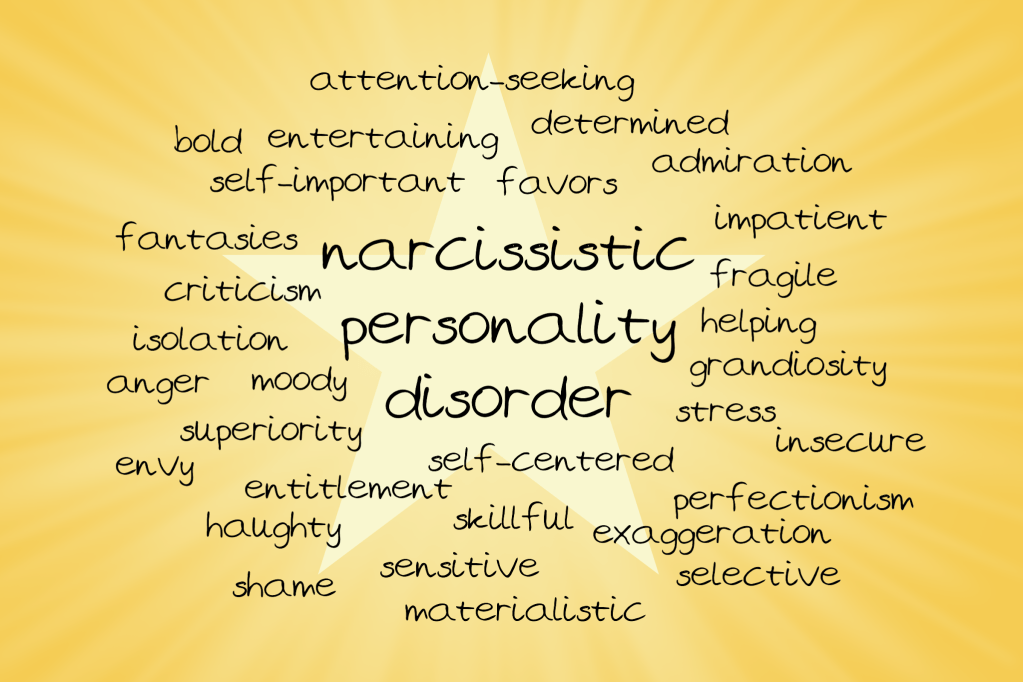
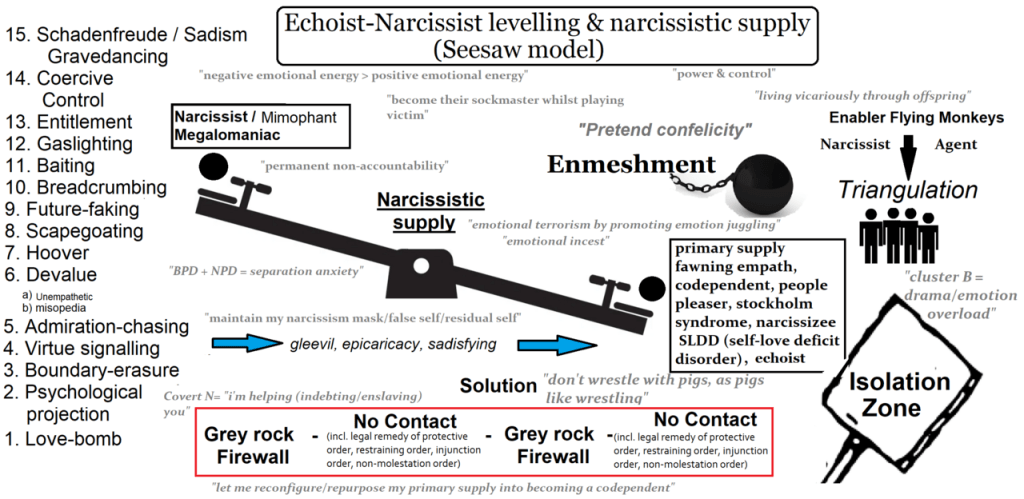
 Jogo Corpo Fechado