
A MESSAGE FROM THE PROFESSOR

The recent and deeply troubling incident in Chicago, where an Indian man not only openly threatened and physically assaulted a group of Black women but then brazenly attempted to mislead law enforcement about his actions, serves as a powerful and distressing clarion call for the urgent implementation of robust anti-Black hate crime legislation.

This event, far from being an isolated occurrence or an anomalous outlier, powerfully illuminates a persistent, often unacknowledged, and deeply entrenched vulnerability that continues to plague Black communities across the nation. It lays bare a reality that demands immediate and comprehensive legal redress.

This particular incident goes beyond merely demonstrating the critical necessity of such a law; it also, and perhaps more unsettlingly, offers a stark preview of where its most vocal detractors are likely to emerge. It suggests that resistance to such vital legislation will not solely emanate from the predictable, historically oppositionary sources. Rather, it reveals that a significant, and perhaps even the most vehement, opposition will tragically come from within the very “people of color” and “minority” communities that are often uncritically presumed to be natural allies in the overarching fight against racial injustice. This unexpected and deeply problematic opposition fundamentally complicates the often-simplified narrative of shared struggle. It compels a critical and uncomfortable examination of how different minority groups perceive and experience racism, and, most crucially, how some within these groups might inadvertently, or even actively, perpetuate and reinforce anti-Black sentiment, thereby undermining the collective pursuit of true equity.

The Chicago incident functions as a stark and undeniable reminder that while all minority groups can, and indeed do, face various forms of discrimination and prejudice, the specific, profound, and enduring history and ongoing reality of anti-Black racism in America are distinct. They are rooted in a unique historical legacy of slavery, Jim Crow, and systemic oppression that demands and necessitates targeted legal protections. The call for comprehensive anti-Black hate crime legislation is not intended, in any way, to diminish or invalidate the deeply painful experiences of other marginalized groups. Instead, its explicit purpose is to specifically address the unique, pervasive, and often life-threatening nature of violence, prejudice, and systemic discrimination that is disproportionately directed at Black individuals. This tragic incident vividly illustrates that the fight for racial justice is not a monolithic struggle with a singular narrative or a universally understood enemy. It underscores that solidarity, while highly desirable, cannot be simply assumed, particularly when confronting the deeply entrenched biases, both overt and subtle, that regrettably lead to horrific acts of violence like the one witnessed so disturbingly in Chicago.

In a related and equally vital note, immense gratitude and a heartfelt shoutout are extended to the insightful professor for generously uploading this profoundly illuminating video. Their unwavering dedication to sharing knowledge, fostering critical understanding, and sparking necessary dialogue around these complex issues is truly commendable and invaluable to the ongoing discourse. For those eager to delve deeper into the professor’s extensive body of work, to explore their rich and diverse collection of educational content, and to gain further insight into these critical societal challenges, a direct invitation is extended: please click HERE to access their comprehensive YouTube channel. This resource offers a crucial avenue for continued learning and engagement with these pressing matters.

THE MOMENT OF TRUTH FRIDAY CRIME REPORT (10/17/25)

Every Friday morning, PROFESSOR BLACK TRUTH hosts “The Friday Crime Report,” a program focused on systemic racism, economic inequality, and police brutality affecting the black community. It raises awareness and promotes advocacy, fostering dialogue for policy change and community engagement.

In Today’s installment…

Barbara Lee, a prominent political figure, has transitioned from her distinguished career in Congress to serve as the mayor of Oakland, a vibrant city known for its diverse community and progressive politics. Her election as mayor marked a new chapter in her public service, bringing her leadership and experience directly to the local level.

However, her tenure as mayor has not been without its challenges. A disturbing incident arose when a racist individual from a neighboring town began sending her a barrage of hateful and threatening emails. These communications were not merely offensive; they contained explicit death threats, directly targeting Mayor Lee due to her race and position. This malicious act highlights the ongoing struggle against racism and the dangers faced by public figures who challenge systemic inequalities.

The nature of these threats raises a critical question: will such a direct and alarming assault on a member of the Congressional Black Caucus (CBC) be sufficient to galvanize action towards prioritizing and passing a federal hate crime law specifically designed to protect Black Americans? The existing legal framework for hate crimes may not fully address the specific vulnerabilities and historical targeting experienced by the Black community. The incident with Mayor Lee serves as a stark reminder of the urgent need for comprehensive legislation that unequivocally criminalizes acts of violence and intimidation motivated by racial animus, ensuring justice and safety for all.

—–Special Acknowledgment:

A heartfelt shoutout and immense gratitude to the professor for generously uploading this insightful video. Their dedication to sharing knowledge and fostering understanding is truly commendable. For those eager to delve deeper into the professor’s work and explore their extensive collection of educational content, you are invited to click HERE to access their YouTube channel.

THE MOMENT OF TRUTH FRIDAY CRIME REPORT (10/10/25)

Every Friday morning, PROFESSOR BLACK TRUTH hosts “The Friday Crime Report,” a compelling program that delves deep into the critical issues surrounding systemic racism, economic inequality, and police brutality specifically affecting the black community. With an unwavering commitment to justice, the program serves not only as a platform for raising awareness but also as a catalyst for meaningful advocacy, fostering essential dialogue that paves the way for impactful policy change and community engagement. By spotlighting the stories and struggles of marginalized voices, it aims to empower listeners to take a stand and support social justice initiatives actively. Each episode features a diverse array of community members, activists, and experts who share their insights and experiences, inspiring actionable steps towards creating a fairer society. The combination of personal testimonies and expert analysis provides a rich, nuanced understanding of the systemic challenges at play, equipping audiences with the knowledge and motivation to drive change in their own communities and beyond.

In Today’s installment…

The initial accusation against Kyren Lacy, which portrayed him as the perpetrator in the death of a white motorist, now stands exposed as a calculated and deliberate campaign. This campaign was orchestrated not to uncover the truth, but to deflect blame, obfuscate facts, and ultimately suppress any information that might lead to an accurate understanding of the events. The very existence of such a misdirection raises profoundly disturbing questions about the underlying motives. Who stood to gain from framing Kyren Lacy, and to what extent were official channels—including law enforcement, the judiciary, and even elements of the media—corrupted or co-opted to achieve this nefarious outcome? The systematic nature of the false accusation, from the fabrication of evidence to the manipulation of witness testimonies, strongly suggests a concerted, well-resourced effort to manipulate public perception and pervert judicial processes. This was not merely an error in judgment but a sophisticated deception designed to secure a predetermined narrative, regardless of its devastating impact on an innocent individual.

As the undeniable truth inevitably surfaces, stripping away the layers of the elaborate deception that ensnared Kyren Lacy, the imperative now shifts with urgent force. The focus must pivot from the framed to the framers, to identifying, apprehending, and prosecuting every individual responsible for this egregious miscarriage of justice. This accountability extends far beyond those who directly fabricated evidence, coached false testimonies, or planted misleading information. It must encompass those in positions of authority—be they in government, law enforcement, or legal institutions—who sanctioned, facilitated, or, through deliberate inaction or turning a blind eye, enabled these illicit activities to proceed. Their complicity, whether active in orchestrating the deception or passive in allowing it to unfold, in what amounts to a state-sponsored killing through legal means, demands the highest level of rigorous accountability. No stone should be left unturned in exposing the networks of individuals and institutions that contributed to this monumental injustice.

The implications of this harrowing case extend far beyond the individual tragedy inflicted upon Kyren Lacy and his loved ones. It unmasks a profound and deeply concerning vulnerability within the legal system itself—a system that is supposed to be the bedrock of justice and protection for its citizens. This case starkly demonstrates how the lives of individuals can be unjustly terminated, either physically or through the destruction of their freedom and reputation, through an insidious web of lies, systemic abuse of power, and institutional corruption. To even begin to restore public faith in the integrity of justice, and crucially, to prevent future occurrences of such abhorrent acts, it is absolutely imperative that a full, transparent, and unsparing investigation be launched. This investigation must be independent, far-reaching, and empowered to uncover all layers of deception, identify every single individual involved in this conspiracy—regardless of their position or influence—and ensure that they face the full force of the law. Only through such a comprehensive and uncompromising pursuit of truth and justice can society begin the arduous process of healing from this grievous wound and reaffirm its foundational commitment to true justice, equality, and the unassailable rule of law for all.

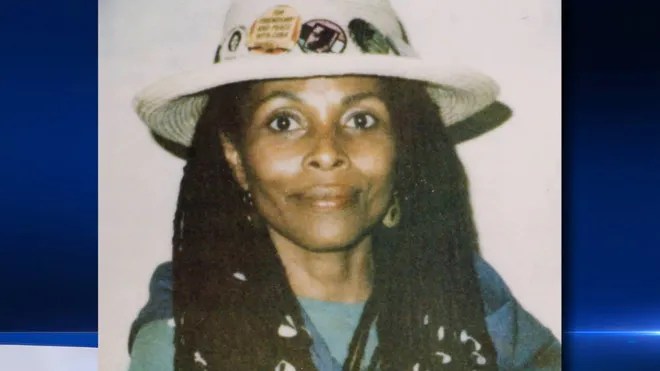
R.I.P. Assata Chakur

Assata Shakur died in Havana, Cuba, on September 25, 2025, at the age of 78. The cause of death was cited as “health conditions and advanced age” by Cuba’s Ministry of Foreign Affairs. Her passing brings a close to a decades-long saga that began with a high-profile murder conviction and ended with a long life in political asylum, during which she became an enduring symbol of resistance and resilience against systemic injustice.

Shakur, born Joanne Chesimard, was a prominent member of the Black Liberation Army, a radical group that sought to fight against systemic racism and promote civil rights for African Americans. In 1977, after a highly publicized trial, she was convicted of the 1973 murder of a New Jersey State Trooper during a tense and violent traffic stop, a case that garnered national attention due to its implications regarding police brutality and racial injustice. In a dramatic turn of events, she escaped from a New Jersey prison in 1979 with the help of fellow activists and quickly sought refuge outside the United States. By 1984, Shakur had successfully obtained political asylum in Cuba, where she was welcomed as a symbol of resistance against U.S. imperialism and was able to continue her activism in a supportive environment. For decades, the U.S. government engaged in extensive efforts to locate and extradite her from Cuba, yet these attempts proved fruitless, illustrating the complexities of international law and diplomatic relations. In 2013, to reignite the pursuit of justice, the FBI added her to its Most Wanted Terrorists list, marking the first time a woman was included on that list, elevating her status as both a fugitive and a controversial figure in the ongoing discussions surrounding race, justice, and activism in America.

Throughout her life, Shakur advocated for social change and equality, capturing the attention of activists and scholars around the world. Her contributions to discussions about race, class, and gender continue to resonate, making her a significant figure in both American history and contemporary social movements. In a time marked by turmoil and transformation, she stood at the forefront, challenging societal norms and articulating the struggles faced by marginalized communities. Her fierce commitment to justice, demonstrated through her writings, speeches, and actions, has paved the way for meaningful dialogue and awareness around issues of inequality. Her legacy will likely inspire future generations to confront the challenges of oppression and fight for justice in pursuit of a more equitable society.

Today, as we reflect on her impact, we honor her legacy, recognizing the profound influence she has had on the fight for civil rights and social justice, and the path she has carved for those who continue to advocate for change. Her relentless pursuit of equality and her unwavering commitment to justice have inspired countless individuals to stand up against oppression and challenge societal norms.

CORRUPT POLICE FILES (9/24/25)

Greetings! The majority of police officers are dedicated to protecting their communities and building trust through outreach programs like community events and educational workshops that foster engagement and understanding between law enforcement and the public. These proactive initiatives not only educate citizens about safety and crime prevention but also create opportunities for dialogue that can help bridge the gap between diverse communities. Unfortunately, a small number of officers abuse their power, which damages their reputations and undermines public trust in law enforcement, leading to skepticism and fear among the very people they are sworn to protect. This reality emphasizes the need for ongoing ethical training and stricter oversight to ensure accountability, as well as the importance of transparent policies that govern police conduct. Amid these challenges, it’s essential to recognize the dedication of many officers who serve their communities with integrity and selflessness, as their work is vital in restoring faith in the justice system and demonstrating the positive impact that law enforcement can have when it operates with compassion and respect for all citizens.

In today’s installment…

The FBI investigates police corruption linked to drug trafficking in New Orleans, employing a key informant and an undercover agent who infiltrates local gangs. This intricate operation not only highlights the pervasive issues of corruption within law enforcement but also sheds light on the broader impact of drug trafficking on the community. As part of its efforts, the FBI collaborates with local authorities and community leaders to build a comprehensive understanding of the crime landscape.

The FBI Files is a captivating docudrama that delves into the inner workings of the FBI’s crime laboratory through detailed reenactments and interviews with agents and experts. The series offers a gripping look at real cases that have shaped law enforcement, but it comes with a warning for viewers due to its sensitive content, which may be disturbing to some and serves as a reminder of the stark realities faced by those fighting crime.

KIDNAPPED!!!

Wang Xing, a young struggling Chinese actor who was kidnapped in Thailand and then moved to a scam call center in the Golden Triangle, a notorious region known for its criminal activities and drug trafficking. This shocking incident not only highlights the dangers faced by aspiring artists in foreign lands but also sparked an international crisis as various governments scrambled to respond.

Wang’s story has drawn significant attention to the broader issue of human trafficking and exploitation, raising awareness among audiences globally about the vulnerabilities of those seeking fame and fortune. It has sparked crucial conversations regarding the dark realities faced by countless individuals who are lured in by the promises of glamorous lifestyles and lucrative opportunities, often unaware of the dangers that lurk beneath the surface.

Wang’s experiences serve as a powerful catalyst for advocacy, driving home the message that we must collectively strive to safeguard the dreams of those chasing aspirations in an often exploitative world.

In the future, I will cover these scam call centers in more detail, shedding light on the nefarious tactics they use to exploit vulnerable individuals and families. This is a form of modern slavery and must be stopped! It’s disturbing to think that in our advanced world, such practices still prevail, preying on the unsuspecting and those in desperate situations.

For you travelers and tourists, stay safe; always remain vigilant and informed about the signs of scams to protect yourselves from falling victim to these deceitful operations. It is crucial to be aware of common tactics used by scammers, such as enticing offers that seem too good to be true, unsolicited assistance, or overly friendly strangers who may have ulterior motives.

Empowering yourself with knowledge is critical in today’s world. By educating yourself about these risks and sharing this information with fellow travelers, you can create a safer environment for everyone. Additionally, fostering a habit of skepticism regarding offers or situations that appear suspicious can further safeguard your experiences, ensuring that your adventures are filled with joy rather than unwelcome surprises.

PROFESSOR BLACK TRUTH’S SUNDAY ADDRESS (7/20/25)

Earlier this year, the African Union declared that “reparations” would be the “theme” for this year, highlighting the long-standing conversation surrounding the impact of colonialism and slavery on the African continent and its people. However, they have also declared that they will speak for the “diaspora” (read: American Blacks) on this issue, claiming to represent the interests and voices of those who have been affected by these historical injustices.

This stance raises important questions about the authenticity of their representation and the potential implications for funding, as they intend to take the money too! It is crucial to consider whether this approach truly reflects the desires and needs of the diaspora or if it serves more as a political maneuver to gain access to financial resources that could be better utilized in direct support of communities in need. Furthermore, one must examine the broader context in which these representations are made, probing deeper into the motivations of those involved and the potential conflicts of interest that may arise.

Are these representatives genuinely engaging with the community voices they claim to prioritize, or are they more focused on their own agendas? This complexity highlights a vital need for transparency and accountability in the processes that govern funding distributions, ensuring that the voices of marginalized groups within the diaspora are not only heard but actively shape the policies that affect their lives and futures. Only then can we ascertain whether the funds will truly contribute to meaningful development or if they risk being squandered on superficial projects that fail to address the root issues facing these communities.

Shout out to the professor for creating and posting this insightful video.

The Professor creates engaging videos on black empowerment, addressing historical and current issues to promote critical thinking and reflection among his audience. Click HERE to check out his YouTube channel, which fosters a community focused on significant black topics, facilitating diverse viewpoints and dialogue. By featuring guest speakers and multimedia elements, he enhances learning and encourages discussion of important narratives, cultivating belonging and respect while driving positive change in the community.

O VÍDEO DO DIA DA CAPOEIRA ANGOLA (7/18/25)

GREETINGS!!!

Capoeira Angola videos available online showcase its vibrant culture through music and movement, highlighting intricate footwork and acrobatics while celebrating Brazilian heritage and its historical context. These performances reveal the art form’s evolution as both self-defense and expression, emphasizing its legacy of beauty and resilience. They illustrate communal aspects, fostering connections among diverse individuals and demonstrating the power of art to unite across cultural barriers. Ultimately, these videos educate audiences about Capoeira as a living tradition, inspiring future generations to embrace its spirit.

In today’s installment, we have this game between Mestre Negoativo and Guaxini do Mar.

However, as good as that game is, Mestre Negoativo is more renowned for his musicality, which transcends mere entertainment to touch the depths of cultural expression. His unique blend of rhythms and melodies captivates audiences, often transforming traditional sounds into a modern masterpiece.

The intricacy of his compositions reflects a deep respect for his heritage, as he weaves together influences from various genres, creating an auditory experience that resonates with people of all ages. As he performs, it’s not just music that fills the air, but a rich narrative that tells stories of resilience and joy, which further enhances the emotional connection between the performer and his listeners.

This dynamic transformation serves as a bridge, linking generations and reminding us of the powerful role music plays in shaping community and identity. In every note and beat, Mestre Negoativo showcases not only his talent but also his passion for cultural storytelling, thereby leaving an indelible mark on the hearts of those fortunate enough to witness his artistry.

HAPPY INDEPENDENCE DAY, SOMALIA!!!

Somalia’s Independence Day in 2025 is today, July 1st, 2025. This significant date marks the formation of the Somali Republic in 1960 through the unification of British Somaliland and the Trust Territory of Italian Somaliland, a historical event that reshaped the identity and governance of the region. While June 26th is also recognized as the independence day of British Somaliland, which gained sovereignty from the United Kingdom on that date in 1960, the national holiday celebrating the formation of the Somali Republic is July 1st. This day is not only a reminder of the struggle for freedom but also an occasion for Somalis worldwide to reflect on their rich cultural heritage and the journey towards unity and independence.

The celebration commemorates the unification and the Somali people’s pursuit of sovereignty and self-determination. In 2025, Somalia will be celebrating its 65th anniversary of independence, marking a significant milestone in its journey toward nationhood. This important day is not only a time for reflection on the struggles and triumphs of the past but also serves as an opportunity to envision a brighter future for the country.

Typically, the day involves various festivities, such as parades, flag-raising ceremonies, and cultural events that showcase the rich heritage of the Somali people. These activities foster a sense of unity and national pride among citizens, as families gather to celebrate together. International partners often extend congratulations to Somalia on this day, recognizing the achievements and resilience of the Somali people in their ongoing quest for peace and stability. The vibrant atmosphere of the celebrations embodies the hopes and aspirations of a nation as it looks forward to continuing its development and strengthening its sovereignty.

HAPPY INDEPENDENCE DAY, RWANDA!!!

Rwanda’s Independence Day is celebrated on July 1st, a significant date in the nation’s history that marks the achievement of freedom from Belgian colonial rule in 1962. This day not only honors the struggle and sacrifices made by Rwandans in their quest for self-determination but also serves as a reflection of the country’s journey towards unity and progress since gaining independence.

Festivities typically include various events such as parades, cultural performances, and speeches by government officials, all aimed at promoting national pride and a sense of community among Rwandans. The celebration also highlights the importance of continued growth and development in the nation, as Rwandans come together to remember their past and look forward to a brighter future.

Rwanda also celebrates Liberation Day on July 4th, marking the end of the Rwandan genocide, a day that symbolizes resilience and unity for the nation. This significant event commemorates the victory of the Rwandan Patriotic Front in 1994, which put an end to a period of devastating violence and suffering.

In the aftermath, the country has made remarkable strides in rebuilding itself, fostering a sense of national pride and commitment to peace and reconciliation that is palpable in every corner of the nation. On this day, the Rwandan people participate in various activities, including memorial services, cultural performances, and community gatherings, which serve as a vital reminder of the resilience of the human spirit. Families and friends come together to share stories of love and loss, ensuring that the memories of those who were lost are not forgotten. Through art, music, and dance, they express their hopes for a united future, reflecting on the past while looking forward to a brighter future filled with opportunities for all. This day is not just a moment of remembrance, but also a celebration of progress, unity, and the commitment of every Rwandan to build a peaceful society where diversity is cherished and embraced.