
“There are not more than five musical notes, yet the combinations of these five give rise to more melodies than can ever be heard. There are not more than five primary colours, yet in combination, they produce more hues than can ever been seen. There are not more than five cardinal tastes, yet combinations of
them yield more flavours than can ever be tasted.”
― Sun Tzu, The Art of War“
Capoeira Angola is a defensive martial art known for its intricate trap-like defenses designed to catch opponents off guard. It encompasses 8 basic defenses, each with unique unexpected attacks and counter attacks based on the opponent’s positioning. Mastery of these movements enables capoeiristas to defend against individuals carrying various weapons, including sticks, clubs, knives, and potentially even firearms with the appropriate skills.
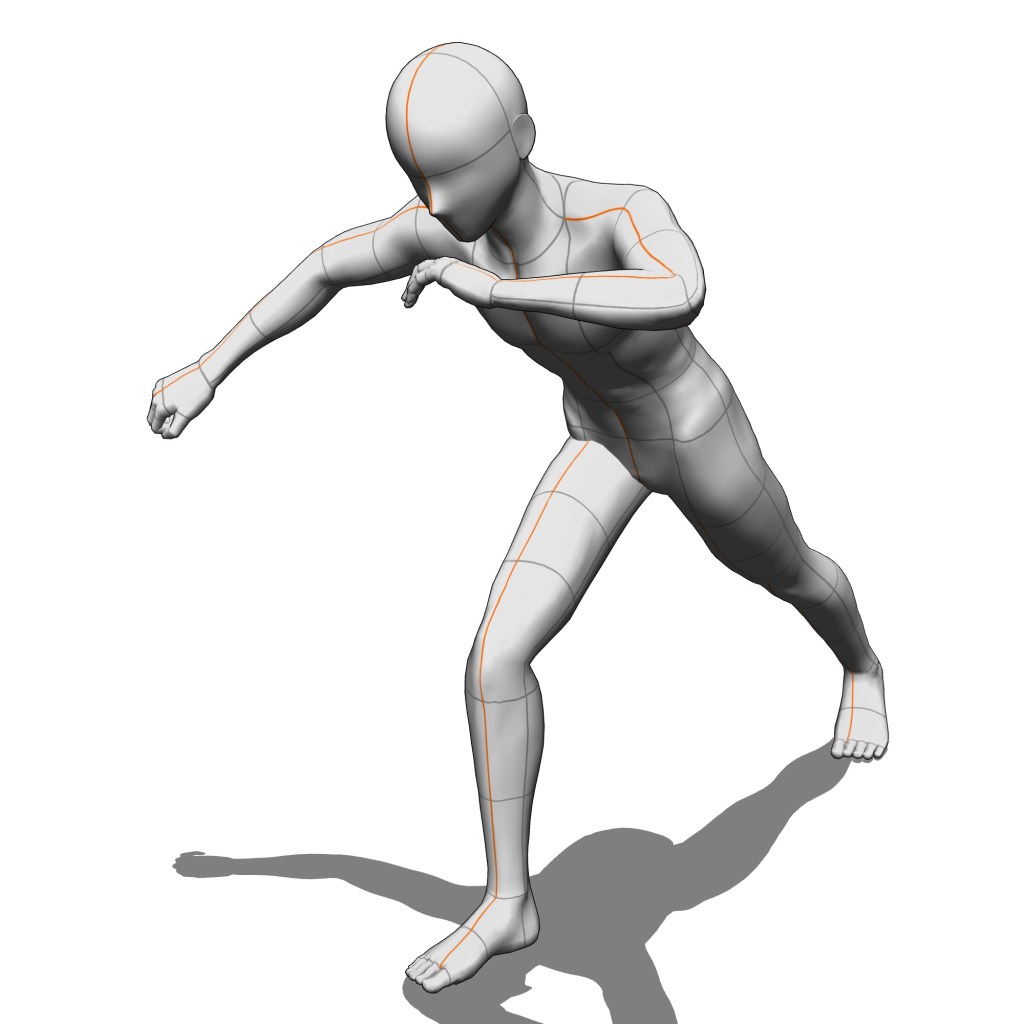
For those of you out there who don’t know about Capoeira Angola, what you’re watching above is the most fundamental technique and concept of Capoeira: the GINGA.
This unique movement serves as the heartbeat of Capoeira, allowing practitioners to flow seamlessly between offense and defense while maintaining rhythm and connection to the music. The GINGA not only embodies the essence of the art form but also offers a means of communication between participants, engaging them in a dynamic dialogue of movement. As one shifts from side to side, the body becomes a vessel of expression, showcasing agility, creativity, and cultural heritage. Mastering the GINGA is essential for anyone looking to delve deeper into the rich world of Capoeira Angola and truly appreciate its beauty and history.
Now, here’s a video of my friend Cheyenne Amen, giving you a more detailed definition of what the ginga is, along with its historical significance and how it is practiced in various contexts. In this video, Cheyenne breaks down the movements and techniques involved, demonstrating not just the physical aspects of the ginga, but also its cultural importance and its role in performances and martial arts.
And here is Da’Mon Stith of Austin Warrior Arts, demonstrating the dynamic and fluid movement of the Ginga within the context of combat. As he showcases this foundational step, he emphasizes its importance not only as a form of footwork but also as a way to create distance, maintain balance, and set up for various striking or defensive maneuvers.
So, why do we do the ginga? what advantages can a capoeirista gain from the ginga? Well…
The ginga not only enables you to move fluidly from one spot to another, while maintaining a suitable posture to defend or attack at all times, but it also serves as a fundamental building block of capoeira’s dynamic movement. With the ginga, you have the ability to change your position seamlessly, and even encircle a stationary opponent, thereby putting them at a disadvantage. Furthermore, since your body is already in motion, this allows you to deliver quicker and more powerful blows, enhancing your ability to react with greater speed when defending yourself against incoming attacks. As you continuously change your position, you’re not presenting your opponent with a fixed, stationary target; instead, you resemble a shadow, elusive and unpredictable, much like bobbing and weaving in boxing.
This unpredictability can be crucial in the heat of the fight, as it keeps your opponent guessing and hesitant. Additionally, the ginga lulls an opponent into a state of expectancy, a psychological advantage that a skilled capoeirista can exploit by swaying instead of stepping back. In this way, they can achieve the opposite profile of the fighter, thus cleverly delivering their attack from an unexpected angle. Although the primary purpose of the ginga is defensive, it also serves as the initial position for unleashing powerful offensive blows. Moreover, the leg that steps back can strike with significantly more power when it’s quickly brought forward than if it remains planted, creating an explosive counter-attack that can catch even the most seasoned opponents off guard. This interplay of motion and strategy highlights the beauty and complexity of capoeira, making it a unique blend of art, sport, and fight.
Now, I want to discuss the most important aspect of the ginga: making the ginga you own.
You see, over the last several decades, Capoeira has been subject to a process of standardization that has led to a homogenization of styles and techniques. While this standardization has facilitated its propagation across different regions and cultures, making it more accessible to new practitioners, and easier to learn, it has also attenuated many parts of its essence, dulling the vibrancy and authenticity that once characterized it.
It is crucial that we find ways to celebrate individuality within Capoeira, allowing each practitioner to connect with their heritage and express themselves fully. By doing so, we not only honor the traditions and teachings passed down through generations, but we also foster an environment where creativity thrives, enabling practitioners to innovate and reinterpret the art form in ways that resonate with their personal experiences. Moreover, embracing diversity within the practice of Capoeira can lead to a more vibrant and dynamic community, where shared stories and varied styles enhance the overall experience, strengthening the bond among practitioners while preserving the intricate history that gives Capoeira its unique identity.
The ginga, more than simply being a 2 step footwork pattern, is meant to reflect something intrinsic about how you move, how you embody the art, and about your personality. It serves as a fundamental expression of rhythm and balance, intertwining both grace and strength. In groups where practitioners are allowed to express Capoeira more naturally, you see this unique embodiment manifest in a variety of fluid movements and improvisations that tell individual stories, enriching the art form as a whole. Each movement speaks volumes, echoing the experiences and emotions of its practitioner, revealing a deep connection to cultural roots and personal journeys. When you watch old footage of Capoeira, you see this richness and diversity alive in the participants, each one bringing their own flair, spirit, and history to the art, contributing to a vibrant tapestry of life that celebrates both the past and the present.
The interplay of styles and expressions not only showcases the individual’s creativity but also fosters a sense of community and shared identity, making Capoeira a living, breathing organism that evolves with every practitioner.
So, if the “spirit” is lost, how do you get it back?
As far as I’m concerned, the solution is partly one of recognizing the purpose of the ginga and the movement philosophy that is implicit in Capoeira itself, which encourages freedom and personal interpretation of movement. This recognition is not just about understanding the movements; it is also about embracing the idea that every practitioner brings their essence into the practice, enriching the overall experience.
The second part involves learning or re-learning this philosophy and consistently practicing in this way to internalize it as part of one’s training. It requires dedication and an open mind, a willingness to explore the boundaries of one’s comfort zone and to challenge the status quo of movement. Again, in some settings, this more expressive style may be unwelcome, especially in environments fixed on “tradition” and rigid forms that do not allow room for innovation or personal flair. Hence, part of the solution is to actively seek out and train with mestres and groups that embrace such an innovative and open approach to movement. These mentors can provide invaluable insights and guidance, fostering a richer learning experience and a deeper connection to the art form, ultimately creating a community that celebrates diversity in expression and encourages its members to flourish as both individuals and artists.
A Deeper Dive into the Ginga
The foundational, rhythmic movement known as the ginga is arguably the most essential and recognizable element of Capoeira Angola. Far from a simple back-and-forth footwork pattern, the ginga is the Capoeirista’s constant state of motion—a dynamic ‘resting’ position that serves as the wellspring for all attacks, defenses, and evasions. It is the heartbeat of the jogo (the game) and an ever-present conversation with the opponent and the music.
The true nature of the ginga is multi-faceted:
- The Catalyst for Movement: The continuous side-to-side and slight forward/backward shifting keeps the body loose, unpredictable, and ready to launch an explosive kick, dodge a counter-attack, or quickly transition into an acrobatic aú (cartwheel).
- A Defensive Screen: The constant swaying makes the target area ambiguous and difficult for the opponent to accurately gauge distance and timing, effectively disrupting their attack strategy.
- Rhythm and Connection: Performed in perfect synchrony with the berimbau‘s toque (rhythm), the ginga connects the player to the roda (the ring) and the tradition. It is a physical manifestation of the music itself.
To truly understand the depth of this movement, Today (1/22/26) I have published a comprehensive and much more detailed article specifically analyzing the nuances, history, and application of the ginga. This new article delves into the subtle variations, common mistakes, and the philosophy behind this core Capoeira movement.
You can read this expanded analysis by clicking HERE.


 Jogo Corpo Fechado