The Viral Controversy: A Rebuttal to Anti-Black American Sentiments
The discourse surrounding Black Americans and the diaspora recently intensified following a highly controversial podcast episode. The episode featured guests whose comments disparaged the culture and character of Black Americans, leading to significant backlash and a crucial need for a comprehensive public rebuttal.
The Core Allegations and Their Impact
The controversy was ignited by two specific and inflammatory claims made by guests of Haitian descent on the platform:
The “Dirty” Accusation: A Haitian woman on the podcast made headlines when she publicly labeled Black Americans as “dirty.” This term is not only a gross generalization but also perpetuates harmful, classist, and anti-Black stereotypes that have historically been weaponized against the community. Such a statement demonstrates a profound lack of respect and a willingness to adopt derogatory language rooted in colorism and internalized oppression.
The “No Culture” Claim: A separate guest, also Haitian, asserted that Black Americans possess “no culture.” This claim is demonstrably false and erases centuries of foundational cultural contributions. African Americans have indelibly shaped global culture through innovations in music (Jazz, Blues, Hip-Hop, Rock and Roll), art, literature, dance, and distinct culinary traditions. To deny this rich, complex, and influential cultural heritage is an act of historical revisionism and intellectual dishonesty.
The Failure of the Hosts: Token Pushback
The most troubling aspect of the entire episode was not merely the offensive content itself, but the deeply concerning failure of responsibility demonstrated by the podcast’s hosts. The platform, which provides a powerful and broad-reaching vehicle for the dissemination of ideas, was leveraged to broadcast divisive, historically inaccurate, and overtly offensive remarks. In such a scenario, the role of the hosts is critical: they must act as ethical gatekeepers, ensuring that the dialogue remains productive, factual, and respectful.
Instead, what transpired was a regrettable display of inaction, characterized only by what can be accurately described as “token pushback.” This minimal, insincere, or entirely half-hearted challenge to the guests’ assertions was wholly insufficient. It failed on multiple, crucial fronts:
A Failure of Advocacy: The hosts failed to adequately defend the Black American community, which was the direct target of the hurtful and bigoted rhetoric. Their silence, or weak challenge, created an environment where harmful stereotypes were normalized.
A Failure of Accountability: The guests were never truly held accountable for their assertions. A strong, substantive rebuke—rooted in facts and ethical consideration—was absent. This lack of confrontation essentially allowed the rhetoric to stand unchallenged, implying legitimacy.
A Failure of Editorial Judgement: A responsible media platform operates under a fundamental obligation to moderate discussions. This is not censorship, but an ethical requirement to ensure that harmful misinformation, dangerous narratives, and bigotry are not given an uninhibited, unchallenged avenue for dissemination to a mass audience.
The hosts’ inability or unwillingness to provide a strong, fact-based, and ethical rebuke suggests two deeply unsettling possibilities. It implies either a tacit endorsement of the offensive and divisive views expressed, or a cynical prioritization of sensationalism and controversial engagement—the pursuit of “clicks” and viewership—over the far more important values of communal respect, historical accuracy, and truth. This negligence compromises the integrity of the platform and deeply injures the communities it fails to protect.
Our Rebuttal and Call to Action
We must unequivocally rebuke these slanderous, factually incorrect, and utterly destructive statements. The persistent and baseless attempt to divide Black people along narrow national, ethnic, or diasporic lines is a pernicious strategy that benefits no one within the Black community. Such fragmentation serves only the insidious interests of white supremacy, which actively seeks to keep marginalized and oppressed groups fractured, disorganized, and incapable of unified political and cultural power.
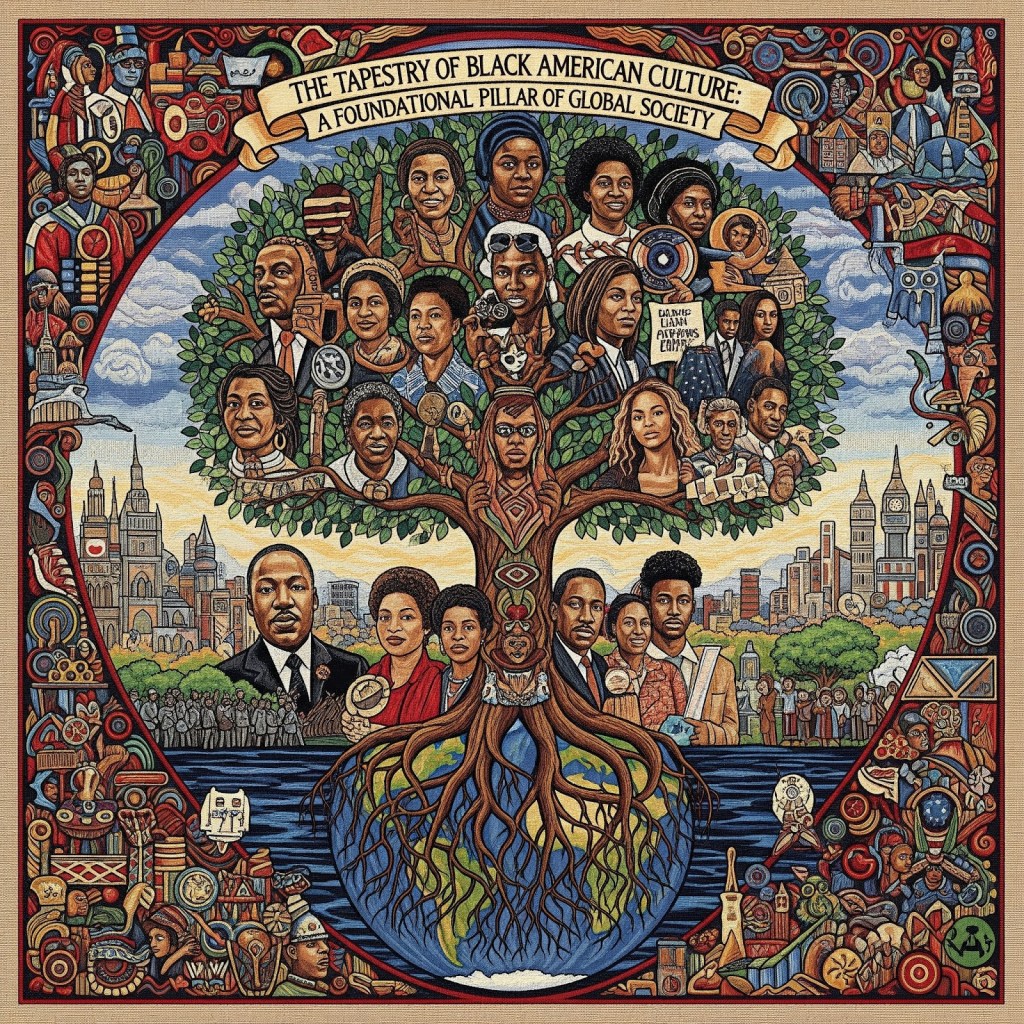
It is absolutely imperative to address and celebrate the complex, multifaceted, and vibrant reality of Black American culture, a culture forged in the crucible of enslavement and resistance. This culture is not monolithic; rather, it is a dynamic tapestry characterized by extraordinary resilience, groundbreaking creativity across all art forms, intellectual profoundness, and an unparalleled influence on global culture, music, language, and social justice movements. To flatten this reality into a caricature is an act of historical and cultural vandalism.
Furthermore, we must categorically reject the use of derogatory and dehumanizing language. The use of terms like “dirty,” or any similar slur, is a calculated attempt to dehumanize, stigmatize, and moralistically condemn an entire population or subset of the Black community. This language is a tool of oppression, designed to inflict psychological damage and justify systemic neglect and discrimination. Our focus must be on unity, mutual respect, and the collective struggle for liberation, rejecting all internal and external forces that seek to diminish the inherent dignity of Black people worldwide.
Engagement and Support
This rebuttal serves as a necessary intervention against narratives that seek to degrade and divide the Black community. We are committed to fostering unity and promoting accurate, respectful dialogue about the global Black experience.
Support the Professor: To support the continued production of content that challenges harmful narratives and promotes Black truth, you can contribute through the following channels:
CashApp: $ProfessorBlacktruth
Patreon: [Link to Patreon / ProfessorBlacktruth]
PayPal: [Link to PayPal / ProfBlackTruth]
Follow for More Insight: Stay connected with our analysis and commentary on these crucial social issues.
The Gentrification of Black Slang: A Cycle of Criticism, Co-option, and Cultural Theft
The phenomenon of Black slang being gentrified is a recurring and deeply troubling pattern within American culture. Time and time again, a clear and disheartening cycle unfolds: Black individuals innovate and popularize a form of cultural expression, usually through language. This expression is then met with initial criticism, dismissal, or outright ridicule from the mainstream—often framed as “uneducated” or “ghetto” speech. Subsequently, it is co-opted and imitated by non-Black communities, stripped of its original context and meaning, and finally, completely absorbed and rebranded as general internet slang or mainstream vernacular, effectively erasing its Black origins. The cultural originators are then often criticized for their own language once it has been deemed “cool” by others, or they are forced to innovate new terms to maintain cultural distinction.
A stark example of this cultural theft is the trajectory of the term “woke.” Originating within the Black community, particularly in the context of political awareness and social justice in the 20th century, “woke” meant being acutely aware of systemic racism and injustice. It was a call to consciousness. As it crossed over into broader usage, its meaning was first diluted and then weaponized. Now, it is often used dismissively by critics to mock social progressivism, a complete perversion of its intended, serious purpose.
This process is now visibly occurring with other elements of AAVE (African American Vernacular English).Understanding AAVE: Beyond “Slang”
It is crucial to understand that AAVE is not merely “internet slang,” “broken English,” or a collection of fleeting phrases. AAVE is a systematic, rule-governed dialect of American English, primarily spoken by Black Americans. It possesses its own distinct grammar, vocabulary, and phonology. Its roots are deep, complex, and historical, potentially linked to creole languages and Southern US dialects, evolving under unique historical and sociological conditions. For instance, AAVE often uses tense and aspect markers (such as the invariant be, as in “She be working”) in ways that precisely convey continuous or habitual actions, features distinct from Standard American English, demonstrating its internal logic and sophistication.
When elements of AAVE are extracted, sensationalized, and then misused by non-speakers—often without acknowledging the source—it constitutes a form of cultural appropriation. It reduces a rich, historically-rooted linguistic system to a mere trend, overlooking the very real social and professional penalties Black Americans often face for speaking the dialect in formal settings, penalties that non-Black speakers of the gentrified slang rarely encounter. The underlying sentiment is: when we do it, it’s wrong; when you do it, it’s cool.
Enough is enough. The cultural innovation of Black communities deserves respect, recognition, and protection from this repetitive cycle of theft and misrepresentation. Recognizing the origins and resisting the impulse to co-opt and mainstream AAVE terms without context is a necessary step in correcting this imbalance.
—–Support the Conversation and the Creator
Please support and amplify voices that are speaking directly to these issues and advocating for cultural respect and intellectual property.
Once again, February arrives, marking Black History Month in the United States—a time dedicated to celebrating the profound history, rich culture, and invaluable contributions of Black people across America. It is a period of national recognition where people of all racial backgrounds and communities come together to reflect on the past, acknowledge the struggles, and honor the enduring legacy that has shaped the nation.
This annual observance serves as a vital reminder to delve deeper into the stories, achievements, and continuing journey of Black Americans. It is a moment to amplify voices that have historically been marginalized and to appreciate the indelible mark Black culture has left on every facet of American life, from science and arts to politics and social justice.
Here at Jogo de Corpo Fechado, our commitment to the celebration of Black history, culture, and excellence transcends a single month, extending far beyond the traditional confines of February. This post serves as a firm, year-round reminder of our unwavering dedication to acknowledging, honoring, and promoting the profound and dynamic heritage of the Black diaspora. We believe that true recognition is not a seasonal observance but an ongoing process requiring continuous learning, active engagement, and persistent elevation.
This daily commitment is fundamentally intertwined with the very essence of Capoeira Angola, a living, breathing testament to Black resilience, ingenuity, and cultural synthesis. We see our practice as a direct continuation of a cultural tradition forged in resistance and steeped in history. Therefore, every roda (capoeira circle), every toque (musical rhythm), and every lesson on the art’s historical roots is an act of honoring Black excellence. We are dedicated to exploring and illuminating the intricate social, political, and spiritual context from which Capoeira Angola emerged, ensuring its legacy as a powerful force for freedom and cultural preservation is never diminished.
We strive to create an environment where the achievements of Black ancestors, artists, leaders, and thinkers are not just mentioned but are central to our shared educational experience. By adopting this year-round perspective, we ensure that the narratives of struggle, triumph, and cultural richness become an integral part of our community’s identity. Our goal is to move beyond passive acknowledgment to active advocacy, supporting initiatives, artists, and scholars who champion Black culture, both within the global Capoeira community and the wider world. This is our promise: to celebrate Black history, culture, and excellence not just during one month, but profoundly and actively, every single day of the year.
From Wisconsin’s lush forests to California’s sun-drenched coastlines, a profound shift is occurring as Indigenous nations actively work to reacquire ancestral territories. This vital movement is a localized manifestation of the larger, global “Landback” initiative, which is fundamentally dedicated to the repatriation of Native lands that were unjustly seized and placed under external control. The “Landback” movement aims to restore these stolen territories to the direct stewardship and sovereign control of the rightful tribal governments and communities.
This widespread restoration raises critical questions about its true impact and significance. Is the return of land merely a symbolic gesture—an acknowledgment of historical injustice that offers limited practical change? Or, more profoundly, does it represent a concrete and essential step forward on the arduous path toward healing, the full restoration of Native cultures, and the robust reestablishment of tribal sovereignty?
Proponents argue that the Landback movement constitutes more than mere symbolism; it is a fundamental and transformative act of justice that provides the necessary physical, legal, and economic foundation for authentic Indigenous self-determination.The Foundations of Sovereignty
The material and legal return of ancestral lands, they contend, is the single most vital component for empowering tribal nations to manage their territories, resources, and affairs with genuine sovereignty. This restoration is not simply about property transfer; it is a rectification of historical injustices—specifically the illegal seizure of lands—and a renewal of inherent sovereign rights. Without a secure, recognized land base, true self-governance remains perpetually hindered by external jurisdictions and economic dependency. Landback provides the physical territory where governmental authority can be fully exercised, free from the interference of state or federal bureaucracies that have historically undermined tribal power.Ecological and Cultural Revitalization
The empowerment provided by land return enables tribes to manage natural resources according to Traditional Ecological Knowledge (TEK). This holistic, centuries-old approach contrasts sharply with conventional, often extractive, resource management practices. By applying TEK, tribes can implement sustainable forestry, fisheries, and agricultural practices that prioritize biodiversity, ecosystem health, and long-term vitality, thereby benefiting not just the tribal nation but the broader environment.
Furthermore, the revitalization of cultural practices is inextricably linked to specific landscapes and ecosystems. The return of land facilitates the revival of ceremonies, languages, and traditional ways of life that are geographically specific and often impossible to practice without access to sacred sites, traditional gathering areas, and ancestral homelands. This material restoration of the land is, therefore, seen as essential to the revitalization of Indigenous identity, language transmission, and a deep connection to place.Economic Independence and Future Building
Beyond justice and culture, Landback is viewed as a pathway to crucial economic independence. With control over their lands and resources, tribal governments can establish tribally-owned enterprises, develop sustainable housing, and create infrastructure tailored to the needs of their communities. This economic base reduces reliance on federal funding and supports nation-building efforts, allowing tribes to invest in education, healthcare, and social services autonomously. Providing this vital grounding is critical for ensuring true, meaningful, and self-sufficient sovereignty in the 21st century.
This is for those of you who actually think we Black Americans don’t have a culture… You know who you are!
Now family, if you don’t want to read this long article, just watch the video below from the YouTube Channel Foundational Black American History. It basically says the same thing.
Click HERE if you want to watch a longer version of this video.
The video is an excellent visual resource that summarizes the key concepts discussed in this article, providing a more engaging and easily digestible format. Watching it can offer valuable insights and a deeper understanding of the historical context, and it allows you to absorb the information while multitasking or relaxing.
Black American culture, alternatively recognized as African American culture, is an extraordinarily rich, dynamic, and fundamental component of the broader American society, and an immense force in shaping global culture. It is a profound cultural tradition that emerged from the unique and often brutal experiences of African descendants in the United States, representing a powerful synthesis of ancestral African heritage—preserved and adapted under duress—and the transformative, often oppositional, American environment. This culture is deeply forged by the historical crucible of chattel slavery, the persistent, multi-generational reality of systemic oppression, and the enduring, monumental struggle for fundamental freedom, equality, and dignity. This historical context has fostered an unparalleled collective spirit characterized by resilience, unbreakable community bonds, deep pride, and a constantly evolving, distinctive identity that finds creative expression across every facet of human endeavor.
—–Core Elements and Enduring Contributions: Transformative Influence
The contributions of Black American culture are not merely additive; they are transformative, profoundly shaping the core character of the nation and influencing global trends across numerous domains.Music: The Global Soundtrack and Revolutionary Art Forms
African American culture has exerted a pervasive, revolutionary, and foundational influence on global musical forms. Genres born from the Black experience are the undisputed bedrock of much of modern popular music, driving innovation in melody, rhythm, harmony, and performance worldwide:
Blues: Originating in the Deep South post-emancipation, the Blues served as a vital emotional and narrative outlet, utilizing a distinct 12-bar structure and “call-and-response” patterns to express the existential hardships, hopes, and spiritual strength of the community. It is the direct ancestor of multiple subsequent genres, carrying a foundational emotional gravitas.
Jazz: A uniquely American art form that developed in the vibrant, multicultural setting of New Orleans at the turn of the 20th century. Jazz—with its complexity, polyrhythms, improvisation, and syncopated rhythms—swiftly became recognized as America’s classical music, demanding high artistry and influencing musicians and composers across all continents.
Gospel: Evolving from spirituals—the coded songs of enslaved people—Gospel music is the uplifting, powerful, and deeply emotional voice of the Black church. It provides both profound religious inspiration and a crucial, technical foundation for R&B, Soul, and eventually, Pop music, emphasizing vocal dexterity and powerful, communal harmony.
R&B (Rhythm and Blues), Rock and Roll, and Funk: These genres further expanded the landscape, bridging the gap between sacred and secular music. R&B and Rock and Roll pioneers synthesized the structures of Blues and the energy of Gospel, while Funk, rooted in deep, syncopated basslines and percussive horns, utilized infectious rhythms and raw, passionate delivery to create a distinct sound that influenced disco, pop, and dance music globally.
Hip-Hop and Rap: Emerging from the urban centers of the late 20th century, particularly the Bronx, New York, Hip-Hop culture is a potent, multifaceted global phenomenon. Encompassing MCing (rapping), DJing, breakdancing (B-Boying), and graffiti art, it serves as a powerful and unfiltered medium for storytelling, political commentary, social critique, linguistic innovation, and entrepreneurship, constantly redefining the global popular music landscape.
Oral Tradition and Language: The Spoken Legacy
The maintenance of a strong oral tradition was critically important for cultural and historical preservation during the era of slavery, when literacy was often forbidden by law. This tradition continues to thrive, shaping communication and artistic expression:
Storytelling and Proverbs: These were and remain vital tools for teaching history, preserving cultural memory, communicating ethical principles, and transmitting cultural values across generations, often through stylized and highly dramatic performance.
African American Vernacular English (AAVE): Far from being mere slang, AAVE is a complex, structured, and linguistically rich form of English with its own consistent grammar, syntax, vocabulary, and expressive nuances. It is a powerful cultural identifier and a source of continuous linguistic innovation that profoundly shapes not only literature but also mainstream American speech and global communication via music and media.
Spoken-Word Poetry and Rap: These modern forms are direct and powerful descendants of the traditional oral legacy, emphasizing rhythmic language, sophisticated wordplay, rhetorical flourish, and often containing piercing social and political commentary.
Family, Church, and Community: The Social and Political Foundation
In the face of systemic adversity and the systematic destruction of biological family units during slavery, the Black community built robust, resourceful institutions that served as vital centers of survival, support, and activism:
The Black Church: Historically and contemporarily, the church has been more than a spiritual sanctuary; it has been the single most central social, educational, economic, and political hub for the community. It provided essential leadership, organized the monumental Civil Rights Movement, and continues to foster a critical sense of collective purpose and hope.
Extended Family and Kinship Networks: Strong, often non-biological, extended family structures and “fictive kinship” (treating close friends as relatives) have been essential. This network ensures the care of children, the support of the vulnerable, and the preservation of values, creating a safety net where traditional institutional support was lacking.
Core Values: Central values emphasize deep respect for elders as carriers of history and wisdom, a high degree of community inter-dependency (often summarized by the concept of Ubuntu—”I am because we are”), and a commitment to “giving back” for the collective upliftment of the race.
Cuisine: Soul, Sustenance, and Cultural Ingenuity
The development of “Soul food” and distinct Southern Black cooking traditions is a profound testament to cultural creativity and ingenuity, transforming limited, often poor-quality resources into flavorful, communal, and spiritually resonant meals.
Origins: These food ways were developed by enslaved Africans, blending West African staples (like rice, okra, and black-eyed peas) and traditional cooking techniques (like deep frying and long stewing) with the ingredients available in the Americas, often using overlooked or discarded animal parts and vegetables.
Key Dishes: Signature dishes include staples like fried chicken, richly seasoned macaroni and cheese, collard and other seasoned greens, black-eyed peas, candied yams, and red beans and rice. Soul food is a vital, symbolic part of celebrations, weekly family gatherings, and the preservation of cultural memory.
Art and Literature: Resistance, Identity, and A Declaration of Self
African American art, literature, and performance arts have consistently served as both a detailed record of struggle and a powerful declaration of self-worth, identity, and beauty in a society that often denied all three.
The Harlem Renaissance (1920s-1930s): This period marked an explosive cultural flowering in which writers (like Langston Hughes and Zora Neale Hurston), artists, and musicians celebrated Black life, asserted their intellectual and creative identity, and powerfully challenged racist narratives both domestically and internationally.
Themes: Contemporary expressions continue to explore universal themes—love, loss, morality—through the highly nuanced lens of the Black experience: identity formation, the persistent struggle for justice, the celebration of Black joy, and the complex, intersectional nature of Black American life.
Fashion and Aesthetics: Style, Statement, and Global Influence
Black American fashion is a dynamic force that constantly innovates and influences global trends, often turning necessity into high style:
African Aesthetics: Traditional African elements, such as the use of vibrant, expressive colors, intricate textiles (like kente cloth), and symbolic motifs (like Adinkra), are frequently incorporated and adapted into contemporary styles.
Modern Trends: Modern styles, exemplified by hip-hop fashion (e.g., oversized clothing, high-top fades, visible luxury branding) and the global impact of athletic wear (like iconic Air Jordan sneakers), not only originated in but were fiercely driven and popularized by Black American culture.
Cultural Practices: The tradition of elaborate, highly decorative “Sunday hats” worn by women in Black churches is a notable sartorial expression of dignity, status, and artistry that connects back to African head-wrapping traditions.
Holidays and Commemorations: Honoring History and Collective Memory
Several observances are central to acknowledging and celebrating the history, endurance, and achievements of the culture, ensuring collective memory is maintained:
Black History Month (February): Founded as “Negro History Week” by historian Carter G. Woodson, this month is dedicated to honoring the monumental contributions, history, and achievements of African Americans throughout U.S. and global history.
Juneteenth (June 19): Now a federal holiday, Juneteenth commemorates the day in 1865 when enslaved people in Galveston, Texas, finally received the news of their freedom, marking the effective, though delayed, end of slavery in the United States. It is a celebration of freedom and persistence.
Kwanzaa (December 26 – January 1): A cultural, non-religious holiday established in 1966 that celebrates African heritage, unity, and culture, based on seven core principles known as the Nguzo Saba (The Seven Principles).
Resilience and Activism: The Ongoing Fight for Justice
A shared history of enduring extreme circumstances—from chattel slavery to Jim Crow segregation and modern systemic inequality—has cultivated an extraordinary, deep-seated sense of resilience, collective pride, and unwavering hope against all odds.
Social and Political Engagement: This foundation is the engine for ongoing social and political activism, most famously embodied by the Civil Rights Movement and continuing through modern movements for social justice. This commitment ensures the culture remains active, engaged, and focused on collective advancement, constantly demanding that America live up to its stated ideals.
—–The Profound Diversity and Non-Monolithic Nature of Black American Culture
Black American culture is an extraordinarily complex, dynamic, and fundamentally diverse phenomenon that defies a single, simple definition. It is emphatically non-monolithic, meaning it cannot be treated as a uniform entity but rather as a vast, rich tapestry woven from countless threads of heritage, environment, class, region, and religious experience.
This immense richness is manifested through a broad spectrum of variations, including:
Regional Specificity: Distinct cultural ecosystems have emerged across different American landscapes.
Gullah/Geechee Culture: The unique, isolated culture of the Sea Islands (South Carolina, Georgia, Florida), which has preserved a deep linguistic, artisanal (e.g., basket weaving), and spiritual connection to West Africa that is unparalleled in the continental U.S.
Louisiana Creole and Cajun Traditions: Vibrant, syncretic cultures that blend African, French, Spanish, and Native American influences, giving rise to unique music (Zydeco) and cuisine.
Urban Cultures: The diverse, fast-paced urban cultures of Northern and Midwestern cities like New York, Chicago, and Detroit, which fostered landmark movements in Jazz, Blues, Motown, and Hip-Hop, and developed distinct local dialects and style.
Socioeconomic and Class Stratifications: Experiences within the Black community are also shaped by economic status and social class. Different socioeconomic groups often have distinct cultural markers, traditions, educational priorities, and leisure activities, further fragmenting the idea of a singular “Black experience” while still sharing the overarching legacy of the struggle for racial equality.
Religious and Spiritual Practices: A wide array of spiritual traditions contribute to the culture, from the historically central Black Christian denominations (Baptist, AME, CME) that served as cultural and political anchors, to the significant presence of Islam (including the Nation of Islam and Sunni communities), African indigenous religions, and non-theistic belief systems.
Crucially, the dynamism of Black American culture is continuously enhanced by the growing population of Black immigrants from the Caribbean and the continent of Africa. This ongoing infusion acts as a profound catalyst for cultural evolution, deepening and broadening the overall Black experience in the United States. Each incoming group contributes invaluable, unique elements:
Caribbean Contributions: Immigrants from nations like Jamaica, Haiti, Trinidad, and Barbados introduce distinct English, French, and Spanish-based creole languages, influential musical forms (e.g., Reggae, Soca, Zouk), rich political traditions, and diverse culinary staples (e.g., jerk seasoning, roti, patties).
African Contributions: New arrivals from West, East, and South Africa bring a multitude of national languages (e.g., Yoruba, Amharic, Swahili), diverse cuisines, and specific cultural practices, enriching the community’s connection to the global African diaspora.
The rich tapestry of Black American culture is a dynamic and ever-evolving mosaic, continuously enriched by a multitude of influences. These influences, particularly the recent cultural contributions from the African diaspora—including immigrants from the Caribbean, various African nations, and elsewhere—interact with and often hybridize established Black American traditions. This makes the culture a living, breathing entity that is perpetually redefining itself.
This continuous process of synthesis and cross-pollination is visible across all facets of Black American life. In music, the sounds of Afrobeats and Caribbean dancehall blend seamlessly with the foundational genres of jazz, hip-hop, R&B, and gospel, creating new, globally infectious rhythms and styles. In cuisine, new spices, cooking techniques, and ingredients from West Africa and the islands are being incorporated into and expanding the scope of traditional Southern and soul food, leading to a culinary renaissance. Fashion, language, and artistic expression also reflect this vibrant fusion, with distinctive accents, sartorial choices, and narrative perspectives adding layers of complexity to the broader cultural narrative.
The vibrant tapestry of Black American culture is a dynamic and ever-evolving phenomenon, rooted in the profound history of the descendants of enslaved Africans, whose resilience, ingenuity, and cultural contributions form the indispensable bedrock of the American experience. This deep historical foundation, marked by both struggle and triumph, acts as the primary source of its unique character, artistic forms, and community structures.
Yet, this culture is not a static relic of the past; it is a constantly shifting, self-renewing mosaic, significantly enriched by the ongoing cultural dialogue with recent Black immigrants from the Caribbean, Africa, and other parts of the global Black diaspora. The interplay between these two powerful streams—the established Black American heritage and the expansive, diverse traditions brought by new arrivals—creates a cultural entity that is more complex, resilient, inventive, and globally connected than ever before. This convergence is a powerful demonstration that Black culture in the United States is fundamentally not monolithic. Instead, it is an integrated network of local, national, and transnational identities, each drawing strength from its deep historical roots while simultaneously expanding its scope through global connections.
This ongoing cultural dialogue manifests across every facet of American life. In music, for example, the foundational genres of jazz, blues, gospel, and hip-hop, created by the descendants of the enslaved, continually absorb and integrate new rhythms and sonic textures from Afrobeats, Dancehall, and Zouk, propelling Black music to the forefront of global innovation. In cuisine, new spices, cooking techniques, and ingredients from West Africa and the Caribbean blend with established soul food and Creole traditions, creating a fusion that is both nostalgic and avant-garde. In language and fashion, the infusion of global Black perspectives keeps the culture at the cutting edge of identity expression.
This continual cross-pollination ensures that Black American culture remains a potent engine of American creativity and global soft power. It is an enduring testament to the power of cultural synthesis, demonstrating how the retention of a painful, yet ultimately powerful, heritage can coexist and thrive alongside a radical, expansive embrace of the new. It is this unique ability to draw strength from both deep history and expansive global input that guarantees Black American culture will remain at the very forefront of global innovation, social discourse, and identity formation for generations to come.
The recent and deeply troubling incident in Chicago, where an Indian man not only openly threatened and physically assaulted a group of Black women but then brazenly attempted to mislead law enforcement about his actions, serves as a powerful and distressing clarion call for the urgent implementation of robust anti-Black hate crime legislation.
This event, far from being an isolated occurrence or an anomalous outlier, powerfully illuminates a persistent, often unacknowledged, and deeply entrenched vulnerability that continues to plague Black communities across the nation. It lays bare a reality that demands immediate and comprehensive legal redress.
This particular incident goes beyond merely demonstrating the critical necessity of such a law; it also, and perhaps more unsettlingly, offers a stark preview of where its most vocal detractors are likely to emerge. It suggests that resistance to such vital legislation will not solely emanate from the predictable, historically oppositionary sources. Rather, it reveals that a significant, and perhaps even the most vehement, opposition will tragically come from within the very “people of color” and “minority” communities that are often uncritically presumed to be natural allies in the overarching fight against racial injustice. This unexpected and deeply problematic opposition fundamentally complicates the often-simplified narrative of shared struggle. It compels a critical and uncomfortable examination of how different minority groups perceive and experience racism, and, most crucially, how some within these groups might inadvertently, or even actively, perpetuate and reinforce anti-Black sentiment, thereby undermining the collective pursuit of true equity.
The Chicago incident functions as a stark and undeniable reminder that while all minority groups can, and indeed do, face various forms of discrimination and prejudice, the specific, profound, and enduring history and ongoing reality of anti-Black racism in America are distinct. They are rooted in a unique historical legacy of slavery, Jim Crow, and systemic oppression that demands and necessitates targeted legal protections. The call for comprehensive anti-Black hate crime legislation is not intended, in any way, to diminish or invalidate the deeply painful experiences of other marginalized groups. Instead, its explicit purpose is to specifically address the unique, pervasive, and often life-threatening nature of violence, prejudice, and systemic discrimination that is disproportionately directed at Black individuals. This tragic incident vividly illustrates that the fight for racial justice is not a monolithic struggle with a singular narrative or a universally understood enemy. It underscores that solidarity, while highly desirable, cannot be simply assumed, particularly when confronting the deeply entrenched biases, both overt and subtle, that regrettably lead to horrific acts of violence like the one witnessed so disturbingly in Chicago.
In a related and equally vital note, immense gratitude and a heartfelt shoutout are extended to the insightful professor for generously uploading this profoundly illuminating video. Their unwavering dedication to sharing knowledge, fostering critical understanding, and sparking necessary dialogue around these complex issues is truly commendable and invaluable to the ongoing discourse. For those eager to delve deeper into the professor’s extensive body of work, to explore their rich and diverse collection of educational content, and to gain further insight into these critical societal challenges, a direct invitation is extended: please click HERE to access their comprehensive YouTube channel. This resource offers a crucial avenue for continued learning and engagement with these pressing matters.
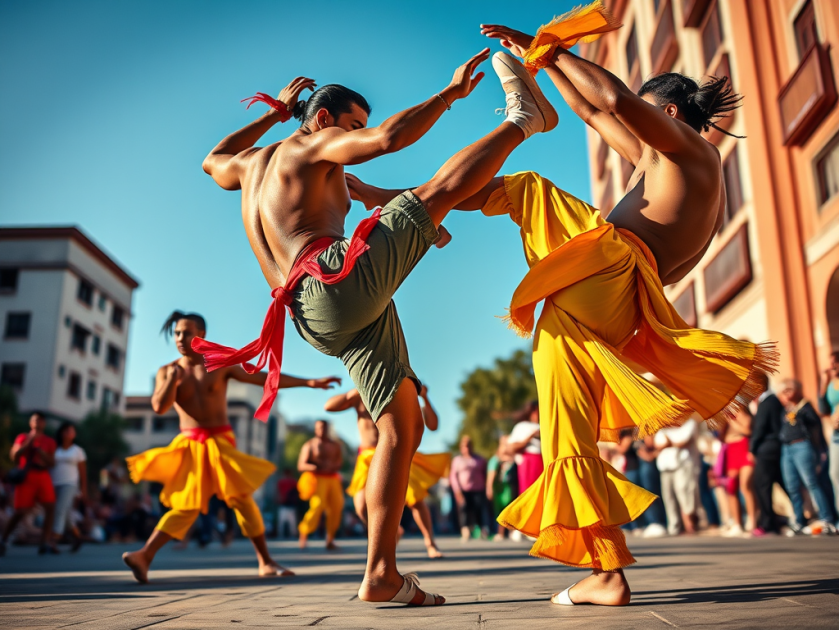
Capoeira Angola videos online showcase its vibrant culture through music and movement, highlighting its evolution as a form of self-defense and expression that integrates elements of acrobatics, rhythm, and strategy. They demonstrate intricate techniques with astounding agility while exploring the rich history of Capoeira, emphasizing community connections and the art’s ability to unite diverse individuals from various backgrounds and social groups. These videos educate viewers about Capoeira as a living tradition that inspires future generations, illustrating its values of resilience, creativity, and cultural pride, while inviting participation in this unique blend of dance and martial arts. Additionally, they often feature interviews with seasoned practitioners who share insights into their personal journeys, revealing how Capoeira has impacted their lives and fostered a sense of belonging. With each performance, these videos not only entertain but also serve as a vital resource for understanding the depth and significance of Capoeira, ultimately appreciating this dynamic art form as a means of cultural expression and unity.
Today, I recount a very special day for me.
A Day of Capoeira, Community, and Giving Back in MacArthur Park
This is the story of a memorable day, captured in two special videos, marking my first public Capoeira game. While I might be my own harshest critic, and I can’t claim instant mastery, the experience itself was profound. We gathered that day alongside Solsinmotion, who, in collaboration with Revolutionary Autonomous Communities (RAC), had generously volunteered to provide fresh, organic food to the MacArthur Park community, all while showcasing the vibrant art of Capoeira.
From noon until a little after 2 PM, our Capoeira demonstration unfolded. The rhythmic movements, the music, and the energy captivated the community. It was a powerful display of culture, athleticism, and the spirit of collaboration.
Following our performance, we lent a hand to RAC, assisting them in organizing and distributing the much-needed food to the grateful residents of MacArthur Park. It was truly inspiring to witness the direct impact of these efforts, as the smiles on the faces of the families we helped added a profound sense of fulfillment to our work. Many of the residents expressed their heartfelt gratitude, sharing stories of their challenges and the importance of community support during difficult times. We also had the opportunity to engage with the local volunteers, who brought their own enthusiasm and dedication to the cause, making the day even more memorable. For a more detailed account of that day’s events, you can find a comprehensive blog post HERE.
Reflecting on that day, one particular lesson from Charles still resonates deeply within me: the fundamental essence, the very glue that binds Capoeira together, is COMMUNITY. This insight has only grown stronger with time. Community is not merely a collection of individuals; it is the vital force that brings people together, fostering shared experiences, mutual support, and collective growth. It’s about building connections, learning from one another, and creating a sense of belonging that enriches us all. The day in MacArthur Park was a powerful testament to this truth, demonstrating how the synergy of Capoeira and community engagement can create a truly meaningful and impactful experience for everyone involved.
Well, my first post on this subject was so well received, that I decided to create a Part 2.
Capoeira’s journey from a tool of survival to a celebrated cultural art form encapsulates the very best of human endurance and ingenuity. It demonstrates that culture is not static; it is a dynamic, living entity that can adapt, resist, and flourish even in the most hostile environments. Its continued growth and global reach stand as an irrefutable testament to the power of cultural resilience and the universal human yearning for freedom and self-determination.
Capoeiristas have often found themselves at the crossroads of cultural expression and state repression, facing violence and discrimination throughout history. Our art, which embodies a rich tapestry of Afro-Brazilian heritage, has been a form of resistance against oppression, allowing them to reclaim their identity in the face of adversity. However, the struggles of these practitioners are not confined to historical contexts; they resonate with contemporary issues, such as the recent ice raids that have disproportionately targeted marginalized communities. The connection lies in the ongoing fight for recognition and rights, highlighting how both capoeira and the experiences related to immigration enforcement reflect a deep-seated struggle against systemic injustice. How these cultural warriors navigate the dual realities of preserving their traditions while confronting oppressive forces reveals the complexities of identity and resistance in today’s society.Capoeiristas have historically occupied a precarious position at the nexus of profound cultural expression and severe state repression. Throughout centuries, they have endured violence, discrimination, and relentless attempts to suppress their unique art, which embodies a rich and intricate tapestry of Afro-Brazilian heritage. More than just a martial art or a dance, capoeira has served as a powerful and enduring form of resistance against the systemic oppression faced by enslaved Africans and their descendants in Brazil. Through its movements, music, and philosophy, capoeira allowed them to reclaim their identity, preserve their cultural memory, and foster community in the face of profound adversity.
The struggles of capoeiristas, however, are not confined to the annals of history; they resonate powerfully with contemporary issues, demonstrating an ongoing fight for recognition, justice, and fundamental human rights that transcends time and geography. A stark and deeply troubling parallel can be drawn between the historical persecution of capoeiristas, who faced oppression from colonial powers and societal disdain, and the recent ice raids that have disproportionately targeted marginalized communities in various parts of the world, igniting debates on immigration policies and human rights violations. In both instances, the state, through its enforcement mechanisms, has been used to control, displace, and subjugate populations deemed “other,” resulting in widespread trauma and disenfranchisement. This systemic marginalization not only stifles individual and collective identities but also fuels a broader societal narrative that seeks to erase the rich cultural contributions of these groups. The legacy of capoeiristas serves as a poignant reminder of the resilience inherent in fighting against injustice, offering a beacon of hope and solidarity for contemporary advocates striving to dismantle oppressive structures and promote a more equitable society.
The connection between these seemingly disparate struggles lies in the pervasive and deeply entrenched struggle against systemic injustice that persists in multiple forms across different societies. Just as capoeira was once outlawed, seen as a threat to colonial authority, and its practitioners persecuted and marginalized, immigrant communities today face the constant threat of family separation, detention, and deportation, often without due process or adequate legal representation. These parallel narratives reveal how marginalized groups continually fight for their rights and cultural identities in the face of oppressive systems. Both capoeira, with its history of covert practice, coded movements, and resilient spirit, and the experiences related to immigration enforcement, with its harrowing impact on vulnerable families and the fragility of their dreams, reflect a profound and ongoing battle against powerful, often invisible, forces of oppression that seek to silence their voices and erase their existence. By recognizing these interconnected struggles, we can better understand the importance of solidarity in the pursuit of justice, ensuring that the legacies of resistance continue to inspire current and future generations to challenge and dismantle the structures of inequality that persist today.
The profound question that arises from this comparison is how these “cultural warriors” – whether historical capoeiristas or contemporary advocates for immigrant rights – navigate the complex dual realities of preserving their cherished traditions and cultural identities while simultaneously confronting oppressive forces. Their resilience and determination reveal the intricate complexities of identity formation, cultural survival, and resistance in today’s increasingly interconnected yet often divisive society. Understanding these parallels is crucial for recognizing the enduring legacy of struggle and the continuous need for vigilance in safeguarding human rights and cultural expression against all forms of systemic injustice.The profound question that arises from this comparison is how these “cultural warriors” – whether historical capoeiristas or contemporary advocates for immigrant rights – navigate the complex dual realities of preserving their cherished traditions and cultural identities while simultaneously confronting oppressive forces. Their resilience and determination reveal the intricate complexities of identity formation, cultural survival, and resistance in today’s increasingly interconnected yet often divisive society. This struggle is not merely a historical footnote but a continuous, evolving challenge that demands constant vigilance.
Historically, capoeiristas, often marginalized and facing severe state repression in Brazil, transformed their cultural practice into a formidable tool of resistance. The seemingly innocent dance and music masked a highly effective martial art, allowing them to maintain their cultural heritage while subtly, yet powerfully, challenging the dominant order. Their ability to adapt and innovate under duress highlights a crucial aspect of cultural survival: the capacity for transformation and reinvention. The very act of practicing capoeira became an assertion of self, a defiance against attempts to erase their identity.
In parallel, contemporary advocates for immigrant rights find themselves in a similar crucible. They champion the preservation of diverse cultural traditions, languages, and identities, often against restrictive policies, xenophobic sentiments, and systemic discrimination. Their efforts to establish cultural centers, organize community events, and advocate for inclusive policies are direct echoes of the capoeiristas’ struggle to maintain their cultural integrity. The fight for the right to speak one’s native language, practice one’s religion, or celebrate one’s heritage becomes a fundamental act of resistance against assimilationist pressures.
Understanding these parallels is crucial for recognizing the enduring legacy of struggle and the continuous need for vigilance in safeguarding human rights and cultural expression against all forms of systemic injustice. It underscores the idea that cultural expression is not a superficial aspect of human existence but a fundamental component of identity and a powerful catalyst for social change. The lessons learned from the historical resilience of capoeiristas offer invaluable insights into the strategies and spirit required for contemporary cultural warriors to navigate the challenges of a world grappling with issues of globalization, migration, and the persistent struggle for equality and recognition. The battles fought in the past, though seemingly different in context, provide a blueprint for understanding and empowering those who continue to fight for the right to exist authentically and express their cultural identities freely in the face of adversity. This ongoing dialectic between cultural preservation and resistance shapes the very fabric of diverse societies, reminding us that the defense of culture is, at its heart, the defense of human dignity.
How Capoeiristas have historically dealt with State repression and violence has been a complex and multifaceted issue, steeped in rich cultural traditions and resilience. Throughout history, Capoeira emerged as a form of resistance against oppression, allowing practitioners to blend martial arts with dance and music to evade detection by colonial authorities. The strategic use of Capoeira as both a means of self-defense and a way to foster a strong community has enabled practitioners to maintain their identity in the face of harsh societal challenges. This vibrant art form has not only provided a physical outlet for those subjected to violence but also a spiritual sanctuary, reinforcing bonds among practitioners and serving as a source of pride and cultural heritage. Furthermore, the ongoing evolution of Capoeira has seen it adapt to modern forms of resistance, where the principles of agility and creativity are now extended to address contemporary social injustices, proving that its inherent values of unity and strength continue to resonate deeply within communities striving for autonomy and recognition.
Capoeira, a quintessential Afro-Brazilian art form, stands as a profound testament to human resilience and cultural ingenuity in the face of relentless state repression and violence. Its historical trajectory is not merely a narrative of survival but a vibrant illustration of how a community forged a powerful instrument of resistance from the crucible of oppression. Originating in the dark era of colonial Brazil, Capoeira ingeniously blended martial arts, dance, and music, creating a sophisticated language of defiance that allowed its practitioners, the Capoeiristas, to evade detection by the very authorities who sought to suppress them. This strategic fusion transcended mere disguise; it was a deeply embedded cultural practice that enabled the honing of combat skills in plain sight, veiled under the guise of festive celebration and communal gathering.
The intrinsic duality of Capoeira—serving simultaneously as a potent means of self-defense and a powerful instrument for fostering community cohesion—was absolutely critical in preserving the identity and dignity of its practitioners amidst relentless societal challenges. In a world bent on stripping them of their heritage and humanity, Capoeira offered a sacred sanctuary, a dynamic space where physical prowess seamlessly intertwined with spiritual solace. It acted as a powerful social glue, reinforcing the bonds among practitioners and cultivating a robust network of solidarity that was absolutely crucial for their collective survival. Beyond its practical applications in combat and community building, Capoeira blossomed into a profound source of pride, a living embodiment of cultural heritage, and a vibrant tapestry meticulously woven from threads of resistance, resilience, and unwavering hope.
The enduring legacy of Capoeira is further underscored by its remarkable adaptability, a characteristic that has allowed it to transcend its origins and address contemporary social injustices. As societies evolved and new forms of oppression emerged, so too did Capoeira, continuously transforming itself to remain relevant and impactful. The core principles of agility, creativity, and strategic evasion, meticulously honed over centuries in the face of historical oppression, found new and profound relevance in modern forms of activism and social protest. This continuous evolution powerfully demonstrates that Capoeira’s inherent values of unity, strength, and the unwavering pursuit of autonomy resonate deeply within communities striving for recognition, justice, and self-determination, unequivocally proving its timeless power as a transformative force for social change.
As the Brazilian government intensified its repressive measures against Capoeira practitioners, including outright criminalization and the brutal application of state-sponsored violence, Capoeiristas responded with ingenious and highly effective strategies to navigate this increasingly hostile environment. They masterfully transformed public spaces—city squares, street corners, and open fields—into vibrant stages for their resistance. These gatherings, often appearing as spontaneous festivals and lively performances, were, in fact, cleverly orchestrated acts of defiance. Under the vibrant and seemingly innocuous guise of cultural celebration, they subtly challenged state authority and showcased their indomitable spirit, their physical prowess, and their unwavering cultural pride.
This clever camouflage served a crucial purpose, allowing Capoeiristas to demonstrate their extraordinary skills, practice their art, and reinforce their community ties without inviting direct, often violent, confrontation from the authorities. The vibrant energy and communal spirit of these gatherings fostered an incredibly deep sense of solidarity among practitioners, strengthening their resolve and commitment in the face of persecution. By transforming these events into public spectacles, they not only meticulously preserved their cherished art form but also raised crucial awareness about their struggles, their deep cultural roots, and their unwavering resilience. As Capoeira solidified its reputation as a potent symbol of resistance against oppression, it began to attract diverse audiences, transcending its original context to become a vital expression of broader Brazilian identity and a powerful advocate for social justice, echoing the voices of the marginalized and oppressed.
This innovative practice, born out of necessity and brilliant improvisation, served a critical dual purpose. Firstly, it effectively circumvented direct confrontations with oppressive forces, thereby minimizing casualties and maintaining the integrity of their community. Secondly, and perhaps more profoundly, it played a pivotal role in reclaiming cultural heritage and fostering profound solidarity among community members. It ignited a powerful sense of identity and belonging, providing an unyielding bulwark against the forces of dehumanization and cultural eradication. The transformative journey of Capoeira, from a grassroots struggle for survival among enslaved and marginalized populations to its current elevated status as a globally recognized and celebrated cultural symbol, eloquently underscores the extraordinary tenacity, inventive spirit, and enduring courage of those who practice it. This remarkable evolution vividly illustrates how the art form has adapted and thrived over time, seamlessly blending the rhythmic intricacies of music, the expressive and fluid movements of dance, and the disciplined, potent techniques of martial arts to forge a dynamic, compelling, and utterly unique expression of resistance.
Ultimately, this profound transformation of Capoeira reflects not merely a fight against oppression but also a joyous and vibrant celebration of culture, community strength, and the indomitable human spirit. It serves as a powerful and timeless reminder that even in the darkest hours of oppression, the spirit of Capoeira possesses the extraordinary power to inspire resilience, galvanize resistance, and ignite hope. It stands as a shining beacon of hope and inspiration for future generations, encouraging them to embrace their roots, honor their heritage, and continuously innovate for a brighter, more equitable tomorrow. The enduring legacy of Capoeira is, therefore, a living testament to the human spirit’s boundless capacity for creativity, unwavering resilience, and an unshakeable commitment to freedom and cultural preservation against all odds.
Capoeira’s profound transformation transcends a mere struggle against oppression; it blossoms into a jubilant and vibrant celebration of culture, the unwavering strength of community, and the indomitable human spirit. This evolution serves as a powerful and timeless reminder that even amidst the darkest hours of tyranny, the spirit of Capoeira possesses an extraordinary power to inspire resilience, galvanize resistance, and ignite hope.
It stands as a shining beacon of hope and inspiration for all future generations, actively encouraging them to embrace their roots, honor their heritage, and continuously innovate for a brighter, more equitable tomorrow. The enduring legacy of Capoeira is, therefore, a living testament to the human spirit’s boundless capacity for creativity, its unwavering resilience in the face of adversity, and an unshakeable commitment to freedom and cultural preservation against all odds.
This dynamic art form, born from the crucible of slavery, meticulously wove together elements of martial arts, dance, music, and ritual. It provided an clandestine means for the enslaved to practice self-defense, forge strong communal bonds, and preserve their African traditions under the watchful and often brutal eyes of their oppressors. Each movement, each rhythm, and each song within Capoeira became a coded language, a form of silent defiance against the forces that sought to strip away their humanity.
Over centuries, Capoeira adapted and evolved, transcending its origins to become a global phenomenon. It moved from the hidden senzalas and quilombos to the bustling streets of Brazilian cities, and eventually, to dojos and cultural centers across the world. This journey was not without its challenges, facing periods of state repression and outright prohibition, with capoeiristas often being persecuted and criminalized. Yet, through it all, the essence of Capoeira – its spirit of freedom, adaptability, and cultural pride – persisted.
Today, Capoeira is not just a physical discipline; it is a holistic philosophy that fosters self-awareness, discipline, and respect. It teaches its practitioners the importance of community (“comunidade”), the beauty of improvisation (“improvisação”), and the power of individual expression (“expressão individual”). The “roda,” the circle in which Capoeira is played, symbolizes a sacred space where individuals connect, challenge each other, and collectively create a living, breathing testament to their shared heritage.
In essence, Capoeira’s journey from a tool of survival to a celebrated cultural art form encapsulates the very best of human endurance and ingenuity, illustrating a remarkable transformation over centuries. Rooted in the struggles faced by enslaved Africans in Brazil, Capoeira emerged not just as a means of self-defense but as a means of expression, allowing practitioners to convey their emotions and identities through movement and rhythm. It demonstrates that culture is not static; it is a dynamic, living entity that can adapt, resist, and flourish even in the most hostile environments, shaping itself through the experiences and creativity of its practitioners. Its continued growth and global reach stand as an irrefutable testament to the power of cultural resilience and the universal human yearning for freedom and self-determination, drawing diverse individuals into its fold and fostering a sense of community that transcends borders, languages, and backgrounds. As Capoeira evolves, it continues to inspire future generations, serving as a potent reminder of the enduring spirit of those who fought to preserve their heritage and the importance of cultural exchange in a rapidly changing world.
Welcome to another addition to the “ROOTS OF CAPOEIRA” blog series, which explores the importance of Afro-Brazilian culture in Capoeira, highlighting the connection with the heritage of the AFRO-BRAZILIAN PEOPLE who express their creativity and resilience through art forms like dance, music, and storytelling. This rich cultural tapestry weaves together historical narratives and personal experiences, emphasizing how each element of Capoeira serves not only as a means of self-defense but also as a vital expression of identity and heritage. By understanding these cultural roots, I hope that you can appreciate Capoeira as both a self-defense practice and a unifying cultural expression celebrating shared heritage, where every movement and song embodies a story and every encounter reinforces the legacy of Afro-Brazilian culture. In delving into the interplay between tradition and innovation, we invite our audience to recognize Capoeira not only as a martial art but also as a living tradition, continuously evolving while remaining anchored in its historical significance.
In today’s installment…
What you see in the above video, is a festival called, Nego Fugido, which loosley translated means, Runaway Negro.
The nego fugido is an annual ritual performance in Acupe, Brazil, that reenacts the dehumanization of slavery and the struggle for emancipation. It serves as a form of memorial mediation where the Quilombola community reappropriates its history through a counter-narrative of oppression and resistance, linking art, politics, spirituality, and collective memory. The performance powerfully portrays the history of subjugated people and their tireless struggle for freedom from slavery, shedding light on the cultural richness and resilience often overshadowed by narratives of oppression. Participants create living images (tableaux vivants) that embody the memory of oppression and the resistance of those who were enslaved, communicating not just a story, but an experience etched in the hearts and minds of generations. In contrast to dominant historical accounts, Nego Fugido creates a sovereign counter-narrative from the perspective of those whose history has been suppressed or erased, serving as a radical assertion of identity and dignity. This ritual stands as a testament that the past is not a distant memory but a living influence on the present.
The ritual is a way for the Quilombola community to reclaim its past, reinterpreting its colonial heritage in the context of the present, imbuing contemporary culture with historical significance that resonates with today’s struggles for justice. It operates at the intersection of art, politics, spirituality, and the transmission of knowledge, fostering solidarity and common purpose among participants and the audience. The collective act prompts questions about whose voices shape historical memory and who determines the narratives that form a nation, inviting reflection on the nature of truth, memory, and the continual journey towards liberation. Through this performance, the Quilombola community not only honors the ancestors but also challenges prevailing injustices, forging a path towards a more inclusive future grounded in recognition and respect for all histories.





 Jogo Corpo Fechado