Welcome to HIDDEN SPIRITUALITY – From Spirit Science
A Platform for Deepening Connection: Where Spirituality Meets Popular Culture
Welcome to HIDDEN SPIRITUALITY – From Spirit Science, your premier platform for exploring the profound, often-unseen, intersection of ancient spiritual wisdom and modern popular culture. We believe that the universal truths that underpin spiritual evolution are woven into the very fabric of contemporary storytelling, and we are dedicated to uncovering them. Our focus spans a wide and vibrant spectrum, including celebrated films, immersive video games, compelling novels, and powerful narratives across all media.
Our Core Analysis: Storytelling as a Spiritual Mirror
Our mission goes beyond mere entertainment analysis. We meticulously analyze how spiritual themes, archetypes, and philosophical concepts not only enhance the depth and richness of storytelling but also resonate profoundly with global audiences. By exploring these connections, we foster a diverse and inclusive community—a space where every perspective is valued and honored. We recognize that the most powerful narratives serve as mirrors, reflecting our own inner journeys and the cosmic truths that connect us all.
Highlighting Profound Wisdom in Modern Media
We strive to illuminate the profound wisdom often subtly embedded within modern narratives. Our work aims to bridge the gap between contemporary entertainment and universal spiritual truths, demonstrating that the quest for meaning is not confined to sacred texts but is alive and dynamic in the stories we consume every day. We encourage deep personal reflection, inviting our audience to view their favorite media through a transformative lens. This process highlights storytelling’s immense potential to inspire, heal, and propel personal and spiritual growth.-
—-Today’s Feature Presentation: Lord of the Rings – The Return of Christ Consciousness
The Grand Finale: A Spiritual Allegory
In today’s momentous and long-awaited installment, we finally arrive at the grand finale of our extensive and insightful exploration into the rich tapestry of J.R.R. Tolkien’s magnificent magnum opus, The Lord of the Rings! The concluding volume, The Return of the King, is not merely an ending; it is universally celebrated as a magnificent, emotionally resonant, and profoundly satisfying resolution to a beautiful and epic saga that has captivated generations. But what if the sheer, undeniable narrative power of this conclusion stems from a source far deeper than just dramatic resolution and the triumph of good over evil?
Did you know that the climax of this entire trilogy subtly, yet powerfully, aligns with a profound and universal spiritual concept—the Return of Christ Consciousness? This reading doesn’t diminish the story’s mythological and historical roots; rather, it elevates the narrative to the level of timeless allegory.
Unveiling the Profound Connection: Archetypes of Spiritual Triumph
Prepare to have your entire perception of Middle-earth transformed as we meticulously uncover the astonishing, deep-seated connections between the heroic journeys of two key, divergent figures—Frodo Baggins, the seemingly ordinary, humble Ring-bearer from the Shire, and Aragorn, the destined, noble King of Gondor and rightful heir of Isildur—and the encompassing, transformative spiritual concept of Christ Consciousness.
Frodo’s arduous, self-sacrificial trek into the heart of darkness, culminating in the ultimate act of letting go in the fires of Mount Doom, mirrors the path of the individual soul’s purification, the shedding of ego, and the transcendental sacrifice required for spiritual enlightenment. He is the archetype of the inner Christ—the suffering servant who, through trial and tribulation, brings about the salvation of the world by overcoming his own lower nature, represented by the corrupting influence of the One Ring.
Conversely, Aragorn’s journey—from Ranger and hidden King to the crowned monarch who brings peace, restoration, and a new age of hope to Middle-earth—symbolizes the external manifestation of Christ Consciousness. He represents the divine principle of order, justice, and the established spiritual authority that returns to govern the world once the internal battle (Frodo’s quest) is won. His kingship is the return of the Golden Age, a realm governed by higher principles.
This captivating analysis delves into the true, deeper, and hidden meaning behind these characters we all know and love, revealing them not just as figures in a fantasy tale, but as powerful archetypes of spiritual triumph, profound personal sacrifice, and the ultimate awakening of a higher state of being.
Join us now as we complete our comprehensive and enlightening exploration of the spiritual symbolism and transcendent themes intricately woven throughout the entire Lord of the Rings series, from the creation myths to the final parting at the Grey Havens. We are providing a fresh, transformative, and profoundly enlightening perspective on this cornerstone of fantasy literature, proving that within the magic of Middle-earth lies a powerful blueprint for personal and collective spiritual awakening.
—–Continue Your Journey with Spirit Science
If you enjoyed this transformative video and our unique perspective, we invite you to continue your spiritual and intellectual adventure with some of our other deeply insightful content:
Our Great Transformation Begins Now! – Dive into a discussion about the pivotal evolutionary moment humanity is currently experiencing.
Spirit Science Episode 1: Thoughts Are Things! – Go back to the very beginning of the Spirit Science series to explore the fundamental principles of conscious creation.
Spirit Science Complete Series: Exploration Series – Access the entire collection of our in-depth episodes covering everything from sacred geometry and ancient civilizations to meditation and the nature of reality.
The Sumerian Epic Complete Series – Journey through time to explore the mysteries and spiritual teachings embedded in one of humanity’s oldest written narratives.
Become an active part of our thriving global community dedicated to spiritual growth and conscious discussion! Connect with us across all major platforms:
Facebook: Join our community for daily insights, discussions, and news.
Our overarching mission at Spiritverse is simple yet profound: to support you in your personal and spiritual evolution. We achieve this by providing a sacred, safe, and nurturing space alongside truly enlightening content. Here, we approach a myriad of complex and sensitive topics—from metaphysics and consciousness to ancient history and self-discovery—with an open heart and an unwavering commitment to respect.
Honoring All Paths and Universal Divinity
We deeply respect all personal paths to enlightenment and honor the inherent beauty and divinity that resides within each of us, within the natural world, and throughout the entire universe. We are driven by the belief that collective evolution begins with individual transformation.
We are immensely grateful to have you join us on this grand adventure of discovery and consciousness expansion. We always cherish the opportunity to connect with you and read your comments and insights. We encourage you to share your thoughts, feelings, and experiences with us and the rest of the community. Thank you for being an essential part of the conversation and the Spiritverse family! Today, we also have created an Academic Community Space to take the exploration further! Join the Spiritverse Academy with hundreds of hours of classes, workshops, challenges, and an ever-growing community of beautiful souls. Spiritvsere Academy is a space for the evolution of your consciousness, and you can learn more here: https://spiritverse.academy
What does racism and white supremacy actually mean in the modern era? Why do so many people still misunderstand, misdefine, and misdiagnose them?
The simple truth, often deliberately obscured or minimized by those who benefit from the status quo, is that this isn’t primarily about individual prejudice, personal dislike, or someone’s inability to “get over it.” It’s about systems, structures, and control—the mechanisms that allocate resources, opportunities, and power across society. Modern racial inequality is, therefore, a matter of political and economic architecture, not simply poor interpersonal manners.
Beyond Individual Prejudice: The Systemic Architecture
If you reduce the concept of racism to a personal failing—a nasty thought, an isolated bigoted statement, or a solitary bad action—you fundamentally miss the forest for a single diseased tree. This individual-centric view allows the true, systemic architects of racial inequality to remain unchallenged, suggesting the solution is merely “being nicer,” “educating individuals,” or requiring sensitivity training. This approach is not only ineffective but is also a purposeful misdirection.
Systemic racism is manifest in the enduring legal, economic, and social frameworks that privilege one group (historically and currently, white people) while simultaneously disadvantaging and marginalizing others. White supremacy, in this context, is not merely the ideology of neo-Nazis, but the active, default, and largely invisible societal arrangement that maintains and reproduces this hierarchy, centering whiteness as the norm against which all else is measured.
The Mechanisms of Control
The allocation of resources and opportunities is governed by these systems in profound ways:
Housing and Wealth: Practices like redlining, discriminatory mortgage lending, and restrictive covenants have intentionally blocked communities of color from accessing the primary engine of intergenerational wealth creation: homeownership. This is not a matter of individual bias but of structured, institutional policy that has resulted in massive and persistent racial wealth gaps.
Education: School district funding models tied to local property taxes ensure that economically disadvantaged—and disproportionately non-white—communities have fewer resources, less experienced teachers, and substandard facilities. The system guarantees unequal access to quality education, thereby limiting economic mobility before an individual even enters the job market.
Criminal Justice and Policing: The disparate application of laws, from stop-and-frisk policies to sentencing guidelines for comparable offenses, demonstrates how the justice system operates as a system of racial control. It manages and polices populations rather than ensuring equal protection under the law, resulting in mass incarceration that destabilizes minority communities and removes voting and economic power.
Healthcare: Racial disparities in access to quality care, higher rates of medical misdiagnosis, and differential treatment are embedded in the structure of the healthcare industry and the economic barriers to entry.
To genuinely address racism and white supremacy, the focus must shift from policing individual hearts and minds to dismantling the concrete, structural mechanisms that control and restrict life chances based on racial identity. The solution lies in policy changes that reallocate resources and rewrite the rules of the system itself.
Modern racism, however, is not a bug in the social programming; it is an intricate, self-perpetuating, and highly efficient machine. It is the baked-in advantage and corresponding disadvantage that operates relentlessly across all sectors of life, regardless of the intentions or sentiments of any single person. A system can be racist even if every individual within it claims to be personally non-prejudiced. This is the difference between de jure racism (codified by law) and de facto racism (entrenched in practice and outcome).
The Historical and Economic Foundation
In this exploration, we trace the concept of racism not to individual moral defects or psychological hang-ups, but back to its brutal, profitable, and enduring historical and economic roots. The foundation of modern racial hierarchy lies in the era of European colonization, global expansion, and the ruthless consolidation of power fueled by the transatlantic slave trade and the theft of land and resources from indigenous populations worldwide.
This history isn’t ancient dust; it is the concrete foundation upon which contemporary society is built. The systems devised to rationalize and maintain this exploitation—chattel slavery, segregation, discriminatory housing policies, and colonial rule—didn’t simply vanish with their legal abolition. They evolved. They left a vast, intergenerational transfer of wealth, land, and institutional access to one group, while simultaneously creating structural barriers to safety, capital, and opportunity for others.
Systemic Manifestations Today
To truly grasp systemic racism is to understand the operating manual for the modern world. Its power is not found in slurs, but in statistics:
Economics: It dictates who has access to generational wealth, leading to massive racial disparities in homeownership, business capital, and loan approvals.
Politics: It shapes everything from gerrymandered districts that dilute minority voting power to racially skewed incarceration rates that impact citizenship rights and community stability.
Education: It manifests in unequal school funding based on property taxes, the tracking of students into different academic paths, and the cultural bias of standardized testing.
Culture: It is embedded in media representations, professional gatekeeping, and the normalization of cultural standards that privilege one group while marginalizing others.
Justice: It is most visible in policing, court systems, and prison industrial complexes, where racial profiling and sentencing disparities ensure a consistent, punitive enforcement of racial hierarchy.
Systemic racism is the operating force that ensures the initial, historically established advantage is preserved and perpetuated across generations, maintaining the political and economic control established centuries ago. To dismantle it requires not just a change of heart, but a fundamental restructuring of the systems themselves.
The Invisible Default: Unpacking White Supremacy
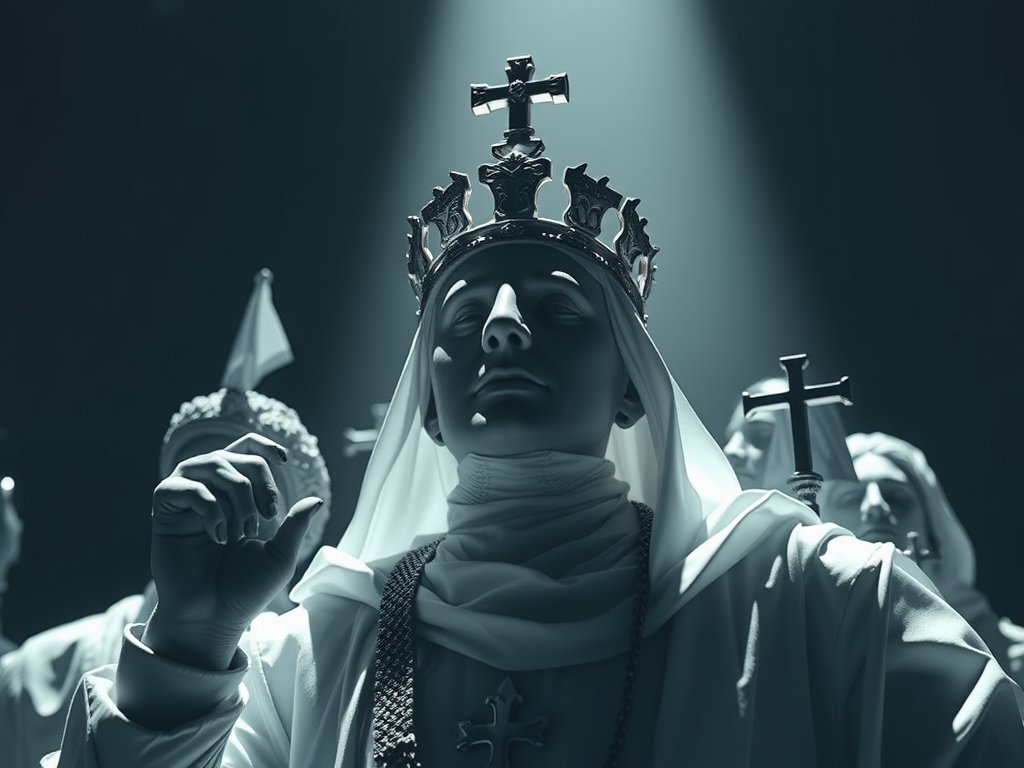
The companion concept, white supremacy, is far more complex and pervasive than the overtly hateful, robed caricature often depicted in historical narratives or period pieces. In its most effective and insidious modern form, it is not a visible threat but the invisible default setting of our institutions and culture. It is the normalized structure and unconscious framework where “whiteness” inherently holds the institutional, cultural, and political advantage.
The Mechanism of Systemic Advantage
This system operates as a silent, self-perpetuating agreement. It is the unspoken assumption that privileges—such as generational wealth, access to quality education, less scrutiny by law enforcement, and positive media representation—are natural, deserved, and, critically, unearned. These are simply the “perks” of the default setting.
Conversely, the system redirects any inquiry into systemic failure. When disparities in wealth, health outcomes, educational attainment, or incarceration rates are observed, the structure of white supremacy ensures that the fault is placed squarely upon the marginalized groups. The narrative shifts to one of individual failing, cultural deficit, or lack of personal responsibility, thereby shielding the institutional structure itself from scrutiny or necessary reform.
Interrogating the System
This brings us to the core questions of understanding how this entrenched system maintains its dominance:
How does this system work? It functions through policies, practices, and cultural norms that were designed—intentionally or not—around the white experience, making all other experiences an “exception” or a “deviation.” This includes everything from housing covenants and banking practices to curriculum design and corporate hiring algorithms.
Who benefits? While individuals may not consciously endorse the tenets of racial hatred, anyone categorized as “white” benefits from the preferential flow of resources and opportunities inherent in the default setting. It is a structural dividend, not a personal achievement.
Why does it persist? It persists because it is self-justifying and self-correcting. Any attempt to disrupt the default setting is met with resistance, often framed as a “reverse discrimination” or an attack on “meritocracy,” thereby preserving the unearned advantage as the status quo.
Therefore, to truly dismantle this structure, we must move beyond the easy targets of overt hatred and begin to dismantle the normalized, invisible advantage. We’re going to put the ‘fun’ back in fundamental institutional inequity by dissecting its core components.
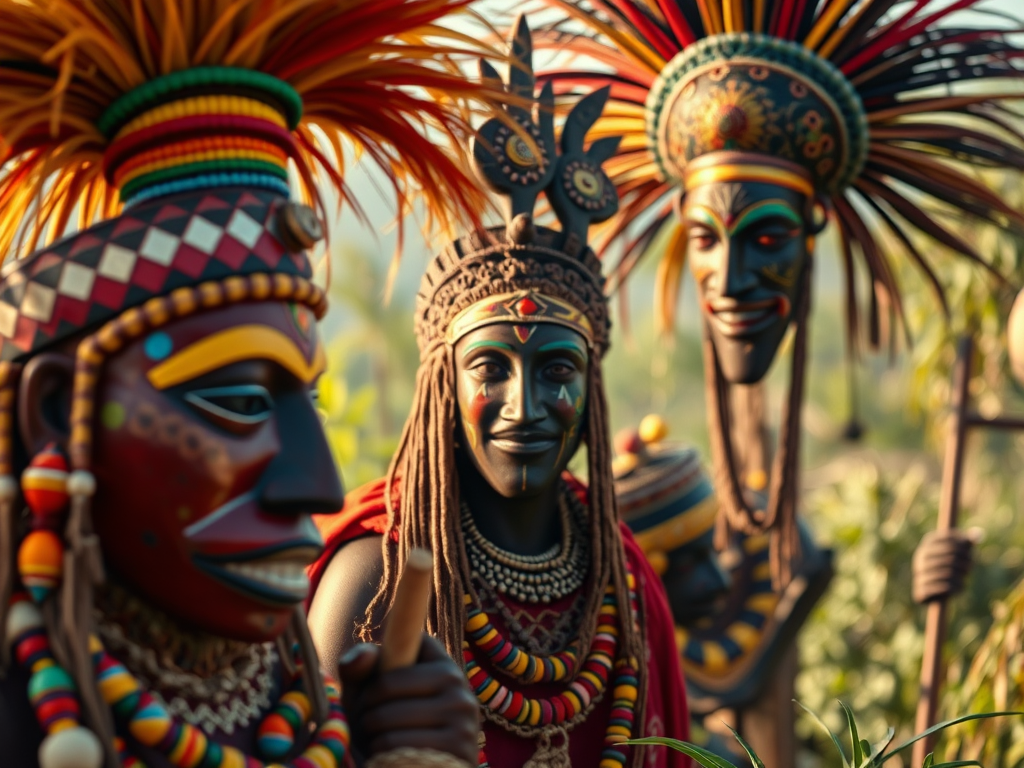
This blog series, titled “SPIRITUAL PRACTICES OF AFRICA, AND THE DIASPORA,” is dedicated to a thorough exploration of the diverse indigenous beliefs and established religions across Sub-Saharan Africa. The central themes of this investigation revolve around the foundational spiritual practice of ancestral worship, alongside the major global faiths of Christianity and Islam, which have profoundly shaped the region’s spiritual landscape.
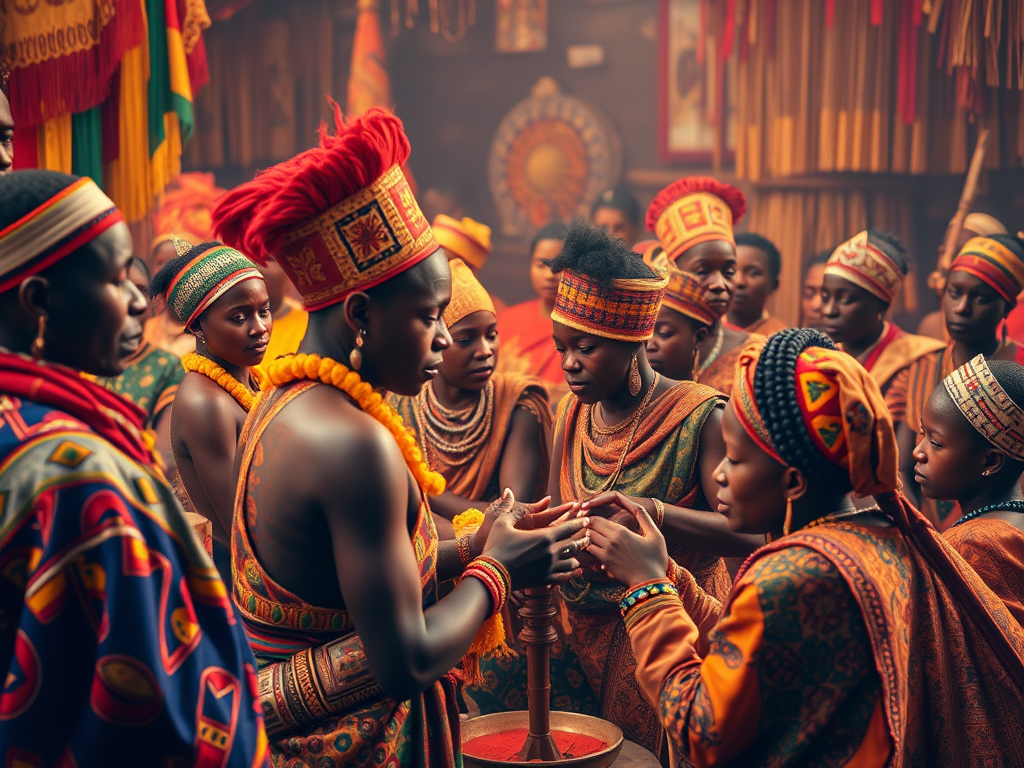
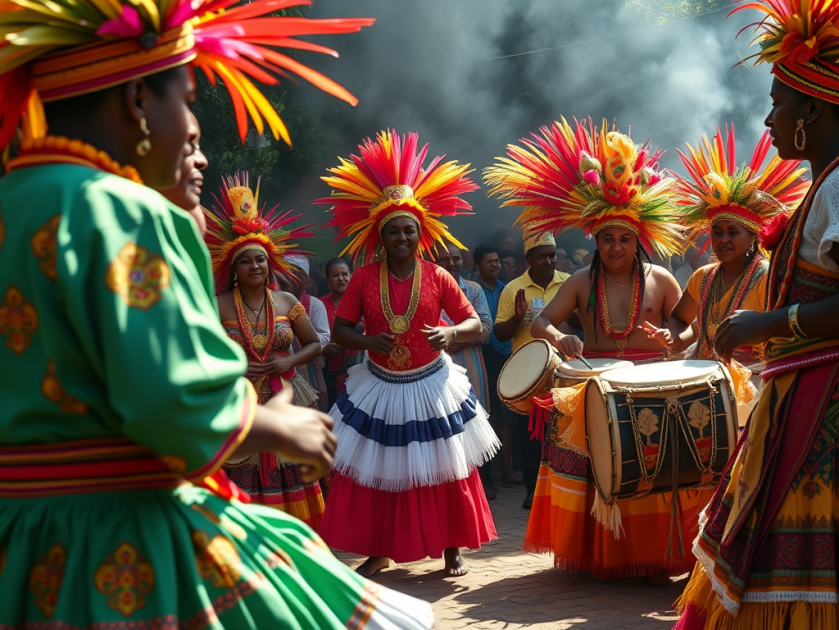
A key focus of the series is to illuminate the richness of the region’s cultural heritage, which is vibrantly expressed through various rituals and community gatherings. These practices are not merely historical relics; they are living traditions that actively reinforce collective identity, provide social cohesion, and serve as crucial mechanisms for cultural transmission from one generation to the next.
Furthermore, the series critically examines the dynamic adaptation and evolution of these traditions as they take root and flourish within the African diaspora. A particular emphasis is placed on the power of storytelling—an invaluable method for preserving the voluminous oral histories of the continent and effectively passing down essential life lessons, moral codes, and cultural wisdom to future generations across the globe. Ultimately, the comprehensive goal of this series is to foster a deeper, more nuanced understanding of the complex interplay between faith, identity, and the extraordinary cultural resilience demonstrated by the peoples of this region and its diaspora.
—–Exploring the Core: Defining African Traditional Spirituality
In today’s installment, we pivot to address a fundamental and enduring set of questions: Exactly what constitutes traditional African Spirituality? Intriguingly, since the inception of this blog series, this core spiritual foundation has been referenced but never fully and directly explored. This post is intended to rectify that oversight, serving as a critical entry point into the specific beliefs and practices that predate, or exist parallel to, the Abrahamic faiths in Africa.
This deep dive into African Traditional Religion (ATR) was specifically inspired by the journey of a man named Arasa Malik, a compelling figure whose personal quest to uncover and reconnect with the authentic spiritual foundation of his ancestors mirrors the quest of countless individuals both on the continent and in the diaspora. His experience provides a powerful, relatable anchor for this exploration.
Navigating the Landscape of African Spirituality: Key Questions
To properly frame this complex and multifaceted topic, this post will seek to answer several critical questions often posed by those new to the subject or seeking deeper engagement, providing both clear definitions and nuanced distinctions:
The Core Questions: What is African Traditional Religion (ATR)?
African Traditional Religion (ATR) is a complex and profoundly diverse spiritual and cosmological phenomenon that defies easy categorization. It is fundamentally crucial to establish a clear and nuanced working definition of ATR, primarily by recognizing what it is not: it is not a single, monolithic religion comparable to the structured, centralized organizations of global faiths. Instead, ATR represents a vast, interconnected collection of indigenous spiritual, ethical, and moral systems that were organically developed and practiced across the African continent long before the widespread arrival of the major Abrahamic religions, namely Christianity and Islam.
Core Commonalities Amidst Vast Diversity
The immense geographical, ethnic, and linguistic scope of Africa results in a rich tapestry of distinct ATR expressions. Practices, specific deities, and rituals vary drastically—from the intricate pantheon of Orishas (as found among the Yoruba people of West Africa) and the Abosom (among the Akan) to the worship of Nyam (among the Tiv) and the traditional beliefs of the Zulu in Southern Africa.
However, beneath this vast regional variation lies a set of fundamental, universally shared commonalities that allow us to define ATR as a cohesive, though decentralized, religious category:
Belief in a Supreme Being: Nearly all ATR systems acknowledge the existence of a singular, all-powerful Creator God. This Supreme Being (known by countless names, such as Olodumare in Yoruba or Unkulunkulu in Zulu) is often perceived as a distant or transcendent figure, a primal force whose will governs the universe but who is rarely directly petitioned.
Reverence for Ancestors (Ancestral Veneration): Perhaps the most distinctive and crucial element, ATR holds that the deceased—especially righteous and impactful family members—do not simply vanish but transition into a powerful spiritual state. These Ancestors (living-dead) act as intermediaries between the living community and the Supreme Being or the other divinities, offering guidance, protection, and moral oversight. Maintaining a positive relationship with the Ancestors through rituals and respect is essential for the community’s well-being.
Holistic Cosmology and Interacting Worlds: ATR posits a universe where the spiritual world (inhabited by the Supreme Being, divinities, and Ancestors) and the physical world (the realm of humans, animals, and nature) are not separate but are constantly interacting and interdependent. Life is viewed holistically; spiritual health is inseparable from physical, communal, and environmental health.
Community Harmony and Ethos: The focus of worship and ritual is often less on individual salvation (as in Abrahamic faiths) and more on maintaining and restoring communal balance, harmony, and peace (Iwa Pele in Yoruba). Religious practice is inherently social and communal, reinforcing ethical standards and the collective identity.
Ritual for Maintaining Balance: Ritual is the vital mechanism used to bridge the spiritual and physical worlds. Through rites of passage (birth, puberty, marriage, death), seasonal festivals, sacrifices, and offerings, the community seeks to maintain or restore balance with nature, the spirit world, and the Ancestors. This practical spirituality ensures the fertility of the land, the health of the people, and the continuity of tradition.
Our definitive understanding of African Traditional Religion must, therefore, acknowledge this shared foundational structure of belief and practice while simultaneously respecting and highlighting the immense regional, ethnic, and linguistic diversity that renders each specific ATR expression a uniquely rich and distinct spiritual system.
How do I know what African Traditional Religion is for me and how do I join?
This tackles the deeply personal journey aspect, demystifying the process of alignment, spiritual calling, and potential initiation into a specific ATR lineage. Unlike joining a conventional, centralized, and globally-uniform religion (like signing a membership card or simply attending a service), aligning with and joining an ATR is typically a lineage-based, community-driven process. It is rarely a matter of simple choice or ‘shopping around.’ The process usually involves:
A Spiritual Calling/Diagnosis: Often, an individual’s need for initiation is revealed through divination (e.g., Ifá, Fa, etc.) by a recognized and reputable elder or priest/ess, who determines which specific path, Orisha, or ancestral work is required for that individual’s destiny (or ori).
Lineage and Community: Joining means being initiated into a specific temple, house, or lineage that traces its authority back generations. There is no central ATR headquarters; the authority resides in the ocha (house) and the established priesthood.
Initiation: The process involves rigorous, often lengthy, and sacred rituals of purification, learning, and commitment that formally connect the initiate to the deities, ancestors, and the community.
This section will emphasize that the journey is guided by spirit and tradition, not personal preference alone.
What is African Spirituality?
We will distinguish ‘African Spirituality’ from ‘African Traditional Religion.’ African Spirituality is examined as a broader, often more fluid philosophy and worldview that is not necessarily tied to the formalized ritual structure or initiated priesthood of a specific ATR. It is the underlying cultural ethos—the way a person of African descent views the cosmos, ethics, community, and the essential relationship with nature. African Spirituality influences all aspects of life and may manifest as:
A generalized reverence for ancestors.
A strong sense of communalism and interdependence (Ubuntu is a classic example).
Belief in the life force that pervades all things (animism).
The use of traditional healing, herbalism, and cultural practices for mental and physical well-being.
One can hold an ‘African Spiritual’ worldview without being formally initiated into a Traditional Religion.
What are African Traditional Religions (ATRs) and African DIASPORA Traditional Religions (ADTRs)?
A critical and nuanced comparison will be drawn between the practices as they exist on the continent (ATRs) versus their evolved, syncretic forms in the Caribbean, North America, and South America (ADTRs).
African Traditional Religions (ATRs): Practices maintained within their native, often tribal, and linguistic environments in Africa. They have a continuous, unbroken lineage in their original cultural context.
African Diaspora Traditional Religions (ADTRs): These are the systems that developed out of the forced migration and enslavement of African peoples. They retained the core cosmological principles of ATRs but evolved through syncretism—the blending of African practices with the dominant religions (primarily Catholicism) of the Americas to survive and hide in plain sight. Key examples include:
Haitian Vodou: (from Fon/Yoruba/Kongo traditions)
Santería/Lucumí: (from Yoruba traditions, Cuba)
Candomblé: (from Yoruba, Fon, and Bantu traditions, Brazil)
Palo Mayombe: (from Kongo traditions, Cuba)
This section will highlight the shared ancestral source and the crucial differences in structure, syncretism, and cultural context.
What are some of the key differences in practicing African Spirituality versus Traditional Religions?
This section will highlight the practical, philosophical, and commitment-based distinctions between holding a spiritual worldview and adhering to a formalized system.
Feature
African Spirituality (Worldview)
African Traditional Religion (System)
Commitment
Fluid, personal, and philosophical.
Formal, initiated, and requires adherence to specific lineage rules.
Ritual
Often informal; personal prayers to ancestors, general cultural practices.
Highly formalized, prescribed rituals led by an initiated priesthood.
Priesthood
Not required; personal engagement.
Requires formal initiation and adherence to the authority of a priest/ess (e.g., Babalawo, Iyalorisha, Houngan).
Scope
A way of viewing the world and living ethically.
A complete religious system with specific cosmology, myths, and worship of defined deities/forces.
A couple of common myths about joining ATRs:
We will debunk common misconceptions and stereotypes that often surround these practices, providing accurate, respectful context. Myths often include:
Myth: “You can just read a book and become a practitioner.” Fact: Initiation and practice are almost always lineage-based and require a spiritual elder/community.
Myth: “They are primitive and monolithic.” Fact: ATRs are highly complex, philosophical systems with sophisticated moral codes and specialized knowledge passed down through oral tradition.
Myth: “All ATRs involve ‘black magic’ or devil worship.” Fact: This is a harmful, Eurocentric mischaracterization. The focus is on balance, healing, and destiny.
How do you know which one is the right one for you? (Guidance for Seekers)
This concluding section is dedicated to offering thoughtful and responsible guidance for those who feel a genuine call to connect with an Ancestral Tradition (ATR). It is crucial to understand that embarking on this path is not a casual or transactional “choose your own adventure.” Instead, it demands a careful, respectful, deliberate, and often humble approach, emphasizing spiritual alignment over intellectual preference.
Personal Research and Spiritual Calling: The journey begins not with commitment, but with respectful, comprehensive, and objective research. Start by diligently investigating your own ancestral background and lineage. Understanding the geography, history, and cultural context from which your ancestors came can sometimes illuminate a path. Beyond mere academic study, however, it is vital to remain open to the possibility of a direct spiritual calling. This is a profound, intuitive pull or repeated spiritual nudge that guides you toward a specific tradition, often transcending a purely intellectual choice or a decision based solely on convenience or curiosity. A genuine path will often choose you before you definitively choose it. This stage requires patience, introspection, and a readiness to listen more than to speak.
Divination: The Definitive Spiritual Consultation: For nearly all established Ancestral Traditions, the definitive and required way to discern if a specific ATR—and, more specifically, a particular house or lineage within it—is “for you” is through traditional divination. This crucial process must be performed by a respected, verifiable, and legitimate initiated practitioner (such as an Ifá priest, Vodou Houngan/Mambo, or similar title). Divination is not fortune-telling; it is a sacred process believed to consult your ori (a concept encompassing the head, destiny, and personal spiritual guide) and the spirits, ancestors, and/or Orishas/Deities for definitive, personalized guidance. This consultation determines if your spiritual destiny aligns with the path, which gods/forces you are meant to serve, and what is required for your well-being. A path chosen without this spiritual validation is generally not considered legitimate or sustainable.
Finding Legitimate Practitioners and Communities:
The integrity of your spiritual journey hinges almost entirely on the legitimacy and ethical conduct of the person and community you engage with. Emphasis must be placed on finding reputable, formally initiated, and ethical practitioners and communities (often referred to as houses, temples, or ilé).
Verifiable Lineage: A legitimate practitioner should be able to articulate and ideally verify their lineage—the chain of initiation that connects them back to the origins of the tradition. This ensures the integrity and purity of the knowledge and rites.
Commitment to Ethics and Tradition: Look for communities that demonstrate a deep, unwavering commitment to the ethical principles of their tradition, community service, and maintaining traditional practices without substantial modern dilution or appropriation.
The Red Flags: Be highly cautious and immediately avoid any individual or group that:
Promises instant power, guaranteed wealth, or quick, transactional solutions.
Charges exorbitant, non-traditional fees for basic consultation or initiation.
Lacks a tangible, well-established community or house structure.
Engages in practices that feel coercive, threatening, or are fundamentally disrespectful to the cultural origins of the tradition.
The genuine path to a fulfilling and meaningful existence is not marked by a swift and easy acquisition of worldly wealth or immediate personal fame. Instead, it is a demanding journey built upon the three essential pillars of dedicated service, rigorous self-improvement, and deep connection with others and the world around us.
Dedicated Service forms the foundation, demanding an outward focus where one’s skills, time, and energy are consistently channeled toward the betterment of the community and the alleviation of suffering. It is through selfless action, not through the expectation of a reward, that one truly discovers purpose and value. This commitment moves beyond simple acts of charity to embody a profound and enduring responsibility to contribute positively to the collective human experience.
Rigorous Self-Improvement is the internal work that complements external service. This involves a perpetual commitment to learning, developing one’s craft, and cultivating moral and ethical excellence. It requires the discipline to confront one’s own limitations, biases, and weaknesses, seeking always to refine the inner character. This demanding, continuous effort ensures that the individual is always growing in capacity and integrity, making their service more effective and their connections more authentic.
Finally, Deep Connection ties the inward and outward efforts together. This connection extends beyond superficial acquaintances to include profound empathy for others, a strong sense of belonging within a community, and a spiritual or philosophical bond with the cosmos itself. It is the recognition that personal well-being is inextricably linked to the well-being of all things. It is this depth of relationship that imbues both service and self-improvement with ultimate significance, confirming that the true rewards of life are found in mutual enrichment, not in the solitary pursuit of material gain.
Therefore, the genuine path is an arduous, comprehensive undertaking—a testament to human endeavor that fundamentally rejects the idea of a shortcut to success in favor of a life defined by ethical action, continuous growth, and profound interdependence.
Welcome to MARTIAL ARTS THEATER, a vibrant community hub for martial arts enthusiasts that focuses on personal growth, discipline, and camaraderie. Here, you can access a wealth of resources, including expert interviews that delve into the philosophies behind various martial arts, instructional videos tailored for all skill levels, and engaging events that bring people together in the spirit of collaboration. Explore a diverse array of styles such as karate, judo, taekwondo, and Brazilian jiu-jitsu in an inclusive and supportive environment designed to cultivate both skill and character. Whether you’re a seasoned practitioner with years of experience or a curious beginner taking your first steps into the world of martial arts, you will find a welcoming community that fosters meaningful connections and encourages self-discovery, resilience, and empowerment through martial arts. Join us in this journey of transformation where each kick and kata not only builds physical strength but also instills confidence and fortitude to face life’s challenges.
In today’s installment…
Michael Jai White: The Action Star Hollywood Couldn’t Handle
Before the current era of superhero blockbusters, where meticulously rendered CGI and wirework often eclipse genuine physical performance, Michael Jai White was operating on an altogether different echelon of action stardom. He was not merely an actor portraying a martial artist; he was, and remains, a legitimate, high-level master of multiple fighting disciplines. His credentials are staggering: black belts in seven different styles, including Shotokan, Taekwondo, Kobudo, Kyokushin, Wushu, Tang Soo Do, and Goju-Ryu. This depth of authentic martial arts mastery provided the foundation for his screen presence, translating into fight choreography that was leagues ahead of the often-staged, overtly telegraphed combat sequences common in Hollywood films of the time.
White’s cinematic fighting style was characterized by its blinding speed, surgical precision, and a brutal, yet elegant, authenticity. His on-screen persona was a powerful, magnetic synthesis of physical grace, an imposing physical stature, and the easy charisma that defines a true leading man. Crucially, White rarely, if ever, required a stunt double for his most complex and demanding martial arts sequences. This unparalleled self-sufficiency and dedication to his craft made him the complete package: the skill, the look, and the commanding screen presence.
The logical, almost inevitable, trajectory for an actor with such a unique and formidable skill set should have been a clear path to major A-list superstardom. He possessed the raw material for a career in the mold of an Arnold Schwarzenegger or a Sylvester Stallone, yet with a layer of authentic martial arts credibility and skill that neither of those action giants could genuinely claim. Yet, this destiny of global franchise lead status never fully materialized, leading to one of the industry’s most frustrating case studies.The Problem of Being “Too Real”
The central, and perhaps tragic, irony of Michael Jai White’s career is that the very authenticity and superior skill that set him apart from his peers became, paradoxically, his greatest professional obstacle. In a profound sense, he was “too real” for a Hollywood studio system that historically prefers control, easily marketed archetypes, and actors who are content to rely heavily on special effects, camera tricks, and dedicated stunt teams to manufacture action credibility. White was a self-contained action powerhouse, a characteristic the system seemed ill-equipped to handle.
Every Friday morning, PROFESSOR BLACK TRUTH hosts “The Friday Crime Report,” a program that addresses systemic racism, economic inequality, and police brutality impacting the black community. Through expert interviews and personal stories, it highlights the challenges faced by marginalized individuals, aiming to spark dialogue and inspire community engagement for meaningful change. The show combines factual evidence with relatable experiences to make these complex issues accessible, ultimately motivating its audience to advocate for equality and justice in their communities.
In Today’s installment…
The Loletha Hall Tragedy: A Microcosm of Systemic Inequity
The abhorrent murder of Loletha Hall in 2024 by William Brock, a self-identified racist armed with a firearm, did more than just end a life; it ripped open a deep fissure in the American justice system, exposing the institutionalized racial bias that continues to undermine the very concept of equal justice under the law. While the facts of the crime were clear—a heinous act motivated by racial hatred—the subsequent legal proceedings transformed a pursuit of justice into a disturbing spectacle of misplaced sympathy for the killer.An Unsettling Display of Judicial and Prosecutorial Empathy
The sentencing phase of William Brock’s trial became a flashpoint for national outrage and a powerful illustration of systemic inequity. In an extraordinary and profoundly unsettling moment, both the presiding judge and the prosecutor delivered apologies—not to the family of the victim, Loletha Hall, but to the convicted murderer. They expressed remorse for the necessity of imposing a prison sentence upon Brock, a man responsible for a racially-motivated homicide.
This performance of pity—directed at the white perpetrator of a crime against a Black victim—is not an isolated incident but a phenomenon frequently observed in the American judicial landscape. When the defendant is a white individual, especially one whose crime is rooted in racial animus, the mechanisms of the justice system sometimes appear to recalibrate, prioritizing the comfort and future of the offender over the gravity of the offense. This institutional reaction fundamentally trivializes the crime of murder and, by extension, the value of the victim’s life. The implication woven into these courtroom apologies is chillingly clear: the incarceration of a white racist is treated as a greater, more profound tragedy than the life he violently extinguished.Undermining Justice and Victimhood
The apologies extended to William Brock served to profoundly undermine the seriousness of his crime. By framing the killer as a sympathetic figure, burdened by the system’s mandate to punish, the court’s focus shifted dramatically away from Loletha Hall, her memory, and the irreparable loss suffered by her community and family. This imbalance suggests a foundational flaw in how racialized crimes are adjudicated, indicating a profound and unacceptable disparity in the levels of empathy and consideration extended to defendants based on their race.
The incident in the Brock sentencing serves as a stark, undeniable example of how systemic inequity operates in practice. The legal system, designed to be blind, instead demonstrated a clear prioritization: the comfort, freedom, and future well-being of the white offender were seemingly valued above the delivery of unequivocal justice for the Black victim. The court’s reaction codified a dangerous double standard, reinforcing the perception that justice is a commodity dispensed unevenly, often failing those who are most marginalized. The Loletha Hall tragedy, therefore, stands as a painful indictment of a system that often struggles to see the full humanity and worth of Black lives when weighed against the perceived tragedy of punishing white supremacy.
—–Support Independent Black Truth Media:
To support the ongoing work of uncovering and reporting on these issues and challenging the narrative of systemic racism in the justice system, consider contributing via the following platforms:
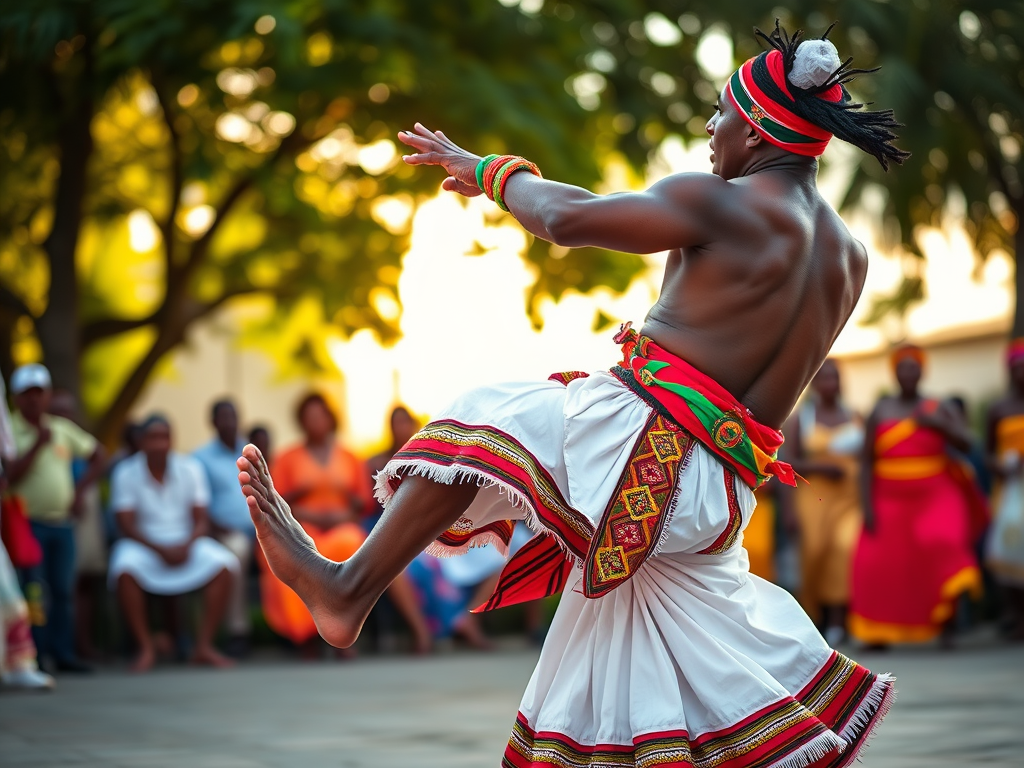
This exploration delves into the profound utility of Capoeira Angola principles as a framework for survival, resilience, and resistance against some of the most formidable social and political challenges of the contemporary era. It posits that the historical and philosophical underpinnings of this Afro-Brazilian art form—a unique blend of dance, fight, music, and philosophy—offer invaluable lessons for enduring and overcoming systemic oppression, governmental overreach, and deep-seated societal injustices.
Furthermore, Capoeira Angola embodies a rich cultural heritage that fosters community solidarity and encourages individuals to embrace their identity and strength in the face of adversity. By integrating movement, rhythm, and storytelling, practitioners not only cultivate physical prowess but also develop a deep sense of purpose and connection with their roots. This dynamic practice serves as a powerful tool for personal empowerment and collective action, emphasizing the importance of solidarity among marginalized groups striving for justice. In essence, the principles of Capoeira Angola can inspire new generations to navigate and challenge the complexities of modern life while promoting social change and cultural appreciation.
The Socio-Political Landscape of Resistance
This article specifically addresses the need for a survival strategy in the face of:
The Presidency of Donald Trump: This period is recognized for its polarizing rhetoric, challenges to democratic norms, rapid shifts in policy, and the political mobilization of extreme ideologies. The unpredictability and intensity of this political climate necessitated a strategy for both psychological and practical self-preservation, focusing on adaptability and maintaining core values amidst chaos.
Immigration and Customs Enforcement (ICE): ICE represents a powerful and often controversial manifestation of state control and repression, particularly impacting immigrant communities and people of color. Navigating this reality requires strategies for community defense, understanding the legal jogo (game), and maintaining emotional equilibrium while facing potential raids, detentions, and family separations.
Systemic Racism: This enduring challenge, woven into the fabric of institutions and society, demands a long-term, holistic approach. Capoeira Angola’s historical context—originating from enslaved Africans as a tool for physical and cultural liberation—provides a direct parallel and a philosophical blueprint for dismantling, resisting, and surviving the pervasive effects of racial bias, economic disparity, and racial violence.
Social Repression: Encompassing a broader spectrum of oppressive forces, social repression includes surveillance, censorship, police brutality, and the silencing of marginalized voices. Surviving this environment requires mastering the art of movement, camouflage (both physical and metaphorical), community solidarity (união), and the preservation of cultural identity as a form of protest.
Capoeira Angola as a Framework for Resilience: Historical perspectives
Capoeira Angola, a rich cultural and martial art form that originated in the African diaspora in Brazil, offers a profound framework for understanding and cultivating resilience. To fully appreciate its power in this capacity, one must delve into its tumultuous and transformative historical roots. Born out of the brutal realities of chattel slavery, Capoeira Angola served as a clandestine method of self-defense, resistance, and cultural preservation for enslaved Africans and their descendants.
The genesis of Capoeira Angola can be traced back to the senzalas (slave quarters) and the quilombos (runaway slave communities), where African traditions—music, dance, and fighting techniques—were secretly synthesized into a disguised form of combat. This disguise was crucial: by embedding powerful kicks, sweeps, and evasions within what appeared to be a recreational dance or ritual, practitioners could hone their fighting skills right under the noses of their oppressors. This very act of strategic concealment speaks volumes about the early practitioners’ ingenuity and psychological resilience—the ability to find strength and agency within an environment designed to crush their spirit.
Key historical perspectives that highlight Capoeira Angola’s link to resilience include:
Cultural Syncretism and Preservation: Faced with the systemic destruction of their heritage, enslaved Africans infused Capoeira Angola with elements from various African cultures, blending them with new Brazilian realities. The instruments—such as the berimbau, atabaque, and pandeiro—and the songs (quadras and chulas) acted as carriers of memory, history, and communal solidarity. Preserving these elements in the face of forced assimilation was an act of profound cultural resistance and an affirmation of identity, both critical components of collective resilience.
Physical and Mental Discipline: The rigorous training required to master Capoeira Angola—involving complex movements, acrobatic fluidity, and a deep understanding of rhythm and timing—provided practitioners with a powerful sense of self-mastery. The jogo (the “game” or sparring match) in the roda (the circle) is a demanding environment that requires constant adaptation, quick decision-making, and emotional control. This discipline was not merely for fighting; it was a way of fortifying the mind and body against the daily trauma of oppression, nurturing a foundational personal resilience.
Community and Social Structure: The roda itself is a microcosm of a supportive community. It is a space where individuals are challenged, protected, and celebrated. The roles within the roda—from the mestre (master) who leads the music and determines the energy, to the players and the chorus—reinforce a structured, cooperative, and highly engaged social unit. This sense of belonging, mutual accountability, and shared purpose was, and remains, a vital historical source of collective resilience against external adversity.
In essence, the historical journey of Capoeira Angola—from the secrecy of the slave quarters to its development as a recognized cultural heritage—is a testament to human fortitude. It embodies a dynamic, embodied philosophy where physical agility, strategic thinking, musical dialogue, and communal support converge to foster a multi-layered resilience that transcends the physical realm, offering a timeless framework for navigating and overcoming modern-day challenges.
Capoeira Angola Principles: The Architecture of Survival
Capoeira Angola offers specific, actionable principles to confront these realities:
Malícia (Subtle Deception/Wile): In the face of powerful adversaries, direct confrontation is often suicidal. Malícia teaches the necessity of cunning, strategy, and misdirection. It is the ability to read the opponent’s (the system’s) intention, anticipate its moves, and use its own momentum against it. This translates to navigating bureaucratic systems, understanding political maneuvering, and protecting vulnerable communities through intelligent evasion rather than reckless aggression.
Mandinga (The Magic/Aura of the Game):Mandinga represents the intangible power, the spiritual conviction, and the confident, almost magical presence that commands respect and inspires fearlessness. It is the cultural armor that resists dehumanization. In the context of survival, this means maintaining cultural pride, spiritual resilience, and a powerful internal sense of self-worth that cannot be broken by repressive forces.
O Jogo de Dentro (The Inner Game): Capoeira Angola is as much an internal discipline as an external fight. O Jogo de Dentro emphasizes emotional control, patience (esperar), self-awareness, and the ability to maintain calm and focus during intense pressure (the roda). This principle is crucial for mental health, helping individuals survive the constant stress and anxiety induced by political turmoil and systemic threats.
A Ginga (The Swing/The Basic Movement): The Ginga is not merely a dance step; it is perpetual motion—a state of readiness, fluidity, and constant adaptation. It teaches that one must never be static or locked into a predictable position. In life, this means being flexible in one’s actions, prepared for policy changes, and constantly learning new ways to protect oneself and one’s community, maintaining a dynamic resistance posture.
Comunidade e União (Community and Unity): The roda (the circle where capoeira is played) is the ultimate symbol of community. Survival is never solitary. The principles of Capoeira Angola emphasize the collective responsibility of all participants to protect each other, maintain the energy of the roda, and ensure that everyone has the chance to jogar (play). This translates directly to building strong, resilient, and mutually supportive networks to withstand ICE raids, social isolation, and political attacks.
By adopting the philosophy and movement of Capoeira Angola, individuals embrace far more than a physical discipline; they participate in a profound cultural and psychological act of resistance. This intricate art form, born from the crucible of enslavement, functions as a holistic system for survival and self-determination. The practice is not simply a reaction to oppression, but an active, conscious engagement in the jogo—the game. This jogo is a life-long, dynamic contest demanding constant strategic thought, physical adaptation, and unwavering spiritual resilience. Capoeira Angola’s inherent deceptive nature—masking deadly martial arts techniques within a dance-like, ritualistic performance—served as a vital mechanism for preserving the knowledge and power of the enslaved people. Every fluid motion, every feigned retreat, and every sudden, powerful kick represents a lesson in strategy, turning the oppressor’s gaze from a tool of control into a blind spot for liberation. Through the jogo, practitioners cultivate a deep-seated understanding of timing, deception, and the critical importance of community support, symbolized by the surrounding roda and the guiding music. This collective participation ensures not only the physical survival of the individual but, more fundamentally, the endurance and vibrancy of their spirit, their history, and their threatened culture. The ultimate goal is liberation—a continuous state of being free from physical and psychological bondage.
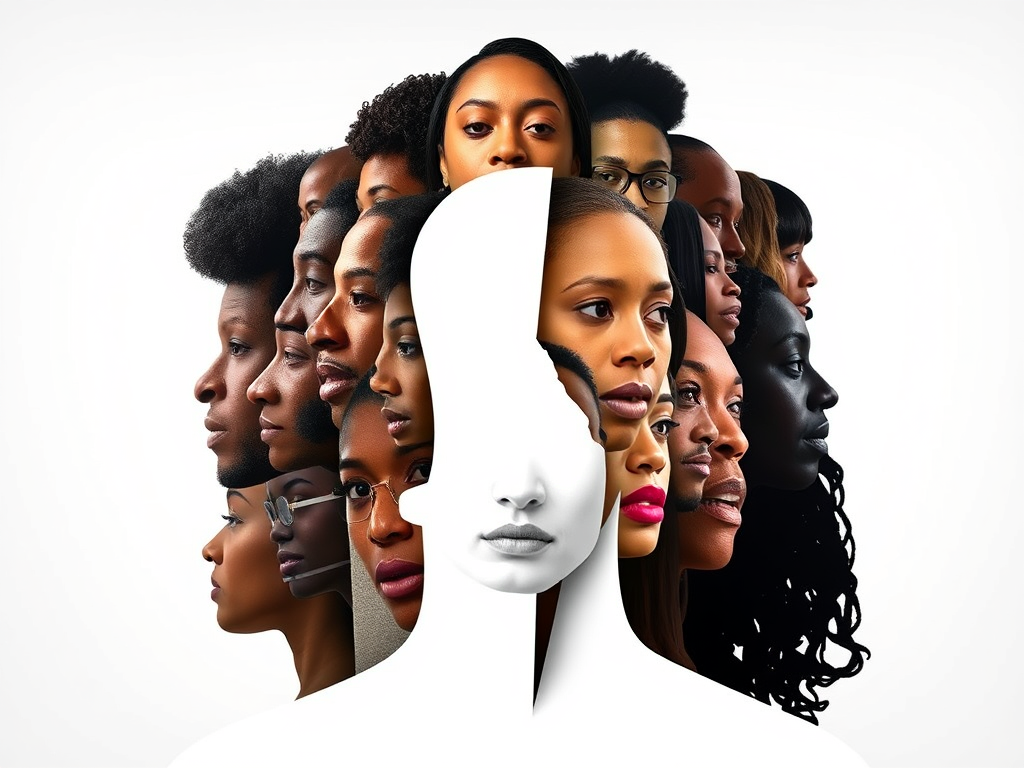
White privilege is a multifaceted and systemic concept, not merely about individual attitudes or personal hardship. It is defined as the unearned, often invisible, set of societal advantages, immunities, and benefits that white people inherently receive in a society structured by racial hierarchy. Critically, it is a structural phenomenon; its existence is rooted in the architecture of institutions and historical policies, independent of whether a white individual harbors any personal prejudice or has experienced personal economic or social struggles.
Defining White Privilege Beyond Personal Hardship
The core of white privilege lies not in an individual’s personal wealth or lack of struggle, but in systemic advantages that operate on an institutional and cultural level. It is defined as the accumulation of cultural, institutional, and societal assets that are granted to white people solely because of their race, regardless of their socioeconomic status or personal moral character. These advantages function as an invisible knapsack of tools, maps, and blank checks that are simply unavailable to people of color, who must constantly navigate societal friction points and systemic obstacles related to their racial identity.
Crucially, the concept identifies an unburdened existence, where one’s race is not a factor that contributes to negative outcomes in areas such as hiring, police interactions, mortgage applications, or medical treatment. White privilege is, therefore, the absence of racial penalty, the default setting of belonging, and the luxury of having one’s identity remain invisible or neutral in most public spaces. When discussions immediately center on refuting the existence of personal struggle, they pivot away from this crucial systemic analysis and mistakenly equate privilege with personal affluence, thereby derailing any constructive dialogue about equity and institutional reform.
It is crucial to understand that white privilege is not defined by the absence of personal hardship, emotional pain, or economic struggle for any individual identified as white. Rather, it operates as the silent, unacknowledged default setting of societal engagement and institutional treatment. It represents an unearned, yet systematically conferred, advantage that functions as an “invisible weightless knapsack” of assurances, allowances, and societal ease carried throughout life. This “knapsack,” a metaphor famously coined by scholar Peggy McIntosh, is filled not with material goods, but with systemic benefits—things like being able to find adequate representation in media, never having to speak for one’s entire race, or assuming that one’s neighbors will be neutral or pleasant.
The Systemic Nature of Advantage
Fundamentally, white privilege speaks to a system where race-based obstacles are not a routine, daily part of the lived experience. It means that most doors are not closed, and most pathways are not complicated, due to one’s racial identity. For a white individual, the racial component of their identity is rarely the source of a disadvantage in major life interactions.
This systemic advantage manifests most clearly in the allocation of the “benefit of the doubt.” White individuals are, in a given society structured by racial hierarchy, automatically granted this favorable presumption in interactions across nearly all sectors:
With Law Enforcement: A white person is more likely to be treated as a nervous witness or a potential victim than as a likely suspect. A minor traffic infraction is less likely to escalate into a life-threatening encounter.
In the Hiring Process: Their name on a resume is typically evaluated solely on its merits, without the subconscious racial bias that might lead to an equivalent candidate of color being “screened out.”
In Educational Settings: Their behavior in a classroom is less likely to be perceived as inherently threatening or indicative of a lack of discipline for their entire racial group.
In the Marketplace: They can generally shop in a high-end store without being followed or questioned about their ability to afford the merchandise.
They are perceived primarily as unique individuals with their own distinct merits, personal histories, and specific flaws. Their individual failures or mistakes are attributed solely to their own poor choices, bad luck, or personal shortcomings, rather than being generalized or racialized as characteristic of their entire racial group. In contrast, the mistakes or perceived flaws of a person of color are often internalized by observers as confirming negative racial stereotypes, placing an enormous, unfair burden of representation on the individual.
The Power of Normality
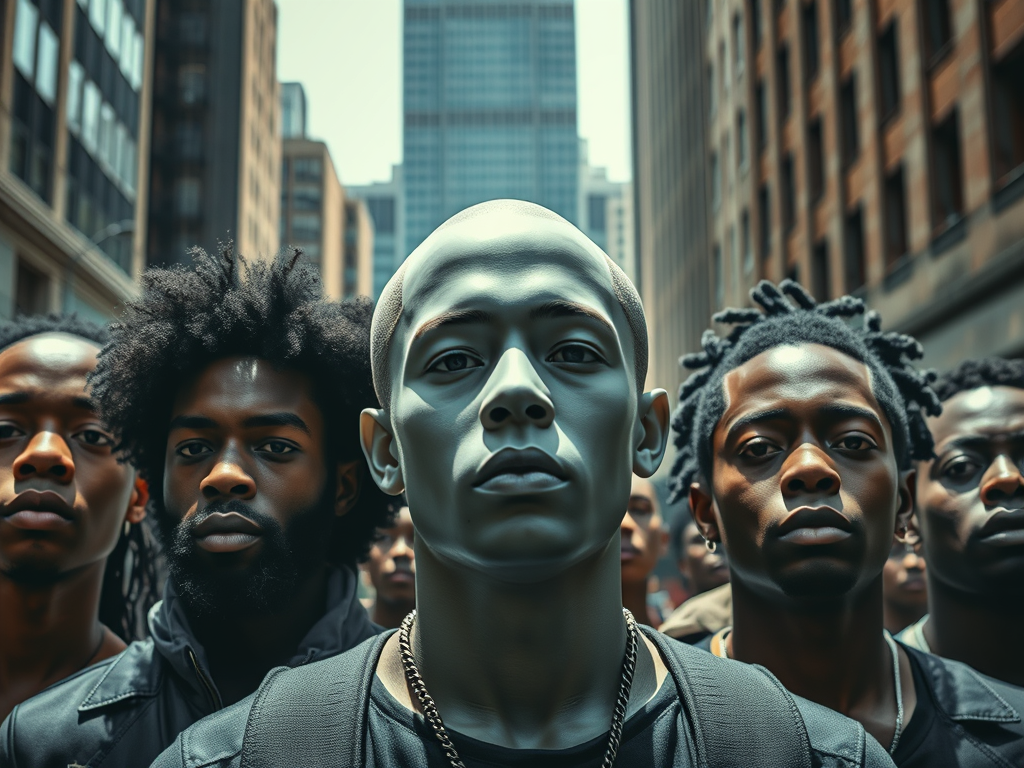
Ultimately, white privilege is the simple, yet profound, privilege of normality and invisibility. It is the comfort of existing without one’s race being the central, defining, or complicating factor in every social or institutional encounter. It is the privilege of having one’s cultural norms, history, and physical appearance considered the default standard against which all others are often measured. Acknowledging this privilege is not an admission of personal guilt or a dismissal of one’s own struggles; it is a clear-eyed recognition of a systemic advantage that allows a white person to live life on “easy mode” when it comes to navigating the societal landscape of race.
Conversely, those outside this dominant racial group are frequently judged or prejudged not as individuals, but as representatives of their entire race. Their actions, speech, and even mere presence are often filtered through entrenched stereotypes and systemic biases before they have even had a chance to speak, act, or demonstrate their unique character. White privilege is thus the structural mechanism that ensures one group can operate within the world as simply “a person,” while others are constantly and visibly forced to operate as “a member of a racial group.”
Crucially, privilege rarely manifests as overt, tangible rewards, stipends, or readily visible bonuses that are consciously recognized as such. Instead, its most profound and pervasive experience is often defined by the sheer absence of a host of problems, worries, stressors, or anxieties that people of color must routinely navigate as a matter of daily existence.
This unearned relief constitutes the silent, invisible dividend of privilege. It is the freedom from having to expend mental and emotional energy on the constant anticipation and management of race-related microaggressions—those subtle, often unintentional, but cumulative slights and insults that communicate hostility or negative messages based on race. A white person is spared the daily calculus of deciding if an interaction, a service refusal, or a challenging bureaucratic process is, in part or whole, driven by racial bias.
Furthermore, privilege grants an exemption from the burdensome systemic barriers and negative assumptions that routinely impede progress for marginalized groups. A white person, for example, typically does not have to worry that their professionalism will be automatically questioned, their credentials scrutinized with extra rigor, or their casual attire interpreted as a sign of inherent lack of respect in a professional setting, merely because of their race. This fundamental difference means that a white person simply never has to consciously think about, preemptively manage, or constantly justify their existence or competence on a daily basis due to the color of their skin. Their baseline operating state is one of unburdened normalcy, a state that is perpetually elusive for many people of color.
This systemic dynamic plays out across various facets of everyday life:
In Professional Spaces: Privilege can mean being the assumed cultural ‘fit’ for a job, having one’s feedback considered constructive rather than “aggressive,” or not having one’s competence constantly questioned or needing to work twice as hard to prove equal worth to colleagues.
In Media Narratives: Privilege is evident in how white individuals involved in crime are often humanized, with extensive coverage of their troubled past or mental state, while non-white individuals in similar situations are often reduced to racial stereotypes and presented as a threat to public order.
In Everyday Interactions: It is the ability to shop without being followed, to call the police in an emergency without fearing for one’s own safety, or to simply drive a car without the subconscious anxiety of being racially profiled.
The pervasive denial and vehement rejection of the concept of white privilege often stems from a fundamental misunderstanding of its definition. Since most white people can easily point to numerous instances in their lives where they have experienced hardship, struggle, financial difficulty, or failure, they feel personally and unfairly accused of dishonesty, moral failure, or possessing an unearned, effortless, and perpetual success. This common misconception leads to an immediate and defensive rejection of the label, as it seems to invalidate their genuine life experiences and struggles.
However, the core of the conversation must pivot away from individual moral failure or personal financial standing and be reframed to focus on systemic structural advantage. It is crucial to acknowledge that life is inherently difficult, messy, and challenging for everyone, regardless of their background, race, or socioeconomic status. White privilege does not mean that a white person’s life is free of obstacles, pain, or poverty.
Instead, the concept simply asserts that race does not contribute to that difficulty for white individuals. In fact, their racial identity often functions as an invisible force that makes navigating the world subtly, and sometimes significantly, easier than it is for people of color. This advantage manifests not as a bonus, but as the absence of race-based barriers, suspicions, or hurdles that are routinely erected against non-white individuals.
For example, a white individual is generally less likely to be followed while shopping, less likely to have their qualifications questioned in a professional setting, less likely to be perceived as a threat by law enforcement, and can typically find positive media representation of their race without searching. Acknowledging this privilege is not an act of self-flagellation or an admission of personal guilt; rather, it is a necessary, clear-eyed recognition of the societal and historical architecture that grants unearned benefits and institutional favor based purely on skin color, thereby allowing the focus to shift toward dismantling these inequitable systems.
The Gentrification of Black Slang: A Cycle of Criticism, Co-option, and Cultural Theft
The phenomenon of Black slang being gentrified is a recurring and deeply troubling pattern within American culture. Time and time again, a clear and disheartening cycle unfolds: Black individuals innovate and popularize a form of cultural expression, usually through language. This expression is then met with initial criticism, dismissal, or outright ridicule from the mainstream—often framed as “uneducated” or “ghetto” speech. Subsequently, it is co-opted and imitated by non-Black communities, stripped of its original context and meaning, and finally, completely absorbed and rebranded as general internet slang or mainstream vernacular, effectively erasing its Black origins. The cultural originators are then often criticized for their own language once it has been deemed “cool” by others, or they are forced to innovate new terms to maintain cultural distinction.
A stark example of this cultural theft is the trajectory of the term “woke.” Originating within the Black community, particularly in the context of political awareness and social justice in the 20th century, “woke” meant being acutely aware of systemic racism and injustice. It was a call to consciousness. As it crossed over into broader usage, its meaning was first diluted and then weaponized. Now, it is often used dismissively by critics to mock social progressivism, a complete perversion of its intended, serious purpose.
This process is now visibly occurring with other elements of AAVE (African American Vernacular English).Understanding AAVE: Beyond “Slang”
It is crucial to understand that AAVE is not merely “internet slang,” “broken English,” or a collection of fleeting phrases. AAVE is a systematic, rule-governed dialect of American English, primarily spoken by Black Americans. It possesses its own distinct grammar, vocabulary, and phonology. Its roots are deep, complex, and historical, potentially linked to creole languages and Southern US dialects, evolving under unique historical and sociological conditions. For instance, AAVE often uses tense and aspect markers (such as the invariant be, as in “She be working”) in ways that precisely convey continuous or habitual actions, features distinct from Standard American English, demonstrating its internal logic and sophistication.
When elements of AAVE are extracted, sensationalized, and then misused by non-speakers—often without acknowledging the source—it constitutes a form of cultural appropriation. It reduces a rich, historically-rooted linguistic system to a mere trend, overlooking the very real social and professional penalties Black Americans often face for speaking the dialect in formal settings, penalties that non-Black speakers of the gentrified slang rarely encounter. The underlying sentiment is: when we do it, it’s wrong; when you do it, it’s cool.
Enough is enough. The cultural innovation of Black communities deserves respect, recognition, and protection from this repetitive cycle of theft and misrepresentation. Recognizing the origins and resisting the impulse to co-opt and mainstream AAVE terms without context is a necessary step in correcting this imbalance.
—–Support the Conversation and the Creator
Please support and amplify voices that are speaking directly to these issues and advocating for cultural respect and intellectual property.
Welcome to MARTIAL ARTS THEATER, a community hub for martial arts enthusiasts that focuses on personal growth, discipline, and camaraderie. Here, you can access expert interviews, instructional videos for all skill levels, and engaging events. Explore various styles like karate, judo, taekwondo, and Brazilian jiu-jitsu in a supportive environment. Whether you’re a seasoned practitioner or a curious beginner, you will find a welcoming community that fosters meaningful connections and encourages self-discovery, resilience, and empowerment through martial arts.
Today…
The martial arts community is facing a deep-seated crisis of conscience. While we tirelessly preach the core tenets of honor, respect, and integrity, a stark and damaging contradiction exists in the way we treat our own heroes. We routinely elevate and celebrate elite martial artists with documented dark pasts, yet we collectively refuse to hold them accountable for their egregious actions.
Consider the roster of names whose contributions to the mat are undeniable, yet whose character flaws and misconduct have been systematically ignored or minimized: Conor McGregor, Jon Jones, Lloyd Irvin, Cyborg Abreu, Leo Vieira (De La Riva), and Andre Galvao. These individuals have unquestionably moved the needle in their respective disciplines, but their skill has become an impenetrable shield against moral scrutiny. Their legends, their status, and their technical mastery are used as justification to bury or willfully ignore the damage they have caused.
This selective celebration, however, is not a victimless act of oversight; it is an active corruption of the next generation. By holding up individuals as heroes—whose brilliance in competition is inseparable from their documented moral failings—we are inadvertently teaching every aspiring martial artist a profoundly toxic lesson. We are signaling, in the clearest terms possible, that this community’s true values lie not in character, but in ability, fame, and spectacle. The message is simple: greatness excuses misconduct.
The conversation needs to shift from technical admiration to ethical accountability.Why Skill is Not Character, and Why We Confuse the Two
The martial arts community suffers from a pervasive cognitive dissonance where an individual’s elite technical skill is conflated with their moral character. We fall into the trap of thinking that the discipline required to become a champion must inherently translate into discipline in life. It doesn’t. A person can possess unparalleled mastery of a choke or a takedown while simultaneously lacking basic human decency and ethical grounding. Our admiration for their martial arts contributions should not negate the need for accountability for their crimes or abusive behavior.
The BJJ Community’s Loyalty Problem
The Brazilian Jiu-Jitsu (BJJ) community, in particular, exhibits a damaging, almost tribal loyalty that prioritizes the reputation of the academy, the lineage, and the champion over the safety and ethical well-being of its members. This culture of protectionism ensures that when allegations of misconduct surface, the immediate reaction is not to investigate and support the victim, but to circle the wagons and discredit the accuser to save the “family” name. This system protects the powerful and perpetuates an environment where victims are silenced, and toxic individuals are allowed to continue operating with impunity.
What Martial Arts Was Supposed to Teach Us
The foundational philosophy of martial arts—from the Do (meaning “way” or “path”) in Judo, Taekwondo, and Aikido, to the disciplined and rigorous traditions of Brazilian Jiu-Jitsu (BJJ) and Karate—was originally conceived as far more than mere combative training. It was intended to be a comprehensive framework for holistic self-improvement and ethical character development.
The core objective was the forging of a human being defined by an indomitable spirit, genuine humility, meticulous self-control, and unwavering respect for all others. The physical skills—the throws, strikes, submissions, and forms—were merely the tools, the means to a far greater end: mastering the self.
The training mat, or dojo, was designed to be a crucible. It was a sacred space where the abstract concepts of discipline, honor, and accountability were not just discussed, but were practiced, embodied, and tested daily under physical and mental duress. It was a laboratory for character, a place where the corrosive influence of the ego was intentionally broken down and then meticulously rebuilt, not with vanity, but with ethical purpose and a sense of responsibility.
The practice of martial arts, in its purest form, demands absolute presence and honesty. The inevitable failure, pain, and exhaustion inherent in training force the student to confront their own limitations and deficiencies. This continuous self-assessment is the essence of true growth.
Crucially, this traditional ethos stands in stark contrast to modern interpretations. The original purpose was never intended to be a launching pad for personal fame, a quest for social media followers, or pure entertainment created at the expense of one’s fundamental character and the principles of the art itself. The focus was internal mastery, not external validation. The true measure of a martial artist resides not in the medals won or the popularity achieved, but in the quality of the person they become through the rigorous pursuit of the path.
The Urgent Call to Accountability
The conflict before us transcends a mere debate over athletic superiority or a fighter’s win-loss record. It is a profound moral argument concerning the fundamental soul of our community and the ethical values we transmit to the next generation of practitioners and fans. The actions we condone or condemn define our collective character far more than any trophy or title belt.
Therefore, the time for polite suggestion, nuanced dialogue, and incremental reform is unequivocally over. This is not a request; it is a categorical demand: Hold this community accountable.
If you occupy a position of influence—be it a coach guiding the development of young athletes, a student seeking personal mastery, an avid fan whose loyalty funds the system, or a promoter who controls the platform—and you are willing to celebrate the martial legend of a person while actively ignoring, excusing, minimizing, or burying the verifiable damage they have inflicted upon others, you are not merely a passive spectator. You are a complicit enabler. You are an active participant in the systemic problem that is ruthlessly poisoning the well of our collective ethical environment, making the space unsafe for those who have been marginalized or harmed.
The martial arts mat, or the space where these arts are practiced, is a sanctuary—a sacred space—intended to be a crucible for forging and cultivating the highest aspects of human character: discipline, respect, humility, integrity, and courage. These arts were never meant to be a refuge for unchecked ego or a shield for toxic behavior.
Act like it. Uphold the standards of honor and morality that the martial arts tradition was built upon. Let integrity be the measure of a champion, not just physical prowess. The community must collectively reject the false dichotomy that separates athletic excellence from moral decency.



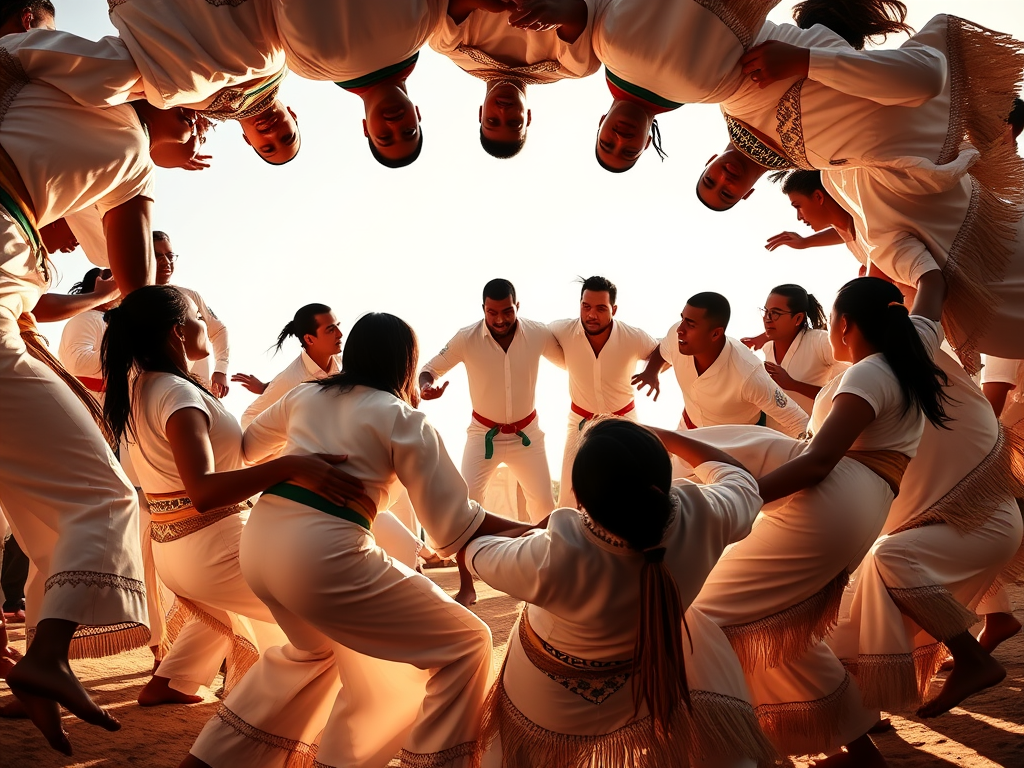
 Jogo Corpo Fechado