Welcome to MARTIAL ARTS THEATER, a vibrant platform for martial arts enthusiasts dedicated to exploring a wide array of disciplines like karate, taekwondo, and Muay Thai. We offer a wealth of resources, including insightful expert interviews, comprehensive instructional videos, and engaging community events tailored for practitioners of all skill levels, from beginners taking their first steps to seasoned fighters honing their techniques. Join us to cultivate your abilities, share experiences, and connect with fellow martial arts lovers, all while deepening your understanding of the cultural significance and history of these practices. Our goal is to create a welcoming environment that fosters growth, respect, and camaraderie among participants, celebrating the rich traditions and values that martial arts embody.
Today, we go into Fantasy Land, or more accurately, we see what happens when someone who thinks they can fight runs into somebody who can actually fight. In this whimsical realm where imagination knows no bounds, our protagonist, fueled by a misguided sense of confidence, believes that they possess the skills to emerge victorious in combat.
Many Dumb People Want to challenge pro fighters, but what happens when they actually fight back? Here are some of the most interesting cases that showcase the often amusing and eye-opening outcomes of such confrontations. In these instances, individuals with little to no martial arts experience confidently step into the ring or cage, believing they can hold their own against seasoned professionals.
However, the reality of the situation quickly becomes apparent.
As the confrontation unfolds, the contrasts between bravado and true skill become evident, revealing the harsh truths of underestimating an opponent in the vibrant landscape of Fantasy Land.
Pro fighters, trained through years of rigorous practice and discipline, exhibit a level of skill and technique that is simply unmatched. From surprisingly quick knockouts to humbling submission holds, these encounters serve as stark reminders of the risks involved when underestimating a fighter’s expertise. The stories surrounding these events not only entertain but also provoke thought about the nature of confidence, bravado, and the surprising lessons learned in the heat of competition.
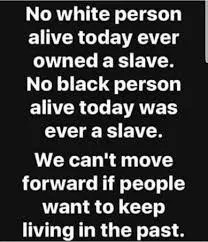
Every Friday, PROFESSOR BLACK TRUTH posts videos appropiately named “The Friday Crime Report”. I decided to post them here on this platform, because I want to show you how “bad things” still happens to black people in this country. You see, people still like to tell us things like the following…
To show that bad things that happen to black people was somehow “All in the Past”. Well, rather than talk about why this meme and ones like it piss me off, I like to show examples of why this meme is bulls*it.
In today’s installment…
Silicon Valley had been harboring a deadly cult that attempted murder and faked deaths, but action was only taken when the bodies began to accumulate, prompting a sense of urgency among law enforcement officials and the community at large. Hidden within the shadows of innovation and technology, this dangerous group wove a complex web of deception, manipulating vulnerable individuals and leading them into a life of crime. The cult’s insidious influence spread rapidly, preying on those seeking belonging in a fast-paced environment, coercing them into illicit activities with promises of wealth and success.
As authorities sifted through the chilling evidence, the shocking reality of the cult’s activities became apparent, raising troubling questions about how such an insidious organization could flourish in an area celebrated for its progress and innovation. Increasingly alarmed residents began to share their suspicions, and the once-quiet whispers transformed into a chorus of concern that would finally compel investigators to confront the growing threat head-on. The community, once vibrant and hopeful, found itself marred by fear and uncertainty, as the cult’s hold on vulnerable individuals revealed deeper societal issues. Neighbors exchanged information and tips in hushed tones, their initial disbelief evolving into a shared determination to seek the truth, while local leaders scrambled to address the rising panic, holding meetings to reassure citizens and develop strategies to counteract the insidious influence of the cult.
This collective awakening illuminated the need for vigilance and unity in the face of such darkness, leading to a renewed commitment among the populace to safeguard their community’s cherished values and ensure that such malevolence could no longer thrive in the shadows.
Shout out to The Professor for his engaging video on important topics that inspire critical thinking and deepen our understanding of complex issues. His ability to present information in a relatable and entertaining manner keeps viewers coming back for more. For more content, visit his YouTube channel HERE for insightful analyses, a wealth of knowledge, and a vibrant community of learners who share diverse perspectives and encourage meaningful discussions. Don’t miss out on the opportunity to be a part of this enlightening journey!
Witness incredible real-life heroes, from strangers saving lives to acts of kindness and courage that restore our faith in humanity. Enjoy jaw-dropping rescues performed in the most unexpected circumstances, and be moved by inspiring moments caught on camera that showcase the best of the human spirit.
These courageous individuals put their own lives on the line, often stepping into danger without a second thought, demonstrating remarkable bravery and selflessness; they embody the spirit of heroism in its purest form, reminding us that true strength often lies in acts of kindness and sacrifice. Their inspiring stories not only uplift but also remind us of the power of community and empathy, illustrating how one person’s actions can resonate deeply within countless lives. When we take a moment to appreciate their contributions, we recognize the ripple effect of compassion that ignites within our society. Let us always remember to like, share, and subscribe to keep celebrating these extraordinary acts of heroism that can spark change in our world, ensuring their legacies of courage inspire future generations.
Welcome to MALICIA AS A GAME OF POWER, a blog series that examines the complexities of strategy in our interactions. We will focus on effective communication, conflict resolution, and building meaningful connections, providing guidance on decision-making and overcoming challenges. The series will cover negotiation, manipulation, leadership skills, personal branding, and online reputation management, equipping you with the tools to navigate power dynamics and succeed in your endeavors. Join us as we explore these crucial topics to help you thrive.
In this installment, we will explore the 17th law of power in the book, the 48 laws of power by Robert Greene. You can but a copy by clicking HERE.
LAW 17: Cultivate an air of unpredictability
Keep people in suspense by being unpredictable; predictability allows others to control you. Inconsistent behavior can exhaust others, leading them to abandon explanations and second-guess their own perceptions of reality. When you keep those around you in a state of uncertainty, it creates an atmosphere charged with tension and intrigue.
This unpredictability can lead to enhanced engagement, as people remain curious about your next move and are less likely to take you for granted. This sense of curiosity can serve as a powerful motivator, driving individuals to invest more time and effort into understanding your intentions and the underlying patterns of your behavior. However, when taken to extremes, this approach can intimidate and instill fear, causing relationships to fray and trust to erode. Prolonged exposure to such unpredictability may leave individuals feeling anxious and unsure, ultimately pushing them away rather than drawing them closer.
Balancing the line between intriguing unpredictability and overwhelming inconsistency is crucial in maintaining healthy interactions while keeping an air of mystery alive. This requires a careful consideration of your actions and their potential impact on others, ensuring that your enigmatic nature does not cross over into detrimental behavior that alienates those around you. Effective communication and transparency can act as a stabilizing force, providing reassurance while still allowing for an element of surprise.
The 17th Law of Power Through the Eyes of an Angoleiro
The intersection of philosophy, strategy, and martial arts offers a rich ground for exploration, particularly when viewing universal laws through the lens of a specific, deeply cultural practice. This essay delves into an interpretation of the “17th Law of Power” – often understood in conventional terms as “Keep Others in Suspended Terror: Cultivate an Air of Unpredictability” – as seen through the perspective of an Angoleiro, a practitioner of Capoeira Angola.
Capoeira Angola is more than just a fight or a dance; it is an embodied philosophy, a game (jogo) played within a circle (roda) that mirrors the complexities of life itself. The Angoleiro operates within an established structure but thrives on the unexpected. The concept of unpredictability, therefore, is not a mere tactic of psychological intimidation but a foundational principle of the jogo and a key to survival, mastery, and strategic dominance.
For the Angoleiro, the 17th Law transforms into: Cultivate Malandragem and the Element of Surprise to Control the Roda.
Malandragem as Cultivated Unpredictability
Malandragem is a complex, untranslatable concept deeply rooted in Brazilian culture and central to Capoeira Angola. It signifies cunning, street smarts, trickery, and a playful, deceptive intelligence. It is the art of navigating the world through wit and improvisation, often turning a perceived disadvantage into a strategic upper hand.
In the roda, the Angoleiro uses malandragem to keep the opponent (o outro) in a state of perpetual uncertainty, a form of “suspended terror.” This is not achieved through brute force or overt aggression, but through:
The Deceptive Slow Pace (The Vadiar): The game often begins slow, low to the ground, with a seemingly lazy, indifferent posture (vadiar). This slowness is a deliberate mask. It invites the opponent to relax their guard, to underestimate the Angoleiro’s readiness, and to commit too early. The sudden, explosive attack (rasteira, cabeçada, or a swift transition to a high kick) that breaks the meditative rhythm is the manifestation of unpredictability.
The Interrogation of the Body: Every movement is an interrogation of the opponent’s intentions. The Angoleiro moves laterally, feints, and offers false openings. This continuous process of “questioning” the opponent’s defenses and emotional state is a method of control. The opponent is paralyzed by having too many possibilities to consider and too little information to trust.
The Mastery of Timing (Tempo): True unpredictability is about choosing the moment (o tempo) perfectly. It is not randomness, but a calculated delay or acceleration. The Angoleiro strikes not when the move is available, but when the opponent is emotionally or physically committed to a wrong assumption. The sudden change in tempo shatters the opponent’s equilibrium, ensuring that their reaction is always a step behind the action.
Strategic Implications in the Roda and Beyond
The 17th Law, when applied via malandragem, provides the Angoleiro with a profound strategic advantage:
Emotional Control: The power lies in maintaining one’s own composure while inducing confusion and doubt in the opponent. The unpredictable person is the one who is emotionally inscrutable. By constantly shifting their game plan—from playful trickery to sudden seriousness—the Angoleiro prevents the opponent from settling into a comfortable, predictable rhythm, thus controlling the emotional temperature of the roda.
The Power of the Unseen Angle: Capoeira Angola is a game of low attacks, evasions, and unexpected reversals. The Angoleiro understands that the most effective technique is often the one that comes from an angle the opponent has not considered. This mirrors the strategic need to constantly innovate and avoid routine in life and leadership, ensuring one is never a fixed target.
A Continuous State of Becoming: The commitment to unpredictability is a commitment to continuous adaptation. A predictable Angoleiro is a defeated Angoleiro. This philosophy translates to a life lesson: true power is fluid, residing not in the possession of any one strong move, but in the infinite potential for the next, unknown move. By never revealing their full, fixed nature, the Angoleiro commands respect, fear, and, most importantly, the psychological upper hand.
Today, my friend and Capoeira sister Liza Bernstein has published a fascinating post about the arame, which is an essential component of the berimbau, the most important instrument in our beloved martial art.
To learn more about it, just click HERE and dive into Liza’s insightful exploration. Her writing not only illuminates the meaning behind the arame but also connects it to the deeper philosophies of Capoeira, making it a must-read for anyone looking to enrich their understanding of this beautiful art form. Don’t miss out on the chance to broaden your perspective and immerse yourself in the transformative power of this captivating martial art!
And, in case you don’t know, she has also published an insightful article on this blog about Mestre Bigodinho, a legendary figure whose contributions to Capoeira have inspired many practitioners around the world. His distinct style and philosophy not only shaped the way Capoeira is practiced but also fostered a sense of community among its followers. You can check out her article HERE to learn more about his life and legacy, and to gain a deeper appreciation for the roots of this incredible art form.
In case you didn’t know, I hate these fake Gold Digger videos. They not only perpetuate harmful stereotypes but also create a deep mistrust of women in impressionable young men, who may not yet have developed the critical thinking skills necessary to discern reality from sensationalism. These videos often promote the misguided notion that women are primarily motivated by money and material possessions, which can lead young men to adopt negative attitudes toward women as a whole.
As a result, they may feel justified in treating women badly, reinforcing toxic behaviors that stem from shallow evaluations and misguided beliefs, rather than recognizing women’s true worth as individuals with unique qualities and experiences. This not only perpetuates an environment of disrespect but also leads to a cycle of negativity that can be difficult to break.
Besides, this video is fake anyway.
It’s crucial to address the harmful implications of such content and encourage a more respectful and empathetic view of relationships, fostering an understanding of equality and mutual respect. By promoting healthy interactions and challenging derogatory attitudes, we can help create a society that values each person for who they truly are, thus paving the way for more fulfilling and meaningful connections.
I admit it, MTR is one of my most favorite Youtubers, and I agree with the things he says in this video.
Whether Trump is right or wrong for making this law is not the issue here to me. The issue is that you should NEVER rely on Government assistance to survive. Government assistance is just that: GOVERNMENT ASSISTANCE. It should never be something you should rely on, as it can lead to a cycle of dependency that is hard to break. Instead, individuals should focus on building their own resilience and finding ways to support themselves independently.
While government programs can offer temporary help during challenging times, they should not be viewed as a long-term solution. It is essential to cultivate skills, seek out opportunities, and create a strong support network that empowers personal growth and sustainability in the face of adversity. This involves not only building competence in various areas but also leveraging community resources, mentorship, and shared experiences to enhance resilience.
Additionally, becoming proactive in one’s personal and professional development can open doors to new possibilities that may have previously seemed unattainable. Ultimately, embracing self-sufficiency and taking ownership of one’s journey leads to greater freedom and personal empowerment, enabling individuals to respond more effectively to life’s challenges and contribute positively to their communities.
Anyway, I just saw this video today (2/25/25), and I had to get this off my chest.
“The world is full of suffering; it is also full of the overcoming of it.” -Helen Keller
Sometimes on this blog, I post about some very ugly things that prevail in society, such as injustice, inequality, and the struggles many individuals face daily. However, amidst these challenges, I thought it would be a good idea to post about some of the love that prevails in society as well. This love manifests in various forms, from the small acts of kindness shared between strangers to the unwavering support among friends and family. It’s important to recognize how love can bring people together, fostering a sense of community and understanding that counters the negativity we often encounter. By highlighting these moments of compassion, I hope to inspire others to embrace love in their own lives, creating a ripple effect that can help to alleviate some of the darker aspects of our world.
In today’s installment…
Good neighbors make all the difference – they can support you, brighten your day, and sometimes even save your life! They are the people you can rely on during tough times, sharing both laughter and tears, helping you celebrate milestones and providing comfort during losses. The sense of community fostered by good neighbors enhances your living experience, creating a network of friendship and trust that can help you navigate life’s challenges.
In a world that can often feel isolating, these connections remind us of the importance of human interaction and the simple joys of knowing you have someone nearby who cares. These bonds, whether forged through shared experiences, common interests, or a simple act of kindness, serve as vital lifelines that enrich our lives. They offer comfort during challenging times and amplify our happiness during moments of joy. Recognizing the value of having friends, family, and community around us fosters a deep sense of belonging and security, making our burdens feel lighter and our successes even sweeter. Ultimately, it is these meaningful relationships that add color and depth to our existence, reminding us that we are never truly alone in this vast world.
The majority of police officers are dedicated individuals who protect their communities with unwavering commitment and courage, often putting themselves in harm’s way to ensure the safety of others. They engage in various community outreach programs, building relationships with the residents they serve and fostering a sense of trust and collaboration. However, there are some who abuse their power, acting in ways that contradict the very principles of justice and service. Such misconduct not only damages the reputation of their colleagues but also erodes public trust in law enforcement as a whole, leading to an atmosphere of suspicion and fear. This delicate balance between accountability and authority is vital, as the actions of a few can overshadow the hard work and dedication of the many, highlighting the need for ongoing training and stricter oversight within the police force.
These are their stories.
In today’s installment, we’re going to switch things up a bit.
What happens when Good Cops Stand Up To Corrupt Bad Cops?
This critical question arises in discussions about law enforcement integrity and the ongoing battle against corruption within police departments. When good officers take a stand against their corrupt colleagues, it often leads to significant consequences for both the individual officers and the institution as a whole. Firstly, these courageous actions can foster a culture of accountability, encouraging others to follow suit and report unethical behaviors. Moreover, it can strengthen public trust in law enforcement, demonstrating that there are officers who prioritize justice and ethics over complicity.
However, confronting corruption is fraught with challenges, including potential backlash from fellow officers, threats to personal safety, and even career repercussions. In many cases, these good cops may find themselves isolated, facing not only institutional pushback but also the emotional toll of being at odds with colleagues. Despite these risks, their bravery is crucial; it sends a powerful message that integrity matters within the force, potentially instigating broader reforms aimed at eradicating systemic corruption and fostering a healthier police culture for future generations.
A social media account called Pov Histórico used artificial intelligence to create videos that simulate the awakening during the period of slavery in Brazil, providing a unique and immersive experience for viewers. These videos not only depict the harsh realities faced by enslaved individuals but also highlight their resilience and the rich cultural heritage that emerged from this turbulent time.
Through innovative storytelling and cutting-edge visual effects, Pov Histórico aims to educate and raise awareness about the historical significance of slavery in Brazil, fostering a deeper understanding of its impact on contemporary society and encouraging discussions about race, identity, and social justice. By weaving together personal narratives, expert insights, and engaging visual elements, the initiative not only highlights the atrocities faced by enslaved individuals but also emphasizes their resilience and contributions to Brazilian culture. This comprehensive approach seeks to spark curiosity and dialogue among diverse audiences, urging a collective reflection on the lingering effects of slavery that manifest in current social dynamics. Moreover, Pov Histórico serves as a vital platform for marginalized voices, ensuring that their stories are not only told but also honored, thereby promoting a more inclusive and empathetic understanding of Brazil’s complex social fabric.

 Jogo Corpo Fechado