
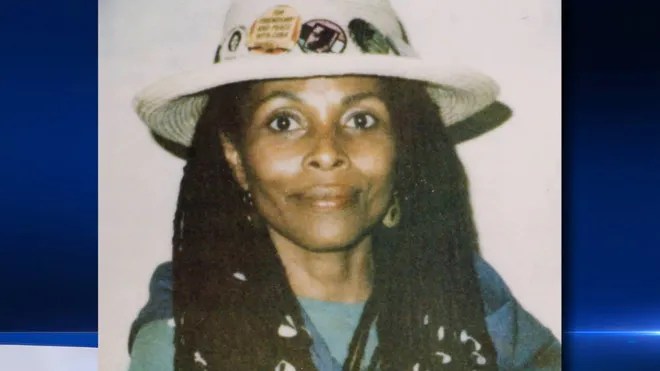
R.I.P. Assata Chakur

Assata Shakur died in Havana, Cuba, on September 25, 2025, at the age of 78. The cause of death was cited as “health conditions and advanced age” by Cuba’s Ministry of Foreign Affairs. Her passing brings a close to a decades-long saga that began with a high-profile murder conviction and ended with a long life in political asylum, during which she became an enduring symbol of resistance and resilience against systemic injustice.

Shakur, born Joanne Chesimard, was a prominent member of the Black Liberation Army, a radical group that sought to fight against systemic racism and promote civil rights for African Americans. In 1977, after a highly publicized trial, she was convicted of the 1973 murder of a New Jersey State Trooper during a tense and violent traffic stop, a case that garnered national attention due to its implications regarding police brutality and racial injustice. In a dramatic turn of events, she escaped from a New Jersey prison in 1979 with the help of fellow activists and quickly sought refuge outside the United States. By 1984, Shakur had successfully obtained political asylum in Cuba, where she was welcomed as a symbol of resistance against U.S. imperialism and was able to continue her activism in a supportive environment. For decades, the U.S. government engaged in extensive efforts to locate and extradite her from Cuba, yet these attempts proved fruitless, illustrating the complexities of international law and diplomatic relations. In 2013, to reignite the pursuit of justice, the FBI added her to its Most Wanted Terrorists list, marking the first time a woman was included on that list, elevating her status as both a fugitive and a controversial figure in the ongoing discussions surrounding race, justice, and activism in America.

Throughout her life, Shakur advocated for social change and equality, capturing the attention of activists and scholars around the world. Her contributions to discussions about race, class, and gender continue to resonate, making her a significant figure in both American history and contemporary social movements. In a time marked by turmoil and transformation, she stood at the forefront, challenging societal norms and articulating the struggles faced by marginalized communities. Her fierce commitment to justice, demonstrated through her writings, speeches, and actions, has paved the way for meaningful dialogue and awareness around issues of inequality. Her legacy will likely inspire future generations to confront the challenges of oppression and fight for justice in pursuit of a more equitable society.

Today, as we reflect on her impact, we honor her legacy, recognizing the profound influence she has had on the fight for civil rights and social justice, and the path she has carved for those who continue to advocate for change. Her relentless pursuit of equality and her unwavering commitment to justice have inspired countless individuals to stand up against oppression and challenge societal norms.

THE MOMENT OF TRUTH FRIDAY CRIME REPORT (6/13/25)

Every Friday morning, PROFESSOR BLACK TRUTH presents “The Friday Crime Report,” a thought-provoking program that delves into the pressing challenges faced by the black community, such as systemic racism, economic inequality, and police brutality. The program not only serves as a platform to raise awareness and stimulate meaningful dialogue but also empowers individuals by providing them with the knowledge and tools necessary to advocate for change. Through compelling narratives, the program advocates for critical policy changes aimed at improving the lives of marginalized individuals, fostering a sense of solidarity and community engagement that is essential for enacting social justice and equality. By addressing these complex topics, “The Friday Crime Report” aspires to inspire action and contribute to a more equitable society for all.

In Today’s installment…

In 2024, 19-year-old Sade Robinson went missing under mysterious circumstances that shocked the Milwaukee community. As days turned into weeks, local authorities began to intensify their investigation, focusing on the last known person she had been seen with—a man whose background raised several red flags. The case garnered media attention, raising awareness and prompting residents to come forward with any information. Tragically, as the investigation unfolded, body parts believed to belong to Sade started to be discovered, scattered not only throughout the city but also in remote areas outside the state. This gruesome turn of events ignited fear and outrage among citizens, and the search for answers intensified as the community rallied together, hoping to find justice for the young woman whose life was cut so tragically short.

Shout out to the professor for creating and posting this insightful video.

The Professor produces engaging videos on black empowerment that tackle historical and contemporary issues, promoting critical thinking. His YouTube channel HERE builds a community centered on sharing knowledge about significant black topics, enriching perspectives, and fostering active dialogue.

So, Election day has come and gone in the U.S.A…


And now, once again, we’re in the Trump era.

So, what does this mean?

Well, the impact of Trump’s second presidency, I believe, is a clear and present threat to all of us, as it undermines the very foundations of democracy and civil liberties that we hold dear. This alarming rise of authoritarianism not only endangers the diverse fabric of our society but also promotes an atmosphere of fear and division among communities.

However, I’m a Capoeirista, and historically, the Capoeirista has always not only survived, but THRIVED no matter how oppressive the system of government in place. This resilience can be traced back to the heart of Brazil’s colonial past, where enslaved Africans, stripped of their freedom and dignity, ingeniously adapted their traditions and cultures into a unique form of expression and resistance. Through the art of capoeira, they forged a powerful connection not only among themselves but also created a legacy that would inspire future generations to stand against injustice and fight for their freedom.


Capoeira became more than just a means of combat; it evolved into a symbol of cultural identity, unity, and an indomitable spirit that resonated with those who practiced it. This vibrant tradition of ours has allowed practitioners to navigate through adversity while celebrating their heritage, fostering community and solidarity in the face of oppression, and advocating for our rights in a challenging world. To this day, it serves as a testament to their enduring strength, turning pain into power and transforming struggle into a profound expression of joy and resilience.

One thing is certain. With democratic institutions weakening and the voices of dissent being stifled, we must remain vigilant, united, and proactive in safeguarding our rights. This involves not only standing up for our beliefs in the face of oppression but also fostering an environment where open dialogue and diverse perspectives are encouraged and respected. By actively participating in civic duties, such as voting and community organizing, we can reclaim our agency and influence the trajectory of our society.

It is our collective responsibility to educate ourselves and others about the importance of democracy, and to challenge any attempts to undermine it, Ensuring that future generations inherit a society where freedom and justice prevail requires our unwavering commitment and continuous effort to champion equality, inclusivity, and accountability in all spheres of public life.

TODAY IN BLACK MEDIA(10/19/24)

Well, better late than never…


In the latest example of Desantis-inspired anti-black hate crimes, a Florida “couple” exhibited deeply troubling behavior as they spent months on end racially harassing and threatening their black neighbors, creating an atmosphere of fear and hostility within the community. Their relentless campaign included intimidating gestures, racial slurs shouted from their property, and attempts to isolate the families they targeted. The situation escalated dramatically when one of the individuals, caught in a moment of violent rage, assaulted an innocent 11-year-old child, further highlighting the pervasive nature of racism and the dangerous consequences it can have on vulnerable individuals in our society.

This incident not only underlines the urgent need for vigilance and intervention in the face of such hate but also calls into question the broader societal structures that allow such actions to persist unchecked. It exemplifies how deeply ingrained prejudices can manifest in alarming ways, leaving communities shattered and vulnerable. As society grapples with the repercussions of such acts, it becomes increasingly clear that complacency is not an option; rather, we must actively engage in dialogues that promote understanding and tolerance. Furthermore, addressing these systemic issues requires a collective effort from individuals, communities, and institutions to foster an environment where dignity and respect for all are upheld. Only through concerted action can we hope to dismantle the foundations of hate and build a more inclusive society that values diversity.

Shout out to the professor for uploading this video. Click HERE to go to his YouTube channel.