I like to say in regards to “techniques”, I like to say that the BEST technique done at the WRONG time will never work, but the WORST technique done at the RIGHT time, will always work.
Every martial art, at its core, holds value and possesses techniques that are effective in specific circumstances. The common adage that “every martial art works” is generally true, but this statement must be qualified by the understanding that effectiveness is entirely dependent on the situation. No single martial art is a universal panacea for all forms of conflict.
The fundamental dilemma for any serious practitioner is a matter of time and human limitation. It is simply an impossibility for any individual to dedicate the necessary decades to learn, practice, and ultimately master every martial discipline that exists in the world. Consequently, no one person will ever achieve a state of being victorious in all possible scenarios—be it a grappling engagement, a striking exchange in an open field, a weapons defense in a cramped space, or a multiple-attacker situation.
What, then, is the ultimate answer to this complex challenge? The solution lies not in accumulating an exhaustive repertoire of techniques, but in cultivating adaptability. A fighter must be flexible enough, both mentally and physically, to rapidly adjust their learned skills to the immediate, unpredictable demands of the unfolding situation.
This adaptability manifests in several key ways:
Mental Flexibility: The practitioner must not be rigidly bound to a pre-planned strategy or a specific “school” of fighting. They must be prepared to discard an approach that is failing and transition instantly to one that is better suited to the new range, environment, or opponent’s actions.
Transitional Skill: True mastery involves recognizing the universal principles that underpin all combat, such as balance, distance management, timing, and structural integrity. A truly adaptable fighter can translate these principles across different ranges—moving seamlessly from striking to clinching, to ground work, and back again—regardless of the specific martial art they initially studied.
Situational Awareness: Adaptability requires acute perception of the environment (e.g., uneven ground, obstacles, lighting, presence of bystanders) and the nature of the threat (e.g., armed or unarmed, singular or multiple opponents, aggressive intent). The learned techniques must be modified, simplified, or entirely abandoned based on these external factors.
In essence, while different martial arts provide the tools, adaptability is the intelligence that chooses the right tool for the right moment. It is the core philosophy that allows a limited set of learned skills to be maximized across an infinite variety of conflicts, making it the most critical trait for survival and effectiveness.
HIDDEN SPIRITUALITY from Spirit Science shows how deep, universal spiritual truths and ancient archetypes are woven into modern pop culture—films, games, literature, and comics. We assert that principles like consciousness, cosmic cycles, and the soul’s journey shape contemporary media.
Our mission is to decode these embedded themes, turning entertainment into a vehicle for self-discovery. We focus on perennial concepts found in major spiritual traditions:
The Hero’s Journey: Campbell’s monomyth, mapping the soul’s path of transformation and individuation.
Karma and Causality: The law of cause and effect, reflected in narrative arcs and moral lessons.
Oneness (Non-Duality): The ultimate truth of unified consciousness and interconnected existence.
Cycles of Death and Rebirth: The constant pattern of dissolution and renewal essential for evolution and symbolizing personal change.
We offer mystical analysis of symbolism and mythology in popular media, viewing these stories as profound psychological and spiritual mirrors for our inner journeys, providing clues for self-realization.
Building a Conscious Community
HIDDEN SPIRITUALITY fosters a conscious global community, empowering viewers to recognize the spiritual significance in their entertainment. We build a vital bridge between casual media consumption and the application of perennial spiritual truths to life’s challenges.
Today’s Featured Installment: Decoding the Depths of Avatar: The Last AirbenderUnlock Your Inner Elemental Power: The Four Elements Transformation
Discover the Four Elements Transformation, our newest online course and mystical experience designed to harmonize mind, body, and spirit by mastering ancient elemental principles.
Hidden Spirituality: The Journey of the Teenage Avatar
“Avatar: The Last Airbender” captured the hearts of millions with its charming ensemble of characters, exhilarating action sequences, and surprisingly profound spiritual and philosophical underpinnings. Beyond the thrill of elemental bending and the epic quest to defeat the Fire Lord, the series subtly explores themes of destiny, choice, and spiritual growth. But pause for a moment and consider a curious narrative constant in stories like this: why is it always a young teenager, often with little-to-no guidance from parental figures or established authorities, who is tasked with saving the world?
In the second and deeper part of our “Hidden Spirituality” series on “Avatar: The Last Airbender,” we move beyond the surface elements to explore the profound nature of spiritual mastery, maturity, and evolution as exemplified through Aang, the twelve-year-old Avatar, and his companions.The Paradox of Youthful Destiny
The story centers on Aang, who is technically a 112-year-old monk but a mental and emotional pre-teen, waking up to a world at war and a burden he never asked for. His journey is a powerful metaphor for the spiritual path itself. The series suggests that the lack of traditional, rigid authority and the inherent immaturity of youth may, in fact, be prerequisites for true spiritual breakthrough. Young minds are often less cluttered by the dogma, cynicism, and fear that accumulate with age and “worldly experience.”
We will dive deeper into the unique spiritual crucible Aang is forced into—a journey of rapid and intense personal development. His initial reluctance to accept his destiny and the subsequent trauma of his past life are not merely plot devices; they are examinations of the soul’s resistance to its higher purpose and the necessary process of confronting and healing ancient wounds.Mastery: Not Just Bending, But Being
Aang’s quest is ostensibly about mastering the four elements: Air, Water, Earth, and Fire. Yet, the show consistently elevates this physical mastery to a spiritual one. True mastery, as revealed through his lessons, requires overcoming personal obstacles that are far more challenging than any technical bending move:
Air Nomad Spirituality: Rooted in detachment and freedom, Aang’s native philosophy forms the foundation. His initial struggles to learn Earthbending and Firebending reflect a need to integrate seemingly contradictory spiritual principles—the stubborn resilience of Earth, and the passion and focused energy of Fire.
The Avatar State: This powerful tool is a connection to all past Avatars, but it is also a symbol of true enlightenment—the complete, integrated self. We examine Guru Pathik’s teachings on the Chakras, a clear and direct introduction to a central concept in Eastern spiritual traditions, and how Aang’s love for Katara becomes the final, most difficult “earthly attachment” to overcome for full spiritual power.
The Role of Maturity and Evolution
The core cast’s journey—Aang, Katara, Sokka, and later Zuko—is a powerful study in maturity and evolution.
The Gaang’s Support System: Aang is not truly alone; his friends form the crucial “support system” often missing in life. Katara embodies compassion and nurturing, the emotional anchor. Sokka represents grounded logic, strategy, and humor, often preventing Aang from becoming too ethereal. This small, makeshift family shows that spiritual growth is rarely solitary; it requires a community of likeminded souls.
Zuko’s Redemption Arc: The journey of Prince Zuko is arguably the most compelling spiritual evolution in the series. His path from fear, anger, and a destructive pursuit of external validation to one of self-acceptance, integrity, and genuine purpose is a profound exploration of Teshuvah (repentance and return) and the essential spiritual act of choosing one’s own destiny over a path dictated by trauma and familial expectation.
Through the thrilling narrative of “Avatar: The Last Airbender,” we uncover a universal truth: the journey towards spiritual enlightenment and saving one’s own world—whether that world is the planet or just one’s inner landscape—demands courage, self-confrontation, and the willingness to shed old identities. It is a process of evolution, where the innocent clarity of youth is tempered and strengthened by the maturity gained through hardship and unwavering purpose.
Don’t miss this fascinating exploration of one of the most beloved animated series of all time, an exploration that proves sometimes, the biggest struggles we have come from not having the right support system to help us navigate the ups and downs of life.—–Come and join the Spirit Science community and connect with likeminded souls from around the world:
This blog series is dedicated to a deep, respectful exploration of the spiritual bedrock and immense cultural influence emanating from Sub-Saharan Africa. It promises a systematic, intellectual examination of the region’s diverse indigenous belief systems. This includes a close look at foundational cosmologies, such as the Akan’s concept of the supreme creator, Nyame, and the rich, complex Yoruba Òrìṣà pantheon, which features a vast array of deified spirits and forces of nature that govern human life and the cosmos.
Beyond indigenous faiths, the series will offer a meticulous, detailed analysis of the arrival, integration, and profound evolution of the Abrahamic faiths—specifically Christianity and Islam. It will highlight how these traditions were not merely adopted but were actively synthesized into distinct, localized African expressions, resulting in vibrant syncretic movements and churches that bear unique theological and ritual characteristics.
A central, unifying theme across the series is the profound, living role of ancestral worship. The ancestors are not relegated to the past; they remain a contemporary cultural anchor, actively ensuring collective identity, guiding social continuity, and serving as the primary vehicle for the transmission of ethical and moral wisdom across generations.
Finally, the series will underscore the extraordinary resilience and preservation of these African spiritual traditions across the global diaspora. It will illustrate how practices—such as Haitian Vodou, Cuban Santería, and Brazilian Candomblé—are direct, powerful expressions of this enduring heritage. This miraculous preservation is attributed to the inherent power and efficacy of oral tradition, ritual performance, and communal storytelling, which have successfully navigated and withstood centuries of displacement, enslavement, and cultural suppression.
Today’s Journey: Unveiling the Sacred Mysticism of Africa
This particular exploration serves as an invitation to embark on a transformative journey into the very heart of Africa, a place where spiritual healing traditions form the essential bedrock of community structure, personal wellness, and cosmic order. We will dedicate our focus to discovering the pivotal roles and enduring significance of three of the continent’s most profound and widely recognized sacred spirit healers:
The Dibia of the Igbo people, primarily concentrated in Nigeria.
The Sangoma of the Nguni communities, including the Zulu and Xhosa in Southern Africa.
The Nganga, a title and function found across a vast array of Bantu cultures spanning Central, Eastern, and Southern Africa.
These revered titles—Dibia, Sangoma, and Nganga—represent much more than simple practitioners; they are the highly respected custodians of ancient wisdom, serving their communities as expert diviners, master herbalists, and essential intermediaries between the visible, temporal world and the sacred, eternal realm of the ancestors and spirits.—–The Pillars of African Spiritual Healing: A Deep Dive
The practice of these healers is built upon a sophisticated philosophical framework, summarized by these core pillars:1. Spiritual Healing as Wholeness (Holism)
In these ancient traditions, the concept of illness is radically different from a purely biomedical view. Sickness—be it a physical ailment, a psychological distress, or even social discord within a family or village—is fundamentally understood as a state of spiritual and ancestral dis-alignment. This means the individual is out of harmony with their environment, their community, or the spirit world. True spiritual healing is, therefore, a comprehensive process of restoring not just physical health, but cosmic harmony and balance. It is a profound, life-altering process of alignment with spirit, ensuring the individual is correctly positioned and fulfilling their role within the cosmic order, the social fabric, and the ancestral lineage. This restoration of balance is the only path to genuine well-being.2. Ancestral Rituals: The Foundation of Life (Continuity)
For the Igbo (Mmuo) and the Zulu (Amadlozi), the ancestors are not simply the ‘dead’ but are recognized as those who have transitioned to a higher state, remaining active, vital participants in the lives of the living community. Ancestral rituals are the essential language of communication with this realm. These rites—which can involve specific acts like pouring libations, offering specific sacrifices (often symbolic or involving livestock), and engaging in communal dances and trance possession—are performed to honor their memory, seek their indispensable guidance, and, crucially, appease them when a community’s ethical or spiritual harmony has been broken. These rites are the fundamental, guiding force for both individual and communal well-being, securing blessings and preventing calamity.3. Sacred Initiation and the Call (Vocation)
The path to becoming a Dibia, Sangoma, or Nganga is rarely a matter of personal ambition or choice; it is a sacred, often profoundly tumultuous, calling that is thrust upon the individual by the spirits or the ancestors themselves. This divine decree is often accompanied by a period of strange illness, prophetic dreams, or psychological distress until the person accepts their fate. The subsequent sacred initiation is a rigorous, demanding process involving years of often secret, specialized training guided by established, elderly mystics. This process is comprehensive, encompassing:
Mastery of the deep knowledge of medicinal and spiritual plants.
Learning the complex language of divination (through the reading of bones, cowrie shells, or entering deep trance states).
Understanding the complex etiquette and laws of the spirit world.
The trials, tests, and teachings within this process are designed to strip away the novice’s former ego and identity, preparing them to safely and effectively channel powerful healing and divinatory energies.4. Hidden Knowledge and Cosmic Law (Esotericism)
These healers are not merely practitioners; they are the living keepers of hidden knowledge—an esoteric and privileged wisdom passed down strictly through oral tradition and practical, supervised application over countless generations. This knowledge encompasses a sophisticated understanding of:
Cosmology: The structure of the universe and the relationship between the visible and invisible worlds.
Interdependence of Nature: A profound ecological awareness of the symbiotic relationship between humans, animals, and the plant kingdom.
Herbal Muti: The medicinal and spiritual uses of powerful herbal preparations.
Cosmic Law: The unseen laws that govern the operation of the visible and invisible worlds.
This wisdom is accessed through specialized techniques, including deep trance states, the precise interpretation of dreams and omens, and is often mediated by the mystics who possess the innate ability to perceive spiritual truths and realities beyond ordinary human sensory perception.—–The Role of Ancient Wisdom and Blood Rites
The essence of the healer’s practice is deeply rooted in ancient wisdom, a timeless, coherent body of knowledge that fundamentally recognizes the profound interconnectedness of all life—spiritual, human, and natural.
Healing often involves blood rites—which are not savage, but deeply symbolic acts. These may take the form of the ritual sacrifice of animals (done with respect and purpose) or the ceremonial use of blood to seal covenants, purify sacred objects, or offer profound, potent thanks to the spirits and ancestors. These acts serve to powerfully reaffirm the deep, living bond between the earthly community and the spirit realm. In every instance, the Dibia, Sangoma, or Nganga acts as the indispensable pivot point—the spiritual mediator—guiding individuals, families, and communities back toward a state of spiritual grace, ethical integrity, and vital, enduring wholeness. Their practice is a testament to the enduring power of faith and the unbroken chain of African wisdom.
HIDDEN SPIRITUALITY: Bridging Ancient Wisdom and Modern Media
HIDDEN SPIRITUALITY is the flagship initiative of Spirit Science, dedicated to demonstrating how profound, universal spiritual truths and time-honored archetypes are intricately woven into the fabric of modern pop culture. they assert that the foundational principles of spirituality—including consciousness, cosmic cycles, and the journey of the soul—actively shape and permeate contemporary media, such as blockbuster films, video games, popular literature, and comic books.
Our core mission is to meticulously decode and illuminate these embedded spiritual themes, transforming everyday entertainment into a vehicle for deeper self-discovery and enlightenment. We focus on recurring, perennial concepts that appear across all major spiritual traditions:
The Hero’s Journey (Monomyth): The archetypal structure, first articulated by Joseph Campbell, which maps the individual’s path of transformation, crisis, and triumphant return, mirroring the soul’s journey of individuation.
Karma and Causality: The immutable law of cause and effect, which dictates that every action, thought, and word generates a corresponding consequence, powerfully reflected in the narrative arcs and moral lessons of modern storytelling.
Oneness (Non-Duality): The ultimate truth that all existence is fundamentally interconnected and of the same unified consciousness, often subtly explored through narratives of empathy, unity, and the dissolution of separateness.
Cycles of Death and Rebirth: The constant, transformative pattern of dissolution followed by renewal, which is essential to both the individual soul’s evolution and the narrative rhythm of life, frequently symbolizing deep personal change.
We move beyond superficial media critique to offer an in-depth, mystical analysis of symbolism, philosophical underpinnings, and mythological parallels present in popular media. We believe that these modern stories are not just for escape; they act as profound psychological and spiritual mirrors for our personal inner journeys, providing vital clues for self-realization and transformation.
Building a Conscious Community
Beyond rigorous analysis, HIDDEN SPIRITUALITY is committed to fostering a conscious, engaged global community. We empower viewers to recognize and value the spiritual significance inherent in their entertainment consumption. Our work aims to build a vital bridge between the casual consumption of modern media and the application of perennial spiritual truths, encouraging our audience to apply the moral lessons, ethical dilemmas, and archetypal encounters found in these narratives to their own lives and existential challenges.
Today’s Featured Installment: Decoding the Depths of Avatar: The Last Airbender
Unlock Your Inner Elemental Power: The Four Elements Transformation
Are you ready to truly master the four elements within the landscape of your own consciousness? We invite you to discover the Four Elements Transformation, our newest online course and profound mystical experience designed to harmonize your mind, body, and spirit by understanding the ancient principles of the elements.
Unveiling the Hidden Spirituality of Avatar: The Last Airbender
The critically acclaimed animated series, “Avatar: The Last Airbender” (ATLA), is far more than just a captivating tale of a young hero’s journey; it is a spiritual allegory woven into a fantastical narrative. The show has garnered global adoration, successfully capturing the hearts and minds of viewers with its compelling characters, dynamic action, and rich world-building. However, our ongoing analysis reveals a deeper, more profound, and often hidden spiritual and philosophical meaning subtly embedded beneath the surface of the show’s intricate world.
In our dedicated video series, “Hidden Spirituality,” we embark on a meticulous exploration of the complex spiritual, psychological, and philosophical themes that serve as the foundational bedrock of Avatar: The Last Airbender. We treat the fictional nations, bending arts, and conflicts not as mere plot devices, but as powerful archetypes for the human condition and the universal journey toward enlightenment and self-mastery.Episode Focus: The Allegory of the Fire Nation
In this particular episode, we conduct a close, allegorical examination of the Fire Nation and its pivotal role in the narrative. We dissect what its relentless aggression, imperialistic expansion, and seemingly evil acts truly symbolize on a deeper spiritual and psychological level. The Fire Nation represents the unbridled, unbalanced energy of the ego—the destructive passion that consumes rather than illuminates, symbolizing an individual or collective consciousness driven by fear, control, and a disconnection from the natural order.The Holistic View: Balance, Peace, and the Human Condition
To fully understand the Fire Nation’s spiritual significance, we integrate its archetype with the distinct philosophies, social structures, and core values of the other three nations:
The nomadic Air Nomads embody the spirit of freedom, detachment, and inner peace, representing the mental and spiritual aspects of the self.
The resourceful Water Tribes symbolize adaptability, emotion, and community, representing the flow of feelings and the subconscious mind.
The stable Earth Kingdom signifies resilience, groundedness, and pragmatism, representing the physical world and the conscious will.
By examining the interplay between these nations and integrating them with the show’s overarching, explicit themes of balance (physical and spiritual), inner peace (essential for Airbending mastery), and responsibility (the Avatar’s core duty), we explore what “Avatar: The Last Airbender” truly reveals about the fundamental human condition, the nature of conflict, and the evolutionary path of consciousness. The Avatar, as the bridge between the physical and spirit worlds and the master of all four elements, represents the fully integrated, awakened self—the potential within all of us.
Join us on this transformative journey of discovery as we dive deep into the hidden meaning, psychological depth, and mystical symbolism of one of the most beloved animated series of all time, uncovering the profound wisdom it holds for modern spiritual seekers.—–Connect with the Community: The Spiritverse
Ready to engage directly with Team Spirit and a global community of like-minded spiritual explorers? Join Spiritverse, our dedicated spiritual social platform where you can share insights, discuss esoteric knowledge, and foster connections on your journey of awakening.
If you found value in this deep dive, we invite you to explore more of our extensive content library, which covers a wide spectrum of spiritual and philosophical topics:
The blog series opens with a comprehensive commitment to exploring the intricate spiritual topography of Sub-Saharan Africa and its enduring, transformative influence on global culture. It establishes a systematic framework for examining the rich tapestry of diverse indigenous belief systems, providing concrete examples such as the Akan’s reverence for the supreme being, Nyame, and the sprawling, influential pantheon of the Òrìṣà within the Yoruba tradition.
Crucially, the series dedicates significant attention to the historical and theological journey of the Abrahamic faiths—Christianity and Islam—within the African continent. It offers a detailed analysis of their respective arrivals, the complex dynamics of their interaction with established traditional religions, and their ultimate evolution into distinctive, localized African faiths that synthesized and reshaped foreign doctrines.
A central, unifying theme threaded throughout the exploration is the profound, continuous, and living role of ancestral worship. The series argues that the veneration of ancestors is far from an obsolete relic of the past; rather, it is a potent, contemporary expression of cultural heritage. It serves as a vital anchor, reinforcing collective identity, ensuring cultural and social continuity, and acting as the primary vehicle for transmitting essential ethical wisdom and moral frameworks from one generation to the next.
Furthermore, the blog series meticulously highlights the extraordinary resilience and preservation of these African spiritual traditions across the global diaspora, a direct consequence of the transatlantic slave trade. It underscores how practices like the Haitian Vodou, the Cuban Santería (or Regla de Ocha), and the Brazilian Candomblé have been maintained and thrived. This enduring preservation is attributed to the flexible and powerful mechanism of oral tradition, the consistent execution of sacred rituals, and the deep-seated cultural practice of storytelling, which together keep the spiritual roots firm and vibrant despite centuries of physical displacement.
An In-Depth Exploration of Yoruba Spirituality: Ifá and the Orisha Pantheon
Yoruba Spirituality, one of the most widespread and globally impactful African cosmologies, offers a complex, multi-layered worldview centered on the figure of the supreme creator, Olódùmarè. Olódùmarè is understood as the ultimate source of all existence, the creator of the cosmos, destiny, and Aṣẹ itself. Though often considered remote and transcendent, Olódùmarè’s divine power and essence are not absent but manifest throughout the entire universe. The active, accessible forces of the divine are the Orisha, a vast pantheon of deities, spirits, and deified ancestors who govern every conceivable aspect of nature, human experience, and destiny.
At the very heart of this sophisticated system is Ifá, the sacred spiritual and divinatory tradition that functions as the repository of Yoruba wisdom, philosophy, history, and ethical code. This immense body of knowledge has been meticulously preserved and passed down through an unbroken lineage over centuries. The master and embodiment of this wisdom is Orunmila, the revered Orisha of wisdom, knowledge, and ethical conduct. He is mythologically recognized as the “witness to creation” (Eléri-Ìpín) and is the direct source of the entire Ifá literary corpus. This corpus, known as the Odu Ifá, contains thousands of verses that cover every facet of human life, offering profound philosophical guidance, historical narratives, and practical solutions for navigating any life situation.
The professional practice of Ifá is led by the Babaláwo (meaning “Father of the Secrets” or “Father of Yesterday, Today, and Tomorrow”), who are highly trained, disciplined, and initiated priests. Their primary responsibility is to consult the Oracle on behalf of clients. Through a ritualistic form of divination—most commonly involving the systematic casting and interpretation of palm nuts (ikin) or the quick, rhythmic reading of the divining chain (opèlè)—the Babaláwo determines which Odu (chapter/verse) is revealed. This revelation offers diagnostic counsel, clarifies the individual’s spiritual path, prescribes necessary sacrifices (ebo) or ritual actions, and ultimately helps the individual align their conscious life with their predetermined destiny (ìpín).
The practical application of this spiritual knowledge is grounded in a foundational ethical concept: Iwà Pẹ̀lẹ́, which literally translates to “good and gentle character.” This concept is not merely a suggestion but a spiritual imperative, emphasizing the critical importance of living a life defined by morality, humility, respect, patience, and the maintenance of balance (ìwontúnwònsì). A person’s destiny is believed to be fully realized only through the consistent cultivation of Iwà Pẹ̀lẹ́.
All power, manifestation, growth, and life force in the universe are fundamentally attributed to Aṣẹ (often transliterated as Ashé). Aṣẹ is the divine, dynamic energy that allows things to happen, to grow, to create, and to be effective. It is the lifeblood of the cosmos, present in its fullest form in Olódùmarè, distributed among the Orisha, residing in the ancestors, embedded in sacred objects, and activated by the ritual words (ofo) of a Babaláwo or priestess (Ìyánífá or Ìyálòrìṣà).
The enduring connection to the collective of ancestors is also an indispensable component of Yoruba Spirituality, frequently celebrated through the veneration of Egúngún, the collective spirits of the departed. Egúngún rituals and ceremonies serve to reinforce the continuum between the living community and the spiritual realm of the dead, providing a channel for the ancestors to offer their guidance, blessings, and corrections, thereby ensuring the spiritual and physical well-being of the living.
The journey within Yoruba Spirituality often involves initiation into the mysteries of a specific Orisha (becoming a devotee) or into the full practice of Ifá (becoming a priest or priestess), marking a profound dedication and spiritual rebirth. These sacred rituals and meticulously orchestrated ceremonies are essential for establishing and maintaining cosmic and community balance, honoring the deities, and receiving vital spiritual protection and grace.
This ancient, profound wisdom has demonstrated a remarkable ability not just to survive, but to thrive across the diaspora. The brutal mechanism of the transatlantic slave trade forcibly transplanted millions of Yoruba people, yet their spiritual heritage persisted by syncretizing with indigenous Caribbean and South American practices, as well as the Catholicism imposed by colonizers. This blend gave rise to powerful, vibrant New World religions that share the core Yoruba foundation:
Santería (or Regla de Ocha) flourished in Cuba and Puerto Rico, maintaining a direct and recognizable connection to the Orisha pantheon.
Vodou in Haiti, while also incorporating Arada and Kongo elements, shares fundamental cosmological principles and ritual structures rooted in West African belief.
Candomblé developed in Brazil, becoming a crucial institution for cultural and spiritual survival, centered entirely on the worship of the Orisha.
These diasporic traditions, while now distinct socio-religious entities, share the core reverence for the Orisha, the essential philosophical principles of Ifá, and the fundamental belief in the divine interconnectedness of all things, ensuring that this profound African spiritual heritage continues to guide and enrich the lives of millions worldwide.
HIDDEN SPIRITUALITY – From Spirit Science: Unveiling the Esoteric Core of Modern Culture
Hidden Spirituality is a dedicated platform by Spirit Science that delves into the profound, often-unseen, intersection between perennial spiritual wisdom and the vibrant tapestry of contemporary popular culture. We propose that the timeless truths of ancient philosophies, universal spiritual concepts, and powerful archetypes are not relics of the past but active, formative forces shaping the stories, media, and entertainment that captivate the modern global audience.The Mission: Decoding Universal Wisdom in Contemporary Storytelling
Our primary mission is to illuminate how universal spiritual themes, mythic structures, and potent archetypes—such as the Hero’s Journey, the concept of Karma, the principle of Oneness, or the cycles of death and rebirth—are meticulously woven into the fabric of modern storytelling. This includes a deep, analytical look at:
Films and Television: Exploring the mystical symbolism in blockbuster narratives, science fiction epics, and independent cinema.
Video Games: Analyzing the spiritual lessons, moral frameworks, and deep psychological archetypes embedded in interactive worlds and character development.
Novels and Literature: Dissecting the philosophical underpinnings and esoteric messages hidden within fantasy, dystopian, and mainstream literary works.
Anime and Comics: Uncovering the complex spiritual systems and eastern philosophical influences frequently depicted in these globally influential mediums.
We seek to understand the fundamental, universal appeal of these modern myths. Why do stories from across different languages, cultures, and genres resonate so deeply with people worldwide? We believe the answer lies in their function as profound mirrors for the inner journey. These narratives offer frameworks for self-discovery, guideposts for personal transformation, and powerful conduits for connecting the individual to cosmic, universal truths that transcend dogma and geography.Fostering a Conscious Community and Spiritual Bridge
A key aspiration of Hidden Spirituality is to cultivate an engaged, thoughtful community that not only consumes entertainment but also actively recognizes its inherent spiritual value. By spotlighting the ancient wisdom and profound psychological insights embedded in modern media, we are actively building a critical bridge:
Between Contemporary Culture and Universal Spiritual Truths: We show that the spiritual journey is not limited to temples or texts but is alive and accessible through the very culture we engage with daily.
Encouraging Conscious Reflection and Personal Transformation: Our analysis encourages viewers and readers to move beyond passive consumption. By recognizing the archetypes and lessons in the media, they are empowered to apply those same insights to their personal challenges and spiritual development.
Diving Deep into Hidden Narratives: The Case of “Noah”
Beyond the familiar and often literal interpretations of scripture, a rich, hidden mystical narrative exists, one that speaks directly to the very essence of human existence and the nature of reality itself.
In the analysis of the film “Noah”, we embark on a journey that deliberately transcends time and space. It is not merely a historical or religious retelling, but an exploration of the absolute depths of the human experience—the weight of responsibility, the internal conflict between creation and destruction, and the ultimate test of faith.
Join us as we meticulously dissect the film’s symbolism and uncover the profound, transformative insights it offers. We reveal how the story of Noah is far more than a simple tale of a great flood and divine punishment; it is a timeless, allegorical lesson about:
The Power of Faith: Not as blind belief, but as radical trust in one’s highest intuition and purpose.
The Necessity of Sacrifice: Understanding that transformation often requires the dissolution of the old self or the letting go of attachments.
The Eternal Journey of the Soul: Seeing the flood not just as an external event, but as an internal cleansing and spiritual renewal.
This is not a typical movie critique or breakdown; it is an invitation to a journey of the spirit, designed to reveal hidden messages that possess the genuine power to transform your life and perception of reality.
Explore Further: Resources for Spiritual Deepening
Ready to dive deeper into the mystical side of biblical and universal wisdom?
The Four Elements Transformation Course: A compelling, in-depth course that masterfully synthesizes core Kabbalistic, Christian (esoteric), and Taoist teachings into a practical system for personal transformation.
About Spirit Science: A Journey of Open-Hearted Exploration
Our Core Mission and Philosophy
At Spirit Science, our deepest aspiration is to serve as a supportive companion and guide on your unique path of personal and spiritual evolution. We are dedicated to providing a sacred, welcoming space—a true sanctuary—where you can freely and safely explore, question, and deeply experience the essence of your spiritual journey.
Our fundamental intention is to engage with and share the diverse facets of spirituality in a manner that is always open-hearted, inclusive, and profoundly respectful. This respect extends universally, honoring the beauty, divinity, and inherent worth within every individual, every expression of nature, and the vast, wondrous tapestry of the universe itself.
The Synthesis of Science and Spirituality
Spirit Science is founded upon the open-hearted exploration and profound synthesis of both scientific inquiry and spiritual wisdom. This exploration is intentionally free of the constraints of dogma, rigid belief systems, or prescriptive doctrines. They champion a fluid, inquisitive approach, recognizing that the greatest truths often lie at the intersection of outer scientific discovery and inner spiritual realization. Their ultimate focus is on the elevation and transformation of human consciousness, guiding ourselves and our community into what we believe is an emerging era defined by love, light, compassion, and unity. They believe that true growth involves shedding outdated paradigms and embracing a higher vibrational state of being.
Welcome to HIDDEN SPIRITUALITY – From Spirit Science
A Platform for Deepening Connection: Where Spirituality Meets Popular Culture
Welcome to HIDDEN SPIRITUALITY – From Spirit Science, your premier platform for exploring the profound, often-unseen, intersection of ancient spiritual wisdom and modern popular culture. We believe that the universal truths that underpin spiritual evolution are woven into the very fabric of contemporary storytelling, and we are dedicated to uncovering them. Our focus spans a wide and vibrant spectrum, including celebrated films, immersive video games, compelling novels, and powerful narratives across all media.
Our Core Analysis: Storytelling as a Spiritual Mirror
Our mission goes beyond mere entertainment analysis. We meticulously analyze how spiritual themes, archetypes, and philosophical concepts not only enhance the depth and richness of storytelling but also resonate profoundly with global audiences. By exploring these connections, we foster a diverse and inclusive community—a space where every perspective is valued and honored. We recognize that the most powerful narratives serve as mirrors, reflecting our own inner journeys and the cosmic truths that connect us all.
Highlighting Profound Wisdom in Modern Media
We strive to illuminate the profound wisdom often subtly embedded within modern narratives. Our work aims to bridge the gap between contemporary entertainment and universal spiritual truths, demonstrating that the quest for meaning is not confined to sacred texts but is alive and dynamic in the stories we consume every day. We encourage deep personal reflection, inviting our audience to view their favorite media through a transformative lens. This process highlights storytelling’s immense potential to inspire, heal, and propel personal and spiritual growth.-
—-Today’s Feature Presentation: Lord of the Rings – The Return of Christ Consciousness
The Grand Finale: A Spiritual Allegory
In today’s momentous and long-awaited installment, we finally arrive at the grand finale of our extensive and insightful exploration into the rich tapestry of J.R.R. Tolkien’s magnificent magnum opus, The Lord of the Rings! The concluding volume, The Return of the King, is not merely an ending; it is universally celebrated as a magnificent, emotionally resonant, and profoundly satisfying resolution to a beautiful and epic saga that has captivated generations. But what if the sheer, undeniable narrative power of this conclusion stems from a source far deeper than just dramatic resolution and the triumph of good over evil?
Did you know that the climax of this entire trilogy subtly, yet powerfully, aligns with a profound and universal spiritual concept—the Return of Christ Consciousness? This reading doesn’t diminish the story’s mythological and historical roots; rather, it elevates the narrative to the level of timeless allegory.
Unveiling the Profound Connection: Archetypes of Spiritual Triumph
Prepare to have your entire perception of Middle-earth transformed as we meticulously uncover the astonishing, deep-seated connections between the heroic journeys of two key, divergent figures—Frodo Baggins, the seemingly ordinary, humble Ring-bearer from the Shire, and Aragorn, the destined, noble King of Gondor and rightful heir of Isildur—and the encompassing, transformative spiritual concept of Christ Consciousness.
Frodo’s arduous, self-sacrificial trek into the heart of darkness, culminating in the ultimate act of letting go in the fires of Mount Doom, mirrors the path of the individual soul’s purification, the shedding of ego, and the transcendental sacrifice required for spiritual enlightenment. He is the archetype of the inner Christ—the suffering servant who, through trial and tribulation, brings about the salvation of the world by overcoming his own lower nature, represented by the corrupting influence of the One Ring.
Conversely, Aragorn’s journey—from Ranger and hidden King to the crowned monarch who brings peace, restoration, and a new age of hope to Middle-earth—symbolizes the external manifestation of Christ Consciousness. He represents the divine principle of order, justice, and the established spiritual authority that returns to govern the world once the internal battle (Frodo’s quest) is won. His kingship is the return of the Golden Age, a realm governed by higher principles.
This captivating analysis delves into the true, deeper, and hidden meaning behind these characters we all know and love, revealing them not just as figures in a fantasy tale, but as powerful archetypes of spiritual triumph, profound personal sacrifice, and the ultimate awakening of a higher state of being.
Join us now as we complete our comprehensive and enlightening exploration of the spiritual symbolism and transcendent themes intricately woven throughout the entire Lord of the Rings series, from the creation myths to the final parting at the Grey Havens. We are providing a fresh, transformative, and profoundly enlightening perspective on this cornerstone of fantasy literature, proving that within the magic of Middle-earth lies a powerful blueprint for personal and collective spiritual awakening.
—–Continue Your Journey with Spirit Science
If you enjoyed this transformative video and our unique perspective, we invite you to continue your spiritual and intellectual adventure with some of our other deeply insightful content:
Our Great Transformation Begins Now! – Dive into a discussion about the pivotal evolutionary moment humanity is currently experiencing.
Spirit Science Episode 1: Thoughts Are Things! – Go back to the very beginning of the Spirit Science series to explore the fundamental principles of conscious creation.
Spirit Science Complete Series: Exploration Series – Access the entire collection of our in-depth episodes covering everything from sacred geometry and ancient civilizations to meditation and the nature of reality.
The Sumerian Epic Complete Series – Journey through time to explore the mysteries and spiritual teachings embedded in one of humanity’s oldest written narratives.
Become an active part of our thriving global community dedicated to spiritual growth and conscious discussion! Connect with us across all major platforms:
Facebook: Join our community for daily insights, discussions, and news.
Our overarching mission at Spiritverse is simple yet profound: to support you in your personal and spiritual evolution. We achieve this by providing a sacred, safe, and nurturing space alongside truly enlightening content. Here, we approach a myriad of complex and sensitive topics—from metaphysics and consciousness to ancient history and self-discovery—with an open heart and an unwavering commitment to respect.
Honoring All Paths and Universal Divinity
We deeply respect all personal paths to enlightenment and honor the inherent beauty and divinity that resides within each of us, within the natural world, and throughout the entire universe. We are driven by the belief that collective evolution begins with individual transformation.
We are immensely grateful to have you join us on this grand adventure of discovery and consciousness expansion. We always cherish the opportunity to connect with you and read your comments and insights. We encourage you to share your thoughts, feelings, and experiences with us and the rest of the community. Thank you for being an essential part of the conversation and the Spiritverse family! Today, we also have created an Academic Community Space to take the exploration further! Join the Spiritverse Academy with hundreds of hours of classes, workshops, challenges, and an ever-growing community of beautiful souls. Spiritvsere Academy is a space for the evolution of your consciousness, and you can learn more here: https://spiritverse.academy
Mandinga is arguably the most essential and multifaceted concept within the practice, philosophy, and performance of Capoeira Angola. Far more than a simple set of tricks or a fighting style, mandinga encompasses a profound spiritual, psychological, and physical strategy, reflecting the deep African and Afro-Brazilian roots of the art form. It is the intangible power that defines a master Angoleiro, representing the capacity to deceive, surprise, and manipulate the opponent’s perception and expectation within the roda (the circle where Capoeira is played).
Physically, mandinga manifests as fluid movement, unexpected shifts in tempo, and the deceptive use of space—a feinted kick or a sudden, low sweep that breaks the rhythm of the game. Psychologically, it involves the skillful reading of the opponent’s intentions, exploiting their impatience or overconfidence, and maintaining an outward demeanor of calm or even submission to mask imminent attack. Spiritually, mandinga is connected to the historical struggle of enslaved Africans in Brazil, where cunning, resilience, and symbolic communication became tools for survival and cultural preservation. It represents the inherited wisdom and hidden knowledge—a form of power that is not brute strength, but intellectual and ancestral. The true essence of mandinga is therefore the power of deception: the art of making the predictable unexpected and the visible irrelevant.
Mandinga: The Multi-Dimensional Power and Deception in Capoeira Angola
At the very heart of Capoeira Angola, mandinga stands as a complex, multi-layered concept that transcends mere physical technique. It is the spiritual, psychological, and aesthetic essence that imbues the art with its unique power, deception, and historical depth. More than just a collection of clever tricks or feints, mandinga represents a holistic philosophy—a mastery of misdirection and subtle influence that defines the Angoleiro.
Mandinga operates on several interconnected levels, transforming the simple game of the roda into a profound engagement of wits, spirit, and heritage.
1. The Psychological Dimension: The Art of Misdirection
Psychologically, mandinga is the supreme art of deception. It involves reading an opponent’s intentions while simultaneously obscuring one’s own. This is achieved through calculated hesitation, unexpected changes in rhythm (jogo de dentro and jogo de fora), and the calculated display of vulnerability. The Mandingueiro uses subtle shifts in posture, eye contact, and even a deceptive smile to lure the opponent into a false sense of security or a premature attack. This level of engagement turns the roda into a chess match where the mind is the primary weapon, forcing the opponent to doubt their perception and second-guess their reactions.
2. The Aesthetic and Technical Dimension: Malícia
On a technical level, mandinga is expressed through malícia—a cunning, fluid grace that makes movements unpredictable. It is the ability to execute a difficult defense or a powerful attack with a casual, almost indifferent ease. The aesthetic component manifests in the deceptive slowness or exaggerated calm of a movement that suddenly explodes into decisive action. A low, meandering sweep (rasteira) may look like an invitation to step over, only to be snapped up at the last second. This deceptive fluidity ensures that every movement, whether a genuine attack or a feint, serves the higher purpose of control and positional dominance.
3. The Spiritual and Historical Dimension: Axé
The spiritual underpinning of mandinga is arguably its most profound layer, drawing heavily on the historical context of slavery and resistance in Brazil. The word mandinga itself has roots connected to African spiritual practices and charms. In Capoeira Angola, this translates to axé—the positive, vital energy and force imbued by the ancestors, the masters, and the collective spirit of the roda. A truly effective act of mandinga is not merely clever; it is imbued with axé, carrying a weight of tradition and spiritual conviction. This connection links the contemporary jogo directly to the historical fight for survival, making the deception a culturally significant act of resilience and power.
Ultimately, mandinga is the Capoeirista’s greatest asset: the power to control the flow of the jogo not through brute force, but through intelligence, rhythm, and profound cultural understanding. It is what separates the skilled athlete from the true master of Capoeira Angola.
1. Spiritual and Magickal Essence: The Root of Potency
In its original and most profound context, mandinga refers to a powerful form of folk-magick, spiritual force, or ancestral knowledge, fundamentally rooted in West African traditions. This dimension suggests that the power of a master capoeirista is not solely physical, but is underwritten by a spiritual energy that influences the outcome of the jogo (the game).
Ancestral and Cultural Retention: The term mandinga is widely believed to derive from the Mandinka people and language of West Africa, unequivocally underscoring its historical connection to the enslaved peoples who forged the foundations of Capoeira in Brazil. It is a powerful cultural legacy, a hidden language of resistance preserved through ritual and movement.
Charms and Protection: This spiritual aspect is often associated with the use of charms, talismans, and amulets, most notably the patuá. These items are believed to offer direct spiritual protection to the wearer, warding off malevolent forces, bad luck, or the spiritual attacks of an opponent.
Influence and Disruption: A truly skilled practitioner of mandinga is believed to possess a force capable of subtly influencing the flow of the game—protecting themselves from harm, or even actively disrupting an opponent’s balance, concentration, or luck, rendering their attacks ineffective through unseen means.
2. Psychological Deception: The Art of Malícia
This element represents the most immediately visible, interactive, and intellectual manifestation of mandinga within the dynamic confines of the roda. It is not a physical technique but a masterful application of psychological warfare, involving cunning, calculated trickery, the feigned appearance of vulnerability or weakness, and pure mental acuity. This sophisticated mental game is encapsulated by the concept of malícia (literally “malice,” but more accurately and profoundly translated as cleverness, slyness, cunning, or street smarts).
The Strategic Components of Malícia
Misdirection and Feigning (The Lull and the Lie): A player employing mandinga effectively uses deception to manipulate the opponent’s perception and subsequent tactical decision-making. The essence of this strategy lies in deliberate misrepresentation. The capoeirista might adopt a stance that appears deceptively passive, slow, or even genuinely tired, exhibiting a false sense of vulnerability. This seemingly unguarded state is an invitation—a psychological bait—designed to encourage a premature attack, a reduction in the opponent’s vigilance, or a critical lapse in their concentration. This apparent lull or weakness is, in fact, the strategic setup. It allows the player to suddenly and explosively transition into a lightning-fast, decisive counter-movement or attack at the very moment the opponent is least prepared or expecting it, capitalizing on their momentary psychological overconfidence.
The Unpredictable Aura (The Constant Question Mark): The true essence of psychological mandinga is the cultivation of an aura of potent, yet utterly unpredictable capability. The opponent must never be able to fully decipher the capoeirista’s intentions. This constant, unsettling uncertainty transforms the player’s actions into a perpetual question mark in the opponent’s mind, forcing them to hesitate, second-guess, and doubt the timing and efficacy of their own movements. This induced hesitation is a tactical advantage, as it subtly but effectively compels the opponent to cede control over the jogo‘s (game’s) rhythm and the space within the roda.
Reading the Intent: A crucial dimension of malícia is the ability to project an intention while simultaneously reading and nullifying the true intent of the adversary. This involves maintaining a deceptively calm exterior—a “poker face”—while internally processing the opponent’s breathing, eye movements, weight shifts, and micro-expressions to anticipate their next action before they commit to it. The capoeirista with high malícia often appears to react to the opponent’s move, but in reality, is responding to the pre-movement signals, making their defense or counter-attack appear impossibly fast.
Control Through Perception and Tempo
The ultimate and most sophisticated goal of this mental manipulation is not merely to trick the opponent into making a mistake, but to achieve complete domination over their awareness, focus, and the overall tempo of the jogo. By mastering the opponent’s gaze and dictating their focus—diverting it from the true threat or fixing it on a feigned movement—the capoeirista can dictate precisely when and where the critical action will occur. This psychological control allows the player to turn the opponent’s own aggression, energy, and momentum into the instrument of their own undoing. Malícia, therefore, transforms the roda into a cerebral battlefield where the quickest mind, not merely the quickest muscle, secures victory.
3. Aesthetic and Movement Strategy: Embodied Grace – The Physical Art of Mandinga
Mandinga in Capoeira Angola is a profound concept that transcends mere mental cunning or spiritual presence; it is fundamentally embodied in the unique physical aesthetics, movement profile, and strategic execution of the art form. The Angoleiro’s technique is a physical paradox, meticulously designed to maximize evasion, fluidity, and, most crucially, strategic misrepresentation—using the body as the ultimate tool for psychological warfare and deceptive artistry.
The Architecture of Deception: Low and Fluid Movement
The signature Angola style—low to the ground, fluid, and constantly shifting—is the most immediate and visible manifestation of mandinga. This foundational posture and approach are not merely stylistic choices; they are a sophisticated strategic framework:
Disguise and Misdirection: Movements are often deliberately exaggerated, playful, slow, or even tentative. This “veil of dance-like ease” serves to mask the true, lethal intention behind powerful, dangerous kicks, headbutts, and take-downs. The opponent is encouraged to misjudge the distance, the speed, and the intent of the Angoleiro, creating a false sense of security or superiority.
Rooted Instability: Being low to the ground provides both stability for sudden, explosive movements and a constantly shifting center of gravity that makes the player difficult to predict and nearly impossible to sweep or trip. The low posture is a constant threat, as the player can explode upward or horizontally in an instant.
The Economy of Motion: While appearing extravagant, the fluid movement ensures that no energy is wasted. The Angoleiro flows seamlessly from attack to defense, conservation of energy being another subtle form of mandinga—making the opponent tire themselves out attacking a seemingly available, but always elusive, target.
The Matrix of Power and Avoidance: Ginga as the Cradle of Deception
The strategy of mandinga focuses not on linear attack, confrontation, or brute strength, but on utilizing the entire body in a complex, rhythmic pattern to create a dynamic, three-dimensional “matrix” of engagement. Within this matrix, the player is simultaneously avoiding danger and threatening an attack, keeping the opponent in a state of constant strategic ambiguity.
The Ginga: Fundamental Deceptive Rhythm: The ginga, the fundamental rocking, shifting motion, is the very cradle of this embodied power. It is more than just a preparation for movement; it is a rhythmic, deceptive shuffle that is central to the strategy of mandinga.
Keeps the Opponent Guessing: The constant back-and-forth, side-to-side movement makes it almost impossible for an opponent to commit to a direct, timed attack. The ginga is never predictable and is constantly modulating in pace and size to prevent the opponent from establishing a rhythm.
The Loading Mechanism: While appearing relaxed, the ginga is the mechanism through which weight is continuously shifted and momentum is stored, allowing for explosive, unpredictable attacks to be launched from any point in the cycle.
Call and Response: The entire movement profile operates on a sophisticated call-and-response dynamic with the opponent and the music, using feints, smiles, and pauses as strategic punctuation marks to invite or reject engagement, forcing the opponent to reveal their intentions first.
The Impossible Escape: The Zenith of Physical Mandinga
The most dramatic demonstration of physical mandinga is the ability to execute the Impossible Escape. This is the art of surviving and recovering from a seemingly inescapable or gravely dangerous situation—a devastating kick, a committed take-down, or a moment of being caught off-guard—with a movement that is not merely defensive, but a masterpiece of style and defiance.
Turning Danger into Grace: The impossible escape involves an almost miraculous, flowing, and often nonchalant movement—a low queda de rins, a sudden aú, or a rolling cabeçada—that turns the moment of highest danger into a moment of pure, defiant grace.
Psychological Impact: This physical feat has a crushing psychological effect on the opponent. It strips them of the satisfaction of the attack, demonstrating the Angoleiro’s total mastery over space and time in the roda. By escaping a powerful, committed attack with seeming ease, the Angoleiro communicates a profound message: “Your strength is ineffective against my cunning.” This is where the physical performance of mandinga truly merges with its psychological and spiritual dimensions.
4. Social and Historical Power: A Survival Mechanism
Historically, the concept of mandinga was never merely an academic or theoretical construct. It was, rather, a vital, often life-saving, mechanism for survival, primarily for enslaved and marginalized peoples in colonial and post-colonial Brazil. It fundamentally embodies the intellectual, spiritual, and psychological power of the weak, strategically turned against the overwhelming physical, military, and institutional power of the strong. Mandinga became the secret language and operational code for resistance, a tool for covert defiance against a system engineered to crush the human spirit.The Dynamics of Concealment and Resistance
Mandinga served as the essential veil of deception that allowed the practice of Capoeira Angola to endure and evolve despite brutal colonial repression.
Cloaked Resistance: The Art of Disguise: The most profound historical function of mandinga was its capacity to cloak a deadly and effective fighting art under the guise of culturally acceptable activities, namely dance, folklore, and mere “play” (brincadeira). This masterful deception was a critical political and historical act of resistance. By framing the fluid movements, powerful kicks, and strategic takedowns as mere aesthetic performance, enslaved people could train openly—or at least with reduced suspicion—ensuring the continuous development and transmission of the practice, even as laws and slave masters sought its utter eradication. The jogo de cintura (game of the waist/hips) became a physical metaphor for political maneuvering, where the true purpose was obscured by graceful feints and smiles.
A Weapon of the Mind: Beyond the physical camouflage, mandinga instilled a sense of mental and psychological superiority. It was the knowledge that one possessed a secret, potent skill—a hidden power—that the oppressor did not comprehend. This psychological advantage fueled resilience and eroded the sense of omnipotence that the colonial structure sought to maintain, transforming the practitioner from a mere victim into a covert agent of resistance.
Retention of Cultural and Spiritual Identity
The spiritual dimensions of mandinga were equally critical to its historical role, providing an internal sanctuary against dehumanization.
Spiritual Fortification: By retaining the spiritual, magickal, and often syncretic aspects of mandinga—which involved a deep, resilient connection to African heritage, belief systems, and ancestral knowledge—the practitioners were able to fortify their cultural identity and internal resilience. This was a direct counter-force to the relentless cultural and religious oppression aimed at stripping away their identity and reducing them to chattel. Mandinga became a nexus where traditional African religious concepts, cunning, and martial skill coalesced, making the practitioner whole again in a world that sought to break them.
The Power of the Malícia: Integral to mandinga is the concept of malícia (malice, cunning, or street smarts), which is not mere trickery, but an elevated, instinctual intelligence. Historically, this malícia was the critical tool for navigating the treacherous social landscape of the plantation and the repressive streets of the city. It involved reading the opponent (or the overseer) with instantaneous clarity, anticipating their moves, and exploiting their arrogance or blind spots. It was a philosophy of survival demanding constant vigilance and strategic ambiguity.
The Fortified Art: A Testament to Ingenuity
Ultimately, the historical context reveals that mandinga represents a profound, revolutionary act: the transformation of raw physical defiance and desperation into a spiritually, mentally, and strategically fortified art form. It is the purest testament to human ingenuity, the enduring power of cultural resistance, and the relentless will of the oppressed to not only survive but to thrive and maintain their dignity in the face of insurmountable odds. Mandinga ensured that Capoeira Angola remained not just a fight, but a living, breathing history of survival, cunning, and profound cultural strength.
In essence, a master of mandinga is a player who can seamlessly integrate the power of spiritual belief, the strategy of psychological warfare, and the agility of deceptive movement into a single, cohesive, and compelling presence in the roda. This profound skill is not merely a collection of techniques; it is a philosophy of engagement, a way of being that elevates the practitioner from a simple fighter to a true artist of deception and influence.
The spiritual dimension of mandinga taps into the deep well of Afro-Brazilian cosmology, where belief in ancestral spirits (guias) and protective forces imbues the player with an almost mystical confidence. This conviction is often manifested through subtle, ritualistic movements, chants, or even the wearing of certain colors or amulets, all designed to channel spiritual power and unsettle an opponent who recognizes these signs. The belief acts as a self-fulfilling prophecy: the master believes they are protected and potent, and this absolute conviction projects an aura of invincibility.
Concurrently, mandinga is a high-level psychological game, a form of warfare waged without physical contact. The mandingueiro controls the flow and energy of the roda, using subtle cues—a calculated pause, a provocative stare, an unexpected change in rhythm, or even a feigned weakness—to manipulate the opponent’s perception and decision-making. The goal is to induce doubt, impatience, or overconfidence, causing the opponent to make a tactical error that the mandingueiro is poised to exploit. This psychological mastery transforms the roda into a chess game played at the speed of instinct, where the mind is the primary weapon.
Finally, the component of deceptive movement is the physical articulation of the master’s intent. Unlike the direct force of some martial arts, the movements of mandinga are characterized by economy, fluidity, and misdirection. The mandingueiro favors the malandragem—the art of cleverness and trickery—employing feints, unexpected pivots, and low, evasive maneuvers that hide their true attack. An opponent is constantly left guessing, reacting to what might happen rather than what is happening, draining their energy and mental focus. This agility of deception ensures that the master is always a step ahead, turning the predictable nature of combat into a labyrinth of uncertainty for the adversary.
It is the invisible force—this masterful blend of spirit, mind, and body—that makes Capoeira Angola an art of profound depth and danger, one where the greatest victories are won not with brute strength, but with wit and illusion. It is a mesmerizing game played on the edge of the spiritual and the material, where beauty is the perfect, deceptive mask for a deadly, compelling truth.
The seemingly disparate martial arts of Capoeira Angola, the Afro-Brazilian art form rooted in resistance and cultural expression, and the traditional Chinese practices of Qigong (Chi Kung) and Neigong (Nei Kung), dedicated to self-cultivation, share profound, yet often unexamined, connections. These connections are particularly salient concerning the principles of internal energy management, the achievement of movement efficiency, and the development of deep mind-body unity.
This exploration delves into how the core principles and methodologies of Qigong and Neigong can inform, deepen, and significantly expand the understanding and practice of Capoeira Angola. Qigong, broadly translated as “skill with Qi,” and Neigong, referring to “internal skill” or the deeper, often static, internal practices, both center on a meticulous focus on breath control, the maintenance of precise static postures (similar to the foundational Aú or Negativa in Capoeira), the execution of slow, mindful movements, and the conscious circulation of Qi (life energy).
In Capoeira Angola, this internal cultivation manifests as the characteristic fluidity, resilience, and deceptive power—often referred to as malícia or the ‘hidden danger’—that belies the relaxed external appearance. By integrating the internal focus of Chinese practices, Capoeiristas can move beyond mere physical technique to tap into a wellspring of sustainable energy, enhance their balance and stability, and achieve a deeper state of Jogo (the game), where spontaneous, efficient movement flows directly from a calm, unified mind and body. This integration offers a powerful lens through which to re-examine the core movements and philosophy of Capoeira Angola, bridging geographical and cultural divides through the universal language of embodied internal energy.
Capoeira Angola: Movement as Dynamic Meditation: The Internal Matrix of Capoeira Angola
Capoeira Angola, when observed from an external perspective, presents itself as a captivating, complex, and profound synthesis of movement, rhythm, and strategic engagement. Characterized distinctively by its low, deeply grounded stances and movements, the nuanced, often deceptive strategic dialogue of the jogo (the game), and the absolutely integral, guiding role of its musicality, the art form is frequently viewed through lenses that prioritize its highly physical, acrobatic, or purely dance-like aesthetic. This common external perception, while undeniably capturing the immediate visual poetry and kinetic beauty of the art, often overlooks, and sometimes entirely obscures, the profound and sophisticated internal mechanisms that are the true definers of mastery, longevity, and deep effectiveness within the practice.
The superficial observation tends to categorize Capoeira Angola merely as a demanding physical discipline—a strenuous workout or a cultural performance. Such a view misses the transformative core: the internalization of energy, strategy, and presence. While the physical conditioning is certainly rigorous, it is a byproduct of the practice, not its primary goal. The focus on low, stable postures, for instance, is not simply a stylistic choice; it is a fundamental engineering decision designed to root the practitioner to the earth, cultivating a profound sense of grounded power that is energetically efficient and structurally sound.
However, at its most advanced and refined level, Capoeira Angola fundamentally transcends the domain of mere physical skill acquisition and rote technique performance. It operates instead on a sophisticated, deeply integrated internal matrix—a system of energetic and consciousness cultivation. This internal matrix is what allows a master to execute movements that defy conventional biomechanics, to maintain unwavering composure under pressure, and to play a jogo that feels less like a competition of speed and more like a fluid, intellectual, and energetic conversation.
The defining elements that give the art its unique character and power—specifically, the continuous, fluid, and often hypnotic swaying of the Ginga (the foundational and connecting movement), the profoundly deceptive nature and impeccable timing of attacks and defenses, and the remarkable, almost counter-intuitive endurance required for prolonged, intense, and emotionally charged games—are not simply the eventual products of brute muscular strength, elite cardiovascular fitness, or the exhaustive, uninspired memorization of isolated techniques. Instead, they are the direct, inevitable results of cultivating a deep, systemic energetic efficiency and internal equilibrium.
The Ginga, often misunderstood as a simple shifting of weight, is the primary vehicle for this energetic cultivation. Functionally, it is a moving meditation—a continuous, low-impact exercise that prevents stagnation and cultivates flow (fluxo). By maintaining this perpetual motion, the practitioner is continuously cycling and generating energy, remaining elusive, centered, and ready to explode into action without the tell-tale preparatory movements that betray an intention. The effectiveness of the ginga is directly correlated to the practitioner’s ability to remain internally relaxed and outwardly dynamic.
Furthermore, the “deceptive nature” of the game is not based on feints alone; it is born from an internal stillness that allows for the perfect synthesis of malícia (cunning) and presence. An advanced capoeirista does not think about what to do; they feel the energetic shifts of their opponent and respond instinctively from a place of deep, cultivated intuition. This capability is the essence of internal work—moving from the center of gravity (the dantian in internal martial arts terminology) rather than relying on peripheral muscular effort.
This concept of energetic refinement is not an ancillary benefit; it is a core structural principle. Mastery in Capoeira Angola is defined by the ability to move with grace and power for extended periods while appearing almost effortless—a tell-tale sign of highly developed internal energy management. This makes Capoeira Angola’s internal function closely and meaningfully aligned with the highest principles found within traditional internal martial arts, such as Qigong and Neigong, where the focus is similarly placed on the cultivation, circulation, and explosive utilization of intrinsic energy (or axé in the Capoeira context) over mere external physical force. The art is thus transformed from a physical practice into a dynamic form of internal cultivation, where the jogo itself becomes a mirror for the practitioner’s inner state.
The Ginga, for instance, must not be mischaracterized as a simple placeholder shuffle or a neutral transitional step. It is, in essence, a moving meditation—a continuous, active, and dynamic practice that serves simultaneously as the energetic engine, the psychological shield, and the core principle of evasion and unpredictability. It is the continuous, figure-eight or circular momentum that permits the practitioner to transition seamlessly and instantly between attack, defense, and escape without any perceptible break in flow, loss of postural integrity, or, crucially, loss of deep connection to the ground. This constant, low-center-of-gravity motion is meticulously designed to facilitate the preservation, storage, and smooth circulation of Axé or vital energy (similar to Qi or Chi), thereby making the practitioner a dynamic, constantly moving, yet fundamentally stable and rooted force. True mastery of the Ginga dictates that the fluidity, speed, and deceptive power of movement are powered significantly less by overt, metabolically expensive muscular effort and more by the efficient generation, storage, and recycling of kinetic and potential energy. This reflects the foundational principle of all internal practice: that minimal, intelligent effort should yield maximum, sustainable output. The Ginga teaches the body to move from the deep core, utilizing the fascial slings and skeletal alignment, rather than superficial muscle groups.
The strategic depth, complexity, and psychological intensity of the jogo further highlight and substantiate this deep internal focus. The deceptive nature inherent in the movements—where a seemingly passive, relaxed, or even vulnerable posture can instantly, and with no telegraphing, coil into a powerful, decisive strike (chapa) or an unexpected, gravity-defying escape (aú or rolê)—demands not just elite physical coordination and motor control, but a refined, hyper-vigilant internal awareness. This is a cultivated state that involves a heightened sense of presence, a calm mind amidst chaos, and a finely tuned peripheral and psychological focus that registers the opponent’s intent rather than just their movements. The remarkable capacity for prolonged, high-intensity engagement, often lasting many continuous minutes under immense physical pressure and emotional scrutiny, is sustained not by the sheer, finite limits of muscular stamina alone, but by a masterful ability to manage, economize, and replenish one’s energetic and respiratory resources. This allows the body and mind to function consistently in a state of controlled, relaxed power (dengue). This precise energetic and psychological efficiency is the essential cornerstone that functionally and philosophically connects the external, physical expression of Capoeira Angola to the deep, mindful, and transformative practices of internal arts like Qigong (energy cultivation) and Neigong (internal skill/body refinement), thereby unequivocally affirming the art’s true identity as a dynamic, potent, and profound form of movement meditation. The jogo, in this light, is not a fight, but a shared, high-stakes meditative dialogue.
Qigong and Neigong: The Internal Foundation for Martial Arts and Health
The disciplines of Qigong and Neigong represent the core internal training systems fundamental to achieving mastery in many traditional Asian martial arts, offering profound benefits for both physical vitality and mental clarity.
Qigong (Working with Qi – Vital Energy):
Definition and Practice: Qigong translates literally as “skill of cultivating vital energy.” These practices are systematic methods for managing and circulating Qi (life-force energy) throughout the body’s intricate network of meridians, or energy pathways. A typical practice involves the tripartite coordination of three elements:
Breathing Patterns: Specific, deliberate respiratory techniques—often slow, deep, and abdominal—are used to gather, purify, and propel Qi.
Physical Postures and Movements (Dantian focus): Gentle, flowing movements, static postures (like Zhan Zhuang or ‘standing like a tree’), or focused stretches are employed to open energy channels, relax fascia, and root the body. The focus of this energy work is frequently the lower Dantian (a major energetic center in the lower abdomen).
Focused Intention (Yi): The mind’s intent is crucial. Yi acts as the guide, directing the Qi through the meridians, ensuring it flows smoothly and concentrates where needed.
Core Goal: The primary objective of Qigong is to optimize health, increase physical vitality, enhance the immune system, and cultivate internal stillness and emotional calm (Jing). It serves as a preventative medicine and a foundational practice for regulating the mind and body.
Neigong (Internal Skill):
Definition and Intensity: Neigong, meaning “internal skill,” is a far more rigorous, intensive, and often historically secretive set of training methodologies. While Qigong focuses on circulating and managing Qi, Neigong concentrates on generating and storing immense internal power and making tangible structural changes to the body itself.
Refining Internal Structure: The practices target the deep internal architecture of the body, focusing on:
Tendons and Fascia: Training aims to increase the tensile strength and elasticity of the tendons, connecting the whole body into a unified, spring-like structure.
Bone and Marrow: Advanced practices seek to “wash the marrow” and strengthen the bones, making the skeletal structure denser and capable of withstanding and transmitting powerful internal forces.
Generating Internal Power: The ultimate outcome of Neigong is the generation and storage of significant internal power, often discussed in terms of:
Jing(Essence): Refined raw energy and physical vitality, which is conserved and transformed through training.
Shen(Spirit/Mind): The clarity, focus, and expressive power of consciousness, refined through intense meditative and energetic work.
Foundation for Martial Arts: Neigong is unequivocally considered the internal training foundation for many high-level Chinese martial arts (e.g., Taijiquan, Baguazhang, Xingyiquan). It provides the practitioner with the ability to issue force from the body’s deep core, rather than just relying on superficial muscle strength, enabling techniques that are deceptively powerful and deeply rooted.
Bridging the Gap: Shared Principles
The profound connection between the internal martial arts of Qigong and Neigong and the practice of Capoeira Angola is not merely theoretical; it rests upon several core, actionable principles that, when understood and integrated, significantly deepen the practitioner’s skill and energetic efficiency.1. Groundedness and Rooting (Dantian / Centro de Gravidade)
The concept of a stable, deeply connected base is paramount in both Eastern internal arts and the Afro-Brazilian art of Capoeira Angola.
Qigong/Neigong: The Power of the Dantian and the Earth Root Internal arts emphasize the descent of Qi (life force) to the Dantian (literally “cinnabar field”), a major energetic storage and distribution center located approximately two inches below the navel and deep inside the core. This action is critical for establishing a solid “root” that extends conceptually into the earth. This rooting is not a rigid lock, but a dynamic connection that allows the practitioner to generate substantial, whole-body power—often referred to as Jing or internal strength—that emanates from the structural core rather than relying on isolated, superficial muscular force. A deep root allows for massive power generation without sacrificing balance or mobility.
Capoeira Angola: Lowering the Centro de Gravidade Capoeira Angola’s characteristic low positions—from the foundational Ginga to evasive movements like the Queda de Quatro or the sweeping actions of an Rasteira—are physical expressions of the energetic rooting sought in Qigong. By constantly lowering their centro de gravidade (center of gravity), the Angoleiro achieves enhanced stability, reduces the target profile, and ensures that all movements and counter-movements are launched from a powerful, resilient core. This physical requirement inherently mirrors the energetic discipline of dropping the Qi to the Dantian, ensuring that the power underpinning the movement is stable, agile, and readily accessible for sudden changes in direction or intensity. The lower the root, the more deceptive and grounded the movement becomes.
2. Breath Control and Energy Management (Respiração / Qi)
Breath is the vehicle of Qi and the primary mechanism for regulating the internal state, making it a critical bridge between the energetic and physical practices.
Qigong/Neigong: Guiding the Qi with Diaphragmatic Breath In internal training, conscious, deep, and quiet diaphragmatic breathing is the indispensable tool for circulating and focusing Qi. The pace of movement is inextricably linked to the rhythm of the breath; slow, deliberate inhales and exhales govern the flow and timing of every posture. This type of controlled respiration ensures a constant, smooth supply of oxygen and life force, transforming the body’s energy system from a reactive machine into a well-tuned, efficient generator. Specific breathing techniques are used not just for relaxation but for actively condensing and releasing power.
Capoeira Angola: The Master’s Steady Rhythm and Explosive Power While the jogo (game) of Capoeira Angola is characterized by dynamic, often explosive, movement, the truly masterful Angoleiro maintains a calm, steady breath even during high-pressure exchanges. Integrating Qigong principles transforms the Capoeirista’s breath from a mere automatic function into a sophisticated tool for endurance, emotional regulation (managing the adrenaline surge), and synchronizing physical movement with internal rhythm and the external beat of the Berimbau. The sudden, explosive power seen in advanced moves like the Rabo de Arraia (stingray tail) or the powerful kick of a Bênção (blessing) can be dramatically amplified by a controlled, focused expulsion of breath—a technique directly analogous to the internal martial arts practice of Fa Jing (issuing or releasing focused, explosive energy). This breath-work allows for peak physical output with minimal energy expenditure.
3. Mind-Body Unity (Intenção / Malandragem)
The ultimate refinement in both systems is the synchronization of the mind, energy, and body, transforming mere technique into an act of focused consciousness.
Qigong/Neigong: The Intentional Guidance of Yi The concept of Yi (intent, focused mind, or creative imagination) guiding the Qi is foundational to internal arts. The maxim “The mind leads the energy, and the energy leads the body” encapsulates this principle. The disciplined focus of the Yi is what distinguishes a mere physical exercise from a true energetic practice. It is the mental focus that ensures the power generated from the Dantian is correctly channeled to the periphery for maximum effect. This internal discipline cultivates a singular, unwavering presence.
Capoeira Angola: The Art of Malandragem and Focused Intentionality In Capoeira Angola, the psychological game, famously known as Malandragem (a combination of cunning, street-smarts, and sophisticated deception), demands an intense degree of presence and intentionality. Malandragem is the art of controlling the space, anticipating the opponent’s moves, and effectively hiding one’s true strategy. This is not simply a physical or intellectual skill; it is an act of focused mental energy. The internal training provided by Qigong and Neigong helps refine this focus, turning vague, reactive intention into a palpable energetic focus that directs and governs the flow of the entire jogo. This energetic focus allows the Capoeirista to project presence, manipulate the opponent’s perception, and act with a clarity that appears deceptively simple, creating the deep, strategic complexity for which Capoeira Angola is known.
By intentionally integrating the internal arts of Qigong and Neigong into a Capoeira Angola regimen, the practitioner gains a profound, holistic curriculum for cultivating inner strength, energetic efficiency, structural integrity, and psychological presence that extends far beyond the limits of mere physical conditioning. This blend introduces a powerful, foundational, and continuous dimension to the Capoeirista’s lifelong development.
Application in Capoeira Angola Training
The principles of internal cultivation offer Capoeiristas a powerful, nuanced internal curriculum that complements the external forms and movements:
Static Postures (Isometria) for Structural Alignment and Qi Cultivation:
The Practice: This involves holding challenging, static Capoeira positions—such as the deep Cadeira (chair stance), the Aú preparation (cartwheel loading), or the Queda de Quatro—for extended durations. The key distinction from conventional isometric training is the internal focus.
Internal Focus: The practitioner must consciously relax all unnecessary musculature, allowing the bones and connective tissues to bear the load, while maintaining deep, slow, diaphragmatic breathing. The focus shifts to sinking the weight into the earth and internally monitoring the feeling of Qi flow throughout the body, particularly in the Dantian (energy center below the navel).
The Result: This method builds profound, foundational structural strength and whole-body unity, developing a resilient internal framework rather than simply increasing surface muscle mass. It transforms a physical posture into a meditative, energetic alignment exercise.
Slow Movement (Movimento Lento) for Energetic Efficiency and Connection:
The Practice: The core movements of Capoeira—primarily the Ginga and fundamental techniques like the Cocorinha, Rolê, and Esquiva—are executed at an extremely slow, almost meditative pace. This speed allows for minute adjustments and deep somatic awareness.
The Emphasis: The practitioner emphasizes the transitions between movements, ensuring that there is never a “dead spot” or a break in the continuous flow. The focus is on finding the path of least resistance for every limb and joint, eliminating habitual tension and waste motion.
The Result: By moving slowly, the Capoeirista learns to maximize energetic efficiency. They cultivate a continuous, connected feeling throughout the entire body, allowing the movement to be guided by the internal connection and the Qi rather than muscular force alone. This translates to an effortless, powerful, and fluid Ginga and attack/defense in the Roda.
The Spine and the Core: The Engine of Unified Power (Neigong):
Neigong Principle: Neigong places heavy emphasis on the precise manipulation and integration of the spine and waist (or Kua) as the central engine for all power generation. The goal is to move the limbs from the center, ensuring the power originates from the earth and travels through the core before being expressed.
Capoeira Translation: This internal approach directly translates to maximizing the whip and snap found in Capoeira’s most explosive movements. This applies to the quick retreat and re-launch of the Meia Lua de Compasso, the sudden force of a Rasteira sweep, or the sharp evasiveness of an Esquiva.
The Result: Instead of relying on isolated leg or arm muscles, the Capoeirista learns to execute a movement where the whole body is contributing power—the subtle rotation and undulation of the spine, driven by the core, acts like a powerful chain, multiplying the force and speed far beyond what the limbs could generate alone. This makes their attacks more penetrating and their escapes more complete and integrated.
Connecting Qigong and Neigong to Capoeira Angola: An Internal Perspective
Although I do not recommend a syncretic combination of Capoeira Angola and Qigong/Neigong (Capoeira Angola is a singular, rich, and complete practice, and Qigong/Neigong constitutes a separate, profound discipline), I firmly believe that practitioners can unlock a deeper dimension of their Capoeira study by viewing it through an internal lens.
By viewing Capoeira Angola not merely as an external physical dialogue—a series of movements, attacks, and evasions—but as a sophisticated internal practice, practitioners can utilize Qigong and Neigong as invaluable methods for deepening their roots, mastering their breath, and transforming external force into internal skill.
The traditional training methods of Qigong (Breath/Energy Work) and Neigong (Internal Skill Development) offer profound methodologies for cultivating the essential qualities that elevate a Capoeira Angoleiro’s game:
Deepening the Root and Center (Dantien): Qigong practices emphasize grounding, cultivating the connection between the feet and the earth. This directly enhances the stability of the ginga and the power generation from the lower body—the essence of a strong root in Capoeira. Neigong focuses on concentrating energy in the dantien (the body’s internal center of gravity and power), which translates into a more stable, powerful, and fluid execution of movements like cabeçadas (headbutts) and low sweeps.
Mastering the Breath (Prana/Qi): Both practices place breath at the core of movement. Learning to coordinate movement with deep, slow, abdominal breathing (reverse or natural) allows the Capoeirista to maintain composure, conserve energy, and execute powerful, sustained movements without becoming winded. This breath mastery is essential for the extended roda and for maintaining a calm, focused mind amid the dynamic challenge of the game.
Transforming External Force (Yielding and Absorbing): Neigong specifically trains the body to be pliable yet resilient. Techniques focused on internal relaxation and tensile strength allow the practitioner to absorb incoming force, neutralize it by yielding, and then redirect it with minimal external effort. This principle is directly applicable to escaping holds, absorbing strikes, and maintaining balance during dynamic exchanges, enhancing the Capoeira Angoleiro’s ability to play with malandragem (cunning and subtlety).
Cultivating Intent and Awareness: Internal arts emphasize the power of Yi (mind/intent) to guide Qi (energy). This heightens the practitioner’s body awareness, proprioception, and ability to act from a place of deep, intuitive understanding. In the roda, this translates to improved anticipation, better control over one’s own tempo, and a more profound connection to the rhythm and energy of the opposing player.
While Capoeira Angola is respected as a complete art form on its own, utilizing the principles and exercises of Qigong and Neigong offers a powerful supplementary pathway to enhance the internal foundation of the Capoeirista, ensuring that the physical expression is supported by a robust, well-regulated internal landscape.
This profound and enigmatic saying from the legendary Mestre Pastinha (Vicente Ferreira Pastinha, 1889–1981), the champion of Capoeira Angola, stands as one of the most widely quoted and debated phrases within the capoeira universe and beyond. “A capoeira é tudo o que a boca come”—a statement seemingly simple yet infinitely complex—is interpreted in a multitude of ways by students, masters, academics, and even those with only a passing familiarity with the art form.
But what deep philosophical or practical truth did the old master truly intend to convey with these wise words? This article is dedicated to exploring the rich layers of meaning embedded in this iconic quote, moving past surface-level interpretations to try and pinpoint the core message that Mestre Pastinha actually meant by linking the essence of capoeira to the act of eating.
Capoeira is everything the Mouth Eats: Unpacking the Philosophy
“A capoeira é tudo o que a boca come” – A Comprehensive Analysis
The fundamental interpretation of the maxim, “A capoeira é tudo o que a boca come” (Capoeira is everything the mouth eats), suggests a profound and holistic view of capoeira that extends far beyond the confines of the roda or a physical training session. This philosophy posits capoeira not merely as a fight, a dance, or a game, but as a comprehensive, all-encompassing lifestyle and a system of vital nourishment for the practitioner.
Capoeira as Holistic Nourishment:
Just as food is absolutely essential for physical survival, energy production, and the sustained growth of the body, this phrase elevates capoeira to the status of vital nourishment for the entire human being—physically, mentally, and spiritually. It becomes an indispensable element of the capoeirista’s existence, a constant source of sustenance that shapes their character and worldview.
Physical Sustenance: On a physical level, “eating” capoeira means internalizing the movements, the conditioning, and the continuous development of strength, flexibility, coordination, and endurance. The dedication to rigorous training, the mastery of techniques, and the health benefits derived from this demanding art are the physical fruits of this “meal.”
Mental and Intellectual Diet: Mentally, the maxim refers to the intellectual engagement required. This includes learning the history, the rituals, the language (especially Portuguese), the musical rhythms, and the strategies of the game. A capoeirista “eats” the wisdom passed down by the mestres, constantly enriching their understanding and critical thinking skills within the context of the art. The continuous need for adaptability and quick decision-making in the roda feeds the mind’s agility.
Spiritual and Ethical Food: Spiritually and ethically, the phrase signifies the incorporation of capoeira’s deeper values: respect (respeito), discipline (disciplina), community (comunidade), ancestry (ancestralidade), and resilience (resiliência). It is the internalization of the art’s philosophy, leading to a personal transformation that impacts how the practitioner interacts with the world. Capoeira becomes the ethical framework that guides their actions, providing a spiritual anchor and a sense of belonging.
An All-Encompassing Life System:
Therefore, “Capoeira is everything the mouth eats” functions as a metaphor for integration. It means that every experience, every challenge, every victory, and every lesson—both inside and outside the roda—is consumed, digested, and utilized to strengthen the individual’s commitment to the art. The lessons of balance and flow are applied to daily life; the discipline required for training is transferred to professional pursuits; and the camaraderie of the group extends into broader social relationships. Capoeira, in this view, is not a segmented hobby, but a constant, holistic presence that sustains the practitioner in every conceivable way.
.—–1. The Literal and the Sustenance of Life: Capoeira as Survival
At its most literal and historical level, the saying serves as a direct and often stark commentary on the necessities of life and the means of securing them. For many of its early and marginalized practitioners in the impoverished neighborhoods and favelas of Salvador, Bahia, capoeira was a concrete and sometimes desperate means of survival.
Economic Means: In a society offering little opportunity, the skills, reputation, and network gained through capoeira—whether through street performance, security work, or even illicit activities—could directly translate into income. Capoeira provided a way to earn a living that literally put food on the table. In this light, the boca come (the mouth eats) precisely because capoeira provided the tangible means for that to happen. It was, quite literally, the sustenance that fueled their entire existence, providing protection from violence and a path out of abject poverty.
Social & Personal Defense: Beyond economics, capoeira was a necessary tool for self-defense and for earning respect (respeito) in volatile urban environments. The ability to defend oneself and one’s community was a critical component of survival. The art served as armor, allowing the capoeirista to navigate a dangerous world and ensure their own continued existence.
—–2. The Holistic Consumption of Culture and Knowledge: Capoeira as a Universe
A more profound and philosophical interpretation views “eating” not as a physical act of ingestion, but as the deep act of consuming—of taking in, internalizing, and assimilating—the vast cultural, historical, and philosophical elements that form the essence of capoeira. To say capoeira is “everything the mouth eats” is to declare that the practitioner must be insatiable in their consumption of the art’s complete universe.
The Consumption of Heritage: What one “eats” is not just the physical movement, but the entire cultural matrix: the songs (ladainhas and corridos), the intricate and commanding rhythms of the berimbau, the complex history of the enslaved people and their resistance, the unspoken language of the jogo (game), the moral codes, and the relentless discipline.
Assimilation and Identity: Capoeira is everything because the boca (the mouth, representing the person/practitioner) consumes and absorbs everything related to its world. To truly be a capoeirista, one must swallow, digest, and thoroughly incorporate this entire universe into their very being, allowing it to define their identity, worldview, and actions both inside and outside the roda. It becomes a way of seeing and interacting with the world, a lens through which all experience is filtered and understood.
—–3. Adaptability and the Capoeirista’s Diet: Versatility as a Virtue
Capoeira is fundamentally about adaptability and resourcefulness (malícia), a core tenet of both street survival and mastery of the art. The saying becomes a powerful metaphor for the need to be versatile in every situation.
The Diverse Roda: Just as a person must eat a diverse and balanced diet to maintain health and strength, a capoeirista must be able to “eat” (handle, adapt to, and overcome) any situation presented in the roda. This includes adapting instantly to different toques (rhythms), different opponents, different strategies, and different styles (Angola, Regional, Contemporânea).
Malícia and Cunning: Mestre Pastinha’s Capoeira Angola particularly emphasized the need for cunning, malice (malícia), and the clever use of intelligence over brute force. The saying serves as an instructional guide: the capoeirista must be flexible, ready to consume and thrive on whatever “dish” is served up—a fast-paced offensive, a slow, deceptive game, or a sudden, dangerous trap. It is a demand for a repertoire that is as broad and diverse as a global diet.
—–4. The Indiscriminate Nature of the Art: Capoeira’s Radical Acceptance
The phrase carries a powerful hint of a radical, all-encompassing acceptance: “everything the mouth eats.” This suggests a non-selective and non-judgmental nature inherent in the practice and community of capoeira.
Open to All: Capoeira is an art form open to all segments of humanity—the rich and the poor, the strong and the weak, the young and the old, men and women of all races. It transcends social barriers and welcomes and utilizes every single aspect of life experience, regardless of its origin.
Incorporating Reality: Whatever personal history, skill level, flaw, or strength an individual brings to the roda, capoeira can “eat it” and incorporate it into the dynamic of the game. It is an art that deeply reflects the complex, chaotic, and often indiscriminate reality of the street and of life itself, utilizing every element as fuel for the practice. It finds value in everything, transforming the mundane and the challenging into the raw material of the art.
Mestre Pastinha’s profound aphorism, “A capoeira é tudo o que a boca come” (Capoeira is everything the mouth eats), encapsulates the comprehensive and total nature of Capoeira Angola. It is far more than a mere fighting art or a dance; it is a holistic philosophy—a way of life that sustains and nourishes the practitioner on every conceivable level.
This single declaration asserts that Capoeira provides the complete sustenance necessary for a life lived fully. It is literally the food for the body—demanding physical discipline, promoting health, strength, and endurance through the constant practice of movements, acrobatics, and fluid defense-and-attack sequences.
Beyond the physical, Capoeira is the education for the mind. It sharpens intellect through the study of strategy, deception, and timing within the jogo (the game). It requires quick thinking, memory for complex ritual and song, and a deep understanding of the historical and philosophical context that gives the art its profound meaning. It cultivates discipline, respect (for the Mestre, the tradition, and the art), and an astute awareness of one’s surroundings.
Crucially, Capoeira is the rhythm for the soul. The unique music—driven by the berimbau, atabaque, and pandeiro—is the vital energy source that defines the art. The songs carry the history, the poetry, the social commentary, and the spiritual weight of generations. Participating in the roda (the circle) is a communal ritual that fosters a deep sense of belonging, cultural identity, and spiritual grounding, providing emotional and psychological resilience.
Finally, and perhaps most essentially, Capoeira is the strategy for survival. Born from the struggle of enslaved Africans in Brazil, it was a covert system of self-defense, resistance, and cultural preservation. This historical context imbues the art with a pragmatic wisdom. It teaches adaptability, stealth, patience, and the ability to navigate a hostile world—skills that transcend the physical fight and apply to all aspects of existence.
In summation, Capoeira is everything one needs to build and sustain a life rich in movement, profound cultural heritage, and enduring wisdom. It is a complete system of physical, mental, and spiritual nourishment, proving that the art is, truly, a total way of life.

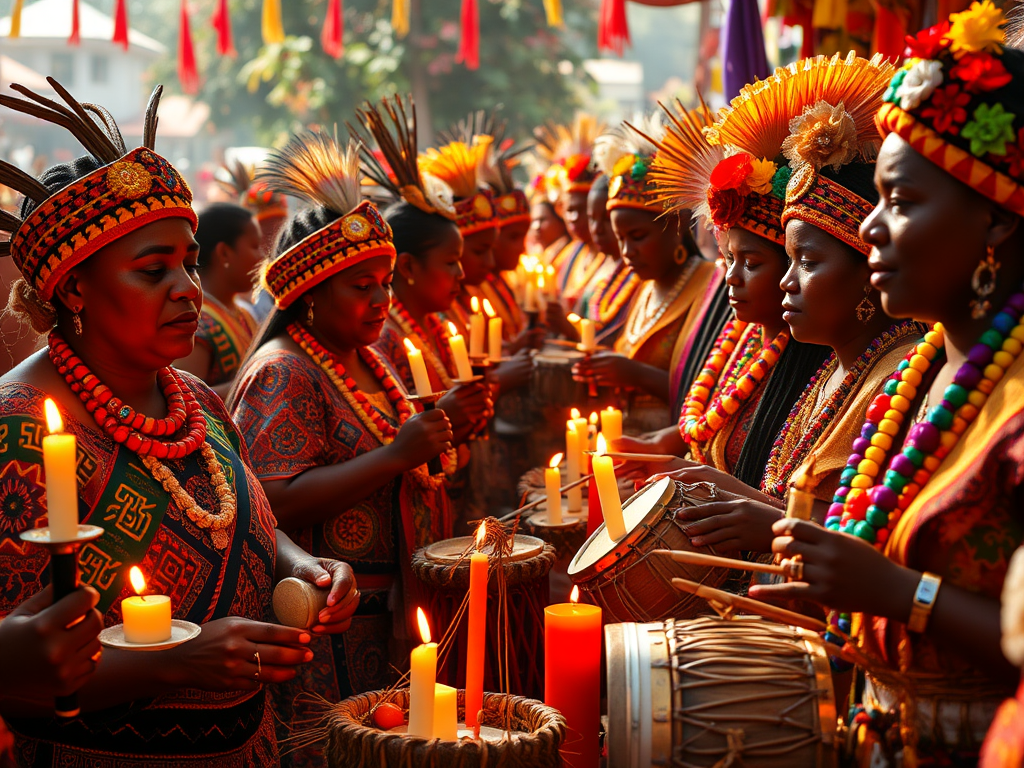
 Jogo Corpo Fechado