“There are not more than five musical notes, yet the combinations of these five give rise to more melodies than can ever be heard. There are not more than five primary colours, yet in combination, they produce more hues than can ever been seen. There are not more than five cardinal tastes, yet combinations of them yield more flavours than can ever be tasted.” ― Sun Tzu, The Art of War“
Today, I want to talk about the Arrastao.
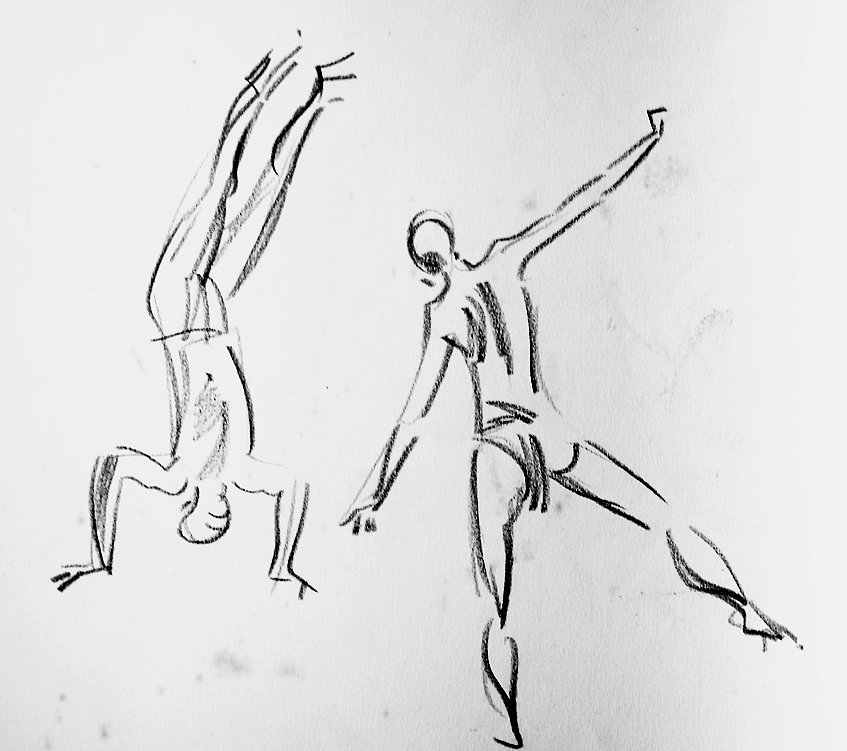
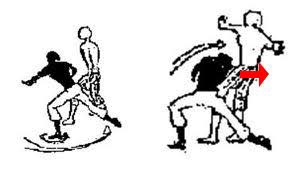
The term “Arrastão” in Capoeira refers to a specific takedown technique.
Here’s a closer look:
The Capoeira move “Arrastão” is a classic leg takedown that skillfully combines agility and strategy, where the practitioner closes in on the opponent with precision, sweeping their legs or pushing them to the ground using their shoulder or head. This dynamic maneuver can manifest as both a double or single-leg takedown, showcasing the versatility of Capoeira techniques, and may also involve a lateral technique that enhances its effectiveness in various combat scenarios.
In competitive settings, it can catch opponents off guard, leading to quick transitions into follow-up moves or escapes. Counters to the “Arrastão” include a sprawl or guillotine choke, which require the opponent to be alert and responsive to avoid being taken down. This move not only reflects the athleticism inherent in Capoeira but also underscores its practicality beyond being merely a form of dance.
The term “arrastão” holds additional cultural significance; it also refers to flash robbery in Brazil and Portugal, derived from the verb “arrastar,” illustrating the term’s multifaceted nature within both martial arts and social contexts. Such connections highlight the rich tapestry of language and movement that Capoeira embodies, blending physical skill with deeper cultural narratives.
In essence, the Arrastão is a powerful and strategic takedown within the dynamic art of Capoeira.
“There are not more than five musical notes, yet the combinations of these five give rise to more melodies than can ever be heard. There are not more than five primary colours, yet in combination, they produce more hues than can ever been seen. There are not more than five cardinal tastes, yet combinations of them yield more flavours than can ever be tasted.” ― Sun Tzu, The Art of War“
Capoeira Angola is a defensive martial art known for its intricate trap-like defenses designed to catch opponents off guard. It encompasses 8 basic defenses, each with unique unexpected attacks and counter attacks based on the opponent’s positioning. Mastery of these movements enables capoeiristas to defend against individuals carrying various weapons, including sticks, clubs, knives, and potentially even firearms with the appropriate skills.
Today, we’re going to examine a fundamental movement in Capoeira Angola, the QUEDA DE RINS.
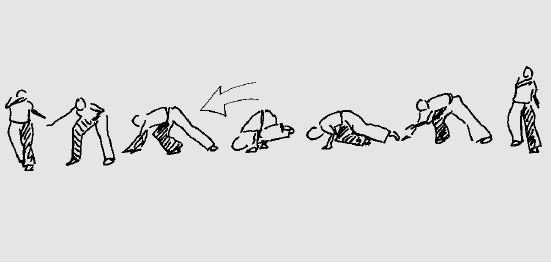
Capoeira Angola’s “Queda de Rins,” or “fall on the kidneys,” is an essential ground movement that serves multiple functions in the game, reflecting the intricate blend of martial arts, dance, and music that defines Capoeira. It involves supporting the torso with an elbow and head, forming a 45° angle with the legs, which requires a combination of strength, coordination, and control.
Yes, this tutorial is in Portuguese… If you want to know what she’s saying, you can always LEARN THE LANGUAGE.
To execute it properly, one must begin with their hands and head firmly on the floor, aligning the body to create a strong foundation, then twist their hips to rest on an elbow while ensuring that the legs remain elevated and engaged throughout the entire movement. It is essential to maintain a steady breathing pattern, as this will help in controlling the balance and flow of the exercise. Eventually, with practice and dedication, one can lift the legs entirely into the air, mastering the art of fluidity that Capoeira demands. Mastery of this movement not only contributes to strength, flexibility, and balance but also provides a solid foundation for exploring the myriad of movements inherent in Capoeira, enabling the practitioner to experience the beauty and rhythm of this dynamic martial art, all while building upper body stability and core strength.
Beginners should practice in stages, starting with proper hand and head placement and gradually increasing their skill level as they gain confidence, while advanced practitioners find the challenge in lifting their feet entirely, continuously refining their technique, adding variations, and enhancing their overall performance in the art of Capoeira, thus deepening their connection to the cultural roots and expressive nature of the discipline.
This technique can act as an esquiva, allowing the practitioner to evade an opponent’s attack gracefully while simultaneously maintaining balance and composure. Additionally, it serves as a crucial starting point for executing various techniques, making it a versatile move that can transition seamlessly into more complex maneuvers, such as flips or spins. This adaptability not only enhances the fluidity of movement but also establishes a connection between defensive and offensive actions. Alternatively, it can be transformed into an artistic flourish that showcases the practitioner’s style and creativity within the roda, creating an engaging spectacle that captivates both audiences and fellow practitioners alike. Ultimately, mastering this technique opens up a world of possibilities, enabling the individual to express their unique approach to the art while effectively navigating the dynamics of a live encounter.
Variations:
Queda de Rins has numerous variations that challenge balance and coordination further, each one designed to enhance physical stability and improve overall body awareness. These variations not only test the limits of one’s strength but also require a keen sense of timing and precision. As practitioners delve deeper into these complex movements, they discover how the interplay between gravity and motion can lead to a greater understanding of their own body’s capabilities. This exploration encourages a more mindful approach to physical activity, as individuals learn to navigate through various positions while maintaining control. Over time, mastering these variations can significantly boost confidence, providing a solid foundation for tackling more advanced challenges in the realm of physical fitness.
Queda de Rins is a versatile and essential movement in Capoeira Angola, adding both defensive and expressive elements to the game. This unique maneuver not only serves as an effective way to evade attacks from opponents but also showcases the fluidity and creativity inherent in Capoeira practice. As practitioners execute the Queda de Rins, they seamlessly transition between defense and counterattacks, demonstrating agility and strength.
Additionally, the movement embodies the rich cultural heritage of Capoeira, allowing players to express their individuality while remaining grounded in tradition. Through strong body control and rhythmic flow, the Queda de Rins encapsulates the spirit of Capoeira Angola, making it a vital component in a player’s repertoire.
Welcome to MARTIAL ARTS THEATER, a vibrant community for martial arts enthusiasts that offers a plethora of resources like expert interviews, instructional videos, and engaging events to enhance your skills and knowledge. Dive deep into the fascinating world of various styles such as karate, judo, taekwondo, and Brazilian jiu-jitsu in a supportive and inclusive environment that welcomes everyone. Our platform caters to both seasoned martial artists and beginners alike, providing tailored programs and workshops that encourage skill development while fostering a sense of camaraderie among participants in a warm setting. Join us to connect with others, share your experiences, and embrace the journey of self-discovery in martial arts, where each precise movement not only hones your physique but also brings you closer to your personal best, instilling discipline, respect, and resilience that can transcend beyond the dojo into everyday life. Together, let’s cultivate a passion for martial arts that inspires and empowers individuals of all ages and backgrounds to pursue their dreams and aspirations.
In today’s Installment…
Well, it seems like the chickens finally came home to roost. Shi Yong Xin, the abbot of the Shaolin Temple for the past 25 years, has recently been detained and is under investigation for a whole bunch of things that have raised eyebrows in the community and beyond. This unexpected turn of events has sent shockwaves among the followers of the temple and martial arts enthusiasts alike, making many question their beliefs about leadership and integrity within such a revered institution. Don’t get me wrong. He has done many great things to preserve Shaolin legacy and culture, and is mostly responsible for what Shaolin is today. His efforts in promoting martial arts globally and his commitment to nurturing young students have inspired countless individuals.
However, it is also essential to acknowledge that he has, allegedly, committed very criminal acts that contradict the values of discipline and honor that the Shaolin Temple stands for. I hate to use the word “Karma” for this situation, because Karma means much more than mere retribution, but hey, if the shoe fits… perhaps it’s a reminder that our actions have consequences, no matter how high we rise or how revered we become, serving as a cautionary tale about the fragility of reputation and the importance of accountability in leadership roles.
As the story unfolds, many are left wondering what the future holds for the temple and its legacy.
Welcome to MARTIAL ARTS THEATER, a vibrant community hub for martial arts enthusiasts offering expert interviews, instructional videos, and a variety of events tailored for all skill levels. Here, you can dive deep into a wealth of information, exploring diverse insights across disciplines such as karate, judo, taekwondo, and Brazilian jiu-jitsu in a supportive environment that not only encourages growth but also nurtures a sense of camaraderie among practitioners. We invite both seasoned practitioners and beginners alike to connect, share experiences, and embark on the transformative journey of self-discovery in the world of martial arts. By participating in our workshops, seminars, and discussion panels, you can hone your skills, learn from respected masters, and forge lasting friendships with fellow enthusiasts who share your passion and dedication to the art of combat.
In today’s installment…
“The Karate Nerd“, one of YouTube’s biggest martial artists, has stirred quite the pot lately by posting several controversial videos focused on Brazilian Jiu-Jitsu (BJJ), including one particularly provocative installment where he joined a tournament to “prove it doesn’t work.” In a quest to challenge the status quo, he even traveled to Gracie University to engage with Ryron Gracie himself, attempting to disprove the effectiveness of sport jiu jitsu. This bold move caught the attention of the AMAZING YouTuber JOSH BEAM, who decided to take matters into his own hands.
Fueled by a desire to defend the honor of BJJ, he promptly booked a ticket straight to Stockholm with the intention of challenging Jesse at his dojo, Combat Academy! However, realizing that his Jiu Jitsu skills were not quite enough to take on such a formidable opponent, Josh committed himself to training in judo for an entire year, where he diligently honed his throws and ground game. After a grueling year of preparation, he returned to Stockholm, ready to reclaim his pride and seek revenge against Jesse. But what transpired next was completely unexpected and far from what he had initially anticipated.
He came for revenge but instead found himself experiencing a profound lesson in martial arts and humility, as well as an aspect of Karate that’s not often displayed or talked about. Through rigorous training and thoughtful reflection, he discovered that true strength lies not only in physical prowess but also in the cultivation of inner peace and respect for others. Each session brought new challenges that tested his resolve, pushing him to confront both his fears and preconceived notions about fighting and power.
Click HERE to watch the full Kata he learned, showcasing the incredible journey of growth and transformation that unfolded during his time training, capturing the essence of discipline and the deep connections formed with fellow practitioners on this unexpected path.
Welcome to MARTIAL ARTS THEATER, a comprehensive hub for martial arts enthusiasts, where we proudly offer an array of expert interviews, detailed instructional videos, and engaging community events designed to inspire and educate. Our platform caters to practitioners of all skill levels, from beginners looking to learn the fundamentals to advanced martial artists seeking to refine their techniques.
With a wide-ranging selection of insights aimed at enhancing your skills across various styles, including karate, judo, taekwondo, and Brazilian jiu-jitsu, we are committed to fostering a supportive and inclusive environment. Join us to connect with others who share your passion, exchange knowledge, and embrace the rewarding journey of self-discovery and excellence in martial arts. Whether you’re training for competition, personal growth, or simply for the joy of movement, MARTIAL ARTS THEATER is your go-to destination for all things martial arts-related.
In today’s installment…
Sensei Seth, a man who appreciates your open-mindedness and diligence in promoting all martial arts, has recently visited the world’s first Wing Chun Museum (Ving Tsun Museum). During his visit, he was given an insightful introduction to Wing Chun’s Triad, as well as the symbolic tiger and dragon concepts from the rich Shaolin Wing Chun lineage, which provided a fascinating look into the philosophy and strategy behind this martial art.
The experience was not only educational but also deeply inspiring, reminding all practitioners of the importance of tradition in their training. As he explored the museum’s various exhibits, Sensei Seth found himself captivated by the historical artifacts and detailed displays that chronicled the evolution of Wing Chun, showcasing the efforts and sacrifices of countless masters who have contributed to its development over centuries. This visit solidified his belief in continually honoring and understanding the foundational aspects of martial arts, encouraging him to share this wisdom with his students and the wider community.
Shout out to @BennyMeng-swc108 for graciously creating and guiding us around the Wing Chun Museum! Benny’s extensive knowledge and passion for the art made the tour particularly memorable. To learn more about his teachings and upcoming events, visit https://www.mengsmartialarts.com/. Additionally, make sure you follow the three brothers Vincent, Spencer, and Derikson Meng on IG to see their competitions and witness their remarkable growth in the world of martial arts! Their dedication to training exemplifies the spirit of perseverance that is essential for success in any discipline.
No matter what martial art you’re training, the most important thing you will ever learn is the fact that THERE IS NO SUBSTITUTE FOR real TRAINING!!! It’s through consistent practice and dedication that you not only sharpen your techniques but also build the mental fortitude needed to overcome challenges. The sweat, the struggles, and even the setbacks you face during your training sessions are essential components of your growth. Each kick, punch, and block you perfect is a step closer to mastery, and an acknowledgment that the path to becoming proficient is paved with hard work and resilience. Embrace every moment on the mat, as these experiences are what truly shape you into a skilled martial artist, reinforcing the idea that true improvement comes from persistent, real-world practice.
In this video, you will see people who forgot that lesson, a crucial takeaway for anyone in pursuit of mastery. He trained for decades, tirelessly honing his skills and perfecting his techniques, but the stark truth was revealed in mere seconds during an unexpected showdown.
This video not only debunks the myth that time served equals skill but also captures the often-overlooked reality of the fight world, showcasing real fight footage where “masters,” who’ve been training half-heartedly, even for “YEARS”, are outperformed by younger, better-prepared fighters. As the clips unfold, viewers witness the dramatic contrasts between the two groups, emphasizing that dedication and hard work are crucial components to success in combat sports.
These moments starkly highlight the shortcomings of not taking your training seriously against someone who does, serving as a powerful reminder that passion, discipline, and a commitment to continuous improvement can elevate one’s performance far beyond mere experience. Additionally, these encounters reveal the importance of adapting to evolving techniques and staying mentally sharp, illustrating that without the willingness to evolve and challenge oneself, even the most experienced fighters can fall behind in a rapidly changing landscape.
Welcome to MARTIAL ARTS THEATER, a dynamic hub for martial arts enthusiasts offering expert interviews, instructional videos, and community events for all skill levels. Whether you’re a beginner or an expert looking to improve, our platform provides essential insights to enhance your skills. Connect with like-minded individuals, explore the cultural significance of martial arts, and benefit from workshops and events in a supportive environment that values the artistry and discipline of these ancient practices.
In today’s installment, I present to you this insightful video from the YouTube channel MCDOJOLIFE, where they do a deep dive into what is considered a McDojo.
This term refers to schools that prioritize profit over genuine martial arts training, often misleading students with unrealistic promises of quick success. The video goes beyond just defining a McDojo; it sheds light on the characteristics of good schools that are unfortunately mislabeled as McDojos due to lack of understanding or context.
Furthermore, the creators discuss their 5 essential rules that help identify what truly constitutes a McDojo, offering viewers valuable insights into how to discern quality training environments from those merely chasing monetary gain. These rules delve into various aspects of martial arts training, such as instructor qualifications, curriculum integrity, student engagement, and the overall atmosphere of the dojo. By engaging with this content, you’ll not only broaden your understanding of martial arts culture, but also learn how to select a martial arts school that aligns with your values and aspirations.
This knowledge will hopefully empower you to make informed decisions, ensuring that your training journey is enriching and fulfilling, ultimately leading to the development of both your skills and character.
Welcome to the Self-Defense series, covering all aspects including physical, mental, spiritual, and legal, providing you with comprehensive insights and practical techniques to empower you in various situations. This series delves into the importance of self-defense training, emphasizing the need for not only physical readiness but also mental resilience, spiritual confidence, and legal knowledge, ensuring that you are fully equipped to protect yourself and navigate any encounter with wisdom and strength.
Today…
Most men lose fights due to poor body language, which significantly affects how they’re perceived in confrontations, ultimately leading to unfavorable outcomes. Criminals are particularly adept at sensing weakness, making it essential to maintain a commanding presence that radiates confidence and assertiveness. An improper stance not only betrays a lack of confidence but can also lead to defeat before the fight starts, as opponents may exploit the slightest signs of hesitation.
It is important to understand that in addition to physical postures, facial expressions, gestures, and overall demeanor play critical roles in communicating strength or vulnerability. Mastering these elements can create an aura that deters aggression and instills respect, giving individuals a psychological edge. By developing awareness around body language, one can engage in a form of non-verbal communication that reinforces their ability to navigate confrontations successfully.
This video meticulously outlines three key principles of fighting stance and posture that are crucial for anyone who wishes to project unwavering confidence in their everyday interactions and self-defense scenarios. By mastering these principles, individuals can establish an aura of authority that helps them take control of any situation they may encounter, allowing them to not only defend themselves effectively but also to deter potential aggressors who are attuned to the nuances of human behavior and body language. Understanding how to stand, move, and present oneself can make the difference between being perceived as a target or as someone who is prepared to face challenges.
Shout-out to FIGHT SCIENCE for their insightful video on elevating fight IQ through the intriguing blend of criminal psychology and martial arts for self-defense, presented by the knowledgeable Dr. Mark Phillips. This engaging video explores essential themes such as behavioral risk management, understanding criminal behavior, and effective self-defense techniques tailored for real-life scenarios. Additionally, it offers valuable street fighting tips designed to enhance your survival skills in unpredictable situations, as well as mindset preparation strategies that are crucial for maintaining composure during conflict.
Dr. Phillips also shares simple martial arts training tips that are easy to incorporate into your routine, ensuring that practitioners of all levels can benefit. These insightful videos are released every Sunday, providing viewers with fresh content and techniques to continuously improve their defensive skills. Please click HERE to check out their YouTube channel, where you can dive deeper into these topics and expand your knowledge on self-defense practices.
“There are not more than five musical notes, yet the combinations of these five give rise to more melodies than can ever be heard. There are not more than five primary colours, yet in combination, they produce more hues than can ever been seen. There are not more than five cardinal tastes, yet combinations of them yield more flavours than can ever be tasted.” ― Sun Tzu, The Art of War“
Capoeira Angola is a defensive martial art known for its intricate trap-like defenses designed to catch opponents off guard and provide fluidity in movement. It encompasses 8 basic defenses, each with unique unexpected attacks and counter-attacks based on the opponent’s positioning, which are essential for creating opportunities during a confrontation. Mastery of these movements enables capoeiristas to defend against individuals carrying various weapons, including sticks, clubs, knives, and potentially even firearms with the appropriate skills; by understanding the principles of anatomy, timing, and rhythm, practitioners can enhance their ability to react swiftly and effectively. Furthermore, the art form emphasizes not only physical technique but also the mental aspects of strategy and awareness, allowing capoeiristas to anticipate an opponent’s actions and respond accordingly, making it a holistic approach to self-defense that integrates body and mind.
Chapa de frente (front plate), also called bênção (blessing) is one of the few fundamental kicks in capoeira. It is a front push kick with the sole of the foot. This traditional capoeira kick is direct, firm and fast.
Chapa de frente (front plate) refers to a type of push kick executed with the sole of the foot, known as chapa (plate), originating in the mid-20th century. This movement, characterized by its swift and powerful projection, not only demonstrates skill but also showcases an evolution of martial arts techniques influenced by various cultural practices.
The term Bênção (blessing) ironically relates to the bent starting position, recalling how slave owners in Brazil would ironically greet enslaved Africans with blessings on Sundays, forcing them to show gratitude despite their suffering. This historical context adds a layer of depth and poignancy to the technique, as it reflects the complex relationship between oppressor and oppressed. The benção kick symbolizes this contradiction, appearing as a blessing yet resulting in a kick to the opponent’s belly, thereby merging the evolving martial art with a narrative of resistance and resilience against historical injustices. As practitioners execute this kick, they embody not only physical prowess but also an awareness of the cultural and historical significance embedded within the movements.
The chapa de frente kick targets various body areas, primarily the chest, by lifting the knee and using hip motion to extend the leg, striking with the sole of the foot while keeping the supporting foot grounded. Typically, the capoeirista steps from the ginga into the kick, which can vary in impact from gentle to forceful, depending on the execution and intention behind the movement. This technique requires not only physical strength but also agility and precision, allowing practitioners to balance offense and defense effectively. The effective use of footwork and timing makes the chapa de frente versatile, enabling it to be incorporated into both initiating attacks and countering opponents’ moves. This kick is particularly dangerous due to its powerful application and the sensitivity of the targeted area, making it essential for any capoeirista to practice this technique diligently to ensure control while maximizing its potential. Additionally, the psychological impact of such a kick can unnerve opponents, giving the capoeirista a strategic advantage in both training and performance contexts.
In the capoeira Angola, when a player completes a chapa de frente, they usually promptly descends to the ground, seeking refuge against potential takedowns or counterattacks aimed at their face.
Defense against a front push kick can be practiced in several ways, including blocking the attacker’s leg with crossed forearms to create a solid barrier, effectively absorbing the impact while maintaining balance. Another technique involves rapidly descending by lowering one’s center of gravity to bring down the attacker by suspending their extended leg, thereby destabilizing them and creating an opportunity for further action. Additionally, executing a counterattack with a sweep (rasteira) can be highly effective; this involves using a well-timed movement to off-balance the opponent and redirect their momentum, often catching them off guard and allowing for a swift follow-up technique. Each of these methods not only enhances defensive capabilities but also cultivates a deeper understanding of timing and distance in combat situations.
The speed of movements and the flexibility of the body are essential for both attack and defense in the art of capoeira. A skilled capoeirista quickly discerns the intentions of the attacker, not wasting time in organizing their defense and counterattack. They rely on their refined senses and experience to anticipate the opponent’s next move, allowing them to remain agile and ready to adapt. The mere position of the attacker indicates how they might attack, triggering a cascade of potential responses based on the capoeirista’s knowledge of their craft. This dynamic exchange is not just a battle of strength but a dance of strategy and instinct, where each player must read the other’s body language, rhythm, and subtle cues in order to succeed. Mastery in capoeira requires extensive practice and an acute understanding of timing, space, and technique, ultimately transforming the fight into an engaging and fluid performance of skill.
Welcome to MARTIAL ARTS THEATER, a vibrant platform for martial arts enthusiasts dedicated to exploring a diverse range of disciplines such as karate, taekwondo, and Muay Thai. Here, we celebrate not only the history and philosophical foundations of these time-honored arts but also the intricate techniques that make them unique. Our platform provides a wealth of resources, including in-depth expert interviews, instructional videos, and exciting community events, designed for practitioners of all levels—from beginners stepping onto the mat for the first time to seasoned martial artists honing their skills. Join us as we foster a supportive environment where you can cultivate your abilities, share experiences, and connect with others who share your passion for martial arts, while also gaining insights into the broader cultural significance and practical applications of these disciplines in everyday life.
Today, let’s take a journey into the transformative power of martial arts for middle-aged individuals seeking strength, balance, and renewed vitality. Eternal Warriors showcases the transformative benefits of martial arts for middle-aged individuals, emphasizing strength, balance, and vitality, while highlighting resilience, discipline, and mental clarity through inspiring stories and insights. By participating in martial arts, individuals not only enhance their physical capabilities but also cultivate a profound sense of community among fellow practitioners.
The journey involves overcoming personal challenges, fostering a spirit of perseverance that transcends the dojo and positively impacts everyday life. Through a variety of practices, from traditional forms to modern techniques, practitioners discover new pathways to well-being, empowering them to embrace life with renewed energy and focus. Each session not only enhances physical abilities but also nurtures mental resilience, encouraging individuals to break through barriers they once deemed insurmountable. The narratives of those who have undergone these transformations serve as powerful motivators, illustrating that it is never too late to embark on a journey of self-discovery and improvement. These stories inspire others to reflect on their own lives and aspire to greater heights, ultimately leading to a more fulfilling and active lifestyle where every day becomes an opportunity for growth and connection with others.
This subject is something personal to me, because as of this date (2/21/25), I am middle age, 50 years old in fact, and in this documentary, I can see myself and my own journey in the individuals here. Their experiences resonate deeply with my own, as I reflect on the challenges and triumphs I have faced during this phase of life. Each story shared in the documentary serves as a reminder of the resilience we often need to muster as we navigate the complexities of aging, relationships, and personal growth. I find myself pondering how our collective narratives intertwine, revealing not only our individual struggles but also our shared humanity. Watching these brave souls articulate their thoughts and feelings makes me appreciate the power of storytelling and the connections we forge through our life experiences, reminding me that while each journey is unique, we are not alone in our shared quest for understanding and fulfillment.