
This exploration delves into the profound utility of Capoeira Angola principles as a framework for survival, resilience, and resistance against some of the most formidable social and political challenges of the contemporary era. It posits that the historical and philosophical underpinnings of this Afro-Brazilian art form—a unique blend of dance, fight, music, and philosophy—offer invaluable lessons for enduring and overcoming systemic oppression, governmental overreach, and deep-seated societal injustices.
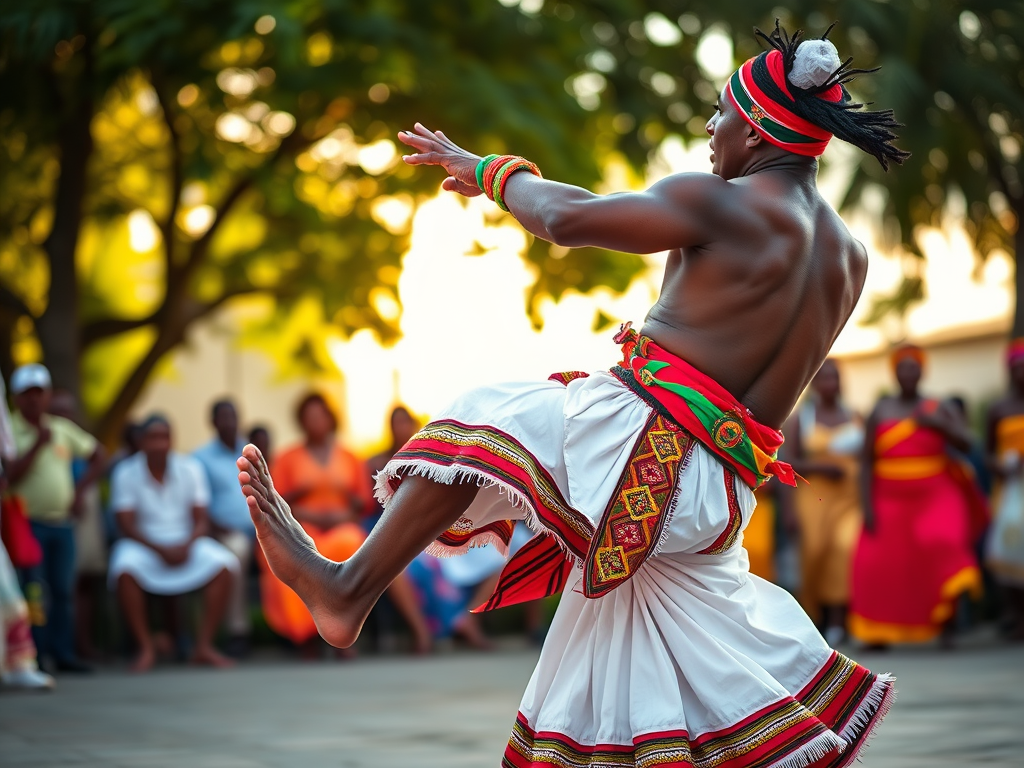
Furthermore, Capoeira Angola embodies a rich cultural heritage that fosters community solidarity and encourages individuals to embrace their identity and strength in the face of adversity. By integrating movement, rhythm, and storytelling, practitioners not only cultivate physical prowess but also develop a deep sense of purpose and connection with their roots. This dynamic practice serves as a powerful tool for personal empowerment and collective action, emphasizing the importance of solidarity among marginalized groups striving for justice. In essence, the principles of Capoeira Angola can inspire new generations to navigate and challenge the complexities of modern life while promoting social change and cultural appreciation.
The Socio-Political Landscape of Resistance
This article specifically addresses the need for a survival strategy in the face of:
- The Presidency of Donald Trump: This period is recognized for its polarizing rhetoric, challenges to democratic norms, rapid shifts in policy, and the political mobilization of extreme ideologies. The unpredictability and intensity of this political climate necessitated a strategy for both psychological and practical self-preservation, focusing on adaptability and maintaining core values amidst chaos.
- Immigration and Customs Enforcement (ICE): ICE represents a powerful and often controversial manifestation of state control and repression, particularly impacting immigrant communities and people of color. Navigating this reality requires strategies for community defense, understanding the legal jogo (game), and maintaining emotional equilibrium while facing potential raids, detentions, and family separations.
- Systemic Racism: This enduring challenge, woven into the fabric of institutions and society, demands a long-term, holistic approach. Capoeira Angola’s historical context—originating from enslaved Africans as a tool for physical and cultural liberation—provides a direct parallel and a philosophical blueprint for dismantling, resisting, and surviving the pervasive effects of racial bias, economic disparity, and racial violence.
- Social Repression: Encompassing a broader spectrum of oppressive forces, social repression includes surveillance, censorship, police brutality, and the silencing of marginalized voices. Surviving this environment requires mastering the art of movement, camouflage (both physical and metaphorical), community solidarity (união), and the preservation of cultural identity as a form of protest.
Capoeira Angola as a Framework for Resilience: Historical perspectives
Capoeira Angola, a rich cultural and martial art form that originated in the African diaspora in Brazil, offers a profound framework for understanding and cultivating resilience. To fully appreciate its power in this capacity, one must delve into its tumultuous and transformative historical roots. Born out of the brutal realities of chattel slavery, Capoeira Angola served as a clandestine method of self-defense, resistance, and cultural preservation for enslaved Africans and their descendants.
The genesis of Capoeira Angola can be traced back to the senzalas (slave quarters) and the quilombos (runaway slave communities), where African traditions—music, dance, and fighting techniques—were secretly synthesized into a disguised form of combat. This disguise was crucial: by embedding powerful kicks, sweeps, and evasions within what appeared to be a recreational dance or ritual, practitioners could hone their fighting skills right under the noses of their oppressors. This very act of strategic concealment speaks volumes about the early practitioners’ ingenuity and psychological resilience—the ability to find strength and agency within an environment designed to crush their spirit.
Key historical perspectives that highlight Capoeira Angola’s link to resilience include:
- Cultural Syncretism and Preservation: Faced with the systemic destruction of their heritage, enslaved Africans infused Capoeira Angola with elements from various African cultures, blending them with new Brazilian realities. The instruments—such as the berimbau, atabaque, and pandeiro—and the songs (quadras and chulas) acted as carriers of memory, history, and communal solidarity. Preserving these elements in the face of forced assimilation was an act of profound cultural resistance and an affirmation of identity, both critical components of collective resilience.
- Physical and Mental Discipline: The rigorous training required to master Capoeira Angola—involving complex movements, acrobatic fluidity, and a deep understanding of rhythm and timing—provided practitioners with a powerful sense of self-mastery. The jogo (the “game” or sparring match) in the roda (the circle) is a demanding environment that requires constant adaptation, quick decision-making, and emotional control. This discipline was not merely for fighting; it was a way of fortifying the mind and body against the daily trauma of oppression, nurturing a foundational personal resilience.
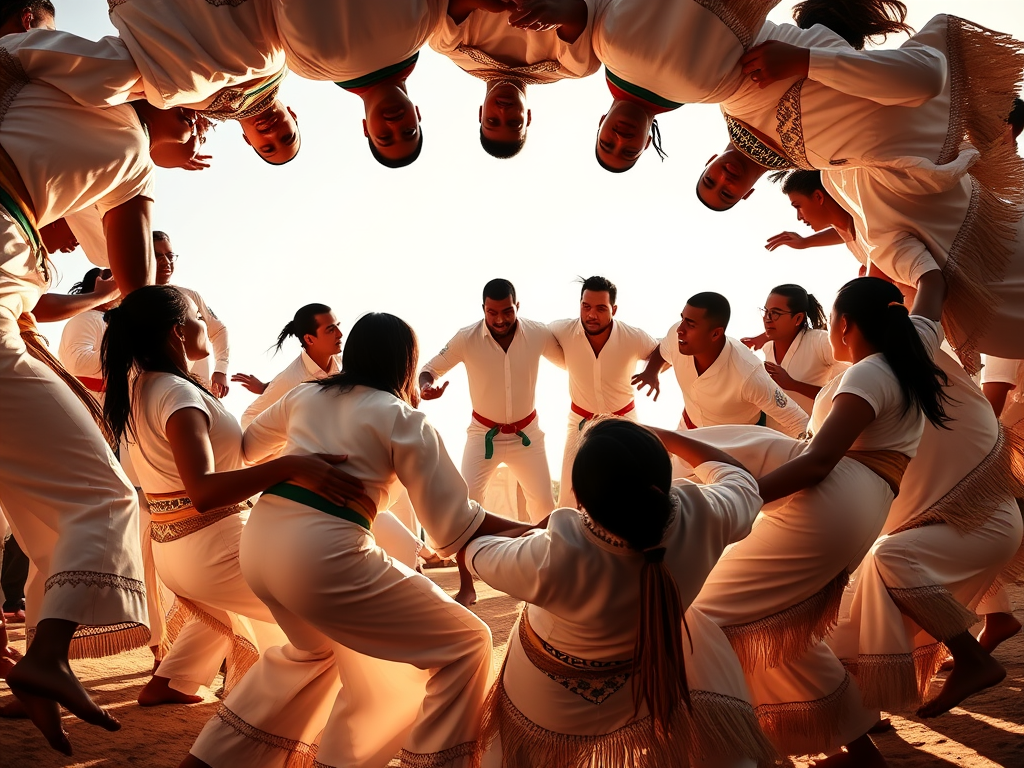
- Community and Social Structure: The roda itself is a microcosm of a supportive community. It is a space where individuals are challenged, protected, and celebrated. The roles within the roda—from the mestre (master) who leads the music and determines the energy, to the players and the chorus—reinforce a structured, cooperative, and highly engaged social unit. This sense of belonging, mutual accountability, and shared purpose was, and remains, a vital historical source of collective resilience against external adversity.
In essence, the historical journey of Capoeira Angola—from the secrecy of the slave quarters to its development as a recognized cultural heritage—is a testament to human fortitude. It embodies a dynamic, embodied philosophy where physical agility, strategic thinking, musical dialogue, and communal support converge to foster a multi-layered resilience that transcends the physical realm, offering a timeless framework for navigating and overcoming modern-day challenges.
Capoeira Angola Principles: The Architecture of Survival
Capoeira Angola offers specific, actionable principles to confront these realities:
- Malícia (Subtle Deception/Wile): In the face of powerful adversaries, direct confrontation is often suicidal. Malícia teaches the necessity of cunning, strategy, and misdirection. It is the ability to read the opponent’s (the system’s) intention, anticipate its moves, and use its own momentum against it. This translates to navigating bureaucratic systems, understanding political maneuvering, and protecting vulnerable communities through intelligent evasion rather than reckless aggression.
- Mandinga (The Magic/Aura of the Game): Mandinga represents the intangible power, the spiritual conviction, and the confident, almost magical presence that commands respect and inspires fearlessness. It is the cultural armor that resists dehumanization. In the context of survival, this means maintaining cultural pride, spiritual resilience, and a powerful internal sense of self-worth that cannot be broken by repressive forces.
- O Jogo de Dentro (The Inner Game): Capoeira Angola is as much an internal discipline as an external fight. O Jogo de Dentro emphasizes emotional control, patience (esperar), self-awareness, and the ability to maintain calm and focus during intense pressure (the roda). This principle is crucial for mental health, helping individuals survive the constant stress and anxiety induced by political turmoil and systemic threats.
- A Ginga (The Swing/The Basic Movement): The Ginga is not merely a dance step; it is perpetual motion—a state of readiness, fluidity, and constant adaptation. It teaches that one must never be static or locked into a predictable position. In life, this means being flexible in one’s actions, prepared for policy changes, and constantly learning new ways to protect oneself and one’s community, maintaining a dynamic resistance posture.
- Comunidade e União (Community and Unity): The roda (the circle where capoeira is played) is the ultimate symbol of community. Survival is never solitary. The principles of Capoeira Angola emphasize the collective responsibility of all participants to protect each other, maintain the energy of the roda, and ensure that everyone has the chance to jogar (play). This translates directly to building strong, resilient, and mutually supportive networks to withstand ICE raids, social isolation, and political attacks.
By adopting the philosophy and movement of Capoeira Angola, individuals embrace far more than a physical discipline; they participate in a profound cultural and psychological act of resistance. This intricate art form, born from the crucible of enslavement, functions as a holistic system for survival and self-determination. The practice is not simply a reaction to oppression, but an active, conscious engagement in the jogo—the game. This jogo is a life-long, dynamic contest demanding constant strategic thought, physical adaptation, and unwavering spiritual resilience.
Capoeira Angola’s inherent deceptive nature—masking deadly martial arts techniques within a dance-like, ritualistic performance—served as a vital mechanism for preserving the knowledge and power of the enslaved people. Every fluid motion, every feigned retreat, and every sudden, powerful kick represents a lesson in strategy, turning the oppressor’s gaze from a tool of control into a blind spot for liberation. Through the jogo, practitioners cultivate a deep-seated understanding of timing, deception, and the critical importance of community support, symbolized by the surrounding roda and the guiding music. This collective participation ensures not only the physical survival of the individual but, more fundamentally, the endurance and vibrancy of their spirit, their history, and their threatened culture. The ultimate goal is liberation—a continuous state of being free from physical and psychological bondage.
 Jogo Corpo Fechado