
MALICIA AS A GAME OF POWER (11/27/24)

Welcome to MALICIA AS A GAME OF POWER, a comprehensive blog series dedicated to exploring the multifaceted nature of strategy in our interactions. In this series, we will delve deep into the art of effective communication, highlighting essential techniques for conflict resolution and fostering meaningful connections with others in both personal and professional realms. Additionally, we will provide insightful tips on how to identify and avoid scammers, equipping you with the knowledge to protect yourself from online fraud. By discussing the importance of maintaining a secure online presence, we aim to empower you with the tools necessary to navigate the digital world safely and confidently. Join us as we embark on this enlightening journey together.

Navigating the world we live in can be challenging. In this series, we will share practical guidance on making informed decisions, embracing opportunities, and overcoming obstacles on the path to success. Whether it’s negotiation, identifying manipulation, or honing leadership skills, this series will equip you with the knowledge to thrive in interpersonal dynamics and strategic decision-making. We will also explore personal branding, self-presentation, and managing online reputation, empowering you to craft a compelling image in today’s digital world. Join us as we unravel the complexities of power dynamics and relations, arming you with the expertise to emerge victorious in your pursuits.

In this installment, we will explore the 14th law of power in the book, the 48 laws of power by Robert Greene. You can but a copy by clicking HERE.

LAW 14: POSE AS A FRIEND WORK AS A SPY

POSE AS A FRIEND, WORK AS A SPY. In a world where trust is often a fleeting illusion, the art of deception takes on a new meaning that is both fascinating and unsettling. The ability to blend into social circles while gathering crucial information can lead to powerful advantages, whether in business, politics, or personal relationships. This intricate dance of social interaction requires not only charm and charisma but also a keen understanding of human psychology. Astute observers can navigate conversations with ease, subtly steering discussions to reveal secrets that may otherwise remain hidden. As connections deepen and bonds are formed, the line between friend and foe blurs, making it imperative to tread carefully in this treacherous landscape. Ultimately, the skills of persuasion and observation transform the spy into a master of influence, wielding power that can change the course of events with merely a whisper or a well-timed nod.

By understanding the intricate dynamics of human behavior and leveraging seemingly innocuous interactions, one can uncover secrets that may hold the key to success or survival in a fiercely competitive world. Thus, playing the role of a confidant becomes not just a tactic but a skillful dance of strategy, where every shared laugh or casual conversation masks the true intent behind the eyes of a discerning observer. This interplay of trust, misdirection, and observation enables an individual to navigate social landscapes more effectively, discerning hidden motives and intentions that lie beneath the surface. Every interaction serves as a data point, compiling a vast repository of knowledge that informs future decisions and actions, transforming mundane exchanges into vital opportunities for insight and growth.

The 14th Law of Power, Through the Eyes of an Angoleiro: 

Mastering the Art of Calculated Friendship

The 14th Law of Power, “Pose as a Friend, Work as a Spy,” finds a unique and profound resonance within the world of Capoeira Angola, specifically through the philosophy and training of the Angoleiro. This is not a call to crass deceit, but a subtle, tactical approach to understanding the social and physical jogo (game) that defines this Afro-Brazilian art form.

For the Angoleiro, the roda  is a microcosm of life itself—a place of collaboration, respect, and simultaneous, intense conflict. The law suggests that true understanding of an opponent, or even a partner, comes not from aggression, but from proximity and observation.The Angoleiro’s Interpretation

  • “Pose as a Friend”: The Principle of Malandragem
    In Capoeira Angola, malandragem is a celebrated quality—a street-smart, cunning intelligence that masks true ability beneath a veneer of playfulness, humility, or even feigned weakness. An Angoleiro entering the roda often adopts this friendly, non-threatening persona. They may smile, sing loudly, offer a low gunga rhythm, or even initiate simple, relaxed movements. This friendly posture disarms others, inviting them to relax their guard and reveal their natural rhythm, habits, and weaknesses. This is the essential first step of the law: creating an environment of trust where information can flow freely.
  • “Work as a Spy”: The Art of Ouvir e Observar
    While appearing to simply be enjoying the music and the movement, the Angoleiro is engaged in intense, continuous escuta (listening) and observation. This is the “spying” aspect of the law, which is entirely internal and cerebral:
    • Reading the Body Language: They are watching the eyes, the tension in the shoulders, the weight distribution, and the habitual reactions of everyone in the roda, especially the person they are playing with. What is their dominant leg? Do they rely on strength or speed? What movements do they execute when stressed?
    • Listening to the Silence: A skilled Angoleiro listens not just to the berimbau, but to the rhythm of their partner’s breath and movements. The silence between the notes often reveals more than the notes themselves.
    • The Hidden Malandragem: By initiating friendly, low-stakes interactions (a slow, controlled jogo de dentro), the Angoleiro subtly probes for vulnerabilities without making a full attack. Each friendly movement is a test, a question posed to the partner’s reflexes and tactical mind.

Strategic Application in the Jogo

This Law is central to the tactical depth of Capoeira Angola:

  1. Gaining the Psychological Edge: By appearing friendly and non-aggressive, the Angoleiro prevents their partner from adopting a purely defensive, walled-off mindset. A relaxed opponent is a predictable opponent.
  2. Gathering Intelligence for the Counter-Attack: The information gathered—the slight hesitation before a kick, the predictable follow-through after a sweep—is stored and used moments later. The powerful rasteira (sweep) that appears sudden is, in fact, the calculated conclusion of minutes of observation.
  3. The Element of Surprise: The ultimate expression of this law is when the Angoleiro, having maintained a passive, friendly demeanor, suddenly transitions with surgical precision into a decisive movement or counter-attack, exploiting the exact weakness they uncovered while “playing the friend.”

In the hands of the Angoleiro, Niccolò Machiavelli’s notorious 14th Law of Power, “Pose as a Friend, Work as a Spy,” undergoes a profound, almost alchemical transformation. Rather than being a cynical instruction for purely Machiavellian manipulation, the Angoleiro interprets and enacts this law as a principle of mindful presence, strategic mastery, and psychological foresight.

The initial ‘pose as a friend’ is not mere deceit; it is the establishment of the jogo (the game) as a dialogue, a dance of respect, and a feigned camaraderie. Within the roda (the circle), the Angoleiro is gracious, non-confrontational, and appears open, embodying the Malandragem—the art of being tricky, subtle, and underestimated. This deep, almost theatrical display of goodwill and relaxed readiness creates a powerful psychological advantage, leading the opponent into a state of comfort and reduced vigilance.

Simultaneously, the ‘work as a spy’ element becomes a rigorous process of non-verbal intelligence gathering. While the outward performance is one of friendly engagement, the Angoleiro’s mind is intensely active, observing every subtle tell: the breathing pattern, the shift of weight, the momentary flicker in the eyes, the rhythm of the footwork, and the habitual reactions. This is not just physical spying; it is an intuitive reading of the opponent’s intent and vulnerability. Every interaction, every near-miss, is data collected and instantly processed.

This mastery demonstrates the ultimate Capoeira paradox: that the deepest, most effective form of confrontation often requires the highest degree of feigned camaraderie and patience. By cloaking aggression in the guise of play and friendship, the Angoleiro disarms the opponent’s defensive reflexes, making them susceptible to the sudden, unexpected takedown, or the decisive rasteira (a low sweep). The true power lies not in brute force, but in the complete integration of artful disguise with supreme strategic execution.
SELF DEFENSE SERIES (11/13/24): WHY LEARN STICKFIGHTING?

Welcome to the Self Defense series, where we talk about self-defense. The subject of Self-defense is very important, as it not only empowers individuals but also enhances their awareness of personal safety. In today’s world, being equipped with the knowledge and skills to protect oneself is essential, given the increasing concerns regarding safety in various environments. We will explore different techniques, strategies, and the mental aspects of self-defense, aiming to provide you with valuable insights that can be applied in real-life situations. Join us as we delve deeper into this vital topic, ensuring you feel confident and prepared to face any potential challenges.

So, as the title says, “why should we learn stick fighting?” Well, we’re gonna try to answer that question with this article.

Let’s do this.


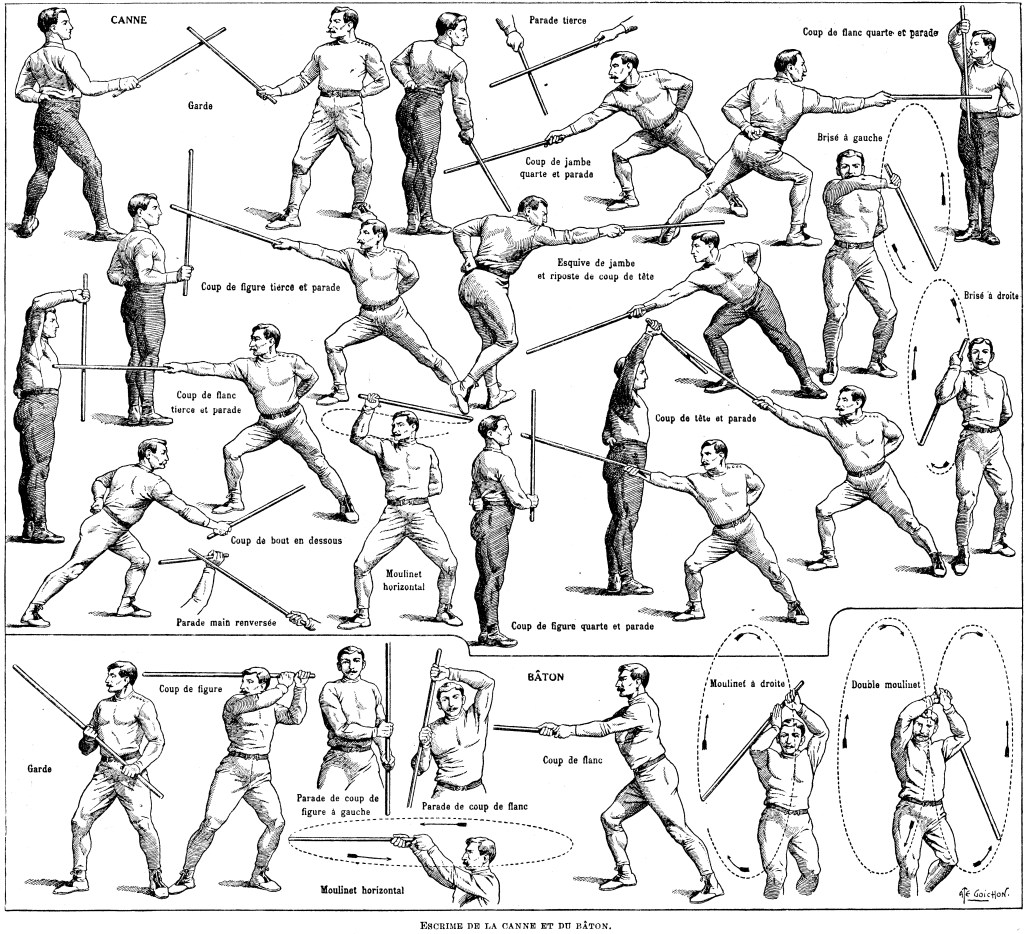
Studying stick fighting remains relevant despite the prevalence of firearms, as it offers practical benefits such as using a cane for support and self-defense. This ancient art form not only enhances physical fitness, agility, and reflexes, but also promotes mental discipline and strategic thinking, which are crucial in both combat and daily life. Additionally, stick fighting allows practitioners to connect with their cultural roots, providing valuable insights into historical combat techniques and the evolution of martial arts. This deeper understanding fosters a sense of respect for traditions and heritage that many modern disciplines lack. Moreover, the discipline fostered through martial arts can positively impact personal and professional life; skills such as focus, perseverance, and respect learned during training can enhance performance in various aspects of life, making the knowledge gained from studying stick fighting empowering and enriching. Embracing this practice can therefore lead not only to improved self-defense capabilities but also a more balanced and fulfilling life overall, encouraging individuals to build resilience and confidence in the face of challenges.


The study of the stick establishes foundational skills and dexterity for using various weapons, as sticks are commonly available in our environment compared to firearms and other weaponry. This accessibility not only encourages individuals to engage in training with an object that is both versatile and familiar, but also fosters creativity in weapon handling. Practicing with sticks allows for the development of core motor skills, balance, and coordination, which are transferable to a wide range of combat techniques.


Moreover, the simplicity of the stick serves as an accessible and versatile platform for experimentation, allowing practitioners to engage in a broad spectrum of techniques while fostering their creativity. This adaptability enables individuals to explore diverse styles and applications, whether they are focusing on traditional martial arts forms or innovative approaches that incorporate elements from various disciplines. As a result, the continuous practice and exploration not only lead to a nuanced understanding of fundamental movements but also cultivate a sense of mastery over the stick as a weapon. Ultimately, this process enhances their overall martial proficiency, equipping them with the skills needed to effectively respond to dynamic combat situations while encouraging personal growth and confidence in their abilities.

The stick serves as a versatile defensive tool for individuals who may be uncomfortable carrying more lethal options like firearms or knives due to the associated violence and potential legal ramifications; it provides them with a sense of security that is crucial in uncertain situations without crossing their personal psychological boundaries or ethical concerns. This simple yet effective instrument can empower people by allowing them to feel more prepared and confident, enabling them to navigate their environments with a degree of assurance. Furthermore, the stick is often seen as a less aggressive option, which can facilitate a non-confrontational approach to self-defense, thereby reducing the likelihood of escalating a situation into violence. By opting for a blunt weapon, individuals can maintain a sense of responsibility and control while still being ready to protect themselves if necessary.


Walking sticks are invaluable tools that provide essential stability and support, particularly for those navigating the often challenging and unpredictable conditions of uneven terrain. These instruments are especially beneficial for elderly individuals or those with mobility issues, as they help prevent falls and enhance overall confidence during movement. In addition to their primary function of assisting with balance, walking sticks can also act as a deterrent against aggressive animals. Their presence alone may discourage potential threats, and with a simple gesture, they can signal a protective stance. Beyond their defensive capabilities, walking sticks serve various practical uses, such as aiding in the clearing of paths overgrown with brush or even functioning as makeshift tent poles during outdoor adventures, showcasing their versatility in nature.


The stick serves various defensive purposes, including smashing, stabbing, binding, and tripping, and may be combined with hand and elbow techniques for enhanced effectiveness in close combat situations. Its versatility allows it to be employed in multiple ways, adapting to the unique dynamics of each encounter. The effectiveness of the stick depends significantly on its characteristics, such as length, weight, and type of wood, as these factors contribute to the force and control exerted during defensive maneuvers. While some strikes can be lethal if applied with sufficient force and precision, targeting non-lethal areas such as elbows, shins, and knees enables practitioners to engage in self-defense without inflicting fatal consequences. This approach prioritizes de-escalation and minimizing harm, thereby allowing individuals to protect themselves effectively while adhering to moral and ethical standards. Training and proper targeting play critical roles in influencing the lethality of its use, as a well-trained user is able to exploit the stick’s attributes to deliver precise and effective defensive actions. Legally, it can be viewed as a dangerous weapon, necessitating careful judgment and responsibility before use, as well as an understanding of the legal implications surrounding its application in various situations, ensuring that self-defense remains within the bounds of the law and societal norms.

The stick is a useful yet imperfect self-defense weapon that relies on the user’s skill and situational awareness. It can enhance defensive strategies, whether by creating distance from an aggressor or deflecting strikes. With proper training, individuals can learn techniques to maximize the stick’s potential, making it a versatile tool that complements other self-defense methods.

SELF DEFENSE SERIES (11/8/24) Once again, Knife Defense

Welcome to the Self Defense series, where we talk about it. The subject of Self-defense is very important, as it not only empowers individuals but also enhances their awareness of personal safety. In today’s world, being equipped with the knowledge and skills to protect oneself is essential, given the increasing concerns regarding safety in various environments. We will explore different techniques, strategies, and the mental aspects of self-defense, aiming to provide you with valuable insights that can be applied in real-life situations. Join us as we delve deeper into this vital topic, ensuring you feel confident and prepared to face any potential challenges.


Knife defense. Yes, we’re revisiting this topic because it holds significant relevance in today’s world. With incidents of knife attacks unfortunately becoming more common, understanding the techniques and strategies for self-defense is extremely important. Everyone should be equipped with the knowledge to protect themselves and their loved ones in potentially dangerous situations. Proper training can enhance awareness, improve reflexes, and provide the mental fortitude needed to react effectively under pressure. Additionally, exploring various defensive maneuvers and the psychology behind confrontations can empower individuals to respond wisely and safely.


I posted some videos to serve as resources for practical skills to handle a knife attack, covering self-defense techniques, situational awareness, and escape methods. By practicing these skills, you can enhance your confidence and preparedness for dangerous encounters, and I encourage sharing these resources with others to promote community safety awareness.

In this 1st video, special forces instructor Paulo GN Rubio of FUNKER TACTICAL, in a moment of reckless aggression, attempted to stab a United States Marine and 20-year Law Enforcement Officer with full intent and energy, wielding the knife like it was an extension of his own being. No warning! This was an impulsive action carried out with alarming fervor, full of intention and power! Each movement was raw, unrefined, and dangerously unrehearsed. Did he survive the attack? Watch and see as the events unfold!


After enduring this harrowing and humbling experience, he left Paul with 20 invaluable life-saving lessons about the complex nature of knife defense. It never looks as pretty as some would have you believe; the reality is often gritty and chaotic. Here is a no-nonsense approach to dealing with a bladed opponent, emphasizing the importance of preparation, awareness, and the mental fortitude required to endure such encounters.

These life-saving lesions are listed below:

  • DO NOT COLLECT FANCY TECHNIQUES!
  • SIMPLIFY KNIFE ATTACKS AS ABOVE OR BELOW 90 DEGREE ANGLES.
  • INCORPORATE “CONSEQUENCES” IN YOUR KNIFE TRAINING.
  • IN A FIGHT, EXPECT THAT YOU’RE GONNA GET HURT SOMEHOW.
  • GROSS MOTOR MOVEMENTS OVER FINE MOTOR MOVEMENTS.
  • BOTH THUMBS DOWN, CREATES INCIDENTAL DEFENSE FROM FOREARMS.
  • TECHNIQUES FAIL, FOCUS ON PRINCIPLES & KEEP GOING!
  • PUSHING FORWARD PREVENTS RECOIL AND RE-STAB!
  • WHAT IFS EXIST ONLY IN DEMOS. THEY DISAPPEAR WITH LIVE ENERGY.
  • FIGHTS MOVE, WE MOVE. REMEMBER THIS!
  • REMEMBER, YOU’RE GONNA GET CUT!
  • JUJITSU PRINCIPLE: STAY TIGHT!
  • IT’S NOT EASY TO SWITCH KNIFE HANDS! I’S JUST NOT.
  • SUPPORT HANDS KEEP WORKING! STRIKE OR ENFORCE CONTROL.
  • PROTECT YOUR VITALS.
  • RUN AWAY OR CRASH IN! ALL IN OR ALL OUT.
  • ISOLATE SOMETHING SMALL WITH SOMETHING BIG.
  • IMPACT WITH INTENT & AGGRESSION AT EVERY OPPORTUNITY.
  • USE ALL AVAILABLE TOOLS TO END THE FIGHT.

If you appreciated this free lesson, please say thanks to Sal by clicking on his Instagram account and giving him a follow. It means a lot to him to see support from learners like you, and by following his account, you’ll gain access to more valuable insights and resources that can enhance your knowledge even further. Here it is:   / ido_consulting

Now in this 2nd video, Paulo Rubio is himself being interviewed by Jesse Enkamp, aka THE KARATE NERD, as he shares some of his extensive experience and knowledge about this subject.


He emphasizes what truly works in self-defense scenarios and, just as importantly, what doesn’t work, helping you to avoid common pitfalls that many individuals face when confronted with threatening situations. By providing clear demonstrations, the training allows you to understand not only the actions to take but also the mindset needed for effective self-defense.

Thanks to FMJ Shooting Range, a hub for firearms training and self-defense courses: https://www.fmjskytte.se/english/, you have the opportunity to train in a supportive environment that prioritizes real-world self-defense. Train with Paulo GN Rubio: https://www.trainwithgn.com/, where you can refine your skills further and gain confidence in your ability to respond effectively in high-stress situations. Reinforce your knowledge through hands-on experience, supported by expert insights and drills that prepare you for the realities of knife encounters.

Knives, as well as other weapons, have been developed and used extensively by Capoeiristas for centuries, playing a significant role in various combat styles and self-defense techniques within the practice.


Although they may have fallen out of use in recent years due to the modern emphasis on unarmed techniques, some schools still place a strong focus on developing and refining these skills. The integration of weapon training not only enhances a practitioner’s overall proficiency but also helps them understand the principles of movement, timing, and distance in a more comprehensive way. Moreover, this traditional aspect of Capoeira helps preserve the cultural heritage and history associated with the art, ensuring that future generations remain connected to its rich legacy.


Knife defense is more than just the simplistic notions of “run away” or “expect to get cut”; it involves a comprehensive understanding of situational awareness, risk assessment, and techniques to either de-escalate a confrontation or effectively protect oneself should an attack occur. It requires training in recognizing potential threats before they escalate, as well as developing reflexes and strategies to respond swiftly and efficiently to an assailant’s movements.

Furthermore, awareness of the environment, the use of improvised barriers, and maintaining a calm demeanor play crucial roles in surviving such confrontations, making knife defense a multifaceted discipline that goes well beyond mere survival instincts. It involves a deep understanding of the surroundings, allowing individuals to identify potential escape routes and obstacles that can be utilized to their advantage. Additionally, the ability to create improvised barriers—from everyday objects like chairs to more substantial obstacles—can provide essential protection during a potentially life-threatening encounter. Coupled with this, cultivating a calm demeanor can significantly enhance one’s decision-making process, enabling the individual to react with clarity instead of panic, ultimately transforming a desperate situation into a more manageable challenge. It is this blend of mental preparedness, environmental awareness, and tactical response that elevates knife defense into an art form, requiring both psychological fortitude and physical dexterity.

Now this is what I call “LIVING DANGEROUSLY”

The title of this blog may seem to make light of what I’m going to “type” about, but this is very serious.

I came across this short video today called, “I have a stalker?” featuring this young, beautiful woman who receives a mysterious bouquet of flowers and some blueberries from an anonymous person. I don’t know her personally, and I truly hope that this is merely a skit or performance art designed to provoke thought, because after what I saw in this video, I became extremely worried for this woman, pondering whether she truly understands the implications of such encounters and the potential dangers that might arise from unknown admirers.

I couldn’t help but wonder if she’s taking precautions for her safety, as the line between admiration and obsession can sometimes blur alarmingly fast.

So, I decided to make this post to remind you all out there, especially this young woman, to be extremely careful.


Now, let me tell you guys what I found to be so disturbing about this particular video.

First of all, if she doesn’t know this person, “how did he/she know where she lived?” “How did he/she know the things this woman liked?” These questions linger in the air, planting seeds of doubt and suspicion. It’s unsettling to think about how easily someone could gather such personal information without any obvious connection. What kind of effort did this individual put into discovering her habits, her preferences, and her every move? Is there a deeper, more sinister motive behind this knowledge, or is it simply a case of coincidence? Things to ponder as the mystery unfolds and the implications of these revelations begin to take shape…

But anyway, you shouldn’t eat anything that was sent by an anonymous person. Yes, it could be just genuine love from a fan or a loved one, and if it’s not a skit, I really hope it was. However, I don’t think it’s a good idea to eat blueberries from a bouquet sent by a stranger, and that too an anonymous stranger. Trusting unknown sources with something as personal as food can lead to dangerous situations that are entirely avoidable.

And I don’t know if you know this or not, there is a berry called NIGHTSHADE, which is FATAL if you eat it and can look and taste like blueberries if you don’t know the difference. The fact that even experienced foragers can misidentify such dangerous plants highlights the critical importance of understanding what we consume.

Also, I don’t know what kind of flowers are paired with those berries, but they look like FOXGLOVE. Even just touching it can give you blood poisoning, making the risks even greater than they might initially seem. It’s not just about avoiding consumption; if you touch it and feel a burning or itching sensation, please go to the ER! Always prioritize your safety and be cautious about what enters your home, especially when it comes from unknown origins.

Like I “typed” before, I truly hope that this was sent by a loved one, or one of her admiring fans, but if somebody wanted to hurt her… I shudder to think about what could have happened.

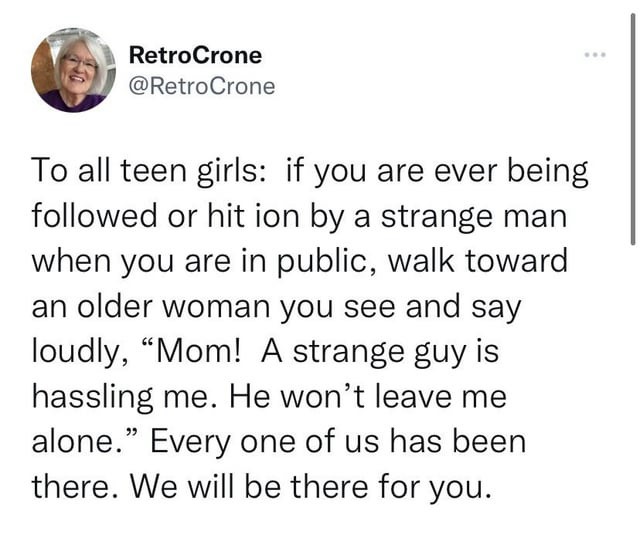
Stalking is a very serious issue, one that shouldn’t be taken lightly. It affects countless individuals and can lead to severe emotional and psychological distress. Below, I posted a couple of more videos to show you exactly WHY this subject should be taken seriously, as they provide firsthand accounts and expert perspectives that illuminate the real-life consequences of stalking. These resources aim to raise awareness and encourage discussions about preventive measures, legal actions, and support systems available for victims. We must understand the gravity of this issue to foster a safe and supportive community.


Once again, to the woman in the 1st video; I saw that you made several videos after this one, which truly brings me relief and joy, knowing that you are safe and continuing to express yourself.

However, please remember to be cautious as you navigate your journey and the world around you. There are many uncertainties out there, so prioritize your safety above all else. Your well-being is invaluable, and we look forward to seeing more of your authentic content in the future. Just remember, BE SAFE, and take care of yourself out there.