The traditional code of martial arts, often rooted in historical and cultural imperatives, places an undeniable emphasis on the loyalty of the student to the teacher, or sensei, sifu, or master. This foundational pillar of the student-teacher relationship is essential for preserving the art’s integrity, ensuring safe and disciplined practice, and maintaining the lineage of knowledge. The student, by submitting to the teacher’s guidance, demonstrates a necessary humility and commitment required for genuine mastery.
However, the question of whether this loyalty is a two-way street—should a teacher have loyalty to his students?—is a profound ethical inquiry that moves beyond mere tradition into the realm of true mentorship and responsibility. A teacher’s loyalty to their students is not manifested as simple obedience, but rather as a solemn, active commitment to their well-being, growth, and moral development. This loyalty should encompass several critical dimensions:
Commitment to Truth and Quality of Instruction: The teacher owes the student loyalty by ensuring the instruction is authentic, thorough, and safe. This means teaching the techniques as they were inherited, not diluting the art for convenience, and prioritizing the student’s safety above all else, especially during sparring or high-intensity practice.
Investment in Personal Growth: True loyalty means seeing the student’s potential and actively working to help them achieve it, even if it means challenging them or delivering difficult truths. It is a commitment to fostering not just a skilled fighter, but a disciplined, ethical, and productive person. This requires a teacher to invest time, personal attention, and emotional energy beyond the scheduled class time.
Ethical Advocacy and Protection: A loyal teacher defends their students from injustice within the dojo/school and protects their reputation outside of it. This includes setting a strong moral example and ensuring the training environment remains respectful and free from exploitation. The teacher acts as a guardian of the student’s physical and psychological well-being.
Succession and Legacy Planning: In the long term, a teacher’s loyalty is demonstrated by their willingness to pass on the complete knowledge of the art, empowering the most dedicated students to eventually become teachers themselves. This selfless act of sharing power and knowledge ensures the art’s survival and is the ultimate expression of faith in the student.
A couple of recent, deeply resonant events have inspired me to write this post about the complex and profound concept of discipleship, particularly as it manifests within the structured, often ancient, world of martial arts training. It is a relationship dynamic that transcends mere instruction, becoming a crucible for character development, moral fortitude, and the transmission of a living, breathing tradition.
Specifically, I’ve been reflecting intensely on two distinct and highly contrasting situations that unfolded this past week, both involving two of my teachers. These situations brought the nature of the student-teacher relationship, and the personal sacrifices required on both sides, into sharp, unforgettable focus.
The first instance involved one of my teachers who found himself in an ethical quandary—a situation where the institutional framework, the organizational politics, or perhaps the compromised actions of those around him ran directly contrary to his core principles and the authentic teachings he upholds. For this master, the art is not a commodity or a social club; it is a sacred trust. To maintain his integrity and to protect the purity of the art he teaches, he made the incredibly difficult and painful decision to cut himself off entirely from us, his students, and from the wider organization that housed the training. This act, I believe, was not one of abandonment but one of profound responsibility—a necessary, surgical severance to exit a systemic situation he was fundamentally not in agreement with. In his mind, to continue participating would have meant endorsing a deviation from the truth of the tradition. His retreat served as a stark and powerful lesson on the importance of moral conviction, the absolute necessity of ethical congruence, and the immense personal cost of adherence to a higher standard, proving that true martial spirit is sometimes expressed through strategic withdrawal rather than aggressive engagement.
Conversely, the second situation involved my other teacher who undertook a journey of intense self-improvement and steadfast dedication to the lineage. He traveled back to the wellspring of our specific tradition, to the original source, to learn directly from HIS teacher, his own master. This pilgrimage was not motivated by ego or simple curiosity; it was a mission purely dedicated to deepening his knowledge, mastering more advanced, perhaps esoteric techniques, and absorbing essential, often forgotten, teachings that can only be transmitted in person. His intention was not self-serving; it was a palpable commitment to the longevity of the lineage and the purity of the transmission. He went, metaphorically, to fill his cup to its brim so that he could pass on these elevated and refined teachings to us, his students, when he returned here to the U.S.A. This teacher’s action highlighted the exquisite beauty of the never-ending cycle of learning and teaching—the selfless act of bridging the gap between the ancestral source and the students on the periphery, ensuring the river of knowledge continues to flow strong and untainted.
These two events—the noble retreat for integrity and the devoted journey for knowledge—form the perfect, complete illustration of the two indispensable poles of true discipleship: knowing when to stand apart for the truth, even if it means solitude, and knowing when to immerse yourself fully to bring the truth back to your community. They underscore the critical point that the path of a martial arts student is not just about physical technique, strength, or competitive achievement but is fundamentally about moral growth, unwavering loyalty, and the continuous, often arduous, search for authentic wisdom. The lessons learned outside the dojo’s walls ultimately define the character within them.
Therefore, while student loyalty, or shitei kankei, is undoubtedly a prerequisite for absorbing and internalizing the complex lessons of the art, teacher loyalty is the non-negotiable ethical prerequisite for true mentorship. Without the master’s reciprocal commitment—a profound, non-transactional dedication to the student’s holistic well-being, growth, and moral development—the entire relationship risks becoming purely transactional, self-serving, or even exploitative. The martial arts code, at its highest level, demands not just obedience, diligence, and respect from the student, but it mandates a profound, responsible, and ethical loyalty from the master to the student. It is this reciprocal bond, forged in mutual respect and commitment to truth, that defines the authenticity and power of the martial arts lineage.
A couple of recent events have deeply inspired me to write this post about the complex and profound concept of discipleship, particularly as it manifests within the structured world of martial arts training. Discipleship, in this context, goes beyond mere instruction; it embodies a journey of transformation, where students cultivate not only physical skills and techniques but also mental resilience and emotional growth. As practitioners engage with their instructors and peers, a rich tapestry of relationships is woven, characterized by mutual respect, shared challenges, and the pursuit of mastery. This dynamic environment fosters a deep sense of commitment, encouraging individuals to delve into philosophical discussions around discipline, ethics, and the core principles that underpin their martial practice. Through this lens, discipleship emerges as a vital avenue for personal development, allowing individuals to explore their own identities while forging a meaningful connection with the martial arts community.
Specifically, I’ve been reflecting intensely on two distinct and highly contrasting situations that unfolded this past week, both involving two of my teachers. These situations brought the nature of the student-teacher relationship, and the personal sacrifices required on both sides, into sharp focus.
One teacher found himself in an ethical quandary, a situation where the institutional framework or the actions of those around him ran contrary to his core principles and the authentic teachings he upholds. To maintain his integrity and to protect the purity of the art he teaches, he made the difficult and painful decision to cut himself off entirely from us, his students, and from the wider organization. I think he felt that this act was not one of abandonment but one of profound responsibility—a necessary severance to get out of a situation he was fundamentally not in agreement with. It served as a stark lesson on the importance of moral conviction and the personal cost of adherence to a higher standard.
Conversely, my other teacher undertook a journey of self-improvement and dedication. He traveled back the wellspring of our specific tradition, to learn directly from HIS teacher, his own master. This pilgrimage was purely dedicated to deepening his knowledge, mastering more advanced techniques, and absorbing essential, perhaps forgotten, teachings. His intention was not self-serving; it was a commitment to the lineage. He went to fill his cup so that he could pass on these elevated teachings to US, his students, when he returned here to the U.S.A. This teacher’s action highlighted the beauty of the never-ending cycle of learning and teaching—the selfless act of bridging the gap between the source and the students on the periphery.
These two events—the noble retreat for integrity and the devoted journey for knowledge—form the perfect illustration of the two poles of discipleship: knowing when to stand apart for the truth, and knowing when to immerse yourself fully to bring the truth back. They underscore that the path of a martial arts student is not just about physical technique but also about moral growth, unwavering loyalty, and the continuous search for authentic wisdom.
Although the idea doesn’t seem to be popular these days, the journey through the Martial Arts can be profoundly understood as an apprenticeship—a structured, long-term educational process centered on mentorship, practical skill acquisition, and the cultivation of disciplined character. Unlike typical modern fitness classes or quick-fix courses, traditional martial arts disciplines, whether they be Karate, Kung Fu, Judo, Taekwondo, or others, necessitate a deep, personal commitment akin to learning a classical trade. This perspective elevates the practice from a mere hobby or sport to a comprehensive way of life and a method of deep personal transformation.
The Martial Arts as a Classical Apprenticeship
Viewing the study of martial arts through the lens of an apprenticeship brings into focus the crucial roles of time, repetition, and the Sensei or Master. In a traditional apprenticeship, the novice commits to years of patient, hands-on learning under the direct supervision of an expert. Similarly, the martial arts require the student to submit to a long-term curriculum that cannot be rushed. Mastery is not achieved through a series of weekend workshops, but through thousands of hours of deliberate practice.
This structure emphasizes several key elements inherent in the apprenticeship model:
The Master-Student Relationship (Mentorship): The core of the apprenticeship is the deep, almost familial bond between the Master (Sensei, Sifu, Sabomnim) and the student. The Master’s role extends far beyond merely teaching techniques; they are the living embodiment of the art’s philosophy and a guide for the student’s personal conduct. This mentorship instills patience, humility, and respect—values that are often secondary in modern, commercialized settings.
Practical Skill Acquisition and Repetition (The Craft): Just as a blacksmith repeatedly works the forge, the martial artist must drill forms (kata), sparring sequences (kumite), and fundamental movements hundreds of times until they become instinctive, reflexive actions. The doing is the learning. This tangible, practical focus separates the training from purely academic pursuits, rooting the knowledge in the body.
The Cultivation of Disciplined Character (The Way of Life): An apprenticeship is as much about character development as it is about skill. The rigorous physical demands, the necessity of absolute focus, and the requirement to constantly confront one’s own limitations force the student to build a durable inner strength. Qualities such as perseverance (Osu), mental fortitude, integrity, and ethical conduct are implicitly woven into the fabric of the training.
By reclaiming this historical and philosophical understanding, the martial arts are recognized not just as a means of self-defense or physical fitness, but as a profound educational path—a Dō or Tao—that shapes the individual into a more capable, disciplined, and complete human being.
This profound apprenticeship is characterized by several indispensable elements:
1. The Master-Apprentice Relationship (Sensei/Sifu and Student): The Crucible of Transmission
The relationship between the experienced instructor and the student is the foundational core of traditional martial arts, serving as the essential conduit for the art’s transmission. This is an inherently direct, often intimate, dynamic, wherein the instructor—variously known as Sensei (Japanese), Sifu (Chinese), or Sabomnim (Korean)—acts as the primary master, guiding the apprentice student. This master-apprentice paradigm is the very heart of how these ancient traditions are passed down.
The master’s role transcends simple academic teaching; they are a living repository of the art’s accumulated wisdom and history. Knowledge is not transmitted primarily through lectures or static books, but through an immediate, visceral process: direct demonstration, physical correction that fine-tunes the student’s body mechanics, subtle non-verbal cues that communicate intent and timing, and countless hours of shared, rigorous, and often grueling practice. This constant, physical proximity allows for the transfer of deep, subtle knowledge that cannot be captured in written form.
This master-apprentice relationship within the martial arts tradition is a foundational element, one that far exceeds the transactional nature of a typical modern student-teacher dynamic. The posture required of the apprentice is one defined by deep, unconditional respect, which is a philosophical and ethical cornerstone of the practice. This reverence is known as Rei in Japanese or Li in Chinese, a formal and essential acknowledgment of the master’s wisdom, profound experience, and established position within the lineage.
This reverence is not passive; it is actively manifested through diligent observation and the unwavering, disciplined application of instruction. The process necessitates a complete, though temporary and focused, submission to the master’s guidance. This submission is crucial because the master, having traversed the full path of the art, sees the student’s errors and potential more clearly than the student can themselves. The apprentice must willingly cede control over their learning process to absorb the instruction without the interference of ego or prior assumptions.
Ultimately, this dynamic is not merely about the mastery of physical instruction; it is a sacred conduit for the transmission of the art’s entire, holistic essence. The master, or Sensei (Shi-fu), is entrusted with the sacred duty of passing down the direct lineage, a responsibility that ensures the purity, integrity, and authenticity of the system remain intact across generations.
This transmission encompasses several interlocking components:
Intricate Physical Techniques: The obvious element, including forms, strikes, blocks, throws, and joint locks, all requiring precise execution.
The Underlying Philosophy: More profoundly, the master imparts the ethical codes (Bushidō in Japanese, Wude in Chinese), the stringent mental discipline required for true mastery, and the very way of life that the art embodies.
Historical Context and Lineage: The instruction must encompass the art’s historical context, rooting the student firmly in the tradition’s past, giving their practice meaning beyond mere self-defense.
The Transmission of Spirit: Crucially, the master transmits the very spirit, or vital energy—Ki in Japanese, Chi in Chinese. This is the internal focus, the spiritual or energetic power that is the wellspring of all techniques and the defining characteristic of a truly potent practitioner’s presence. Without this internal transmission, the techniques remain hollow movements.
In this surrogate familial structure, the master takes on a multifaceted role: they are a technical guide, meticulously correcting form and substance; a harsh but necessary critic, demanding continuous improvement and self-honesty; and often a surrogate elder or parent. Their responsibility extends well beyond the dojo or training hall, focusing on shaping not just the student’s physical abilities and technical proficiency but, more critically, their ethical foundation, moral compass, and character. The ultimate goal is to cultivate a complete human being—one who is disciplined, humble, capable, and prepared to carry the tradition forward.
2. Repetitive, Foundational Practice: The Forging of Muscle Memory and Mind
The initial phase of martial arts training, often characterized as an apprenticeship, is a rigorous and protracted endeavor focused overwhelmingly on the mastery of fundamental mechanics. This core curriculum encompasses essential elements such as fundamental stances (kamae), defensive movements or blocks (uke), offensive strikes (tsuki or da), various kicking techniques, and the critical skill of falling safely (ukemi). This is a crucible for the aspiring student, a demanding period that tests the limits of their discipline. It is defined by the severe, yet absolutely indispensable, exercise in cultivating patience, achieving unwavering precision, and developing profound humility, as the apprentice is mandated to drill the same core movements not just dozens, but literally hundreds or even thousands of times.
This pervasive and sometimes tedious repetition is far from a mindless exercise; it is, in fact, a deeply deliberate and sophisticated process engineered to achieve specific physiological and cognitive goals. Its primary function is the forging of indelible muscle memory, a subconscious, automatic recall of movement patterns that bypasses conscious thought. Through this constant drilling, the mechanics of each technique are systematically internalized, transforming complex physical actions into innate motor programs. Crucially, this period also develops the deep, intrinsic, and structural strength—the connective tissue and core stability—required to execute techniques with flawless power and endurance, preventing breakdown under stress.
The ultimate objective of this intensive physical conditioning is to render the body’s physical response automatic and utterly spontaneous—a true reflex rather than a deliberate, multi-step thought process. This transformation is vital because it allows for the instantaneous and highly effective application of technique in dynamic, unpredictable, and high-stakes situations. Only once the foundational movements are truly “owned” by the body—meaning they can be executed perfectly without conscious deliberation—can the apprentice move beyond mere technique and begin the true exploration of the art. This higher level of training involves delving into the subtle, advanced principles of martial timing (ma-ai), judging and controlling distance, reading an opponent’s intention, and manipulating energy (kiai or chi), which represent the true philosophical and strategic depth of the martial discipline.
3. The Progression of Belts/Ranks (The ‘Journeyman’ Path): A Codified Roadmap
The structured progression of a student through the martial arts is concretized by the belt or ranking system, which, in Japanese disciplines, is famously known as the Kyu (student) and Dan (master) grades. This system is not merely a formality; it serves as a visible, codified roadmap for the entire journey of apprenticeship, charting the student’s development from absolute beginner to seasoned instructor. Each successive rank represents a distinct, achieved stage of competence, technical proficiency, and, perhaps most fundamentally, a deepening commitment to the art.
Advancement within this structure is never arbitrary. It demands the complete and demonstrable mastery of a specific, rigorous syllabus. This curriculum typically includes a complex array of practical techniques, the precise execution of fixed forms (kata in Japanese, t’ao lu in Chinese), and a thorough assimilation of theoretical and philosophical knowledge underpinning the physical movements. Only after the instructor deems the student has met these exacting standards is the student permitted to participate in the formal testing or examination for the next level.
The transition from the kyu grades (the apprentice or novice levels, often marked by colored belts) to the dan grades (the master or “journeyman” levels, traditionally marked by the black belt) signifies a fundamental and profound shift in the practitioner’s understanding. At the kyu level, the student’s primary focus is external: learning what a technique is, and drilling how to perform the sequence of movements with correct form. It is the phase of imitation and absorption, focusing on volume and repetition to build muscle memory and basic competency.
The dan level, however, marks a true conceptual and practical transformation. The practitioner moves decisively from merely performing techniques—a reliance on rote memory and physical drilling—to truly embodying and understanding the underlying principles. This includes recognizing the physics of the movement, the efficiency of energy and movement economy, and the deep strategic application of force and timing. The black belt is not the end of learning, but rather the recognized beginning of mastery, a commitment to a lifetime of refinement. The advanced dan ranks eventually identify those highest-ranking students who are deemed capable of preserving the art’s integrity, teaching its complex lessons, and passing on the tradition to the next generation. These individuals complete the cycle of apprenticeship and assume the ultimate responsibility of the master (sensei or shifu), ensuring the art’s continued survival and evolution.
4. Character and Ethical Development: The Holistic Training of the Self
The martial arts apprenticeship is crucially and fundamentally a holistic endeavor. Its scope extends far beyond mere physical conditioning and combative technique, focusing with equal, if not greater, intensity on the moral and ethical maturation of the student. This dimension is often encapsulated by concepts such as Dō (The Way) in Japanese and Korean systems, signifying the path of life and self-cultivation, or Li (Propriety/Ritual) in Chinese traditions, emphasizing correct conduct and social harmony.
The specific training environment—whether the Japanese Dojo (Place of the Way), the Chinese Kwoon (Training Hall), or the Korean Do Jang (Place of the Way)—functions as a unique, controlled laboratory for life itself. Within its walls, abstract virtues are rendered concrete and are drilled and tested alongside physical techniques. Lessons in humility, which must supplant ego; resilience, which demands persistence through physical pain and failure; perseverance, which solidifies commitment over years; self-control, which must master the body’s movements and the mind’s impulses; and respect, which is demonstrated through formal bows and careful observance of hierarchy and tradition, are not merely discussed. They are embodied through the rigorous demands of practice, the high-pressure environment of sparring (kumite or sanda), and the strict adherence to the formal etiquette and rituals of the training hall.
Furthermore, the master (Sensei, Sifu, or Sabomnim) serves as an explicit and essential moral and philosophical guide. Their role is to ensure that the formidable physical skills acquired are perpetually tempered by an unshakeable ethical code. They emphasize the philosophical tenets central to the art—such as the austere tenets of the Bushido code (Rectitude, Courage, Benevolence, Respect, Honesty, Honor, Loyalty) or the Five Tenets of Taekwondo (Courtesy, Integrity, Perseverance, Self-Control, Indomitable Spirit). This guidance reinforces the central, ancient idea that the formidable power learned is fundamentally meant for self-improvement, the cultivation of robust physical health, and the ethical, measured defense of self and others. It is emphatically and universally forbidden for aggression, boastfulness, or malice. The ultimate, overarching goal is not merely the creation of a capable fighter, but the creation of a refined and powerful human character, one capable of great discipline, profound wisdom, and ethical leadership in the broader world. This journey ensures that physical prowess remains subservient to moral integrity.
The philosophy of the Martial Arts, when approached through the lens of an apprenticeship, reveals a comprehensive system of personal development that extends far beyond mere physical combat training. This perspective fundamentally acknowledges the essential prerequisites for true mastery: the necessary time commitment, which demands patience and sustained effort over years, rather than seeking instantaneous results; the profound discipline, encompassing rigorous physical training, unwavering mental focus, and the consistent adherence to a demanding code of conduct both inside and outside the training hall; and the vital submission to expert guidance. This submission is not passive surrender, but a proactive trust in the knowledge and experience of the Master (Sensei or Sifu), recognizing that their wisdom shortens the path and safely guides the student through technical complexities and internal challenges.
The ultimate goal of this apprenticeship is the comprehensive personal transformation required to truly embody and master the art. This transformation is holistic, forging a deep connection between mind, body, and spirit. Through constant repetition and pressure, the practitioner confronts and overcomes personal limitations, fear, and ego. The physical techniques—the striking, blocking, throwing, and grappling—become merely the outward expression of a deeper, internal mastery.
The demanding process of martial arts training is, fundamentally, a crucible for character development. Consequently, the practitioner graduates from this apprenticeship not merely with a collection of formidable physical skills—such as the ability to execute effective defensive techniques or compete at a high level—but with a far more valuable asset: a deeply refined character. The relentless, often repetitive discipline ingrained through years of commitment in the dojo or training hall has transformative effects that extend far beyond physical competence.
This internal discipline directly translates into tangible virtues in daily life. It cultivates resilience in the face of adversity, enabling the individual to face professional setbacks or personal crises not with panic, but with a trained steadiness and an analytic mindset. It fosters unwavering integrity in professional and personal dealings, as the commitment to an ethical code of conduct is a core pillar of most martial arts philosophies. Furthermore, the reality check that comes with consistent training, understanding one’s own limits, and learning from opponents instills a profound humility in success. The accomplished martial artist knows that true mastery is a continuous journey, not a destination. This refined character is what truly prepares the individual to be ready to navigate the complexities of life with equanimity and power. The ‘power’ derived from martial training is often misunderstood; it is less about physical domination and more about self-control, mental clarity, and the quiet confidence to act decisively and ethically. The practitioner gains the ability to remain calm under pressure, to analyze a situation dispassionately, and to choose the most constructive and morally sound course of action. Thus, the martial arts apprenticeship transcends a mere physical education; it becomes a profound, lifelong study in the art of living, shaping a capable, ethical, and self-possessed human being.
Capoeira Angola, often celebrated for its cultural richness, historical significance, and unique blend of movement, music, and ritual. However, a deeper, more ‘realistic’ examination reveals a complex and crucial duality in its practice: its direct applicability to both physical conflict (“violence”) and the cultivation of social harmony and personal well-being (“peace”). This dichotomy is not a contradiction but rather a reflection of the art form’s historical roots and its enduring relevance as a system of self-defense, resistance, and community building.
The Practical Reality of Capoeira Angola: From Clandestine Resistance to Modern Self-Defense
Historically, Capoeira was not merely a dance or an athletic pursuit; it was forged in the crucible of oppression. Developed as a clandestine form of combat by enslaved Africans in colonial Brazil, it served as an absolutely vital tool for survival and armed resistance against the brutal tyranny of their oppressors and the slave-catchers known as capitães do mato. The movements, cloaked in the guise of ritual and folklore, allowed practitioners to train lethal fighting techniques in plain sight, a masterful act of cultural and martial deception.
The Unflinching Reality: Capoeira Angola’s Combative Core
The designation of Capoeira Angola as “realistic” stems from its core philosophy: an unyielding recognition and dedicated mastery of its highly effective combative and tactical methodologies. This profound combat efficacy, however, is frequently veiled by the system’s characteristic, almost deceptive, aesthetics. At a superficial glance, a session of Capoeira Angola within the roda (the circle in which the art is performed) presents an image of fluid, low-to-the-ground grace, deliberate, almost near-meditative pacing, and an appearance that is often playful and non-contact. Yet, beneath this artistic facade, the fundamental movements and principles of the system are deeply rooted in practical, close-quarters fighting, strategically engineered to disable or effectively evade an opponent in a real-world confrontation.
The historical context of Capoeira Angola further cements its “realistic” dimension. Developed by enslaved Africans in Brazil, it was a necessary tool for survival, self-defense, and silent rebellion. It was designed to be inconspicuous—appearing as a dance or a ritualistic game to slave owners—while simultaneously functioning as a devastatingly effective martial art. This dual nature is the very essence of its deceptive power.
Combative Techniques and Strategic Deception
Key techniques within the Angola repertoire are explicitly and unapologetically combative, tailored for maximum disruption and force application.
Sweeps and Takedowns (Rasteiras and Chapas): The swift, often unexpected sweeps (rasteiras) are not merely for show; they are precision strikes targeting an opponent’s lower body and base. Their goal is to instantly dismantle stability, sending the opponent crashing to the ground and making them vulnerable to follow-up strikes or disengagement. Similarly, the bênção (blessing), often misinterpreted as a simple push, is a powerful, straight-leg thrust kick used to create distance, break an opponent’s posture, or deliver a jarring impact to the midsection.
Headbutts and Close-Range Strikes (Cabeçadas and Cotoveladas): The powerful headbutts (cabeçadas) are delivered with jarring, concussive force, often following a low dodge or a deceptive close-quarters movement. They are weapons of last resort or sudden opportunity, highly effective in clinching range. Various elbow strikes (cotoveladas) and knee strikes are integrated into the flow, exploiting openings created by the opponent’s overcommitment or momentary lapse in defense.
Deceptive Ground Maneuvers: The low, ground-based movements—the signature of Angola—are fundamentally strategic. They allow the practitioner to evade high attacks, manage the distance, and transition into clinching, trapping, and finishing maneuvers with explosive speed. These ground movements hide the practitioner’s intent and position the body for powerful, upward-delivered attacks that an opponent may not anticipate.
The Power of Deliberate Pacing
Crucially, the slow, strategic pacing of Angola is not a reflection of weakness or a simple aesthetic choice; rather, it is a highly sophisticated method of psychological and physiological warfare. It functions on multiple levels:
Energy Management: The slow movements conserve energy, allowing the practitioner to maintain a high level of physical engagement for an extended period, waiting for the perfect opportunity.
Lulling the Opponent: This deliberate tempo is used to lull an opponent into a false sense of security, encouraging them to be careless, overcommit, or mistake the art for a mere dance. This is the core of the art’s deception (mandinga).
Disguising Intent: The slow, fluid movements effectively mask the practitioner’s true intentions, making it nearly impossible for an adversary to predict the moment of attack. The transition from a graceful, low-speed motion to an attack is almost instantaneous.
This deliberate slowness allows for a split-second transition into the explosive power and surgical precision required to execute a disabling or fight-ending move. This capability—the seamless shift from passive deception to aggressive force—solidifies Capoeira Angola’s reputation not just as a cultural tradition, but as a formidably deceptive and profoundly effective fighting system.
A truly realistic approach to Capoeira Angola training emphasizes a deep, intuitive understanding of critical combative principles:
Timing: The ability to move and strike precisely when the opponent is committed or off-balance.
Distance Management (Jogo de Distância): The mastery of controlling the space between opponents, ensuring maximum defense and optimal offensive opportunity.
Body Mechanics: The efficient and powerful use of the body as an integrated weapon system, where every movement has the potential for attack or defense.
By focusing on these principles, practitioners understand that the skills learned are potent tools for self-defense and conflict resolution. This combative realism acknowledges that, while Capoeira Angola promotes community, culture, and peace, its foundation is a highly effective fighting art that can and must be deployed for survival in dangerous, real-world scenarios.
The Foundation for Peace:
Conversely, the practice of Capoeira Angola is intrinsically linked to the pursuit of peace, both internal and communal. This aspect is manifested through several key elements:
Ritual and Philosophy: The roda itself is a microcosm of society, where rules, respect, and mutual understanding are paramount. The art emphasizes malícia (cunning, street smarts) combined with mandinga (a mystical, almost magical quality of deception), which encourages outsmarting an opponent rather than simply overpowering them. This strategic, non-destructive engagement is a fundamental lesson in non-violent conflict resolution.
Community and Respect: The highly structured nature of the classes, the mandatory use of Portuguese, the singing, and the playing of instruments foster discipline, cross-cultural communication, and deep mutual respect among practitioners (known as capoeiristas). The hierarchy of the school, headed by a Mestre, instills values of mentorship and humility.
Physical and Mental Discipline: The rigorous training provides a positive outlet for aggression and frustration, channeling potential “violence” into constructive physical expression and artistic performance. The focus on rhythm, balance, and endurance cultivates inner peace, self-awareness, and mental fortitude.
In conclusion, the document titled “Realistic Capoeira Angola for violence and peace” argues compellingly that Capoeira Angola is far more than a mere dance or performance; it is a profound martial art that holds a unique, almost paradoxical, capacity for shaping its practitioners. It masterfully encapsulates the core duality of the human experience: the potential for effective violence and the aspiration for a peaceful existence.
The practice instills in its students the knowledge and physical skills necessary to defend themselves effectively, honoring its historical development as a clandestine, combative system created by enslaved Africans for survival and liberation. The realism of its application in a violent context is never dismissed but is instead embraced as a vital part of the art’s heritage and a foundation for personal security.
Simultaneously, however, Capoeira Angola transcends its combative roots by providing a comprehensive philosophical and cultural framework for living. Through its deeply embedded rituals, music, communal interaction, and respect for the Mestre (master), the art cultivates qualities essential for social harmony: discipline, which guides the relentless pursuit of skill; respect, which governs the relationship between players, the community, and the tradition; and an overarching commitment to a harmonious life, where conflict is minimized and human connection is valued.
Crucially, the art does not attempt to sanitize or ignore its violent lineage. Instead of repressing its potential for conflict, Capoeira Angola transmutes this raw energy—this potential for force—into a powerful, constructive, and culturally rich mechanism. The Roda (the circle in which Capoeira is played) becomes a controlled laboratory where the energies of conflict and cooperation are channeled through a dialogue of movement. This cultural mechanism ultimately promotes social cohesion, turning individual strength into collective resilience and self-defense into a tool for community building and peace. It is in this dynamic interplay—where the lessons of effective violence are used to frame a life dedicated to peace—that the art of Capoeira Angola truly finds its powerful and enduring significance.
I dedicate this post to my good friend and Capoeira brother, Cheyenne Amen. He is a true warrior, not only having studied many martial arts, but has seamlessly incorporated many ancient and modern weapons in his practice. His dedication extends beyond the physical, delving into the philosophical and historical aspects of combat. Cheyenne’s mastery is evident in his fluid transitions between empty-hand techniques and the use of various implements, including the very subject of this article: firearms. His unique ability to integrate these seemingly disparate disciplines offers invaluable insights into the holistic understanding of self-defense and martial prowess.
Martial Arts and the Acquisition, Learning, and Use of Firearms: A Deeper Look
This exploration will delve into the diverse and interconnected world of martial arts, examining a fascinating spectrum of disciplines that range from the rhythmic and deceptive movements of Capoeira Angola to the practical and combative applications of Kali, Arnis, and Escrima. We will also encompass the historical and cultural significance of Esgrima de Machete Y Bordon, and crucially, address the critical considerations surrounding the acquisition, learning, and responsible use of firearms. This journey aims to foster a deeper understanding of the intricacies, philosophies, and practical applications of these unique and powerful systems, highlighting the human capacity for skill, discipline, and responsible action in both historical and contemporary contexts.
Capoeira Angola: The Art of Deception, Flow, and Cultural Resilience
Capoeira Angola, an art deeply embedded in Afro-Brazilian culture, transcends the simple definition of a fighting style. It is a profound and complex tapestry woven from acrobatics, dance, music, and ritual, often ingeniously disguised as playful interaction. Its movements are characterized by a remarkable fluidity, low, grounded stances, and an unwavering emphasis on deception. Practitioners master the art of feints, unexpected shifts, and a dynamic interplay of evasion and attack designed to unbalance and disorient opponents.
The very heart of Capoeira Angola beats within the roda, or circle, where practitioners engage in a vibrant, improvisational dialogue of movement. This dialogue is not merely physical; it is guided and inspired by the evocative rhythms of the berimbau – a single-string percussion instrument – alongside other traditional instruments such as the atabaque (drum), pandiero (tambourine), and agogô (bell). The music dictates the speed, intensity, and style of the game, creating an almost hypnotic atmosphere that allows for both fierce combat and profound artistic expression.
Beyond its demanding physical requirements, Capoeira Angola cultivates a comprehensive set of virtues. It instills rigorous discipline, enhances self-awareness through constant introspection and adaptation, and fosters a profound appreciation for its rich cultural heritage. Originating as a means of resistance and self-preservation among enslaved Africans in Brazil, Capoeira Angola embodies a powerful legacy of resilience, creativity, and the enduring spirit of human freedom. Its philosophy emphasizes adaptability, cunning, and the ability to find strength in subtlety, making it not only a martial art but also a vibrant living history and a celebration of Afro-Brazilian identity.
Kali, Arnis, and Escrima: The Filipino Martial Arts – Adaptability in Combat
The Filipino Martial Arts (FMA), often referred to collectively as Kali, Arnis, or Escrima, represent highly effective and remarkably adaptable combat systems renowned globally for their sophisticated weapon-based techniques. These arts prioritize close-quarters combat, adeptly utilizing a diverse arsenal of tools, including single and double sticks (olisi), various types of knives (baraw or daga), and readily improvised weapons. The particular style that I’m learning is called, “Didya Kabwaranan“.
Didya Kabarwánan (more commonly spelled Didya ‘Kabarwánan) is a distinctive combat style within the vast realm of escrima, the indigenous martial arts of the Philippines. This particular system is deeply founded on the “Cinco Teros” (literally “five strikes”) principles, a fundamental concept originating from the Northern Luzon region of the Philippines, particularly the Ilocos and Pangasinan provinces.
Didya Kabarwánan is taught by my teacher, the esteemed martial artist and healer Virgil Mayor Apostol. His lineage and deep understanding of the Northern Luzon fighting traditions allowed him to systematize and preserve these invaluable techniques for future generations. Through his teachings, Didya Kabarwánan continues to embody the rich cultural heritage and profound combat wisdom of the Philippines.
A defining characteristic of Filipino Martial Arts (FMA) is their seamless and fluid transition between weapon-based and empty-hand applications. This exemplifies a holistic philosophy of self-defense, where the fundamental principles and mechanics learned through the mastery of various weapons—such as sticks, knives, and swords—are directly and effortlessly transferable to unarmed combat. This interconnectedness means that a practitioner’s understanding of a bladed weapon’s trajectory, for instance, immediately informs their ability to defend against or deliver an empty-hand strike with precision and power.
The core principles underpinning Kali, Arnis, and Escrima are rooted in a sophisticated understanding of combat dynamics. These revolve around:
Angles of Attack: Practitioners develop an intuitive grasp of an opponent’s potential lines of attack, enabling them to anticipate and counter effectively. This involves not only recognizing the direct approach but also understanding oblique and deceptive angles.
Efficient Deflections: Rather than brute force, FMA emphasizes economy of motion and strategic deflections that redirect an opponent’s energy, creating openings for counter-offensives. This often involves techniques like parrying, trapping, and disengaging.
Swift Disarming Techniques: A critical aspect of FMA training is the development of rapid and effective methods to disarm an armed assailant, turning their weapon against them or neutralizing the threat entirely. This requires acute sensitivity and precise timing.
Beyond these foundational elements, FMA training rigorously cultivates a range of essential attributes:
Distance Management: Practitioners develop an innate sense of their own reach and an opponent’s, allowing them to control the engagement range. This mastery of distance is crucial for maintaining safety, setting up attacks, and avoiding incoming strikes.
Impeccable Timing: The ability to execute strikes, blocks, and counters at the precise moment is paramount in FMA. This involves not only reacting quickly but also anticipating an opponent’s movements and exploiting fleeting opportunities.
Exceptional Hand-Eye Coordination: The intricate movements and rapid exchanges characteristic of FMA demand highly developed hand-eye coordination, enabling practitioners to track movements, target effectively, and react with precision.
Ambidexterity: A hallmark of advanced FMA practitioners is the ability to use both hands with equal skill and proficiency. This eliminates weaknesses and doubles the options available for defense and offense, making the practitioner unpredictable and highly adaptable.
Instantaneous Adaptability: Perhaps most critically, FMA training instills the capacity to adapt instantaneously to ever-changing combat scenarios and the unpredictable actions of an opponent. This involves quick decision-making, improvisation, and the ability to seamlessly transition between techniques and strategies.
The historical context of Filipino Martial Arts is inextricably linked to their combative efficacy and evolution. These systems were not developed in a vacuum but were forged over centuries in the crucible of real-world conflict. They emerged as vital tools for self-defense against a multitude of invading forces, from the Spanish conquistadors who colonized the Philippines for over 300 years to the Japanese occupiers during World War II. This brutal history underscores their practical, often devastating, effectiveness, with an unwavering emphasis on survival and decisive action in life-or-death situations.
Beyond the physical techniques, the study of FMA also imparts invaluable lessons that extend far beyond the dojo or training hall. These include:
Strategy: Practitioners learn to think several steps ahead, developing the ability to plan and execute complex sequences of movements and anticipate an opponent’s reactions.
Tactical Thinking: This involves the on-the-spot application of strategic principles, adapting to immediate threats and opportunities within a dynamic combat environment.
Psychological Aspects of Confrontation: FMA training often involves understanding the mental game of combat, including managing fear, maintaining composure under pressure, and reading an opponent’s intentions.
In essence, Filipino Martial Arts are comprehensive systems for personal protection and development, offering not just a means of physical defense but also a pathway to enhanced mental acuity, discipline, and a deeper understanding of oneself and the dynamics of conflict. Their enduring legacy lies in their practicality, adaptability, and the profound lessons they offer for navigating both physical and metaphorical battles.
Esgrima de Machete Y Bordon: A Legacy of Practical Skill and Historical Context
Esgrima de Machete Y Bordon, a historical Afro-Colombian martial art, offers a fascinating window into the realities of self-defense and combat in past eras. This system specifically focuses on the masterful use of two common implements: the machete, a versatile cutting tool, and the bordon, which could be a simple walking stick, staff, or even a heavy cane. In the historical periods when this art flourished, these tools were not merely weapons but essential parts of daily life, used for agriculture, travel, and personal security.
The techniques within Esgrima de Machete Y Bordon are characterized by precise cuts, forceful thrusts, and intricate parries with the machete, executed with a sophisticated understanding of leverage and body mechanics. These offensive capabilities are expertly complemented by the defensive and offensive versatility of the bordon, which can be used for blocking, striking, trapping, and even disarming. The synergy between the two tools creates a formidable and highly adaptable combat system.
Beyond its physical techniques, Esgrima de Machete Y Bordon provides a rich glimpse into the martial culture and societal norms of its time. It highlights the profound importance placed on personal protection and the necessity of mastering everyday tools for defense in an often-unpredictable world. The art demonstrates how practical skills were integrated into the fabric of daily life, transforming common implements into effective means of self-preservation. Studying this system is not just about learning historical combat; it is about understanding the resourcefulness and martial traditions of a bygone era.
Firearms: Responsible Acquisition, Learning, and Use – A Modern Responsibility
The comprehensive discussion of martial arts, which emphasizes discipline, skill, and ethical considerations, would be incomplete without directly addressing the critical considerations surrounding firearms in contemporary society. Unlike traditional martial arts that develop the individual’s physical and mental capabilities, firearms are tools that amplify destructive potential, demanding an even greater degree of responsibility and caution.
The acquisition of firearms is subject to a complex and often stringent web of legal regulations. These vary significantly by local, state, and federal jurisdictions, requiring any prospective firearm owner to undertake thorough research and demonstrate unwavering adherence to all applicable laws. This includes understanding licensing requirements, background checks, waiting periods, and prohibited person classifications. Ignorance of the law is not an excuse, and responsible ownership begins with complete legal compliance.
Beyond legal prerequisites, responsible gun ownership fundamentally demands an unwavering commitment to extensive and ongoing training. This encompasses a wide range of critical skills:
Proper Handling: Learning the safe grip, stance, and presentation of the firearm, ensuring the muzzle is always pointed in a safe direction.
Safe Storage: Implementing secure storage methods that prevent unauthorized access, particularly by children, and reduce the risk of theft. This often involves safes, lockboxes, and trigger locks.
Marksmanship: Developing accuracy and proficiency through consistent practice, understanding sight alignment, trigger control, and breathing techniques.
Deep Understanding of Ballistics and Firearm Mechanics: Comprehending how different ammunition types behave, the internal workings of the firearm, and how to safely clear malfunctions.
Situational Awareness and Threat Assessment: Training to recognize and de-escalate potential threats before they necessitate the use of a firearm.
Crucially, the ethical and moral implications of firearm use are paramount. Responsible firearm owners must possess profound self-control, prioritizing de-escalation tactics and understanding that lethal force is an irreversible action. The use of a firearm must always be a last resort, reserved only for genuine self-defense scenarios where an immediate and credible threat to life or grievous bodily harm exists. This segment specifically explores the principles of responsible firearm ownership, outlines effective training methodologies, and draws a crucial distinction: while martial arts primarily serve as systems for personal development, discipline, and physical mastery, firearms are powerful tools that carry immense responsibility and should be approached with the utmost gravity and respect for life.
Conclusion: Skill, Discipline, and Responsible Action
This comprehensive exploration has aimed to illuminate the rich tapestry of martial arts, tracing their profound historical and cultural origins to their practical applications in self-defense, personal development, and even spiritual growth. By delving into the intricate techniques, underlying philosophies, and diverse practical applications of distinct martial traditions such as Capoeira Angola, Kali/Arnis/Escrima, and Esgrima de Machete Y Bordon, we gain a deeper and more nuanced appreciation for the remarkable human capacity for skill, discipline, adaptability, and strategic thinking. Each art form, with its unique lineage and methodology, offers a window into different facets of human combat and self-expression.
Capoeira Angola, with its roots in Afro-Brazilian culture, embodies a dynamic blend of martial arts, dance, music, and ritual. Its fluid movements, evasive techniques, and emphasis on rhythm and improvisation highlight a philosophy of resilience, community, and cunning. Kali/Arnis/Escrima, the indigenous martial arts of the Philippines, emphasizes weapon-based combat with sticks, knives, and other implements, alongside empty-hand techniques. Its focus on efficiency, angles, and continuous motion underscores a highly practical and adaptable approach to self-defense, often reflecting the need for survival in challenging environments. Esgrima de Machete Y Bordon, a less widely known but equally compelling art form, likely involves the skilled use of the machete and staff, demonstrating the universal principles of leverage, timing, and precision in weapon handling, possibly with origins in specific cultural or historical contexts. Through the study of these diverse systems, we observe not only the evolution of physical combat but also the cultural narratives and societal values they embody.
Furthermore, by integrating the critical discussion of firearms, we underscore the ever-present need for responsible action and ethical considerations in a modern context. The acquisition, learning, and use of firearms introduce a distinct set of responsibilities that parallel, yet profoundly differ from, the challenges presented by traditional martial arts. While martial arts often focus on the development of the individual’s physical and mental prowess to overcome an adversary, firearms introduce an exponential increase in destructive potential, demanding an even greater degree of self-control, legal understanding, and moral awareness. Whether through the mastery of ancient combat forms or the careful and lawful handling of contemporary tools, the core tenets remain fundamentally the same: cultivate skill, embrace discipline, and act with profound responsibility. This holistic understanding allows us to appreciate the enduring human quest for personal mastery – the continuous refinement of one’s capabilities and character – and the ethical obligations that inherently accompany any form of power, capability, or knowledge. Ultimately, the integration of these perspectives compels us to reflect on the broader implications of force, the importance of training, and the paramount necessity of responsible decision-making in an increasingly complex world.
In an evolving world where self-defense and personal security are paramount, the intersection of traditional martial arts and modern firearm proficiency presents a compelling, often overlooked, area of study. For practitioners of Capoeira Angola, Kali, Arnis, Escrima, or Esgrima de Machete y Bordon, the question arises: why should one incorporate firearms into their training and practice, as opposed to solely relying on traditional martial arts weapons such as sticks or knives? This query delves into the practicalities of self-preservation in contemporary society, the limitations of historical weaponry in modern contexts, and the philosophical underpinnings of adapting martial traditions to new realities.
Traditional martial arts weapons, while steeped in history, culture, and profound practical applications, were developed in eras vastly different from our own. The stick, or baston, is an incredibly versatile tool for defense and offense, effective at various ranges, and serves as a natural extension of the body. Knives, too, hold a significant place in many martial traditions, offering swift, decisive action in close quarters. However, the operational range and defensive capabilities of these tools are inherently limited. In a confrontational scenario involving multiple assailants, or an opponent armed with a firearm, the efficacy of a stick or knife diminishes rapidly with increased distance.
This is where the integration of firearms into a martial artist’s repertoire becomes not just an advantage, but arguably a necessity. A firearm offers significant standoff distance, allowing a practitioner to neutralize threats from a range that traditional weapons cannot match. It shifts the dynamics of an engagement, providing a deterrent and a means of defense that can equalize disparities in strength, numbers, or the nature of an assailant’s own weaponry. For a Capoeira Angola practitioner, known for fluid movement and evasive maneuvers, the addition of a firearm could mean the difference between evading and decisively ending a threat. For those in Kali, Arnis, or Escrima, arts predicated on weapon-based combat and disarming techniques, understanding the mechanics, limitations, and effective use of firearms enriches their existing knowledge base, transforming their understanding of weapon dynamics in a modern context. It’s not merely about “shooting a gun,” but about integrating firearm manipulation, tactical movement, and situational awareness into an existing, highly refined system of combat.
Furthermore, incorporating firearms training fosters a deeper understanding of threat assessment and defensive strategy. It compels the martial artist to consider scenarios where traditional techniques might be insufficient, thereby enhancing their overall preparedness. It also bridges the gap between historical martial principles and contemporary self-defense needs, ensuring that these rich traditions remain relevant and applicable in the 21st century. The objective is not to replace the profound wisdom and physical mastery gained through traditional training, but to augment it, making the practitioner more versatile, adaptable, and ultimately, safer in a world where the nature of threats continues to evolve.
So, how does a practitioner of Capoeira Angola, Kali, Arnis, Escrima, or Esgrima de Machete y Bordon incorporate firearms into their training and practice? This question delves into a fascinating intersection of traditional martial arts and modern self-defense, exploring how disciplines deeply rooted in close-quarters combat and edged/impact weapons can adapt to the realities of firearm usage.
At first glance, these martial arts might seem incompatible with firearms. Their emphasis on body mechanics, footwork, and weapon manipulation often focuses on distances where a gun might be seen as secondary or even a hindrance. However, a deeper examination reveals numerous points of synergy and areas where these traditional arts can profoundly enhance a practitioner’s understanding and effective use of firearms.
Capoeira Angola: With its fluid movements, evasive footwork, and emphasis on deceptive attacks, Capoeira Angola offers a unique perspective. A Capoeirista’s ability to maintain balance in dynamic situations, control distance, and transition between various stances could be invaluable in a firearm engagement. Imagine using a ginga to create angles of attack or evasion, or incorporating a quick queda to gain a positional advantage while drawing or reloading. The focus on rhythm and improvisation could also translate to an ability to adapt quickly to changing tactical situations. Furthermore, the understanding of body mechanics and the ability to generate power from the ground up could improve recoil management and shot placement.
Kali, Arnis, Escrima, and Esgrima de Machete y Bordon: These Filipino and Afro-Columbian martial arts, often grouped together due to their shared principles, are already highly adaptable. Their core tenets revolve around:
Weapon Familiarity: Practitioners are already accustomed to handling and manipulating weapons, understanding their range, weight, and impact. While a firearm is different, the underlying principles of control, targeting, and retention remain relevant.
Flow and Angle Awareness: These arts emphasize continuous movement, defensive and offensive angles, and the ability to transition seamlessly between weapon and empty-hand techniques. This “flow” can be directly applied to firearm deployment, allowing for smooth drawing, aiming, and reholstering, even under pressure.
Disarming and Retention: A significant portion of these arts is dedicated to disarming opponents and retaining one’s own weapon. These skills are highly transferable to firearm retention scenarios, both against an attacker attempting to take your gun and in defending against an opponent armed with a firearm. The intricate footwork and body manipulations used to control an opponent’s weapon hand can be adapted to secure or disarm a firearm.
Environmental Awareness: Training often incorporates improvised weapons and environmental obstacles. This fosters an adaptive mindset that is crucial in a real-world firearm encounter, where cover, concealment, and situational awareness are paramount.
Blade-to-Gun Transitions: A practitioner trained in these arts understands the critical distances where a blade is effective versus when a firearm is advantageous. This knowledge is vital for making informed tactical decisions and seamlessly transitioning between different tools if the situation demands it. The ability to close distance rapidly from a firearm threat to a bladed or empty-hand engagement, or vice-versa, is a powerful advantage.
“Alive” Training: The emphasis on live, unscripted drills with protective gear helps practitioners develop an intuitive understanding of timing, distance, and pressure. This kind of training is invaluable for building the mental fortitude and reactive skills necessary for effective firearm use in high-stress situations.
Integration Strategies:
To effectively incorporate firearms, practitioners might consider:
Dry Fire Practice: Applying the footwork, body mechanics, and targeting principles of their art to dry fire drills, focusing on smooth draws, sight alignment, and trigger control.
Live Fire Drills: Adapting their existing movement patterns and defensive tactics to live-fire scenarios, emphasizing shooting on the move, engaging multiple targets, and using cover effectively.
Retention and Disarming Drills: Integrating firearm retention and disarming techniques into their existing empty-hand and weapon-based drills, making them realistic and dynamic.
Contextual Training: Understanding the legal and ethical implications of firearm use, as well as the psychological impact of using deadly force.
Cross-Training with Firearm Instructors: Collaborating with experienced firearm instructors who understand the nuances of martial arts to bridge the gap between traditional training and modern firearm application.
Ultimately, the integration of firearms into martial arts is not about supplanting established, traditional techniques, but rather about broadening the practitioner’s repertoire and adapting their deeply rooted foundational skills to the demands of a modern environment. This approach recognizes that the core principles of martial arts – such as situational awareness, precision, discipline, and efficient movement – are universally applicable and can be powerfully leveraged in the context of firearm use.
The Synergy of Martial Arts and Firearm Proficiency: A Holistic Approach to Self-Defense
In this compelling scene, Cheyenne, a seasoned practitioner and instructor, is demonstrating the intricate integration of firearm usage within the traditional framework of Capoeira Angola. His attentive audience includes his partner, Rachel, and two other respected members of their capoeira family, Nico Zuluaga and his wife, Nata.
The demonstration is not merely about handling a weapon, but rather about illustrating how the principles, movements, and philosophy of Capoeira Angola can be adapted and applied to the acquisition, learning, and responsible use of firearms. This exploration delves into the unexpected yet profound connections between these seemingly disparate disciplines, highlighting how martial arts training can enhance an individual’s spatial awareness, discipline, and controlled movement, all of which are crucial for safe and effective firearm handling. The session aims to foster a deeper understanding among the participants, encouraging them to consider the broader implications of their martial arts training in diverse contexts.
By meticulously understanding the underlying principles that define their specific martial art, practitioners can unlock entirely new dimensions of self-defense, extending far beyond traditional unarmed combat or blade work. This involves a comprehensive analysis of how core concepts such as stance, balance, breath control, and focus, which are rigorously trained and refined in traditional martial disciplines, translate directly to the effective and safe manipulation of a firearm. The ultimate goal is to cultivate a seamless and intuitive integration, where the fluidity of motion, heightened awareness of surroundings, and overall effectiveness developed through years of rigorous traditional training actively enhance, rather than detract from, the responsible and proficient use of firearms. This integrated approach fosters a deeper, more profound connection between the practitioner and their tools, regardless of the specific nature of those tools.
This expanded perspective recognizes that a true martial artist is not limited by the tools at hand, but rather by their profound understanding of combative principles. A practitioner who can fluidly transition between unarmed techniques, edged weapons, and firearms becomes a far more versatile, adaptable, and ultimately, a more capable individual in a wider and more unpredictable range of self-defense scenarios. This holistic approach fosters a deeper appreciation for the interconnectedness of all combat disciplines, from the ancient art of empty-hand fighting to the modern application of a firearm. By understanding the universal principles that govern effective self-defense, the practitioner is empowered to navigate complex and rapidly evolving threats with significantly greater confidence and competence. This integration moves beyond simply “using” a tool; it transforms the tool into an extension of the practitioner’s inherent skill and awareness, reflecting a truly comprehensive mastery of self-protection.
At first glance, Capoeira Angola and Esgrima de Machete y Bordón might appear to be distinctly different martial arts, one focusing on unarmed combat and the other on weaponry. However, a deeper examination reveals a fascinating tapestry of shared principles, philosophies, and movement patterns that bind them together. These striking similarities are not coincidental but rather deeply rooted in their historical origins, cultural contexts, and the ingenious ways in which communities adapted to adversity.
1. Shared Cultural Heritage and Adaptation:
A Response to Oppression
One of the most profound overarching similarities lies in their very genesis. Both art forms emerged from communities that, at various points in history, faced significant oppression or a pressing need for self-defense. This shared crucible of challenging circumstances led to the development of martial traditions that prioritized adaptability, resourcefulness, and often, a degree of subterfuge. Moreover, these traditions were not merely reactive; they fostered a deeper understanding of the human condition and the complexities of conflict. Practitioners learned to channel creativity and innovation into their techniques, resulting in a rich tapestry of styles that reflected not only the necessity for survival but also the cultural heritage of the communities involved.
The evolution of these art forms was further influenced by the exchange of ideas and practices across different regions, which enriched their strategies and philosophies, ensuring their relevance throughout changing historical landscapes. Ultimately, this intertwining of necessity and cultural expression laid the foundation for art forms that continue to resonate deeply with practitioners and enthusiasts alike, inspiring them to engage with more than just the physical aspects of combat, but also the mental and spiritual dimensions inherent in these traditions.
Capoeira Angola: The Disguised Fight: Born from the crucible of slavery in Brazil, Capoeira Angola evolved as a “disguised fight.” Enslaved Africans, forbidden from practicing martial arts, cleverly presented their combative training as a dance, often accompanied by music and song. This inherent need for subtlety and a non-confrontational appearance is a defining characteristic of its identity. The fluid, low-to-the-ground movements, the rhythmic ginga, and the interplay of feints and evasions allowed practitioners to develop formidable fighting skills while appearing to engage in cultural expression. This dual nature not only protected its practitioners from their oppressors but also served as a powerful symbol of resistance and the preservation of African cultural heritage.
Esgrima de Machete y Bordón: Tools of Liberation: Similarly, Esgrima de Machete y Bordón, frequently associated with various Latin American and Caribbean cultures (with a strong historical presence in places like Colombia and Cuba), arose from environments where individuals required practical self-defense tools using readily available implements. The machete, a common agricultural tool, and the staff (bordón), a simple walking stick, were ingeniously transformed into instruments of defense and martial prowess. While perhaps less overtly “disguised” than Capoeira Angola, its development speaks to an identical spirit of resilience and adaptation in the face of adversity. This art form embodies the resourcefulness of communities who, in the absence of formal weaponry or training, forged a sophisticated martial system from everyday objects. Both arts represent an ingenious utilization of available resources and a profound cultural response to challenging circumstances, demonstrating how communities transform tools of labor into instruments of liberation and self-preservation.
2. Movement Principles and Deception: The Art of Unpredictability
At the very core of both disciplines lies a sophisticated understanding of movement, rhythm, and, crucially, deception. This shared emphasis on unpredictable motion and the ability to mislead an opponent forms a strong connection, turning every encounter into a dynamic chess match where wit and agility prevail over brute force.
Ginga (Capoeira Angola): The Foundation of Flow and Deception: The continuous, fluid, swaying movement known as the ginga in Capoeira Angola is far more than a mere dance step. It is a fundamental defensive and offensive posture, a dynamic base from which all other movements emanate. The ginga keeps the practitioner in constant motion, transforming them into a difficult and elusive target. Simultaneously, it creates strategic openings and cleverly disguises attacks, making it challenging for an opponent to anticipate the next move. The essence of the ginga is about maintaining impeccable balance, an internal rhythm, and a state of perpetual readiness, all while projecting an outwardly non-aggressive demeanor. It’s a dance of readiness, a perpetual feint that keeps the “jogo” (game) alive, always probing, always shifting, always searching for an advantage. It’s a physical embodiment of malícia, the cunning and trickery central to Capoeira Angola.
Fluid Footwork and Body Mechanics (Esgrima): The Dance of the Blade: While perhaps not as overtly “dance-like” as the ginga, effective Esgrima de Machete y Bordón also hinges on fluid footwork, precise body mechanics, and a deep understanding of distance and timing. Practitioners move in a way that meticulously minimizes their exposure to attack, creates advantageous angles, and allows for rapid, seamless changes in direction. The feint, the artful evasion, and the calculated entry are all crucial components, mirroring the deceptive elements inherent in the ginga. Every step, pivot, and body shift is designed to control the engagement, create opportunities, and misdirect the opponent. The footwork in Esgrima is a sophisticated dialogue with space and momentum, allowing the practitioner to “dance” around threats while simultaneously setting up devastating counter-attacks. The subtle shifts in body weight and the precise placement of feet enable lightning-fast transitions between offense and defense, making the Esgrimista an unpredictable and dangerous opponent.
A crucial commonality between Capoeira Angola and Esgrima de Machete y Bordón lies in their sophisticated approach to defense. Both martial arts diverge significantly from the prevalent Western notion of static, brute-force blocking. Instead, they champion body evasion and deflection as their primary defensive strategies, embodying a philosophy of intelligent movement and energy management.
Evasive Defense in Capoeira Angola: In Capoeira Angola, an incoming assault is rarely met with a rigid, immovable block. Such an action would disrupt the flow and rhythm central to the art. Instead, a practitioner might respond with a graceful dodge, a low sweep that shifts the body’s center of gravity, or a rapid, fluid shift in position. The essence of this defense is to move with or around the attack, rather than directly opposing its raw force. This allows the Capoeirista to maintain their own momentum and opens up opportunities for counter-attack, often before the opponent has fully committed to their strike. The defensive maneuver becomes an integral part of an ongoing dialogue of movement, constantly transforming potential threats into strategic advantages. Techniques like esquivas (dodges), rolês (rolls), and negativas (low evasions) exemplify this principle, keeping the body in constant motion and making it an elusive target.
Deflection and Displazamiento in Esgrima: Similarly, in Esgrima de Machete y Bordón, a cutting blow from a machete or a thrust from a stick is not typically met with a direct, forceful block that would risk damaging the practitioner’s own weapon or hand. Instead, the defense often involves a subtle angling of the blade or staff, designed to deflect the incoming force rather than absorb it. This technique, known as enganche or desvío, allows the practitioner to redirect the opponent’s momentum safely. Alternatively, a swift step to the side (desplazamiento) or a precise pivot can entirely remove the practitioner from the line of attack, allowing the opponent’s momentum to carry them past the defender. This principle enables the Esgrimista to “ride” the opponent’s momentum, redirecting or neutralizing the attack with minimal effort and without engaging in a direct, forceful confrontation. This conserves the practitioner’s energy and maintains their balance, setting them up for an effective riposte (counter-attack). The weapon becomes an extension of the body’s evasive intelligence, guiding and deflecting threats with surgical precision.
This principle of yielding to overcome, or ginga in Capoeira Angola and the concept of desplazamiento and enganche in Esgrima, is a powerful shared thread that underscores the deep strategic intelligence embedded within both martial traditions. They prioritize adaptability, fluidity, and an understanding of physics over brute strength, making them remarkably effective and efficient in combat. The goal is not merely to survive an attack, but to transform the opponent’s aggression into an opportunity for one’s own advantage, thereby turning defense into a prelude for offense.
3. Strategic Nuances: The Art of the “Game”
Both Capoeira Angola and Esgrima share a depth of strategy that extends far beyond simple, reactive attack and defense. They are, in essence, intricate “games” of wit and anticipation, demanding not just physical prowess but also keen intellect and psychological acumen.
The “Game” (Capoeira Angola): A Dialogue of Cunning: The roda, the circle in which capoeira is played, is fundamentally a “game” where strategy, trickery (malícia), and improvisation are paramount. There’s a constant back-and-forth, a complex, non-verbal dialogue between players that involves feints, traps, and a significant psychological component. The primary objective isn’t always to “defeat” an opponent in a conventional, aggressive sense, but rather to outsmart, outmaneuver, and skillfully control the flow and narrative of the game. It’s a contest of intelligence and adaptability, where one player attempts to read and exploit the other’s intentions while simultaneously concealing their own. The use of deceptive movements, unexpected attacks from low positions, and the subtle manipulation of rhythm all contribute to this intricate strategic dance, often leading to a moment of decisive opportunity.
Strategic Engagement (Esgrima): The Conversation of Weapons: Similarly, effective Esgrima is far more than just swinging a weapon. It demands a deep understanding of the opponent’s intentions, the ability to read their nuanced movements, and the skill to set up opportune moments for attack or defense. There’s a profound “conversation” that unfolds with the weapons, where each movement, each parry, and each thrust acts as a question or a calculated answer. The precise use of feints, the meticulous control of distance (often referred to as “measure”), and the ability to dictate the rhythm of the engagement are all highly strategic elements. The practitioner seeks to impose their will on the opponent, creating confusion and controlling the tempo of the interaction. This involves anticipating lines of attack, understanding the mechanics of weapon engagement, and skillfully baiting an opponent into a vulnerable position. The “game” of Esgrima is a high-stakes intellectual battle, where a single misstep can have immediate and severe consequences.
4. The Importance of Rhythm and Flow: The Unifying Pulse
Rhythm is not merely an incidental element; it is absolutely integral to the very essence of both Capoeira Angola and Esgrima. It is the invisible force that unifies movements, guides actions, and deepens the practitioner’s connection to the art.
Musical Heartbeat in Capoeira Angola: In Capoeira Angola, the music and singing are not simply accompaniment; they are the undeniable heart of the art form. Instruments like the berimbau, atabaque, pandeiro, and agogô, along with the call-and-response singing, dictate the pace, energy, and even the specific types of movements performed. The rhythm guides the players, fostering a fluid, almost trance-like state that significantly enhances their ability to react instinctively and improvise seamlessly. It creates a collective consciousness within the roda, uniting players through a shared temporal experience. The change in the toque (rhythm played on the berimbau) can instantly transform the “jogo” from a slow, deceptive interplay to a fast, aggressive exchange, demonstrating the music’s profound control over the martial interaction.
Internalized Cadence in Esgrima: While less explicit in a musical sense, rhythm is equally vital in Esgrima. Here, the “rhythm” refers to the cadence of engagement, the precise timing of attacks and defenses, and the natural flow of movements. A skilled Esgrima practitioner moves with a natural, almost musical cadence, anticipating and responding with breathtaking precision and fluidity. This internalized rhythm allows for the effective chaining of techniques, enabling seamless transitions between offensive and defensive actions, creating a relentless and unpredictable flow. It is the ability to break and establish rhythm, to disrupt an opponent’s timing while maintaining one’s own, that often dictates success. The “song” of Esgrima is found in the clash of blades, the whisper of swift footwork, and the controlled aggression of each movement.
5. Respect and Philosophy: Beyond Physical Combat
Finally, both arts often embody a deep-seated respect – for tradition, for the opponent, and for the practice itself. While undeniably capable of being devastatingly effective in a combative context, they are also profound disciplines that actively promote self-awareness, rigorous discipline, and a strong connection to a rich cultural heritage.
Capoeira Angola’s Ethical Framework: The “malícia” (cunning, trickery) in Capoeira Angola is not malicious in a negative, destructive sense, but rather a cultivated intelligence, wit, and strategic acumen used within the confines of the game. It emphasizes outsmarting rather than simply overpowering. The roda itself is a space of community and learning, fostering mutual respect among practitioners regardless of skill level. The philosophy teaches patience, humility, and the understanding that true mastery comes from internal growth as much as external technique. It’s a holistic practice that nurtures the body, mind, and spirit.
Esgrima’s Principles of Conduct: Similar philosophical underpinnings can be found in the ethical and respectful practice of Esgrima, even when engaged in a combative scenario. While a practical self-defense system, it also instills discipline, mental fortitude, and a deep appreciation for the history and wisdom embedded in its techniques. Respect for the weapon, the opponent, and the lineage of teachers is paramount. The precision and control demanded by Esgrima cultivate a sense of responsibility and a judicious use of power, reflecting the values of the cultures that nurtured its development. Both teach not just how to fight, but how to live with intention and respect, to navigate challenges with intelligence and grace, and to find strength not only in physical might but also in cultural identity and ancestral wisdom.
Deep Cultural Significance: Living Testaments to Resilience
Beyond their physical techniques, both Capoeira Angola and Esgrima de Machete y Bordón carry immense cultural significance. They are not merely fighting systems but living testaments to human ingenuity, resilience, and the enduring power of cultural expression in the face of adversity.
Capoeira Angola: An Embodied History: Capoeira Angola embodies the spirit of resistance, the preservation of African heritage, and a profound connection to ancestry. It is a form of embodied history, a way of remembering and celebrating a people’s struggle for freedom and identity in Brazil. The roda is a community space, a place for learning, sharing, and reinforcing cultural bonds, where songs narrate historical events, offer proverbs, and dictate the emotional landscape of the game. It is a vibrant bridge connecting the past and the present, ensuring that the legacy of those who fought for liberation continues to inspire.
Esgrima de Machete y Bordón: A Legacy of Self-Determination: Similarly, Esgrima de Machete y Bordón represents a powerful legacy of self-determination and cultural pride within the Afro-Caribbean and Latin American communities where it originated. It speaks to the resourcefulness of communities who, despite hardship, developed sophisticated means of protection and self-expression. These practices often hold deep ties to local traditions, folklore, and historical events, becoming symbols of regional identity and a connection to the struggles and triumphs of past generations. Its continued practice in places like Puerto Tejada, Colombia, with a motto like “Memory, freedom, and resistance,” underscores its profound role as a cultural anchor and a source of collective strength and identity for its practitioners.
In conclusion, the seemingly disparate worlds of unarmed Capoeira Angola and the weapon-based Esgrima de Machete y Bordón are, in fact, profoundly interconnected, revealing a striking commonality that transcends their surface differences. Both disciplines, forged in the crucible of necessity and cultural survival, demonstrate an intricate dance between adaptability and tradition. Their shared emphasis on fluid, deceptive movement is not merely a stylistic choice but a strategic imperative. In Capoeira Angola, this fluidity allows practitioners to evade attacks, set up unexpected counters, and maintain an unpredictable rhythm, often disguising offensive intentions within the graceful flow of the ginga. Similarly, in Esgrima de Machete y Bordón, the seemingly spontaneous shifts in footwork, body angling, and weapon manipulation are designed to create openings, disrupt an opponent’s balance, and maximize the impact of strikes, all while presenting a constantly shifting target.
Strategic adaptation, born from dire circumstances, lies at the heart of both practices. Capoeira Angola, developed by enslaved Africans in Brazil, evolved as a means of self-defense and cultural expression under the watchful eyes of their oppressors, often camouflaging its martial nature as a dance. This forced ingenuity led to a system rich in feints, subterfuge, and a deep understanding of movement dynamics in confined or challenging environments. Esgrima de Machete y Bordón, originating from the practical needs of self-preservation in various historical and social contexts where everyday tools became instruments of defense, embodies a similar spirit. Its practitioners learned to maximize the effectiveness of their tools—the machete and the staff (bordón)—through innovative techniques that adapted to different threats and scenarios, often in the absence of formal military training. This inherent rhythm, whether expressed through the berimbau and accompanying instruments in Capoeira Angola or through the precise timing and cadence of strikes and parries in Esgrima de Machete y Bordón, serves as more than just a tempo; it is a vital communicative element, a generator of flow, and a psychological tool that can both calm and disorient.
Beyond their physical techniques, both Capoeira Angola and Esgrima de Machete y Bordón are imbued with deep cultural significance. They are not merely combat forms but intricate systems of movement, philosophy, and cultural memory. Capoeira Angola serves as a living archive of Afro-Brazilian history, resistance, and identity, its movements and music carrying the echoes of generations past. It is a communal practice that fosters solidarity, respect, and a profound connection to ancestral heritage. Esgrima de Machete y Bordón, while perhaps less widely known, holds similar importance within the communities where it is practiced, representing a tangible link to historical forms of self-reliance, community defense, and the practical application of skill in the face of adversity. These arts embody ethical frameworks, principles of respect, humility, and the judicious use of power, reflecting the values of the cultures that nurtured them.
As they continue to evolve, adapting to modern contexts while steadfastly honoring their rich and vital legacies, these traditions serve as powerful reminders of humanity’s boundless capacity for creativity, unwavering perseverance, and the enduring power of culture to shape, sustain, and empower individuals and communities. They demonstrate how practical skills can transcend their immediate utility to become profound expressions of identity, resilience, and the human spirit. In a world that often seeks to divide, the convergence of these two seemingly disparate martial arts highlights universal truths about movement, strategy, and the profound ways in which culture informs and enriches our understanding of conflict and connection.
Welcome to the WARRIOR CLASS podcast, the dopest, most unique self-protection, self-defense, martial arts, and prepping podcast in the universe! Here, the hosts delve into the essential skills and knowledge you need to empower yourself and navigate the world safely, ensuring that you feel equipped to handle any situation that may arise. With each episode comes engaging discussions, expert interviews, and practical tips designed to enhance your personal safety and self-defense prowess, giving you the confidence to walk through life with assurance and readiness. The podcast also features in-depth analysis of various martial arts techniques, the psychology behind self-defense, and stories of resilience and strength from incredible guests who have faced adversity and triumphed. Self-protection with Black Power!
Tune in every Saturday at 1pm EST and be empowered to become the strongest version of yourself, physically and mentally, while exploring the rich cultural heritage of martial arts and the importance of community resilience in everyday life. Don’t miss out on the journey to becoming a warrior!
Today, we have a older episode.
In this captivating episode of Warrior Class, our seasoned Instructors delve into a profound and comprehensive exploration of the 15 Strikes. These powerful techniques, famously showcased in the critically acclaimed film The Woman King, represent a rich tapestry of martial traditions prevalent across diverse cultures throughout the African continent.
The Instructors meticulously trace the historical significance and profound origins of each strike, unraveling how these methods have been honed and passed down through generations of warriors. Viewers will gain a deep appreciation for the strategic brilliance and cultural wisdom embedded within these ancient combat forms.
Beyond their historical context, the episode provides compelling and practical demonstrations. These hands-on illustrations reveal the incredible adaptability of these techniques, demonstrating how they can empower individuals to skillfully wield virtually ANY tool. Whether it’s traditional weaponry, such as a staff or a bladed instrument, or even common, everyday objects found in modern environments, the Instructors illustrate how these strikes can be effectively applied for self-protection. This training is designed to equip individuals with the knowledge and confidence to safeguard themselves and their loved ones in a myriad of challenging situations.
Instructors meticulously dissect each of the 15 strikes, elucidating their unique purpose, optimal application, and strategic advantages. Students are strongly encouraged to engage in precise and mindful practice of these techniques. The emphasis extends beyond rote memorization, focusing instead on cultivating a deep understanding and embodying these principles. The ultimate goal is to transform these techniques from simple actions into invaluable skills that foster personal empowerment, enhance situational awareness, and ensure a heightened sense of safety and security.
Welcome to the WARRIOR CLASS podcast, the dopest, most unique self-protection, self-defense, martial arts, and prepping podcast in the universe! Here, the hosts delve into the essential skills and knowledge you need to empower yourself and navigate the world safely. With each episode comes engaging discussions, expert interviews, and practical tips designed to enhance your personal safety and self-defense prowess. Self-protection with Black Power!
Tune in every Saturday at 1pm EST and be empowered to become the strongest version of yourself, physically and mentally, while exploring the rich cultural heritage of martial arts and the importance of community resilience in everyday life. Don’t miss out on the journey to becoming a warrior!
This week, The Warrior Class Instructors give you some essential skills to learn how to disengage from grabs, break free from holds, and effectively use your voice to create space or call for help. In this engaging session, you will not only practice these techniques in a safe environment, but also gain a deeper understanding of the psychology behind self-defense. The Warrior Class instructors will guide you through various scenarios, ensuring that you feel confident and prepared to handle unexpected situations. If you properly learn this lession, you will have developed practical skills that empower you to advocate for your own safety and well-being when faced with potential threats.
This lesson was actually screened 3 days ago, and I have been reflecting on the valuable insights and information shared during the session. I will try to post these videos on the blog as soon as they become available on YouTube, because I believe that from this podcast, you’ll learn life-saving skills everyone should learn. These skills not only enhance personal safety but also empower individuals to assist others in critical situations, fostering a sense of community and preparedness. The knowledge gained can truly make a difference in emergency scenarios, transforming everyday people into capable responders who can navigate challenging situations with confidence and composure. I encourage everyone to stay tuned for the release, as the lessons within promise to be both enlightening and essential.
Welcome to NAMED AND SHAMED, a platform exposing abuse in martial arts through personal accounts and expert interviews. We aim to raise awareness about the need for safe environments for affected individuals, empowering victims with a voice and community. Inspired by McDojo Life, our mission promotes transparency and accountability in the martial arts community, fostering discussions that prioritize safety and respect, allowing individuals to train without fear and grow in their martial arts journey.
Today, we cover the Zuma Martial Arts Scandal, delving into the details surrounding the events that shook the martial arts community.
The Zuma Martial Arts scandal involves multiple allegations of sexual harassment and misconduct against the owner and head coach of Zuma Martial Arts, Adam Zugec, in Victoria, British Columbia. Multiple women have come forward with accusations detailing inappropriate behavior, including unwanted advances and coercive tactics that created a hostile training environment. These revelations have sparked outrage within the local community and beyond, leading to calls for accountability and justice for the victims. In response to these serious claims, the Victoria Police Department is conducting a thorough investigation into the matter, examining the evidence and testimonies presented by the accusers. The outcome of this inquiry could have significant implications not only for Zugec but also for the broader culture within martial arts organizations.
The martial arts community should prioritize empowerment and confidence by addressing negative behaviors and providing education on misbehavior in a comprehensive manner. This includes not only recognizing and correcting such behaviors but also instilling a culture of respect and accountability among members. Open discussions and mentorship foster trust, unity, and collaboration, creating a supportive environment where members inspire each other and build strong relationships to face challenges and celebrate successes together. By encouraging personal growth and development, we enhance the collective strength of our community, allowing every individual to flourish while learning valuable lessons in discipline, perseverance, and compassion. This holistic approach not only cultivates skilled martial artists but also responsible citizens who uplift one another in and out of the dojo.
Welcome to MARTIAL ARTS THEATER, a vibrant community hub for martial arts enthusiasts, where we believe in the transformative power of martial arts. Here, you will find a wealth of resources, including expert interviews that delve into the philosophies behind different techniques, instructional videos that cater to all skill levels, and engaging events designed to foster a sense of belonging and enthusiasm. Explore diverse insights across various styles such as karate, judo, taekwondo, and Brazilian jiu-jitsu in a supportive environment that encourages personal growth, discipline, and camaraderie among practitioners. Our platform not only provides opportunities to learn and refine your skills but also serves as a space for meaningful connections and collaboration. Whether you’re a seasoned martial artist with years of experience or a curious beginner taking your first steps, you will find a welcoming community here. Join us and embark on a rewarding journey of self-discovery, resilience, and empowerment through the art of martial arts, as we inspire one another to reach new heights and celebrate our unique paths.
Today, we watch the SAVAGE Fight between Joe Louis and Vic Moore That Changed Karate History Forever!
Martial arts pioneers Joe Lewis and Vic Moore fought each other twice in 1968, splitting the decisions in a highly competitive series of encounters. These matches, which showcased their exceptional skills and innovative techniques, were among the earliest “professional” tournaments in karate history, taking place at a time when the sport was still in its infancy and before the establishment of modern kickboxing. Both fighters brought their unique styles to the ring, capturing the attention of martial arts enthusiasts and setting the stage for future tournaments. The intensity of their rivalry not only elevated their individual careers but also significantly contributed to the growing popularity of martial arts in the United States. Their landmark bouts laid the groundwork for what would become a dynamic and evolving sport, influencing countless practitioners and paving the way for the professional kickboxing movement that would follow in the years to come.
“There are not more than five musical notes, yet the combinations of these five give rise to more than can ever be heard. There are not more than five primary colours, yet in combination, they produce more hues than can ever been seen. There are not more than five cardinal tastes, yet combinations of them yield more flavours than can ever be tasted.” ― Sun Tzu, The Art of War“
Today, I’m going to introduce you to the MACACO.
The Macaco in Capoeira is an acrobatic movement, often described as a “monkey flip,” involving a handstand and rotation, transitioning from a low crouch to a handstand and back down. In Capoeira, it’s not just a single move but a dynamic transition, often used to evade, attack, or flow into other movements, adding rhythm and creativity to the practice. Capoeira Angola and Capoeira Regional both utilize the Macaco, but the overall style and context of its use can differ significantly, showcasing the artistry and adaptability inherent in this Brazilian martial art. The macaco serves as a building block for more complex movements like the back handspring and can also be used as a launchpad for various attacks and kicks within the Capoeira game, including powerful aerial kicks that demonstrate both skill and agility. It involves an inverted motion where the capoeirista (Capoeira practitioner) places one hand on the ground behind them and swings their legs over, jumping in an arched trajectory that reflects both grace and strength. The macaco bears a strong resemblance to a back handspring but differentiates itself by typically starting from a low crouch and planting one hand behind the player, emphasizing the importance of starting low to gain momentum.
Learning the macaco, particularly the full backward version that showcases advanced skill, takes dedication and consistent practice over weeks and even months, requiring not just physical training but also mental resilience to overcome the challenges intrinsic to mastering this impressive maneuver.
In essence, the macaco is a dynamic and essential element of Capoeira, combining strength, flexibility, and coordination into a fluid and powerful acrobatic move that showcases the unique blend of martial arts and dance inherent to this Afro-Brazilian cultural expression. This acrobatic feat not only demonstrates remarkable physical prowess but also highlights the practitioner’s rhythm and timing, as they gracefully maneuver through the air, executing the move with precision and style. As a crucial component of Capoeira’s repertoire, mastering the macaco allows practitioners to enhance their overall agility and create impressive sequences that captivate audiences, transforming a simple fight into an intricate performance art.

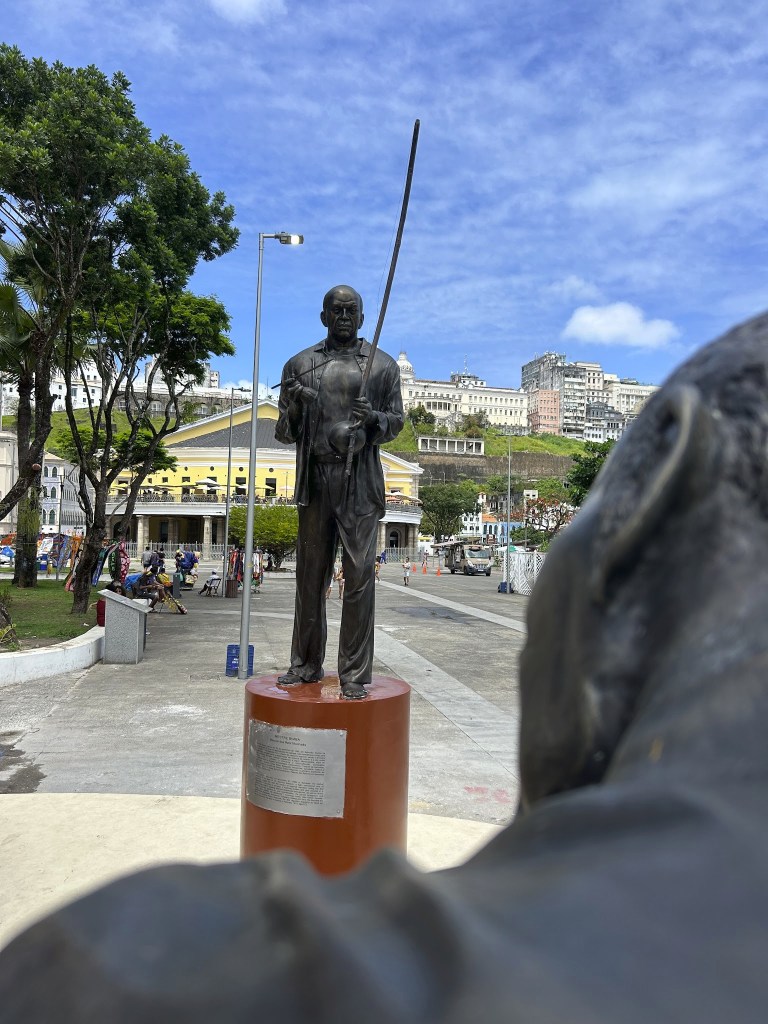


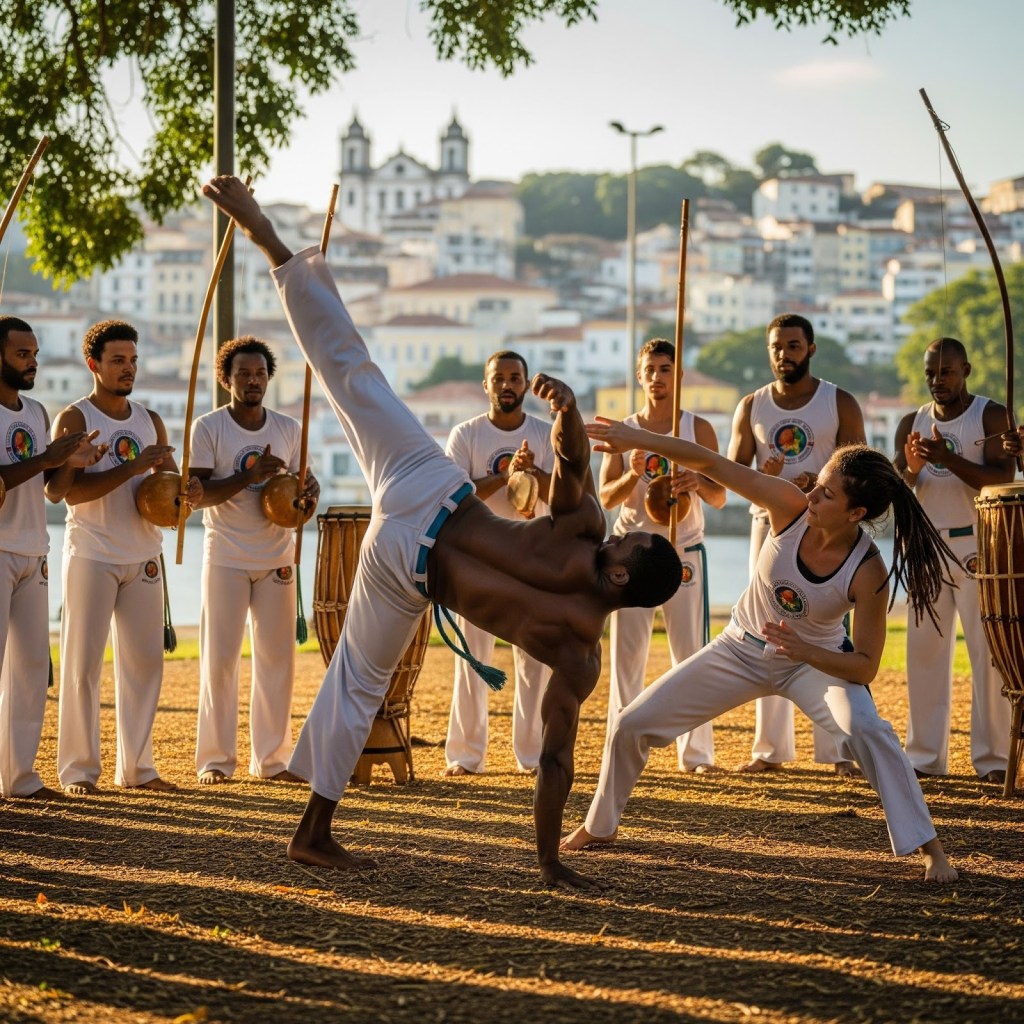
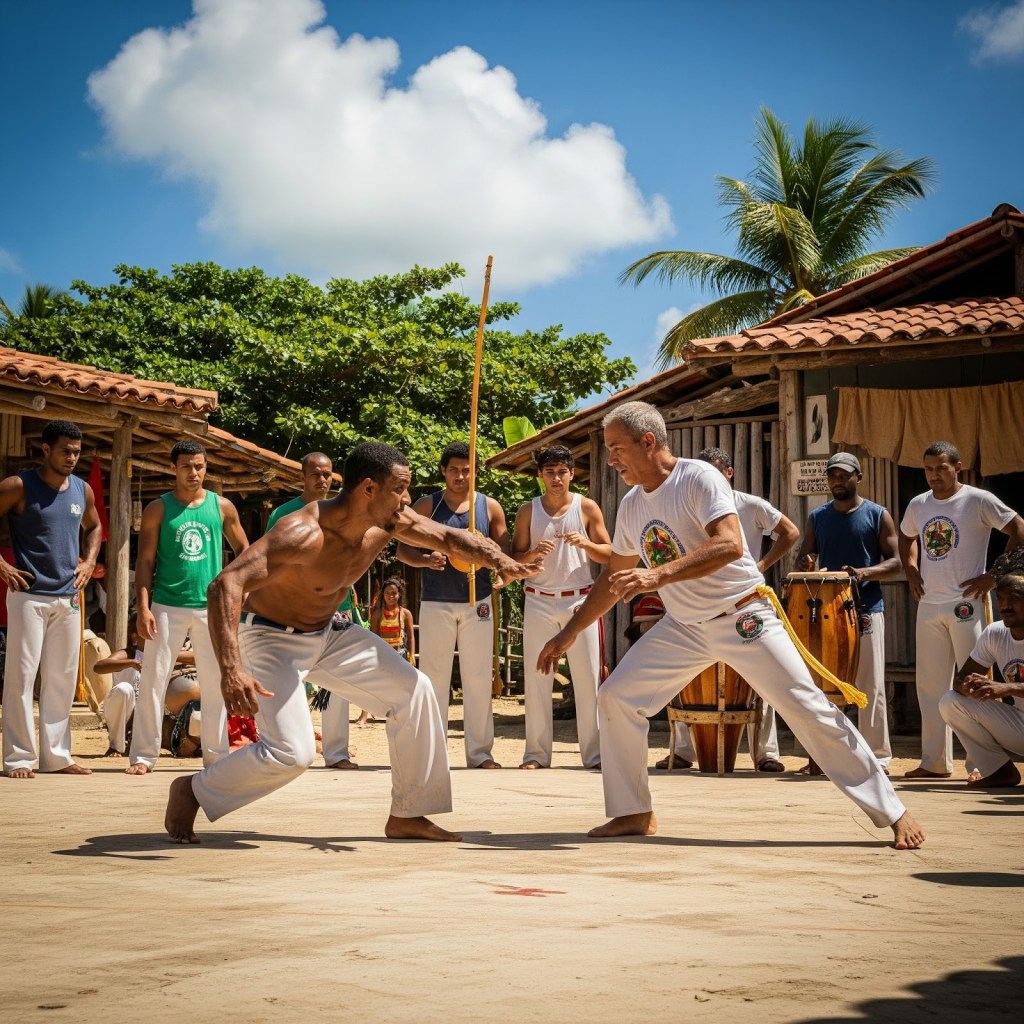


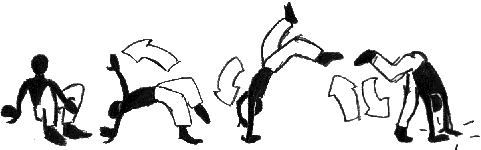

 Jogo Corpo Fechado