
O VÍDEO DO DIA DA CAPOEIRA ANGOLA (4/03/25)

Numerous videos of Capoeira Angola capture its vibrant culture, history, and unique techniques. Each clip highlights the blend of music, movement, and community, showcasing intricate footwork and acrobatics set to the rhythms of traditional instruments like the berimbau. Performers in white attire exemplify the spirit of Capoeira, creating a celebration of unity and resistance. These recordings also reveal various styles and include insights from masters and practitioners, enhancing the understanding of this Brazilian heritage.

In Today’s installment, I present to you, another one of my favorite videos.

This is an extended version of the short dance documentary featuring Mestre Joao Grande and Mestre Poncianinho; two capoeira artists separated by generations who have dedicated their lives to preserving and passing on the rich traditions of this Brazilian martial art. United by passion, ritual, and respect, their shared journey not only highlights the intricacies of capoeira but also showcases the depth of the cultural heritage it represents. Through vibrant performances, and heartfelt interviews, the documentary paints a vivid picture of how capoeira transcends time and unites individuals across ages, emphasizing the importance of mentorship and the continuity of artistic expression within their communities.

And here are both mestres, playing in a jogo situation. Here, we have mestre both Mestre Poncianinho with Mestra Ana Dourada, showcasing their unique styles and deep understanding of the art. The atmosphere was electric, filled with the rhythm of the music and the sound of clashing movements.

And here, we have Mestre João Grande with Mestre Ananias, their interactions demonstrating not only skill but also a profound respect for the traditions they represent. All of them set a great example of ancestry, embodying the heritage that has been passed down through generations.

Witnessing the respect that all had for each other was a great lesson for everyone present, illuminating the importance of humility and collaboration in the cultural exchange. The energy was contagious, inspiring those watching to appreciate the rich history and the bonds formed through the practice of capoeira.

“Mandinga is to find magic in life.” This beautiful game, with its intricate design and enchanting ambiance, has many subtle gestures and movements that enhance the connection between players and helps to tell a story filled with wonder and mystery. Each action taken within the game is a step into a world where creativity flourishes, and imagination reigns supreme.

Players not only engage with the vibrant elements surrounding them but also discover a deeper sense of unity as they navigate through challenges together, weaving their own narratives into the intricate fabric of the game. This collaborative effort fosters not just camaraderie but also a profound connection, as players share their unique stories and perspectives, enriching the communal experience. As the experience unfolds, the captivating blend of artistry and strategy opens doors to endless possibilities, encouraging participants to explore various paths and learn from one another. Each decision they make leads to unexpected outcomes, leaving them inspired and transformed, with a newfound appreciation for the complexities of teamwork and creativity in their shared adventure.
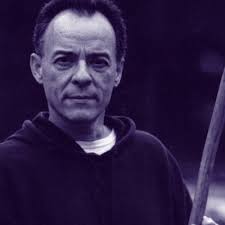

REVENGE!!! Is it justified?

In many martial art movies, the theme of revenge is the main premise, often driven by powerful narratives that depict the intense emotions of loss and anger. “You killed my father/mother, prepare to DIE!!!” are the iconic lines that resonate with audiences, fueling the fire of vengeance.

However, this portrayal raises a crucial question: in real life, can revenge truly be a justification for taking another person’s life? It’s a complex moral dilemma that challenges our understanding of justice and retribution. In the video below, we hear of such a case, as Aba and Preach delve deep into this poignant situation, analyzing the motivations behind the act and whether it was right or unjustified.

Their discussion sheds light on the broader implications of revenge, raising awareness about the devastating consequences it can have on individuals and society as a whole. As they explore various perspectives, they highlight how the thirst for vengeance can blur the lines between right and wrong, urging viewers to contemplate the emotional turmoil and cyclical nature of violence that often ensues. The narrative ambitiously weaves together real-life examples and philosophical insights, compelling us to consider the ramifications of justice-seeking behavior and its reverberations through generations. It forces us to confront our beliefs about morality, prompting a deeper evaluation of how societal norms influence our perceptions of justice, ultimately questioning if any form of retribution can lead to true closure or healing.

Additionally, it invites a critical assessment of whether forgiveness, rather than revenge, could serve as the catalyst for constructive societal change and personal peace, opening up a dialogue about alternative responses to wrongdoing that could foster understanding and reconciliation.

TRIBUTE to Nestor Capoeira

Nestor Sezefredo dos Passos Neto, known as Nestor Capoeira (1946), is a Brazilian capoeira mestre, teacher, author, and cultural figure who significantly contributed to the worldwide understanding and promotion of capoeira through his teachings, literary work, and performances over five decades.

Nestor Sezefredo dos Passos Neto, born in 1946 in the vibrant city of Belo Horizonte, Brazil, began his journey into the world of Capoeira at the young age of 19 in 1965, training under the esteemed Mestre Leopoldina, a revered figure whose influence shaped many capoeiristas of the era. His dedication and passion for the art led him to join the Senzala Capoeira Group in the lively city of Rio de Janeiro in 1968, where he honed his skills and understanding of this unique cultural expression, immersing himself in the tradition and philosophy that underpin capoeira. By 1969, he achieved the prestigious rank of “red belt,” a significant milestone in his Capoeira career, which not only recognized his skill and commitment but also marked the beginning of his role as a mentor and guide for future generations of capoeiristas eager to learn and preserve this rich cultural heritage. As a master, Nestor has traveled extensively, sharing his knowledge and passion for capoeira, thus helping to bridge communities across the globe and deepen the appreciation for this dynamic martial art that is interwoven with music, dance, and historical narratives.

Over the years, he has taught Capoeira for 12 enriching years in Brazil and abroad, sharing the depth and beauty of this martial art with students from diverse backgrounds. In addition to his contributions to Capoeira, he pursued higher education, earning degrees in Engineering, Communication, and Culture, culminating in a post-doctorate at the renowned PUC/São Paulo. This academic pursuit not only enriched his life but also informed his teaching methods and writings.

As a prolific author, he has published ten influential books on Capoeira, which have collectively sold over 120,000 copies across eight countries, solidifying his position as a prominent voice in the promotion and preservation of this cherished Brazilian tradition. Each of his works delves deeply into the rich history, intricate techniques, and cultural significance of Capoeira, offering readers a comprehensive understanding of this dynamic martial art. His life’s work continues to inspire many who are drawn to the rhythm, philosophy, and community of Capoeira, as his insights resonate with both beginners and seasoned practitioners alike. Through workshops, seminars, and his captivating storytelling, he has created a vibrant network of Capoeiristas who share a passion for the art form, fostering an environment where traditions are honored while new generations learn and thrive.

MALICIA AS A GAME OF POWER (4/1/25)

Welcome to MALICIA AS A GAME OF POWER, a blog series that explores the art of strategy in human interactions. It examines effective communication, conflict resolution skills, and negotiation techniques for personal and professional success. The series discusses manipulation tactics with ethical considerations, highlights the importance of leadership skills, and focuses on personal branding and online reputation management. Engaging with this content provides practical strategies for asserting influence and building meaningful relationships in complex power dynamics.

In this installment, we will explore the 25th law of power in the book, the 48 laws of power by Robert Greene. You can buy a copy by clicking HERE.

The 25th law of power: Re-create yourself

In the ever-evolving landscape of personal and professional dynamics, the ability to re-create oneself is crucial for sustained success and influence. This law suggests that we should not merely accept our current identities or positions but instead actively shape and mold them to fit the aspirations we hold.

By continuously reinventing ourselves, we can adapt to changing environments, embrace new opportunities, and overcome obstacles that may come our way. This involves embracing change, seeking out new experiences, and cultivating skills that enhance our relevance in an increasingly competitive world. Moreover, it requires a proactive mindset that not only welcomes innovation but also anticipates potential challenges that we might encounter in our personal and professional lives. By engaging in lifelong learning, we can broaden our perspectives and foster a deeper understanding of diverse fields, which can lead to more creative solutions to complex problems. Building strong networks and relationships with others who share similar goals and aspirations can further amplify our growth, providing us with invaluable support and insights as we navigate this ever-evolving landscape. Together, these strategies empower us to not just survive but thrive, ensuring that we remain adaptable and resilient in the face of uncertainty.

Ultimately, the power lies within our ability to write our own narrative, consistently presenting a version of ourselves that aligns with our goals and desires. This self-authorship not only empowers us but also shapes how we perceive our own potential and the paths we choose to take in our lives. By actively curating our stories, we can better navigate obstacles and harness opportunities, allowing our true selves to emerge in both personal and professional realms. As we refine this narrative, we invite authenticity into our interactions, creating richer, more meaningful connections with those around us, while inspiring others to embark on their journeys of self-discovery and narrative crafting as well.

for the practitioner of Capoeira Angola, the Angoleiro; it is the very breath and structure of their identity within the community. Through the lens of this ancient, embodied art, the law transforms from a cynical strategy into a profound, life-altering methodology for self-mastery and social navigation.The Symbolic Break: The Power of the Apelido

The most concrete, codified act of “Re-Creating Yourself” is the bestowal of the apelido, or nickname. This tradition is a cornerstone of the roda and the Capoeira community structure.

The apelido is not given lightly; it is conferred by the Mestre or senior practitioner only after a period of intense observation of the student’s jogo (the game, style, or quality of movement) and, more importantly, their fundamental personality and character. It is a judgment rendered on the student’s essence as revealed within the dynamic, pressure-filled crucible of the roda.

Once given, the apelido becomes the practitioner’s new, chosen identity within the community. It acts as the symbolic, public, and irrevocable break with the old self. The mundane name—the one tied to family, career, and outside expectations—recedes in importance. The new name, the apelido, is not just a label; it is a destiny. It forces the Angoleiro to live up to the image, the history, and the profound social power invested in that new name. The name might reference a strength (Tigre), a weakness overcome (Cansado, “Tired One,” who now has boundless energy), a peculiar habit (Pena, “Feather”), or a legendary ancestor. In every case, it is the ultimate, required act of “Re-Creating Yourself,” demanding a complete psychological and performative alignment with the new persona.The Architecture of Reputation: The Power of Narrative

Beyond the initial re-baptism of the apelido, the Angoleiro understands that true, sustained power comes from the diligent control and cultivation of one’s ongoing narrative. This is the living, breathing application of Law 25.

The roda is the stage, and the Angoleiro is the meticulous performer. Every action within that circle—from the quality of the drumming and singing to the calculated aggression of a take-down or the humility of a bow—is a building block in their personal mythology. Through the visible, relentless demonstration of:

  • Discipline: Adherence to the Mestre’s teachings and the foundational principles of Angola.
  • Persistence (A Teimosia): The capacity to absorb repeated setbacks and continue playing, singing, and learning.
  • Skill (A Malícia and A Mandinga): The unique blend of technical ability, cunning, and presence that defines their jogo.

they consciously build a reputation—a personal legend—that precedes them into any new roda or community. This reputation is not static; it is constantly refined by new performances. If their jogo is characterized by grace and deception, they are perceived as wily and unpredictable; if it is slow, low, and aggressive, they are seen as an immovable force.

This reputation is the ultimate tool of the 25th Law: it is the public image, the meticulously crafted performance that dictates how others perceive and react to them. This constructed self grants them a subtle but profound advantage in the game of Capoeira—where psychological warfare is as important as physical technique—and, by extension, in the broader game of life. It is the ability to walk into any situation and have others already responding to the re-created self, granting the Angoleiro an immediate authority and psychological edge.

The 25th Law, therefore, is not an abstract concept to the Angoleiro, but an embodied, daily practice—a non-negotiable requirement for survival and mastery within a tradition that demands constant, fluid, and intentional self-definition. The self is not found; it is consciously and powerfully created.

TODAY IN BLACK MEDIA (4/1/25)

TODAY IN BLACK MEDIA offers news and cultural discussions from an African American perspective, highlighting diverse voices and global black achievements that often remain underrepresented in mainstream platforms. It serves as a vital resource to understand the complexities of black life and culture, bridging gaps between communities by illuminating the rich tapestry of experiences that shape the African American narrative. By showcasing prominent figures, influential narratives, and grassroots movements, it aims to amplify important stories that reflect both struggles and triumphs, inspiring change through an inclusive dialogue on race, culture, identity, and representation in the media.

This dialogue is not just about sharing information; it is about fostering a deeper connection between individuals of varying backgrounds and promoting cross-cultural understanding. Ultimately, TODAY IN BLACK MEDIA contributes to a more equitable society by encouraging a profound appreciation for black experiences and challenging stereotypes, allowing for a more nuanced view of the diverse realities within the African American community.

In today’s installment, we have a special statement from professor Black Truth.

April marks the beginning of Black Media Appreciation Month, and the professor is starting this month off by saluting and acknowledging the incredible individuals who make black media what it is: us!

Black people, the very reason for black empowerment, stand united in the celebration of our heritage and achievements. Our voices, creativity, and perspectives play a pivotal role in shaping the diverse narratives that reflect our culture and community, intertwining our unique experiences and histories into compelling stories.

It is vital to recognize the profound impact that our art, journalism, music, and literature have on society, not only challenging stereotypes but also fostering understanding and appreciation. As we honor this month, let us reaffirm our commitment to uplift one another, support emerging voices, and continue to create platforms where our stories can thrive, ensuring that the legacy of black media is celebrated for generations to come.

The Professor creates engaging videos that encourage critical thinking and discussions among viewers. Explore his YouTube channel HERE for thought-provoking analyses and join a community passionate about knowledge and understanding.