
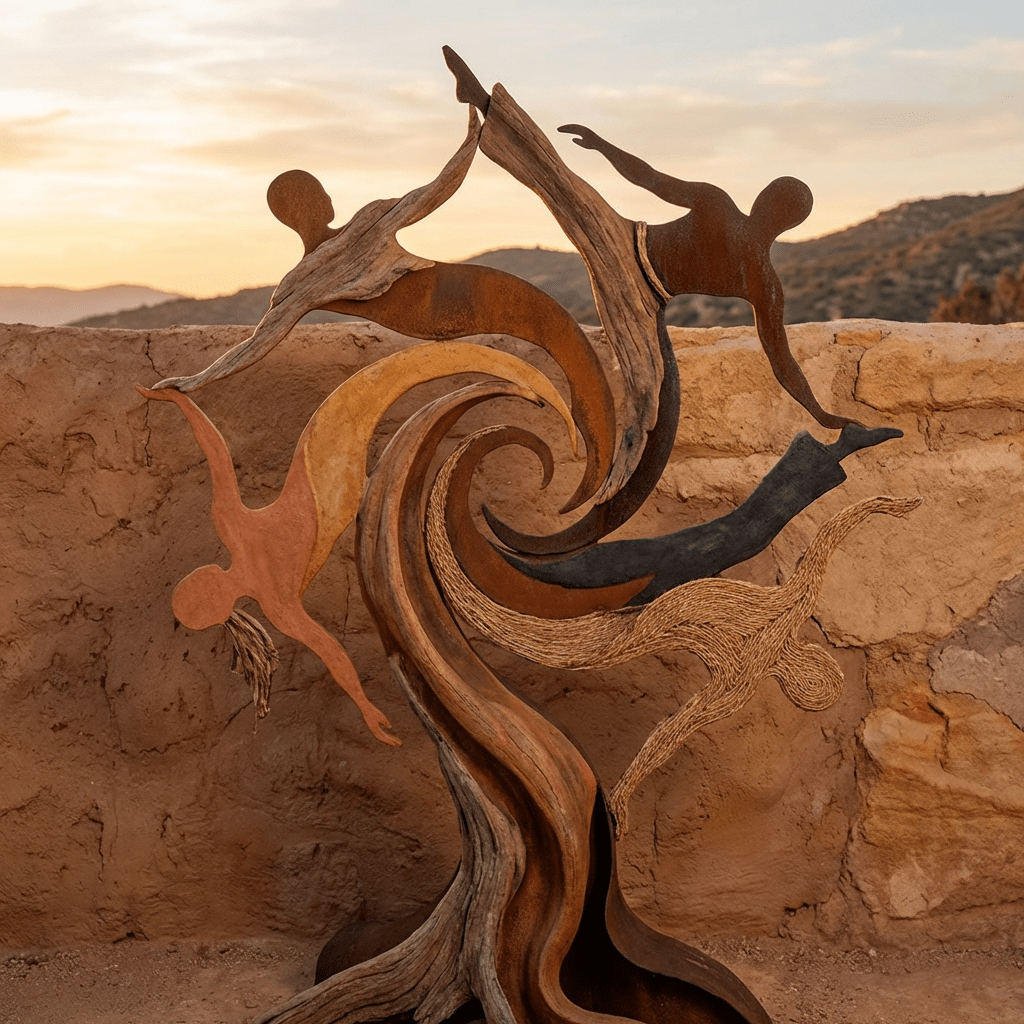
The relentless expansion of capitalist logic has profoundly impacted cultural forms, transforming them into marketable commodities, a process that is particularly visible and damaging when applied to practices with deep spiritual and historical roots, such as Capoeira Angola. This process of cultural commodification, viewed through a critical lens, functions as a powerful mechanism of alienation. It systematically strips a practice like Capoeira Angola of its original, integrated social, spiritual, and historical context, reframing its purpose solely to serve the accumulation of capital. The art is pulled from its organic community setting—the roda (circle), the terreiro (sacred ground), and the oral tradition—and re-packaged for global consumption.
The production, packaging, and consumption of Capoeira in contemporary capitalist society often prioritize spectacle, marketability, and standardization over its deep-rooted philosophical and communal foundations. The authentic experience, which encompasses the history of resistance, the specific rhythm and movements of a tradition passed down from enslaved Africans, and the philosophical dialogue between players, is often sidelined. Instead, commercial studios and international workshops tend to focus on the acrobatic, easily digestible aspects of the art, which translate better to consumer demand for fitness, performance, and easily quantifiable skill acquisition.
This trend not only undermines the integrity of Capoeira but also obscures the rich cultural narratives that inform it, reducing a multifaceted practice to mere entertainment. The vibrant community ethos that traditionally accompanied Capoeira, characterized by collective participation and shared learning, is frequently replaced by a competitive spirit fueled by individual accomplishment. This simplification and emphasis on the superficial inevitably leads to a dilution of its essential elements—the subtle dialogue of the game, the intricate meanings of the songs and instruments, and the critical consciousness embedded within the practice, leaving future generations disconnected from the profound social and historical context that gives Capoeira its true meaning and significance.
Furthermore, this transformation fosters a profound disconnection between the practitioner and the full, authentic experience of the art. The historical trauma, resilience, and spiritual depth that gave birth to Capoeira Angola become mere footnotes in a commercial curriculum. Practitioners, especially those in Western contexts, may relate to the practice primarily as a form of exercise or an exotic hobby, rather than as a living historical document and a mode of cultural resistance. This alienation is twofold: it separates the art from its cultural producers (the Mestres and the communities of origin) by turning their knowledge into a purchasable good, and it separates the new practitioner from the art’s true, transformative power by presenting a sanitized, commodified version devoid of its radical core. The challenge, therefore, lies in preserving the integrity, philosophical weight, and communal structure of Capoeira Angola against the overwhelming pressure to conform to the standardized, profit-driven dictates of the global market.
How can a Capoeira Angola teacher navigate this commodification process in a way that is beneficial for themselves and their students?
This pervasive challenge requires a highly sensitive and delicate balance—it demands acknowledging the practical economic realities of sustaining a professional teaching practice and an escola (school) while simultaneously erecting defenses against the commercial pressures that inherently threaten the art’s cultural integrity, philosophical depth, and spiritual essence. A truly dedicated teacher must move beyond mere passive instruction and consciously employ proactive strategies that transform the traditional classroom space and the roda into a powerful site of cultural resistance, rather than allowing it to become just another compliant node in the global cultural market.
This navigational strategy involves several interconnected and mutually reinforcing principles:
- Reclaiming and Prioritizing Educational Autonomy and Integrity:
The core of this resistance lies in consciously moving the curriculum’s emphasis away from purely physical, measurable, and easily marketable techniques. The teacher must prioritize the holistic transmission of the art’s complete system: its profound history, its foundational Afro-Brazilian philosophy and worldview, its complex musicality (the berimbau and accompanying instruments), its songs (the quadras and chulas), and the deep ritual structure of the roda. This intentional focus ensures that students internalize Capoeira Angola as a complete, integrated, and living system of decolonial knowledge, historical memory, and resistance—not merely a convenient form of physical exercise, competitive sport, or a shallow consumer-grade entertainment product designed for immediate gratification.
- Developing Ethical Pricing and Sustainable Access Models:
To actively resist the market’s tendency to restrict cultural access only to those who can afford a high price, the teacher must develop sustainable and socially conscious financial models for the escola. This ethical approach directly counters economic exclusion. Practical solutions might include:- Sliding Scales: Implementing a tiered payment structure based on a student’s economic capability.
- Community Outreach Programs: Actively recruiting and subsidizing training for students from economically disadvantaged or historically marginalized communities.
- Cooperative or Collective Structures: Shifting the financial burden away from a purely transactional model toward a system where students and community members collectively contribute time, skills, and resources to the escola‘s maintenance and growth, fostering a deeper sense of ownership.
This deliberate strategy ensures that financial hardship does not become a barrier to the preservation and transmission of this vital cultural heritage.
- Fostering Critical Consciousness and Cultural Stewardship:
A crucial element of the pedagogy must involve educating students not just about the history of Capoeira Angola, but about the very modern-day processes of commodification and cultural appropriation that are at play. By discussing market forces, media portrayals, and the historical struggle for cultural autonomy, the teacher empowers students to become highly informed, critically engaged participants and proactive protectors of the tradition. The goal is to move the student’s role from that of a passive consumer of a commercial product to that of an active steward, critical thinker, and responsible guardian of the art’s future.
Prioritizing the Comunidade (Community) over the Market:
Ultimately, navigating commodification requires a foundational philosophical shift in how the training environment is conceptualized and structured. The teacher must rigorously structure the roda and the entire training process to emphatically emphasize principles derived from Afro-Brazilian communal values:
- Mutual Respect (Respeito) and Cooperation: Countering the hyper-individualism and self-interest promoted by capitalist competition. The roda must be a space for mutual upliftment, where the development of the collective is paramount.
- Historical Memory and Ancestry: Ensuring that every practice is consciously tied to the lineage, the Mestres (Masters) of the past, and the original context of the art’s creation, thus resisting the market’s drive toward constant, decontextualized innovation for novelty’s sake.
- Collective Development and Shared Responsibility: Structuring assessment and progression around contributions to the community and the roda, rather than solely on quick, measurable, individual physical results (which cater directly to a consumer mindset seeking fast, tangible returns on investment).
By intentionally embedding these collective, philosophical, and ethical principles into every facet of the escola and the roda, the Capoeira Angola teacher can ensure their practice remains economically sustainable without sacrificing the soul, purpose, and revolutionary integrity of this profound African-Brazilian art form.
How can we properly preserve Capoeira Angola as complete as possible, despite this process [of commodification]?
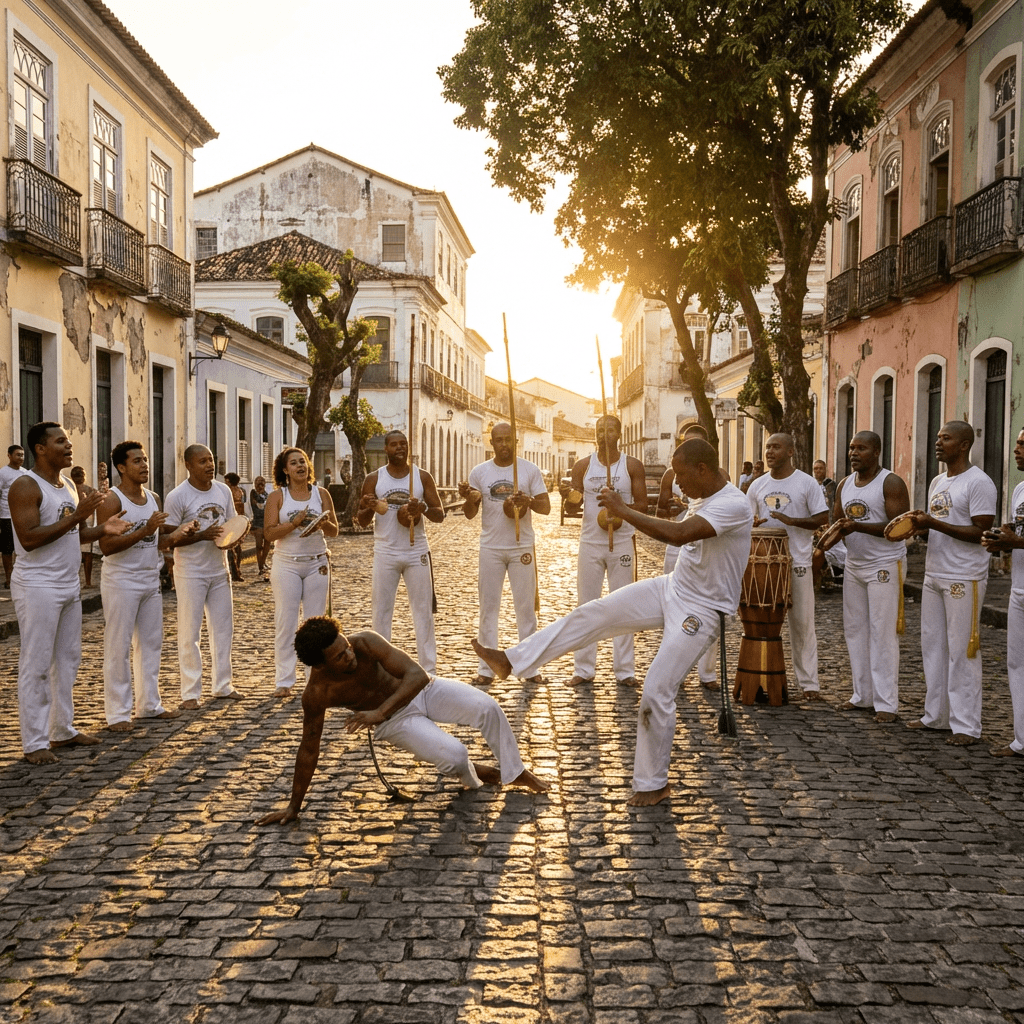
The essential challenge in the modern global landscape is the preservation of Capoeira Angola’s completeness—its interwoven tapestry of fight, dance, music, history, philosophy, and spirituality. This totality demands active, intentional, and multi-faceted effort to resist the fragmenting and reductive forces of commodification that often prioritize marketable elements over deep cultural integrity.
The preservation of this complex art form hinges on several critical, interconnected actions:
1. Maintaining the Integrity of the Roda as a Sacred and Cultural Space
The roda is the crucible of Capoeira Angola, the essential arena where all its components converge. Preservation requires uncompromising vigilance in upholding its traditional structure, hierarchy, and musical canon.
- Upholding Ritual Structure: The roda must be maintained as a ritual space—a circle of shared cultural performance, dialogue, and spiritual connection—and not permitted to devolve into merely a venue for athletic display or competitive spectacle. This includes adhering to the proper seating arrangement, the sequence of instruments, the call-and-response dynamics, and the appropriate reverence shown to the instruments and the space itself.
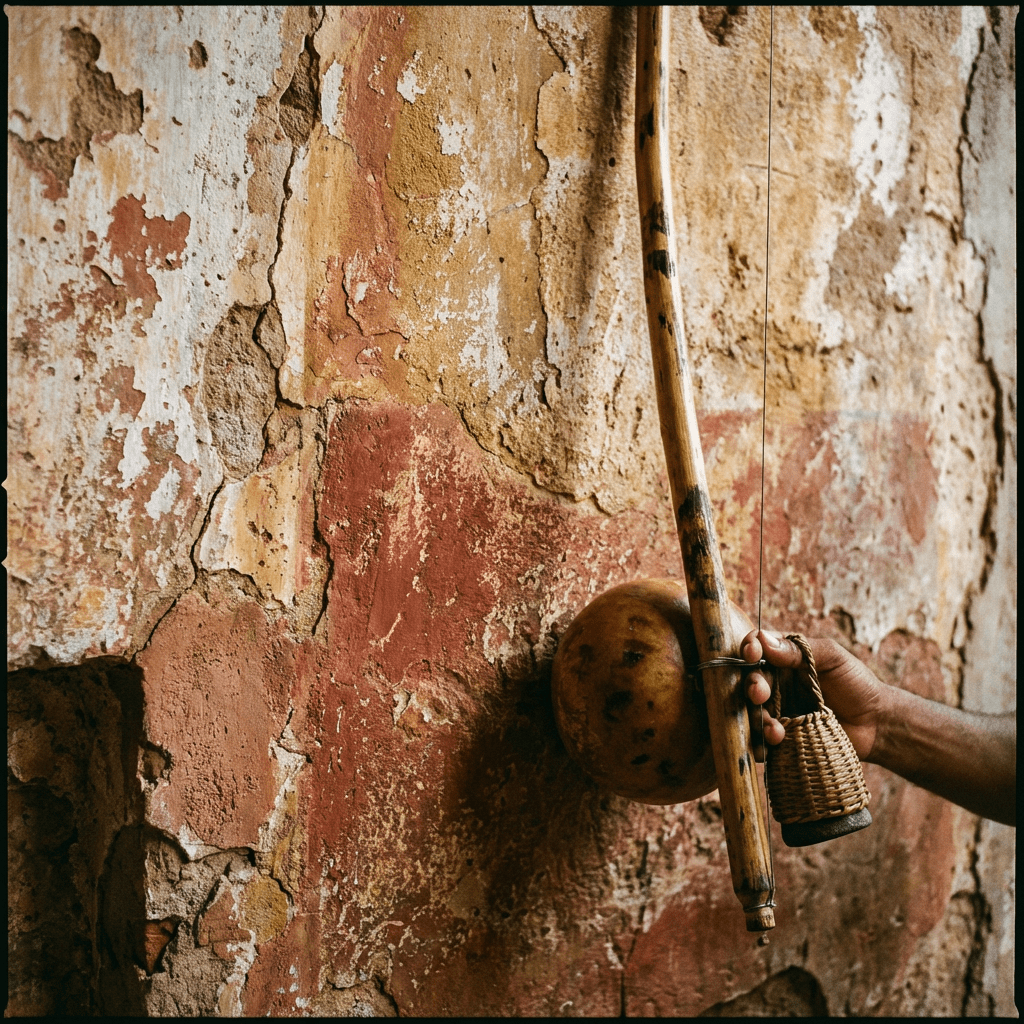
- Prioritizing the Musical Core: The berimbau and the complete bateria (instrumental ensemble) are the heart and voice of the roda. Protecting the traditional rhythms (toques) and the historical song canon is paramount. The music dictates the energy, pace, and philosophical depth of the game (jogo); its authentic preservation prevents the roda from becoming a silent, purely physical exercise.
- Honoring Hierarchy and Authority: The traditional hierarchy, centered around the Mestre (Master) and experienced players, is essential for maintaining order, safety, and the transmission of nuanced, often non-verbal knowledge. Respect for this structure safeguards the art from being dictated by transient, commercial interests or inexperienced practitioners.
2. Deepening the Historical, Philosophical, and Cultural Rootedness
Capoeira Angola is fundamentally an embodied form of historical memory and political resistance. Its preservation requires practitioners to continuously emphasize its profound link to the broader history of the Black Diaspora, African spiritual traditions, and anti-colonial resistance movements.
- Understanding as Historical Memory: Students must be taught to understand the practice not just as a martial art or dance, but as a living testament to the resilience, ingenuity, and cultural survival of enslaved Africans in Brazil. This ensures the practice is understood as a form of political action and a continuous conversation with ancestral knowledge.
- Integrating Philosophy and Malícia: Beyond physical technique, the philosophical principles—such as humility, respect, community (comunidade), and malícia (a complex blend of cunning, wisdom, and street-smarts)—must be central to the curriculum. This depth of character training is what separates Capoeira Angola from a purely physical discipline.
- Engagement with Source Culture: Practitioners must be encouraged to engage deeply with Brazilian and African history, language (Portuguese), music, and spiritual practices (where appropriate to the individual and lineage) to understand the full context from which Capoeira Angola emerged.
3. Protecting Oral Tradition, Pedagogy, and Lineage (Linhagem)
Commodification thrives on standardization and mass-produced curricula, which often strip the art of its subtlety and personal touch. The traditional mode of transmission is crucial to resist this simplification.
- Prioritizing Direct Transmission: The art form must safeguard the direct, hands-on transmission of knowledge and wisdom from Mestre to student. This intimate relationship fosters an understanding of the jogo that cannot be codified in books or videos. The knowledge is personal, contextual, and often passed on through observation, correction, and shared experience.
- Honoring the Linhagem: Recognizing and actively honoring the continuity of the teaching lineage is vital. This establishes a sense of accountability to the past Masters and their unique contributions, preventing the practice from being detached from its historical roots and becoming a generic, self-invented interpretation.
- Preserving the Nuanced Oral Culture: The traditional pedagogy relies heavily on oral tradition, metaphor, song, and subtle, non-verbal cues. This nuanced culture, which commercialization often seeks to simplify and formalize into static, easily digestible curricula (e.g., rigid belt systems or standardized lesson plans), must be actively protected.
4. Engaging with the Global Community Critically and Ethically
While Capoeira Angola’s global spread is a testament to its power and universal appeal, this expansion must be managed with stringent ethical considerations and profound respect for the source culture.
- Setting Ethical Boundaries: The global community must prioritize ethical stewardship, ensuring that the art is not reduced into a generic “world music” background, a mere “fitness trend,” or a commodity stripped of its cultural context. This includes educating local instructors on the importance of cultural fidelity.
- Support for Source Communities: Global schools and practitioners must find ways to ethically support the continued practice and existence of the art in its places of origin (Brazil), ensuring that the economic benefits of its globalization flow back to the traditional communities.
- Distinction from Commercialized Forms: Practitioners must be clear about the distinction between Capoeira Angola and more commodified, gymnastic styles of Capoeira, and advocate for the unique importance and preservation of the Angola tradition’s deep cultural substance.
Preservation, in this context, is not a passive plea for stagnation or isolation. It is the active, conscious, and complex practice of the tradition in its complete and demanding form within the dynamic, often turbulent, pressures of the modern world. It is a continuous act of resistance against cultural erasure.
Now, I have a treat for you. The inspiration for this post, “Commodification and Capoeira Angola: Preserving an African Art in a Western World,” didn’t spring from a vacuum. It was sparked by a fascinating and rather intense conversation I had with two people deeply immersed in the world of Capoeira: my Capoeira sister, Liza Bernstein, and my highly respected Capoeira Teacher, Charles Williams.
We were wrestling with the core challenge of how to maintain the spiritual, cultural, and historical integrity of Capoeira Angola—an inherently anti-colonial, African-rooted art form—while navigating the commercial pressures and cultural appropriations so common in a Western context. It’s a conversation about survival versus popularization, tradition versus trend.
In the midst of this dialogue, Liza—always a fantastic source of academic insight—mentioned a seminal dissertation that directly addresses this very subject. The work was authored by Womualy Omowale. This academic work provides a deep dive into the mechanisms of commodification and the preservation strategies employed by practitioners.
To further enrich the discussion and provide a primary source perspective, Liza also shared a compelling video with me, which I am now sharing with you. Fair warning: this video is entirely in Portuguese, the language of Capoeira’s origin and the essential tongue for understanding its deepest cultural nuances. And honestly, if that poses a problem for you, then maybe you should just LEARN THE LANGUAGE!
The challenge of learning Capoeira Angola without relying on immediate translation is not merely an inconvenience to be overcome; it is, fundamentally, a transformative opportunity and a crucial gateway to truly understanding the profound art form you are engaging with. To truly engage with Capoeira is to wholeheartedly embrace its complete ecosystem: its language (primarily Portuguese), its deep and often challenging history, its philosophical underpinnings, and the vibrant, complex culture from which it emerged. Attempting to master the art while clinging to the ‘crutch’ of constant, on-demand translation creates a barrier, preventing a fluid and intuitive integration of the physical, musical, and oral traditions. Therefore, the accompanying video is designed as a foundational component of that deeper, essential education, urging the student to immerse themselves fully and directly into the heart of the art form’s authentic expression.
 Jogo Corpo Fechado