
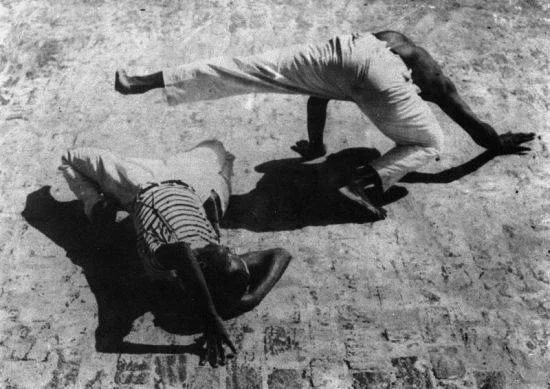
Capoeira Angola, standing far beyond the simplified labels of a mere martial art or a traditional folk dance, is a profound, dynamic, and multifaceted cultural practice. Its genesis is inextricably linked to the brutal socio-historical crucible of transatlantic slavery in Brazil. It emerged as a clandestine, holistic technology for liberation, serving simultaneously as a covert training regimen for physical combat, a vital means of spiritual and cultural preservation, and a highly sophisticated medium for political communication and communal solidarity. Within the ruthlessly oppressive structures of colonial and later, post-colonial Brazil, Capoeira Angola functioned as a critical infrastructure for survival, community formation, and coordinated, decentralized mobilization against a state apparatus systemically and violently dedicated to the subjugation, repression, and erasure of African and Afro-Brazilian populations.
Historically forged in the relentless heat of chattel slavery, colonial violence, and persistent resistance across Brazil’s vast plantations and burgeoning urban centers, Capoeira Angola embodies a system that is at once covert yet intensely potent. It is simultaneously a system of highly effective, holistic self-defense, a sophisticated form of non-verbal and coded communication, a vital mechanism for meticulously preserving ancestral knowledge systems, and a powerful, centrifugal engine for profound community solidarity and collective self-determination. This singular, complex synthesis allowed enslaved and deeply marginalized populations to effectively resist the brutal, omnipresent structures of colonial and state control, whose explicit objective was to strip them utterly of their culture, dignity, and fundamental human autonomy. The fluid, often deceptive movements, seamlessly integrated with complex musical rhythms and song, acted as an ingenious cultural camouflage. This disguise masked combative, strategic training as a seemingly harmless celebratory dance or game, thereby enabling its continuous practice to persist and flourish even under the constant, immediate threat of severe torture, death, and state prohibition. In this crucial way, Capoeira Angola transcended a simple set of techniques; it became a living, embodied, and transmitted archive of resistance, passing down critical tactical knowledge, historical memory, and an unyielding spirit of defiance across successive generations.
The enduring historical trajectory of Capoeira Angola vividly illuminates its consistent function as a continuous, adaptable site of resistance. The seemingly playful and ceremonial nature of the roda—the circle where Capoeira is played, a sacred space of practice—is, in fact, a masterful, multi-layered act of political camouflage. It conceals highly sophisticated fighting techniques, intricate strategic planning, and coded messages embedded within the music, the narrative songs (Ladainhas and corridos), and the physical movements themselves. This living tradition not only persists but actively thrives today, providing a practical, embodied, and analytical framework for critical engagement with contemporary, modernized forms of state violence, pervasive systemic racism, and crippling social inequality. By actively reclaiming, preserving, and practicing this art, participants engage in a profound and active process to confront, negotiate with, and ultimately dismantle the deep-seated psychic and physical legacies of historical trauma and ongoing, contemporary repression.
The practice itself offers a unique, replicable, and culturally resonant framework for effective, community-based mobilization:
- Community Building and Essential Cohesion: The roda (the circle in which Capoeira is played) is intentionally structured as a micro-society built upon explicit principles of mutual respect, active cooperation, and collective responsibility for all participants’ well-being. This inherently collaborative structure directly and powerfully counters the state’s historical and ongoing attempts to atomize, isolate, and divide oppressed communities. By cultivating deep and visceral interdependence, the roda fosters the essential cohesion, trust, and shared language needed for effective political and social action.
- Strategic Subtlety and Political Cunning (Malícia): The characteristically deceptive and elusive movements of Capoeira Angola—which often deliberately appear as dance, music, or playful interaction—viscerally instruct practitioners in the critical value of strategic subtlety, known as malícia. This historical necessity of masking resistance—of making a powerful action look like a simple game—translates directly into methodologies for covert organizing, navigating pervasive state surveillance and infiltration, and developing adaptable resistance strategies that effectively evade overt detection by oppressive state apparatuses and intelligence gathering.
- Embodiment of Historical Resistance and Blueprint for Uprising: The narrative songs (Ladainhas, corridos, and others) and the oral traditions preserved within Capoeira Angola serve as powerful cultural vehicles. They transmit the concrete historical memory of successful uprisings, the autonomous sovereignty of maroon communities (quilombos), and the inspiring narratives of figures who bravely and successfully challenged the violent status quo. This continuous cultural transmission keeps the spirit and, crucially, the practical historical blueprints of resistance alive, providing both moral inspiration and a practical historical template for contemporary struggles against injustice.
- Physical and Mental Discipline for Sustained Conflict: Beyond its symbolic power, Capoeira Angola holistically trains the body and mind for sustained engagement with profound adversity and conflict. The rigorous physical demands of the practice systematically build physical and psychological resilience, while the emphasis on improvisation, quick and decentralized decision-making, and maintaining composure and emotional balance under intense pressure (the “game” within the roda) prepares individuals for the often high-stakes demands of non-violent direct action, community defense, and the inherent risks associated with protesting and challenging entrenched state authority.
Capoeira Angola and Transformative Justice: A Methodology for Resistance
Pod mapping and skill sharing are foundational practices within the frameworks of transformative justice and mutual aid, designed specifically to cultivate resilient, self-reliant communities. These methodologies, which emerged significantly from the work of organizations like the Bay Area Transformative Justice Collective (BATJC) and activists such as Mia Mingus, empower individuals to identify, utilize, and strengthen their internal support networks. The core objective is to create systems capable of addressing harm, crisis, and chronic needs autonomously, deliberately bypassing reliance on punitive and often harmful state institutions, notably the police and prison systems.
Pod Mapping: Visualizing Interdependence and Care

Pod mapping is a rigorous, often visual, exercise used to articulate and solidify the network of individuals one can reliably call upon for both long-term (chronic) and immediate (acute) needs. This identified group constitutes one’s “pod”—a localized, intensely trusted support ecosystem.
- The Structure: The exercise typically places the individual’s name at the center of a diagram. Surrounding circles categorize the degree of trust and commitment within the network:
- Immediate Pod (Solid Circles): This is the core, deeply vetted group of people with whom a deep sense of trust is shared, and who can be relied upon unconditionally in a crisis. This includes partners, immediate family, chosen family, and profoundly trusted friends or neighbors.
- Movable People (Dotted Circles): These individuals represent potential pod members. While trusted, their inclusion requires further intentional relationship-building, clear conversations about boundaries, expectations, and commitment to specific support roles.
- Community Resources (Large Circles): These are the broader networks, organizations, spiritual centers, or mutual aid societies that offer specialized or general support, such as food banks, tenant organizing groups, or trauma-informed therapy collectives.
- The Purpose: The process is diagnostic and preventative. It explicitly reveals gaps or imbalances in one’s care network, offers a deeper understanding of how care and resources flow across larger communal networks, and ensures a proactive “emergency contact list” and corresponding plan are in place well before a crisis manifests.
Skill Sharing: Enhancing Collective Capacity and Self-Reliance

Skill sharing, in conjunction with pod mapping, ensures that a diverse array of practical, emotional, and technical needs can be met through deeply embedded mutual support, minimizing the need to look externally for critical assistance.
- Identifying Assets: A crucial step during the pod mapping process is the meticulous inventory of the specific skills each member possesses and is willing to share. These assets are expansive, ranging from practical abilities like active listening, conflict resolution, first aid, childcare, and basic legal observation to technical skills like administrative help, grant writing, or digital security.
- Mutual Benefit and Reciprocity: A foundational philosophical principle of mutual aid is the recognition that the act of being a “support giver” is just as powerful and generative as being a receiver. This reciprocal exchange fosters deeper, more equitable connections, builds collective self-worth, and strengthens the foundation for long-term political collaboration.
- Building Competency: Resilient communities actively commit to holding intentional “skill shares” or workshops. These sessions are designed to teach one another essential transformative justice tools, practical safety planning methodologies, de-escalation techniques, and advanced communication skills, ensuring that the pod’s capacity to sustain itself and respond to harm is continuously expanding and evolving.
The Capoeira Angola Paradigm: A Historical Methodology for Resilience
The historical, philosophical, and operational principles embedded within Capoeira Angola—its emphasis on cooperative learning, deep mutual support, intuitive adaptation, and immediate collective response—offer a potent, living methodology directly applicable to contemporary organizing focused on community resilience, sustainable mutual aid, and holistic safety.
Radical Skill Sharing and the Roda
The traditional structure and pedagogy of the roda are inherently a radical, de-hierarchized skill-sharing model.
- Decentralized Knowledge Transfer: Highly experienced practitioners (mestres and contramestres) transmit critical knowledge not through formal, prescriptive, or hierarchical classroom lessons, but through direct, embodied interaction, intuitive correction, communal storytelling, and the immersive experience of “playing” together. This decentralized, organic knowledge transfer ensures that essential survival, cultural, and combative skills are spread rapidly, deeply, and organically throughout the community.
- Contemporary Relevance: This process mirrors the vital necessity of widely distributed expertise in contemporary social movements. In a protest setting or crisis, skills such as de-escalation, rapid legal observation, psychological first aid, and critical media communication must be widely and reliably distributed across the entire network, much like the decentralized mastery required to maintain the integrity of a roda.
Historical Precedent for Pod Mapping: The Roda and the Quilombo
Capoeira Angola offers a profound historical and theoretical precedent for “pod mapping”—the contemporary practice of creating proactive, reliable support networks within small, intensely trusted groups (“pods”) for autonomously handling crises and security concerns.
The Roda as a High-Stakes Pod: The roda itself functions as a temporary, high-stakes, intensely focused pod. All surrounding participants are collectively responsible for the immediate physical safety and strategic support of those playing within the circle. The collective maintenance of the rhythm (batuque), the watchful, supportive eyes of the surrounding community, and the strategic, guiding interventions of the berimbau player all powerfully reflect the principle of deep, localized, and dynamic interdependence required in a successful pod.
The Quilombo as the Ultimate Historical Pod Map: The historical organization of enslaved Africans and the formation of autonomous runaway communities (quilombos) around shared defense, resource pooling, and collective security represents the ultimate historical “pod map.” In this context, Capoeira Angola acted as the central, shared, and secret technology—the critical, non-state asset—for group defense, strategic communication, and self-determination against the oppressive state. The quilombo demonstrates that collective liberation is achievable only when an intensely mapped, highly skilled, and mutually committed community organizes its resources outside of state control.
The Quilombo: A Paradigm of Black Autonomy, Collective Defense, and Non-State Sovereignty
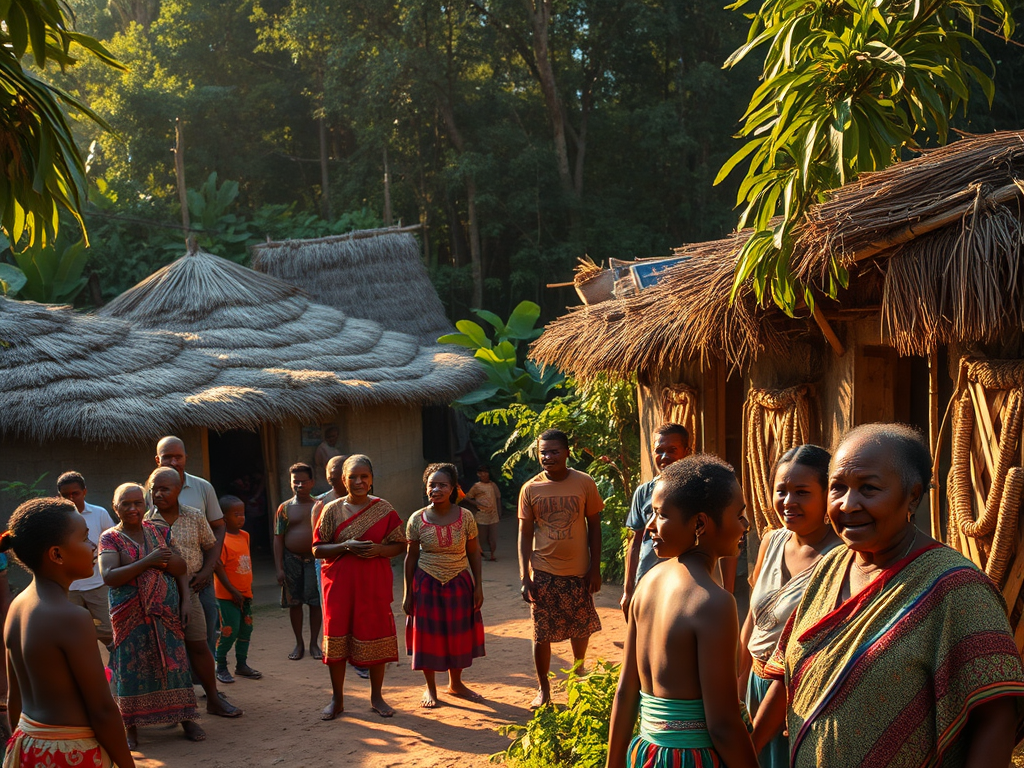
The concept of the QUILOMBO—the autonomous communities forged by runaway enslaved Africans, primarily in Brazil—transcends simple historical footnote to become the ultimate, real-world blueprint for radical collective mobilization and resistance. These settlements were not merely temporary shelters; they were sophisticated, sovereign micro-nations built entirely outside the genocidal control of the colonial state. In their foundational structure, the quilombos represent the highest historical realization of a “pod map”—a tightly integrated, self-sustaining network organized around shared principles of defense, resource equity, and mutual commitment to collective survival.
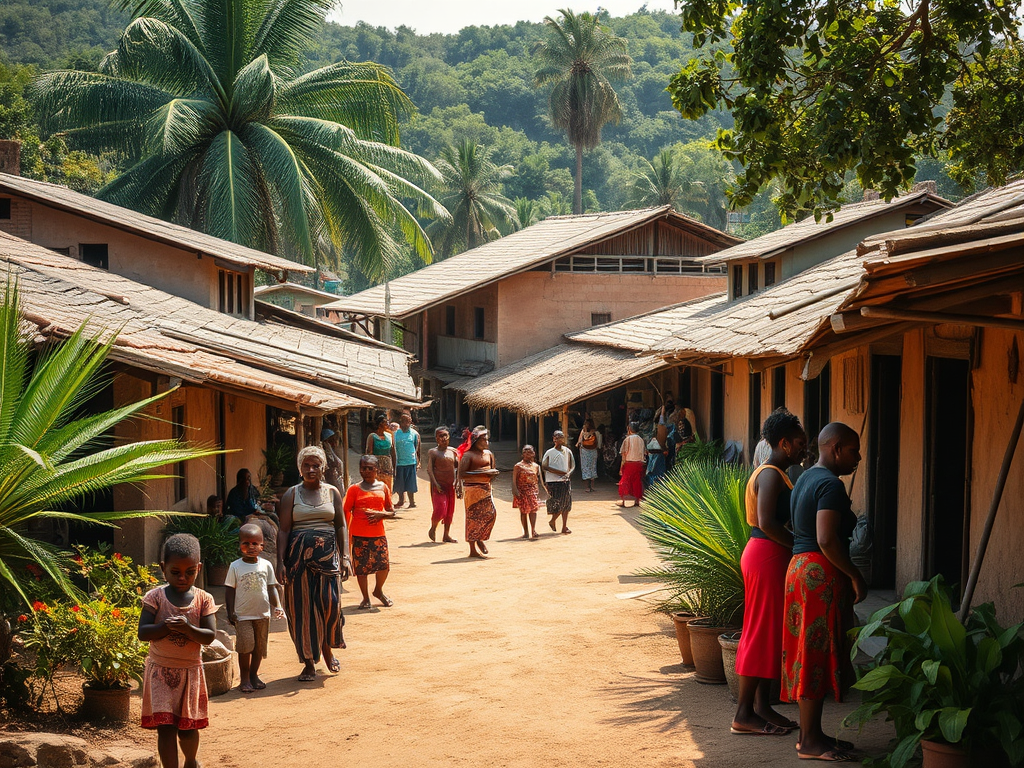
The historical significance of the Quilombo in Brazil is profound. Far more than mere settlements, they were powerful, self-governing communities established by enslaved and marginalized people, primarily of African descent, who had successfully escaped the brutal system of Portuguese chattel slavery. These hidden, often fortified, societies flourished across Brazil from the 16th century onward, serving as beacons of resistance, maroonage, and alternative social organization. They were, in essence, independent republics within the colonial territory, actively rejecting the socio-political and economic structures of the state. The most famous and long-lasting was Palmares, which endured for nearly a century and at its peak housed over 30,000 people, demonstrating a profound capacity for complex statecraft and self-defense against relentless colonial assault.
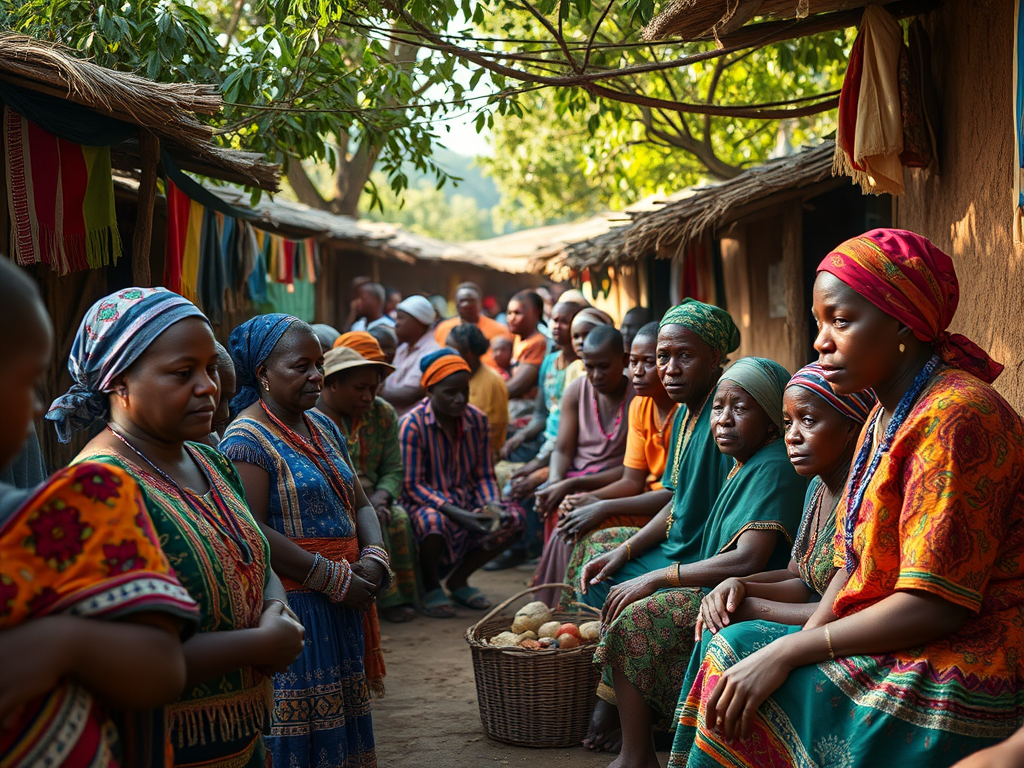
Life within a quilombo was an active attempt to reconstruct African social and political traditions, mixing them with Indigenous practices and new creolized forms born of shared struggle. The internal structure was often highly organized, emphasizing communal ownership of land and resources, democratic decision-making, and collective security. They cultivated land, engaging in diverse and sustainable agricultural practices to ensure self-sufficiency, and established sophisticated trade networks, often exchanging goods and intelligence with sympathetic settlers, marginalized laborers, and other quilombos. This economic and political self-determination fundamentally separated them from the colonial system.
Capoeira Angola: The Non-State Technology of Survival
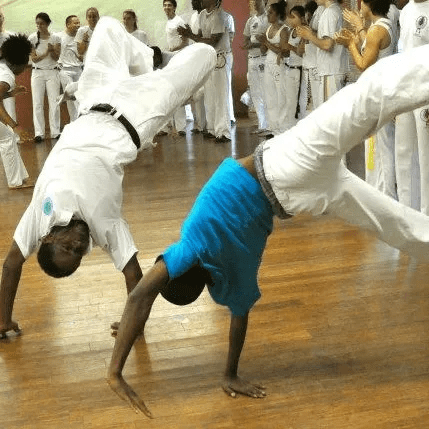
Within this revolutionary framework, Capoeira Angola emerged as far more than a cultural practice or simple physical exercise. It functioned as the essential, shared, and deeply secret technology—the critical, non-state asset—that ensured the quilombo‘s survival. This complex art form, disguised as a dance or game, was in reality a comprehensive system for group defense, strategic communication (using movement and rhythm), psychological warfare, and the physical enactment of self-determination. It was the central pillar of military and political education, meticulously developed to counter the oppressive tactics and superior weaponry of the Portuguese and later, Brazilian, state forces.
Crucially for the quilombo‘s defense, they developed sophisticated methods of defense, including this martial art, intricate signaling systems, and expert use of the challenging local terrain. The very existence of the quilombo represented a profound rejection of colonial authority and the fundamental illegitimacy of slavery, marking them as the primary organizational structure for mobilization and resistance against the repressive state apparatus of the time. They were living proof that freedom was not a gift to be granted but a condition to be seized and defended.
The Enduring Legacy and Contemporary Application of Quilombo Methodology
The enduring legacy of the quilombo, particularly the most famous and enduring, Palmares, conclusively demonstrates that true collective liberation is not an abstract ideal but an achievable state. This achievement, however, hinges on several non-negotiable conditions: the formation of an intensely mapped community (one with a profound knowledge of its members, its environment, and its adversaries), the cultivation of highly skilled and non-transferable abilities (like those encoded in Capoeira Angola), and the complete and mutually committed organization of all critical resources and defense capabilities outside the control of the state apparatus. The quilombo, therefore, stands as a powerful and enduring historical testament to the necessity of autonomous Black self-organization and the profound efficacy of non-state, community-based resistance against legacies of state repression and enslavement.

The spirit and methodology of quilombo resistance provide a vital, actionable framework for contemporary mobilization. Integrating the core principles of Capoeira Angola into contemporary organizing—specifically through structured, continuous skill-sharing and the development of robust, trust-based pod maps—allows activists, community organizers, and community members to forge connections rooted in profound trust, shared historical consciousness, and deep physical and cultural resilience.
Capoeira Angola, a cultural and physical practice forged in the fires of the quilombos, embodies this resistance. Its circular formation (the roda) inherently promotes decentralized leadership, collective awareness, and mutual support—a perfect microcosm of the quilombo‘s social structure. Its movements, which mask martial efficacy within dance and ritual, teach practitioners to navigate conflict with strategic subtlety and adaptability. This structured physical and philosophical training prepares individuals not just for isolated acts of protest, but for sustained, collective action that prioritizes mutual aid and survival. By embedding this practice, and by building “pod maps”—small, highly trusted affinity groups that function as modern quilombo cells—we actively and powerfully counter the isolating, atomizing, and destructive effects of systemic state repression and historical marginalization. This methodology directly translates the historical defense mechanism of the quilombo into a contemporary strategy for community safety, political mobilization, and cultural persistence.
By profoundly grounding themselves in the philosophical depth, the complex physical and verbal vocabulary, and the enduring historical narrative of Capoeira Angola, marginalized communities are equipped to forge robust, culturally resonant, adaptable, and enduring methodologies for actively confronting and ultimately dismantling the interwoven tapestry of historical inequities and the contemporary, evolving mechanisms of systemic violence. This violence manifests today through aggressive state policing, political disenfranchisement, economic exploitation, and structural marginalization.
Capoeira Angola, at its core, is far more than a simple, codified physical fighting system; it is a profound, holistic, and comprehensive cultural technology. It operates as an intricately woven strategy that fundamentally champions the realization of collective liberation and uncompromising socio-political self-determination for marginalized communities.
Its profound, enduring utility is located not in the superficial mastery of its acrobatic and combative movements, but in its unparalleled capacity to cultivate a suite of essential, interconnected tools for survival and freedom. These tools include the development of an unwavering, almost monastic discipline; a deep, organic mechanism for collaborative community building and mutual aid; an advanced, anticipatory strategic thinking that mirrors both martial and social maneuvering; and the cultivation of a powerful, embodied, and living sense of historical consciousness that connects practitioners directly to their ancestors’ struggles and triumphs.
The roda—the circle of participants that is the central performance space—is the ultimate functional and transformative microcosm for political and social organizing. It is a sacred, consecrated site where the practice of active resistance is not a theoretical exercise but a continuous, physical reality. Within this circle, cultural memory, often suppressed and distorted by the state, is meticulously preserved, rehearsed, and celebrated through music, movement, and narrative. The essential, practical, and intuitive tools necessary for navigating, subverting, and ultimately overcoming the omnipresent mechanisms of oppressive state control and surveillance are intensely honed, physically embodied, and faithfully passed down, generation to generation, in a way that written history cannot capture.
This total practice, encompassing music, philosophy, strategy, and physical confrontation, serves as a living, breathing, and embodied archive of resistance against historical trauma and contemporary subjugation. More than just a repository of memory, Capoeira Angola functions as a dynamic, practical blueprint—an executable methodology—for achieving genuine, self-determined, and ultimately sustainable freedom from the pervasive structures of state repression and cultural erasure. It is a pedagogy of the oppressed, transforming practitioners into agents of change through movement and shared experience.
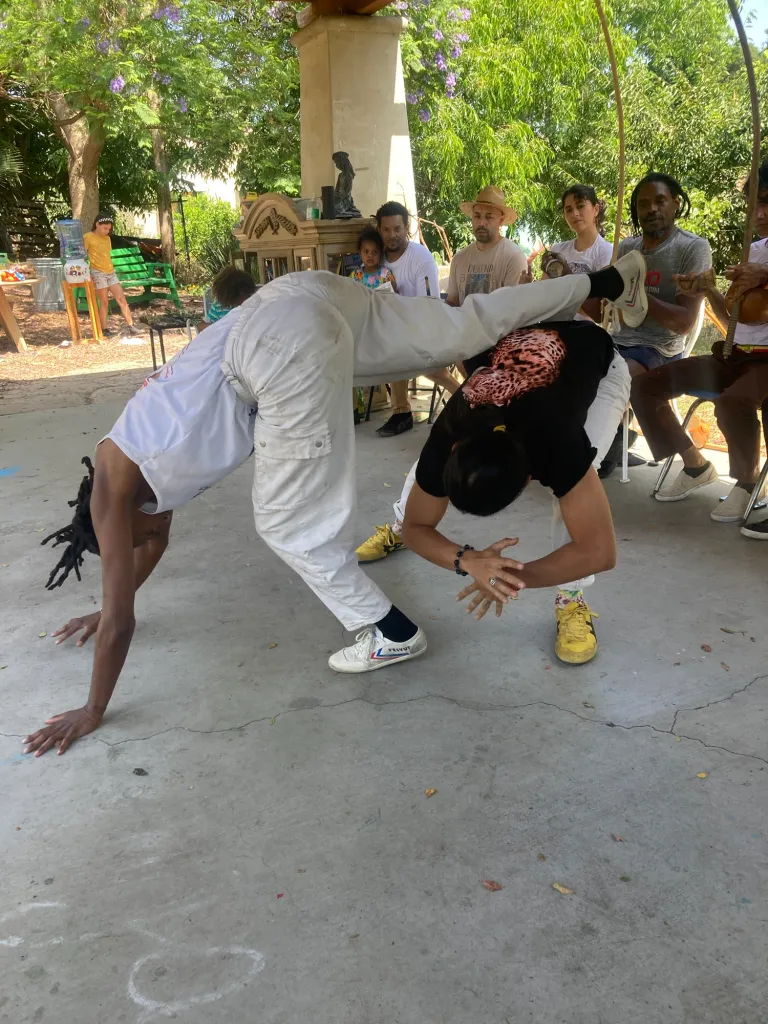
 Jogo Corpo Fechado