Capoeira Angola videos available online showcase its vibrant culture through music and movement, highlighting intricate footwork and acrobatics while celebrating Brazilian heritage and its historical context. These performances reveal the art form’s evolution as both self-defense and expression, emphasizing its legacy of beauty and resilience. They illustrate communal aspects, fostering connections among diverse individuals and demonstrating the power of art to unite across cultural barriers. Ultimately, these videos educate audiences about Capoeira as a living tradition, inspiring future generations to embrace its spirit.
In today’s installment, we have this game between Mestre Negoativo and Guaxini do Mar.
However, as good as that game is, Mestre Negoativo is more renowned for his musicality, which transcends mere entertainment to touch the depths of cultural expression. His unique blend of rhythms and melodies captivates audiences, often transforming traditional sounds into a modern masterpiece.
The intricacy of his compositions reflects a deep respect for his heritage, as he weaves together influences from various genres, creating an auditory experience that resonates with people of all ages. As he performs, it’s not just music that fills the air, but a rich narrative that tells stories of resilience and joy, which further enhances the emotional connection between the performer and his listeners.
This dynamic transformation serves as a bridge, linking generations and reminding us of the powerful role music plays in shaping community and identity. In every note and beat, Mestre Negoativo showcases not only his talent but also his passion for cultural storytelling, thereby leaving an indelible mark on the hearts of those fortunate enough to witness his artistry.
This series explores the modern malandro in urban society, highlighting their resourcefulness, charm, and adaptability while addressing issues like economic disparity and social justice. It showcases their unique experiences, resilience, and clever tactics, reflecting the complexities of city life. Through vivid storytelling and in-depth character studies, the series delves into the daily struggles faced by these individuals, shedding light on their ingenuity in navigating a world filled with challenges. Additionally, it emphasizes their role as both outliers and contributors to the vibrant tapestry of urban culture, showcasing how their cleverness and streetwise demeanor often lead to unexpected solutions and community bonding. By intertwining personal narratives with broader societal themes, the series paints a compelling picture of the malandro as not just survivors, but as influential figures in the ongoing dialogue about equity and belonging in modern cities.
In Today’s installment, We follow Conor Woodman in a show named scam city, a series where he gets scammed, so we don’t have to.
Today, Conner is in Amsterdam, a city renowned for its vibrant and diverse culture, but also known for its darker elements, such as Fake Drugs, ATM Scams, the infamous Red Light District, and the ever-watchful threat of Pick Pocketing, which often keeps visitors on high alert as they navigate the bustling streets filled with tourists and locals alike.
While wandering through these lively avenues, one can’t help but notice the unique blend of old and new—modern cafes fill former warehouses, and high fashion shops sit beside traditional Dutch markets, creating a vivid tapestry of cultures and experiences. As the aroma of freshly brewed coffee wafts through the air, patrons can be seen enjoying their lattes while basking in the vibrant atmosphere that surrounds them. All of this is set against the stunning canals that weave their way throughout the city, offering picturesque views and a serene backdrop that belies the frenetic energy of urban life. T
he gentle lapping of water against the cobblestone banks provides a tranquil melody, inviting both locals and visitors to pause for a moment and absorb their surroundings. Historic architecture, marked by classic gabled facades and charming bridges, tells stories of a rich past interwoven with contemporary life, creating an atmosphere that is as captivating as it is complex. Each corner reveals a new narrative, drawing both admiration and caution from those who come to explore its many layers, as they navigate the delicate balance between heritage and modernity in this dynamic urban landscape.
This blog series examines indigenous beliefs and religions in Sub-Saharan Africa, particularly focusing on ancestral worship, Christianity, and Islam. It showcases the region’s rich cultural heritage through an array of rituals, intricate ceremonies, and vibrant community gatherings that not only reinforce identity and social ties but also serve as a means of cultural transmission. Additionally, the series delves into the adaptive nature of these traditions within the diaspora, highlighting how they evolve while maintaining core values and practices. The exploration of this dynamic interplay emphasizes the importance of storytelling in preserving oral histories, ensuring that the lessons, wisdom, and experiences of past generations are passed down to future ones. Through a combination of academic insight and personal narratives, the series aims to foster a deeper understanding of the complexities and nuances of faith, identity, and cultural resilience in this diverse region.
In this installment, we explore Africa’s powerful mythological creatures, showcasing legends like the hyena-faced Kishi, the Egyptian Griffin, and the mystic fish Diagay.
These unique beings not only symbolize the diverse aspects of nature but also serve as metaphors for human traits and moral lessons, encapsulating the essence of the human experience within their narratives. Among them are Horemakhet, the original Sphinx, known not just for its imposing presence but also for its guardianship over sacred spaces, which has inspired awe and reverence for centuries, representing intellect and mystery, as well as the balance between strength and wisdom. Additionally, Bida, the seven-headed serpent, embodies chaos and the complexities of existence, illustrating the duality of creation and destruction that exists in the natural world.
Such entities reflect the ancient worldview, spirituality, and cultural significance of the continent’s rich folklore, weaving intricate narratives that have been passed down through generations, thus preserving the collective identity of various communities. These legends offer profound insights into the values, beliefs, and struggles of different societies, further illustrating how mythology serves as a bridge connecting past and present, ultimately enriching our understanding of Africa’s heritage, which continues to influence contemporary art, literature, and spiritual practices, creating a vibrant tapestry that highlights the enduring power of storytelling in shaping cultural continuities.
In every tale, we find reflections of universal themes such as love, bravery, and the quest for knowledge, alongside lessons of resilience and harmony with nature, embodying the wisdom of ancestors who navigated their realities with grace and ingenuity. Furthermore, as these stories evolve with each retelling, they incorporate the experiences of newer generations, thus ensuring that the relevance of this folklore remains anchored in the contemporary context while still honoring its historical roots, showcasing how tradition and innovation can coexist and thrive in the ever-changing landscape of human experience.
Shoutout to HOMETEAM HISTORY for the incredible video showcasing original African animation by Playwatch Studio, which beautifully illustrates the rich tapestry of our continent’s heritage. Through captivating visuals and storytelling, this animation brings our history to life in a way that resonates with viewers of all ages. We invite you to support Hometeam History’s journey on Patreon, where your contributions will help keep African history alive and thriving, allowing them to continue sharing these important stories and narratives with the world. Join us in celebrating our culture and ensuring that the voices of the past are heard for generations to come!
Tody, we break down a disturbing but powerful viral livestream moment a young male dancer is surrounded by a group of so called gangsters who harass, intimidate, and even slap him on camera, all while he stays calm, composed, and refuses to stoop to their level.
These dudes tried to flex dominance, but the real strength came from the one who didn’t react in anger. In a world that celebrates fake toughness, this young man showed what real power looks like. His composure in the face of provocation not only defied expectations but also served as a poignant reminder of the strength found in restraint. We’re diving deep into how society treats young Black men who don’t fit the ‘hyper-masculine’ mold, often labeling them as weak or passive, when in reality, it takes immense courage to stay calm amidst chaos. \
This quiet resistance highlights the subtle yet profound ways in which groupthink fuels violence, pushing individuals to conform to toxic stereotypes that glorify aggression. Moreover, it raises essential questions about identity and masculinity in contemporary society, examining the narratives that have been constructed around young Black men. Why is his quiet dignity, which stands in stark contrast to the loud bravado of others, so often overlooked and undervalued? It absolutely deserves to be honored, as it challenges prevailing notions and inspires a new understanding of what it means to be powerful.
Welcome to “PEOPLES OF THE AFRICAN DIASPORA,” a vibrant celebration of the rich cultural heritage and profound contributions of people of African descent worldwide. This initiative invites you to discover a wealth of stories that reflect their remarkable resilience, boundless creativity, and unique traditions, which have shaped communities across the globe. As we honor ancestral roots, we also strive to inspire unity for the future, emphasizing the importance of shared experiences and mutual support. Through various art forms, music, dance, and storytelling, we aim to create a platform that highlights the diverse narratives and voices within the diaspora, fostering an appreciation for the beauty and strength that arise from our collective history. Join us in this journey as we celebrate the achievements and ongoing impact of the African diaspora, bringing people together to embrace both our individuality and interconnectedness.
Today, we’re going to the Philippines, where we take a look at a people called the AETA.
The Aeta, a Negrito ethnic group in the Philippines, are among the earliest inhabitants of the islands, characterized by their dark skin, curly hair, and shorter stature. Traditionally living in remote mountainous regions of Luzon, they practiced hunter-gathering and sustainable agriculture, relying on their deep knowledge of the land to provide for their needs. This lifestyle not only fostered a strong connection to their environment but also ensured the preservation of biodiversity in their habitats. Despite facing significant challenges such as displacement from events like the 1991 Mount Pinatubo eruption, which led to the loss of their homes and traditional way of life, they have shown remarkable resilience and cultural persistence.
The Aeta have worked tirelessly to adapt to these changes, retaining unique traditions and practices that reflect their rich heritage, while some have also integrated into modern society, finding ways to blend their ancestral customs with contemporary life. This ability to navigate both traditional and modern worlds showcases their strength as a community dedicated to preserving their identity and passing on their culture to future generations. Furthermore, they actively engage in cultural exchanges and communal events that allow younger generations to witness and participate in traditional rituals, thus ensuring that the values and beliefs that have been passed down for centuries continue to thrive. Their resilience and resourcefulness are evident as they develop innovative methods of sustaining their livelihoods while simultaneously offering workshops and educational programs on their traditional arts, crafts, and agricultural practices, fostering a sense of pride and belonging among the youth and reinforcing their cultural legacy. This commitment to cultural preservation not only strengthens their community bonds but also serves as a source of inspiration for other indigenous groups striving to maintain their unique identities in an ever-evolving world.
I will end with this video. My dear readers, meet Notman King.
He is the first member of the Aeta tribe to earn a degree from the University of the Philippines, a remarkable achievement that symbolizes hope and progress not only for himself but also for his entire community. He has defied the odds and the myriad challenges facing his community to achieve this milestone, and with his success, he hopes to inspire others to strive for their dreams and break free from systemic barriers. In this touching story, witness how every ’pabaon’ from Norman King’s mom, infused with love and wisdom, prepared him to overcome not just academic challenges, but also the difficult journey of embracing his indigenous identity.
Through perseverance and uniquely personal experiences, he has become a symbol of determination, ultimately becoming the first ever Aeta to graduate from the Philippines’ premier state university. His inspiring journey is marked by countless challenges, including overcoming societal stereotypes and financial hardships. With each obstacle he faced, his resolve only strengthened, demonstrating to those around him that persistence truly pays off. By achieving this groundbreaking milestone, he is not only paving the way for future generations to follow in his footsteps but also shining a light on the importance of education as a vehicle for change. His success encourages others within his community to seek their own educational aspirations, fostering a new era of hope and ambition.
It’s “Independence Day”, here in the United States of America, where I live. While the powers that be tell their carefully crafted lies about what America is, we stand firm to uncover the truth about them and their narratives. This day, meant to celebrate freedom and unity, often serves as a reminder of the discrepancies between proclaimed ideals and the lived experiences of many. For those of you who are in the habit of “celebrating” today, the professor has some special words for you.
As fireworks illuminate the night sky and barbecues fill the air with tantalizing scents, let us not forget the numerous struggles faced by generations before us who fought valiantly for a vision of liberty that is far greater than mere rhetoric. The celebration should also be a moment of reflection, honoring those who continue to fight for justice and equality. Recognizing both the triumphs and the tribulations in this ongoing journey towards a more perfect union is essential; we must engage openly in conversations about our nation’s shortcomings and work together towards a society that truly embodies the principles of freedom and justice for all.
TODAY IN BLACK MEDIA is a platform that highlights African American news and cultural discussions, focusing on often underreported global black achievements. It encourages conversations about race, culture, and identity, promoting unity and engagement with societal issues. The platform fosters reflection and dialogue, with the goal to inspire action and solidarity within the African American community to shape a more inclusive narrative.
Today, Dr. Rashad Richey and Jackson White discuss a British author named Toni Tone, who describes her nightmare encounter with a racist couple during her vacation on a Virgin Voyages cruise ship.
A Black British author recounted a deeply unsettling racist encounter with a white couple on a cruise ship who accused her of trading sexual favors for VIP access, a baseless claim that not only shocked her but also revealed the troubling prejudices still present in society. This couple, seemingly oblivious to the absurdity of their accusations, went so far as to complain about her to the staff members, further attempting to undermine her dignity and experience. In an effort to bring her story to light, Toni Tone took to TikTok to discuss the incident, which she described as “the most racist encounter” of her life during a mid-June vacation on a Virgin Voyages cruise ship. She shared her emotional turmoil and frustration at being stereotyped and dehumanized in such a blatant manner, emphasizing the need for awareness and change in how society addresses racism in all its forms. The situation served as a reminder of the ongoing challenges faced by marginalized individuals, even in seemingly idyllic settings like a cruise vacation.
Somalia’s Independence Day in 2025 is today, July 1st, 2025. This significant date marks the formation of the Somali Republic in 1960 through the unification of British Somaliland and the Trust Territory of Italian Somaliland, a historical event that reshaped the identity and governance of the region. While June 26th is also recognized as the independence day of British Somaliland, which gained sovereignty from the United Kingdom on that date in 1960, the national holiday celebrating the formation of the Somali Republic is July 1st. This day is not only a reminder of the struggle for freedom but also an occasion for Somalis worldwide to reflect on their rich cultural heritage and the journey towards unity and independence.
The celebration commemorates the unification and the Somali people’s pursuit of sovereignty and self-determination. In 2025, Somalia will be celebrating its 65th anniversary of independence, marking a significant milestone in its journey toward nationhood. This important day is not only a time for reflection on the struggles and triumphs of the past but also serves as an opportunity to envision a brighter future for the country.
Typically, the day involves various festivities, such as parades, flag-raising ceremonies, and cultural events that showcase the rich heritage of the Somali people. These activities foster a sense of unity and national pride among citizens, as families gather to celebrate together. International partners often extend congratulations to Somalia on this day, recognizing the achievements and resilience of the Somali people in their ongoing quest for peace and stability. The vibrant atmosphere of the celebrations embodies the hopes and aspirations of a nation as it looks forward to continuing its development and strengthening its sovereignty.
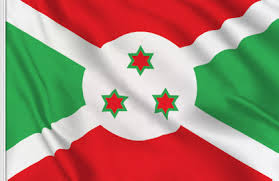
Burundi’s Independence Day in 2025 is today, July 1st. It is a significant public holiday in Burundi, marking the anniversary of the country’s independence from Belgium in 1962. This day is not only a celebration of national pride but also a time for reflection on the struggles and sacrifices that led to this hard-won freedom.
Festivities across the nation include cultural performances, parades, and ceremonies that honor the heroes of the independence movement. Schools and communities come together to organize events that educate the younger generation about the importance of independence and the country’s rich heritage. It is a day filled with unity, hope, and a renewed commitment to building a prosperous future for all Burundians.


 Jogo Corpo Fechado