
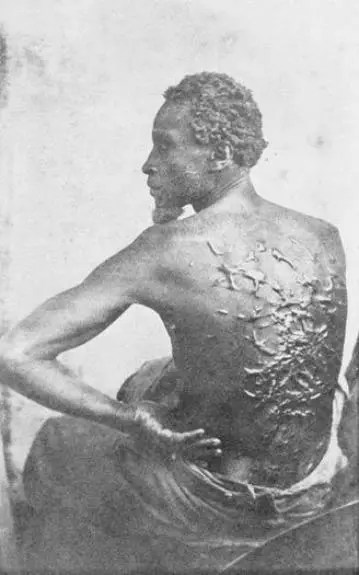
So, some of you may have heard of the “Black Holocaust”, but don’t know what it is.
The term “Black Holocaust” denotes the historical and ongoing atrocities against Black people, such as the transatlantic slave trade and institutional racism. It is often synonymous with the Kiswahili term Maafa, meaning “great disaster,” and has been used since 1988 to honor the suffering of ancestors and recognize the lasting impact of these injustices. The Maafa serves as a cultural and political framework to remember and address the injustices faced by people of African descent.
So, why is this important?
As capoeiristas, I believe that we must know about this history, because Capoeira was one of the manifestations that came from this dark part of our past. Understanding the Black Holocaust involves acknowledging the immense suffering and systemic oppression faced by millions of Africans and their descendants during slavery. This history is not just a chapter in the past; it has profound effects on our current society and cultural practices. Capoeira, which was born out of resistance, survival, and the blending of cultures, serves as a powerful reminder of resilience in the face of adversity. By studying and embracing this history, we can appreciate the roots of Capoeira more deeply and foster a greater sense of community and awareness in our practice. It is essential to honor our ancestors and the struggles they endured to ensure that the legacy of Capoeira continues to thrive and inspire future generations.
So, In that spirit, I’ve created a small timeline of how the Black Holocaust has manifested in the United States, where I’m from.

TIMELINE:
The Atlantic slave trade: 365 years, from the 1520s until the mid-1860s (officially)
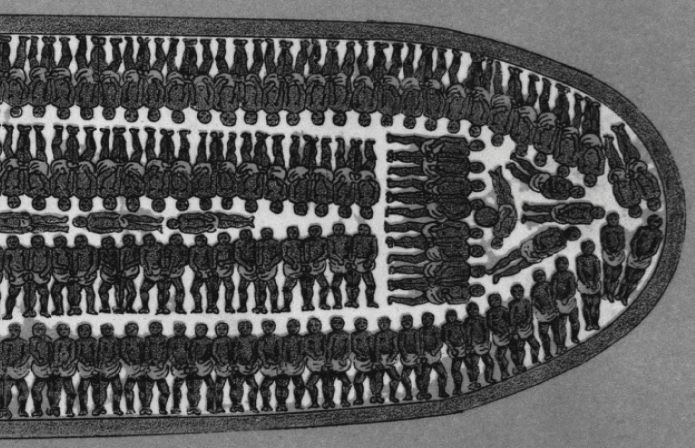
The Atlantic slave trade was a forced international enterprise between the 16th and 19th centuries, where European powers kidnapped millions of Africans and transported them to the Americas to work on plantations and in other businesses, primarily sugar cultivation. This trade, driven by a demand for cheap labor and profit, was devastating to African societies and resulted in one of history’s largest forced migrations, creating the African Diaspora. The trade operated on a triangular trade system, with goods and people traveling between Europe, Africa, and the Americas, culminating in the horrors of the Middle Passage, during which many enslaved Africans died from brutal conditions on slave ships.
Systemic violence and oppression:
Supporters of the term argue that the suffering of Black people did not end with the abolishment of slavery. It continued through events and systems such as:
Jim Crow: 1865 – 1964
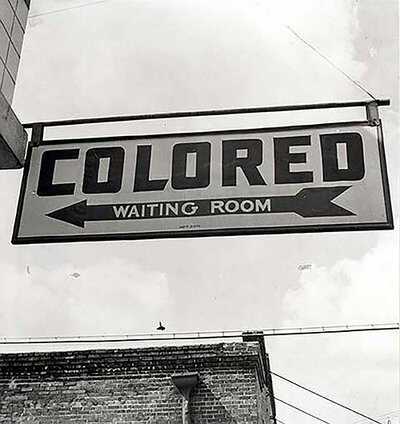
The Jim Crow era was a system of state and local laws enacted after the Civil War that enforced racial segregation and denied rights to African Americans. This oppressive framework lasted from the late 19th century until the 1960s and was characterized by discriminatory practices in various aspects of daily life, including education, employment, housing, and transportation. African Americans were subjected to systemic disenfranchisement through tactics like literacy tests and poll taxes, while social customs mandated their segregation from white citizens in public spaces, which included separate schools, restaurants, and restrooms. The Jim Crow laws not only reinforced a racial hierarchy but also perpetuated an environment of violence and intimidation, as acts of lynching and other forms of racial terror were tragically common during this period. The legacy of Jim Crow has left lasting scars on American society, fueling the ongoing struggle for civil rights and social justice that continues to this day.
Lynchings and race riots: 1882 – 1986

During the century from 1882 to 1986, lynchings and race riots served as tools of racial terrorism to enforce white supremacy across the United States. These horrific acts were not isolated incidents; rather, they were part of a systematic campaign of violence intended to instill fear within Black communities and to maintain the social and economic hierarchy that privileged white citizens. The brutality of lynchings often drew large crowds, showcasing a culture of complicity and indifference to the suffering of marginalized individuals. Race riots, fueled by underlying tensions stemming from economic disparity, social injustice, and the relentless pursuit of civil rights, further exemplified the volatile struggle for equality. Consequently, these violent episodes not only left deep scars on the fabric of society but also galvanized resistance movements aimed at dismantling the oppressive structures of white supremacy, laying the groundwork for the civil rights advancements seen in subsequent decades.
The civil rights movement: 1954 – 1968

The Civil Rights Movement was a decades-long, nationwide struggle by African Americans and their allies to end racial segregation and discrimination and secure constitutional rights, particularly the right to vote and equal protection under the law. Fueled by events like the murder of Emmett Till and led by figures such as Martin Luther King Jr., it achieved major legislative victories with the Civil Rights Act of 1964 and the Voting Rights Act of 1965, fundamentally changing American society and law. The era was marked not just by legislative achievements but also by powerful grassroots activism, organized marches, and the the establishment of civil rights organizations like the NAACP, which played a crucial role in advocating for change. This movement saw countless individuals bravely confronting systemic inequality, risking their lives and livelihoods to fight for justice. With iconic events such as the March on Washington in 1963, where Dr. King delivered his legendary “I Have a Dream” speech, the movement left an indelible mark on the nation’s conscience and continues to inspire new generations in the pursuit of equality and human rights.
Police brutality and mass incarceration: ONGOING
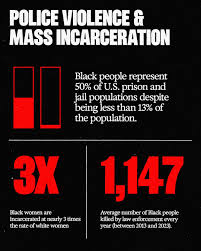
Police brutality and mass incarceration are interconnected phenomena, where systemic police targeting of marginalized communities, particularly Black individuals, contributes to disproportionate arrests and convictions that fuel mass incarceration. This cycle is deeply rooted in historical racial inequities, which have created a legacy of mistrust between law enforcement and these communities. Reinforced by policing practices that disproportionately target certain populations, it defaults to criminalizing issues like mental health crises and homelessness, often treating them as criminal behaviors rather than social challenges that require compassionate intervention. Furthermore, the militarization of police forces and strict enforcement of low-level offenses escalate tensions and perpetuate violence against these communities. The long-term consequences of this damaging relationship extend far beyond individual cases, leading to significant social, economic, and health disparities for individuals, families, and entire communities. Those affected face barriers to employment, education, and housing, creating a cycle of poverty and disenfranchisement that persists across generations, while also diminishing the overall safety and cohesion of society as a whole.
What you see above just in the United States, where I’m from, and where I’m typing this article. Believe me, this oppression has happened in various ways all over the world, manifesting through systemic injustices, social inequalities, and often brutal governmental actions. From the historical context of colonialism and slavery to contemporary issues such as racial discrimination, economic disparity, and human rights violations, countless communities have faced unimaginable challenges. This pervasive struggle for dignity and equality transcends borders and cultures, leaving a profound impact on the lives of countless individuals, reminding us that the fight against oppression is a global endeavor requiring solidarity and collective action.
It is crucial to recognize that each instance of oppression is not just a statistic, but a real-life disruption of families and communities, often leading to cycles of poverty and violence that become increasingly difficult to break. Furthermore, as we reflect on these enduring issues, we must also acknowledge the resilience and strength of those who have fought against such injustices, often at great personal risk. This ongoing battle calls for not only awareness and education but also a commitment to active participation in advocating for change, forging alliances across diverse groups, and leveraging our voices to amplify the struggles of the marginalized. Only through this collective effort can we hope to dismantle the systems that perpetuate inequality and strive towards a more just and equitable world for future generations.
Now, let’s revisit Maafa.
The Maafa, a Swahili term for “great disaster” or “great tragedy,” refers to the historical atrocities inflicted upon Black people, particularly the transatlantic slave trade, and its ongoing effects of racism and oppression. This horrific period in history not only resulted in the forced displacement and suffering of millions but also laid the groundwork for deep-seated racial disparities that persist today. Also known as the Black Holocaust or African Holocaust, the term has been in use since 1988 to honor the suffering of ancestors and to highlight the lasting trauma of enslavement and colonization. Such recognition is essential for fostering understanding and empathy, as well as for promoting healing within communities.
The Maafa serves as a crucial cultural and political framework for remembering, commemorating, and addressing the profound injustices faced by people of African descent throughout history, as seen in commemorations and artistic expressions that resonate deeply within the community. These artistic forms play a vital role in education and awareness, not only preserving the memories of those who suffered but also empowering current and future generations to understand their history. Through various forms, including literature, music, and visual art, the narrative of the Maafa continues to evolve, bridging generational gaps and inspiring a renewed sense of pride and identity. This creative expression helps to articulate the collective pain of marginalized communities while fostering dialogue around healing and reconciliation. Moreover, it cultivates a spirit of activism aimed at dismantling systemic inequalities and fostering social justice, encouraging individuals to engage actively in the fight for equity and recognition of human rights. By intertwining artistic endeavors with social movements, the Maafa becomes a living testament to resilience and a call to action for a more just society.
 Jogo Corpo Fechado