
“Maculelé is a dance and a fight at the same time. Defense and attack mixed with black rhythm.” (This is the definition Popo used a lot when talking about the rhythm of Maculelé).
– Mestre Popo

Greetings!
This is a part of my “ROOTS OF CAPOEIRA” series which I started on the Blog section of this website. Blog series is where I post about certain aspects of Afro-Brazilian culture. I believe that Afro-Brazilian culture is the main roots from which Capoeira comes from.
Now, let’s get started.
Santo Amaro da Purificação in Recôncavo Baiano, a city surrounded by the lush greenery of Canaviais, or sugar cane plantations, boasts a rich tapestry of popular African-originated cultural expressions.
The exuberant traditions of Santo Amaro da Purificação are deeply rooted in the historical and cultural significance of the region, contributing to the colorful tapestry of Brazil’s diverse heritage. The rhythm of life in this city resonates with the pulsating beats of its cultural expressions, inviting visitors and locals alike to experience the living heritage of the land.
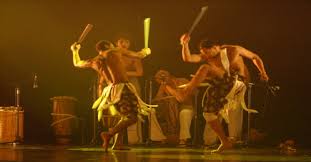
This vibrant city not only holds the legacy of being the birthplace of Bahian capoeira but also stands as the cradle of Maculelé. This energetic dance form is characterized by its powerful dramatic expression, originally designed for male participants, who would engage in synchronized movements, wielding grimas (sticks) to the rhythmic beats of atabaques (percussion instruments) and the resonating sounds of singing in the African dialect or vernacular.
Its origin, however, as often happens in relation to all forms of folkloric African matrix, is obscure and unknown.
The development and migration of the “dance of sticks,” known as Maculele, from its indigenous roots into the academies and performances of capoeira schools is indeed a fascinating journey. This captivating art form has its origins deeply embedded in both African and Brazilian culture, with rich and diverse tales attributing its creation to different sources.
One of the prevalent theories links the birth of Maculele to the experiences of African slaves toiling on the sugarcane plantations in Brazil. The use of Maculele sticks to symbolize sugarcane stalks and machetes as the large knives used for cutting them reflects the hardships endured by the slaves. The dance movements, depicting the actions of cutting sugarcane, were purportedly a form of entertainment, a release of pent-up frustration and anger, and a means of self-defense veiled as a dance to protect themselves from physical punishment. The incorporation of flaming torches in place of sticks or machetes in Maculele performances is said to symbolize the sticks slaves used to confront their oppressors.
Another version of Maculele’s origins revolves around a village hero, with variations in the narrative. This story unfolds with the sole defender of a village using a pair of wooden sticks to fend off an attacking enemy, leading to the creation of the dance of Maculele in honor of the hero’s bravery. The tale spans from Africa to Brazil, resonating with different variations of the valorous act.
Furthermore, Maculele’s evolution is intricately intertwined with Brazil’s indigenous culture, with legends depicting a single individual thwarting an entire enemy tribe and subsequently being celebrated through the dance of Maculele. The amalgamation of African and Brazilian indigenous cultures in shaping Maculele is a topic of profound interest, with scholarly studies offering varied perspectives on its ancestry.
The pivotal transition of Maculele into the realm of capoeira schools and performances can be attributed to the efforts of Paulino Alusio de Andrade, famously known as Mestre Popo do Maculele.
Mestre Popo’s dedication and passion for preserving and sharing the traditions of Maculele have left a profound impact on the cultural landscape of Brazil. His pioneering efforts not only revitalized a near-forgotten dance but also provided a platform for its integration into capoeira schools and various performances. The rich history and evolution of Maculele owe much to Mestre Popo’s vision and unwavering commitment to its preservation. Through the Conjunto do Maculele de Santo Amaro, he not only revived the artform but also ensured its presence in local religious festivals, thereby rekindling interest and appreciation for this traditional dance. Consequently, Mestre Popo’s legacy endures, as he is widely revered as the father of Maculele in Brazil, a testament to his invaluable contributions to the cultural tapestry of the country.
The exposure and popularity of Maculele were further amplified when Viva Bahia, a renowned capoeira theater group, integrated it into their performances, leading to its adoption by eminent capoeira groups and luminaries. This integration not only enhanced the visibility of Maculele but also contributed to its evolution as an art form, captivating audiences with its spirited rhythm and dynamic movements. As the resonating beats of Atabaque and Agogô echoed through the air, the spectacle of Maculele danced to life, mesmerizing spectators with its fusion of history, tradition, and raw energy. With each performance, Maculele carved its place as a cherished expression of Brazilian cultural heritage, enriching the tapestry of capoeira and captivating the hearts of aficionados and newcomers alike.
The journey of Maculele, from its origins among African slaves and indigenous roots in Brazil to its resurgence and integration into capoeira schools, reflects the enduring spirit and cultural significance of this mesmerizing “dance of sticks.”
The Maculele dance, with its origins deeply rooted in Brazilian culture and traditions, is a captivating display of dramatic, expressive motions, and high-energy performances. One of the key elements of Maculele is the use of grimas, the sticks used by the performers, which were originally 24 inches long and 1 1/8 in. thick. Nowadays, these sticks have a range of 12-20 inches, adding versatility to the dynamic movements of the dance. Traditionally made of biriba wood, the same wood used to make berimbaus, these grimas play a vital role in the rhythmic and visually stunning choreography of Maculele.
In addition to the grimas, the use of machetes, known as facãos in portuguese, further adds to the spectacle of this dance. Traditionally around 40cm long, these machetes contribute to the mesmerizing rhythms and athletic movements performed by the dancers. Furthermore, the incorporation of the machetes in the dance holds a historical significance reflecting the agricultural roots of the region where this traditional form of dance originates. The movements with the machetes display a blend of precision, agility, and strength, paying homage to the skills required by agricultural workers. This cultural art form is a testament to the rich history and traditions of the local community, showcasing the fusion of music, dance, and the region’s heritage.
The rhythmic structure of Maculele is intimately connected to the striking of the sticks (or knives) in combination with expressive movements, creating a mesmerizing 4-count rhythm that is both captivating and engaging for the audience.
The attire worn during Maculele performances is also significant, with grass skirts being a common choice, adding a traditional and visually striking element to the dance. Sometimes, the performers also adorn painted bodies, further enhancing the visual impact of the dance. While modern choreographed performances showcase individual movements in straight lines, true Maculele is performed in a roda, reminiscent of the format of capoeira. The incorporation of singing and the rhythmic involvement of up to three atabaques further enrich the cultural and traditional aspects of Maculele.
Moreover, the songs sung during Maculele performances, predominantly in Portuguese and Yoruba, serve as a poignant reflection of the history and cultural influences that have shaped this captivating dance form. These songs resonate with themes that lament the arduous labor in the sugarcane fields, celebrate the abolition of slavery, honor the hero Maculele, and evoke the struggles of Brazil’s indigenous people.
Click HERE for a list of Maculele songs from capoeira-music.net.
The rhythmic patterns associated with Maculele, such as the congo, afoxé, and barra vento, contribute to its rich and diverse cultural tapestry. These patterns not only showcase the art form’s significance but also add depth to its captivating and culturally resonant nature. Maculele’s ability to intertwine these various rhythmic elements reflects the multifaceted cultural heritage from which it stems. This intricate fusion of rhythmic expressions elevates Maculele as a compelling representation of cultural artistry, speaking volumes about the traditions and histories it encapsulates.
I hope you enjoyed reading my brief introduction to Maculele. I’ll post more about it, and other expressions of Afro-Brazilian culture on the blog portion of this website.
And remember, the root of this art form, as well as capoeira, is the Afro-Brazilian people, whose rich cultural heritage and traditions have profoundly influenced not only the development of these practices but also the vibrant social fabric of Brazil itself.
Their resilience and creativity, born from a history of struggle and perseverance, have given rise to a unique blend of music, movement, and community that celebrates their identity. This connection to African ancestry is not merely historical; it continues to inspire and shape the evolution of these art forms today, serving as a reminder of the importance of honoring and recognizing the diverse roots from which they spring.
 Jogo Corpo Fechado