

Welcome to Part 5 of the tao of Charles Williams, which is MY INTERPETATION of what he has taught me throughout my years training with him.
Today, we’re gonna explore the subject of self-defense, including the use of weapons. This page was inspired by a recent talk a small group of us had with Charles about “Taking up Arms,” against say, a tyrannical govt.
Side note, for those of you out there who are thinking about starting a “Bloody Revolution”, This video is for you.
Anyway, My position is and always has been that the ONLY reason to take up arms on ANY level is to defend yourself and your community. In a world where we often encounter unjust authorities and oppressive regimes, it’s crucial to understand the principles of self-defense and the moral implications behind taking action. Whether it’s standing against physical violence or advocating for one’s rights, the use of arms must always be a last resort, reserved for situations where dialogue and peaceful resolution have failed. We must also emphasize that self-defense goes beyond simply bearing arms; it includes fostering a community’s resilience and preparedness, ensuring that individuals are equipped not only physically but also mentally to confront threats. This comprehensive understanding empowers us to protect not only ourselves but also our values and the integrity of our communities in times of need.
So now, I’m gonna share with you MY INTERPRETATION of some of his views on self defense. I say some, because a HUGE amount is also my own thoughts, especially when it comes to weapons and weapons training. You see, Charles is NOT a weapons person; Although he is an incredible martial artist, he is not an advocate for using violence to solve problems, especially with weapons like guns and blades, and I truly respect his perspective.
In fact, he emphasizes the importance of de-escalation and conflict resolution through dialogue rather than aggression, asserting that true strength lies in the ability to walk away from a confrontation. Charles believes that martial arts should be utilized for self-discipline and personal growth, guiding practitioners towards inner peace. His approach challenges the traditional notions of self defense by advocating for techniques that prioritize control and restraint, fundamentally shaping how we think about responding to threats. This philosophy resonates deeply with me and inspires me to contemplate the broader implications of self-defense beyond mere physicality.
However, I have come to believe that understanding and mastering the use of weapons can significantly enhance a martial artist’s skill set and overall self-defense strategy. What I wrote below on that subject is why I believe weapons training, including should be ESSENTIAL for a martial artist in general, and a Capoeirista in particular. The principles of movement, timing, and distance that are involved in weapons training can translate effectively into the practice of unarmed techniques, allowing for greater adaptability and resilience in unpredictable situations. By incorporating weapon training, martial artists not only gain physical skills but also cultivate a deeper understanding of the dynamics of confrontation and the moral implications that surround the use of force. This comprehensive approach ultimately enriches one’s martial arts journey and prepares the practitioner for a myriad of real-world scenarios.
Now let’s get started.
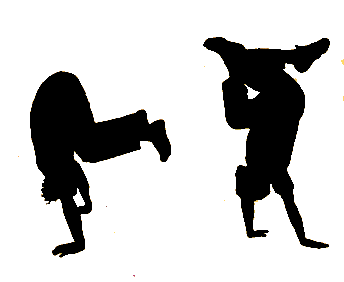
Capoeira Angola is far more than just a captivating cultural expression; it is a profound and unique form of self-defense and fighting that integrates a rich tapestry of movement, rhythm, and acrobatics. This Afro-Brazilian martial art, with its deep historical roots, serves as both a practical means of self-protection and a sophisticated method for engaging with opponents in a non-aggressive, yet highly effective, manner.
At its core, Capoeira Angola’s self-defense techniques emphasize fluidity, evasion, and strategic positioning, making it a unique martial art that blends combat skills with an artistic expression. Practitioners learn to move with grace and agility, allowing them to skillfully evade incoming attacks rather than meeting force with force, which is a fundamental principle of the discipline. This emphasis on deception and misdirection is crucial, enabling a Capoeirista to respond with quick and precise counter-movements, often utilizing sweeps, kicks, and headbutts that are disguised within the continuous flow of the game. Moreover, this approach cultivates a heightened awareness of one’s surroundings, encouraging practitioners to anticipate their opponent’s moves and adapt accordingly. The “ginga,” the foundational swaying movement, is not merely aesthetic; it is a constant state of readiness that creates an unpredictable target while facilitating effortless transitions between defensive and offensive actions. This dynamic nature of movement ensures that a Capoeirista remains fluid and adaptable, capable of responding to various situations with both creativity and effectiveness, ultimately transforming each encounter into a captivating dance of strategy and skill.
Additionally, the incorporation of rhythm and music into practice enhances the understanding of timing and synchronization, making each movement more effective. This playful yet intense approach fosters a deep connection between practitioners and their environment, promoting adaptability and a heightened sense of awareness that are essential for success in both Capoeira and real-life self-defense scenarios. The interplay between technique and artistry transforms each encounter into a dynamic exchange, encouraging creativity and individual expression while reinforcing the necessity of discipline and respect within the practice.
Beyond its physical attributes, the communal nature of Capoeira Angola plays a vital role in developing essential self-defense qualities that extend far beyond the martial art itself. The practice instills a profound sense of respect, discipline, and awareness not only towards oneself but also towards fellow practitioners, fostering a sense of brotherhood and unity. Through consistent training and interaction within the “roda” (the circle where Capoeira is played), individuals are encouraged to develop unwavering confidence and resilience, mastering both the art of movement and the art of social engagement. The call-and-response songs, the rhythmic instruments, and the inherent improvisation all contribute to a dynamic environment that hones instinct and quick decision-making under pressure, allowing practitioners to navigate both physical challenges and social dynamics with grace. The fluidity of these interactions echoes the unpredictability of real-life confrontations, creating a holistic training ground where each participant learns to adapt, innovate, and respond effectively in varying circumstances, ultimately enriching their overall life experience.
This holistic approach to Capoeira Angola makes it an exceptionally effective practice for self-defense. It fosters an intricate understanding of one’s body, enhancing proprioception and kinesthetic awareness, which are crucial for movement efficiency and adaptability. The constant need for adaptation and response sharpens reflexes and promotes unparalleled mental agility, enabling practitioners to think several steps ahead in any given situation. These attributes—body control, heightened reflexes, and quick thinking—are not just beneficial but absolutely essential in any self-defense scenario, allowing individuals to assess threats, react appropriately, and defend themselves with both physical prowess and strategic intelligence. Moreover, the rhythmic and improvisational nature of Capoeira Angola encourages practitioners to develop creativity in their movements, further enhancing their ability to adapt to unpredictable circumstances. Capoeira Angola, therefore, offers a comprehensive system that cultivates not only the physical skills but also the mental fortitude and awareness necessary to navigate and overcome challenging encounters, transforming practitioners into not just fighters but also confident, quick-thinking individuals capable of handling various life situations with grace and effectiveness.
Weapons use in Capoeira Angola
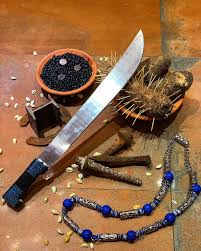
The integration of weapons and weapon training was a deeply ingrained and practical aspect of Capoeira throughout most of its history in Brazil, far from being a mere stylized addition. These weapons were not simply for show, but essential tools for survival and defense, reflecting the harsh realities faced by capoeiristas across various periods. .
Other common hiding places for weapons included everyday items like hats and umbrellas. These items not only concealed weapons but could also be used defensively or offensively themselves, further highlighting the adaptability and inventiveness embedded within Capoeira’s combative aspects. Weapons training and use in Capoeira significantly enhanced the overall practice, intertwining elements of art, culture, and self-defense. This martial art, renowned for its agility and fluid movements, incorporated a variety of traditional weapons, including the berimbau, navalha (straight razor), and facão (machete). Practitioners dedicated themselves to wielding these tools with precision, focusing on coordination, balance, and skill. This disciplined training not only developed physical prowess but also fostered a deeper understanding of Capoeira’s rich historical context. Through the study of weapons, students were able to explore the intricate rhythms and dynamics of Capoeira on a more intimate level, experiencing a unique blend of physicality and spirituality. Training with weapons encouraged practitioners to adapt their techniques, fostering creativity and strategic thinking. These vital elements were crucial not only for captivating performances but also, more importantly, for navigating real-life situations where self-preservation was paramount. The integration of weapons was a testament to Capoeira’s origins as a martial art born out of necessity and a continuous struggle for survival.
The Ubiquitous Knife: A Dual Arsenal for Diverse Threats
Capoeiristas, deeply rooted in a history of struggle and self-preservation, were renowned for their preparedness, routinely carrying at least two knives as an integral part of their personal defense. This practice underscored their constant readiness for a myriad of encounters, from spontaneous street altercations to more formal challenges. This dual arsenal showcased a sophisticated understanding of both overt and covert threats, as well as the pervasive cultural beliefs of the era.
One of these knives was typically forged from metal, a conventional and undeniably lethal weapon designed for direct combat. Its sharp edge and piercing point made it a formidable tool for both offense and defense, capable of inflicting severe wounds or serving as a deterrent against aggressors. The metal knife represented a practical and universally understood means of engagement in close-quarters combat, readily available and effective against most opponents. Its presence was a clear declaration of intent and capability, offering both a psychological and physical advantage.
However, the second knife often presented a seemingly anachronistic contrast, being meticulously crafted from wood. This choice, while peculiar from a modern vantage point, was firmly rooted in a pervasive and deeply held belief system of the era. It was widely believed that certain individuals, through various spiritual rituals or potent magical means, could render their bodies utterly impervious to the cutting or piercing effects of metal weapons. This conviction, though perhaps eliciting a knowing chuckle from a contemporary perspective, was a very real and serious consideration for capoeiristas. Their strategic adaptation of their arsenal to include a wooden knife was a testament to their pragmatic approach to survival, acknowledging and preparing for every perceived threat, even those rooted in the supernatural.
Furthermore, it is crucial not to underestimate the efficacy of a wooden knife in the hands of a skilled capoeirista. Far from being a mere decorative trinket or a symbolic gesture, it was a remarkably effective weapon. A well-placed strike could inflict significant blunt force trauma, capable of disorienting an opponent, breaking bones, or causing severe internal injuries. Beyond direct impact, the wooden knife was also highly effective for disarming opponents, allowing the wielder to deflect, trap, or even break an adversary’s weapon. Moreover, its solid form could be used to create crucial openings for other attacks, whether through feints, blocks, or strikes designed to disrupt an opponent’s balance or guard. The ability to switch between these two types of knives also allowed for strategic surprises, as an opponent might expect one and be confronted with the unexpected properties of the other.
The swift drawing of a knife, regardless of whether it was metal or wood, was a common and decisive tactic employed in the unpredictable environment of street rodas (informal Capoeira circles) or when confronted by openly hostile opponents. This rapid deployment allowed for immediate and decisive action, facilitating quick stabbing or slashing motions that could swiftly neutralize a threat or create the necessary space for escape or further engagement. The choice between metal and wood was not simply about lethality; it was about versatility, adaptability, and a deep understanding of both the physical and perceived realities of combat in their time. The psychological impact of drawing a weapon, regardless of its material, was also a significant factor in de-escalating or intensifying a confrontation.
Hidden Blades and Deceptive Kicks: The Art of Subtle Lethality
The cunning of capoeiristas extended beyond overt weaponry, manifesting in even more subtle and insidious methods of weapon concealment. Historical accounts and oral traditions speak of razors reputedly affixed to their feet, often along the instep or heel, and cleverly hidden within the folds of their clothing or even integrated into the soles of their simple footwear. This made the presence of a weapon virtually invisible to an unsuspecting eye, granting the capoeirista a dangerous advantage rooted in deception and surprise. This tactic was particularly effective given the emphasis on leg movements and kicks in Capoeira.
This method allowed for a devastating surprise attack, capitalizing on the very essence of Capoeira’s deceptive nature. A seemingly ordinary movement—a well-placed kick, a fluid sweep, or a rapid evasion—could easily transform into a lethal strike. The razor’s edge, concealed until the last moment, had the potential to cut the throat of an opponent, sever tendons, or inflict deep, incapacitating wounds before the victim could even perceive the true threat, let alone react to it. This profound element of surprise underscores the deadly intent that often masked the graceful, almost playful movements of Capoeira, transforming a dance-like art form into a potent and unpredictable combat system. The very beauty and fluidity of Capoeira served as a veil, making its practitioners both artists and formidable, often unseen, warriors. The psychological impact of such an unexpected and brutal attack would have been immense, further enhancing the capoeirista’s reputation and deterring future aggressors.
The Berimbau: More Than a Musical Instrument, A Concealed Threat
The berimbau, an iconic single-stringed musical instrument central to Capoeira, possessed a profound dual identity. Beyond its rhythmic and melodic role, which is fundamental to the art form, it served as a clever concealment device, ingeniously designed to blend music with practicality. Its hollow body could discreetly house smaller weapons, providing a non-obvious means of transport for vital tools that could be crucial in moments of need, thus allowing practitioners to carry essential items without drawing undue attention from authorities or potential adversaries. This subtle integration of weapon concealment into a cultural symbol highlights the resourcefulness and necessity that defined the capoeirista’s existence.
More strikingly, the berimbau could be transformed into a formidable weapon itself. By making it’s bottom tip into a sharp point, or attaching a specialized spear-like blade to its tip with a ring, the instrument became a formidable long-range weapon, capable of thrusting and parrying with great precision. This modification was not merely an act of improvisation but a testament to the capoeirista’s ingenuity and adaptability. This transformation added another layer of offensive and defensive capability to the capoeirista’s repertoire, enabling them to protect themselves and strike back in a fluid motion, seamlessly integrating the art of combat with the beauty of music. This demonstrates the rich cultural tapestry that Capoeira represents, where rhythm and technique coexist harmoniously, blurring the lines between performance and survival. The long reach of the berimbau, especially when armed, offered a significant advantage in maintaining distance and controlling the flow of a confrontation.
Everyday Objects as Weapons: Ingenuity in Plain Sight
Beyond specialized tools, capoeiristas expertly leveraged everyday objects for both concealment and combat. Hats and umbrellas, common accessories in 19th and early 20th century Brazil, provided convenient hiding spots for smaller weapons, cleverly allowing practitioners to remain discreet and unpredictable in a confrontation. These seemingly innocuous items blended seamlessly into the urban landscape, making surveillance or detection of hidden weapons incredibly difficult.
However, their utility extended beyond mere camouflage; for instance, a sturdy hat, especially if reinforced with additional material, could be used not only for striking or deflecting blows but also as a shield against incoming attacks, adding an extra layer of protection. The brim could be used to distract or momentarily blind an opponent, creating an opening for a more decisive move. Similarly, an umbrella, with its rigid frame and pointed tip, could be wielded as a bludgeon or a thrusting weapon, making it a versatile tool in a street confrontation. Its ability to extend and retract also offered dynamic possibilities for striking and defense. This innovative use of everyday items highlights the creativity and resourcefulness of capoeiristas, who transformed mundane objects into instruments of self-defense and tactical advantage, illustrating their deep understanding of both the physical and psychological aspects of combat. By incorporating these familiar items, they not only enhanced their combat proficiency but also blurred the lines between daily life and the intensity of street encounters, making every interaction imbued with the possibility of conflict.
The Enduring Legacy of Weapons Training: A Holistic Path to Masteryhe Enduring Legacy of Weapons Training:
The historical practice of weapons training and use remains an essential, albeit often less emphasized, aspect of Capoeira that profoundly enhances the overall practice. It seamlessly combines elements of art, culture, and self-defense, showcasing the multifaceted nature of this unique martial art. While Capoeira is celebrated for its agility, fluid movements, and acrobatic flair, the incorporation of various traditional weapons – such as the berimbau, the atabaque (drum, which could also be used for defense or as a bludgeon), and the facão (machete) – underscores its practical and combative roots.
Practitioners who engage in weapons training learn to wield these tools with skill, focusing on coordination, balance, and precision. This specialized training cultivates a deeper understanding of Capoeira’s rich historical context, allowing students to connect with the challenges and strategies of past capoeiristas, who faced various adversities in both fighting and survival. Through the study of weapons, students can explore the intricate rhythms and dynamic movements of Capoeira more intimately, experiencing a unique blend of physicality and spirituality that transcends mere physical exercise. Additionally, the process of learning to handle weapons requires immense discipline and respect for the art form, fostering a sense of camaraderie among students as they navigate their shared journey while honoring the traditions that have shaped Capoeira over centuries. As they develop their skills, students often find themselves more engaged with the cultural narratives, music, and philosophy that underpin this captivating martial art, enhancing not just their physical prowess but also their mental resilience and community connection.
Training with weapons also fosters adaptability and ingenuity, crucial qualities for both performance and real-life scenarios. It encourages practitioners to creatively modify their techniques and develop strategic thinking, enabling them to anticipate and respond effectively to diverse situations. Moreover, this unique aspect of training cultivates a deeper connection to the cultural origins of Capoeira, allowing practitioners to explore historical contexts and the philosophies that underpin these martial arts. As artists of movement, they learn to express themselves not only through traditional Capoeira but also through the nuanced art of weaponry, which challenges them to refine their skills and expand their physical repertoire. In essence, the integration of weapons training in Capoeira not only honors its historical legacy but also enriches the practitioner’s understanding of self-defense, cultural heritage, and the complex interplay between art and survival, ultimately nurturing a holistic approach to personal growth and martial mastery.
Training with weapons in Capoeira transcends mere physical exercise, fostering adaptability and ingenuity—qualities that are absolutely crucial for both captivating performances and real-life self-defense scenarios. This unique aspect of training actively encourages practitioners to creatively modify their existing techniques, pushing the boundaries of their movements and developing a truly strategic mindset. By engaging with weapons, they learn to anticipate and respond effectively to a wide array of diverse and unpredictable situations, enhancing their tactical awareness and problem-solving skills under pressure.
Moreover, integrating weapons into Capoeira training cultivates a profound and deeper connection to the rich cultural origins of this martial art. Practitioners are afforded the invaluable opportunity to explore historical contexts, delving into the philosophies and traditions that underpin these ancient martial arts. This exploration not only enriches their understanding of Capoeira’s past but also allows them to grasp the profound significance of its evolution.
As artists of movement, Capoeiristas learn to express themselves not solely through the traditional, unarmed forms of Capoeira, but also through the nuanced and intricate art of weaponry. This challenges them to meticulously refine their existing skills, demanding precision, control, and an expanded physical repertoire. The incorporation of weapons introduces a new dimension of movement, requiring a different kind of grace, power, and coordination.
In essence, the integration of weapons training in Capoeira serves multiple vital purposes. It not only profoundly honors its historical legacy, ensuring that the ancient practices and knowledge are preserved and passed down, but it also significantly enriches the practitioner’s holistic understanding. This comprehensive enrichment encompasses a deeper comprehension of self-defense principles, a more profound appreciation of cultural heritage, and an acute awareness of the complex and dynamic interplay between art and survival. Ultimately, this multifaceted approach to training actively nurtures a truly holistic approach to personal growth and unparalleled martial mastery, preparing individuals not just for physical encounters but for life’s broader challenges.
The incorporation of weapons training within Capoeira is far more than a mere adjunct; it is a foundational pillar that serves a multitude of critical and interconnected purposes. At its core, this integration profoundly honors Capoeira’s rich historical legacy, acting as a living bridge to the past. By engaging with these ancient practices and the knowledge embedded within them, practitioners actively ensure their preservation and transmission across generations, preventing the erosion of vital cultural heritage.
Beyond historical reverence, weapons training significantly enriches the practitioner’s holistic understanding of Capoeira. This comprehensive enrichment permeates several key areas:
- Self-Defense Principles: The study of weapons introduces new dimensions to self-defense. Practitioners develop a deeper comprehension of range, timing, leverage, and the strategic advantages and disadvantages inherent in armed and unarmed combat. This understanding refines their ability to perceive threats, adapt tactics, and respond effectively in a wider array of confrontational scenarios. The movements and evasions used to counter a weapon also enhance their unarmed combat skills, making them more fluid, precise, and unpredictable.
- Cultural Heritage: Weapons are not just tools; they are imbued with cultural significance. Training with instruments like the berimbau (often considered a weapon in its historical context) or historical blades deepens the practitioner’s appreciation for the cultural narratives, rituals, and philosophical underpinnings that shaped Capoeira. It connects them to the struggles, resilience, and ingenuity of those who developed and practiced this art form under challenging circumstances.
- Interplay of Art and Survival: Perhaps most acutely, weapons training illuminates the complex and dynamic interplay between Capoeira as an expressive art form and its origins as a means of survival. The graceful, deceptive movements of Capoeira take on a sharper edge when considered in the context of wielding or defending against a weapon. This heightened awareness fosters an understanding that the aesthetic beauty and fluid acrobatics are not merely for show, but are deeply rooted in practical combat effectiveness. It blurs the lines between dance, game, and fight, revealing the profound utility within its artistic expression.
Ultimately, this multifaceted approach to training actively nurtures a truly holistic path to personal growth and unparalleled martial mastery. By grappling with the physical, mental, historical, and cultural challenges presented by weapons integration, individuals are prepared not just for potential physical encounters but are also equipped with a robust toolkit for navigating life’s broader challenges. This includes developing discipline, focus, adaptability, strategic thinking, and a deeper connection to their own heritage and inner strength. It is a journey that transcends mere physical prowess, fostering a well-rounded individual capable of facing diverse obstacles with skill, wisdom, and resilience. The legacy of weapons in Capoeira is a powerful reminder of its origins as an art of necessity, born from the crucible of survival and continually evolving to empower its practitioners.
The bonds forged in the heat of training and exploration create a network of allies who uplift each other, while also emphasizing the importance of respect and understanding for various cultural backgrounds and philosophies surrounding martial arts. In this enriching environment, individuals not only expand their personal capabilities but also contribute positively to the world around them, embodying the values of unity and harmony. Now that you know WHY I think training for Self-Defense and learning to at least use weapons are essential, Click HERE if you want to explore this subject in more detail.
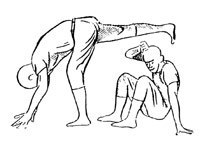
 Jogo Corpo Fechado