
Welcome to Part 4 of the Tao of Charles Williams, where I’m excited to share with you the insights and wisdom I have specifically learned from him throughout my time with him as one of his students. Today, I feel a profound sense of gratitude as I reflect on the invaluable lessons he imparted, not just in the realm of Capoeira but also in life itself.
Today, I talk about Nature, a little spirituality, and how I believe Capoeira Angola fits into it, a lot of it based on what I learned from Mr. Williams.
You see, I didn’t learn Capoeira Angola in a studio. Most of my early years of training was in Griffith Park, one of the largest parks in the United States, a small slice of nature in the Los Angeles landscape.
We trained in all weather, even when it was raining, embracing the elements as part of our practice. Each drop of rain and beam of sunlight became a reminder of the beauty and unpredictability of life and movement, serving as both challenge and inspiration. The cool, refreshing rain on our skin invigorated our senses, while the warmth of the sun brought a comforting embrace, reminding us of the duality inherent in nature. We gave our bodies and souls to the rhythms of the park, in the cradle of mother nature, where the towering trees served as our audience, standing tall and unwavering. The wind, a gentle yet persistent companion, carried our energy into the vastness, as if inviting the universe to witness our determination. The rustling leaves whispered secrets of resilience, and the distant sounds of other park-goers combined to create a unique soundtrack for our training sessions, fueling our spirits as we moved with intention and passion. Each moment felt like a dance, a celebration of life itself, as we harmonized our movements with the symphony of the world around us, finding joy in the journey and strength in our unity.
Eventually, I learned to see this planet with a whole new set of eyes, recognizing the interconnectedness of all living things and the lessons they hold for us. So, I’m excited to share with you what I learned from this experience, as it has profoundly shaped my perspective on both Capoeira and the journey of life itself.
Well, here it is.

Capoeira Angola, Mother Nature, and a bit of Spirituality
Capoeira Angola offers a profound pathway for individuals to connect with Mother Nature and engage in a holistic journey of self-discovery and empowerment. This unique practice, which seamlessly blends elements of dance, music, and acrobatics, not only cultivates a deep bond with the natural world but also invites practitioners to explore the rich cultural heritage of Brazil through its histories and traditions. By immersing themselves in the vibrant rhythms and movements, participants experience a physical and spiritual awakening that encourages mindfulness and presence. The art form emphasizes rhythm, movement, and community, creating an environment where participants can find a sense of belonging and support, fostering friendships that transcend cultural boundaries. As individuals progress, they uncover layers of personal resilience and creativity, building confidence and a deeper understanding of themselves in relation to others and the environment. Ultimately, Capoeira Angola serves as a transformative practice that nurtures both the body and the soul, harmonizing individual expression with collective joy.
Practitioners are often encouraged to train in natural surroundings, such as parks, beaches, or open fields, enhancing the experience of connection with the earth. This engagement with the environment allows them to experience the grounding sensation of the earth beneath their feet, the gentle caress of the breeze against their skin, and the warmth of the sun shining down as they move in harmony with nature. Such direct contact with these elements fosters not only a heightened sense of awareness but also a deep appreciation for the natural world, inspiring a mindfulness that transcends the practice itself. Through Capoeira, individuals learn to celebrate the rhythm of life, recognizing the interplay between their movements and the intricate rhythms of the environment around them.
The fluid and often improvisational movements of Capoeira Angola, characterized by intricate footwork, graceful dodges, and dynamic sweeps, inherently mirror the organic patterns found in nature. The ebb and flow of ocean waves, the swaying of trees in the wind, or the agile movements of wild animals all find echoes in the practitioners’ motions, creating a dialogue between the human body and the elements surrounding it. This mirroring allows participants to cultivate a profound sense of harmony and balance, not just within their physical selves but also in relation to their external environment, as they learn to respond intuitively to the world around them. The continuous interplay between attack and defense, the constant search for equilibrium, and the adaptability to a partner’s movements all contribute to a heightened sense of embodied connection with the natural world’s dynamic forces. As practitioners engage in this dance-like combat, they become acutely aware of their surroundings, experiencing the rhythm of life that ties them to both their community and the earth. This immersive experience fosters not only physical agility and strength but also mental resilience and emotional tranquility, allowing individuals to transcend the boundaries of mere sport and connect with a deeper sense of purpose and identity.
Beyond the physical aspects, Capoeira Angola inherently encourages mindfulness. The intense focus required during a roda (the circle where Capoeira is played) prompts individuals to be fully present in their environment, immersing themselves in the rhythms and movements that unfold. This state of mindfulness extends beyond the immediate game, encouraging practitioners to observe the intricate beauty of natural elements, from the delicate patterns on a leaf to the vast expanse of the sky, awakening a deep appreciation for the world around them. This practice cultivates an understanding of the interconnectedness of all beings, recognizing humanity’s place within the larger ecological tapestry and fostering a sense of responsibility towards nature. The act of sharing space, energy, and rhythm within the roda further reinforces this sense of community, mirroring the interdependent relationships found in healthy ecosystems, where each participant contributes to the collective experience. Through these interactions, players develop a profound awareness of their actions and their impact on others, creating a shared narrative that transcends individual experience and fosters unity. This holistic approach not only nurtures personal growth but also strengthens the bonds that tie us to one another and to our environment, inspiring a more harmonious existence.
Furthermore, the integral role of music in Capoeira Angola serves as a powerful conduit for connecting with the spirit of the earth. Traditional instruments, such as the berimbau (a musical bow), atabaque (drum), and pandeiro (tambourine), are often crafted from natural materials, imbuing them with an inherent resonance with the earth and its diverse elements. The mesmerizing rhythms and melodic chants evoke a sense of ancient wisdom and primal energy, uniting participants with the fundamental rhythms and sounds of nature, which is a celebration of life itself. This musical communion deepens their bond not only with the immediate environment but also with the broader cosmos, fostering a sense of belonging and spiritual unity with everything within it. The engaging call-and-response dynamic between the musicians and the players creates an atmosphere of collective expression, inviting everyone present to be part of the shared experience. Through its holistic approach, Capoeira Angola thus transcends a mere martial art, becoming a profound spiritual practice that grounds individuals in the wisdom and beauty of the natural world, encouraging introspection and a greater understanding of one’s place within the intricate web of existence. This connection, rooted in music and movement, inspires a profound appreciation for cultural heritage and the interconnectedness of all living beings.
Now, I want to share something special with you. This is my first game, my VERY first game in public with Mr. Williams. It was in MacArthur Park, NOT Griffith, but it was special, nonetheless.
The atmosphere was buzzing with excitement, as the sun cast a warm glow over the park, illuminating the vivid colors of the surrounding flowers and trees. People gathered around, their faces alight with joy, while children laughed and played, creating a vibrant backdrop for our match. Couples strolled hand in hand, and the scent of freshly cut grass mingled with the sweet aroma of blooming blossoms, enhancing the festive ambiance. With each move I made in the Roda, I felt a mix of nerves and exhilaration surging through me, as I sought to impress not only Mr. Williams, whose encouraging nods filled me with confidence, but also the spectators who had paused their daily routines to witness this moment of passion and skill.
The experience was not just about playing; it represented a significant milestone in my journey, a memory I would cherish forever as a testament to the joy of sport and community. It was a day filled with laughter and camaraderie, where friendships were forged and strengthened on the field, each moment shared contributing to a tapestry of connections that would last a lifetime. The energy of the crowd, the sounds of cheers, and the satisfaction of teamwork encapsulated a deeper meaning beyond the game itself, cementing my love for Capoeira Angola as a powerful vehicle for bringing people together and fostering a sense of belonging.

I’ll end with this.
The Berimbau, a captivating instrument of Afro-Brazilian origin, offers a uniquely tranquil auditory experience, making it an exceptional tool for fostering environments conducive to deep thought, focused study, and serene meditation. Its distinctive, often subtle, tones ripple through the air, weaving a tapestry of calm that gently encourages profound introspection and mental clarity. This ancient, single-stringed percussion instrument, with its inherent simplicity, possesses a remarkable ability to generate complex, yet deeply comforting, rhythmic patterns. These rhythms, far from being distracting, actively enhance concentration and soothe the nervous system, establishing the Berimbau as an invaluable companion for individuals dedicated to nurturing their creative faculties or engaging in various mindful practices.
The ethereal and often hypnotic melodies produced by the Berimbau possess an inherent power to effortlessly transport the listener to a state of profound peace and tranquility. In a world often characterized by relentless demands and overwhelming sensory input, the soothing vibrations of the Berimbau provide a much-needed sanctuary. It allows for a graceful escape from the tumultuous chaos of daily life, inviting one to immerse themselves in a realm of quiet contemplation and inner harmony.
Beyond its immediate calming effects, the mesmerizing sound of this instrument serves as a potent catalyst for self-discovery. It acts as a profound sonic bridge, facilitating a deeper connection with one’s inner self and encouraging a journey of personal exploration. Through its resonant voice, the Berimbau inspires a newfound sense of clarity, shedding light on inner landscapes and fostering a profound and enduring sense of well-being that permeates mind, body, and spirit. Its rich cultural heritage, combined with its therapeutic qualities, makes the Berimbau more than just a musical instrument; it is a gateway to inner peace and a profound tool for personal growth.
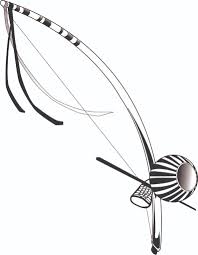
The unique construction of the Berimbau, typically a single-string percussion instrument, contributes significantly to its distinctive sound. Composed of a wooden bow, a steel string, and a hollowed gourd acting as a resonator, its simple yet ingenious design allows for a remarkable range of timbres and rhythms. The player, using a small stick, a Caxixi (a woven rattle), and a Dobrão (a coin or stone), manipulates the string and the opening of the gourd to produce a diverse palette of sounds. This intricate interplay of elements creates a sonic tapestry that is both primal and sophisticated, drawing listeners into its captivating embrace.
Historically, the Berimbau is deeply rooted in Afro-Brazilian culture, particularly in the martial art of Capoeira. It serves as the lead instrument in the roda (the circle where Capoeira is played), dictating the rhythm, speed, and style of the game. The Berimbau’s voice guides the movements of the Capoeiristas, its melodies inspiring both graceful agility and powerful strikes. This inextricable link to Capoeira highlights its role not just as a musical instrument, but as a cultural artifact that embodies history, resistance, and community. Its rhythms evoke stories of resilience and tradition, adding another layer of depth to its already profound presence.
The therapeutic qualities of the Berimbau extend beyond mere relaxation. The sustained, resonant tones can induce a meditative state, promoting mental clarity and emotional release. For many, listening to or playing the Berimbau can be a form of active meditation, allowing for a focused awareness that transcends the ordinary. This deep engagement can help reduce stress, alleviate anxiety, and promote a sense of emotional balance. The rhythmic nature of the music also connects with the body’s natural rhythms, fostering a sense of alignment and grounding.
In essence, the Berimbau’s power lies in its ability to transcend its physical form. It is not merely wood, wire, and gourd; it is a conduit for spiritual connection, a storyteller of cultural heritage, and a gentle guide on the path to inner harmony. Its enduring appeal across diverse cultures is a testament to its universal language of peace and profound well-being, inviting all who listen to embark on a transformative journey within themselves.
 Jogo Corpo Fechado