

“If you want to understand the secrets of the universe, think in terms of energy, frequency and vibration”
Nikola Tesla
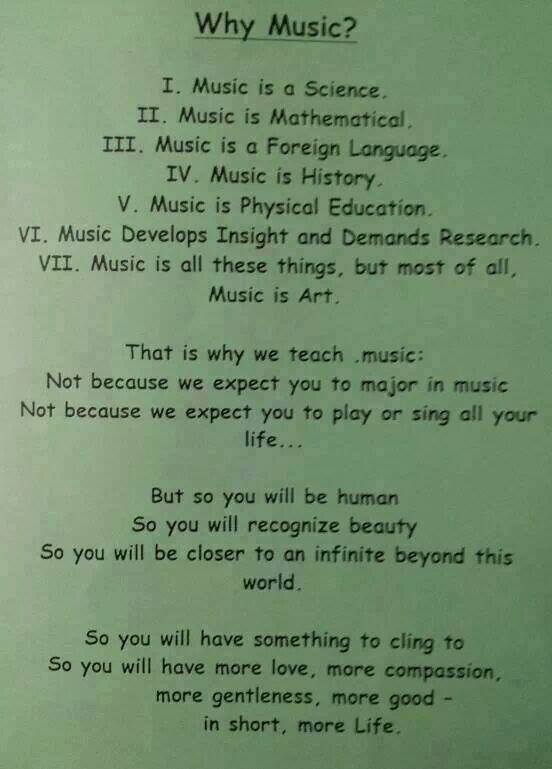
So, why is music integral to capoeira, and why is it so important now, when apparently, it wasn’t important BEFORE?
Well, this little article is my way to try to answer those questions.
Now, let’s get into this.
Music plays a vital role in the development of Capoeira by injecting energy, style and rhythm to the game. Apart from infusing power to the players, It sets the tempo and style of game that is to be played within the roda.
The history of capoeira is deeply intertwined with the complex and troubling legacy of slavery in Brazil. Many practitioners indeed believe that the musical accompaniment in capoeira serves as a link to its origins in the oppression and resistance of enslaved people. The rhythmic beats and melodies are said to have provided a cover for the practice, allowing it to masquerade as a cultural performance rather than a form of self-defense and rebellion.
However, there are differing perspectives on this narrative. Some scholars and historians argue that the romanticized tale of capoeira as a tool of subversion during the colonial era is oversimplified and lacks concrete evidence. They contend that while music certainly plays a central role in contemporary capoeira, attributing its musicality solely to clandestine motives during slavery may overlook the broader cultural and artistic dimensions of the practice.
In essence, the discourse around the historical significance of capoeira’s musical accompaniment reflects the ongoing debate within the capoeira community and academia. Whether rooted in a need for secrecy during a dark chapter of history or driven by artistic expression, the connection between capoeira and its musical element continues to be a topic of fascination and interpretation.
Although I concede that there may be some truth to this story, I think it’s a simplistic, common sense explanation for why capoeira looks the way it does, and does not take into account the fact that the West Africans who created this art were raised in various cultural traditions, like poly rhythms, the pentatonic scale, syncopation, improv, theater, ritual, etc., in EVERY SINGLE ASPECT of daily life, things that to this day are an integral part of capoeira as practiced today.
Music, in the context of the ethnomusicology of the African diaspora, not only incites the body into motion, but also creates energy and transmits oral history and tradition. This fascinating form of music serves as a powerful tool for cultural preservation, connecting individuals to their heritage through rhythm, melody, and storytelling. The rhythmic beats and melodic tunes of African diaspora music carry a deep significance, reflecting the collective experiences and struggles of a community across time. The captivating sounds of traditional instruments, coupled with rich vocal expressions, transport listeners to distant lands and bygone eras, fostering a profound understanding of the historical context and societal values of the diasporic cultures. Through the compelling melodies and captivating rhythms, the music of the African diaspora serves as a living archive, encapsulating the essence of identity, spirituality, and resilience that have shaped generations. In essence, it is an enigmatic vessel that intertwines the past and the present, inviting individuals to embrace and cherish the multifaceted tapestry of their roots.
The music of Capoeira, steeped in Afro-Brazilian culture, fosters emotional expression and resilience through its dynamic instruments, such as the berimbau and atabaque. These instruments not only provide a rhythmic foundation but also convey deep cultural significance, reflecting the struggles and triumphs of the Afro-Brazilian community throughout history. Each note played tells a story of resistance, hope, and unity, echoing the past while inspiring the present. This communal art form encourages sharing stories and creates a supportive environment for healing, where participants can connect on a profound emotional level, transcending language barriers and fostering deep interpersonal relationships. Engaging with Capoeira facilitates emotional release and aids in restoring one’s sense of self, leading to empowerment and personal growth. Moreover, the vibrant atmosphere of Capoeira gatherings, infused with laughter and camaraderie, enhances the overall experience, making it not just a physical activity but a holistic practice that nurtures the spirit, strengthens the body, and cultivates resilience in the face of life’s challenges.
By immersing oneself in the movements and music, practitioners develop a deeper understanding of their identity and history, cultivating a sense of belonging that resonates through their very essence. Its intricate fusion of music and rhythm immerses practitioners in a trance-like state, allowing them to explore the rich tapestry of their cultural heritage, connecting them not only with their ancestors but also with the art’s vibrant essence, which would be lost without the music that sustains it. This rhythmic connection becomes a powerful means of expression, enabling practitioners to convey emotions and stories that transcend language. In this way, Capoeira acts as a bridge between generations, sustaining a dialogue between the past and the present, allowing the legacy of resilience, creativity, and community to flourish in a modern context while encouraging new interpretations and innovations that keep the art form alive and relevant for future generations. By participating in this dynamic tradition, individuals not only honor their roots but also contribute to an ever-evolving narrative that celebrates the diversity and strength of their cultural identity.
At least, I think so.
Now, let’s take a look at how music unfolds in capoeira angola.
THE BATERIA (The Band)
The 1st reason is this particular formation was popularized by Mestre Moraes, the man singing on the lead berimbau, and his group, Grupo Capoeira angola Pelourinho (GCAP for short), has won music awards doing it his way, not to mention the fact that Capoeira Angola groups all over the world are doing it his way.
The 2nd reason is I was at this particular workshop in Berkley California, and this video gives me many fond memories. Shout out to Sergio, Jeff, and everybody else at No Balanco de Angola for hosting this event, and to Mestre Moraes, for the lessons he shared with us.
The bateria is the heart and soul of the Capoeira Angola Roda, providing the rhythmic foundation for the mesmerizing movements and acrobatics of the capoeiristas. As you stand facing the musicians in the roda, the unique ensemble of instruments comes to life, infusing the air with energy and spirit. Each instrument holds a distinctive role, contributing to the complex and expressive soundscape of the capoeira ritual. From the rhythmic pulse of the atabaque to the improvisational melodies of the berimbau-viola, the bateria weaves a sonic tapestry that guides the flow of the game.
From the resonant tones of the berimbau to the lively jingle of the pandeiro, the bateria encompasses a diverse array of sounds and textures, reflecting the rich cultural heritage of Capoeira Angola. This dynamic ensemble of instruments reflects the diverse influences that have shaped this art form, from indigenous rhythms to African musical traditions. It is a testament to the resilience and creativity of the Afro-Brazilian communities that have preserved and nurtured the practice of Capoeira Angola over the centuries.
In the vibrant Capoeira community of Los Angeles, the bateria serves as a vibrant and dynamic expression of cultural exchange, bringing together individuals from diverse backgrounds to share in the joy and spirit of Capoeira Angola. While the specific arrangement of instruments may vary between different capoeira schools, the overarching essence of the bateria remains constant – to ignite the passion and camaraderie of the roda, celebrating the legacy of this profound art form.
“`And if you look at old videos and photos, you’ll see that things were much different then… these days, no matter how the bateria is arranged, the dominant instruments are the three berimbaus; no other instrument should be played louder than these. There is also an order to the types and use of songs. The ritual of Capoeira begins when two players enter the circle and squat at the foot of the berimbau.“`
It’s fascinating to explore the evolution of traditions over time. Looking back at old videos and photos can provide valuable insights into the changes within cultural practices. In the context of Capoeira, the significance of the bateria and the dominance of the three berimbaus in today’s performances reflect the evolution of this art form. The structured order of the instruments and songs adds depth to the ritualistic aspects of Capoeira, creating a captivating and meaningful experience for both participants and observers. As two players enter the circle and pay homage to the berimbau, the essence of tradition and respect for the art form are palpable, enriching the cultural tapestry of Capoeira.
The rodas are vibrant spaces where Capoeira practitioners gather to exchange energy, challenge each other, and celebrate the art form. Not every roda will contain all these instruments. Many times, not enough people are in the roda to play every instrument, so you gotta do what you can. For example, the traditional instruments, berimbau, atabaque, and pandeiro, create a rhythmic tapestry that sets the tempo and mood of the game. The berimbau, a single-string percussion instrument, leads the bateria, dictating the style of the game being played. The atabaque, a tall, wooden, conical drum, adds deep, resonant tones that ground the rhythm, while the pandeiro, a hand drum with a metal frame, enriches it with lively beats. The combination of these instruments brings an incredible energy to the roda, elevating the experience for all involved.
Now, let’s take at this amazing instrument.
The berimbau, with its fascinating history rooted in Africa, holds a significant role within the practice of capoeira. Originating from Africa with different names depending on the region, this musical instrument found its way to the world of capoeira, where it became an integral part of this rhythmic and athletic tradition. Within the roda, the berimbaus display their influence by guiding the movements and interactions of the players through their rhythmic combinations.
Interestingly, different capoeira groups have varying approaches regarding the significance of the berimbau types. While some groups consider the lowest-toned berimbau, known as the gunga or berraboi, as the lead instrument, others follow the guidance of the middle berimbau, referred to as medio or viola.
Moreover, the lead berimbau player holds considerable authority within the roda, as they have the autonomy to initiate and conclude the session, select the next players, regulate the tempo of the music, and pacify the participants if the intensity escalates. It is particularly noteworthy that there is a consensus regarding the role of the treble-most berimbau, known as viola or violinha, as an accompaniment instrument that allows for free improvisation based on the rhythms produced by the middle instrument. This dynamic interplay of the berimbaus not only adds a musical dimension to capoeira but also shapes the flow and energy of the game, making it an indispensable element of this cultural practice.
Besides the Berimbau, some other instruments that can be played in a roda are…
2 pandeiros (Tambourines)
The pandeiro, a Brazilian tambourine, holds a significant role in the country’s music and culture. Its origins date back to the colonial period, and it has since become a symbol of Brazilian rhythm and musicality. The instrument’s versatile and vibrant sound adds a unique flair to various music genres, from samba and choro to bossa nova and beyond. Renowned for its intricate, intricate design and the use of jingles, the pandeiro is played not only in traditional music but also in modern and experimental contexts, showcasing its adaptability and enduring appeal in the ever-evolving landscape of Brazilian music.
1 agogô (Musical instrument shaped like a cowbell)
The agogô, a musical instrument of African origin, is similar to a small bell and is commonly used in various forms of music, including samba and other Brazilian musical traditions. Made of metal, the agogô has two bells of different sizes, which produce different sounds when struck. Its presence in music adds a lively and distinctive rhythm, making it an essential part of many musical compositions.
1 reco-reco (notched wooden tube similar to a guiro)
The reco-reco is a musical instrument originating from Brazil, typically made of a notched wooden tube. It is played by rubbing a stick or a metal rod along its notches, creating a distinctive sound. Similar to the guiro in its usage, the reco-reco adds a unique percussive element to Brazilian music, often used in samba and other traditional genres.
The instrument’s rhythmic and textured sound adds depth to music, providing a pulsating backbone to the arrangements. Its earthy and resonant tones contribute to the characteristic lively and vibrant atmosphere of Brazilian musical performances. Through its distinctive timbre and cultural significance, the reco-reco stands as an iconic instrument in the rich tapestry of Brazilian music and culture.
1 atabaque or conga drum.
The atabaque and conga drum have deep cultural significance and play an important role in various music traditions. The atabaque, originating from Africa, is a tall, single-headed drum commonly used in Afro-Brazilian religious ceremonies like Candomblé and Umbanda, as well as in capoeira music. Its powerful, resonant sound sets the rhythm and energy for the accompanying music and dance. On the other hand, the conga drum, with its Afro-Cuban roots, is an essential part of various music genres, including rumba, salsa, and Afro-Cuban jazz. Its versatile tones and rhythms have made it a staple in Latin music around the world. Both instruments showcase the rich cultural heritage and musical diversity of their respective origins.
Okay, before I go on, I want to type a bit about the importance of the drum in african societies, and in Capoeira.
“Everyone knows deep in their hearts that the drums are the coolest instrument and that a band is only as good as its drummer. So I’m all for drum solos. I’m all for drummers hamming it up. I’m all for drummers standing up and kicking over the kit.” – Fred Armisen

THE DRUM.
The impact of drums in African culture is truly profound, shaping and representing traditions and customs that have been passed down through generations. From birth and initiation ceremonies to rituals and celebrations, the rhythmic beats of the drums are intertwined with the fabric of everyday life on the continent. The sound of the drum holds a deeper, symbolic significance in African societies, serving as a means of communication, storytelling, and connecting with ancestral spirits. Unlike in Western culture, where drums are often associated with entertainment, in Africa they evoke a profound sense of history and tradition. Through the powerful resonance of the drums, the heartbeat of Africa echoes across time, carrying with it the essence of a rich and diverse heritage.
The drums in African culture are not only instruments producing rhythmic beats, but they also serve as a unifying force within communities, bringing people together for various communal activities. They are considered sacred and are often associated with spiritual and religious practices, with different types of drums being used for specific rituals and ceremonies. The craftsmanship involved in making these drums is also a significant aspect of the cultural tradition, with each drum often being meticulously crafted and decorated to reflect the unique identity and symbolism of the community it represents.
Furthermore, the drumming traditions in Africa vary greatly from region to region, with each community having its own distinctive styles, rhythms, and techniques. This diversity highlights the rich tapestry of African culture, showcasing the multitude of expressions and meanings attributed to the art of drumming. In many cases, the rhythms produced by the drums are not just random patterns but carry specific messages, stories, and historical accounts, serving as a form of oral tradition that has been intricately woven into the cultural fabric of the continent.
It is through the deep and resonant tones of the drums that the oral history of African communities is conveyed, imparting knowledge, wisdom, and values from one generation to the next. The significance of the drums in shaping and preserving African heritage cannot be overstated, as they continue to play a pivotal role in maintaining cultural continuity and fostering a profound sense of identity and belonging. In essence, the drums serve as vessels through which the soul of Africa finds expression, resonating with the heartbeat of the continent and perpetuating the enduring legacy of its people.
Nowadays, it’s generally accepted that Africa is the cradle of humanity, so it takes very little to correlate that music formed a part of the African experience before many, if not all, other civilizations were even born. Music is deeply woven into the fabric of African life, and drums are the primordial musical instruments.
The influence of African music can be felt across the world, transcending geographical and cultural boundaries. From the rhythmic beats of traditional African drums to the melodious sounds of West African kora and the vibrant energy of South African jazz, the continent’s musical heritage is rich and diverse. This diversity reflects the multitude of cultures, traditions, and languages found within Africa, each contributing to the unique tapestry of African music.
Furthermore, the impact of African music extends beyond just the artistic realm; it has played a significant role in shaping other genres, including jazz, blues, rock, and hip-hop. The rhythms and melodies born in Africa have resonated with musicians and audiences globally, shaping the evolution of music in profound ways.
As we celebrate the richness of African music and its enduring legacy, it is essential to recognize and honor the profound influence it has had on the global musical landscape. Through its powerful rhythms, storytelling, and cultural significance, African music continues to inspire and captivate people around the world, reaffirming its status as a fundamental pillar of human expression and creativity.
Traditionally, the drum holds a significant cultural and spiritual importance in many African communities. It embodies the heartbeat and soul of these societies, playing a central role in various political and social events. From birth to death, and from marriage ceremonies to religious rituals, the drum is an integral part of these communities’ traditions.
In addition to its ceremonial significance, the drum also holds practical functions. It has the power to kindle courtships, mark homecomings and farewells, and evoke deep emotions linked to battle and war. With its rhythmic beats, the drum can inspire passion, excitement, and even induce trances, leading to a momentary loss of consciousness for both the drummer and the listener.
Beyond its cultural and emotional impact, the drum also carries symbolic and protective meanings. It symbolizes and safeguards royalty, often being housed in sacred locations. Even during times of conflict, the drum is treated with reverence and is safeguarded.
The diverse roles and meanings attributed to the drum illustrate its multifaceted significance within African communities, making it a powerful and revered instrument throughout history.
Drums have been such a large part of Africans’ daily experience for so long that drumming pulses throughout OUR collective unconscious, in Africa itself, and the diaspora. For us, it’s the “SOUNDTRACK OF LIFE“, if you will. This rhythm, deeply rooted in our culture, symbolizes our connectivity, our history, and our resilience. The compelling beats resonate with the heartbeat of the land, echoing the joys and struggles of generations past and present. The diverse melodies and rhythms weave tales of triumph, celebration, and lament, forging an unbreakable link with our ancestral spirits.
As the drum reverberates, it carries with it the essence of our identity, speaking a language that transcends words. It evokes a sense of belonging, uniting communities, and fostering a profound sense of togetherness. With each beat, it ignites the spirit and invigorates the soul, inspiring movement, dance, and storytelling that transcend the boundaries of time and place.
Across the African diaspora, the rhythmic resonance of the drum serves as a bridge that spans continents, preserving traditions and connecting individuals with their roots. Its echoes traverse oceans and mountains, binding us to our heritage and instilling a profound sense of pride in our rich cultural tapestry.
The “SOUNDTRACK OF LIFE” is not merely a collection of rhythmic patterns; it embodies the heartbeat of a people, a living testament to our enduring spirit and the power of our shared experiences. It thrums through our veins, uniting us in a universal chorus that celebrates our vibrant heritage and the legacy of resilience that defines us. Indeed, the drum is not just an instrument; it is the living pulse of our existence, echoing through time and echoing through eternity.ife”
Quite simply put,It’s in our genes.
The art of drumming is deeply intertwined with the essence of communication and the creation of music, both of which are intrinsic to community life. Throughout history, drums have not only served as instruments but also as vehicles for conveying messages and emotions. A striking example of this is found in the rich cultural tradition of the ‘TALKING DRUMS’. These drums held significant importance as a primary means of communication between tribes, enabling the transmission of messages across vast distances all across Africa. The rhythmic patterns and distinct beats of the ‘TALKING DRUMS’ resonated throughout the lands, carrying tales, news, and expressions from one community to another. Such a powerful demonstration of the unity of music and communication highlights the profound role that drums have played in fostering connections and preserving the heritage of diverse populations.
The specific relevant content for this request, if necessary, delimited with characters: In fact, I heard a story that when the news of the death of Queen Victoria of Great Britian in 1901 was cabled to West Africa, the news was sent on talking drums, and native Africans in outposts hundreds of miles from railways and telegraph lines immediately began talking of the death of the ‘Great White Queen.’ And, it was said, the news spread all over Sub Saharan Africa, and even reached Cape Town, at the very tip of South Africa, before the official telegraph arrived.
This evocative anecdote highlights the remarkable ways in which information was disseminated in different parts of the world prior to the widespread use of modern communication technology. The use of talking drums to relay the news of Queen Victoria’s passing exemplifies the ingenuity and resourcefulness of communities faced with the challenge of transmitting important information across vast distances without the aid of conventional telegraph lines or railways.
The fact that the news of Queen Victoria’s death was able to traverse such great distances and reach remote outposts in Sub Saharan Africa before the official telegraph arrived is a testament to the effectiveness of traditional communication methods and the interconnectedness of human societies, even in an era defined by geographical barriers. This fascinating account underscores the significance of oral traditions and alternative communication systems in the historical tapestry of global information exchange.
Drums are inseparable from the African culture – they help define it. So much so, that when the slave trade scattered Africans throughout the world, the love of drumming they took with them irrevocably altered the world of music, even in places where the drum was outlawed. Drums such as the Conga and Bongos are not usually thought to be African, but look closely, and you can easily see their roots. Listen to the music these drums play a role in Latin music, and you will hear typically African characteristics.
Now as far as capoeira is concerned…
Dr. Edward Poe says in his book, THE ABC AND BAY-AH-BAY OF CAPOEIRA DE ANGOLA…
“According to mestre Pastinha, the drum was the principal instrument used when he learned the sport from his mestre (master/teacher) and the berimbau was not used at all. Indeed, in most african drumming situations there are three drums which function somewhat the same way as the three berimbaus except that the smaller one marks the rhythm and the larger drum does the variations.”
Okay I admit, I went off on a bit of a tangent here, but I feel that I had to post about it.
I’ll end with this small video. this video is for you meatheads out there who, even after reading this page, STILL don’t see the benefits of learning to play music in capoeira.
Learning to play music in capoeira is a vital aspect of this rich Brazilian cultural art form. It not only adds a captivating and rhythmic element to the physical movements but also enhances the overall understanding and expression of capoeira. The combination of acrobatics, dance, and music creates a mesmerizing spectacle that truly reflects the spirit and history of capoeira. Additionally, through learning to play the traditional instruments such as the berimbau, pandeiro, and atabaque, participants develop a deeper connection to the roots of this art form, immersing themselves in its heritage and traditions.
The significance of music in capoeira extends beyond the mere auditory experience. It serves as a unifying force, bringing practitioners together in rhythm and harmony, fostering a sense of community and camaraderie. Furthermore, mastering the musical aspect of capoeira provides individuals with an opportunity for personal growth, discipline, and creativity. The intricacies of the rhythms, melodies, and songs offer a profound learning experience, enriching both the mind and body.
In essence, the incorporation of music in capoeira is far from being a secondary consideration; it is an integral and indispensable part of the practice. It transcends the physical and enters the realm of culture, history, and identity, making the learning of music in capoeira not just beneficial but essential for a holistic understanding of this captivating art form.
 Jogo Corpo Fechado