
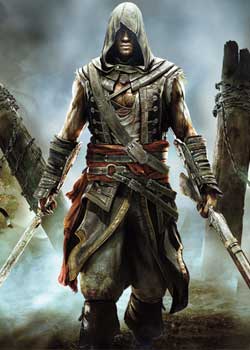
I see through different eyes.
I see a bigger picture when others see only grey skies.
Though many can’t conceive it,
I stand… facing the wind.
My bravery not from fighting,
but from my strength within,
I am a Warrior.
I will walk the extra mile,
Not because I have to,
Because it’s worth my while.
I know that I am different,
When I’m standing on a crowded street.
I know the fullness of winning;
I’ve tasted the cup of defeat.
I am a Warrior.
They say I walk with ease.
Though trained for bodily harm,
My intentions are for peace.
The world may come and go,
But a different path I’ll choose.
A path I will not stray from,
No matter… Win or Lose.
Hello Everyone,
I bet you’re wondering why I made this page, and what this subject has to do with capoeira. Well, bear with me, and hopefully, you’ll get what I’m driving at.
If you’ve been in the Martial Arts for a while, you’ll find many people who would like to believe in the idea that just because they practice the Martial Arts, they are WARRIORS. Well, some of them ARE, and some are well… DELUSIONAL… In the sense that they actually think that training makes them some invincible MASTER KILLER… But sooner or later, these types usually grow out of their delusions, in my experience.
It’s not uncommon for individuals to get caught up in the romanticized ideals associated with martial arts, such as the image of a formidable warrior or a deadly master. This perception can often lead to unrealistic expectations and an overestimation of one’s abilities. However, as they continue their training and gain more experience, many practitioners come to realize the true essence of martial arts – discipline, self-improvement, and respect. It’s a journey that goes beyond physical techniques and delves into the development of character and mindset.
While the initial infatuation with the idea of being a warrior or a master killer may be prevalent among certain practitioners, it is reassuring to witness the gradual shift in perspective as they mature in their practice. The realization that true mastery encompasses humility, continuous learning, and a peaceful demeanor is a pivotal moment in any martial artist’s journey. As they shed their delusions and embrace the authentic values of martial arts, they undergo a profound transformation that extends far beyond the realms of combat.
But what exactly is a Warrior? I mean, throughout history, there have been many different types of warriors, all having different Codes of Honor that they lived by.
If you really try to define what a warrior is, there seems to be no one answer to that question. In fact, there seems to be many answers, almost as many answers as people you ask. Each perspective on what it means to be a warrior can reveal something unique and profound, showcasing the diverse interpretations shaped by personal experiences and cultural backgrounds.
For some, a warrior may embody the ideals of bravery and strength in battle, while for others, it may represent resilience and the unyielding spirit in the face of adversity.
Well, I found this video on YouTube which seems to answer this question pretty well, for me anyway. This video artfully encapsulates various viewpoints and expands on the essence of what it means to be a warrior in today’s world. So, I present it here to you, believing it might stir contemplation and insight.
I’ve included the full text of this video as shown on the YouTube page as well, because I believe it’s just as important for you to read it as much as it is to listen to it. Engaging with both formats allows for a deeper understanding and appreciation of the nuances involved in the warrior archetype.
“Warriors are not what you think of as warriors. The warrior is not someone who fights, because no one has the right to take another life. The warrior, for us, is one who sacrifices himself for the good of others. His task is to take care of the elderly, the defenseless, those who cannot provide for themselves, and above all, the children, the future of humanity.”
—Sitting Bull (c. 1831 – 1890), Hunkpapa Sioux.
This question examines the complex roles of a capoeirista, who represents a blend of martial artistry and cultural expression in Capoeira, a Brazilian tradition that has deep historical roots. A capoeirista acts as a warrior, engaging in combat rooted in self-defense while also emphasizing rhythm and creativity to build community harmony. This multifaceted approach allows capoeiristas not only to defend themselves but also to foster a sense of belonging and identity within their communities. Capoeira Angola, in particular, was created by and has produced formidable warriors throughout its history, from those who resisted Portuguese invaders to individuals who evolved the art, reflecting a legacy of strength and cultural significance. The practice of Capoeira transcends mere physicality; it embodies the spirit of resilience, adaptability, and the continuous dialogue between tradition and innovation, ensuring that each generation of capoeiristas contributes to the rich narrative of this dynamic art form.
In the art of Capoeira Angola, practitioners embody a spirit of resilience and adaptability. The movements of this Afro-Brazilian martial art are fluid and graceful, yet powerful and purposeful, reflecting the duality of defense and attack. A Capoeirista’s mindset is akin to that of a warrior, as they train not only their bodies but also their minds to be agile and strategic. The history of Capoeira itself is a testament to the resilience of its practitioners, stemming from the struggles of enslaved individuals who (allegedly) disguised their combat training as a form of dance.
Furthermore, the ethos of Capoeira emphasizes community, respect, and discipline, all of which are qualities associated with traditional warriors. Through the ritualized exchange of movements and music, Capoeiristas establish a connection that transcends mere physicality, fostering a sense of camaraderie and mutual growth. In this sense, a Capoeirista embodies the spirit of a warrior not just in combat prowess, but also in their commitment to personal and collective development, which includes the cultivation of cultural heritage and the sharing of wisdom across generations. The dynamic interplay of skills, strategies, and rhythms within the practice of Capoeira helps to build strong bonds between practitioners, allowing them to support each other in their journeys, both on and off the mat. This holistic approach to training not only enhances their physical abilities but also promotes mental resilience and emotional intelligence, reinforcing the idea that a true warrior is one who fights not only their own battles but also stands alongside their community in solidarity and strength.
The multifaceted nature of Capoeira Angola as a martial art, dance form, and cultural practice is truly captivating. It not only serves as a means of physical expression but also as a profound reflection of historical and social aspects deeply rooted in the African diaspora. The Capoeirista’s role as a warrior goes beyond the physical roda; it extends into navigating the complexities of everyday life, embodying resilience and adaptability. Through the rhythm of the berimbau and the movements of the capoeira, participants engage in a dialogue that transcends words, celebrating community and heritage. This art form provides a rich heritage and a set of values that guide the Capoeirista in facing challenges with grace and strength, truly embodying the essence of a warrior. Ultimately, Capoeira Angola serves as a bridge between past and present, maintaining cultural identity while encouraging personal growth, social awareness, and collective solidarity among practitioners.
The intertwining of physicality, rhythm, and tradition within Capoeira Angola shapes a holistic approach to combat and self-expression, fostering a profound connection between the practitioner and the art form. This dynamic interplay allows participants to engage in a dialogue of movement that echoes the very heartbeat of their cultural heritage. The movements, music, and rituals of Capoeira Angola not only serve as a means of defense and cultural preservation, they also encapsulate the resilience and spirit of its practitioners, cultivating a mindset that extends beyond the roda into all facets of their lives, encouraging them to face challenges with creativity and strength. This comprehensive embodiment of Capoeira Angola reflects the multifaceted nature of resilience, adaptability, and discipline required of a true warrior, transcending mere physical capability to encompass a profound way of being in the world.
As the Capoeirista navigates the art form’s intricate tapestry, they are not only honing their skills in combat and expression, but also internalizing a philosophy that speaks to the essence of human experience and the enduring spirit of resilience. This philosophy nurtures a sense of community, forging deep bonds among practitioners that further enrich their journey and understanding of self, as they embody the values of respect, cooperation, and mutual support that are integral to the practice. Through this process, they learn that Capoeira is not merely a martial art, but a vibrant living culture that continually evolves while steadfastly honoring its roots, creating a lasting legacy that inspires future generations.
I now present to you, the warrior creed.
Yes, I do follow this creed.
The warrior creed is a profound philosophy that resonates deeply with those who follow it, creating a strong sense of community among its adherents. It embodies courage, honor, and an unwavering commitment to uphold the values of strength and resilience, not just in battle but in the face of life’s challenges. This creed serves as a guiding light, shaping the mindset and actions of those who embrace its principles, encouraging them to take bold stands and make tough decisions. It acts as a source of inspiration, reminding them of their potential to overcome adversity and rise above their fears. It is a testament to the indomitable spirit of warriors and the ethos they live by, illustrating that true strength lies not only in physical prowess but also in the ability to cultivate integrity, discipline, and compassion in all aspects of life.
THE WARRIOR CREED
Wherever I walk,
everyone is a little bit safer because I am there.
Wherever I am,
anyone in need has a friend.
Whenever I return home,
everyone is happy I am there.
“It’s a better life!”
The roots of Capoeira Angola trace back to the enslaved African warriors brought to Brazil, who clandestinely developed and practiced it as a form of self-defense and a means of preserving their cultural heritage. Over the years, it has transcended its origins and become a vibrant symbol of Afro-Brazilian culture, blending elements of dance, acrobatics, and music. Capoeira Angola’s enduring legacy reflects the resilience and creativity of the African diaspora in Brazil, where it not only evolved as a martial art but also as a cultural expression of resistance and identity. The rhythmic movements and hypnotic music of Capoeira Angola continue to captivate audiences worldwide, serving as a testament to the enduring power of traditions born out of struggle and perseverance.

The story of Aveline de Grandpré
About those pictures on the top and bottom of the page… Yes, I’m a big fan of the ASSASSIN’S CREED video game, especially those 2 characters.

 Jogo Corpo Fechado