
Greetings!
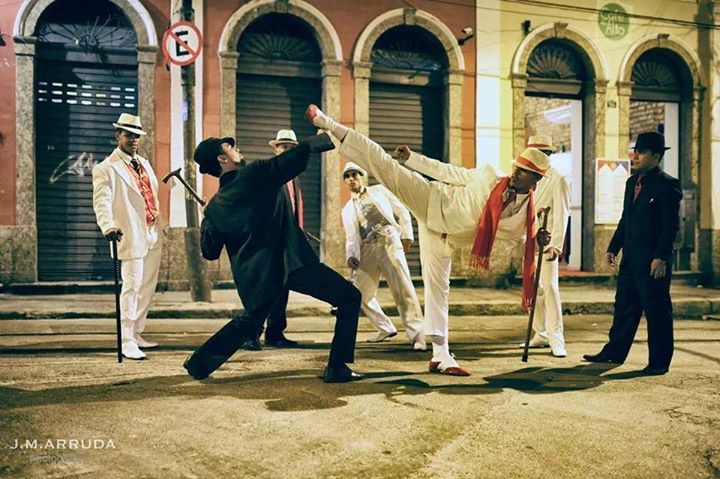
The history of capoeira in the 19th and 20th centuries is a fascinating tale of both martial prowess and societal influence. During this period, capoeira became closely intertwined with the criminal underworld, as individuals who had dedicated themselves to learning the art of martial combat gained a significant advantage over those without such skills.
In martial traditions across the world, The most skilled fighters would often engage in intense, no-holds-barred street fights, where victory was determined by the incapacitation of one of the fighters, whether through knockout, injury, or death.
Capoeira has a rich history with legendary fighters known for their remarkable skills. These individuals were not only masters of the martial art but also embodied resilience and strength. They were admired for their exceptional skill, agility, and creativity, which allowed them to outmaneuver their opponents with graceful movements and swift strikes. Their dedication to preserving and evolving capoeira has contributed to its enduring legacy, captivating people around the world.

On this page, I’m gonna talk about some of these legendary figures.
In the historical context of that time, these individuals were not referred to as “Mestres,” as the term did not have the same significance as it does today. Nevertheless, their expertise and skills marked them as exemplary figures in their respective disciplines. Through their mastery of their craft, they left a lasting legacy that continues to inspire and influence present-day practitioners.
Lendário lutador José Antonio do Nascimento, NASCIMENTO GRANDE
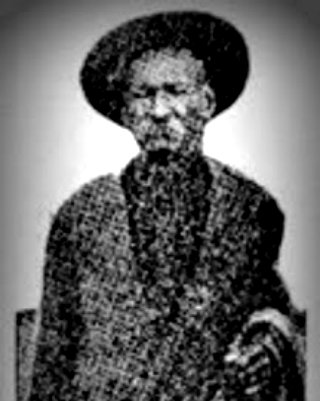
Jose Antonio do Nascimento, also known as the Great Birth (Nascimento Grande), left a significant mark in the state of Pernambucco during the late nineteenth century. Despite his peaceful nature, his formidable size and skill in capoeira made him a target for other practitioners of the art. In a time when the practice of capoeira was deemed illegal, those caught engaging in it faced severe consequences, including physical mutilation or even death.
Nascimento’s refusal to be deterred by the dangers associated with capoeira and his tendency to humiliate his opponents upon victory earned him both respect and animosity. His actions led to the accumulation of enemies within Brazil’s criminal underworld, as well as among the ranks of law enforcement. His ability to evade capture further fueled the enmity directed towards him, as he continued to represent a defiance of the law.
The complex dynamics of Nascimento’s life and the dangers he faced shed light on the intricate social and legal landscape of the time, providing a glimpse into a period marked by the interplay between martial prowess, criminal activity, and the enforcement of the law.
Capoeira is full of legends and legendary fights that are a part of the country’s heritage and add to the rich tapestry of tales told about the history of the martial art. The story narrates the legendary encounter between Nascimento Grande and Joao Sabe Tudo, two renowned fighters. Their battle, showcased in the streets, amazed spectators with their skill and courage. The intense confrontation drew attention from the whole community, leading them to a local church. The vicar intervened, urging the fighters to resolve their differences with dignity and respect. Despite their initial reluctance, the two masters honored the sanctity of the church and left, marking the end of their legendary encounter and preserving their mutual respect.
Nascimento Grande, despite leading a life filled with peril and adventure, defied all odds to reach the remarkable age of 90. His legacy endures as a testament to his extraordinary skill and indomitable spirit, securing his revered status as a legendary figure in the annals of martial arts history. Through the passage of time, the tales of his remarkable feats continue to captivate the hearts and minds of subsequent generations, ensuring that his legacy will live on for eternity in the captivating tapestry of Brazilian capoeira lore.
Manduca da Praia – O Elegante Lutador

Despite the association of capoeira with criminal gangs during this era, there were exceptional individuals who managed to rise above the illicit nature of the art. One such figure was Manduca da Praia, who defied the conventional path and instead carved out a respected position as a local businessman.
Manduca da Praia was a notable capoeirista in late nineteenth-century Brazil, recognized for his stylish looks and martial arts skills that captivated audiences far and wide. A tall man with a distinctive appearance and an indomitable spirit, he earned a precarious living from his bustling fish counter, where he not only sold seafood but also shared stories of his adventures and wisdom with eager listeners.

Furthermore, his role as a bodyguard for influential politicians provided him with valuable opportunities to build important connections, allowing him to navigate the complex socio-political landscape of his time. Through numerous high-stakes events and private meetings, he developed relationships with key figures, which not only broadened his understanding of political maneuvers but also positioned him as a trusted confidant in certain circles. Despite numerous arrests that threatened to derail his life, his strong community ties and unwavering loyalty to his neighbors kept him out of prison, as they often rallied to his defense when he faced legal challenges. This deep-rooted bond with his community was not merely a matter of camaraderie; it was a testament to the respect he had earned over the years, as well as the collective recognition of his integrity and commitment to their shared values. In challenging times, they proved to be his greatest allies, leveraging their voices and influence to advocate for him, effectively creating a shield that safeguarded him from the ramifications of the legal system.
A master in unarmed combat and weaponry, he was known for his extraordinary agility, quick thinking, and tactical prowess, which made him a formidable opponent and earned him both fear and respect among rivals and allies alike. His skills allowed him to navigate even the most challenging confrontations with unmatched finesse, often leaving his opponents in awe of his abilities. Legends of his battles with law enforcement and fellow capoeiristas circulated widely, enhancing his reputation in the history of combat and solidifying his legacy as a symbol of resilience and defiance against oppression in a rapidly changing society. These tales painted him not just as a skilled fighter, but as a strategic mastermind who consistently outmaneuvered those who sought to bring him down, inspiring countless admirers who saw in him a champion of freedom and resistance. His journey through the tumultuous landscape of his time, characterized by both victories and setbacks, only added layers to his narrative, ensuring that he would be remembered not only for his martial prowess but also for his unwavering spirit in the face of adversity.
Thus, the story of capoeira in the nineteenth century is a testament to the multifaceted nature of this martial art, encompassing both its association with criminal elements and the capacity of individuals like Mestre Manduca da Praia to transcend these stereotypes and establish themselves as respected members of society.

Besouro Manganga – O Invencível Lutador
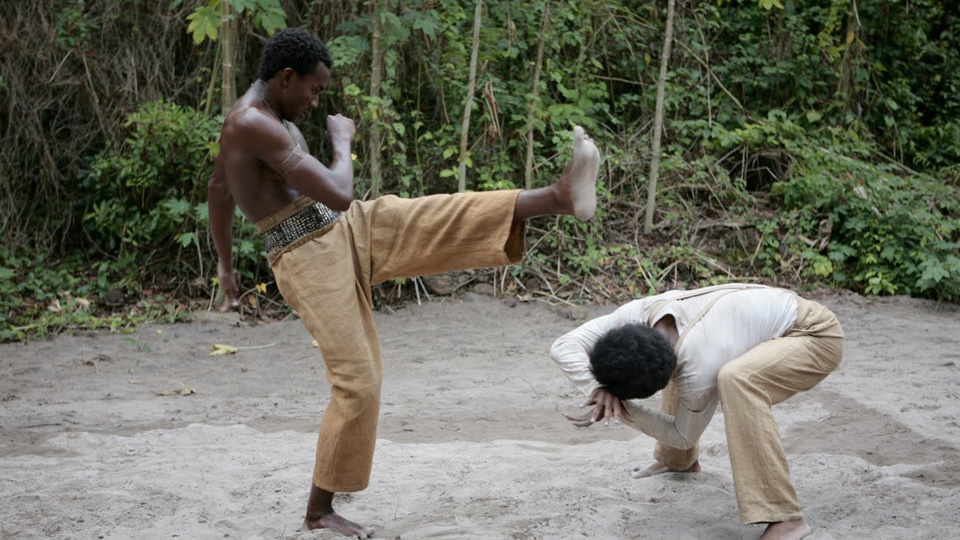
When slavery came to an end in Brazil in 1888, it marked a significant turning point in the country’s history, not only in terms of labor and economy, but also in the cultural and social realms. With the abolishment of slavery, individuals who had honed their martial arts skills during the oppressive era found themselves seeking new opportunities to make a living. Surprisingly, some of the most adept martial arts experts transitioned to leadership roles within the criminal underworld.
These masters were renowned for their remarkable agility, cunning, and unmatched fighting prowess, which elevated them to legendary status in their own right. Among these figures, one name stands out prominently – Mestre Besouro Manganga. His legacy extends far beyond mere martial arts expertise; he is one of the most colorful and fascinating characters in the annals of Brazilian fighting history. His impact on the martial arts landscape was so profound that he was rumored to possess supernatural abilities, shrouding him in an aura of mystique that persists to this day. The story of Mestre Besouro Manganga serves as a testament to the rich tapestry of Brazilian martial arts and the indelible mark left by those who mastered the craft.
Born in 1895, Besouro, whose real name was Manuel Henrique Pereira, was a legendary figure in the streets of Santa Amaro da Purificação. He was a well-known capoeirista and a fearsome fighter who was both feared and respected within his community. His life is filled with fascinating stories that shed light on the struggles and triumphs of the warriors who lived during the heyday of capoeira.
One particular tale that has been passed down through generations recounts an extraordinary encounter. It is said that Besouro, facing a group of authorities, used his exceptional martial arts skills to disarm them and then compelled one of the soldiers to drink until he passed out. In retaliation, the soldier returned with ten companions to exact revenge. Upon spotting Mestre Besouro, they opened fire, causing him to fall to the ground as if he had been wounded. As the soldiers approached, he suddenly sprang up, disarmed one of them, and sternly ordered them all to leave, a command they promptly obeyed.
Besouro, also known as a dangerous faquista, was highly skilled in the art of knife fighting and was notorious for his proficiency in using a straight razor, even employing his foot during combat. His remarkable prowess and fearless demeanor cemented his status as a legendary figure in the history of capoeira.
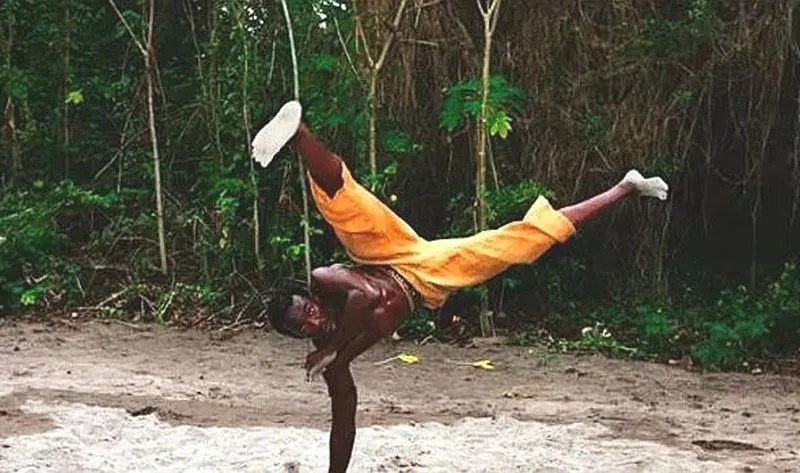
Although he was well respected, Besouro also made many enemies and according to Santo Amaro resident Dona Dormelinda, “When people took notice that he was in town, they would close all windows and doors.” Among his adversaries was a plantation owner known as Dr Zeca, who plotted the capoeira fighter’s assassination in 1924.
Zeca asked Besouro, who couldn’t read, to deliver a note to someone, thinking he would be given a job. However, in actuality, the note instructed to kill the messenger. The receiver invited Besouro to stay overnight, then surrounded him with soldiers. Besouro dodged bullets but was stabbed by Eusebio using a specially prepared knife. Eusebio believed in mysticism and used a blessed tucum wood knife to counter Besouro’s charms. To ensure Besouro’s vulnerability, a woman was hired to have sex with him and steal his protective charm.
Besouro, a famous capoeira master, died in his 20s but is remembered as a hero fighting oppression, persecution, and standing for loyalty, bravery, and freedom. Born into a world rife with social injustices, he dedicated his life not only to mastering the art of capoeira but also to using it as a means of resistance against the tyrannies faced by his community.
His exceptional skills and relentless spirit set him apart, serving as both a source of inspiration and a rallying point for others who shared his struggle. His legacy inspires martial artists and those fighting against injustice, leaving a lasting impact on capoeira and beyond, as people continue to honor his memory through practice, celebration, and the values he embodied—sacrifice, resilience, and an unwavering commitment to human dignity.
Madame Satã

“In the blink of an eye his hands turned to feet and his feet, in tumbling turns, attacked with the violence of a piledriver. A thousand times he disappeared into his own supple, lean body like a reed, and a thousand times he reappeared, avoiding the blows of the old sword, efficiently used by the simple men of the people, and now nothing could be done against the mulatto on his own.” (Mario Lago)
This narrative of Madame Satan’s life is indeed a captivating and intriguing tale that encapsulates the cultural and social milieu of Rio de Janeiro during the early to mid-20th century. The vibrant and colorful district of Lapa provided the backdrop for Madame Satan’s exploits, where he became a prominent figure known for his unabashed individuality and physical prowess. His presence in the underworld of Lapa, amidst a diverse and eclectic mix of characters including prostitutes, expatriates, con artists, and bohemians, further adds to the mystique surrounding his persona.

Madame Satan’s journey from the rural landscapes of Pernambuco to the bustling streets of Lapa shows resilience and adaptation in the face of challenges. He gained attention and respect not only for his capoeira skills but also for defying societal norms, making him a legendary figure in Brazilian history. His influence grew as he protected nightclubs and got involved in small illegal activities, solidifying his reputation. Madame Satan’s presence in the media was sensationalized, enhancing his public image. As an openly gay black man, he challenged social norms, becoming both admired and controversial. The complexity of his identity adds depth to Madame Satan’s enduring legacy, making his story captivating to this day.
João, widely known as Madame Satã, was a formidable figure who navigated a challenging existence marked by various societal stigmas and barriers. Born in 1900 as the son of former black slaves, João faced the additional challenges of being illiterate and homosexual in a society that often marginalized individuals based on these traits. Despite the prejudices and obstacles he encountered, João displayed unwavering resilience and determination to redefine himself on his own terms.
His enigmatic persona was shaped by a rich tapestry of experiences, ranging from his captivating drag performances to his involvement in hustling and even convictions of murder. Amidst this complex backdrop, João’s transformation into the iconic Madame Satã drew inspiration from the 1930s film by Cecil B. DeMille, “Madam Satan,” where a woman adopts the persona of a notorious temptress to reclaim her estranged husband. This intricate interplay of identity and influence underscored João’s ability to craft a larger-than-life persona that both captivated and challenged societal norms.

Notably, Madame Satã’s presence served as a compelling symbol of resistance in post-abolitionist Brazil. During this era, individuals deemed as societal outcasts, including black people, prostitutes, and drug users, faced systemic marginalization. In the face of this adversity, João defiantly embodied a spirit of resistance, representing the resilience and strength of those considered ‘deviant’ by the prevailing societal standards.
Beyond his cultural impact, João’s physical prowess was legendary, earning him a reputation as a skilled street fighter. Tales of his clashes with law enforcement, where he fearlessly confronted groups of armed policemen, further cemented his status as a formidable and defiant figure. Stories abound of his remarkable feats, including engaging in intense confrontations with sizable police contingents and holding his ground despite overwhelming odds, showcasing his remarkable fortitude and resilience.
As he recounts in his memoir, he is 62 when he returns to Lapa in the 1960s. “There was more Lapa in my heart than in those new streets and buildings that were rising in place of old structures.” The old body of a tired rogue decides to establish residence in a house on Ilha Grande. Satan begins to live on Ilha Grande, cooking out, doing household chores in homes of former officers and prison officials, and raising foster children.

In 1971, Madame Satan is “rediscovered” by journalists from O Pasquim. He gives an interview to the newspaper, bringing him back to fame, but only temporarily. A year later, he “publishes” his memoirs. He goes back to Rio de Janeiro, takes part in plays and shows, but soon returns to Ilha Grande. Some say he was preparing a second volume of his memoirs. In 1976, he dies of lung cancer and is buried in the cemetery of Ilha Grande. Over the years, Madame Satan is portrayed in various ways, from different points of view and political contexts.
He appears in books, academic works, carnival samba schools, as a name of a nightclub and community radio, a comic book character and a novel, and a theme of film and plays, among others. Every so often, there are mentions of Madame Satan’s continuing influence in Brazilian culture and society. He is seen as a complicated and enduring symbol of resilience, adaptability, and the dynamic interplay between history, politics, and cultural expression. From the lively streets of Lapa to the peaceful shores of Ilha Grande, Madame Satan’s mysterious personality captures the imagination and curiosity of generations, ensuring that the complex narratives of his life remain an integral part of Brazil’s rich folklore and identity. As his story intertwines with societal change and artistic innovation, Madame Satan serves as a testimony to the enduring power of cultural icons to shape, challenge, and redefine collective consciousness, inviting ongoing exploration and reinterpretation in the ever-changing landscape of Brazilian arts and heritage.
João Francisco dos Santos’s story was told in the film Madame Satã, directed by Brazilian director Karim Aïnouz and was released in 2002. Lázaro Ramos plays the titular lead.
Well, there you have it. I’ve talked about them elsewhere on this website, but here, I wanted to showcase them here because these warriors are the legends of this art.
The legacy of these Mestres is truly remarkable. Through their dedication, skill, and profound understanding of capoeira, they have left an indelible mark on the art form. Their tireless efforts have not only elevated the practice of capoeira but have also served as a source of inspiration for countless individuals. Their passion and commitment continue to resonate within the capoeira community, shaping the path for present and future generations.
As we delve into the remarkable journeys of these Mestres, we uncover the rich tapestry of experiences, challenges, and triumphs that have defined their paths. Each of them has contributed a unique perspective and set an exemplary standard, becoming the guiding lights for aspiring capoeiristas. Their shared dedication to the art has forged a lineage of excellence, fostering a vibrant and inclusive community that celebrates the spirit of capoeira.
In honoring these esteemed individuals, we not only pay tribute to their remarkable achievements but also reaffirm our commitment to upholding the traditions and values they so passionately championed. Their remarkable legacies serve as pillars of strength and wisdom, nurturing a profound sense of respect and admiration within the capoeira community. As we carry forward the torch lit by these iconic figures, we continue to preserve the essence of capoeira and perpetuate its profound cultural significance.
The impact of these Mestres transcends time, leaving an enduring imprint on the hearts and minds of all those touched by the art of capoeira. Their influence resonates through the graceful movements, rhythmic melodies, and profound ethos of capoeira, perpetuating a legacy that will endure for generations to come. Their contributions have bestowed upon us an invaluable inheritance, one that inspires us to embrace the spirit of capoeira and uphold the noble traditions that define it.
In celebrating the extraordinary contributions of these Mestres, we honor the resilience, perseverance, and artistry that have defined the evolution of capoeira. Their stories epitomize the unwavering dedication to mastery and the profound impact of embracing the art of capoeira. As we pay tribute to these legendary figures, we are reminded of the enduring power of unity, respect, and the timeless legacy of capoeira.
The history of Capoeira is a captivating tapestry interwoven with the cultural fabric of Brazil. Its roots are traced back to a time of oppression and resistance, encapsulating the resilience and spirit of the Afro-Brazilian people. Delving deeper into the world of Capoeira unveils a mesmerizing journey through the legacies of the old mestres who have shaped and preserved this remarkable art form. These venerable figures have left an indelible mark on the enriching tradition of Capoeira, and their stories echo through the passages of time, inspiring present and future generations.
For those seeking to immerse themselves in the colorful tapestry of Capoeira’s history, there is a treasure trove of knowledge and insights waiting to be discovered on the website VELHOMESTRES.COM. This digital sanctuary eloquently preserves the narratives of the old mestres, offering an invaluable glimpse into their lives and their invaluable contributions to the world of Capoeira. It provides a platform for their stories to transcend time, ensuring that their profound impact on the art form is acknowledged and cherished.
Furthermore, the playlist compilation serves as a poignant tribute to the journey of Capoeira through the ages. It is a melodic odyssey that pays homage to the diverse range of mestres who have devoted their lives to the cultivation and preservation of Capoeira.
I’ve profiled some of them on this website, others I didn’t, but each composition in the playlist resonates with the echoes of history, carrying the essence of seasoned veterans and emerging talents alike. Their collective dedication and unwavering passion not only honor the ancient traditions of Capoeira but also propel the art forward, safeguarding its enduring spirit for the forthcoming generations to embrace and cherish.
 Jogo Corpo Fechado