
Hi Guys,
DEAR BLACK PEOPLE: WHAT HAPPENS WHEN WE LET OTHERS PICK OUR HEROES FOR US? When we allow others, especially those outside our community, to define who our heroes are, we risk losing the authenticity of our narratives and identities.
The selection of heroes can often be influenced by perspectives that do not fully understand the complexities of our experiences, culture, and values. This external influence may lead to the glorification of figures who may not resonate with our struggles or aspirations, ultimately shaping a skewed representation of who we are.
For example…
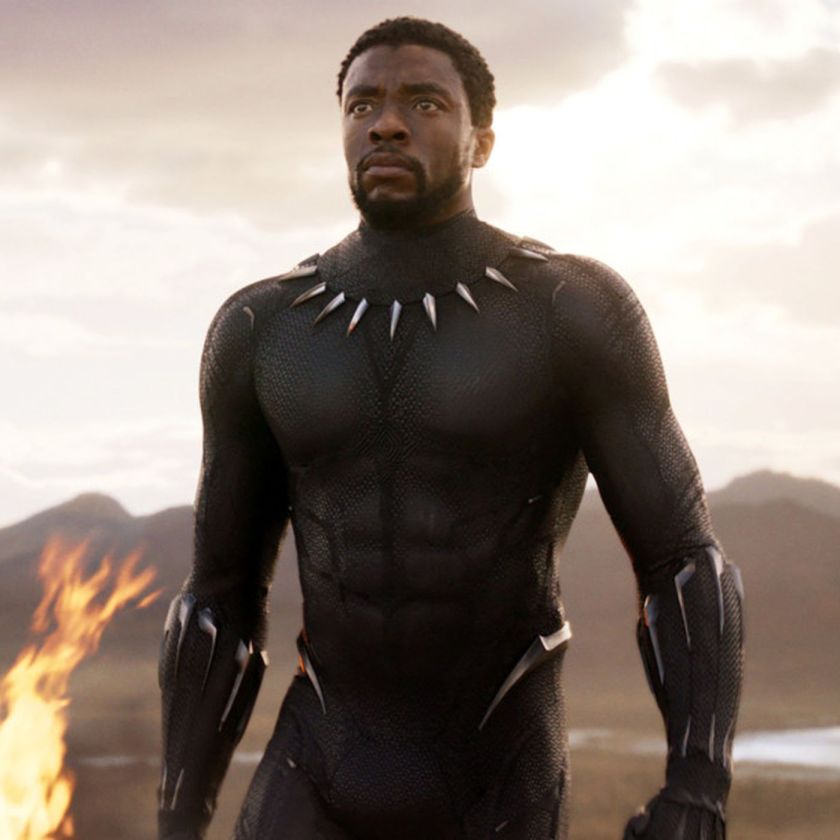
Black Panther was a groundbreaking Marvel film, being the first to feature a Black superhero, director, and primarily Black cast ). It showcased the fictional, technologically advanced African nation of Wakanda, which captivated audiences with its rich culture and stunning visuals. The film presented African traditions and leadership positively, effectively challenging stereotypes often seen in mainstream media. With its powerful narrative, Black Panther connected deeply with viewers by exploring themes of identity, heritage, and the complexities of cultural responsibility. Moreover, it marked a significant cultural moment for African Americans, inspiring pride and representation in a genre that had traditionally overlooked Black narratives, while also sparking important conversations about race, power, and equity in society.
The box office success of the film suggests Hollywood may recognize the importance of Black representation, potentially indicating a shift in industry attitudes towards more inclusive storytelling. However, despite this promising trend, significant concerns arise due to the industry’s longstanding history of negative portrayals of Black individuals, which raises critical questions about the authenticity and depth of the depiction of Black characters. The persistence of harmful stereotypes, such as hypersexuality, violence, and gang culture, continues to cast a shadow over these representations. This situation invites deeper reflection on who gets to define heroes in our narratives and how storytelling can be reformed to achieve more inclusive and nuanced portrayals.
It underscores the necessity of challenging the prevailing narratives that often reinforce detrimental images, while simultaneously highlighting the power dynamics at play in storytelling. Such dynamics significantly affect who gets to be elevated or marginalized in the broader cultural discourse, shaping society’s perceptions and contributing to the overall understanding of Black identities and experiences.
Now, I’m not trying to throw shade on the Black Panther movie; I LOVED the movie, as well as all the others in the Marvel universe. The storytelling, visuals, and cultural elements were truly groundbreaking and inspiring. Also, there are some powerful lessons to be learned from this movie, especially in how it portrays themes of ancestry, identity, and leadership.
However, in my humble opinion, this movie is a western trope designed to tell us what heroes we should look up to and aspire to be like, rather than the plethora of REAL heroes of Africa and the Diaspora who inspire us every day, such as historical figures like Nelson Mandela and contemporary activists fighting for justice and equality. We have a rich tapestry of stories and legacies that deserve to be recognized and celebrated, offering a broader and more authentic picture of heroism that goes beyond the confines of cinematic storytelling. By focusing solely on fictional representations, we risk overshadowing the remarkable contributions of real individuals who have shaped history and continue to make impactful changes in their communities.
Heroes like Ibrahim Traore epitomize courage, leadership, and resilience, showcasing the potential that lies within our communities.
In addition, figures such as Thomas Sankara have left a profound legacy, advocating for justice, equality, and self-sufficiency across the continent. These men, along with many others before you, remind us that our narratives are rich and diverse, filled with stories of triumph and struggle that deserve to be celebrated. They motivate not only through their actions but also by demonstrating that true heroism often comes from the grassroots, rather than through the lens of corporate storytelling. You make us all proud, serving as a testament to the real strength found within our cultural heritage and shared history.
Our heroes should emerge from our own histories, embodying the resilience and richness of our lived experiences, allowing us to inspire future generations with stories that truly reflect our journey. By reclaiming the power to choose our heroes, we not only celebrate our achievements and struggles but also create a more inclusive and representative narrative that empowers us as a community. This involves recognizing the diverse figures throughout our history—from our leaders, artists, and scholars to everyday individuals who have made significant impacts in their communities—who exemplify bravery, creativity, and determination.
By highlighting these real-life stories, we can cultivate a sense of pride rooted in our authentic identity and shared experience, ultimately paving the way for a deeper understanding of our collective past and its relevance to our future. This enriched narrative not only honors the struggles and triumphs of those who came before us but also serves as a powerful reminder of the resilience that defines our community. As we delve into these experiences, we foster connections that bridge generations, allowing us to learn from the lessons of history while recognizing the remarkable contributions of diverse voices that have shaped our identity. In doing so, we empower ourselves and others to carry forward the wisdom and insight gleaned from our shared journey, reinforcing the importance of preserving these stories for future generations to appreciate and build upon.
In case anybody wants to watch it, I’m also posting WAKANDA FOREVER here for everyone to enjoy.
Of course, this movie has its problems as well, as we will explore here with THE MERC. Explore The Merc’s critical analysis of “Wakanda Forever,” examining the film’s themes and its multifaceted impact on Black, African, and Latino communities.
The video not only questions if the portrayal of unity genuinely supports minority communities or creates division but also delves deeper into the historical context of representation in cinema, prompting discussions on how films shape cultural narratives. It critiques the complexities of the characters’ arcs and the potential pitfalls of tokenism, emphasizing the necessity for authentic storytelling that resonates with diverse audiences. Furthermore, it analyzes the film’s box office success and its implications for societal dynamics and media representation, revealing how this kind of financial achievement can either bolster the visibility of minority experiences or lead to complacency within the industry. By inviting viewers to reflect on the nuanced messages embedded in the film, the analysis encourages a deeper dialogue about the film’s cultural significance, urging audiences not just to watch, but to think critically about the media they consume and the broader societal implications it holds.
So yes, this movie is also a western trope that’s designed for Hollywood to pick our heroes for us.
However, I can’t help but appreciate the artistry and storytelling that went into this film. The cinematography is visually stunning, and the characters are rich and complex, reflecting diverse backgrounds and experiences.
And, I’m a BIG FAN of the Marvel universe, so I found myself invested in the characters’ journeys and the overall narrative. It’s fascinating how this movie showcases both cultural pride and universal themes of family and strength. Ultimately, it is what it is, and I believe it sparks important conversations around representation and heroism in modern cinema.
DEAR BLACK PEOPLE… NEVER LET ANYONE ELSE PICK YOUR HEROES!
Well, this applies to ALL people, but I am talking about black people in this article.
 Jogo Corpo Fechado