
GREETINGS.
I wrote this page as a “sequel” if you will, of the “KNOWLEDGE IS EMPOWERMENT” PAGE.
As I explained you on that page, in a bit of a roundabout way, enslaved warriors were taken all over the “New World”, and although many of them may have “Gone along to get along” , many also resisted, fought, and many times, they WON…
The history of enslaved warriors in the “New World” is a complex and multifaceted one. As I elaborated on previously, these individuals were tragically taken from their homelands and forced into servitude across various regions in the Americas. Despite the tremendous challenges they faced, many of these enslaved individuals chose to resist the unjust system imposed upon them. This resistance took many forms, including acts of defiance, uprisings, and outright rebellions. The stories of these brave individuals serve as a testament to the strength of the human spirit and the unwavering desire for freedom. It is through their acts of resistance and resilience that we can truly understand the profound impact of their struggles and the significance of their victories.
Now, I want to go a bit further. First, Let me “Type” a bit about the title of this page:
“Capoeira was not created in a vacuum”
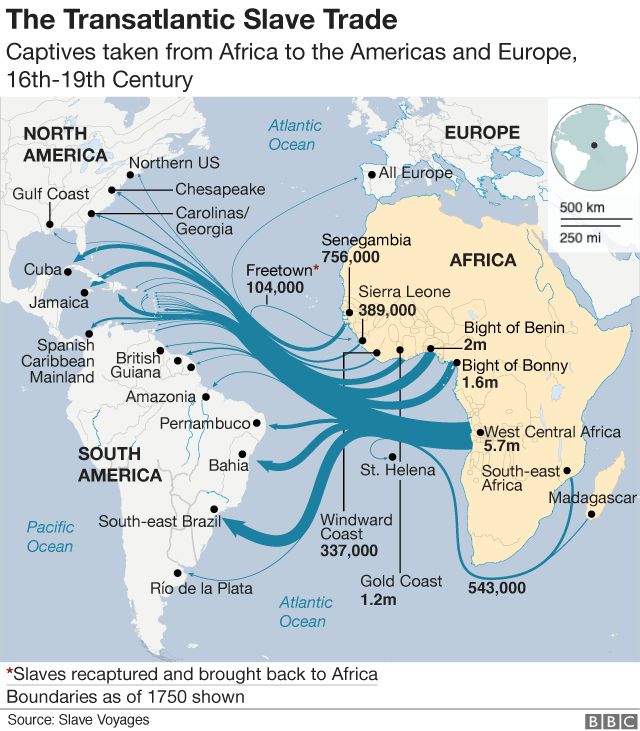
Okay, for some of you, that may be totally obvious. To others, not so. Somehow, they think that capoeira was the ONLY martial art developed by “African Slaves” in the new world. Well, that’s just not true.During the transatlantic slave trade, many Africans were brought all over the “New World”. Among those Africans were many warriors, and with them came their Martial Sciences. For obvious reasons (of course) most of the arts went underground or died out.
However, the influence of African martial arts can still be seen in various other forms, such as the Haitian martial art of “voodoo wrestling” and the Cuban martial art of “Mani”. The legacy of these martial traditions continues to live on in different ways, shaping the cultural and historical landscape of the Americas. Whether through folklore, dance, or other cultural expressions, these ancient martial arts have left an indelible mark on the heritage of the new world.
However, many have survived.
On this webpage, I’m gonna cover some of these martial arts, as well as some martial arts still practiced in Africa, and then we’re gonna end with some Hybrid arts that were developed here in the Diaspora in the 20th century.
And a BIG SHOUT OUT to Da’mon Stith of AUSTIN WARRIOR ARTS, who is my main inspiration in creating this particular page.
Although I’ve never met him, his work with learning and “recreating” the way warriors may have used the African Martial Sciences in the past, and now even forging some of these BLADES, has been a HUGE inspiration for me. His dedication to preserving and understanding ancient fighting techniques is truly remarkable. Through his research and craftsmanship, he brings to life the traditions and skills of warriors from the past, enriching our understanding of history and martial arts. The intricate process of forging these blades, with the knowledge of how they were once used, adds a unique and fascinating element to his work. It’s incredible to see how his passion and expertise shine through in each blade he creates, serving as a testament to the legacy of African Martial Sciences.
Now, let’s get started.
African Diasporic Arts of South America
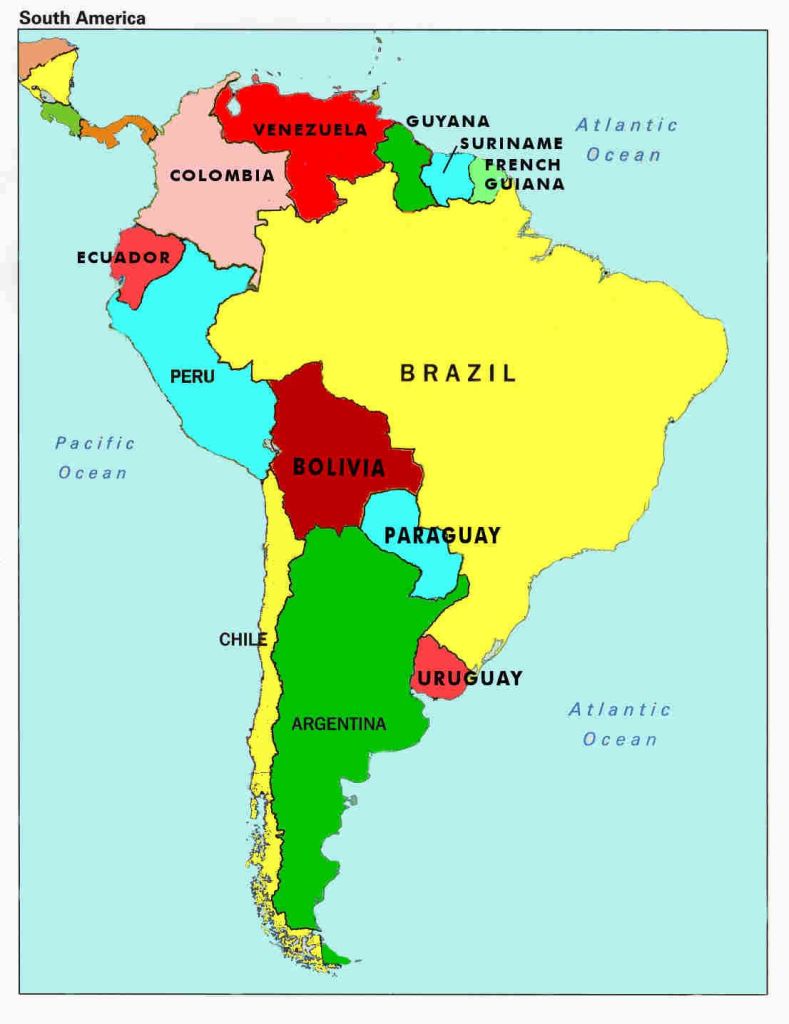
These arts were developed by the enslaved Africans who were brought to South America.
BRAZIL
-CAPOEIRA
You’re probably wondering why I’m including a section for capoeira on this page, considering the fact that this WHOLE WEBSITE is dedicated to capoeira.
Well, I do have a reason.
Until now, I focused on capoeira forms from the state of Bahia in Brazil, because that’s where nearly all the capoeira styles practiced around the world today comes from.
However, there are forms of capoeira from other parts of Brazil, Rio de Janeiro and Sao Paulo in Particular, and I’m gonna use this section to shine a light on some of them.
CAPOEIRA CARIOCA
Capoeira Carioca refers to the type of capoeira played in Rio De Janeiro during the 19th and early 20th centuries. The term “Carioca” means “born in Rio,” and this specific style of capoeira reflects the cultural and historical significance of the region. In Rio de Janeiro, the maltas, or street gangs, played a significant role in the evolution of capoeira. These groups recruited individuals whom the newspapers referred to as “capoeiras,” and they used them to extort money from people. Notably, politicians also employed these same individuals to persuade others to vote for them. As a result of these activities, election reforms were introduced, which led to new bans on capoeira. This turbulent history underscores the complex relationship between capoeira and Rio de Janeiro’s social and political dynamics.
For more comprehensive information about the MALTAS of Rio and their impact on capoeira, you can explore the detailed account provided on another PAGE. This resource delves into the multifaceted history of capoeira, shedding light on its evolution within the context of Rio de Janeiro’s rich cultural tapestry.
Apparently, Capoeira in Rio was a vicious fighting style, and its teachers eliminated all the pretty moves that were not much use in real fights. Capoeira Carioca also included training in weapons (Although there is also weapons training in Bahian Capoeira, not too many schools teach them nowadays). These weapons were straight razors, canes, and wooden sticks which I go over a bit on another PAGE. Not firearms, because apparently, those were too expensive. And also, this was the first capoeira form to be documented in a military manual. It was written in 1907 by a naval officer who preferred to stay anonymous (Capoeira was still illegal after all), and was entitled “The Guide of Capoeira — Brazilian Gymnastics.” The idea was probably to introduce a national form of fighting into recruit training, as the British had done with boxing, the French with savate, and the Japanese with judo.
In 1916, Captain Ataliba Nogueira and Lieutenants Lapa and Leite, all of them members of the Military Police, published another “Manual of Capoeira,” intended for military personnel only, showing the growing interest in incorporating capoeira into military training and practice. This marked a significant shift in the perception of Capoeira, from being an outlawed art to one recognized and utilized within the military structure.
The evolution and adaptation of Capoeira as a form of self-defense and combat training demonstrate its enduring significance in Brazilian history and culture. From its roots as a clandestine practice amongst marginalized communities to its recognition and inclusion in official military manuals, Capoeira’s journey reflects the resilience and cultural impact of this martial art.
I also want to show you this video of Dennis Newsome, AKA MESTRE PRETO VELHO. Not only is he a Mestre in Capoeira, he is also one of the leading practitioners of African martial arts here in the United States. He has served as a technical advisor and fight choreographer for “LETHAL WEAPON” and other blockbuster hits, and he’s the subject of many articles appearing in national and international martial arts magazines, newspapers, and books.
The style of Capoeira that he teaches is CAPOEIRA ANGOLA de SAO BENTO GRANDE, an aggressive form of capoeira from Rio de Janeiro, which he learned from his Mestre, the Living Legend, MESTRE TOURO. Capoeira Angola de São Bento Grande is known for its powerful acrobatic movements, quick kicks, and complex, deceptive techniques. This style is deeply rooted in the African traditions brought to Brazil by enslaved people and has evolved over centuries, blending martial arts, music, and dance.
Mestre Touro, a widely respected figure in the capoeira community, is renowned for his mastery of this formidable style and for his dedication to preserving and sharing its rich cultural heritage. His teachings emphasize not only the physical aspects of capoeira but also its historical and social significance, fostering a holistic understanding of this art form. Through his vast knowledge and dynamic approach, Mestre Touro has influenced countless practitioners, leaving an indelible mark on the capoeira world.
Capoeira Angola de São Bento Grande, under the guidance of Mestre Touro, continues to thrive as a captivating and influential expression of Brazilian culture. As students immerse themselves in its tradition, they not only develop physical prowess but also gain insight into the historical struggles and resilience of the Afro-Brazilian community. With its blend of athleticism, rhythm, and storytelling, this aggressive form of capoeira embodies the spirit of resilience and creativity that is at the heart of Brazilian heritage
For more information about Mestre Preto-Velho and what he does, go to https://www.malandros-touro.com/
TIRIRICA
So, what is Tiririca exactly?
Well, you can read more about it HERE (If you can read Portuguese…)
If you can’t read portuguese, below is an english translation of the same article, from WWW.PORTALCAPOEIRA.COM
CHRONICLES OF CAPOEIRAGEM TIRIRICA: The “Capoeira of São Paulo”
By: Pedro Jungers Abib
September 2, 2010
An old discussion that seems to have no end is that eternal dispute over the origin of capoeira: Bahians swear it was in Bahia, Cariocas rage saying it was in Rio de Janeiro, Pernambuco, in turn, don’t even want discussion: the capoeira is from Pernambuco, see !!!
I personally prefer not to get into this fight and say that capoeira, like samba and other manifestations of Afro-Brazilian culture, does not have a birth certificate. They appear in various places and regions of the country, taking different forms and even known by different names. We can even say that wherever black Africans arrived, some cultural movement was organized there to remember their homeland, through dance, music, drums, rituals. This is how most of the cultural manifestations of our popular culture of Afro-Brazilian origin arose, in several different places and times. Capoeira is Brazilian… and that’s the end of it !!!
In the city of São Paulo, for example, there are news and reports of a very popular manifestation in the first decades of the 20th century, known as Tiririca. According to the elders, in the region of the Bom Retiro neighborhood and its surroundings, there was a very large contingent of recently freed black workers, and in their meetings in Largo da Banana, in their free time, the drumming “comia loose”. Now, where there is drumming and a lot of black people gathered, you can only play samba or capoeira…or both together.
That’s what happened, and many times, according to a famous rogue from the area who is still alive – Toniquinho Batuqueiro – the drums were improvised in shoe shine boxes making the marking, and the grease cans acted as tambourines, as well as to this day, another famous samba rogue from São Paulo – Germano Mathias, performs at his shows.
Toniquinho says that when the drumming started, the roda was formed and “the Creoles would go to the center of the roda to tap, and then only those who were bamba would stay in the roda, because every time someone came in to challenge, jump, kick, to debunk whoever was in the center of the circle”. This was the famous Tiririca, which, not unlike capoeira, was a dispute between bambas in the roda, where skills and bodily dexterity were used to measure courage. And be careful with the police, because “…when it came down, it was just a rush” explains Toniquinho Batuqueiro.
Nowadays we no longer have records of the practice of Tiririca in São Paulo, leaving only a few living testimonies of that time, all linked to the samba of São Paulo, such as Osvaldinho da Cuíca and Carlão do Peruche, not to mention a great samba singer who has passed away, who was also a excellent practitioner of Tiririca, the great Geraldo Filme.
This is an excellent topic for capoeira people from São Paulo to research, in an attempt to find more information about the origins of capoeira in the “land of drizzle”.
– JOGO DO PAU
Jogo do pau, also known as The stick game, is a traditional Galician and Portuguese martial art that has a deep-rooted history in the regions along the Minho River, including Minho, Trás-os-Montes, Pontevedra, and Ourense. This martial art places a strong emphasis on the use of a staff with fixed measures and characteristics, making it a unique and fascinating practice that has been passed down through generations. The cultural significance of Jogo do pau extends beyond its practical applications, embracing the rich heritage and traditions of these regions.
The history of this martial art is intriguing and shrouded in dispute, adding to its mystique. Its origins are a point of contention among scholars, with various theories seeking to unravel the tangled web of its beginnings. Despite these uncertainties, one thing remains clear – the primary purpose of this art form was self-defense.
Furthermore, it held significant cultural and social relevance, being utilized to settle disputes and matters of honor between individuals, families, and even entire villages. Its regional popularity in the northern mountains starkly contrasted with its relative obscurity elsewhere. For those who did practice it beyond these regions, their knowledge was often imparted by learned masters hailing from the North of Portugal and Galicia.
The societal landscape of Brazil further contributed to the evolution of this martial art. It is believed that when practitioners of this traditional art form migrated to Brazil, a fascinating fusion occurred. Here, it intertwined with stick fighting arts brought by sub-Saharan Africans who had been enslaved, resulting in a captivating hybrid form. This convergence of diverse influences not only shaped the martial art itself but also reflected the cultural exchanges and blending that characterized this historical period.
History: Stick Playing in the Afro-Brazilian Culture of the Paraíba Valley from University of Essex on Vimeo.
COLOMBIA
MACHETE Y BORDON
La Esgrima de Machete Y Bordon, or Colombian grima is a martial art that has deep roots in the cultural heritage of Afro-Colombian communities. Developed during the colonial era, this unique form of combat makes use of the machete as its primary weapon. The techniques and practices of La Esgrima de Machete Y Bordon are a testament to the resilience and resourcefulness of the Afro-Colombian people, reflecting their historical experiences and traditions.
The art of La Esgrima de Machete Y Bordon embodies much more than just physical combat. It serves as a living link to the cultural identity and history of the Afro-Colombian community, preserving and passing down ancestral knowledge and techniques from generation to generation. Through this martial art, practitioners not only hone their combat skills but also connect with their heritage and ancestors, fostering a deep sense of belonging and pride.
la grima teaser from joshua bee alafia on Vimeo.
The utilization of the machete as the primary weapon in this martial art reflects the Afro-Colombian community’s resourcefulness and adaptability, as the machete has been a versatile tool in their daily lives for centuries. This practical familiarity with the machete is seamlessly integrated into the techniques of La Esgrima de Machete Y Bordon, where precise movements and agility combine with the traditional significance of this iconic implement.
The Colombian Grima, also known as “Grima Colombiana,” encompasses a rich tapestry of diverse variations woven throughout the country. These variations, referred to as “juegos,” showcase a captivating array of styles, each distinguished by its unique utilization and movements. The intricate nuances of these juegos not only reflect the cultural diversity of Colombia but also contribute to the dynamic nature of this traditional art form. It’s fascinating to explore how each region has shaped and molded its own distinct interpretation of Colombian Grima, adding to the vibrant mosaic of Colombian cultural heritage.
Styles of Machete Y Bordon
- Español Reformado was played at long ranges with long erect stances and linear footwork.
- Palo Negro was practiced at close range and trained in circular walking patterns.
- Relancino was similar to Palo Negro but emphasized deceptive attacking combinations and the defensive utilization of low-crouching positions and double handed blocks.
Sombra Caucana, a traditional Colombian martial art, emphasizes agility and fluidity in its movements, with an emphasis on circular footwork and evasive maneuvers. 5. Cubano, originating from Cuba, focuses on powerful, fast strikes and counter-attacks. It is characterized by dynamic footwork and swift, precise techniques. Español, derived from Spain, places a strong emphasis on proper body alignment and precise, calculated movements, often incorporating elaborate hand gestures and footwork. In Venezuela, the martial art of Venezolano is known for its graceful, dance-like movements and intricate defensive footwork, blending self-defense tactics with cultural expression. Costeño, a coastal martial art, utilizes the environment to its advantage, incorporating movements inspired by ocean waves and coastal landscapes, with an emphasis on agility, adaptability, and swift counter-attacks.
As La Esgrima de Machete Y Bordon continues to be practiced and shared within Afro-Colombian communities and beyond, it serves as a profound embodiment of cultural resilience, strength, and unity. This martial art not only showcases the expertise and mastery of combat techniques but also stands as a symbol of pride, tradition, and heritage, enriching the cultural tapestry of Colombia and beyond.
For more information about this martial art, click HERE.
VENEZUELA
JUEGO DE GARROTE
Juego del garrote or juego de garrote larense is a truly unique and traditional form of martial art from Venezuela. Originating from the state of Lara, this practice is deeply rooted in Venezuelan culture and history. The art involves the skilled use of machetes, stick-fighting, and knife fencing, making it a truly versatile and comprehensive martial art form.
The precise techniques and strategies employed in juego del garrote highlight the importance of agility, precision, and quick thinking, setting it apart from other martial arts. Furthermore, the cultural significance of this art extends beyond its physical aspects, playing an important role in preserving Venezuelan heritage and traditions. As a result, juego del garrote serves as a testament to the rich and diverse tapestry of martial arts found across the globe.
Tamunangue is a traditional folk dance deeply rooted in the culture of South America, particularly in the beautiful country of Venezuela. This vibrant and spirited dance is celebrated in Lara State on the 13th of June every year, honoring the beloved festival dedicated to St. Anthony of Padua, the esteemed patron saint of the state. The festivities typically commence with a poignant invocation to the Virgin Mary, marking the commencement of a joyous and captivating performance. The essence of Tamunangue lies in its seamless blend of music and dance, accompanied by the rhythmic beats of traditional drums. The musical melodies are expertly played on instruments such as the cuatro and cinco, adding an enchanting layer to the cultural tapestry.
This captivating cultural celebration incorporates a fusion of influences, representing the rich tapestry of Venezuelan heritage, blending the traditions of native Indians, Spanish influences, and African cultural elements. The various dances that encompass the artistry and storytelling of Tamunangue include La Bella, La Juruminga, El Poco a Poco, El Yiyivamos, La Perrendenga, El Galerón, and El Seis Figureao. Each dance reflects a unique aspect of Venezuelan culture and history, embracing the diverse influences that have shaped this colorful and dynamic tradition. Through the captivating movements and melodic rhythms of Tamunangue, the spirit of Venezuela comes alive, captivating the hearts and imaginations of all who partake in this enchanting celebration.
African Diasporic Arts of North America
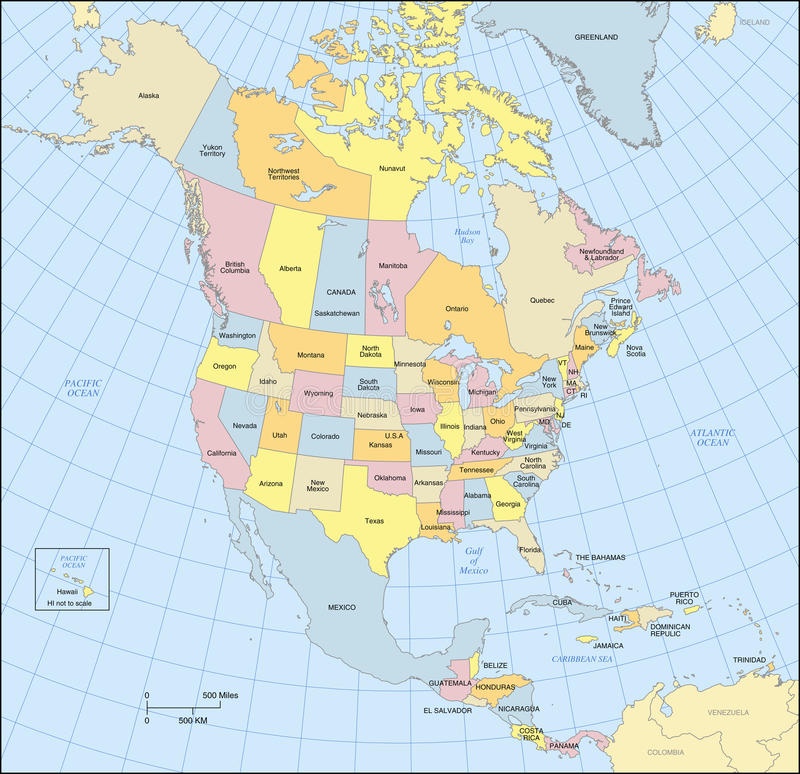
These arts were developed by enslaved Africans and their descendants in North America.
THE U.S.A.
-Knocking and Kicking
The development of “Knocking and Kicking” reflects the resilience and adaptability of the African people in the face of adversity. Despite being forcibly taken from their homelands, they managed to preserve and adapt their traditional fighting techniques, creating a new martial art that served as a form of resistance and empowerment.
As the practice of “Knocking and Kicking” evolved, it became a symbol of strength and unity among the enslaved Africans. Its techniques were not only used for self-defense, but also as a way to maintain cultural identity and solidarity within the community. The art served as a reminder of their heritage and provided a means to resist the dehumanization they faced.
Through the preservation and transmission of “Knocking and Kicking”, the African slaves honored their ancestors and kept their legacy alive. This martial art stands as a testament to the indomitable spirit of the African people, embodying their determination to overcome oppression and preserve their cultural pride.
I added this clip from the film, “MANDINGO” to illustrate what “boxing” matches on the plantation may have been like.
If you want to know more about this art, click on the title below to read this article from VICE SPORTS:
Fighting the Shackles of Slavery: ‘Kicking and Knocking’ in the Antebellum South
JAILHOUSE ROCK
Jailhouse rock or JHR is a name used to describe a collection of different fighting styles that have been practiced and/or developed within US penal institutions. Some examples of the many styles of JHR are 52 Hand Blocks, Comstock Style, Stato. Many of these styles of JHR are thought to have evolved regionally in different penal institutions.
52 blocks has been referenced in journalist Douglas Century‘s Street Kingdom: Five Years Inside the Franklin Avenue Posse, as well as numerous Wu-Tang Clan songs and Ted Conover‘s book Newjack. Recently, celebrities including actor Larenz Tate and rapper Ludacris have taken up the fighting system for film roles and self-defense, shining a brighter light on this previously unknown martial art.
Jailhouse Rock continues to gain recognition not only as a form of self-defense but also as a unique cultural phenomenon that has roots in the penal system. The incorporation of this martial art in popular culture through references in literature, music, and its adoption by celebrities further emphasizes its relevance. This intricate martial art, with its diverse range of styles, showcases the resilience and adaptability of individuals within challenging environments. As Jailhouse Rock gains prominence outside the confines of penal institutions, its impact on various forms of media and entertainment continues to grow.
I posted a bit about the dance aspect of this martial art on another PAGE.
THE CARIBBEAN ISLANDS
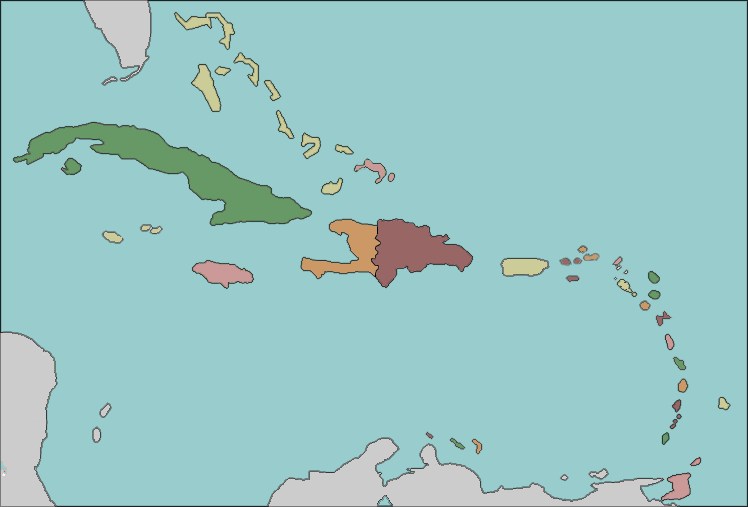
PUERTO RICO
KOKOBALE
KOKOBALE is an Afro-Puerto Rican Martial Art that has a rich and fascinating history. Originating from the African heritage of Puerto Rico, this martial art form incorporates the use of the stick and machete, showcasing a unique blend of tradition, skill, and cultural significance. The practice of KOKOBALE is not only a physical discipline but also a profound expression of heritage and identity for the Afro-Puerto Rican community.
To delve deeper into the world of KOKOBALE, you can explore the article titled “Reclaiming the Past: The Afro Puerto Rican Art of Cocobalé” by Miguel Machado. This insightful piece offers a comprehensive look at the art form, providing historical context, personal insights, and a deeper understanding of the cultural significance of KOKOBALE. By clicking HERE, you can embark on a journey to uncover the nuances and intricacies of this captivating martial art.
The story of KOKOBALE resonates with resilience, heritage, and the enduring spirit of the Afro-Puerto Rican community. It serves as a testament to the power of cultural traditions and the significance of preserving and celebrating diverse forms of martial arts. Through the practice and understanding of KOKOBALE, individuals can not only engage in a physical discipline but also honor and embrace a vibrant piece of Puerto Rican heritage.
CUBA
–JUEGO DE MANI
Juego de maní, a dance-fighting martial art much like Capoeira, was spread in 19th century among slaves of sugar plantations in Cuba. Only the men take part in it. The dancer in the circle does movements simulating fight, and chooses a protagonist among the others men of the circle. Then the elected “adversary” comes in the circle, and, in harmony with the other dancer, executes a choreography of movements, between fight and dance
Mani’s roots can be traced back to the African slaves brought to Cuba during the 19th century. It was practiced clandestinely, as the slave masters forbade the slaves from practicing any form of combat training. The dance-like movements of Mani served as a clever disguise for the slaves to train martial arts and defense techniques while appearing to engage in harmless dancing.
The unique blend of martial arts and dance in Mani reflects the resilience and creativity of the marginalized communities, as they turned a form of oppression into a means of empowerment. Today, Mani continues to thrive as a cultural practice, embodying the spirit of resistance and perseverance of the Cuban people.
GUADELOUPE

–BENOLE
Bénolè (or Bénolin) is a traditional fighting art originating from Guadeloupe. This martial art is deeply rooted in the cultural heritage of the Guadeloupean people and is a significant aspect of their history. The practice of Bénolè reflects the resilience and strength of the community, as it has been passed down through generations, preserving both physical techniques and spiritual values.
The origin of Bénolè can be traced back to the period of slavery in Guadeloupe, where enslaved Africans developed this unique form of combat as a means of self-defense and preserving their cultural identity. Over time, Bénolè evolved into a disciplined art form that embodies principles of honor, respect, and self-mastery.
In the practice of Bénolè, practitioners focus on a combination of striking, grappling, and footwork techniques. These techniques are often accompanied by rhythmic music and dance, creating a holistic and immersive experience. The art emphasizes agility, timing, and efficient use of energy, making it both a practical combat system and a form of artistic expression.
Through the practice of Bénolè, individuals not only learn self-defense skills but also cultivate a deep sense of connection to their heritage and community. The discipline and focus required in mastering Bénolè promote mental and physical well-being, contributing to the overall development of the practitioner.
Today, Bénolè continues to be honored and practiced in Guadeloupe, serving as a testament to the resilience and cultural pride of the Guadeloupean people. It stands as a living tradition that embodies the spirit of unity, strength, and perseverance.
–MAYOLET
-Mayolet (or Mayolé) is a Guadeloupean combat sport that was developed and practiced by slaves, and whose origins date back to the slave trade. Its practice consists in opposing two fighters each equipped with a long stick and confronting each other, to the rhythms of the drums, in the middle of an assembly of spectators. This fight, formerly extremely dangerous and which could cause serious injuries (the term “mayolè sang” was once used), is today practiced in the manner of a danced fight like capoeira in Brazil.
HAITI
–PINGE
A Haitian martial art developed by the African slaves residing there. The following information is from a post I found in a Facebook group called MUKHANDA INTERNATIONAL, and it was posted by a man who goes by the name Hadar HaZohari.
Click HERE to go to the original post.
This is from a old write-up of mine about 17 years ago, information handed down to me by some of my Haitian elders in Vodou and related traditions as a teenager. This art is very little known and very secretive but I will share what is permissible for me to share in regards to it:
Pengue (what is known as “Pinge” to some):
Includes techniques such as Coco-ye (means “coconut” a nickname for the head or headbutting), Zo-klo (means “bone hitting” with the Knuckle strikes at stragegous pressure points), Tra-se (tracing energy grids to lock-up his energy points as well as shearing with the knuckles), Pen-se (pinching), Fwe-te using Iguaz (whipping – The whip made of cow hide), Cou-pe (cutting done with sharpened nails, steel nails, glass, razors, blade, etc.
Another aspect of this art is called “Zen-glen” which means “glass shard”. There is a gang in Haiti named after this technique.), Fwa-pe (Hitting with every part of the body). This Haitian fighting art also utilizes Vodoun by invoking various Loa or Lwa who each have special fighting attributes, powers and protection.
For example, the Ogoun fighting system is the machete (manchèt). Invoking him one may be impervious to metallic weapons (except certain kinds of wood). Shape-Shifting (Lycanthropy) – nicknamed “Lou-Garou” meaning werewolf and other mystical techniques are also included in this art.
Pengue was and is still practiced by the Maroons in the mountainous regions of Haiti. There is also a gang [and secret society] in Haiti known as Zobop who are known for practicing the Pengue fighting art as well its mystical aspects.
Most confuse the “wrestling” and sports grappling of the art for being the actual combative system in and of itself. The actual tradition is connected to specific closed-door societies of Afro-Haitian spirituality and sorcery; as well as specific families and bloodlines. {Same as Knocking N Kicking or authentic black-belt Hoodoo, etc.; this is true of Black diasporians of North America and throughout the African diaspora in general.}
Pengue or Pinge (Pigg’e) which is also known by other names and connected to other martial traditions inside of Haiti, it is especially connected to specific lineages of Bokors (Haitian Sorcerers) as both a spiritual and physical combative system; one of the major systems used during the Haitian Revolution. This can make it a controversial art for some, however it is what it is, and a very embodiment “black power” and successful resistance.
* There are various “styles” of Pengue.
* There are animal fighting components.
* There is “stylized” forms of fighting that are connected to specific “rhythms”.
* Like Haitian Vodou tradition it is a system made up of many “nations” and “tribes” in their own specific and unique place; so it is too with Pengue a fighting tradition taken from many African nations, with emphasis on the fighting traditions of Kongo-Angola and related areas.
* The intent of the art is killing and to inflict maximum destruction and punishment while doing it as fast and effective as possible. Both empty hand and armed.
* It’s complete in all ranges Long R, Mid R and Close R as well as trapping to grappling & wrestling.
* Pengue is also a spiritual path based in militancy and “POWER”, pride and knowledge of self and no forgiveness for those who showed no mercy to you & your ancestors.
***** It is not a game, nor a sport by any means when applied for actual war *****
–TIRE MACHET
Tire Machet is a Haitian martial art; a form of fencing with machetes.
The practice of Tire machèt has its roots in the tumultuous events of the Haitian Revolution, a pivotal moment in history that unfolded between 1791 and 1804. During this period, rebel slaves, waging a courageous and determined resistance armed with little more than the machetes originally used to cut sugarcane, successfully overcame the formidable French colonial army. This remarkable feat of triumph against oppression laid the foundation for Tire machèt, a martial art that blends traditional African combat techniques with influences from historical European fencing.
The rich and complex heritage of Tire machèt is further defined by its tradition of clandestine practice, reflecting the necessity for secrecy during times of social upheaval. This secrecy helped preserve the art, allowing it to endure and thrive through generations, serving as a symbol of resilience and cultural preservation.
For more information about this art please go to their website, www.haitianfencing.org/
–JEU DE BATON (Stick game)
This tradition that has existed since the colonial period in St Domingue, was also a means of combat used by the native army during the war of independence. It is also a martial art inspired by the forms of African combat. A variety of stick styles such as : “Baw Blan”, “Migel” and “Pati kola” were used during this activity. An intangible cultural heritage strongly practiced and preserved in the Artibonite.
The historical significance of this martial art cannot be overstated, as it not only served as a means of combat in a crucial period of St Domingue’s history, but also embodies the resilience and cultural pride of the native army during the war of independence. The influence of African combat forms further enriches the cultural tapestry of this tradition, reflecting the diversity and heritage of the region. The diverse use of stick styles such as “Baw Blan”, “Migel”, and “Pati kola” underscores the complexity and skill involved in practicing this art form, each style carrying its own unique techniques and cultural significance.
The Artibonite region stands as a bastion for the preservation of this intangible cultural heritage, where the tradition is not only strongly practiced but actively safeguarded for future generations. The dedication to maintaining and promoting this martial art reflects the profound cultural connection and pride of the community, making it an integral part of the region’s identity and history.
The Dominican Republic
–Esgrima con Machete Dominicana
In the realm of martial arts, Dominican Machete Fencing stands as a testament to the rich historical, cultural, and combative traditions of the Dominican Republic. This unique form of martial arts has its roots in the agricultural practices of rural communities, evolving into a discipline that equally serves as a self-defense art and a treasured cultural heritage. The graceful yet powerful movements, accompanied by the rhythmic sounds of swinging machetes, make Dominican Machete Fencing a captivating and awe-inspiring spectacle, attracting practitioners and enthusiasts from around the world.
The techniques and strategies developed through generations of practice reflect the resourcefulness and adaptability of the Dominican people. With a focus on agility, precision, and swift footwork, practitioners of Dominican Machete Fencing master the art of both attack and defense with the traditional tool of the machete. The cultivation and preservation of this unique form of combat not only symbolize the resilience of Dominican history but also serve to connect individuals to their heritage in a profound and meaningful way.
The influence of Dominican Machete Fencing extends beyond the boundaries of physical combat, as it serves as a platform for storytelling, community bonding, and the celebration of national identity. Through demonstrations, competitions, and cultural performances, the spirit and prowess of this martial art are upheld and shared with audiences worldwide, fostering a deep appreciation for the traditions and values it embodies.
With its deep connections to Dominican history and culture, the legacy of Dominican Machete Fencing continues to thrive through dedicated practitioners and the enduring respect for the art form. Embracing both the past and the present, this martial art remains an integral part of the Dominican identity, perpetuating a tradition that embodies the strength, ingenuity, and vibrancy of the Dominican spirit.
Martinique
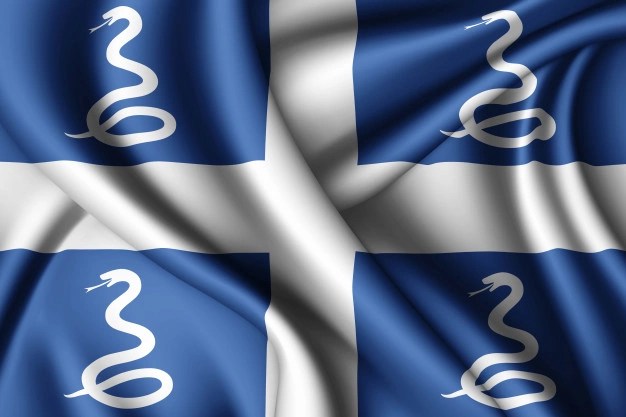
–LE DANMYE
-Danmyé (a.k.a. “Ladja”) is the first martial art to ever be practiced in Martinique. Some slaves from Senegal and elsewhere, that were on there way to the island of Gorée created a fighting art inspired by the initiation ceremony of “Ngolo”, which symbolized the passing from adolescence to adulthood and included a confrontation which took the form of a fight. Fights were practiced in festivals, village fairs, and appointed fights until 1947, when the authorities banned Danmyé.
There are many places to practice: in pitts, in front of a bank during a carnival, and bèlè events (what ever that is). The wrestler has to get the upperhand of his opponent while respecting the drummer’s pace. A fighter can win by referee’s ruling afte a decision blow, one of fighter being hit more than the other (amount of points in a 2-minute fight), lifting your opponent off the ground, or being immobilized on the ground (Kakan). It combines strikes with wrestling and grappling skills.
The wrestlers determine the fighting space by dancing around in a ring to the rhythm of the drum, known as the introductory stage of the fight. The wrestler then draws an invisible circle which represents a magic space and any person entering the circle is an opponent. However, all strikes must be restrained and given without intending to hit. They can only be given to drive the opponent to refuse a hand-to-hand fight. The wrestler has to hit and move in harmony with the rhythm or the guilty party would be disqualified. The main goal is to score more points than the opponent does and hit without being hit.
Barbados
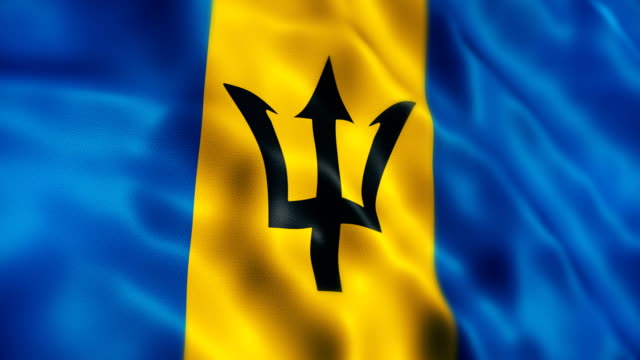
BAJAN STICKLICKING
Bajan sticklicking (often spelled stick-licking) is the traditional form of stick fighting in Barbados. It is a stick fighting martial art that has its roots from Africa, where two participants used fire-hardened wooden sticks, varying in length as weapons and carrying out fighting techniques. This art most likely came to Barbados during the 16th century through the Trans-Atlantic Slave Trade.
The practice of stick fighting represents not only a physical skill but also a cultural and historical significance for the people of Barbados. It served as a way for the enslaved individuals to preserve their traditions and maintain a sense of identity and community despite the oppressive circumstances they faced. Through Bajan sticklicking, they were able to uphold elements of their African heritage and pass down their martial art techniques from generation to generation.
Over time, Bajan sticklicking has evolved, incorporating elements of dance, music, and storytelling, further enriching the cultural tapestry of Barbados. It has become not just a martial art, but a form of artistic expression and a symbol of resilience and strength. Today, efforts are being made to preserve and promote this historic tradition, ensuring that its legacy endures for future generations to appreciate and learn from.
Trinidad and Tobago
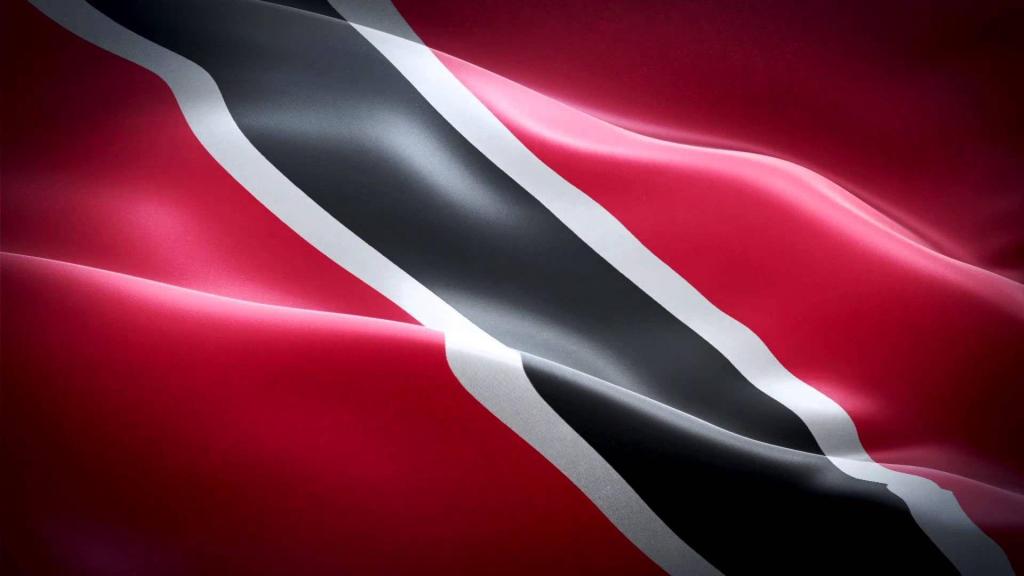
–KALENDA/KALINDA
Kalenda (or Kalinda) is a cultural practice with a rich history that dates back to around 1860. It originated when freed slaves formed competing bands and organized performances that included singing, dancing, and stick fights. Men, women, and children would gather to be entertained by the fierce and skilled stick fighters. The objective of each stick fighter was to deliver a forceful blow to their opponent’s body, aiming above the waist to try to bring them to the ground. Head blows were common, resulting in frequent damage to the skull during these intense duels.
The rules of kalenda were minimal. Striking below the belt or attacking a fallen or kneeling player was considered a violation. If a player’s skull was cut, they were required to retire from the match and drain the blood into a designated “blood hole,” a hollow specifically created for this purpose at the center of the fighting ring. The sticks used in kalenda were typically three to four feet in length and about seven-eighths of an inch in diameter, crafted from materials such as cogwood, the wood of the yellow poui tree, or even the sour guava.
This traditional practice offers a glimpse into the historical and cultural significance of kalenda, showcasing the physical and symbolic elements that shaped this unique form of entertainment and competition.
AFRICA

These Martial Arts were developed in Africa.
Africa, the second largest continent in the world, is not only famous for its diverse cultures and rich history, but also for its contributions to the world of martial arts. The continent has been the birthplace of several unique and fascinating martial arts disciplines that have made a significant impact on the global stage.
ALGERIA
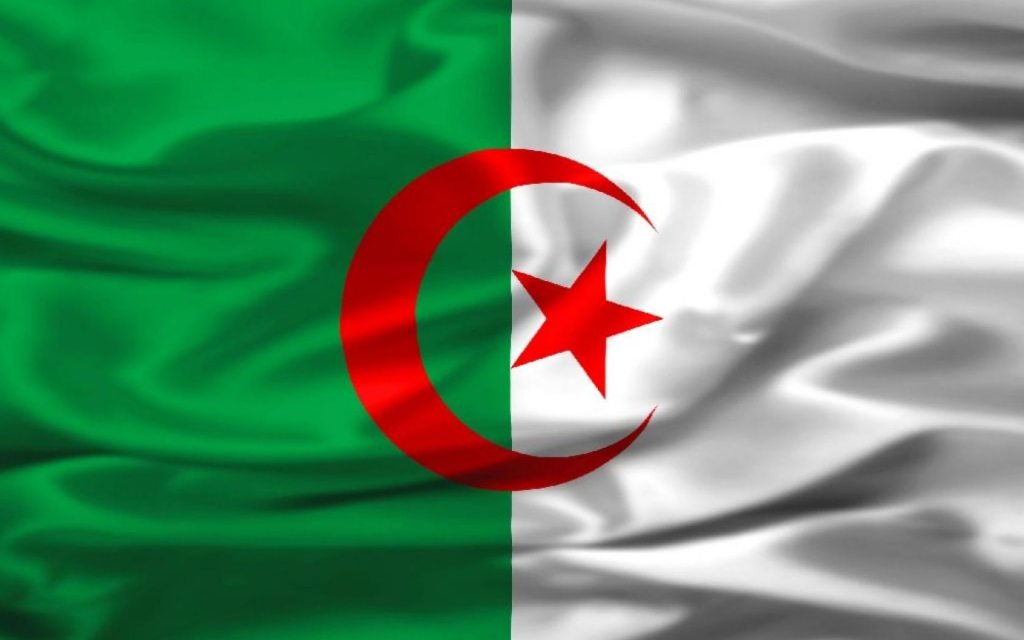
–AL MATREG
The North African martial art of Al Matreg, renowned for its stick fighting techniques, has been traditionally employed to hone the skills of swordsmanship. Its intricate system comprises 12 defined strikes and 12 corresponding parries, making it a comprehensive and disciplined form of combat training. This art form, deeply rooted in the cultural heritage of North Africa, embodies the essence of skillful and strategic martial arts practices.
ANGOLA
–Bassula
Bassula is a traditional Angolan martial art with a fascinating history. Its sole purpose is to immobilize the opponent, although in modern times, the focus has shifted towards minimizing the risk of injury by aiming to only knock down the opponent. This martial art is considered a predecessor of Capoeira, another renowned Afro-Brazilian discipline that combines elements of dance, acrobatics, and music. Both Bassula and Capoeira hold significant cultural and historical value, reflecting the traditions and struggles of their respective origins. Through the practice of these martial arts, individuals can delve into the rich heritage of Angola and Brazil while honing their physical and mental prowess.
–Kandeka
Kandeka is an Angolan martial art with a rich history and tradition. This unique form of combat is reminiscent of modern Slap Boxing, emphasizing open-handed strikes and swift movements. Practitioners of Kandeka engage in a dynamic and skillful exchange, utilizing both offensive and defensive techniques to outmaneuver their opponents. The art of Kandeka embodies the valor and strength of Angolan martial arts, showcasing the prowess and agility of its practitioners. It stands as a testament to the diverse and captivating world of martial arts, offering a compelling blend of tradition, discipline, and physical expertise.
–Engolo
Engolo (or Ngolo) is a fascinating Angolan ritual martial art that holds great significance within the Bantu and Mucupe peoples. This traditional practice involves two males engaging in a physical contest, where the ultimate prize at stake is the hand of a bride offered by the girl’s parents. It is believed that the victorious participant demonstrates his courage and prowess through this display of physical skill, utilizing both hands and feet to strategically outmaneuver and subdue the opponent. The historical and cultural context surrounding Engolo as a precursor to Capoeira adds an intriguing layer of depth to its significance, shedding light on the interconnectedness of diverse martial arts traditions across different regions and periods of time.
CONGO
–Libanda
Libanda is a form of Marital Arts practiced by the Mongo people of the Democratic Republic of Congo. It is a traditional method of combat that has a rich history and cultural significance within the community. The name “Libanda” itself is deeply intertwined with the cultural fabric of the Mongo people, representing their heritage and the spirit of their ancestors.
The origins of Libanda can be traced back to the deep connection that the Mongo people have with their natural surroundings, particularly the majestic Gorilla. It is believed that the fighting style of Libanda was inspired by the powerful and awe-inspiring movements of the Gorilla, as practitioners sought to emulate the strength and agility of this remarkable creature. This connection to nature not only demonstrates the deep respect for the environment within the Mongo culture but also highlights the innovative and resourceful nature of their martial arts tradition.
In the practice of Libanda, multiple fighters come together within a circular ring, creating a captivating and intense atmosphere as they engage in the art of combat. The ultimate goal of a match is to skillfully body slam an opponent into the ground, showcasing not only physical strength but also strategic prowess and agility. This dynamic wrestling style not only serves as a form of physical expression but also represents a test of skill, endurance, and determination for those who partake in it.
Furthermore, the historical and cultural significance of Libanda extends beyond its practice within the Democratic Republic of Congo. It is fascinating to note that this grappling style of combat is believed to be an ancestor of Capoeira, a distinctive martial art form with roots in Brazil. The link between Libanda and Capoeira highlights the far-reaching influence of traditional martial arts, as it transcends geographical boundaries and continues to influence and inspire various forms of combat around the world.
As we explore the intricacies of Libanda, it is essential to recognize and celebrate the rich cultural heritage and the profound impact that traditional martial arts have on communities and societies. The art of Libanda not only embodies the strength and resilience of the Mongo people but also serves as a testimony to the enduring legacy of traditional combat forms throughout history.
–
EGYPT
TAHTEEB
Tahteeb is played mostly in the Northern regions of Egypt by tuff men young and old who enjoy the challenge of a good fight, also it is a great way to show machismo and rack up potential brides. Like Surma stickfighting of southern Sudan, Tahteeb is played only by men and can get very bloody when two opponents do not particularly like one another. When Tahteeb is played nicely one man will attack and the other will only defend and then vice versa, but when men do not like each other and they play together suddenly the rules change and the real rules are announced, there are no rules. Due to the fullcontact aspect of Tahteeb, parrying and blocking are essentials to survival when playing the game, striking is the norm and joint locking is almost unheard off.
–HIKUTA
Hikuta- An ancient Egyptian boxing art still used today. The basis for Hikuta is the ancient art of Kuta, which originated in the land of the pharaohs and has evolved over the centuries. With roots deeply embedded in the rich tapestry of Egyptian history, Hikuta has endured the test of time, preserving the essence of its origins while adapting to the demands of the contemporary world. Today, Hikuta continues to thrive, serving as a conduit for self-defense in the modern era, where individuals seek to safeguard themselves and others. The fusion of tradition and utility makes Hikuta a testament to the enduring legacy of ancient martial arts.
Well to be honest, I have no idea if any of this is true. But I really like what was presented by certain teachers of this art in the past, so I included it here
ERITREA
–GKP
GKP is a revolutionary system of combatives forged by Simohon Giaquinto, an esteemed international master of martial arts with an Italo-Eritrean heritage. This innovative system is rooted in the fusion of Eritrean knife fighting techniques and the extensive combat expertise of Grand Master Alessandro Giaquinto and Master Simohon Giaquinto. With its foundation in such rich and diverse martial art traditions, GKP stands as a testament to the depth and evolution of combative practices, offering practitioners a unique and comprehensive approach to self-defense and martial arts mastery.
For more information about this art, Visit the Official You tube Channel of Simohon: http://www.youtube.com/user/MrSIMOHON
-Testa
Testa, or Riesy, is a brutal Eritrean headbutting art. It may also include kicks, hand strikes, parries, grabs, etc. Hand, foot, and grabbing techniques are very intricate and are solely used in order to strike the opponent with the Big Knuckle, or head. A Testaman may even bite the opponent’s windpipe or groin out of pure desperation.
Testa, also known as Riesy, has a rich history deeply embedded in Eritrean culture. The training and practice of Testa require immense dedication and discipline. Practitioners are known for their extraordinary agility and strength, mastering a wide range of techniques for both offense and defense. The art of Testa is not just a physical practice but a way of life, emphasizing respect, self-control, and mental focus.
In the world of martial arts, Testa stands out for its unique focus on headbutting techniques, which are executed with precision and power. The inclusion of kicks, hand strikes, parries, and grabs further demonstrates the comprehensive nature of this art. The intricate hand, foot, and grabbing techniques highlight the depth of skill and tactical understanding required of Testa practitioners.
One of the defining characteristics of Testa is the utilization of the Big Knuckle, or head, as the primary striking tool. This distinct approach sets it apart from many other martial arts, showcasing the effectiveness and force behind each technique. Additionally, the willingness of a Testaman to employ tactics such as biting the opponent’s windpipe or groin speaks to the intense nature of combat and the high stakes involved.
(Note: I could find no video of this system, But I’m gonna still leave the art description here.)
ETHIOPIA
Dula Meketa is a traditional Ethiopian martial art that has been practiced by the Oromo people for centuries. This stick fighting technique is deeply rooted in the cultural heritage of the Oromo community and holds significant historical and ceremonial value. The practice of Dula Meketa is not only a means of self-defense but also a way to honor and preserve the traditions of the Oromo people.
The art of Dula Meketa involves the skilled and coordinated use of sticks for combat and self-defense purposes. It is a testament to the agility, strength, and strategic thinking of the Oromo people. The techniques and movements of Dula Meketa have been passed down through generations, showcasing the strong oral tradition and community bond within the Oromo culture.
The significance of Dula Meketa extends beyond physical combat, as it embodies the resilience and unity of the Oromo people. The practice of this martial art reflects the rich cultural tapestry of Ethiopia and serves as a powerful symbol of heritage and identity for the Oromo community. Through the art of Dula Meketa, the Oromo people celebrate their history and uphold their ancestral legacy with pride and reverence.
Re-Efi-Areh-Ehsee
The -Re-Efi-Areh-Ehsee is deeply rooted in Ethiopian culture, serving not only as a form of self-defense but also as a means of preserving and transmitting cultural heritage. The artistry and athleticism of this martial art are evident in its movements, which combine grace, power, and agility. Each technique in -Re-Efi-Areh-Ehsee carries with it a rich history, often reflecting the natural movements of animals or elements of nature. Through rigorous training and discipline, practitioners of this unique martial art honor the traditions and customs of Ethiopia, reinforcing their sense of identity and belonging.
I could not find any videos of these particular fighting styles, so I posted this video depicting the BATTLE OF ADWA, when the Ethiopian forces defeated the Italian invading force during the First Italo-Ethiopian War.
–DONGA
Surma or Donga Stick Fighting, also known as stick dueling, is a traditional and culturally significant practice in Ethiopia. This ancient martial art is not merely a physical contest, but a test of nerves, strength, and skill. It holds deep cultural and social significance, serving as a means to prove masculinity, settle personal vendettas, and most notably, to win wives. The Donga tournaments bring together 50 or more men from different villages, each one representing their respective communities.
The fierce competitors engage in heated battles, with the winners progressing to the next round, gradually narrowing down the field until only two finalists remain to determine the ultimate victor. The intensity and physical prowess displayed during these tournaments is a testament to the dedication and significance attached to this tradition.
GAMBIA
–Gambian Wresting (Borey)
Gambian Wrestling is an African martial art that is a deep-seated tradition and national sport. The warriors wear loincloths called “Juju’s” and strut, dance, spar, and brag in challenge of noisy support from the drums. The fight continues until a contestant is brought to the ground. Punching, kicking, spitting and flinging sand in the eyes is all legal. After sundown, the atmosphere builds with excitement as the champions come out to fight. Note: May be the same as Borey.
KENYA
–MASSAI MARTIAL ARTS
The fighting techniques and disciplines of the Massai people of Kenya are a fascinating aspect of their cultural heritage. Renowned for their warrior traditions, the Massai have perfected a unique style of combat that has been passed down through generations. Their techniques emphasize agility, strength, and strategic thinking, combining graceful movements with powerful strikes. The Massai warriors are highly skilled in the use of traditional weapons such as spears, clubs, and shields, which they wield with precision and expertise.
One notable characteristic of Massai fighting techniques is the emphasis on endurance and physical conditioning. Before engaging in combat, warriors undergo rigorous training that includes running, jumping, and strength exercises. This strenuous preparation not only enhances their physical abilities but also instills discipline and mental fortitude.
It’s important to note that the Massai people have a rich cultural heritage that extends beyond their martial traditions. They are known for their vibrant ceremonies, unique attire, and close-knit community structure. The fusion of their warrior ethos with these cultural elements reflects the depth and complexity of Massai society, creating a tapestry of tradition and identity that is truly captivating.
MADAGASCAR
Moraingy (Malagasy) or Moringue (French)
Moraingy (Malagasy) or Moringue (French) is a weaponless, bare-fisted striking style of traditional martial art that originated during the Maroseranana dynasty (1675–1896) of the Sakalava Kingdom of western coastal Madagascar. It has since become popularized throughout Madagascar, but particularly in coastal regions, and has spread to neighboring Indian Ocean islands including Réunion, Mayotte, Comoros, Seychelles and Mauritius.
Moraingy is characterized by its dynamic and acrobatic movements, with practitioners often showcasing impressive agility and physical prowess. The art form is deeply intertwined with the cultural heritage of the Sakalava people, reflecting centuries of tradition and history. Over time, Moraingy has evolved into a cherished part of the local identity, serving as a means of preserving and celebrating the rich legacy of this martial art.
The impact of Moraingy extends beyond physical technique, encompassing a set of values and principles that emphasize discipline, respect, and camaraderie. Through dedicated practice, individuals not only hone their combat skills but also cultivate important traits such as perseverance and self-control. As a result, Moraingy serves as a medium for personal development, fostering a sense of community and solidarity among its practitioners.
In recent years, efforts to promote and preserve Moraingy have gained momentum, leading to increased recognition both nationally and internationally. This has sparked renewed interest in the art form, inspiring a new generation to embrace its legacy and carry it forward into the future. As Moraingy continues to captivate audiences and enthusiasts across diverse regions, its significance as a cultural treasure remains deeply entrenched in the hearts of those who hold it dear.
DIAMANGA
The art of Diamanga, deeply rooted in the cultural heritage of Madagascar, embodies the resilience and spirit of the Malagasy people. With its origins tracing back to this unique island, Diamanga has evolved into a captivating martial art form that reflects the grace and power of its practitioners. Through the graceful yet forceful execution of kicks and the strategic use of sticks as weapons, Diamanga not only showcases physical prowess but also serves as a testament to the traditional values and history of Madagascar. This rich and dynamic martial art has been handed down through generations, preserving the essence of the Malagasy people and captivating enthusiasts with its mesmerizing display of skill and tradition.
MOROCCO

El MATRAG
El Matrag, meaning “the stick,” is a traditional Muslim martial art that originates from Morocco. This unique form of martial arts utilizes a stick as its primary weapon, and practitioners are trained in a series of techniques to master this art form. The practice of El Matrag reflects the rich cultural heritage of Morocco and showcases the significance of martial arts in this region. The use of the stick as a weapon in this martial art requires dexterity, precision, and skill, making it a fascinating and dynamic form of self-defense. As a traditional Muslim martial art, El Matrag not only embodies physical techniques but also encompasses cultural and spiritual elements, adding depth and meaning to its practice. Through dedicated training and discipline, individuals can delve into the world of El Matrag, honing their abilities and immersing themselves in the captivating tradition of this Moroccan martial art.
NIGERIA

–DAMBE
Dambe, or Hausa Boxing, is a traditional form of Nigerian martial arts that has been practiced for centuries. This unique fighting system incorporates a combination of kicks, punches, knees, and headbutts, making it a dynamic and versatile form of combat. The roots of Dambe can be traced back to the Hausa people of West Africa, where it served as a crucial aspect of their cultural and traditional practices.
The practice of Dambe is not only a display of physical prowess but also a showcase of the rich heritage and creativity of African warriors. It reflects the strategic thinking and adaptability of the fighters, as well as the importance of martial skills within their communities. The art of Dambe is a testament to the resourcefulness and resilience of the Hausa people, embodying their spirit and strength in the face of challenges and adversity.
Through Dambe, the practitioners engage in a raw and intense form of combat, emphasizing the skillful use of the hands and feet to deliver powerful strikes. This traditional fighting style is deeply ingrained in the cultural fabric of Nigeria, representing an important link to the country’s history and traditions. The ritualistic elements and ceremonial aspects associated with Dambe further underscore its significance within Nigerian society, serving as a symbol of honor, courage, and tradition.
In contemporary times, Dambe continues to captivate audiences with its blend of athleticism, artistry, and tradition. It stands as a living testament to the enduring legacy of African martial arts, preserving age-old techniques and strategies while evolving alongside modern influences. As Dambe gains recognition on a global scale, it serves as a reminder of the ingenuity and strength of African heritage, inspiring admiration and respect for this captivating fighting art.
–KOKAWA
The traditional fight, known as “kokowa” in the Hausa language, has been a longstanding tradition in Niger, with its roots deeply embedded in the cultural fabric of the region. This popular dual fight not only showcases physical prowess and agility but also serves as a platform for the community to come together in a spirit of conviviality. The event, steeped in tradition and customs, often involves elaborate ceremonies and rituals that further highlight its cultural and religious significance. Participants, adorned in traditional attire, engage in the spirited competition, which is often accompanied by traditional music and vibrant displays of local artistry. The entire community eagerly anticipates and partakes in this unique event, fostering a sense of unity and pride. Overall, the kokowa fight stands as a testament to the rich cultural heritage and communal values cherished by the people of Niger.
-IGBO TRADITIONAL WRESTLING
Igbo Traditional Wrestling is a popular sport in the Igbo community of Nigeria. It is not just a physical activity; it holds deep cultural and traditional significance. The sport is often accompanied by lively music and dance, creating a vibrant and festive atmosphere. Participants demonstrate not only their physical strength and agility but also their discipline and respect for tradition. Spectators gather in large numbers to witness the spectacle, cheering on their favorite competitors and reveling in the spirit of camaraderie and competition. The wrestlers, adorned in traditional attire, engage in strategic and skillful maneuvers, showcasing the rich heritage and values of the Igbo people. This ancient practice continues to thrive, serving as a vital link to the past while also evolving to embrace the present-day passion for sports and competition within the Igbo community.
–GIDIGBO
Gidigbo is a traditional form of wrestling that holds great cultural significance among the Yoruba people of Western Nigeria. In Yoruba communities, Gidigbo serves as not only a physical competition but also as a display of strength, skill, and valor. Participants in Gidigbo engage in a series of intense physical maneuvers, displaying their agility and prowess while adhering to the rules and traditions that have been passed down through generations.
The practice of Gidigbo is deeply rooted in Yoruba tradition and is often accompanied by vibrant music and enthusiastic cheering from spectators. As wrestlers showcase their abilities in the arena, the energy and excitement of the event contribute to the rich tapestry of Yoruba culture and heritage.
Click HERE for more information about this art.
–IJAKADI
The Ijakadi martial art of the Yoruba is a traditional form of combat that has been practiced for centuries within the Yoruba community. It is a unique blend of physical prowess, cultural expression, and historical significance. The techniques and rituals associated with Ijakadi showcase the rich heritage of the Yoruba people and their commitment to preserving their traditional forms of self-defense.
One of the most fascinating aspects of Ijakadi is the way it is deeply intertwined with Yoruba customs and beliefs. The practice of Ijakadi is not just about physical combat; it also embodies spiritual and cultural elements that are passed down through generations. The movements, stances, and rituals of Ijakadi often reflect the values and traditions of the Yoruba people, making it a holistic art form that goes beyond mere fighting techniques.
Furthermore, the significance of Ijakadi extends beyond the physical realm. It serves as a means of connecting with ancestors and preserving the collective memory of the Yoruba community. The art of Ijakadi is a testament to the resilience and pride of the Yoruba people, showcasing their unwavering commitment to their cultural identity and heritage.
As a result, Ijakadi is not merely a martial art; it is a living tradition that encapsulates the essence of Yoruba history and identity. Through the practice of Ijakadi, the Yoruba people continue to celebrate their legacy, foster a sense of community, and uphold the values that have defined them for centuries.
-Igba Magba
A martial art native to Nigeria
Igba Magba, also known as “Nigerian stick fighting,” is a traditional martial art with deep roots in Nigerian culture. This ancient practice is steeped in history and symbolism, often passed down through generations within Nigerian communities. The art of Igba Magba involves a unique blend of physical skill, agility, and mental discipline, making it a holistic form of combat mastery.
The practitioners of Igba Magba, known as “warriors,” undergo rigorous training to perfect their techniques with the traditional fighting sticks. These sticks, crafted from resilient Nigerian woods, serve as both offensive and defensive weapons, requiring precise control and dexterity. The combat sequences in Igba Magba are not only physically demanding but also emphasize strategic thinking, making it a comprehensive martial art form.
In addition to its practical aspects, Igba Magba holds cultural and spiritual significance within Nigerian society. It serves as a way to honor and preserve the traditions of the past, often performed during cultural ceremonies and festive occasions. The rhythmic movements and impactful strikes of Igba Magba reflect the resilience and unity of the Nigerian people, embodying the spirit of strength and endurance.
The practice of Igba Magba underscores the rich heritage and indigenous wisdom of Nigeria, contributing to the diverse tapestry of martial arts around the world. As this traditional art form continues to thrive, it remains an integral part of Nigerian identity and a source of inspiration for future generations. Through its steadfast preservation, Igba Magba stands as a testament to the enduring legacy of Nigerian martial arts.
SENEGAL
–LAAMB
Laamb (a.k.a. “Senegalese wrestling”) is a wrestling art that takes place in Senegal. Before the event the beating of the drums along with the mellow voices of the singers will alert everyone that it’s about to start. The crowd would gather around a sandy pit and watch several bouts before the final bout of 2 champions. The fighters would wear “wrappers” around their waist, which would be provided by their fiancés or female relatives, and the rest of their body will be naked. The winner must knock his opponent’s knees, shoulder, or back to the sand. Strikes and slaps are allowed nowadays.
SOUTH AFRICA
–MAVILI
Mavili is a traditional martial art practiced by the Venda people of South Africa. It is known for its unique techniques, which include punching, headbutting, earslaps, and knees. This dynamic martial art is deeply rooted in Venda culture and is often passed down through generations. Practitioners of Mavili undergo rigorous training to master its various movements and strikes, emphasizing strength, agility, and precision. The practice of Mavili reflects the rich history and traditions of the Venda people, serving not only as a form of combat but also as a means of preserving their cultural heritage.“
–NGUNI STICK FIGHTING
In Nguni-speaking areas of South Africa, stick-fighting holds a significant educational role, providing a platform for the transmission of important social values and gender roles to the younger members of society. For Zulu and Xhosa boys, the practice begins at an early age, instilling in them the utilitarian function of sports, which includes sharpening their physical skills and mental attitudes essential for hunting game and engaging in combat. The emergence of stick-fighting as a physical contest has not only created a space for young boys to assert themselves within their age group, but it also facilitates the achievement of social identity through healthy competition and, possibly, a sense of ‘independence’ that is less accessible to the general population.
–ZULU STICK FIGHTING
Zulu stickfighting is a traditional South African martial art that has been practiced for centuries as a way to hone combat skills and foster discipline within the community. It is a highly ritualized form of combat, often performed to the accompaniment of music, singing, and dancing. The fighters, armed with long, flexible sticks, engage in controlled but spirited duels, showcasing their agility, strength, and strategic thinking.
The practice of Zulu stickfighting is deeply embedded in Zulu culture and holds great significance within the community. It is not merely a physical display of prowess, but a means of preserving tradition and strengthening social bonds. Through stickfighting, participants learn valuable lessons about respect, sportsmanship, and perseverance, and the art form serves as a way to celebrate and honor ancestral heritage.
In recent years, efforts have been made to promote and preserve Zulu stickfighting as a cultural heritage, recognizing its importance in South Africa’s history and identity. This traditional martial art continues to captivate audiences with its unique blend of athleticism, tradition, and cultural symbolism, offering a window into the rich tapestry of Zulu heritage and the enduring strength of its people.
SOUTH SUDAN

I typed a bit on South Sudanese wrestling on another PAGE. Well, here’s another one.
AND LAST BUT NOT LEAST…
Okay, I posted this video here because I believe it’s a pretty good comparison of the weapons and fighting tactics of both tribes, and besides, I’ve always wondered.
In analyzing the weapons and fighting tactics of different tribes, it’s crucial to understand the historical and cultural context in which these tools and strategies were developed. Each tribe has a unique set of traditions, beliefs, and environmental influences that shape their approach to combat. By comparing and contrasting these aspects, we can gain a deeper insight into the intricacies of different tribal warfare practices.
Moreover, the study of ancient weaponry and combat tactics offers a fascinating glimpse into the evolution of human civilization. It provides a tangible link to our ancestors and allows us to appreciate the ingenuity and resourcefulness of early civilizations. This exploration of our shared human history serves to broaden our perspective and fosters a greater appreciation for the diversity of human experiences.
I hope this video sparks a meaningful discussion and inspires further exploration into the rich tapestry of human culture and history.
NEO-AFRICAN MARTIAL ART SYSTEMS

Neo-African Styles –
Styles that aren’t native or traditional to Africa, but were developed recently from African martial art techniques and principles.
The development of martial arts in Africa has led to the creation of styles that showcase a blend of traditional techniques with modern influences. These styles incorporate principles rooted in African martial arts, offering a unique and innovative approach to self-defense and combat. By integrating contemporary elements with traditional foundations, practitioners have been able to evolve the discipline while honoring its cultural heritage. This fusion has given rise to a diverse range of martial arts expressions that not only reflect the rich history of Africa but also contribute to the global martial arts community.
–TA MERRIAN
Grand Master Baba KILINDI IYI was a native of Detroit, MI. He studied and taught ancient and contemporary African fighting sciences. Kilindi made a huge impact on his city through educational and humanitarian organizations. He was the head instructor and technical advisor of the Tamerrian Martial Art Institute.
Baba Kilindi’s dedication to preserving and sharing African fighting sciences garnered recognition not only in his hometown of Detroit, but also across the martial arts community internationally. His teachings and demonstrations showcased the rich cultural heritage of Africa, inspiring countless individuals to delve into the depths of these ancient fighting traditions.
In addition to his martial arts expertise, Kilindi’s commitment to education and community outreach was unwavering. He tirelessly worked towards empowering the youth and promoting social cohesion through various initiatives. His influence extended far beyond the realm of martial arts, leaving a lasting legacy of knowledge, compassion, and unity.
Throughout his life, Baba Kilindi Iyi’s contributions to the realms of martial arts, education, and humanitarian efforts resonated deeply, shaping a brighter future for his community and beyond.
–EGBE OGUN
EGBE OGUN, The Traditional African Martial Arts System developed by Balogun Ojetade is a commendable effort to preserve and promote ancient fighting techniques from the African continent. This system delves into the rich history and diverse cultures of Africa to capture the essence of traditional martial arts passed down through generations. By incorporating elements of folklore, music, and dance, this martial arts system offers a holistic approach to combat and self-discipline. The emphasis on interconnectedness with nature and respect for one’s opponents sets it apart from other martial arts disciplines, making it a fascinating and valuable addition to the global martial arts landscape.
–PIPER BLADE COMBATIVES
Nigel February, a native of Cape Town, South Africa, absorbed the intricate street knowledge of knife fighting methods developed by the “number gangs” in South African prisons and the street gangs in the impoverished urban areas of Cape Town. With a keen eye for detail and a deep understanding of the snakelike body movements, strategy, and footwork that characterize this system, February embarked on a mission to systematize and formalize this knowledge. His dedication led to the transformation of a mere assortment of individual techniques and targets into a comprehensive system known as PIPER.
The PIPER system, birthed from the harsh realities of South African urban life, emphasizes not only the offensive aspects of knife fighting, but also the crucial skill of maximizing one’s chances of survival. This dual focus sets it apart as a holistic approach to an inherently dangerous and high-stakes form of combat.
Furthermore, February’s commitment to preserving and passing on this system led to the designation of Master Guardians and Guardians, who today carry forward the rich legacy of PIPER. Their role is not only to impart the physical techniques and strategies, but also to instill the values and ethos that underpin this unique martial art.
As PIPER continues to evolve and spread its influence, it stands as a testament to the ingenuity and adaptability of individuals facing adversity. It is a living tradition that honors the roots from which it emerged and the individuals who have tirelessly dedicated themselves to its preservation and transmission.
–MSHINDI VITA SANA
The term “Mshindi Vita Saana” encapsulates a rich tapestry of cultural significance and practical application. Developed for and by people of African descent, specifically African Americans, Mshindi Vita Saana embodies a unique approach to self-defense rooted in tradition and adaptability. By integrating rhythm, strategy, coordination, and agility, this system emphasizes both traditional and contemporary movements, reflecting the graceful and elaborate polyrhythms found in African dance and music. This holistic approach not only serves as a means of self-defense but also as a celebration and preservation of African heritage, fostering a deeper connection to one’s cultural identity through physical practice.
–AKERU
Akeru is a program opened as a workshop to teach Africans. It is based on Afro-Brazilian Dance, martial arts, culture, discipline, and philosophy. This program aims to provide a holistic approach to learning, incorporating physical movement, cultural understanding, and philosophical insights. By integrating Afro-Brazilian Dance and martial arts, participants not only engage in physical activity but also immerse themselves in the rich cultural heritage of the African diaspora. The emphasis on discipline and philosophy further enhances the educational aspect of the program, offering a well-rounded learning experience that goes beyond conventional academic settings. Overall, -AKERU serves as a platform for individuals to explore and embrace the diverse aspects of African culture, while also fostering personal growth and development.
–Kwa Asilia Avita Sanaa
Kwa Asilia Avita Sanaa is a deadly fighting art that can be used as an educational system, a competitive sport, and a form of self-enlightenment. Although Kwa Asilia Avita Sanaa attempts to remain consistant with the fighting systems of ancient African warriors, it does not emphasize the traditional methods of guerrilla warfare (Ambush, Assassination, and stealth). Instead emphasis is placed on internal development, meditation, breath control, and healing which includes medical gymnastic (self-defense techniques).
–Afrikan Kimarekani Kutia Kivuli Ngumi
African-American Shadow Boxing. Derived from Kwa Asilia Avita Sanaa. Used as somewhat a Revival for its predesescor and as tribute and as rembrence of the enslaved Africans
–KUPIGANA NGUMI
Kupigana Ngumi, known as the “Essence of African Martial Arts,” represents a rich tapestry of traditional fighting techniques and cultural significance. This comprehensive term encompasses a diverse array of Afrikan Martial Arts systems, each with its own unique history and significance. Its rhythmic, dance-like movements not only serve as a means of self-defense, but also as a powerful expression of cultural identity and heritage.
The roots of Kupigana Ngumi can be traced back to the 1960s when it was founded by Shaha Mfundishi Massi and Nganga Mfundishi Tolo-Naa. These visionary leaders laid the foundation for a martial arts system that goes beyond mere physical training, incorporating essential elements of cultural preservation, emotional well-being, mental discipline, and physical fitness.
At its core, Kupigana Ngumi is a holistic system that is designed to nurture individuals in various aspects of their lives. The four areas of training – Cultural, Emotional, Mental, and Fitness – form the pillars of this comprehensive discipline. Through dedicated practice and immersion in Kupigana Ngumi, practitioners not only hone their physical prowess, but also deepen their connection to their cultural heritage, strengthen their emotional resilience, sharpen their mental focus, and enhance their overall fitness and well-being.
The founder and director of the Tayari Casel Martial Arts Academy is Oso Tayari Casel. His dedication and expertise have been instrumental in shaping the academy into a renowned institution for martial arts training. Oso Tayari Casel’s vision and leadership have guided the academy’s growth, creating a welcoming and empowering environment for students to develop their skills. Emphasizing discipline, respect, and continuous improvement, Oso Tayari Casel has cultivated a community where individuals can strive for excellence while supporting one another in their journey. With his passion for martial arts and commitment to his students’ success, Oso Tayari Casel continues to inspire and make a lasting impact in the martial arts world.
–KIUNGU CHA MKONO
-Kiungo Cha Mkono
(a.k.a. “Shackle Hands” and “The Shackle Hand Style”) is an art developed by Master Nganga Mfundishi Tolo-Naa from traditional African arts. The hands are linked together based on the concept that two hands are better than one. It is also symbolic of Africans in slavery. It takes traditional blocks and strikes and combines them into one harmonious action, representing unity and strength. This intricate defense technique not only serves practical purposes, but also captures attention with its mesmerizing display of skill and agility.
The art of -Kiungo Cha Mkono encompasses three distinct levels of hand positioning. The first level involves the hands being joined at the wrist, signifying the foundational aspect of the technique. As the practitioner progresses, the second level is reached, where the hands are separated, allowing for a wider range of movement and adaptability. Finally, the third level represents the pinnacle of mastery, with the hands crossed in a manner reminiscent of ancient Egyptian depictions. This level is steeped in symbolism, reflecting spiritual growth and enlightenment within the practitioner.
Master Nganga Mfundishi Tolo-Naa’s creation not only showcases the fusion of traditional African martial arts principles but also embodies a profound cultural and historical significance, serving as a testament to resilience, unity, and spiritual evolution within the African heritage.
– NEO-NGOLO
The family martial art of the Maasi Family, headed by Mfundishi Maasi
The mentioned family martial art is a deeply rooted tradition within the Maasi Family, with a rich history and cultural significance. Passed down through generations, this martial art embodies the values, beliefs, and customs of the Maasi people. Mfundishi Maasi plays a central role in preserving and teaching this ancient practice, serving as a custodian of its techniques and philosophy.
The martial art practiced by the Maasi Family embodies the unique worldview and traditions of their community. It reflects their reverence for discipline, physical prowess, and spiritual connection. Through dedicated training and mentorship, individuals within the family learn not only the physical techniques but also the underlying principles of harmony, resilience, and respect for one’s opponents.
At the core of this martial art is the belief in the interconnectedness of mind, body, and spirit. Movements are deliberate and fluid, echoing the grace and strength found in nature. Practitioners are encouraged to cultivate introspection and self-awareness, recognizing the importance of mental and emotional discipline alongside physical skill.
The Maasi Family’s commitment to preserving their ancestral martial art serves as a testament to the enduring legacy of their traditions. As they pass down their expertise to future generations, the art continues to thrive, strengthening the bonds of the community and honoring the wisdom of their ancestors.
And last but not least, I want to introduce you to a friend of mine. I’ve included him and his style here because though he uses the word capoeira in his social media, he doesn’t consider what he does Capoeira, instead choosing to use the term “Kipura”, to describe what he teaches.
His name is Ras, an he’s a head coach of his family’s system, which he calls, “NJIA UHURU”, which means “The way of freedom”.
He’s a very controversial figure in the Capoeira world, basically because he has no problem telling people that 90% of what capoeiristas do has ABSOLUTELY NO VALUE in self-defense. He calls us “Cardio Capoeiristas”, meaning that what they do is great for exercise, folklore, and to get pretty girls to dance with you, but that’s all it’s good for.
He freely shares his knowledge on his social media, he makes videos doing what he does, and he has a good understanding of history. He doesn’t do what most capoeiristas consider to be Capoeira, which is another reason why people don’t like him.
However, others out there do like what he does, so for them, and for him, I’ve made this space for him here.
Below, I’m posting this small playlist that I made of some of his videos, specifically who he is and what he does and why he does it, so you can all see for yourself what he’s about.
Like I said, he’s very controversial, and though he has many supporters, he also has many haters. If you want to watch some videos, or anything that his detractors may have made about him, you can look for that yourself, because personally, I’m not about all that negativity. Some people like him, some don’t. It is what it is.
Below, I’ve posted links to all his social media here, so you can contact him yourself, and see what he is about.
Website: https://sites.google.com/view/atacxgymcapoeiraYoutube:ATACX GYM STREET WARRIOR CAPOEIRA
Facebook Group Page: NJIA UHURU KIPURA SELF DEFENSE, GUNS, KNIVES, YOGA, POLITICS
Instagram: ATACXGYMCAPOEIRA
Twitter: ATACXGYM
Blogger: CAPOEIRA THAT WORKS
Quora: RAS NJIA UHURU
Once again, anybody can watch his videos, check out the links I just provided, and judge for themselves if he’s someone they want to learn from or not.
Remember,

Now, this is by NO MEANS a complete list of the Martial Arts developed and practiced by the African people, or the diaspora. I left out quite a few martial arts, like BATUQUE, because I couldn’t find any videos of them. Others, like BROMA, I left out because I couldn’t find anything but the name itself.
But it doesn’t matter. The reason I created this webpage was NOT to show you these arts. The reason was to show you a very important concept.
You see..
A fundamental concept of slavery, To quote TJ Desch Obi, is that slavery says that the Slave master is the master of the slave’s body.
However, Capoeira, and the other Martial Systems that I described above, teach us inherently that WE ARE THE MASTER OF OUR BODIES.
And it is that spirit, in my opinion, which lead our people toward our liberation.
And, liberation can come in many forms.
For example, on the KNOWLEDGE IS EMPOWERMENT page, I typed that Capoeira was in part, developed as a response to the trauma that black people suffered during the slavery era.
Allow me to explain.
In neuropsychology and neurobiology, the concept of play holds significant importance and has been subject to extensive study. It has been identified as a valuable tool in aiding individuals to heal from traumatic experiences and overcome various mental and physiological health-related symptoms. The process of learning through experience, encompassing both failure and success, and understanding the repercussions of one’s actions is considered pivotal in facilitating enduring change. This approach underscores the pivotal role of experiential learning and the profound impact of both achievements and setbacks on personal development.
Within the realm of Capoeira, participants are exposed to moments of failure as an inherent part of the learning process, ultimately leading to individual and communal success. The community aspect of Capoeira fosters an environment where failure serves as a catalyst for motivation, propelling individuals towards achieving positive outcomes. Additionally, progress in Capoeira is not solely determined by individual achievement, but also by the collective advancement within the community and in accordance with its expectations.
This emphasis on the interplay between failure and success in the context of a supportive community resonates with the notion that meaningful progress and lasting change often stem from the acknowledgement and utilization of one’s setbacks as a springboard for growth. As such, the Capoeira philosophy aligns with the principles of neurobiology, illustrating the transformative potential of utilizing experiences, both positive and negative, as catalysts for personal development and communal advancement.
For instance, all Capoeira Angola movements are done based on the ability of the student. For example, a AU (cartwheel) is a basic capoeira movement. A total beginner will only lift their legs a few inches from the ground keeping both hands on the floor. As the student advances, they will eventually be able to do a full cartwheel on one hand, or even NO HANDS. We begin with basic movements and progress learning the philosophy and culture of the art.
It’s community, working with each individual, which accomplishes the positive change in the capoeirista. The successes in the micro community of the Roda can be taken as an important measure of the ability for the capoeirista to succeed in the larger society outside of the Roda.
Capoeira Angola, with its blend of martial arts, dance, and music, not only provides physical benefits but also fosters a sense of belonging and cultural awareness. As students navigate the intricacies of the movements, they also delve into the history and traditions of this rich art form, gaining a deeper understanding of the philosophy and culture behind it.
The microcosm of the Roda, with its communal support and encouragement, serves as a training ground for the broader societal challenges that the capoeirista may face. The values learned within the group—respect, resilience, and collaboration—pave the way for success beyond the Roda, equipping practitioners with essential life skills that extend far beyond the practice of Capoeira Angola.
Capoeira Angola is a traditional Afro-Brazilian martial art that offers a unique way of channeling aggressive energy into a positive and transformative experience. With its roots in the African slave trade, Capoeira developed as a form of self-defense disguised as a dance in order to escape detection and punishment. This art form mimics life’s interactions and teaches valuable strategies, particularly focusing on overcoming hostility from a disadvantaged position.
Furthermore, Capoeira is not just a physical practice; it is also deeply rooted in spiritual and cultural aspects. It offers perspectives and strategies for dealing with social inequalities and personal obstacles. The art of liberation present in Capoeira not only empowers individuals to overcome challenges but also fosters a sense of community and collective strength. The spiritual aspect of healing is also significant, as Capoeira ceremonies and collective group healing practices contribute to a holistic approach to well-being.
In the traditional Capoeira community, there are recognized figures such as mestres, contra mestres, and other titles that denote different levels of expertise and leadership. In the western sense, these figures can be likened to therapists or even shamans, as they play a crucial role in guiding and supporting practitioners on their Capoeira journey. When executed with authenticity and mastery, these guides possess the knowledge and experience to tap into the profound wisdom of this ancient art, effectively meeting the individual needs of their students and fostering personal growth and healing.
Politics aside, I believe this is the reason people say that this art, this technology, if you will, takes about 20 years to learn under a qualified master.
Now, in case you just skimmed through what I typed above, I would like you to watch this video from “The Capoeira Nerd”, which explains what I said in less than 2 and a half minutes.
And also, watch the video playlist below, where you will see some examples of how capoeira can change lives for the better.
All this in my opinion, among other things, makes Capoeira and the other Martial Arts from Africa and the Diaspora, a living testament to the durability of the human spirit.

 Jogo Corpo Fechado