
SALVADOR DA BAHIA

Bahia nossa Bahia
Bahia nossa Bahia
capital é Salvador
Quem não conhece essa Capoeira
não pode dar o seu valor
Capoeira veio da África
africano quem a trouxe
Todos podem aprender
general também doutor
Quem desejar aprender
venha aqui em Salvador
Procure o Mestre Pastinha
ele é o professor
Bahia our Bahia
Bahia our Bahia
The capital is Salvador
Who doesn’t know this Capoeira
Can’t give his opinion on her value
Capoeira came from Africa
African who brought
Everyone can learn
Generals and also Doctors
Those who wish to learn
Come here to Salvador
Look for Mestre Pastinha
He is the teacher

Hello everyone.
This is the beautiful game, of Capoeira Angola.
As you can see in this video playlist, Capoeira Angola is a very agile, and versatile martial science of african origin, which historically is focused on fighting outnumbered or in technological disadvantage. Though it doesn’t look like it at first glance, the movements were developed for fighting and self defense, and we must always be mindful that Capoeira was used by the enslaved Africans of Brazil to free themselves from bondage, as well as a form of revolution, and a way to bring about change in the lives of its practitioners.
The art of Capoeira is deeply rooted in the history and culture of Brazil, intertwining dance, music, and acrobatics with martial techniques. This unique combination reflects the resilience and creativity of the enslaved Africans, who disguised their combat training as a form of cultural expression. Today, Capoeira is practiced worldwide, celebrated for its cultural significance and artistic elements. Its fluid and rhythmic movements continue to captivate and inspire people of all ages and backgrounds, serving as a powerful symbol of strength, freedom, and unity.
Today, it’s used as a as a method of self-defense, and ultimately, a strategy to overcome all the trials and tribulations of life.
On this page, I’m gonna cover some of the basic aspects of this game, and way of life.
O.K., let’s get right into it.

O.K., now let me explain to all of you some fundamental principles of Capoeira Angola.
The Jogo de Capoeira Angola, also known simply as Capoeira Angola, is a method of practicing and honing the application of capoeira movements in a simulated combat setting. This traditional Afro-Brazilian martial art form is played as a game, embodying elements of dance, acrobatics, and music. It can be played anywhere, but it typically takes place within what is known as a “Roda de Capoeira” or simply “Roda”.
The Roda can be described as a grand theater, where the captivating art of Capoeira is magnificently displayed to the world. It serves as a vibrant microcosm of the broader communities to which we all belong. Within the Roda, participants not only showcase their capoeira skills but also imbibe important life lessons. As they strive and succeed within the micro community of the Roda, they glean insights into how they can also thrive within the larger community outside its bounds. This conceptual bridge between the micro and macro communities encapsulates the essence of the Roda and underlines its significance in the cultural and social fabric of Capoeira.
Through this immersive experience, individuals learn valuable skills and develop a deep sense of connection, solidarity, and belonging, fostering a profound understanding of their capabilities within the wider societal context. This profound interconnection between the microcosm of the Roda and the greater community encapsulates the profound depth and significance of Capoeira Angola, elevating it beyond a mere physical practice to a holistic framework for personal and communal growth.
Two capoeiristas enter the roda and play the game according to the style required by the musical rhythm. The game finishes when the lead musician holding a berimbau gunga determines it, or when one of the capoeiristas decide to leave or call the end of the game.
In a roda, EVERY aspect of capoeira is presented, not only the martial side. The Roda represents a highly structured environment with defined boundaries, physical, moral and ethical. It uses community imposed sanctions and guidance, as part of the growth process. This environment offers an opportunity for the player to develop self-respect and self-improvement. During the game most capoeira moves are used, but capoeiristas usually avoid using more aggressive and dangerous moves, like hand strikes, knees or elbow strikes, unless it’s a very aggressive game. Dynamic movements, such as cartwheels, handstands, spinning kicks and spontaneous acrobatics, characterize a Capoeira game.
Capoeira is a multifaceted cultural art form that encompasses elements of dance, play, self-expression, and community. The roda, or circle, provides a platform for capoeiristas to showcase not only their physical prowess but also their creativity, musicality, and respect for tradition. Through the structured environment of the roda, individuals are encouraged to uphold moral and ethical standards while engaging in the playful yet disciplined interactions within the circle. The growth process within capoeira involves not only proficiency in movements and techniques, but also the development of self-respect and a commitment to self-improvement.
The capoeira game is a dynamic display of movement and agility, characterized by fluid transitions, acrobatics, and spinning kicks. While most capoeira moves are utilized during the game, capoeiristas often refrain from employing more aggressive or potentially dangerous techniques, such as hand strikes or elbow strikes, unless the nature of the game calls for heightened intensity. This emphasis on controlled and expressive movements serves to maintain a balance between the competitive and artistic aspects of capoeira, contributing to the rich tapestry of skills and expressions found within the practice.
The art of Capoeira Angola, originating from Brazil, is characterized by its intricate and deceptive maneuvering, requiring great cunning from its practitioners. When engaging in a game of Angola, it is essential to remember that one’s opponent may be simultaneously employing trickery. The distinctive rhythm of Capoeira Angola is typically set to the Toque de Angola, a slow and smooth musical rhythm that sets the foundation for the graceful and calculated movements within this captivating art form.
“Although it can most definitely be played quickly, there is a certain elegance in savoring each moment, allowing the anticipation to build as the notes linger in the air. The depth of feeling and emotion conveyed through the music is best appreciated when given the time to unfold, revealing its intricate layers and nuances. Rushing through the performance may lead to a superficial experience, whereas taking the time to truly immerse oneself in the music can be profoundly rewarding and enriching. So, while it can be played quickly, perhaps it is in the unhurried tempo that the true essence of the piece is unveiled.
The Jogo (game) usually does not focus on knocking down or brutally beating the opponent, because that part’s for actual fighting situations.
Rather, it emphasizes skill and finesse.
In the Jogo, usually, there is no contact from strikes. An implied strike is usually more desirable. It is also very common to stop a kick inches before hitting the target, particularly when the opponent has been clearly manipulated into an indefensible position, so a capoeirista can enforce superiority without the need of injuring the opponent. If an opponent clearly cannot dodge an attack, there is no reason to complete it.
The art of Capoeira is a captivating blend of dance, acrobatics, and martial arts, steeped in tradition and history. Capoeiristas often prefer to employ graceful takedowns like the “rasteira,” skillfully allowing their opponent to recover and re-engage, keeping the game dynamic and engaging. It’s important to note that in an actual confrontation, the dynamics shift significantly.
Throughout a Capoeira Angola Roda, strikes, evasions, and counterstrikes are seamlessly interwoven, showcasing the fluidity and creativity that defines the art form. The freedom to improvise and create openings not only demonstrates the practitioner’s skill but also adds an element of surprise and artistry to the game.
An intriguing aspect of Capoeira is the limited use of offensive hand techniques within the Roda. When such techniques are employed, they are often perceived as very aggressive, highlighting the emphasis on graceful movements and evasions. It is worth noting that while defensive hand movements may be used to parry incoming kicks or simulate the use of a blade, they are more commonly showcased rather than executed to completion within the Roda, adding an element of theatricality and skillful precision to the performance.
At its highest level of practice, Capoeira Angola, as is the case with all the other forms of Capoeira, should be considered an improvisational conversation between two bodies. The operative sensibility is very similar to a jazz performance.
The art of capoeira is a mesmerizing display of skill, agility, and rhythm that captivates audiences worldwide. A unique blend of martial arts, dance, and music, capoeira showcases the rich cultural heritage of Brazil and the resilience of its people.
However, behind the beautiful movements and harmonious music lies a lesser-known aspect of capoeira that is characterized by a more aggressive and dangerous nature.
Capoeiristas are adept at navigating this intense form of the game, which is typically avoided in public presentations or performances. This hidden facet underscores the depth and complexity of capoeira, revealing the duality of its expression and the need for a nuanced understanding of its traditions.
up to 3 berimbaus
up to 2 pandeiros
1 agogô
The dominant instruments are the three berimbaus; no other instrument should be played louder than these. There is also an order to the types and use of songs, all of which will be explained in more detail in the MUSIC AND SONG PAGE.
Now, since I described to you what a roda is as best as I can on a webpage, I’m gonna introduce you to the major components of the game within the roda, and then we’ll get into basic movements.
CHAMADA
=
The chamada holds a significant role within the traditional Angola game, encompassing elements that may initially appear lighthearted, such as a break or a dance, yet it serves as both a trap and a test. As the caller executes the chamada, they keenly observe their partner, assessing whether they will lower their guard or be lured into a vulnerable position that can be exploited for a takedown or a strike.
After the chamada ends, both resume normal play.
This intricate dance between the participants underscores the strategic and tactical depth of the Angola game, where each movement and response is laden with meaning and potential consequences. Such dynamics contribute to the rich tapestry of tradition and skill that define the essence of the Angola game, encapsulating the fusion of physical prowess, mental acuity, and cultural significance.
It is a critical situation, because both players are vulnerable due to the close proximity and potential for a surprise attack. It’s also a tool for experienced practitioners and masters of the art to test a student’s awareness and demonstrate when the student left herself open to attack.
The use of the chamada can result in a highly developed sense of awareness and helps practitioners learn the subtleties of anticipating another person’s hidden intentions. The chamada can be very simple, consisting solely of the basic elements, or the ritual can be quite elaborate including a competitive dialogue of trickery, or even theatric embellishments.
VOLTA AO MUNDO (Around the world).
The volta ao mundo is a fascinating and dynamic feature within the context of the capoeira roda. It serves as a designated moment within the game when various factors come into play, such as the culmination of an exchange of movements, an interruption in the fluidity of the game, or a player’s intention to influence the tempo of the interaction.
This captivating phenomenon unfolds as one participant initiates a contemplative journey around the circumference of the roda. Simultaneously, the opposing player becomes an active participant in the volta ao mundo, positioning themselves at the diametrically opposed point of the circle, thus embracing the essence of the unfolding dynamics. This interplay between the two participants encapsulates the spirit of the volta ao mundo, ultimately culminating in a graceful return to the traditional flow of the capoeira game.
COMPRANDO O JOGO (BUYING THE GAME)
The practice of “buying” in Capoeira Angola is a captivating aspect of the tradition that continues to be cherished by its practitioners. While this practice is practiced primarily in Capoeira Regional, which was from the original game, “buying” remains a part of Capoeira Angola, albeit carried out infrequently.
This concept is predominantly observed in Regional and Contemporary Rodas, as well as Capoeira Angola, where it symbolizes a rejection of the commodification and commercialization of the art form. However, it’s important to acknowledge that the evolution of capoeira has led to some of the older rituals gradually fading away, prompting questions about their preservation and significance. This realization fuels my dedication to preserving and documenting the authentic traditions of capoeira through this website, as a means of safeguarding its rich cultural heritage for future generations.
The fading of these rituals raises profound questions about the preservation of cultural traditions and the potential forces contributing to their erosion. As capoeira continues to evolve in contemporary society, there is a need to critically assess the impact of modernization and external influences on its traditional practices. Through this platform, I aim to explore these complexities and shed light on the challenges faced by the capoeira community in maintaining its diverse heritage amidst the currents of change.
It is important to note that this practice is not exclusive to Mestre Pastinha’s lineage, as it holds significance across different branches of Capoeira Angola. Typically, “buying” is performed towards the culminating moments of the ritualistic roda, further adding to the richness and depth of this longstanding tradition. As the capoeiristas engage in this profound practice, they often accompany it with the melodious tones of the “Boa Viagem” corrido, imbuing the farewell with poignant sentiment. This perpetuation of tradition serves as a powerful bridge connecting the heritage of Capoeira Angola to contemporary practitioners, contributing to the continuity and evolution of this mesmerizing art form.
The process of purchasing a game can sometimes be confusing, but fear not! I’ve discovered an exceptional video on YouTube that provides a comprehensive guide on how to “buy” a game. The visuals and explanations are top-notch, making it an excellent resource for anyone seeking assistance with this process. I recommend taking a few minutes to watch the video, as it will likely clear up any uncertainties you may have.
Certainly, the link between OLD Capoeira and traditional events such as Samba de roda and jogo de mestres runs deep.
These sister events are intricately woven into the fabric of the Capoeira tradition, each adding a rich layer of cultural significance and historical resonance to the practice.
Samba de roda, with its rhythmic beats and joyful expressions, exemplifies the vibrant spirit of Brazilian musical traditions that intertwine with Capoeira. On the other hand, jogo de mestres, the playful yet deeply respectful interaction between Capoeira masters, serves as a living testament to the lineage and craftsmanship that define this ancient art form.
The infectious rhythms of Samba de roda create a compelling backdrop for the agile and acrobatic movements of Capoeira, blending music and dance into a mesmerizing spectacle that captivates both the performers and the audience. As the melodic sounds of traditional instruments fill the air, the spirit of celebration and camaraderie permeates through the gathered community, forging connections and fostering a sense of unity.
In contrast, the jogo de mestres embodies the profound reverence and knowledge that is passed down through generations of Capoeira practitioners. Within the intricate exchanges of skill and strategy, there lies a deep understanding of the art’s history and significance. The playful yet disciplined interactions between masters reflect not only their individual prowess, but also the collective wisdom amassed over decades of dedicated practice and devotion.
Through these rich and diverse expressions, the essence of Capoeira is magnificently brought to life, embodying the cultural tapestry of Brazil and the indomitable spirit of its people.`
Together, these events complement and enrich the world of OLD Capoeira, creating a holistic tapestry of tradition, movement, and music.
JOGO DE DENTRO (The Inside Game)
Jogo de dentro, jogo de fora
Valha-me deus, minha Nossa Senhora
Jogo de dentro, jogo de fora
Jogo bonito, esse jogo de Angola
Jogo de dentro, jogo de fora
Jogo manhoso, esse jogo de Angola
Jogo de dentro, jogo de fora
Jogo bonito, quero ver agora
Jogo de dentro, jogo de fora
Jogo de Dentro, also known as the inside game,” holds a significant position in the realm of capoeira angola, revered as one of the most challenging games to engage in. This intricate game is characterized by close proximity between players, unfolding within a confined space, demanding heightened agility, precision, and a deep understanding of spatial dynamics. The essence of Jogo de Dentro extends beyond physical prowess, delving into the realm of strategic maneuvering and psychological acuity.
The accompanying song serves as a poignant reminder for practitioners to navigate the nuanced interplay of “inside” – advancing towards the opponent, and “outside” – tactically maneuvering away. Mastery of this dynamic interplay not only showcases proficiency in capoeira angola but also reflects an adept comprehension of spatial orientation and calculated risk-taking.
In the initial stages, novices often find themselves inclining towards a defensive approach, instinctively opting to maintain distance from their counterpart. However, delving deeper into the intricacies of Jogo de Dentro unveils a realm where unexpected discoveries and transformative experiences transpire. Embracing the challenges of playing “inside” offers a profound opportunity for personal growth, unveiling hidden potential, and fostering a deeper connection with the essence of capoeira angola.
The magnetism of Jogo de Dentro lies in its ability to transcend the physical realm, becoming a metaphor for courageously navigating close-quarter confrontations in life. The teachings encompassed within this extraordinary game extend far beyond the constraints of the roda, echoing the wisdom of embracing challenges directly and finding empowerment in the face of adversity.
Below is a video of Mestre Jogo de Dentro, who was given this nickname by Joao Grande due to his mastery of this aspect of this game. Notice how later in this video, the Roda gets smaller, and smaller.
Essentially, in “Jogo de Fora” (the outside Game), the players are situated a bit farther apart, and the majority of the strikes are executed from the outside or the long range. This variant of the game emphasizes tactics and techniques focused on engaging opponents from a distance, requiring players to hone their skills in precision and timing to effectively execute strikes and defensive maneuvers.
The dynamic nature of this approach adds an extra layer of complexity to the game, as players must adjust their strategies to account for the increased distance between them and their opponents. Overall, “Jogo de Fora” offers a unique and captivating take on the traditional game, challenging participants to adapt and excel in an environment that favors long-range coordination and mastery.
Below, I present an example of the outside game, played by the amazing MESTRE COBRA MANSA.
JOGO DE DINHEIRO (The Money Game)
The Money Game, also known as Jogo do Dinheiro, is a captivating aspect of capoeira, the Brazilian martial art that incorporates elements of dance, acrobatics, and music. It involves two capoeiristas engaging in a playful yet skillful interaction, with a bill or handkerchief full of money placed in the centre of the “roda” (circle). The goal of the game is for each participant to pick up the money using only their mouth, adding an extra layer of challenge and finesse to the already dynamic and expressive nature of capoeira.
The significance of this traditional game is beautifully encapsulated in the song “Apanha Laranja,” which emphasizes the idea of harvesting the orange not with your hands, but with your feet and mouth (referred to as ‘beak’). This poetic reminder echoes the essence of agility, creativity, and adaptability that are fundamental to the art of capoeira, where movements are executed with fluidity and precision.
The Money Game thus stands as a testament to the intricate blend of history, culture, and physical prowess that defines capoeira, offering a unique and captivating glimpse into this rich Brazilian tradition.
After the money game was played, there was another type of game played, that happens rarely in capoeira angola games nowadays, but is worth mentioning.
JOGO DE NAVALHA (The Knife Game)
For most of its history in Brazil, capoeira has been closely associated with weapons and weapon training. The use of weapons such as knives or straight-razors was a common feature in street rodas and confrontations with openly hostile opponents. Combatants were adept at quickly drawing these weapons to either stab or slash their adversaries. Interestingly, hats and umbrellas were also utilized as hiding places for these weapons, doubling as unsuspecting yet effective tools in combat. This unique integration of everyday objects into the practice of capoeira speaks to the resourcefulness and adaptability of this martial art in various contexts.
Below is a small demonstration of how he knife may have been used in the roda.
Now, Mestre Pastinha was known to have used a berimbau with a small sickle-like knife attached to the end of it, sharpened on both sides in a fight. He is also been quoted as saying that if the knife had a 3rd edge, he’d sharpen that too, for those who wished to harm him.
Mestre Pastinha’s skill with the berimbau is legendary, and his innovative use of a small sickle-like knife attached to the end of it is a testament to his resourcefulness and adaptability in combat. His dedication to honing this unique weapon exemplifies his commitment to self-defense and protection. The quote attributed to him about sharpening a potential third edge of the knife serves as a powerful illustration of his unwavering determination to defend himself against any threat. His legacy continues to inspire practitioners of capoeira and showcases the importance of creativity and resilience in the face of adversity.
Here’s an example of how that may have been used.
O.K., now that we’ve covered some aspects of the game, let’s go over some basic movements of Capoeira Angola.

OR, LET’S NOT.
Okay I’m kidding… but not really.
What I mean by that is, I’m not gonna be posting videos of myself demonstrating the basic movements…
Not yet, anyway.
But I will. soon.
Maybe.
However, I do want to point out that there are quite a few videos and tutorials showing Basic Capoeira movements from all styles out there in cyberspace already, for those who can’t find a QUALIFIED teacher.
Which brings me to this course.
Tom “MANDINGUERO” Polonsky is what I would call a “Capoeira Nerd”. He has created “THE CAPOEIRA ANGOLA LIBRARY”, an online course for people who want to learn Capoeira Angola.
I’ll let Tom describe the course to you:
Now, me being a “Capoeira Nerd” myself, I bought this course. I bought it thinking I would hate it, because to be honest, when I first saw this course being advertised on YouTube, I saw it as a travesty. I thought it would just be some product for Capoeiristas of different styles, who want to add a little something from Capoeira Angola to spice up their game you know, add a little “GADO GADO” to their game.
And let’s face it. That’s EXACTLY what this course is.
However, having looked at the course, and trying it out, I have to say that it’s a pretty good program. I like the way the course is set-up, and that what is shown on the course is easy to learn; that is, if you put in the time and effort it takes to learn.
Although I firmly believe that if you want to learn Capoeira Angola, you should GO FIND QUALITY INSTRUCTION, this course CAN be a good guide and resource for someone who can’t find quality instruction in their area.
That is,
UNTIL THEY FIND QUALITY INSTRUCTION.
Now, this is my own opinion. If any of you want to check this course out FOR YOURSELVES, rather than just listen to some random guy with a website like me, you can order it HERE.
He also has a course for total beginners, click HERE to check it out.
And, click HERE to check out his You Tube channel, CAPOEIRA LIFE SHOW, where he shows many tips for Capoeiristas of all levels.
These are my favorite videos from his channel.
Obviously.
Let me emphasize once more the abundance of videos and tutorials available for learning Capoeira movements and the techniques for playing the instruments, all easily accessible on the internet. Almost all the videos featured on this website have been sourced directly from YouTube. However, it’s crucial to highlight the importance of seeking qualified instruction when aiming to delve into the art of Capoeira Angola.
To truly understand and embrace this traditional Afro-Brazilian martial art, the guidance and expertise of qualified instructors are indispensable. Therefore, I strongly advise anyone interested in learning Capoeira Angola to explore reputable schools and instructors dedicated to preserving and teaching this cultural gem. This recommendation in no way diminishes the value of the hard work and dedication invested by the creators of the YouTube tutorials; rather, it underscores the irreplaceable role of experienced mentors in mastering Capoeira Angola. Seeking authentic guidance not only ensures a deeper understanding of the art form but also contributes to the preservation of its rich heritage.
However, I would bet that even they would tell you that the best way to learn Capoeira of ANY STYLE is to find a good school with a qualified teacher, and study there.
Now having said all THAT, I would like you to watch these 2 particular videos.
The 1st video is of my great friend and brother CHEYENNE AMEN, as he gives us his take on The Ginga in Capoeira Angola.
The 2nd video is a video I found on You Tube, made by LEV CORAZAO, showing his take on the Ginga, along with a couple other of basic movements.
The reason I provided the recommendation to watch these two videos together is to illustrate how Capoeira Angola beautifully encapsulates the duality of traditional martial arts. It brilliantly showcases the contrasting elements of the hard, savage, and destructive aspects alongside the soft, flowing, healing, and creative facets. When these videos are viewed in conjunction, one can discern the intricate interplay between these two opposing forces within the art form. This juxtaposition serves as a powerful representation of the harmonious coexistence of contrasting energies, ultimately contributing to the rich and captivating tapestry of Capoeira Angola.
I’ll post more about that on another PAGE.
And yes, you will see both of these videos elsewhere on this website.
In these insightful videos, Treinel Carla Natureza from GRUPO ANGOLEIROS DE SERTAO shares her expertise in teaching basic movements. The playlist encompasses a collection of four dynamic videos, each offering valuable insights into the art of movement. Whether you’re a novice or experienced practitioner, these videos are sure to provide enriching content to improve your skills and understanding of the practice. Stay tuned and immerse yourself in the world of movement with Treinel Carla Natureza.
And, click HERE to go to the YouTube page of Contramestre Xande, also from Grupo Angoleiros do Sertao. On his channel, you will find a wealth of valuable resources where he demonstrates basic movements, shares insightful tips on effective training, and provides some insight into Grupo Angoleiros do Sertao. Whether you are an experienced capoeirista or just starting your journey, Contramestre Xande’s YouTube channel is a treasure trove of knowledge and inspiration for anyone passionate about capoeira.
Yes, all of these videos are in Portuguese. if you have a problem with that, well you should learn Portuguese.
The legacy of Mestre Pastinha, an influential figure in capoeira history, lives on through his esteemed students, Mestre Joao Pequeno and Mestre Joao Grande. These classes offer a unique opportunity to witness the authentic artistry and expertise passed down by such revered masters. Through the lens of these recordings, one can delve into the essence of capoeira, appreciating the intricacies of the discipline as imparted by these two distinguished individuals.
As these classes were not designed as tutorials, they provide an organic and unfiltered perspective, capturing the raw beauty and tradition of capoeira. Viewers can benefit from observing the techniques and principles conveyed by Mestre Joao Pequeno and Mestre Joao Grande, gaining insight into their approach and philosophy. It’s a remarkable chance to immerse oneself in the wisdom and skill of these renowned practitioners, enriching the understanding of capoeira’s rich heritage.
For further exploration, the accompanying links provide additional context and insights into the lives and contributions of Mestre Joao Pequeno and Mestre Joao Grande, shedding light on their pivotal roles in preserving and propagating the tradition of capoeira.
The digital landscape is indeed brimming with a multitude of resources, including an abundance of “CAPOEIRA ANGOLA TUTORIALS” available on platforms like YouTube. While diving into video tutorials can offer valuable insights, it’s crucial to acknowledge the significant distinction between these resources and receiving QUALIFIED INSTRUCTION from an experienced practitioner. There’s an inherent value in the hands-on guidance and personalized feedback that comes with learning from a skilled instructor. Nonetheless, for those who may not have immediate access to such instruction, delving into online tutorials can certainly serve as an initial step towards understanding this vibrant art form.
Hell, when I first started learning about Capoeira, I started with this video series from Panther Productions…
But later, I found a qualified teacher who taught me the art.
And, so should you.

Malandragem and Mandinga
The term malandragem in the context of capoeira embodies a multifaceted skillset that extends beyond mere physical agility. It represents the ability to swiftly discern an opponent’s intentions and effectively manipulate the flow of a game or combat situation through cunning and subterfuge. This intricate dance of perception and strategy enables practitioners to deftly outmaneuver their adversaries, employing a diverse array of feints, deceptions, and guile to gain the upper hand. It’s a holistic approach that encompasses not only technical prowess, but also psychological acumen, allowing individuals to navigate the intricacies of conflict with finesse and finesse. This concept underscores the nuanced nature of capoeira as a martial art, blending physical dexterity with intellectual acuity, and embodying a rich tapestry of cultural and historical significance.
Here’s the best example I found on You Tube…
The concept of mandinga runs deep within the world of capoeira. While the term could be translated as “magic” or “spell” in a general context, within the realm of capoeira, a mandingueiro embodies much more. They are revered as clever fighters, known for their ability to outwit and deceive their opponents with skillful maneuvers and quick thinking. In the intricate world of capoeira, the mandingueiro is celebrated not only for their physical prowess but also for their mental dexterity. Their movements are infused with a sense of purpose and intention, as they effortlessly blend agility with strategy. This fusion of physical and mental acuity sets the mandingueiro apart as a formidable presence in the roda, captivating audiences with their calculated movements while maintaining an air of enigmatic allure.
This notion of mandinga intertwines with the rich cultural heritage of the Mandinka people, known for their musical prowess and hunting skills. The term “vadiação” further complements this intricate tapestry, referring to the musical wanderer, the traveler carrying a flute, and the vagabond whose free spirit embodies the essence of capoeira. Thus, within the context of capoeira, these concepts together form a multidimensional representation of skill, cultural heritage, and the free-spirited nature of the art form.
But more about that on ANOTHER PAGE…
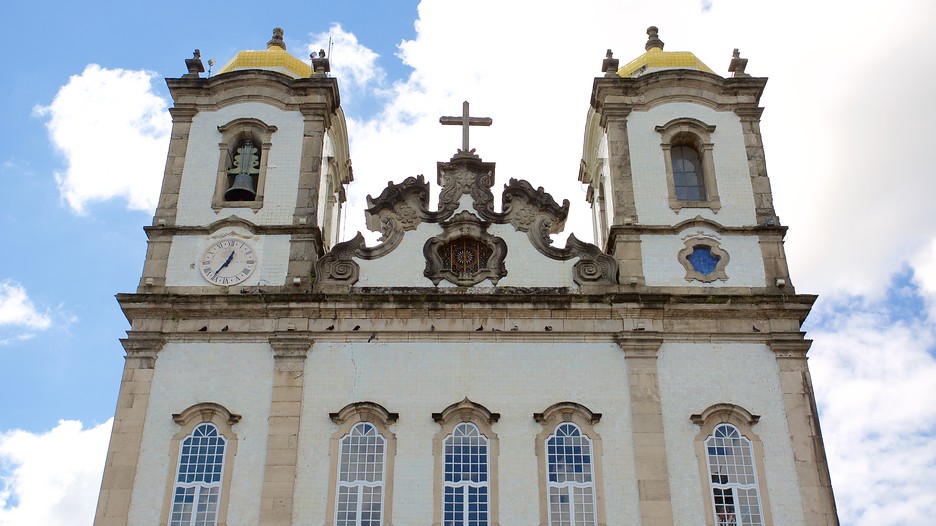
Bahia dos todos os santos
bahia dos orixas
bahia de mãe menina
mãe menina to gantois
bahia dos todos santos
bahia dos orixas
bahia de mãe menina
mãe menina to gantois
bahia dos angoleiros
bahia dos regionais
bahia dos angoleiros
no mercado popular
bahia dos angoleiros
bahia dos regionais
bahia dos angoleiros
no mercado popular
bahia de joão pequeno
bahia de curio
bahia de boca rica
mestre lua de bobo
bahia de joão pequeno
bahia de curio
bahia de boca rica
mestre lua de bobo
O PULO DO GATO
Okay, now I’ gonna type about what I consider to be one of the most important concepts of Capoeira Angola, the PULO DO GATO.
And NO, I’m not referring to this:
Or this…
Even though they were doing the pulo do gato.
No, what I’m referring to is a very old African concept, as applied by the old masters of Capoeira Angola.
“Pulo-do-gato or cat’s jump refers to a story belonging to Brazilian folklore in which the onca (A sort of jaguar) flatters the domestic cat: “cousin cat, you are so smart and beautiful, I wonder if you could teach me all those incredible jumps you do so masterfully.”
The cat teaches the onca, and as soon as the onca has learned it all, it jumps toward the cat in an effort to devour it. The cat does a startling and unexpected jump and flees from the onca.
“Cousin cat, you didn’t teach me that one!”
That’s right, cousin onca. That’s my pulo-do-gato.”
From the book “A Street-Smart Song: Capoeira Philosophy and Inner Life” by Nestor Capoeira. You can buy a copy by clickig HERE.
In the past, the old masters didn’t teach all their pupils everything they knew. Like the old Kung Fu masters, they kept their most guarded knowledge for only their closest disciples.
This approach not only protected the integrity of the knowledge but also ensured its preservation for future generations. The concept of transmitting specialized expertise to a trusted inner circle has been a recurring theme in various disciplines, underscoring the importance of mentorship and the significance of passing down wisdom through personal, one-on-one guidance.
Considering the analogy to the old Kung Fu masters, one can draw parallels to the nuanced dynamics of mentorship and apprenticeship in other domains as well. Whether in martial arts, craftsmanship, or even academia, the idea of withholding certain teachings until a profound level of trust and commitment is established reflects a deep-rooted belief in the value of such knowledge and the responsibility of its custodians to safeguard it.
This age-old tradition evokes a sense of reverence for the wisdom and legacy of the past, reminding us that true mastery encompasses not only technical proficiency but also a profound understanding of the principles and philosophies that underpin the craft. As we reflect on this time-honored approach, it prompts contemplation on the nature of knowledge itself and the ways in which it is disseminated across generations, shaping the evolution of expertise and the pursuit of mastery.
I hope you read the passage from Nestor Capoeira’s book that I posted above.
I posted it in bold and Italics for a reason.
If you haven’t, then read the story below before going on.
The dog was a diligent student and worked very hard to learn everything his master taught him. One day, after many years of teraining, the dog humbly asked the cat if there was anything else to learn, and the cat responded, “No. I taught you everything. You now know everything I know.” With that the dog said, “If that is so,then I no longer have any need of you.” He then attacked the cat, who reacted quickly by leaping onto, and climbing a nearby tree. The dog said, “But master, you never taught me to climb a tree.” The cat then replied, “Had I taught you that, I wouldn’t be alive today”.
– Edward Powe, “The ABC and Bay-a-Bah of Capoeira Angola”.
Slightly Different story, same idea, the idea being that the Pulo do Gato is that ONE movement, that ONE trick that you you don’t teach anyone, but keep for yourself. The concept of having a unique movement or trick that is kept secret is intriguing and can be found in various disciplines, not just in sports or physical activities. It’s a concept that speaks to the idea of individuality and the value of personal mastery. Keeping that one special move to yourself adds a layer of mystique and exclusivity to your skills, setting you apart from others.
Whether it’s a signature dance move, a cooking technique, or a special way of solving a problem, the allure of having that “Pulo do Gato” in any area of expertise is undeniable. It’s a symbol of personal artistry and a reminder that some things are meant to be cherished and kept close, to be revealed only at the right moment. This notion adds depth and richness to the story or idea, making it even more captivating and thought-provoking. As we delve deeper into the significance of this concept, we uncover the beauty of individual expression and the power of holding something truly unique and special. The “Pulo do Gato” becomes not just a physical movement or a trick, but a representation of the personal journey and the significance of our individual contributions.
The story takes on a new dimension as we explore the profound implications of this singular concept, resonating with a wide range of audiences and sparking meaningful discussions about the value of authenticity and personal expertise.
However, I don’t think that this concept applies to only physical movements…
There’s an old saying, “You don’t throw your pearls to swine.” I think that the old masters understood that there are aspects of this art that frankly, are not for everybody. Most will not understand this knowledge, and therefore, will not have REAL VALUE for what they would be given, and they will disregard it, or worse, abuse and misuse it.
And also…
The essence of Capoeira Angola, as understood by the old masters, lies in the realization that certain facets of this art cannot be simply taught in a conventional manner. Rather, they must be attained through immersive experiences and a profound understanding of the world through the lens of a capoeirista. While your teacher can provide invaluable guidance, the journey towards mastery ultimately necessitates the integration of acquired knowledge into one’s being. It is this harmonious fusion of learning and personal embodiment that defines the profound nature of Capoeira Angola.
In my opinion, this is the best way to acquire the Pulo do Gato.
The specific relevant content for this request, if necessary, delimited with characters: Only then will someone will be able to take the seeds he or she has been given, and create a blooming garden with those seeds, will be someone worthy of receiving this knowledge.
To truly understand the depth of this statement, one must reflect on the analogy of seeds and knowledge. Just as a seed has the potential to grow into a beautiful and bountiful garden when nurtured with care, knowledge has the power to flourish and benefit both the individual and those around them when it is cultivated and shared. It implies that the worthiness of receiving knowledge is not merely in possessing it, but in the ability to use it to bring about positive transformation.
When someone is able to not only receive knowledge, but also apply it in a way that enriches their own life and the lives of others, they demonstrate a deep understanding of the value of the wisdom they have gained. This goes beyond mere possession; it is about utilizing knowledge to create meaningful change and growth, much like tending to a garden to ensure it thrives and blooms.
Therefore, the true worthiness of receiving knowledge lies in the ability to internalize, apply, and share it, just as the worth of a seed is realized when it is sown, nurtured, and allowed to flourish into a beautiful garden.
Here’s 2 men who have done just that.
While researching this section, I came across this documentary on YouTube.
This documentary features 2 of Mestre Pastinha’s Greatest students, Mestre JOAO PEQUENO and Mestre JOAO GRANDE. These two incredible masters have made significant contributions to the art of Capoeira and have greatly influenced its development. Mestre Joao Pequeno, known for his agility and creativity in the roda, or circle, is celebrated for his unique style and dedication to preserving the traditions of Capoeira Angola. On the other hand, Mestre Joao Grande is renowned for his deep understanding of the cultural and historical significance of Capoeira, and for his exceptional skills as a teacher, passing on his knowledge to countless students over the years. Their stories and expertise make this documentary a must-see for anyone interested in the rich heritage of Capoeira.
In 1970, Mestre Pastinha said the following about João Pequeno and João Grande,
“They will be the greatest Capoeira players of the future and I have worked hard with them, and for them, to achieve this. They will be true masters. Not just impromptu teachers, as can be found anywhere, who only destroy our tradition which is so beautiful. I’ve taught everything I know to these young men, even the PULO DO GATO. That’s why I have the greatest hopes regarding their future.”
Since his passing, Mestre Pastinha’s legacy has continued to thrive, thanks to the tireless efforts of those who have committed themselves to preserving and promoting Capoeira Angola.
Their dedication to sharing his wisdom and ensuring that this beautiful art form flourishes globally is truly remarkable. It’s through their unwavering passion and commitment that the spirit of Capoeira Angola lives on, inspiring countless individuals and communities around the world. Their contribution is immeasurable, and their impact on preserving this rich cultural heritage cannot be overstated.
While keeping his most guarded knowledge for their closest disciples, hopefully.
And this is how I wrote this website.
You may have looked through the pages here, and see a fair amount of information about Capoeira Angola here. But if you think I put EVERYTHING I know about this art here…
Well, you just go on thinking that.
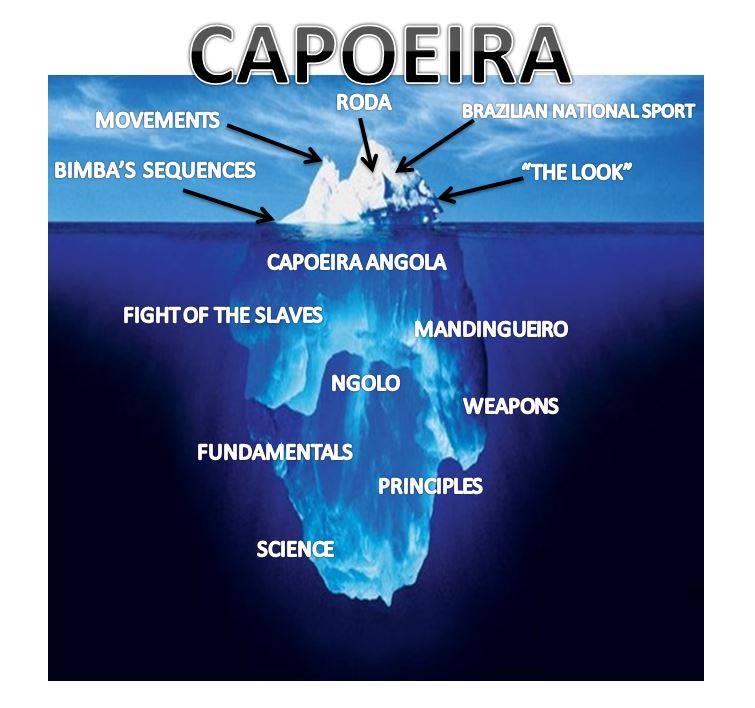
O.K., we are almost at the end of this page. The main thing I want to stress to you that what you’ve seen and read here, is just a tiny bit of information on the BASICS of the art of Capoeira Angola. And, what most people see, or know, about Capoeira is just the tip of a huge iceberg…
A CANOA VIROU MARINHEIRO
A canoa virou, marinheiro
No fundo do mar tem dinheiro
A canoa virou, marinheiro
No fundo do mar tem segrêdo
A canoa virou, marinheiro
No fundo do mar tem malícia
A canoa virou, marinheiro
No fundo do mar tem capoeira
A canoa virou, marinheiro
Mas se virou, deixa virar
A canoa virou, marinheiro
Oi está lá, no fundo do mar
A canoa virou, marinheiro
So, how deep is this art, you may ask? Well, allow me to give you an idea…
Click HERE to see where I got this post.
And remember…
EVERYTHING I SHARED WITH YOU ABOVE IS BULL%*&T!!!
THAT IS… UNTIL YOU APPLY IT.
O.K. Now, I’ll leave you with these words of wisdom from Mestre BOLA SETE.
This is an english translation of the last chapter of his book, CAPOEIRA ANGOLA NA BAHIA.
Observations that we must follow in order to acquire a good use of the practice of capoeira
1) Respeite e faca serem respeitados as normas, os rituais e as traditcoes da capoeira angola. (Respect and make respected the norms, rituals, and traditions of capoeira angola).
2) Respeite todos os Mestres da Capoeira. (Respect all the Mestres of Capoeira).
3) Nao aplice golpes ofensivos com os membros superiores; golpes ligados, assim como pisadas e pontapes abaixo da cintura do camarada. quando estiver vadiacao. (Do not apply aggressive hits with players who are more experienced than you, linked kicks and kicks below the waist of your partner, while playing capoeira.)
4) Ao agachar-se ao pe do berimbau para vadiar, procure concentrar-se, relaxe o corpo e, a partir da saida do jogo, nao desive mais a sua atencao do camarada. Entretanto, no momento em que estiver vadiando, dirija o olhar para a frente ou para os lados, aparentemente desligado, mas sem fitar o camarada, pois, desta forma, trairia suas intencoes. O olhar nao deve fixar-se em nada, embora o seu campo de visao deva ser o mas amplo possivel. (When you crouch at the pé do berimbau to play, concentrate, relax the body, and, from the moment you enter the game, do not let your attention deviate from your partner. However, while you are playing, direct your gaze to the front or to the sides, appearing not to pay attention, without staring at your partner, because this will reveal your intentions. Your gaze must never fix itself on anything, although your field of vision should be the most ample possible).
5) So entre em um roda de capoeira na rua quando ja estiver totalmente preparado na capoeiragem. (Only enter a roda when you are already completely prepared for capoeira).
6) Nas rodas de rua, so passe para o jogo de dentro no momento exato do golpe desferido pelo seu camarada, aplicando-1he simultaneamente um contragolpe.Evite descer quando o golpe passsar didatnte, ou o adversario apenas fintar o golpe… (In street rodas, only go to the jogo de dentro at the exact moment of the movement done by your partner, while simultaneously applying a counterattack. Avoid descending when his movement passes at a distance, or when your adversary only feints a movement).
7) Quando estiver no jogo de dentro e o seu camarada se aproximar rapidamente para aplicar-lhe uma pisada ou pontape no rosto, nao lhe dando oportunidade de sair no role ou aplicar-lhe um golpe, procure levantar-se unido a ele, ficando, assim, em condicoes de aplicar-lhe varios golpes. (When you are playing the jogo de dentro and your partner approaches rapidly to give a kick to the face, not allowing you the opportunity to leave in a rolé or give him a hit, try to get up together with him, putting yourself in the position to apply various hits.)
8) Procure aprender bem a Ginga. Lembre-se de que ela e o principal movimento a Capoeira, o primeiro a ser ensinado-e, consequentemente, a sua base. Aim to learn the ginga well. Remember that it is the main movement of capoeira, the first to be taught and, consequently, its base.
9) Gingue constantemente, procurando fintar sempre. Ginga constantly, aiming to always feint.
10) Todo bom Capoeirista, alem de jogar, deve saber tocar berimbau e cantar. Aprenda-os. (Every good capoeirista, besides playing capoeira, must know how to play the berimbau and sing. Learn these.)
11) Nao elogie a si propio no que diz respeito ao jogo da capoeira. Se voce por realamente um bom capoeirista, sera reconhecido como tal. (Don’t praise yourself to gain respect in the roda. If you are really a good capoeirista, you will be known as such).
12) Nao demonostre o que sabe forada roda de capoeira. So quando assim se fizer necessario. (Don’t demonstrate what you know outside the roda. Only when it is necessary.
13) Observe os seus camaradas mais treinados. Assim procendendo, Aprendera melhor. (Observe your more experienced training partners. If you do this, you will learn better.)
14) Procure imaginar-se em qualquier situacao dificil, procuando o melhor meio de livrar-se. Quando se encontrar, na realidade, dentro dela, tera maiores chances de exito. (Try to imagine yourself in any difficult situation, seeking the best method to free yourself. When in reality you find yourself in such a situation, you will have a better chance of success).
15) Quando for chamada na passagem, aproxime-se com bastante cautela, pois, dentro das normas da capoeiragem, o capoeirista que chama podera aplicar o golpe que desejar, caso o outro aproxime-se sem o devido cuidado. (When a chamada is called, approach very carefully because, in the norms of capoeira, the capoeirista that calls the chamada can apply any hit he desires if the other approaches without the necessary caution).
16) Quando estiver vadiando, so execute determinado movimento da capoeira quando possuir pleno domindo do mesmo. (When you are playing, only execute capoeira movements of which you have complete control).
17) Quando vadiar com um camarada desconheido, nao mostre todo o seu jogo, guardando os seus melhores golpes para hora decisiva, se houver necessidade. (When you play with a stranger, don’t show all of your game, saving your best hits for the decisive hour, if necessary).
18) Nao vadeie em roda de rua ou lugar desconhecido, sem antes ter observandobastante o abiente. (Don’t play in a street roda or place with which you are not familiar, without first having observed the environment sufficiently).
19) Preste bastante atencao quando se levantar. Isto e, quando passar do jogo de dentro para o jogo de fora. (Pay lots of attention when you get up. This is when the jogo de dentro turns into the jogo de fora).
20) O capoeirista, depois de formando, que ainda encontrar dificuldade para aprender determinando movimento da capoeira. deve de faze-lo, procurando se aperfeicoar naqueles que aprendeu. (The graduated capoeirista who still finds difficulty in learning a certain capoeira movement must stop doing it, trying instead to perfect himself in the movements that he has already learned).
21) Procure jogar sem tocar o corpo no chao. So as maos e os pes devem tocar no solo. Os grandes capoeiristas costumam jogar de roupa branca, durante varias voltas, sem que a sujem. (Try to play without touching the body to the ground. Only the hands and the feet must touch the ground. The best capoeiristas used to play in white clothes without soiling them).
22) So depois de adquirir um bom desempenho tecnico, por meio da excucao dos movimentos ofensivos de uma forma lenta e progressiva, e que o capoeirista devera preocupar-se com rapidez e, consequentemente, com a potencia dos golpes. (Only after acquiring good technique through the execution of offensive movements in a slow and progressive manner should the capoeirista worry himself with speed and, consequently, with the power of hits).
23) Quando practicar a capoeira, procure manter o punho solto. Caso aconteca o contrario, por breve instante, relaxe-o imediatamente. Na Capoeira, o punho fechado foge totalmente as suas caracteristicas, que consistem em movimentos descontraidos que permitam a facil circulacao do sangue, e, assim, a excucao de movimentos mais espontaneos e ageis. (When practicing capoeira, keep your hands relaxed. If you make a fist for a brief instant, relax it immediately. The closed fist is completely foreign to capoeira’s characteristics, which consist of relaxed movements that allow the free circulation of the blood, and thus the execution of more spontaneous and agile movements).
24) No comenco do jogo de capoeira, procure executar movimentos giratorios e lentos no jogo de dentro, com a finalidade de aqecer os musculos, para, depois passarmos para o jogo de fora, no qual o ritmo podera continuar lento ou mais rapido, a depender do toque executado pelo berimbau-mestre. (In the beginning of the capoeira game, try to execute slow, circular movements in the jogo de dentro, with the goal of warming up the muscles, so that later you can progress into the jogo de fora, in which the rhythm may stay slow or become faster, depending on the toque played by the berimbau-mestre).
25) Durante a practica a capoeira, procure evitar a utilizacao da forca muscular. Todo o corpo devera estar distendido, nao havendo, assim, lugar para este tipo de forca, que nao passa de uma energia superficial. (During the practice of capoeira, try to avoid the utilization of muscular force. The whole body must be stretched/extended; thus there is no place for this type of force, which is nothing more than superficial energy).
26) Nao considere muito importante a capacidade de executar saltos, movimentos complicados e golpes em serie com extrema velocidade que, fatalmente,levam o capoeirista ao esgotamento, muito em practica na capoeira moderna.Na capoeira angola (tradicional), dirigimos o movimento pela calma. (Do not consider very important the ability to do flips, complicated movements, and series of extremely rapid hits that, fatally, bring the capoeirista to exhaustion, occurring much in the practice of modern capoeira. In traditional capoeira angola, we direct movements calmly).
27) A capoeira angola é essencialmente defensiva. O capoeirista deve tentar guiar o ataque do adversário a seu favor, atraindo-o com movimentos do corpo, colocando-o em posição desfavorável. (Capoeira angola is essentially defensive. The capoeirista must try to guide his opponent’s attack in his favor, attracting him with movements of the body, putting him in an unfavorable position).
28) O capoeirista no inicio de sua aprendizagem, deve procuar mostrar os golpes, a fim de distenzer os músculos. A seguir, uma vez que obtiver certa mestria, os movimentos podem tornar-se mais fechados, pois nao mais existira tanta cobranca nas partes technica r fisica. (The capoeirista in the beginning of his learning should try to show the hits, to stretch the muscles. When he obtains a certain expertise, the movements can become more closed, because there would not be so much charge on the physical and technical parts).
29) Onde quer que o esteja capoeirista, a capoeira deve acompanhá-lo. O corpo e o espírito devem estar preparados para qualquer situação. (Wherever the capoeirista is, capoeira must accompany him. The body and the spirit must be prepared for any situation).
30) Quando dobrar uma esquina, tarde da noite, arraste o pé e tome a direção da rua, retornando ao passeio mais adiante. (When you turn a corner late at night, drag your foot and take the direction of the street, returning to the path later).
31) Quando se encontrar em um estabelecimento qualquer, jamais fica de costas para a entrada, a nao se que na sua frente se encontre um espelho que domine a entrada, ou outro objecto que reflita a imagem. (When you are in any room, never sit with your back towards the entrance, unless in front of you is a mirror or other object that fully reflects the entrance).
32) Quando passar por uma rua escura, anda sempre pelo meio, nunca pelo passado. (When you pass through a dark street, always walk in the middle, never on the sides).
33) Jamais entre em corredor escuro. (Never enter a dark corridor).
34) Não se deixe abraçar por desconhecido, a titulo de cumprimento. (Don’t let yourself be embraced by a stranger as a greeting).
35) Não agrida. A violência da capoeira está contida no intimo do capoeirista, manifestando no momento oportuno. (Don’t attack. The violence of capoeira is contained in the innermost part of the capoeirista, only manifesting itself at the opportune moment).
36) Jamais golpeie o camarada, quando o mesmo estiver de costas para você. (Never hit your partner when his back is towards you).
37) Seja leal com seus companheiros na luta. (Be loyal to your friends in the fight).
38) Procure evitar brigas. So brigue quando estiver com cem por cento de razao.(Try to avoid fights. Only fight when you are 100% correct.)
39). Nao podendo evita-las, procure defender-se. Fique calmo. Não tenha pressa de aplicar o golpe, ele sera desferido quando as probabilidade de falhas forem as minimas possíveis. Procure aproveitar tudo o que o ambiente pode proporcionar. Lembre-se que a malícia é essencial no capoeirista e, por meio dela, você pode decidir uma briga em questão de segundos. (If you are unable to avoid a fight, try to defend yourself. Stay calm. Don’t rush to apply a hit; give it when the probability of fault is the lowest possible. Try to take advantage of everything the environment can provide. Remember that malícia is essential to the capoeirista and through it you can decide a fight in a question of seconds).
40) O bom capoeirista tem obrigação de chorar ao pé do adversário. Está chorando, mas os olhos e o espírito estão ativos. (The good capoeirista has the obligation to cry at the feet of the adversary. He is crying, but the eyes and the spirit are active).
41) Tenha fé no que você aprendeu. (Have faith in what you learned).
 Jogo Corpo Fechado