
Meditations on Nature: The Synthesis of Capoeira Angola and the Natural World
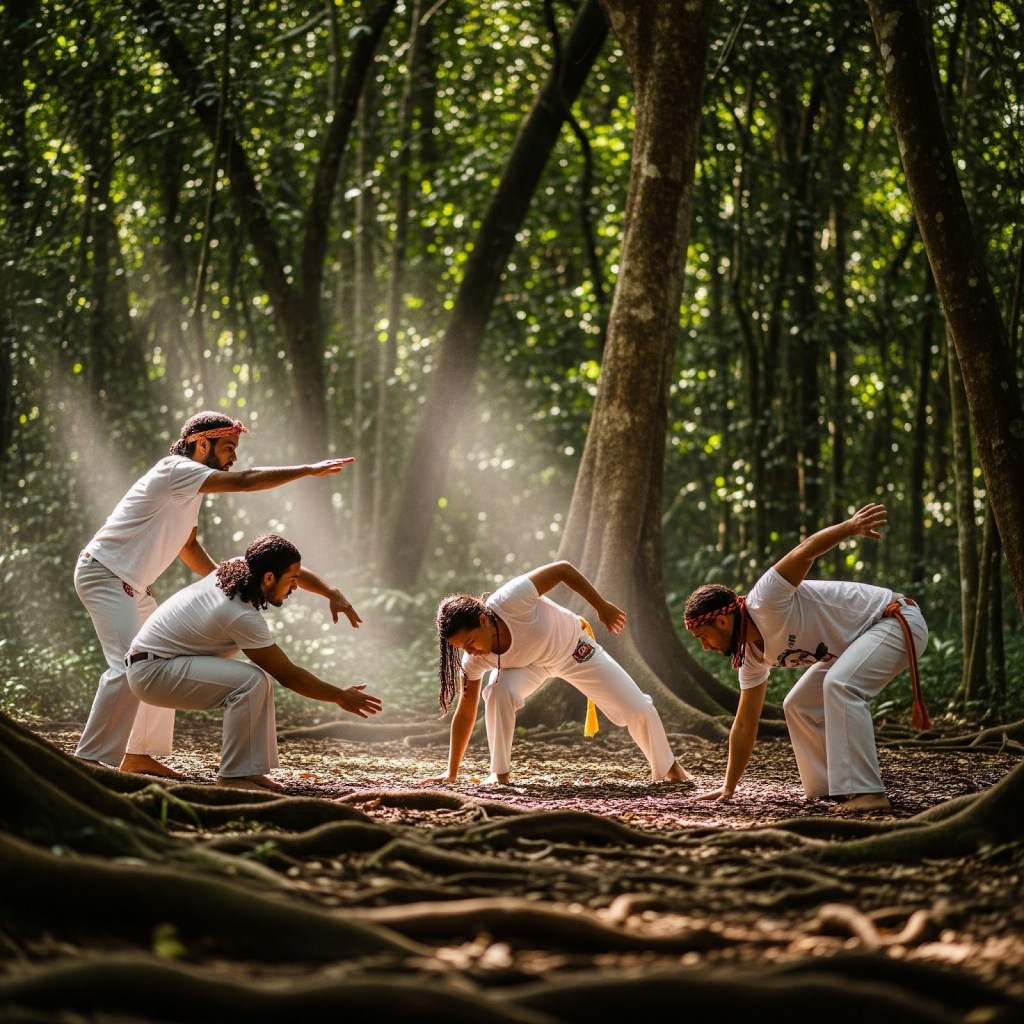
Join us on a truly incredible and meticulously curated journey—an expedition designed not merely for the eyes, but as a profound voyage for the soul. This is your exclusive invitation to the most unreal, extraordinary, and fiercely beautiful places the Earth has to offer—destinations whispered about in old texts and known only to a discerning few. This is an opportunity to decisively transcend the ordinary, to step completely off the well-worn, predictable tourist track, and to completely immerse yourself in the planet’s most stunning, raw, and untamed natural beauty.
The Expedition’s Ethos: Nature, Self, and Movement
Our philosophy centers on deep, respectful engagement with the environment and a connection with the self. This journey is a deliberate escape from the digital noise and the relentless pace of modern life, offering a chance for genuine introspection and revitalization.
We will explore all that Mother Nature has to offer, from the majestic silence of ancient redwood forests and the vibrant, kaleidoscopic life of remote coral reefs, to the stark, breathtaking austerity of high-altitude deserts and the dynamic power of geothermal landscapes.
Crucially, this odyssey integrates a unique physical and spiritual practice: Capoeira Angola. We embrace this art form—a powerful blend of movement, music, dialogue, and tradition—not just as exercise, but as a profound methodology for experiencing the world. Capoeira Angola teaches balance, resilience, adaptation, and an acute awareness of one’s body in space. It is a way to be in nature, facilitating a deeper understanding of our place in the global ecosystem and helping us achieve a harmonious state of being one with nature. The foundational movements and the spirit of the roda will serve as a continuous, grounding meditation throughout our travels, transforming sightseeing into a living, breathing pilgrimage.
What Awaits You:
This is more than a tour; it is a transformative experience promising:
- Absolute Immersion: Guided access to fragile, protected ecosystems with a commitment to leaving no trace.
- Cultural Exchange: Meaningful interactions with indigenous communities, learning ancestral wisdom about sustainable living.
- Personal Growth: Daily opportunities for reflection, practice, and the forging of lifelong bonds with fellow adventurers.
Prepare to witness the spectacular, feel the elemental, and rediscover the wild spirit within.
The Practice and Philosophy of Capoeira Angola as a Natural System
The practice of Capoeira Angola, a martial art steeped in history, culture, and profound philosophy, offers practitioners far more than just physical training. It is a comprehensive, holistic system that draws deep, transformative inspiration directly from the rhythms, movements, and unyielding laws of the natural world. This foundational perspective elevates the training from a mere physical discipline into a comprehensive path of self-discovery, where the environment itself becomes the primary mestre (teacher). The central premise of this naturalistic approach is that by observing the complexities of nature and the adaptive wisdom of the animal kingdom, practitioners can unlock a deeper, more integrated mental, spiritual, and physical potential, forging a complete connection between corpo e alma (body and soul).
Key Themes and Foundational Concepts: Nature as the Ultimate Teacher (O Mestre Natural)
The most fundamental and enduring principle guiding the Capoeirista is the sincere and profound acknowledgment of nature as the greatest master and most comprehensive teacher one can ever encounter. Every single aspect of the natural world—from the smallest, most patient seed struggling to find purchase and root deep within the earth to the grandest, most unpredictable, and inevitable storm that sweeps across the landscape—contains immutable lessons. These lessons are universally applicable not only to the multifaceted challenges and moral dilemmas of life outside the roda but, more specifically and intimately, to the dynamic jogo (the game/fight) of Capoeira Angola. The study of nature provides a blueprint for survival, efficiency, and harmonious existence.Core Principles from the Natural World1. The Power of Accumulation (The Raindrop Effect): Persistência (Persistence)
Meditations on Nature in Capoeira Angola: The Synthesis of Martial Arts and the Natural World
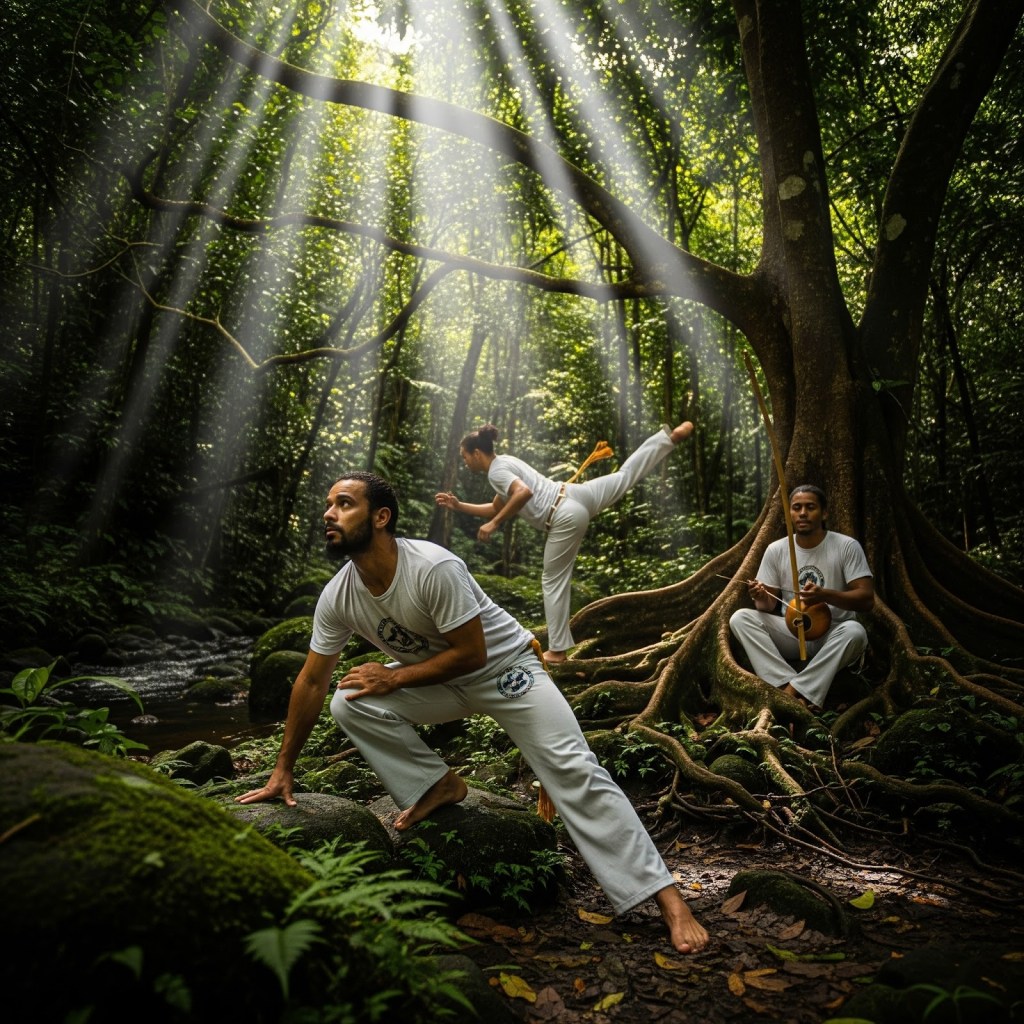
The philosophical core of Capoeira Angola asserts that genuine, sustainable, and formidable power is rarely a sudden, heroic flash of singular effort. Instead, it is a formidable force that is meticulously constructed, truly earned, and honed through relentless, quiet, and absolutely consistent effort over an extended period. A profound and essential parallel is drawn between the isolated, seemingly insignificant raindrop, which by itself is harmless, easily dismissed, and incapable of causing meaningful change, and the collective, overwhelming, and sustained force of a persistent, powerful storm.
Through tireless repetition, volume, and the sheer continuity of action, these individual drops coalesce, contributing to an unstoppable, erosive power—the ultimate lesson in patience as the water gradually shapes the most resistant stone. In the dual context of both the rigorous training regime and the broader scope of life, this teaches the cardinal value of persistence (persistência) and enforces the critical, humbling realization that every practice session, every seemingly minor correction, every subtle movement, and every single repetition is not merely an activity but a critical investment. Crucially, these investments do not merely add up; they compound exponentially over time to form true, authentic mastery and a deep-seated physical capability that absolutely cannot be rushed, imitated, or faked. The Capoeirista must embody the eternal patience of the water shaping the stone, embracing the understanding that profound skill is the inevitable, organic result of dedicated, deliberate time.—–
2. Embracing Duality and Synthesis (The Rainbow Principle): Harmonia (Harmony)
The captivating, breathtaking appearance of a rainbow serves as a powerful and deeply poetic metaphor—a natural phenomenon that requires the perfect, non-conflicting, and temporary coexistence of two opposing forces: the brilliant, fierce sunlight and the soft, cleansing rain. This fleeting yet profound event symbolizes the essential, non-negotiable need for the synthesis of fundamental duality within Capoeira’s execution.
A truly skilled player must never be singular, rigid, or predictable in their focus; they must master the effortless, near-instantaneous, and rapid interplay of essential opposites. This means seamlessly integrating and switching between offense and defense, flowing between the soft, elusive evasiveness (mandinga) and the hard, decisive strike, moving effortlessly from the fast, explosive burst (aceleração) to the slow, hypnotic movement, and juxtaposing absolute stillness (silêncio) with sudden, explosive action. The effortless ability to harmonize these essential, opposing forces—to integrate the yin and yang of the fight, to move without internal friction or conflict, and to shift instantaneously between these seemingly contradictory states—is the defining, unmistakable hallmark of a truly skilled, elusive, unpredictable, and ultimately formidable player. This harmonic synthesis makes the Capoeirista a complete, rather than a one-dimensional, competitor.
3. The Principle of Rooted Flexibility (The Tree in the Wind): Adaptabilidade (Adaptability)
Observe the large, mighty tree enduring a hurricane or a violent windstorm. The weakest, stiffest branch is invariably the first to snap and fall, unable to withstand the raw, unyielding force of nature. Yet, the main trunk and the healthy, well-nourished branches—those with deep, unyielding roots for stability and a flexible, giving nature—bend and sway with the storm’s energy. They absorb the external energy by yielding, rather than opposing it with a rigid, brittle resistance.
This natural demonstration teaches the crucial, life-saving concept of adaptability (adaptabilidade). In the jogo (the game), the Capoeirista must be profoundly and deeply rooted in their foundational movements and core posture (ginga)—unmovable and centered in their spirit—but simultaneously be flexible, fluid, and responsive in their movements. They must never meet an opponent’s incoming force with equal and opposite rigidity, which would only lead to a damaging collision. Instead, they must learn to ‘go with’ the force, subtly redirecting its energy, finding the precise moment of yielding that strategically precedes the counter-attack. The goal is not to be an immovable wall that ultimately breaks, but to be a resilient reed that bends and springs back, transforming the opponent’s aggression and momentum into a catalyst for their own superior, flowing movement
4. Economy of Motion (The Ocean Current): Eficácia (Efficiency/Efficacy)
The powerful, deep ocean current is a force of immense, slow-moving, and often unseen power, yet it operates with the ultimate economy of motion. It expends only the bare necessary energy to achieve its pervasive effect, never wasting effort on frivolous or unnecessary turbulence, surface noise, or wasted movement.
The Capoeirista strives for the same profound efficiency (eficácia). Every movement executed, from the most subtle feint or head-fake to the most powerful, arcing kick, must be entirely purposeful, fluid, and derived from the least possible expenditure of energy. Wasted movement is not merely poor technique; it is wasted energy, which inevitably leads to premature exhaustion and vulnerability in the roda. The jogo demands a state of calm, concentrated, and reserved energy—a power that is only fully unleashed with precision and absolute intent, ensuring that the impact and outcome of the action far outweighs the energy invested in its execution. The skilled player conserves their strength, moving like the deep, silent current, powerful but unseen and unheard, always maximizing effect through minimal, intentional effort
The Spiritual Journey and Mind-Body Connection (Corpo e Alma)
Capoeira Angola is fundamentally more than a collection of physical techniques or a system of fighting; it is an inherently spiritual and holistic journey that seeks to synthesize the human spirit with the raw, enduring power of the natural world. The enduring strength, effortless efficiency, and intrinsic resilience observed throughout nature—from the tides to the mountains—are not merely poetic metaphors but are used as concrete anchors to cultivate the practitioner’s inner strength, unshakeable confidence, and deep-seated courage, forging a connection that extends far beyond the physical confines of the roda.
Cultivating Inner Resilience: The Steadfastness of the Natural World
The rigorous practice of Capoeira Angola teaches the internalization of an indomitable spirit through the deliberate contemplation of geological and tidal forces. By contemplating the silent, eternal steadfastness of a mountain that has withstood millennia of torrential weather, intense heat, and freezing cold without changing its essential, central nature, the practitioner learns to embody unmoving resolve. Similarly, observing the relentless, inevitable nature of the ocean tides that, despite all resistance and apparent obstacles, never fail to return to the shore, instills a profound understanding of cyclical persistence and absolute certainty.
This profound mental and emotional fortification is absolutely crucial for maintaining composure, clarity of thought, and strategic cunning within the high-pressure, dynamic, and often chaotic environment of the roda (the circle where the game is played). In the ultimate synthesis of mind and body, the body must follow a mind that is clear, profoundly fortified, and cannot be broken by external pressure or surprise. This deep-seated resilience allows the practitioner to absorb and deflect aggression, not just physically through evasive movements, but also psychically, ensuring a sustained, thoughtful, and strategically engaged response rather than a panicked or reactive emotional outburst. The player’s inner calm becomes their most formidable weapon.
.Meditation, Presence, and the Flow State (Presença)Focused Meditation and the Attainment of Presença
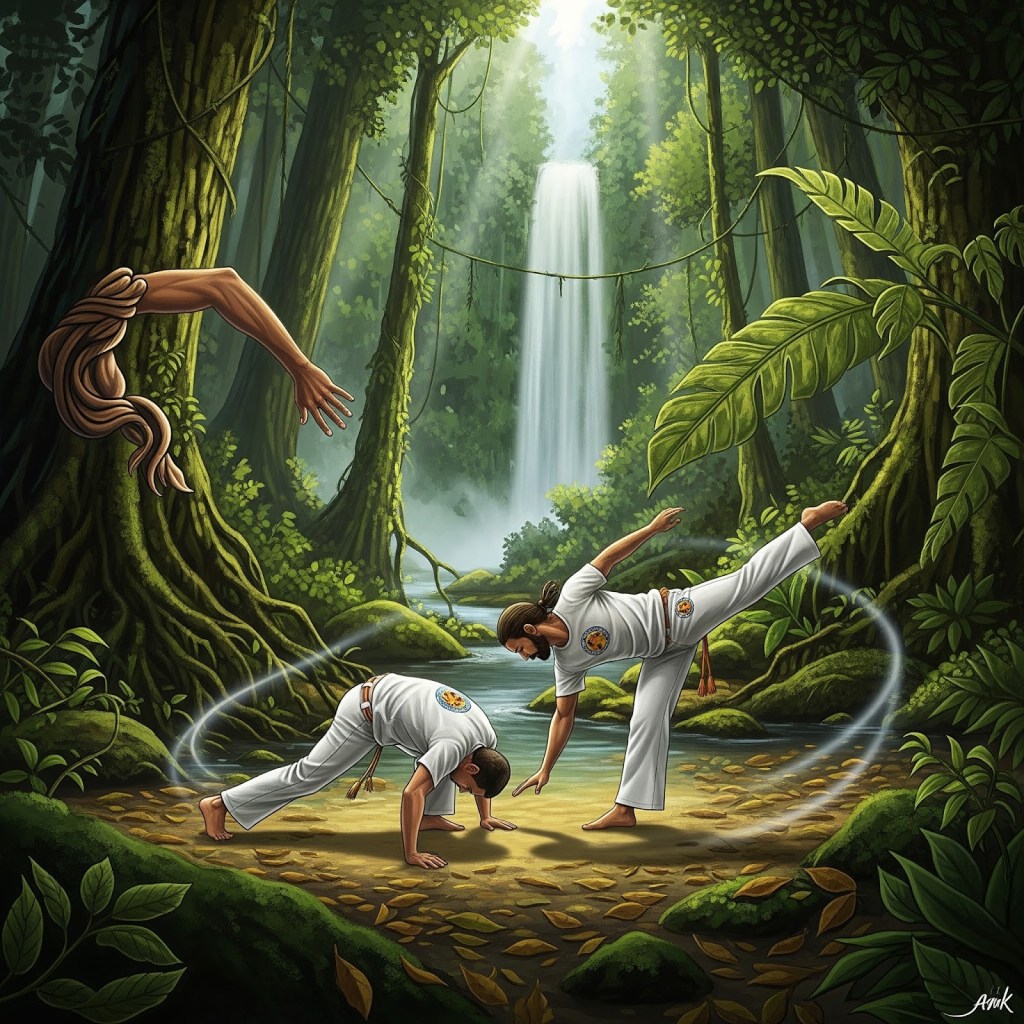
Focused meditation practices are not an optional supplement in Capoeira Angola but an integrated, foundational method essential for cultivating the most critical component of martial arts mastery: the absolute mind-body connection. This disciplined mental training actively fosters a state of complete presence in the moment, known as presença. This is the state of total, unfragmented awareness where the practitioner is fully anchored in the ‘now,’ existing entirely outside the constraints of temporal thought.
The attainment of presença signifies the absolute absence of distracting mental chatter—no dwelling on past mistakes or victories, and no anxiety or strategic worry about the future outcome of the jogo (game). This profound state of focus liberates the body, allowing it to react instinctively, fluidly, and without a millisecond of hesitation. It ensures that the mind’s intent is translated into immediate, graceful, and powerful action. This focused state clears the mind of the psychological burden of overthinking and the debilitating paralysis of the ego, facilitating the unimpeded flow of axé (spiritual energy or life force) directly through the body’s movements. When driven by this pure state of presence, the physical actions cease to be merely learned, sequential techniques; instead, they become genuine, spontaneous, and truthful expressions of the spirit’s will and the body’s innate wisdom.Patience and Persistence: A Paciência do Tempo (The Patience of Time)
The core philosophy of Capoeira Angola elevates the concept of A Paciência do Tempo (The Patience of Time) to a paramount virtue. This principle is often articulated through the powerful analogy of the natural world: individual, seemingly insignificant raindrops, through consistent and persistent effort over vast spans of time, coalesce to form a powerful river capable of carving canyons and eventually becoming a cataclysmic, world-altering storm.

This profound metaphor emphasizes that true mastery in any endeavor—and especially in the complex, nuanced art of Capoeira—is never a sudden, overnight achievement. It is instead a gradual, deliberate, and often arduous process of accretion. Every single class, every failed technique, every moment of frustration, and every small victory are the ‘raindrops’ that, cumulatively, build the foundation of skill. This perspective intentionally shifts the practitioner’s focus from the immediate, fleeting results—such as the momentary satisfaction of winning a specific jogo—to the long-term, cumulative journey of self-improvement and dedication. By internalizing A Paciência do Tempo, the student reinforces the supreme, unwavering value of dedication, patience, and the acceptance that the process is the reward. It teaches that enduring commitment is the only path to the deep, transformative mastery that defines the art.Valuing the Process: The Shaping Force of Nature
The nature-inspired training instills the profound understanding that every fundamental form, every minor movement, and every single hour spent practicing the ginga (the foundational step) contributes meaningfully to the overall, intricate skill set. This persistence is not merely stubbornness or brute-force practice but a patient, deliberate, and respectful engagement with the art over an extended period—akin to how the powerful yet subtle forces of nature meticulously shape the landscape over millennia, not in a single day. The erosion of rock by water, the formation of canyons, and the growth of ancient trees all exemplify this slow, unstoppable power. The Capoeirista learns to view setbacks and difficulties not as failures, but as essential parts of the weathering process that hones their technique, strengthens their character, and deepens their connection to the art. This commitment to the process over the outcome is the very core of Angolan mastery.Adaptability, Flow, and Non-Resistance (Fluir Como Água)
A key tenet for advanced, effective movement in Capoeira Angola is the immediate and seamless ability to adapt to a changing situation and move with maximum efficiency and minimum effort. This principle, drawn directly from the observation of the natural world, is central to mastering the jogo and transitioning beyond mere technique into true expression.

The Doctrine of Natural Flow: Effortless Power
Flow Like Water, Strike Like Lightning: The Dual Synthesis of Movement and Power
This powerful metaphor—Flow Like Water, Strike Like Lightning—encapsulates the ultimate philosophical and physical state for the dedicated Capoeira Angola practitioner. It represents the concept of flow not merely as smooth movement, but as a profound state of being and mobile equilibrium. To flow like water is to be encouraged to stay profoundly relaxed, maintaining an internal stillness that belies the external motion. This deep relaxation is the catalyst that allows techniques to transition and merge seamlessly, almost organically.
The Water Principle: Non-Resistance and Fluidity
Like water, which molds itself perfectly to any container, the practitioner must find the path of least resistance. This principle dictates a movement philosophy that is the absolute antithesis of rigid, brute-force, or overly muscular tactics. Such hard approaches are viewed as inherently slow, energy-consuming, and easily countered. The watery response is one of yielding and redirection; the energy is not fought but welcomed, absorbed, and guided away, often with minimal effort. This fluidity enables the capoeirista to always be in the optimal position, effortlessly adjusting to the changing demands of the jogo (game) and perpetually seeking the lowest, most structurally sound point of leverage.
The Lightning Principle: Explosive Action from Stillness
The second half of the metaphor, “strike like lightning,” represents the potential for sudden, explosive, and decisive action that emerges only from the preceding state of relaxed readiness and perfect timing. The power is not something that is laboriously pushed or strained for; rather, it is released—an instantaneous transformation from a state of complete stillness or fluidity to a moment of focused, devastating force. Lightning strikes the ground only after the air has been perfectly charged, and similarly, the power of a strike is conditioned by the yielding, fluid response that preceded it.
The Earth, Fire, and Air/Wind principles
The philosophy and physical practice of Capoeira Angola are deeply rooted in a profound synthesis with the natural world, drawing upon fundamental principles embodied by the elements of Earth, Fire, and Air (or Wind). These elements are not merely abstract concepts but are manifest in the very movements, strategies, and rhythm of the game.
Earth (Terra): The principle of Earth represents grounding, stability, strength, and patience. In Capoeira Angola, this is evident in the low, rooted stances like the Aú or Negativa, which anchor the player to the ground, providing a solid base for both defense and explosive attacks. The Earth principle emphasizes a connection to the chão (floor), acknowledging the importance of stability and the ability to absorb and redirect force. The slow, deliberate movements of the foundational Ginga (sway) reflect the patient, enduring strength of the earth, suggesting that true power comes from an unwavering connection to the foundation. This element guides the player to remain centered, resist being easily moved, and utilize the solid ground as a source of energy for powerful strikes and evasions.
Fire (Fogo): Fire embodies energy, intensity, transformation, and explosive power. This principle manifests in the sudden, dynamic bursts of movement, the speed of certain kicks and acrobatic maneuvers, and the passionate engagement in the roda (ring). Fire represents the necessary aggression (malícia or cunning) and the swift, unpredictable nature of the attack, forcing the opponent to react. It is the heat of the interaction, the intense focus in the eyes of the players, and the transformation of defensive positioning into a sudden, potent offensive strike. The rhythmic intensity of the instruments, particularly the atabaque (drum) and berimbau, can ignite this fiery spirit, pushing the players to a higher level of performance and dynamic improvisation.
Air/Wind (Ar/Vento): The principle of Air or Wind represents fluidity, change, deception, and the lightness of evasion. It governs the smooth transitions between movements, the deceptive angles of attack and retreat, and the ability to move swiftly and unpredictably through space. Air is the element of the jogo (game) itself—the dance-like quality that masks the martial intent. It is embodied in the swift pivots, the circularity of the Ginga, and the agile escape from a difficult position. This principle allows the capoeirista to be everywhere and nowhere at once, using momentum and grace to outmaneuver a more powerful opponent. The wind whispers the lessons of adaptability and the power of the unseen, reminding the player that true mastery lies in moving without resistance and using the opponent’s own energy against them.
In essence, a masterful capoeirista integrates all five elements, not merely as abstract concepts, but as tangible forces manifested within the jogo (game). They possess the Non-Resistance, Adaptability, and Continuous Fluidity of Water, allowing movements to flow seamlessly from attack to defense, dissolving the opponent’s force while maintaining their own momentum. This elemental grace is complemented by the unyielding foundation and grounded stability of Earth, providing a solid base for powerful movements, low dodges (esquivas), and the rooted strength necessary for complex acrobatics. Injecting dynamic intensity, the explosive passion and unpredictable energy of Fire fuels powerful strikes (martelos, chapas) and the sudden, aggressive changes in rhythm that surprise and overwhelm an opponent. Furthermore, the deceptive, light-footed agility and adaptable fluidity of Air/Wind governs the speed of their footwork, the lightness of their aerial movements, and the quick, evasive shifts that make them difficult to pin down.
Weaving these four primary elements together is the fifth, often unseen element—the Spirit, or Aché. Aché is the complex, continuous flow of the game itself—the intentional energy, musicality, and strategic mind that directs and synthesizes the physical forces. The masterful capoeirista is not just moving, but playing with deep intuition, allowing the dance, the fight, the music, and the natural elements to become one unified expression of the human spirit.
Bridging Internal Martial Arts and Axé
This dual synthesis mirrors core concepts found in other foundational internal martial arts. The effortless power, the yielding nature, and the deep structural alignment necessary for “water flow” are inherent in disciplines like Tai Chi (T’ai chi ch’üan) or Baguazhang (Pa Kua Chang). In Capoeira, however, this crucial internal energy is uniquely referred to as Axé, a vital, mystical life force that is consciously harnessed and cultivated over crude, mechanical muscle power.
The cultivation of Axé is central to the Capoeira Angola philosophy, moving the practice far beyond mere physical exertion. It is the spiritual and energetic battery of the capoeirista, a force that must be respected, conserved, and precisely channeled. This internal mastery is what enables the practitioner to achieve a level of physical and mental harmony that translates directly into the fluidity of the game.
The ability to yield and redirect an opponent’s incoming force—the initial watery, non-resistant response—is precisely what creates and opens the necessary opportunity for the lightning-strike counter-movement. A skilled capoeirista does not meet force with equal force; instead, they absorb, soften, and immediately deflect, drawing the opponent deeper into the flow of the jogo (game). This seemingly passive defense is, in fact, an active energy manipulation.
The Axé is conserved and concentrated through sustained physical and mental relaxation, particularly during the seemingly passive movements of the ginga. Only to be released with maximum intent, explosive focus, and perfect timing at the critical moment of the counter-attack. This makes the strike not just a simple physical action, but a focused, devastating expression of deep-seated internal energy, spiritual connection, and precise structural alignment. This ultimate synthesis allows the capoeirista to be simultaneously defensive and profoundly offensive, flowing and instantaneously powerful, perpetually ready for an instantaneous transformation from yielding water to striking lightning. The successful execution of this principle signifies the mastery of the internal art within the Capoeira circle.
The Wisdom of the Wild: The Animal Spirit in Capoeira Angola
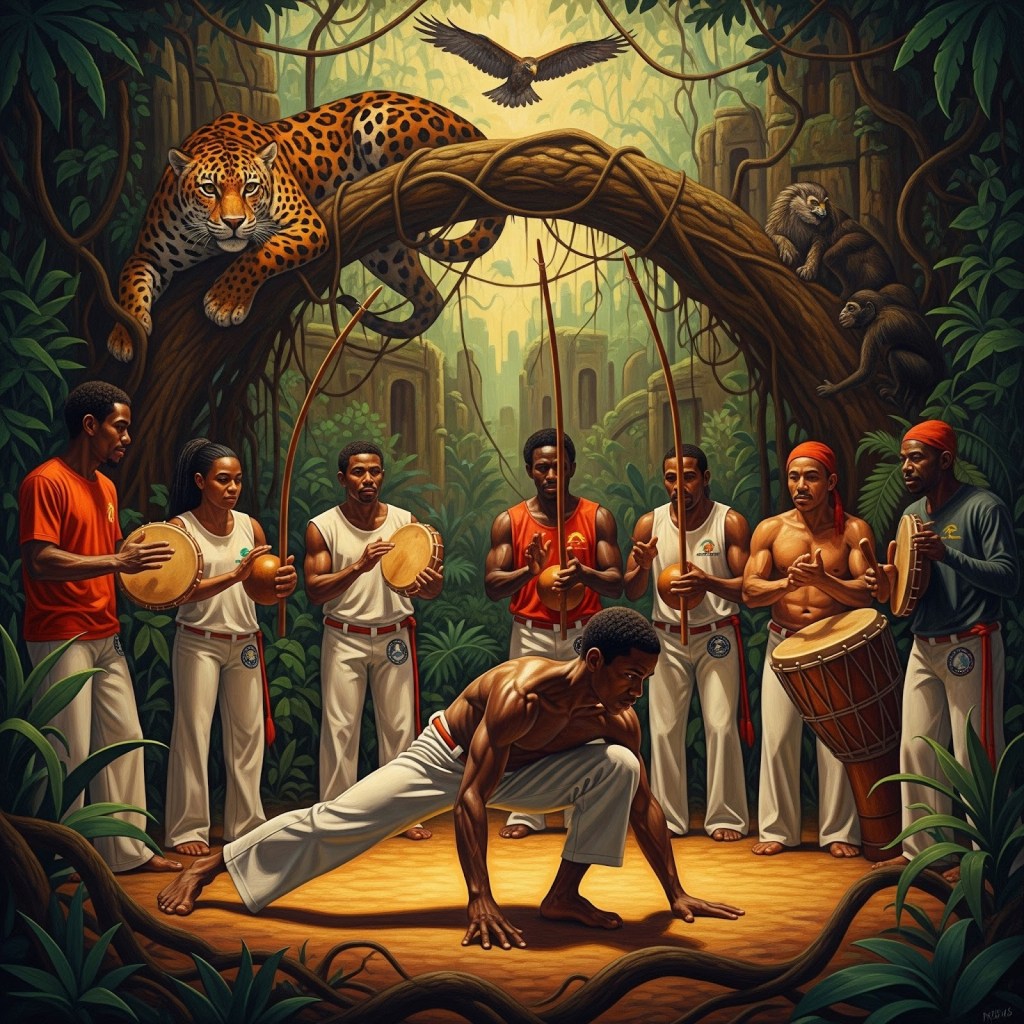
The deep philosophical underpinnings of Capoeira Angola are inextricably linked to the natural world, drawing a profound source of movement, strategy, and spiritual insight directly from the animal kingdom. This connection is far more than a mere pedagogical metaphor; it is a fundamental, core element of the art’s curriculum and a living principle in its daily practice.
Direct observation, coupled with an empathetic and visceral mimicry of the wild’s denizens, provides a primal, untamed source of movement inspiration that grounds Capoeira Angola in the earth and its raw, untamed kinetics. The wilderness serves as the ultimate schoolhouse, its inhabitants as the perennial mestres (masters). The movements are not simply copied; they are internalized, understood through the lens of survival and adapted to the human form and the rhythm of the jogo (the game or conversation of the fight).
By striving to embody the essence of the animal spirit, the practitioner—the capoeirista or Angoleiro—gains access to a vast, time-tested library of efficient, unpredictable, and highly adapted forms of motion, attack, and defense. This process involves a deep psychological and physical immersion, allowing the Angoleiro to momentarily shed human inhibitions and access a more instinctual, reactive state. These animalistic movements teach crucial, life-long lessons in radical adaptability, requiring the body and mind to shift instantly between stillness and explosive action. They impart the principle of efficient energy usage (kinetic economy), where every movement serves a critical purpose and no energy is wasted. Furthermore, they cultivate deceptive rhythm and the essential principle of unpredictable attack and evasion within the fluid, high-stakes conversation of the jogo.
This profound synthesis transforms the martial art from a simple system of techniques into a living, breathing meditation on nature’s most perfect forms of survival, grace, and strategic engagement. The animal archetypes become the true instructors, each offering a masterclass in a specific, nuanced aspect of the art. The slow, coiling movements of a snake teach patience and the explosive power of the uncoiling strike; the quick, low dodges of a lizard illustrate evasion and the art of staying below the opponent’s line of sight; and the patient, watchful stance of a heron demonstrates the perfection of stillness preceding decisive action
.—–Embodying the Fauna: Key Animal Archetypes and Their Lessons
The movements, psychological stances, and philosophies of several key animals are meticulously integrated into the Capoeira Angola curriculum, each offering a unique masterclass in power, stealth, evasion, and survival. The Angoleiro doesn’t just perform the movement; they seek to adopt the animal’s mindset, incorporating its characteristic rhythm and strategy into the flow of the jogo.
The Quiet Grace and Coil of the Serpent and the Cat:
These creatures teach the essence of deceptive stillness and potential energy. The serpent’s fluid, earth-hugging movements, like the rasteira (sweep) or the low cabeçada (headbutt), embody the principle of lethal power emerging from a seemingly passive posture. Similarly, the feline’s stealthy approach and instantaneous pounce exemplify the sudden, devastating transition from relaxed observation to full-force attack, emphasizing the importance of timing and surprise. The lessons here are rooted in patience, observation, and the mastery of ground-level combat.
Potential of the Cat (Gato)
The cat serves as the premier exemplar of malícia—a sophisticated, deceptive cunning—and perfect kinetic economy. It instructs the capoeirista in the art of soft landings, a skill crucial for minimizing noise, masking intent, and maintaining impeccable balance immediately after complex evasions or acrobatic sequences, thereby ensuring instant readiness for the next movement. The cat’s influence is profoundly seen in lateral movement (movimento lateral), which allows the capoeirista to circle the opponent with fluid unpredictability, attacking from unexpected, asymmetrical angles that thoroughly disrupt the linear expectation of traditional combat.
The gato‘s spirit is internalized through the silent, measured approach (pisada) and, most critically, the ability to drop the center of gravity instantly and without telegraphing the action. This allows for a seamless, explosive transition from an upright stance to a low evasion (queda) with lightning speed. The cat’s movements are fundamentally characterized by profound relaxation—an almost lethargic stillness—until the exact fraction of a second before the strike, perfectly mirroring the art’s central kinetic tenet: Flow Like Water, Strike Like Lightning. This inherent stillness is, in itself, a powerful defensive shield, making it exceptionally difficult for the opponent to read the capoeirista‘s intent or anticipate the next action. Furthermore, the cat’s exceptional ability to instantly turn a defensive position—a low crouch, a shoulder roll (rolê), or a deep evasion—into an immediate, coiled counter-attack (contra-ataque) is highly valued. This emphasizes deceptive calm and sudden, explosive velocity. The cat never wastes energy; every movement serves a purpose, a vital lesson in conserving stamina and maintaining strategic depth during a prolonged and complex jogo.
The Defensive Yet Explosive Coiling of the Snake (Cobra)
The snake’s influence is seen most vividly in the low-to-the-ground, serpentine movements (rasteiras and cabeçadas from the floor), the sophisticated, wave-like use of the spine, and the inherently deceptive nature of the capoeirista‘s overall presence within the roda. The cobra embodies the principle of hidden danger; its initial, often slow, sinuous, and non-committal movements serve to lull the opponent into a profound, false sense of security, expertly masking the potential for a sudden, lethal strike or a rapid, complete withdrawal. The snake teaches the mastery of rapid weight shifts, using momentum and the ground as a dynamic fulcrum for powerful sweeps and strikes.
Its coiled defense emphasizes supreme spinal flexibility and core control (gingado da cobra), allowing the practitioner to contort their body to evade attacks that would otherwise seem unavoidable, executing complex, inverted evasions with minimal energy expenditure. The cobra utilizes potent rotational power, generating immense force from the torque of the waist and hips, and emphasizes the strategic use of the ground for both unshakeable stability and explosive power generation. This enables powerful kicks and strikes to be launched from seemingly impossible, inverted, or highly angled positions. The snake’s pattern is one of extreme patience, a deep, calculated malícia in every movement, and perfect timing—striking only when the opponent is at their most vulnerable or exposed.
The Low-Center-Gravity Power and Ground-Based Movements of the Monkey (Macaco)
The monkey’s spirit is foundational to the acrobatic, inventive, and primarily ground-based movements that define Capoeira Angola. It teaches the practitioner to deliberately and strategically lower their center of gravity for maximum stability, root-like grounding, and rotational power. The monkey embodies the principle of holistic movement, instructing the practitioner to utilize all four ‘limbs’ (hands and feet) for fluid locomotion (locomoção) and evasion, mastering the dynamic, symbiotic relationship with the earth. It is the master of navigating complex, shifting spatial relationships with dizzying agility and speed.
The monkey is the embodiment of playful unpredictability (jinga as a deceptive, dancing motion), utilizing sudden directional changes, unexpected reversals, and deep, low evasions (negativas and rolês) to thoroughly disrupt the opponent’s rhythm, balance, and sightline. Crucially, the monkey teaches the essential art of turning gravity from a liability into a potent asset, harnessing the fall or a low position to generate spring-like power for a quick recovery or a surprise counter-attack. Its movements are continuous, dynamic, and intentionally non-linear, representing the unending, creative, and sometimes mischievous conversation of the jogo.The Patient Vigilance and Precision of the Hawk (Gavião)
The hawk, a master of the air and an apex predator, embodies a synthesis of power, precision, and patient observation—qualities mirrored and sought after in the jogo of Capoeira Angola. Its philosophy is purely strategic and mental.
- Aerial Mastery and Evasion: Just as the hawk uses the air currents to glide and evade, the Angoleiro utilizes the esquivas (escapes) and low, fluid movements to become elusive and un-targetable. The hawk’s sudden drop or ascent is reflected in the abrupt, controlled changes in the Angoleiro‘s center of gravity, moving from a deep negaça (feint/low position) to an explosive upward movement or a quick retreat.
- Precision and Focus: A hawk spots its target from a great distance and executes its dive with unparalleled accuracy, committing fully only at the perfect moment. Similarly, the Angoleiro must cultivate keen observational skills and malícia, waiting for the precise moment—the opponent’s misstep or lapse in concentration—to deliver a decisive strike or set a complex trap. The movement is never wasted; every action is intentional, mirroring the hawk’s efficient energy use.
- Patience and Observation: The hawk often circles high above, waiting and watching the ground beneath. This patience is a fundamental virtue in Capoeira Angola. The rhythm of the jogo is often slow, deceptive, and meditative, forcing the players to maintain a low, physically demanding stance and a watchful eye. The readiness to strike is contained within the stillness, reflecting the coiled, potent energy of the bird before it commits to its action.
The hawk symbolizes the high-level spiritual and mental discipline of the art. It represents freedom, foresight, and the ability to view the conflict from a higher perspective, allowing the player to remain calm under pressure and adapt to the unpredictable, dynamic flow of the roda.The Primal Strength and Calculated Ferocity of the Tiger (Tigre)
The tiger is a powerful symbol of primal strength, cunning, and controlled ferocity. The analogy is a foundational concept that guides the practitioner’s approach to cultivating deep, latent power.
- Prowess and Strategy: The Capoeirista, when embodying the essence of the tiger, cultivates a deceptive stillness. The great cat waits, low to the ground, conserving energy with an almost Zen-like patience before a critical action. This translates to the jogo in the form of low, grounded movements. The practitioner maintains a ginga that is less about blinding speed and more about strategic, powerful positioning, constantly shifting weight to find the perfect moment. Like the tiger calculating the precise arc of its pounce, the Angoleiro waits for the perfect opportunity to deliver a decisive, unexpected movement, be it a kick, a sweep, or a headbutt.
- The Balance of Power and Grace: The movements of a tiger are a synthesis of immense, latent power held in check by exquisite grace and fluidity. Capoeira Angola emphasizes the deep connection between the earth and the player. Moves are not airy or fleeting; they are heavy, anchored by gravity and rotational energy, giving them crushing potential when unleashed. This ‘heavy’ quality ensures that every dodge, feint, and attack carries the grounded, formidable force of the predator. The tiger does not waste motion, and neither should the Angoleiro.
- Internal Focus and Presence: Beyond the physical, the tiger archetype represents an internal state of being. The tiger is fully present, acutely aware of its surroundings. In the roda, adopting the tiger’s perspective encourages the Capoeirista to achieve complete mental focus, reading the partner’s intentions through subtle shifts in their ginga and breath. This intense awareness is the essence of malícia, the intuitive intelligence required to outmaneuver an opponent.
The Explosive Evasion of the Rabbit and the Lizard: Masters of Flight and Unpredictability
The natural world offers profound archetypes for understanding the core philosophies and movements of Capoeira Angola, and nowhere is this more evident than in the strategic evasion inspired by the rabbit and the lizard. These creatures are the undisputed masters of flight, chaos, and unpredictability, and their essence is distilled into the Angoleiro‘s art of defense.
The rabbit’s defense is a study in dynamic, explosive non-linear movement. Its sudden, erratic bursts of speed, coupled with dizzying, sharp changes in direction, are perfectly mirrored in the practitioner’s array of dodges, faints, and, most critically, the saídas (escapes). A successful saída is not merely a step back; it is a calculated, instantaneous vector shift that transforms a vulnerable position into a strategic advantage. It is the sudden, almost impossible leap out of the line of attack, leaving the opponent’s momentum wasted on thin air. This archetype teaches the importance of the quebra de corpo (breaking the body’s line), ensuring that the attack is neutralized not by brute force, but by precise, evasive geometry.
Conversely, the lizard embodies the principle of low, fast, and continuous movement along the ground plane. Its ability to adhere to the earth, moving with a fluid yet lightning-quick speed, inspires the foundational ground movements of Capoeira. This includes the various forms of queda (literally ‘falling,’ but functionally a controlled, strategic evasion or grounding) and the ubiquitous aú (a cartwheel-like movement that can function as a dynamic dodge, a transition, or even a disguised attack). These movements ensure that the practitioner remains under the arc of the opponent’s vertical attacks, utilizing the low space as a realm of safety and potential counter-initiation. The lizard’s low profile minimizes the target area, maximizing the effort required by the attacker.
Crucially, both the rabbit and the lizard teach a fundamental philosophical lesson: evasion is not retreat, but a strategic repositioning for a counter-attack. The sudden, jarring movement of the rabbit unsettles the opponent’s balance and timing, setting the stage for an immediate follow-up. The low, grounded movement of the lizard allows the Angoleiro to traverse the space of the roda (the Capoeira circle) while simultaneously loading the body for an upward strike or a sweeping takedown. The evasion is merely the first, essential half of a total offensive strategy, ensuring that the defense is an active, rather than passive, component of the engagement. They embody the principle that the shortest distance between two points is often interrupted by the element of surprise.
The Vigilance, Loyalty, and Instinct of the Dog (Cachorro)
The dog offers a compelling avenue for understanding the art’s deeper connection to nature, community, and the principles of survival. In Afro-Brazilian cultural contexts, the dog represents loyalty, vigilance, and a fierce, instinctual defense of its territory and pack.
- Defensive Posture and Movement: The low, ground-based movements, the sudden feints, and the explosive, snapping power of certain strikes can be likened to a dog’s defense posture: low to the ground for maximum stability, ready to spring, and acutely aware of its surroundings. The concept of “jogo de dentro” (playing close, inside the opponent’s space) mirrors the close-quarters, grappling-like engagement of a dog defending itself. The capoeirista must cultivate a sense of malícia, a watchful, intuitive alertness that is characteristic of a dog perpetually scanning its environment for threat or opportunity.
- Symbol of Camaradagem and Resistance: Historically, the dog served as a companion and protector for marginalized communities who practiced Capoeira in secret. Just as the dog stands guard, the practice of Capoeira itself was a potent form of self-preservation and resistance against oppression. The unwavering loyalty embodied by the dog mirrors the loyalty and community spirit (or camaradagem) essential to the integrity and survival of the Capoeira Angola group. The dog stands as a quiet yet powerful symbol of the vigilance, resilience, and instinctual, street-wise wisdom that the practitioner strives to embody and perfect.
A Profound Synthesis: Capoeira Angola as a Living Meditation on Nature
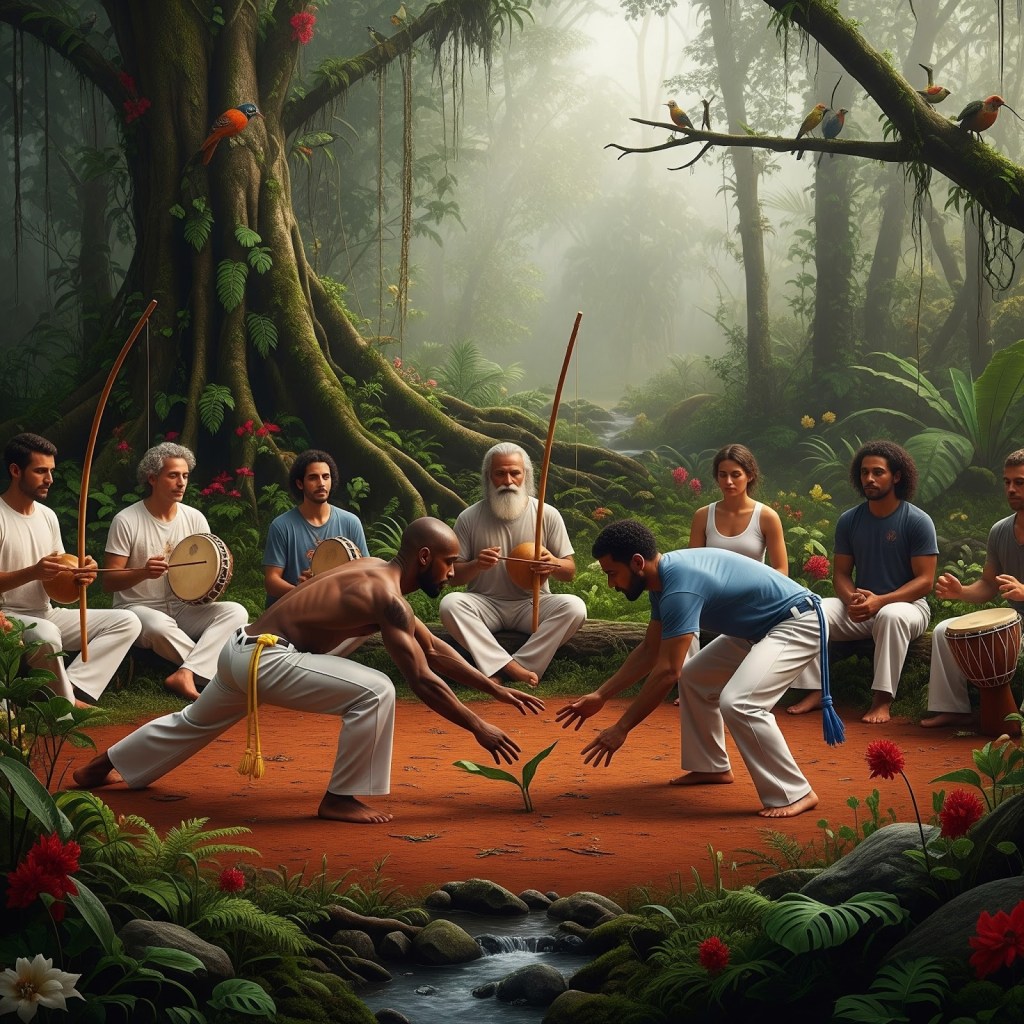
Capoeira Angola transcends the definition of a mere martial art; it stands as a profound philosophical system and a dynamic, living meditation on the natural world. The art form’s deep-seated connection to the elements of nature—manifested in its movements, intricate rituals, and evocative music—provides its practitioners, or capoeiristas, with a comprehensive and holistic framework for development spanning the physical, mental, and spiritual planes. This synthesis is the heart of its enduring power and relevance.
The movements themselves embody the elemental forces. The fluidity of water is seen in the effortless transitions between attacks, defenses, and evasions, reflecting the principle of yielding to overcome. The rootedness of the earth is found in the powerful, low stances and the foundational ginga, providing an unwavering base from which all actions spring. The swiftness of the wind informs the sudden, unpredictable speed of certain kicks and sweeps, designed to surprise and disorient an opponent. Finally, the transformative energy of fire is present in the intense focus, the creative improvisation, and the spiritual heat (axé) that fuels the entire roda.
The very structure of the roda—the circle in which the game is played—is a perfect mirror of cyclical harmony found in nature. It functions as a self-sustaining, biodynamic ecosystem. Every participant plays a vital, interconnected role: the mestre (master) or senior player leads with song and intention, setting the narrative; the bateria (orchestra), centered on the deep, hypnotic thrum of the berimbau, sets the rhythmic tempo and energy; and the two players in the center engage in the game, creating a dynamic, self-regulating flow. The collective breath, rhythm, and focus of the roda represent the continuous, balanced exchange of energy essential to any healthy ecosystem.
Specific movements are potent lessons in ecological wisdom. The low-to-the-ground ginga—the foundational, swaying, dance-like movement—teaches the capoeirista to move with the resilient adaptability of a mangrove root system. Like the mangrove, the body is always grounded and connected to the earth, yet simultaneously prepared to sway, absorb, and redirect the forces applied against it. This constant state of prepared, flowing movement is the antithesis of rigidity. Evasion and counter-attack, therefore, are not merely acts of physical aggression, but sophisticated expressions of ecological wisdom. The act of yielding to pressure, or moving out of the line of attack with grace and efficiency, ultimately conserves energy and allows for a powerful, well-timed return, mirroring the way a river bypasses an obstacle only to gather force downstream.
Furthermore, the songs (quadras and corridos) and oral traditions of Capoeira Angola are a rich repository of allegories drawn directly from the natural world. These narratives reinforce crucial life lessons of respect, patience, cunning, and perseverance, often embodied by figures from the animal kingdom—the deceptive slowness of the snake, the agile cunning of the monkey, or the grounded strength of the bull. The slow, deliberate pace of the game—especially compared to its faster relative, Capoeira Regional—is a conscious homage to the ancient, unhurried rhythms of the earth and the seasons. This fosters a profound, mindful presence that stands in stark, necessary contrast to the hurried, often disconnected pace of modern industrial life.
Ultimately, the synthesis of martial discipline and the reverence for the natural world, as perfectly embodied in Capoeira Angola, offers a timeless and powerful path to self-discovery and holistic well-being. This unique Afro-Brazilian art form is not merely a sequence of physical movements; it is a living philosophy that consciously bridges the gap between the internal self and the external environment.
The Principles of Nature in Movement:
Capoeira Angola serves as a continuous, tangible reminder that true, sustainable strength lies not in brute, unyielding force, but in the capacity to adapt, endure, and flow—qualities that are perpetually and powerfully demonstrated by the enduring beauty and irresistible force of nature itself. The fundamental movements, from the fluid Ginga to the evasive escapes and grounding techniques, directly mimic natural phenomena: the swaying of trees in the wind, the unpredictable rhythm of ocean waves, and the low-to-the-earth stability of a jungle cat. This constant mimicry trains the practitioner to embody resilience, flexibility, and patience, understanding that the greatest power often resides in yielding and redirection, rather than rigid opposition.
A Sacred Dialogue with the Environment:
To engage in Capoeira Angola is, in essence, to participate in a sacred and vital dialogue with the environment. The roda (the circle in which Capoeira is played) becomes a microcosm of the universe, where every action and reaction is governed by an ecological sensibility. The music and song provide the pulse, much like the rhythmic cycle of the seasons, demanding a constant, present awareness and an intuitive responsiveness. This practice fosters a profound sense of interconnectedness, reminding the student that their individual vitality is inseparable from the health and rhythm of the world around them.
Achieving Profound Unity and Self-Mastery:
Through this deep immersion, the student achieves a state of profound unity with the external world and a deeply realized self-mastery within. The physical and mental rigor strips away the ego, replacing it with a humble recognition of one’s place within a greater natural order. This self-mastery is not about domination, but about internal harmony—the ability to control one’s breath, balance, and emotional state amidst the chaos of the game. It is a lesson in holistic living, where the body, mind, and spirit are tuned to the timeless, enduring wisdom of the natural world, culminating in a powerful, sustainable, and adaptive way of being..
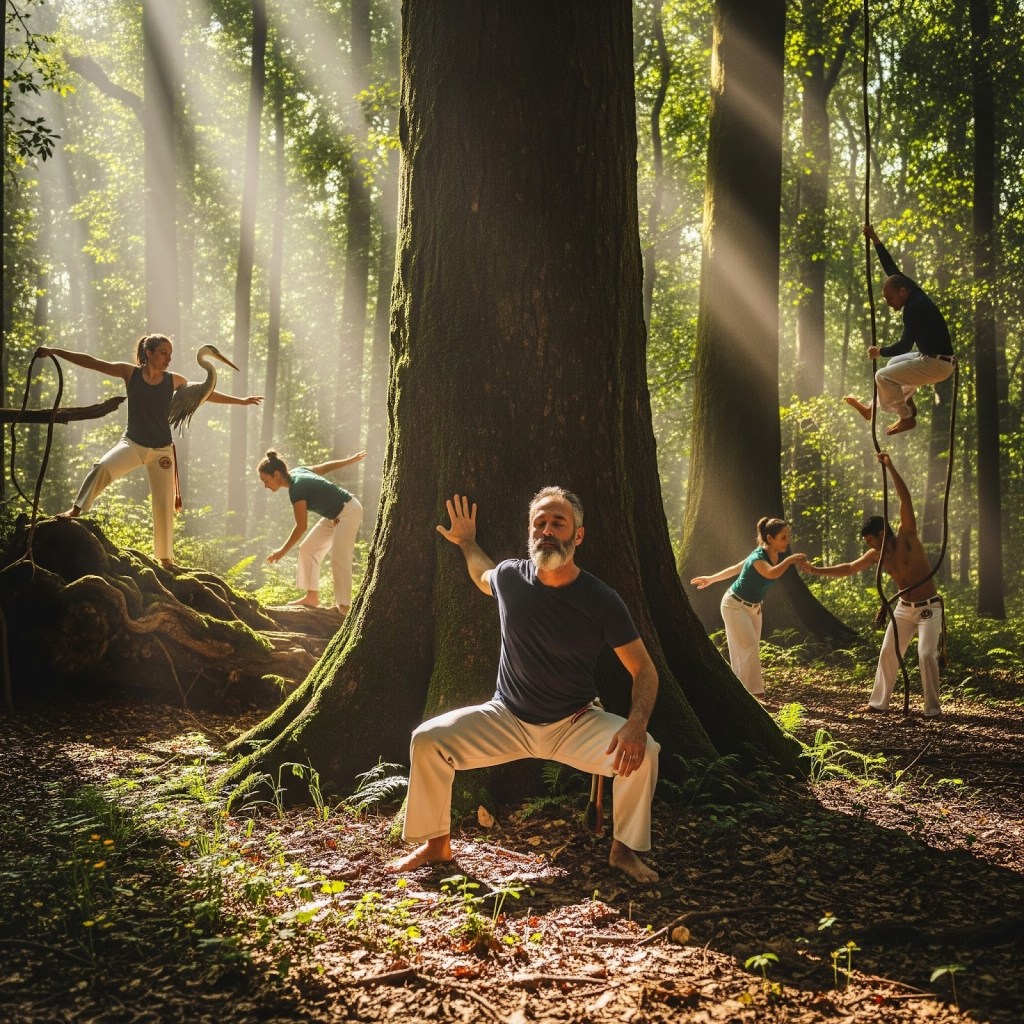
 Jogo Corpo Fechado