

So, what is Capoeira?
Capoeira is an African martial art, which later became an Afro-Brazilian form, which has since progressed past being a Brazilian martial art form, and has become an International Art Form.
The art of capoeira is a captivating blend of various elements that come together to form a beautiful and dynamic practice. Coming to us from Brazil, capoeira encompasses elements of a game, a dance, a martial art, a form of philosophy, and a way of life. It is a multifaceted art form that has evolved over time, incorporating diverse influences to become the communal game that we recognize today.
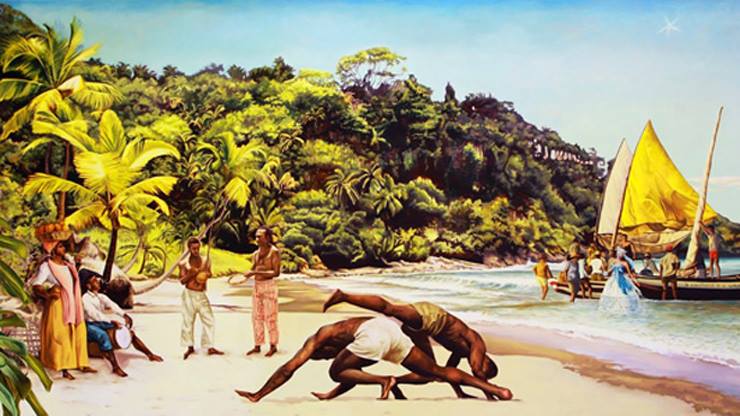
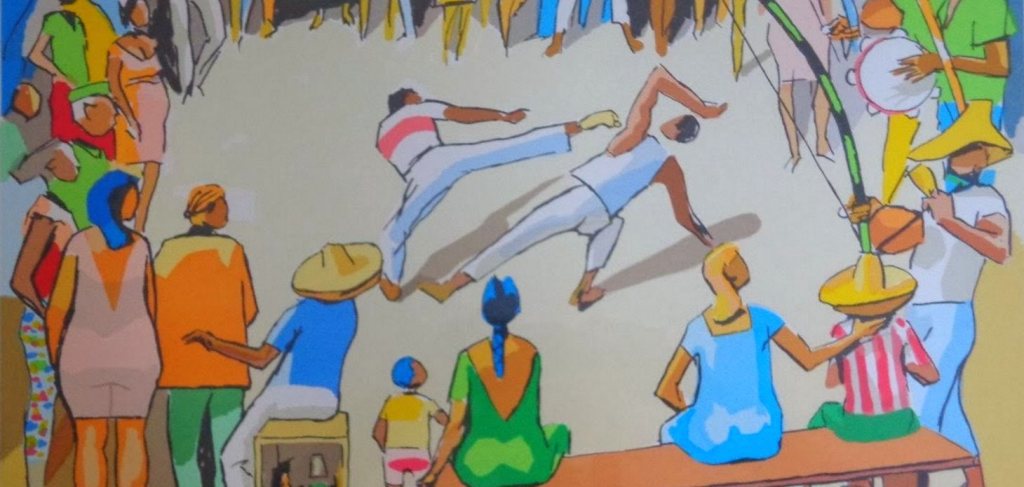
When engaging in capoeira, two opponents enter a circle surrounded by other players who contribute to the rhythm of the game through clapping, singing, and playing traditional instruments. This communal aspect adds a rich layer of cultural and social significance to the practice, creating an immersive experience for both participants and observers.
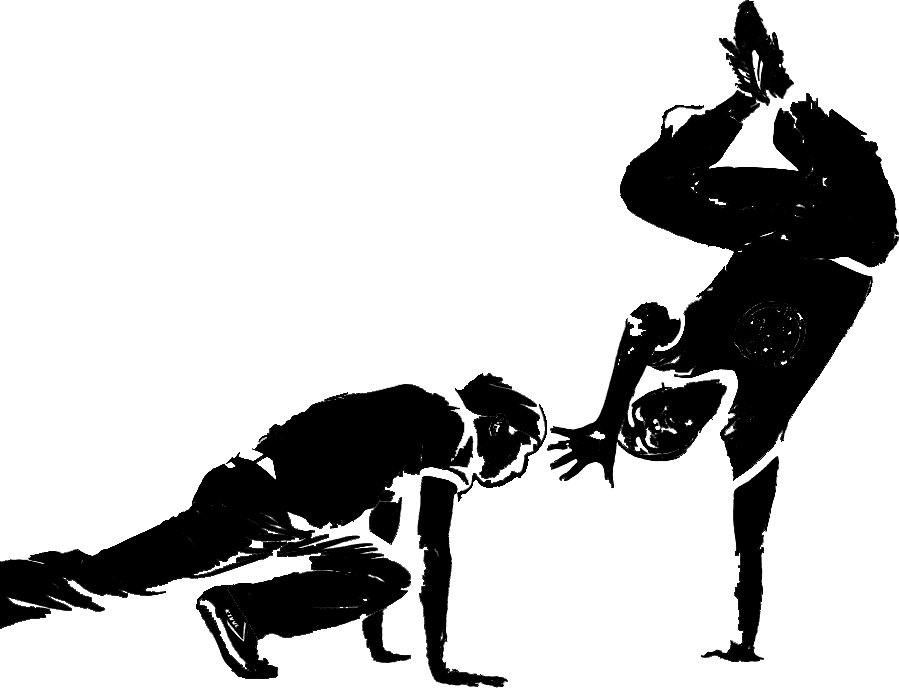
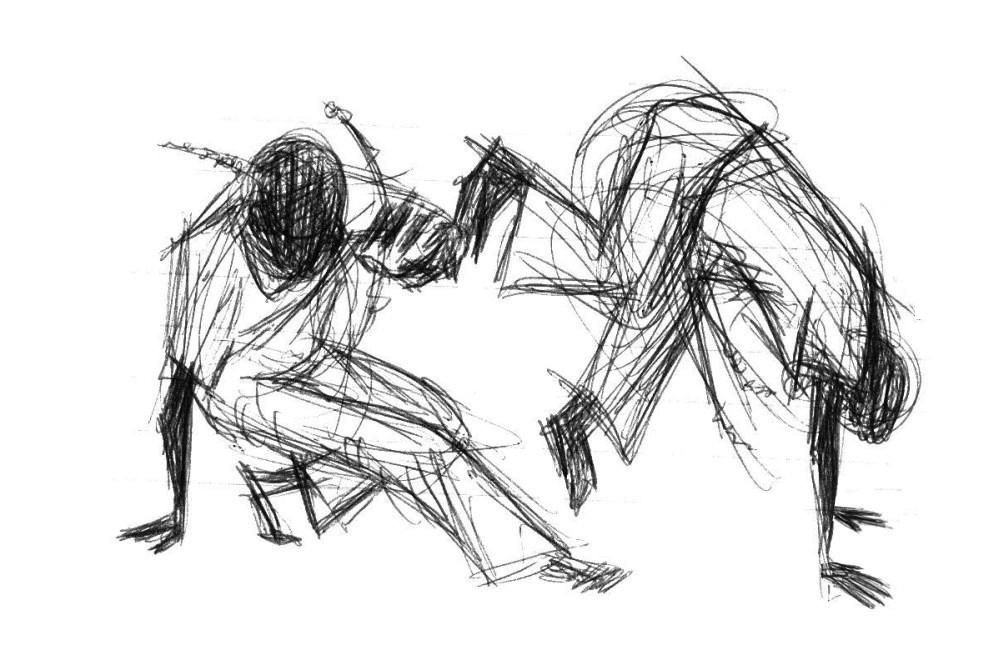
Within the captivating circle, known as the “roda,” the two capoeiristas engage in a game that seamlessly integrates capoeira movements, encompassing self-defense kicks, acrobatics, and dance-like maneuvers. The artistry lies in the ability to camouflage defensive movements within playful and fluid actions, culminating in a mesmerizing display of skill and agility.
Furthermore, the nature of the game encourages spontaneity and creativity, as the players strategize and adapt to each other’s movements, aiming to outmaneuver and surprise their opponent. Despite the competitive aspect, there is a collaborative element as well, with the two players working together to construct a harmonious and fluid game that showcases the beauty of the art form.
In essence, capoeira is a celebration of movement, rhythm, and culture, intertwining elements of playfulness, discipline, and artistry. Its multifaceted nature makes it a captivating and enriching pursuit for those who partake in its practice and a captivating spectacle for those who witness its beauty.
As the art of Capoeira has gained widespread recognition and popularity, it has become an integral part of mainstream culture across the globe. Its influence can be observed in various forms of entertainment, including movies and sports. The growing prevalence of Capoeira in popular culture has also led to the emergence of numerous websites dedicated to providing in-depth information about this art form. These websites cater to a diverse audience eager to learn more about Capoeira’s rich history, techniques, and practitioners.
Capoeira’s global appeal is evident in its widespread practice, attracting thousands of dedicated enthusiasts from all corners of the world. The vibrant community of Capoeira practitioners has fostered the development of numerous websites in different languages, reflecting the widespread passion and dedication to this art form. Whether it’s Portuguese, English, Spanish, French, or any other language, there are countless online resources offering valuable insights into the captivating world of Capoeira. Such diverse and extensive online coverage is a testament to the enduring impact and appeal of Capoeira on a global scale.
However, most of them are about the more modern forms of Capoeira, known as Capoeira Regional
and Capoeira Contemporeanea (CONTEMPORARY CAPOEIRA).
However, this website will mainly explore Capoeira Angola, the traditional style of Capoeira, which is not merely a form of self-defense but a deep cultural practice that embodies the spirit and resilience of its practitioners. This art form emphasizes deep cultural and historical significance beyond physical movements, serving as a vital expression of identity and community.
Characterized by close-to-the-ground movements that require agility and finesse, the practice integrates music, dance, and martial arts, reflecting themes of resilience, community, and celebration that are deeply rooted in African heritage and Brazilian culture. The rhythmic instruments, such as the berimbau and atabaque, create an engaging atmosphere for participants, inviting them into a world where the past and present intertwine, enabling a shared experience that transcends time and geography. Each session often turns into a vibrant gathering, where laughter mingles with the melodies, and the energetic movements foster a sense of connection among practitioners of all ages.
Additionally, Capoeira Angola emphasizes a philosophy of respect and the sharing of knowledge, highlighting the importance of traditions that have been passed down through generations. This rich cultural tapestry showcases a profound connection to the art form’s origins and the creativity of its practitioners, inviting practitioners and enthusiasts alike to participate in a living history that is both vibrant and significant. As participants engage in this dynamic exchange, they not only hone their physical abilities but also cultivate a deeper understanding of the cultural and historical contexts that give life to this expressive art form.
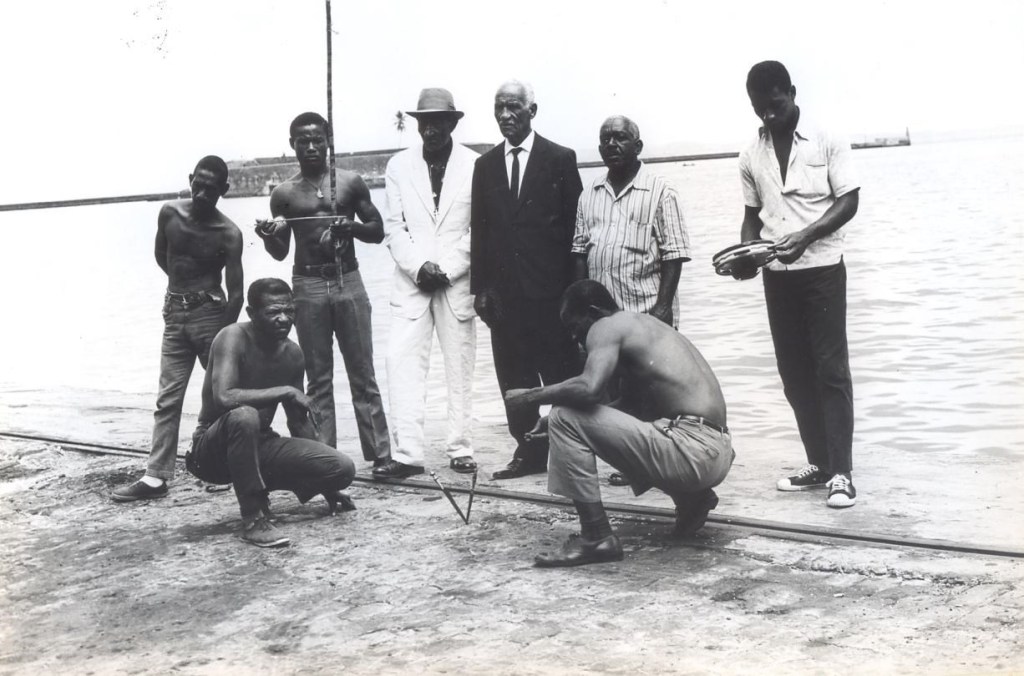
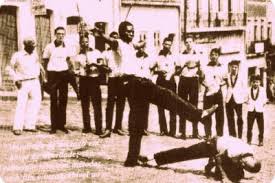
Capoeira Angola has a rich and complex history that spans centuries and continents. It is deeply rooted in Bantu tradition and was used by the enslaved Africans of Brazil as a form of resistance and revolution. The art of Capoeira Angola was a way for the enslaved individuals to maintain their cultural identity and to resist the oppressive forces of slavery. In following African war strategies, Capoeiristas masked the art’s effectiveness from plantation overseers, using the dance-like movements to conceal the practice of self-defense and combat.
However, due to Angoleiros being relatively rare (Here in L.A. anyway), and not to mention being a bit secretive about what we do, there’s not that much good information about Capoeira Angola on the web, and I want to see what I can do, about that.
Capoeira Angola is not just a martial art; it’s a form of cultural expression, a way of connecting with our roots, and a means of preserving our history and heritage. As Angoleiros, we are dedicated to upholding the rich traditions and unique rhythms of Capoeira Angola, keeping them alive for future generations to experience and appreciate.
The scarcity of information about Capoeira Angola on the internet can be seen as a reflection of the enigmatic nature of this art form. The mystique and secrecy surrounding Angoleiros and their practices contribute to the intrigue and allure of Capoeira Angola. While this air of mystery can pique curiosity, it also presents a challenge in terms of disseminating accurate and comprehensive knowledge about this cultural treasure.
In the vibrant city of Los Angeles, the presence of Angoleiros may be scarce, but their passion for preserving the essence of Capoeira Angola burns brightly. By sharing our experiences, insights, and deep-rooted connection to this art form, we can work towards creating a more robust online resource for Capoeira Angola. Through collaborative efforts and the willingness to unveil some of the mystery, we can contribute to a greater understanding and appreciation of Capoeira Angola, both within and beyond our local community. It is through this dedication and openness that we can ensure the enduring vibrancy and relevance of Capoeira Angola in the digital age.
As I continue to delve into the mysteries of Capoeira Angola, I invite you to join me on this enlightening journey to explore the captivating world of this ancient martial art. Together, we can uncover the profound wisdom, artistry, and spirit that define Capoeira Angola and its enduring impact on the realms of dance, combat, and culture.
AXE!










 Jogo Corpo Fechado