

“There are not more than five musical notes, yet the combinations of these five give rise to more melodies than can ever be heard. There are not more than five primary colours, yet in combination, they produce more hues than can ever been seen. There are not more than five cardinal tastes, yet combinations of
them yield more flavours than can ever be tasted.”
― Sun Tzu, The Art of War“
Some months ago, I created a series called “BASIC ELEMENTS OF CAPOEIRA,” where I describe some basic movements of Capoeira Angola in detail. This fascinating art not only encompasses physical techniques but also carries rich cultural significance and historical depth.
I decided to bring these posts together into one cohesive page, making it easier for you to access and reference them as needed.
However, I want to stress to you that if you truly want to learn Capoeira Angola and experience its vibrant community, you should GO FIND A CLASS! The hands-on guidance from a qualified instructor and practice with fellow students are invaluable for mastering the nuances of this art form. However, I understand that you might not be able to find a local class or may face other obstacles, so exploring the online resources I’ve gathered is certainly better than having nothing at all. By diving into these elements, you’re taking important steps on your journey into Capoeira Angola.
I’m gonna separate these posts into Defensive movements and Offensive movements (Actually, there already separated).
CAPOEIRA DEFENSIVE MOVEMENTS

Capoeira Angola is a defensive martial science (Among other things), characterized by intricate trap-like defenses that incorporate 8 basic positions/techniques for countering opponents based on their positioning. Mastery of these movements allows practitioners to defend against various weapons, from the top of your head to the bottom of your feet, by utilizing principles of anatomy, timing, and rhythm. The art emphasizes evasion and fluid movements, which enhance agility and balance, enabling practitioners to remain one step ahead of their adversaries. This holistic approach fosters spatial awareness and adaptability, encouraging individuals to read their opponent’s intentions and adjust their actions accordingly. Additionally, capoeira promotes a deep connection between mind and body, as the rhythm of the music intertwines with the movements, creating a meditative flow that enhances focus. This unique dynamic interplay between defense and offense in a capoeira roda is not merely about physical confrontation; it also reflects a rich cultural heritage where movements embody a blend of strategy, creativity, and expressiveness, allowing each participant to showcase their personal style while respecting the traditions of the art form.
Key defensive movements in Capoeira Angola include:
- The Negativa
- The Resitencia/Cocorinha
- The Esquiva
- The Queda de Quatro
- The Ginga
- The Au
- The Role
- The Queda De Rins
CAPOEIRA ANGOLA OFFENSIVE MOVEMENTS
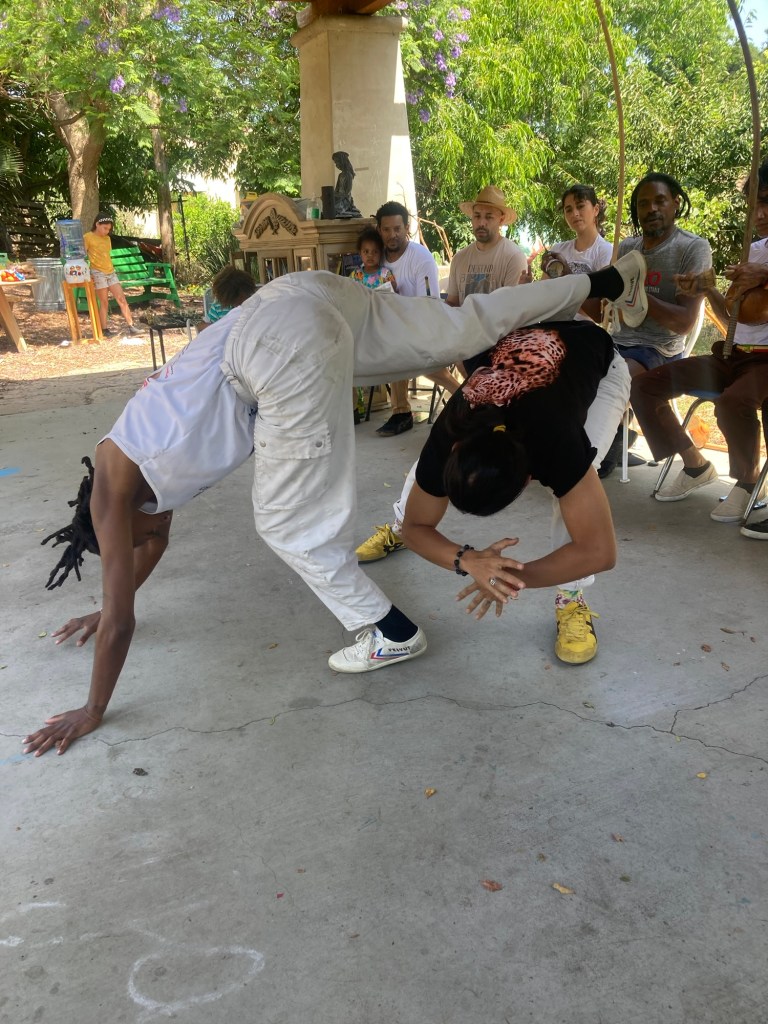
Capoeira Angola emphasizes fluidity, deception, and close-quarters combat by integrating techniques such as kicks, sweeps, headbutts, and takedowns which flow from the defensive positions, all executed with a creative flair that embodies the spirit of this unique martial art. It involves a strategic interplay of movements, utilizing fakes and transitions to confuse opponents while maintaining constant motion. The game features both slow, deceptive maneuvers and sudden accelerations, focusing on evading attacks and manipulating the opponent’s position and balance rather than solely on direct strikes. This intricate dance-like combat not only showcases individual skill but also emphasizes the importance of awareness and timing, as practitioners must remain attuned to their surroundings and their opponent’s intentions.
Through this playful yet strategic engagement, Capoeira Angola fosters a sense of community and camaraderie, allowing participants to express their creativity while developing both physical and mental agility. In this way, Capoeira Angola is not only a method of self-defense but also an art form that celebrates the collective spirit, uniting individuals from diverse backgrounds in a shared journey of exploration and expression.
Key Capoeira angola OFFENSIVE movements include:
- The Cabecada
- The Rasteira
- The Meia Lua de Frente
- The Rabo De Arraia
- The Chapa de Frente
- The Chapa de Costas
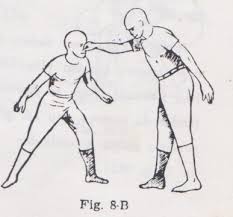
In Capoeira Angola, hands are crucial for balance, movement, and strategy, going beyond simple defense or attack. They are used to maintain stability, create openings for attacks, and even disorient opponents, showcasing the intricate relationship between body and environment. Hands can be used to transition between movements, create leverage for kicks, and establish a connection with the ground, which is believed to be a source of power and ancestral connection.
Moreover, the dexterous use of hands in Capoeira Angola also serves a communicative purpose, allowing practitioners to express their intentions and emotions during a game.
This dynamic interplay not only enhances physical prowess but also fosters a deeper sense of community and cultural identity among Capoeiristas, as they honor the rich traditions and histories embedded within each movement. Ultimately, the hands in Capoeira Angola embody a philosophy of interconnectedness, demonstrating how every aspect of movement contributes to the larger narrative of the art form.
When I’m playing, I like to move my hands as if I’m holding a knife or STRAIGHT RAZOR.
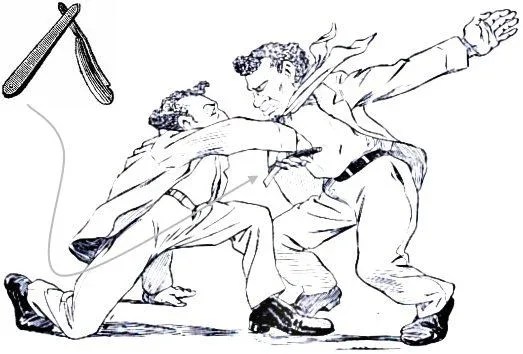
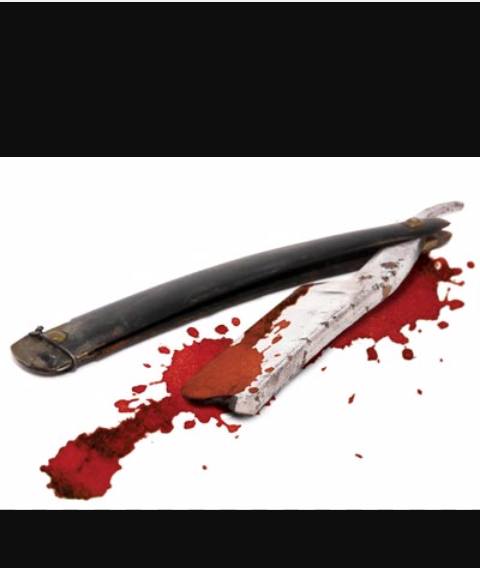
The straight razor (navalha) was the most common capoeira weapon, also used for assassinations. Blade techniques were a natural extension of unarmed capoeira, allowing practitioners to blend their traditional skills with the lethal potential of the razor.
According to Jair Moura, whether fighting with or without weapons, the form remained consistent, showcasing the fluidity and adaptability of capoeira as an art form. The razor was seamlessly integrated into the core practice by gripping it between the toes, which not only preserved the feet as the primary weapon but also added a layer of efficiency with the blade, allowing for quick, unexpected strikes.
This unique approach demonstrates how capoeira practitioners could maintain their artistry and rhythm while utilizing a weapon, enhancing their combat effectiveness while remaining true to the cultural roots of the discipline. In this way, the integration of a weapon, such as a straight razor, transforms the traditional practice into an innovative expression of skill and strategy, ensuring that the spirit of capoeira continues to thrive. As practitioners adapt their movements and techniques to incorporate the razor, they not only showcase their agility and finesse but also honor the rich historical narratives that underpin their art form.
As a result, the straight razor became not just a tool for combat but a symbol of the creativity and resourcefulness inherent in capoeira traditions, representing the blend of physical prowess and artistic expression that defines this remarkable discipline.
OTHER MOVEMENTS
Okay, here, I want to include a couple of other movements that I believe deserve recognition within the broader context of Capoeira. I… hesitated to include them before, because some of them are not really basic movements, going more toward intermediate and advanced, and also because some of these movements are not NECESSARILY Capoeira Angola movements, even though ALL of these movements, along with their counters, were taught to me by Angoleiros.
However, I’m including them here, because these movements, if used correctly, are not only valuable tools for self-defense, but can also enhance the beauty of a Capoeira Angola game. Each of these techniques brings a unique flair to the practitioner’s style, allowing for greater expression and creativity during performances. Furthermore, mastering these movements can deepen one’s understanding of rhythm and flow, which are essential in Capoeira. By integrating them judiciously, practitioners can not only defend themselves effectively but also captivate audiences with their agility and skill, creating a mesmerizing spectacle that showcases the rich cultural heritage of Capoeira.

The movements and techniques I posted above are by no means a complete list, as Capoeira Angola is a very intricate and complex art form. This dynamic discipline offers a HUGE plethora of defensive and offensive movements that practitioners can utilize to defend themselves effectively, become very healthy, and engage in a profound journey of spiritual development.
Through rigorous training and practice, individuals not only enhance their physical capabilities and coordination but also cultivate a deeper understanding of themselves and their connection to both the community and the wider world. The flow of the movements, rooted in rhythm and music, fosters a unique environment where creativity and expression abound, allowing each practitioner to explore their own style and interpretation of this beautiful martial art.
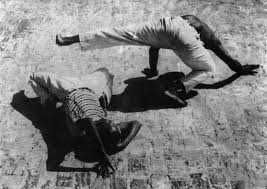
 Jogo Corpo Fechado