A resource of information on this way of life named Capoeira Angola.
AFRO-BRAZILIAN CINEMA, JOGO DE FECHADO STYLE
Hi Family!
In recent years, Capoeira has gained significant prominence across various social media platforms, captivating audiences worldwide with its dynamic and rhythmic movements. This Afro-Brazilian martial art form, with it’s combination of dance, acrobatics, and music, has found a vibrant online presence. From mesmerizing video demonstrations to insightful tutorials, the captivating essence of Capoeira has permeated the digital sphere, attracting both seasoned practitioners and curious newcomers alike.
The captivating allure of Capoeira has sparked engaging discussions, fostering communities of enthusiasts who passionately share their experiences, techniques, and reflections on the art form. As a result, social media has become a melting pot of diverse perspectives and interpretations, celebrating the rich cultural heritage and physical prowess embodied by Capoeira.
Furthermore, the global reach of social media has facilitated the exchange of knowledge and traditions, enabling practitioners from different corners of the world to connect, collaborate, and learn from one another. Through live streams, interactive challenges, and collaborative projects, Capoeira enthusiasts have harnessed the digital landscape to enrich their understanding and appreciation of this multifaceted art form.
In essence, the proliferation of Capoeira on social media has not only amplified its visibility but has also fostered a vibrant digital community, united by a profound passion for this enthralling practice.
Video clips, fight scenes, whole movies, you name it. Capoeira is everywhere.
Yes, I know that this video is in two other pages on this website… well, it’s on this page too.
Well, to celebrate that fact, on this page I’ve made a small list of movies, etc. that feature Capoeira, and other aspects of Afro-Brazilian culture.
I was gonna name this page, “Capoeira meets Hollywood”, but I thought that would be a bit corny and besides, some of these movies don’t have capoeira in them.
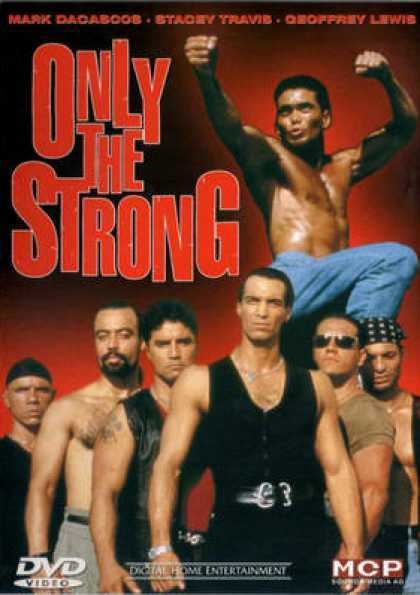
Anyway I thought I’d start off this list off STRONG with..
The impact of this movie on individuals like my teacher CHARLES WILLIAMS cannot be understated. Its ability to inspire people to pursue the art of capoeira speaks volumes about the resonance and power of the storytelling. When a movie manages to ignite a passion within someone, it transcends its role as mere entertainment and becomes a catalyst for personal growth and exploration. My teacher’s journey, sparked by the movie’s influence, mirrors the experiences of countless others who have been profoundly moved by its narrative.
SYNOPSIS:Former Green Beret Louis Stevens returns to his hometown of Miami after completing military service in Brazil, only to learn that his old high school has become a haven for gangs and drug dealers. After Stevens uses his capoeira skills to kick several drug dealers off the school property, Mr. Kerrigan, one of Stevens’ old teachers, sees the impact that Stevens has on the students. Kerrigan gives him the task of teaching capoeira to a handful of the worst at-risk students at the school, giving Stevens an abandoned fire station as their practice area. While doing so, Stevens earns the ire of the local drug lord, Silverio Oliveiras, whose younger cousin, Orlando Oliveiras, is one of Stevens’ students. Silverio is also a master of capoeira, and he engages Stevens in combat, beating him viciously. The horrified Orlando resolves to learn everything he can from Stevens. Stevens’ class learns quickly, and they become very skilled at capoeira. The principal, delighted, proposes a district-wide capoeira program to the school board. After a field trip with his class, Stevens once again clashes with Silverio, who declares war against him.
Silverio’s gang terrorizes the high school and sets fire to Kerrigan’s classroom, resulting in the death of one of Stevens’ students. As a result of this incident, Stevens is accused at fault, banished from the school grounds and the capoeira program is terminated. In retaliation to the attack, Stevens sneaks into Silverio’s chop shop and defeats the workers before setting a cash-filled car on fire. Furious, Silverio orders the gang to bring Stevens to him alive. Orlando flees to get help. After a desperate battle, Stevens is finally captured and brought to a bonfire, where Silverio awaits. However, Stevens’ capoeira students bar their path in an attempt to rescue their teacher. Before a brawl can ensue, the exhausted Stevens challenges Silverio to single combat to win back his students. After a grueling battle, Stevens defeats Silverio before the police arrive, sending the gang scattering in all directions. With this defeat, Silverio’s reputation as crime lord is gone.
Stevens’ capoeira program proves such a success that his students graduate from high school. To celebrate, they join a Brazilian capoeira team to perform for Stevens at the graduation ceremony.
Click HERE to watch a playlist by You Tuber VIKING SAMURAI, where he interviews he stars, and the director about the making of this film.
Now like I typed before, many people started their journeys into Capoeira because of Only the Strong, my Capoeira Angola teacher being one of them. This film, with its vibrant energy and captivating fight sequences, sparked a fascination with the art form that many still feel today. The way it showcases the fluidity and grace of Capoeira, intertwined with its rich cultural heritage, resonated deeply with me. It’s incredible how a single movie can ignite such passion and curiosity in individuals, drawing them into the world of Capoeira and its community.
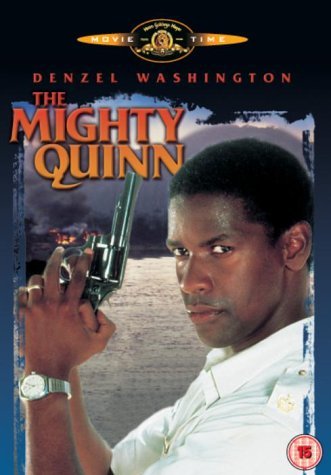
Now, allow me to introduce you to the movie that started MY journey into Capoeira… before I even knew what it was, leading me down a path filled with exploration, connection, and a newfound appreciation for this unique martial art.
The Mighty Quinn is a 1989 American mystery comedy thriller film featuring the talented Denzel Washington in the role of police chief Xavier Quinn. As the narrative unfolds, Quinn finds himself in a challenging position as he tries to assist his childhood friend Maubee, portrayed by the acclaimed Robert Townsend, who unexpectedly becomes entangled in a murder investigation, raising questions about his innocence. The screenplay, expertly crafted by Hampton Fancher, is rooted in A. H. Z. Carr’s compelling 1971 novel Finding Maubee, which delves into themes of friendship, loyalty, and the complexities of justice in a vibrant Caribbean setting. As Quinn navigates the intricate dynamics of his community, he must confront not only the external pressures of law enforcement but also the emotional turmoil of loyalty and betrayal, making this film a nuanced exploration of the human experience amidst the thrill of mystery.
The film is age restricted so I can’t post it here, but you can watch it on YouTube by clicking HERE.
The film is titled after a Bob Dylan song, which adds a significant cultural touch to its identity, and features a vibrant reggae cover performed by a talented lineup of artists, including Michael Rose and Cedella Marley, who contribute to the film’s catchy soundtrack. This musical element enhances the viewing experience, bringing a unique rhythm and energy that resonates with audiences. Roger Ebert, the renowned film critic, praised the film for its multifaceted nature, describing it as a fascinating blend of genres, including spy thriller, buddy movie, musical, and comedy. Ebert’s acclaim for the film highlights its artistic merit and versatility, ultimately recognizing it as one of the best films of 1989, a year that included many notable releases. His positive review underlines the movie’s ability to capture the complexities of human relationships, making it a memorable entry in cinema history.
SYNOPSIS:
Xavier Quinn, the dedicated police chief of a picturesque Caribbean island, meticulously investigates the shocking murder of millionaire Donald Pater, who was known for his philanthropic efforts as well as his questionable business dealings. Initially, suspicion falls heavily on Quinn’s best friend, Maubee, a local with a complicated past. Despite facing significant pressure from the politically savvy Governor Chalk and the elusive political fixer Thomas Elgin, Quinn maintains his resolve, deeply troubled by the thought of his friend’s potential guilt. As he delves deeper into the case, he uncovers the chilling truth that Pater was not only killed by a snake bite but was also brutally decapitated afterward, a gruesome act intertwined with a secretive CIA operation.
This op concerned illegal funds intended for anti-Communist efforts in Latin America, a shocking revelation that adds layers to the investigation. Quinn’s relentless pursuit of the truth reveals that the murder had critical ramifications, disrupting the CIA’s plans and prompting the agency to dispatch Fred Miller, a hardened operative, to recover the missing money, thus escalating the situation into a dangerous game of cat and mouse rife with further violence and political intrigue. During his quest for answers, Quinn finds Maubee at their childhood playground, where the remnants of their innocent past clash starkly with the current chaos. Here, Maubee shares a harrowing story about Pater’s connection to Isola, a woman whose job was abruptly terminated after Ubu Pearl, a local leader, demanded support for her child. In a shocking twist, Isola had been instructed to leave a snake in Pater’s room as part of a diabolical plan, which ultimately leads to Pater’s untimely death from a snakebite as Maubee arrives just in time to witness the aftermath.
Tension escalates when Miller confronts them, seizing the money and making a daring escape via helicopter. In a desperate move, Maubee clings to the helicopter, his heart racing as gunfire erupts, but he soon finds himself tumbling into the treacherous ocean below. In a cruel twist of fate, a snake hidden within the money bites the helicopter pilot, causing the aircraft to spiral out of control and crash into the ancient ruins that dot the island’s landscape. Consumed by grief for his fallen friend, Quinn returns home, where a tumultuous reconciliation with his estranged wife unfolds, reminding him of the fragility of life and love. Later, amidst the tranquil sounds of the beach, he stumbles upon a $10,000 bill resting on a rock, its presence both a mystery and an omen, marked by footprints that lead ominously from the water, suggesting that the saga may not yet be over.
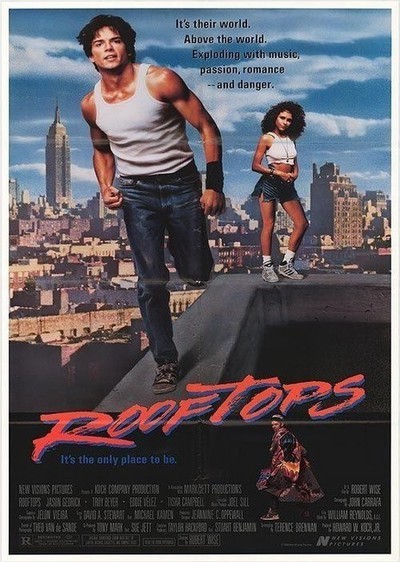
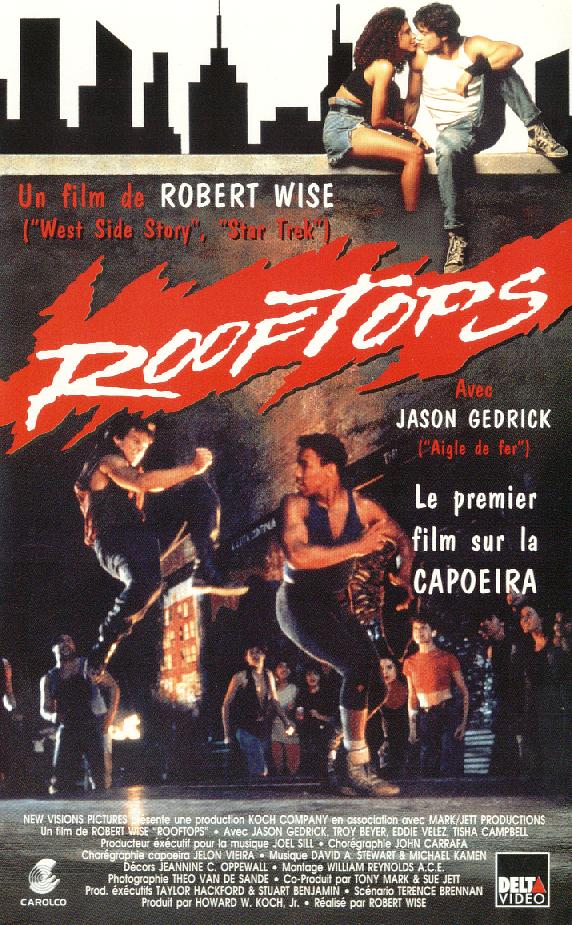
Rooftops was the last theatrical motion picture directed by Wise and the second of his films about poor young New Yorkers, the first being the famous West Side Story.
In this electrifying film, Wise transports viewers to the gritty rooftops of New York City, where the pulse of urban life is felt at its most intense. The narrative unfolds amidst the dilapidated yet vibrant backdrop of the city, capturing the struggles and aspirations of the characters. Wise’s masterful direction imbues every frame with raw emotion and authenticity, drawing the audience into the lives of the protagonists.
The thematic resonance of Rooftops echoes the timeless appeal of stories centered around the human experience in an urban landscape. Through captivating cinematography and compelling performances, the film offers a poignant portrayal of the challenges and triumphs of marginalized youth, resonating with audiences across generations.
As a fitting conclusion to Wise’s exploration of the lives of young New Yorkers, Rooftops stands as a testament to the enduring impact of the director’s storytelling prowess and his profound understanding of the human condition within an urban context.
Now for the life of me, I don’t know why in the HELL somebody would call this YouTube video “Capoeira City”, but it’s Rooftops. It says so in the opening credits.
SYNOPSIS:Squeak, the main character’s best friend has tagged the wrong place and a local crew of misfits seeks to teach him a lesson. A chase ensues through the streets of New York City, through abandoned buildings and on rooftops. Squeak is finally cornered before his best friend and the film’s main hero, T, comes to his rescue. The rest of the film focuses on T and his group of friends, among them a reformed prostitute, a young woman, and a deaf basketball player.
T is famous among the neighbourhood for taking place in a dance called “combat” in which “combatants” attempt to force each other off of a square fighting surface through only intimidation, no contact is allowed. T falls in love with Elana and she reciprocates his feelings. T is also exposed to Capoeira, which he naturally compares to his own fighting style.
The main antagonists are a group of drug dealers who are slowly taking over the city’s abandoned buildings, stringing out the local youth and establishing themselves as the law of the streets. Squeak crosses the drug dealers and pays for it with his life. The rest of the movie follows T and his friends quest for redemption at the hands of the drug dealers, and ends in a climactic rooftop battle.
It’s important to consider the language options when selecting movies, especially when they are not in your primary language. While some of the movies on the list feature English subtitles, the majority do not. However, I have included the synopses of these movies in English, providing you with the opportunity to understand the storyline even if you don’t speak Portuguese. This extra insight can help you appreciate and enjoy the films more fully.
Now for those of you that do not speak portuguese, I will repeat this over and over again, that you should learn it, especially if you’re a capoeirista. You don’t HAVE to learn portuguese to learn capoeira, but it will be a great advantage if you do. Learning the Portuguese language can deepen your understanding and appreciation of the rich history and culture of capoeira. It can also enhance your ability to connect with other capoeira practitioners from different parts of the world and build strong bonds within the global capoeira community. Additionally, being proficient in Portuguese opens up opportunities to access a wealth of resources, including historical texts, songs, and folklore that are integral to the practice of capoeira. Embracing the Portuguese language can truly enrich your journey as a capoeirista, offering insights and connections that may otherwise remain undiscovered. Therefore, while it’s not a prerequisite, embracing the Portuguese language can undoubtedly elevate your experience and expertise in the art of capoeira.
And besides, there are many benefits of learning a NEW LANGUAGE.
So Here is a free resource from YouTube to encourage you get started. For more info, click HERE.
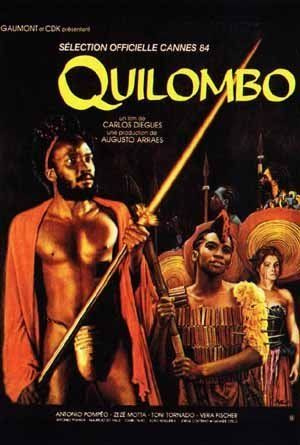
Quilombo is a seminal Brazilian drama film that holds immense cultural and historical significance, making it a pivotal work in the realm of world cinema. Directed by the acclaimed filmmaker Carlos Diegues (also known as Cacá Diegues), the film was released in 1984, a period when Brazilian cinema was re-examining national narratives and addressing themes of identity and historical memory.
At its heart, the film offers a captivating and epic portrayal of the history of the Quilombo dos Palmares, a legendary settlement of escaped slaves and other marginalized people, located in the north-eastern region of Brazil during the 17th century. Palmares was not merely a hiding place; it evolved into a powerful, self-sustaining kingdom, often referred to as a “Black Republic,” that resisted Portuguese colonial rule for nearly a century. This powerful portrayal does more than just recount historical events; it delves deep into the struggle for freedom, the concept of a sovereign African-Brazilian identity, and the extraordinary resilience of the enslaved population against overwhelming colonial forces.
By focusing on the lives within the quilombo, Diegues provides a vital lens into a complex, often marginalized, and lesser-known chapter of Brazilian history—one where resistance and autonomy flourished. The film is celebrated for its rich visual style, powerful musical score, and compelling narrative that elevates the historical figures of Palmares, most notably Zumbi, to legendary status as symbols of resistance. The fact that Quilombo was recognized internationally, being entered into the prestigious 1984 Cannes Film Festival (one of the world’s most important film showcases), further underscores its impact, artistic merit, and global relevance. Its inclusion at Cannes affirmed the film’s standing as a major cinematic achievement that brought a crucial and inspiring chapter of Afro-Brazilian history to a worldwide audience, solidifying its place as a cornerstone of both Brazilian and global historical cinema.
You can watch the full movie below:
SYNOPSIS: (FROM IMDB) Palmares was a 17th-century quilombo, a settlement of escaped slaves in the mountains of northeast Brazil. The story follows a group of plantation slaves, among them Abiola , who revolt in 1650 during the Dutch-Portuguese War (1601-1661) and escape to the mountains and the city of Palmares, where they join other former slaves who have already been living there peacefully and autonomously. On arrival, Abiola suggests that Palmares trade with a friendly squatter. The leader of Palmares, Acotirene (Alaide Santos), disagrees, but realizes that she is getting old and times are changing. After consulting a divination tray, she anoints Abiola the new leader and renames him Ganga Zumba and places him under the protection of Xango, who manifests himself though Ganga Zumba in trance. Ganga Zumba goes on to become a legendary king (see Diegues’ film “Ganga” about the life of this character in particular). Ganga Zumba and his people keep Palmares safe for years.
The film introduces other important characters, among them Zumbi (Antonio Pompeu), who was born free in Palmares but was captured as a child and lived as a slave for fifteen years, and Ana de Ferro (Vera Fischer), a white woman who choses to live in Palmares because she had been branded a Dutch collaborator as she had been a prostitute in Dutch-controlled Recife. Zumbi becomes chief warrior of Palmares and leads successful raids but refuses to take Recife, since to hold it would require enslaving the white population. Ana rises to become an advisor to Ganga Zumba. When the Dutch-Portuguese War ends, Ganga Zumba is persuaded by the Portuguese to leave the mountains to live on a reservation in the Cocaú Valley in exchange for peace. Many of the villages and towns of Palmares disagree with this change and choose to remain in the mountains. In the Cocaú Valley, Ganga Zumba is poisoned and killed.
The warrior Zumbi emerges as the leader of a new generation at Palmares. Zumbi, unlike Ganga Zumba, demands freedom and independence and refuses to compromise with the Portuguese. Intermittent warfare exists until 1694, when the Portuguese send a decisive force under Domingos Jorge Velho (Maurício do Valle) against Palmares. The quilombo is once again attacked and this time taken by the Portuguese, with most of its inhabitants brutally murdered or enslaved (though the film manages to represent these events without victimizing the people). Although, the movie ends on a low point depicting the death of Zumbi and the destruction of the principal settlement of Palmares, a title card at the end explains that the people of Palmares continued to resist the Portuguese until at least 1797. The film insists that Palmares must continue to live on through memory and by keeping alive the traditions of its people.
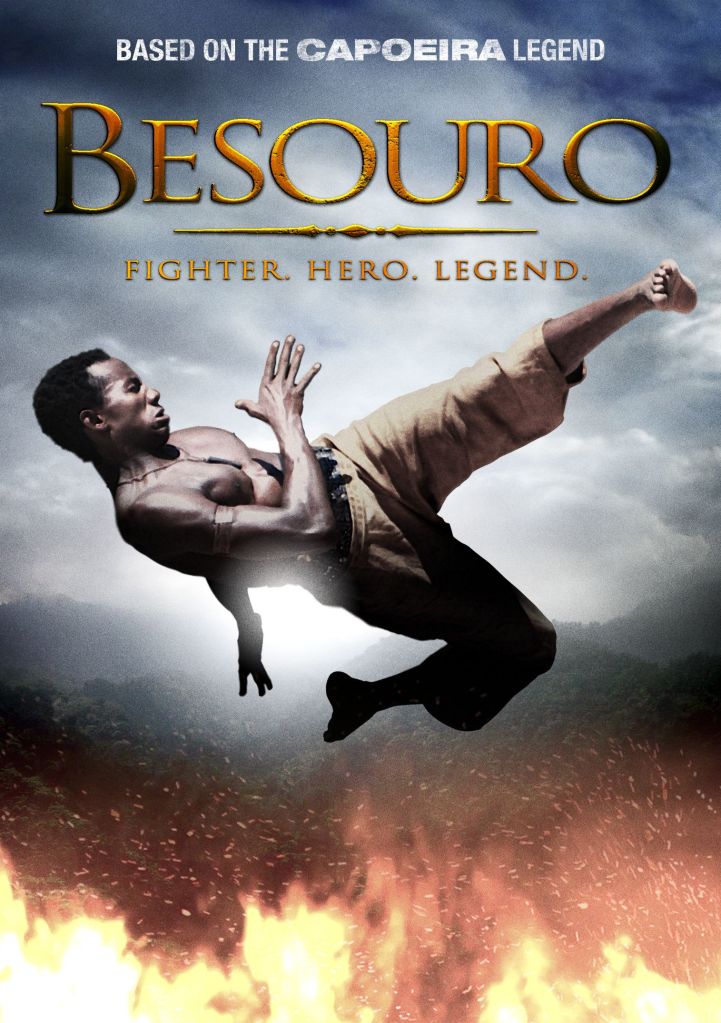
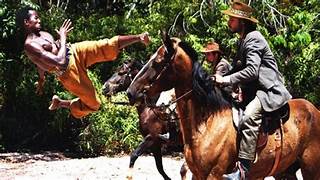
Besouro, also known as The Assailant(Only God knows why, it seems), is a 2009 Brazilian action-drama film directed by João Daniel Tikhomiroff. The film is about Besouro Mangangá, a legendary Capoeirista who lived in the city of Santo Amaro, Bahia in the early 1900s.
The film’s captivating storyline and dynamic portrayal of the legendary figure Besouro Mangangá has made it a notable piece of Brazilian cinema, resonating with audiences both in Brazil and internationally. Through stunning choreography and expertly crafted action sequences, the film offers a mesmerizing depiction of the art of Capoeira, highlighting its fluid movements and deep-rooted cultural significance within Brazilian society. Additionally, the rich historical backdrop of early 20th century Bahia provides a compelling setting for the narrative, offering viewers a glimpse into a fascinating period in Brazilian history, where colonial influences met with local traditions, creating a unique cultural tapestry. The film’s exploration of Besouro’s journey and his impact on the community serves as a testament to the enduring legacy of this iconic figure in Brazilian folklore and martial arts, illustrating not only his skills in Capoeira but also his role in resisting oppression and championing the rights of his people, thereby emphasizing the broader themes of freedom and resistance that resonate through the ages. As the story unfolds, audiences are drawn into a world where dance becomes a powerful form of expression, and where the struggles of one man reflect the collective experiences of a marginalized community fighting for justice and recognition.
Huan-Chiu Ku, Kill Bill‘s choreographer, is responsible for the film’s fight scenes.
SYNOPSIS:In 1924, almost forty years after slavery in Brazil is abolished, former black slaves are still oppressed by the rich. Resistance in the region of the Recôncavo Baiano is led by the elderly Mestre Alípio, master of a martial art, capoeira, used by the slaves to fight off abuse. Mestre Alípio’s life has been threatened, so one of his best apprentices, Besouro, is appointed his bodyguard. However, Besouro spends all of his time playing capoeira in street circles, with the consequence that Alípio is killed by the police.
One day, Besouro is visited by a spiritual entity, Exu, who demands him worship. Trying to fight off the spirit, Besouro accidentally trashes a work fair, making the guards chase him. He jumps into a river, after which he meets a spiritual teacher, Dona Zulmira, who gives him a choker granting him corpo fechado, making him invulnerable to all attacks and weapons except by the tree known as ticum. With his new abilities, Besouro initiates a one-man guerrilla campaign against the plantations of Coronel Venâncio, the powerful army officer who oppresses Besouro’s people.
Besouro’s efforts earn him the enmity of his childhood friend Quero-Quero, a fellow capoeirista and a collaborator of Venâncio who believes Besouro is only worsening the situation of the local black people. Due to his stance, Quero-Quero’s fiancee Dinorá leaves him, and instead goes with Besouro shortly after. A jealous Quero-Quero confronts Besouro in the jungle and fights him, but Besouro is victorious.
To avenge this humiliation, Quero-Quero kills a man and incriminates Besouro, so the authorities will answer with greater force against him, and reveals to them that they can kill Besouro with a machete made of ticum wood.
Venâncio’s men find Besouro and attack him, but they are initially defeated. However, the Coronel brandishes a ticum machete and slashes him, finally killing Besouro. He then goes to Dinorá and tries to rape her, but she defeats him with capoeira and flees to mourn her lover.
It’s later revealed Dinorá was pregnant with Besouro’s child, who is now a little boy learning capoeira under Besouro’s friend Chico. The boy chooses his father’s name as his own, and when Coronel Venâncio passes by him in the street, gives him a nasty stare, implying the boy will avenge his father some day.
Now of course, the bio pic you saw above has almost nothing to do with his actual life.
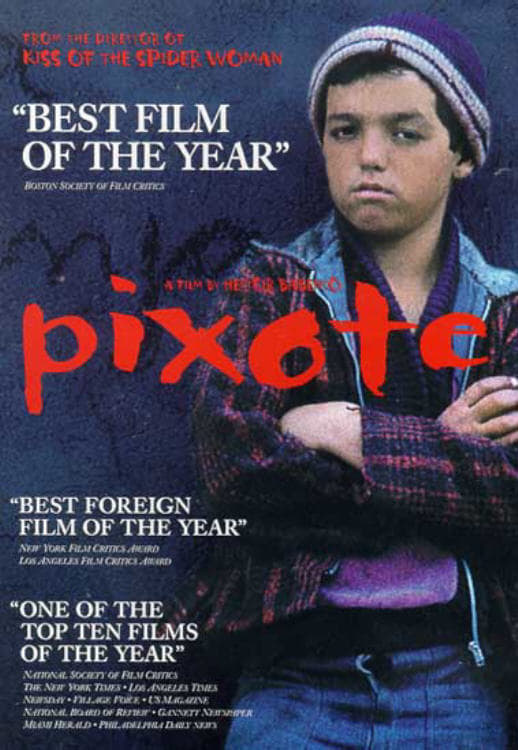
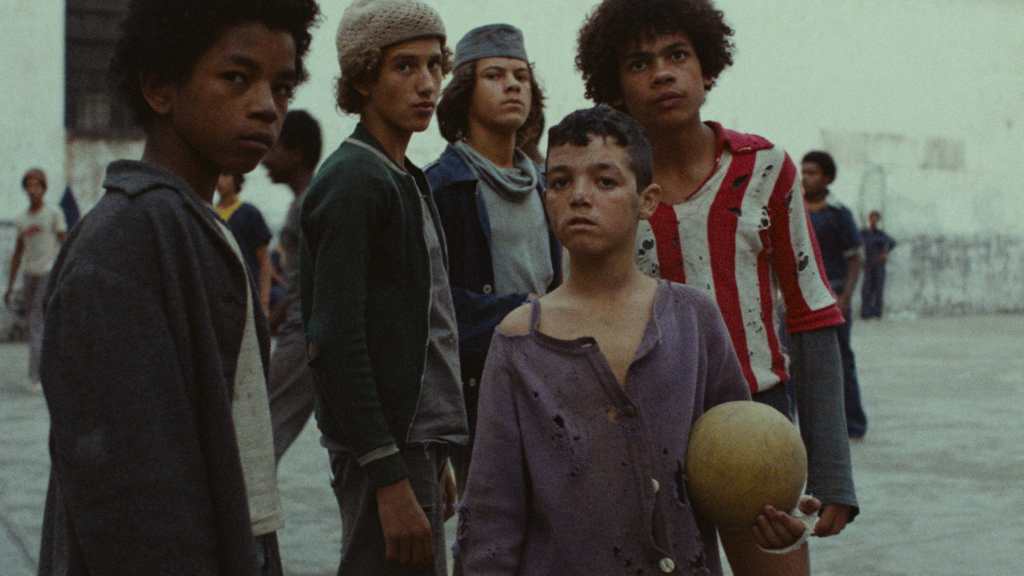
The film features Fernando Ramos da Silva (who was killed at the age of 19 by Brazilian police in São Paulo) as Pixote and Marília Pêra as Sueli. The plot revolves around Pixote, a young boy who is used as a child criminal in muggings and drug transport.
This movie is age restricted so I can’t post it on this page, but if you want to watch the movie, you can just click HERE and watch it on YouTube, or if just want to know the basic plot, you can watch the video below..
If you wanna watch the original Portuguese version, click HERE. This version offers what I believe is a more authentic experience, capturing the nuances and emotions of the dialogue that might be lost in translation. Not only does it present the vibrant cultural contexts, but it also serves as an excellent opportunity for language learners to immerse themselves in authentic spoken Portuguese. So, gather your snacks, find a comfortable spot, and dive into this captivating experience by clicking the link!
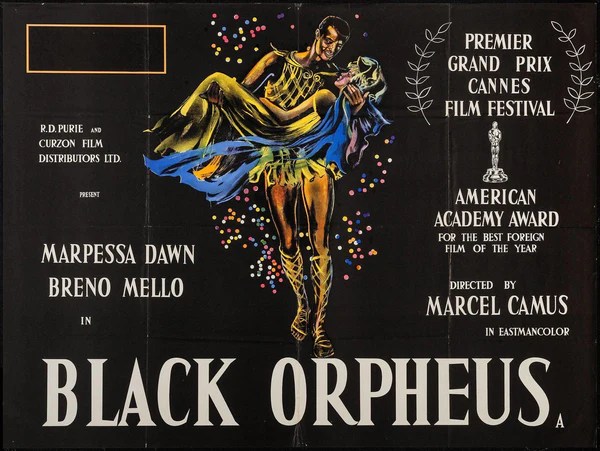
While the 1959 adaptation has been celebrated internationally, it has been criticized by Brazilians and scholars for exoticizing Brazil for an international audience and reinforcing harmful stereotypes.[11][12]
SYNOPSIS:A marble Greek bas relief explodes, revealing Afro-Brazilian men dancing the samba to drums in a favela. Eurydice (Marpessa Dawn) arrives in Rio de Janeiro and takes a trolley driven by Orfeu (Breno Mello). New to the city, she rides to the end of the line, where Orfeu introduces her to the station guard, Hermes (Alexandro Constantino), who gives her directions to the home of her cousin Serafina (Léa Garcia).
Although engaged to Mira (Lourdes de Oliveira), Orfeu is not very enthusiastic about the upcoming marriage. The couple goes to get a marriage license. When the clerk at the courthouse hears Orfeu’s name, he jokingly asks if Mira is Eurydice, annoying her. Afterward, Mira insists on getting an engagement ring. Though Orfeu has just been paid, he would rather use his money to get his guitar out of the pawn shop for Carnival. Mira finally offers to loan Orfeu the money to buy her ring.
When Orfeu goes home, he is pleased to find Eurydice staying next door with Serafina. Eurydice has run away to Rio to hide from a strange man whom she believes wants to kill her. The man – Death dressed in a stylized skeleton costume – finds her, but Orfeu gallantly chases him away. Orfeu and Eurydice fall in love, yet are constantly on the run from both Mira and Death. When Serafina’s sailor boyfriend Chico (Waldemar De Souza) shows up, Orfeu offers to let Eurydice sleep in his home, while he takes the hammock outside. Eurydice invites him to her bed, and they make love.
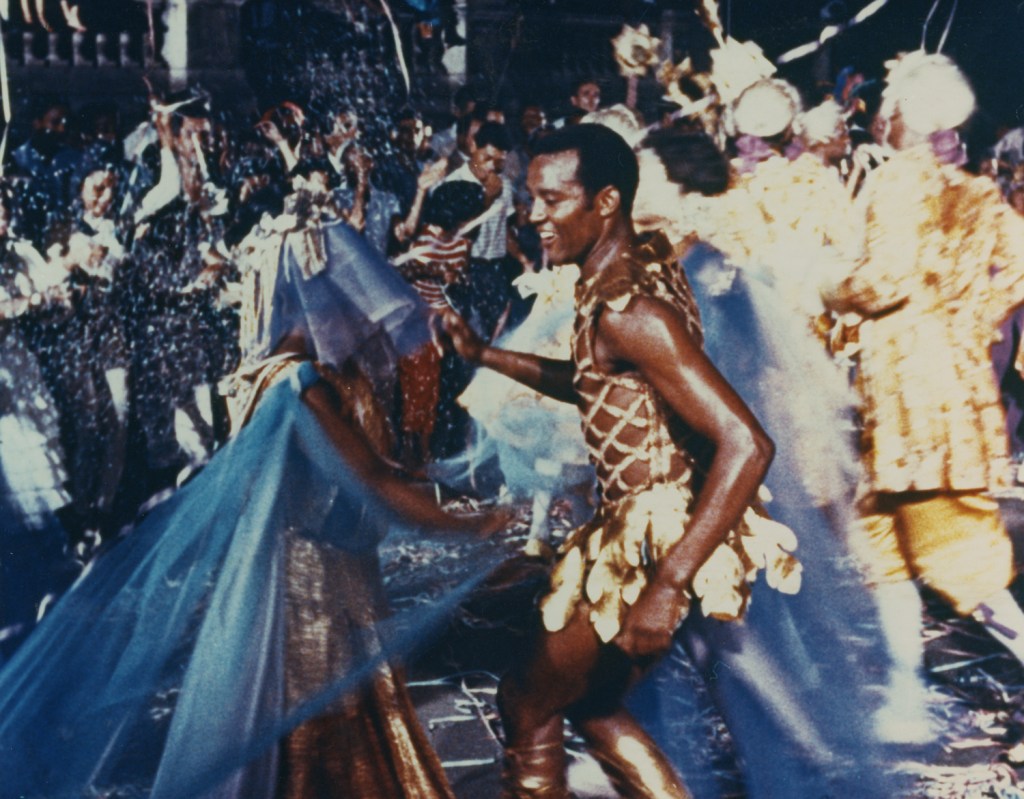
Orfeu, Mira, and Serafina are the principal members of a samba school, one of many parading during Carnival. Serafina decides to have Eurydice dress in her Queen of the Night costume so that she can spend more time with Chico. A veil conceals Eurydice’s face; only Orfeu is told of the deception. During the parade, Orfeu dances with Eurydice rather than Mira.
Eventually, Mira spots Serafina among the spectators and rips off Eurydice’s veil. Eurydice is forced once again to run for her life, first from Mira and then from Death. Trapped in Orfeu’s own trolley station, she hangs from a power line to get away from Death and is accidentally killed by Orfeu when he turns the power on and electrocutes her. Death tells Orfeu, “Now she’s mine,” before knocking him out.
Distraught, Orfeu looks for Eurydice at the Office of Missing Persons, although Hermes has told him she is dead. The building is deserted at night, with only a janitor sweeping up. He tells Orfeu that the place holds only papers and that no people can be found there. Taking pity on Orfeu, the janitor takes him down a large darkened spiral staircase – a reference to the mythical Orpheus’ descent into the underworld – to a Macumba ritual, a regional form of the Afro-Brazilian religion Candomblé.
At the gate, they pass a guard dog named Cerberus. During the ritual, the janitor tells Orfeu to call to his beloved by singing. The spirit of Eurydice inhabits the body of an old woman and speaks to him. Orfeu wants to gaze upon her, but Eurydice begs him not to, lest he lose her forever. When he turns and looks anyway, he sees the old woman, and Eurydice’s spirit departs, as in the Greek myth.
Orfeu wanders in mourning. He retrieves Eurydice’s body from the city morgue and carries her in his arms across town and up the hill toward his home, where his shack is burning. A vengeful Mira flings a stone that hits him in the head and knocks him over a cliff to his death, with Eurydice still in his arms.
Two children, Benedito and Zeca – who have followed Orfeu throughout the film – believe Orfeu’s tale that his guitar playing causes the sun to rise every morning. After Orfeu’s death, Benedito insists that Zeca pick up the guitar and play so that the sun will rise. Zeca plays, and the sun comes up. A little girl appears, gives Zeca a single flower, and the three children dance.
Below, we have a couple of documentaries based on the film. They are subtitled in English.
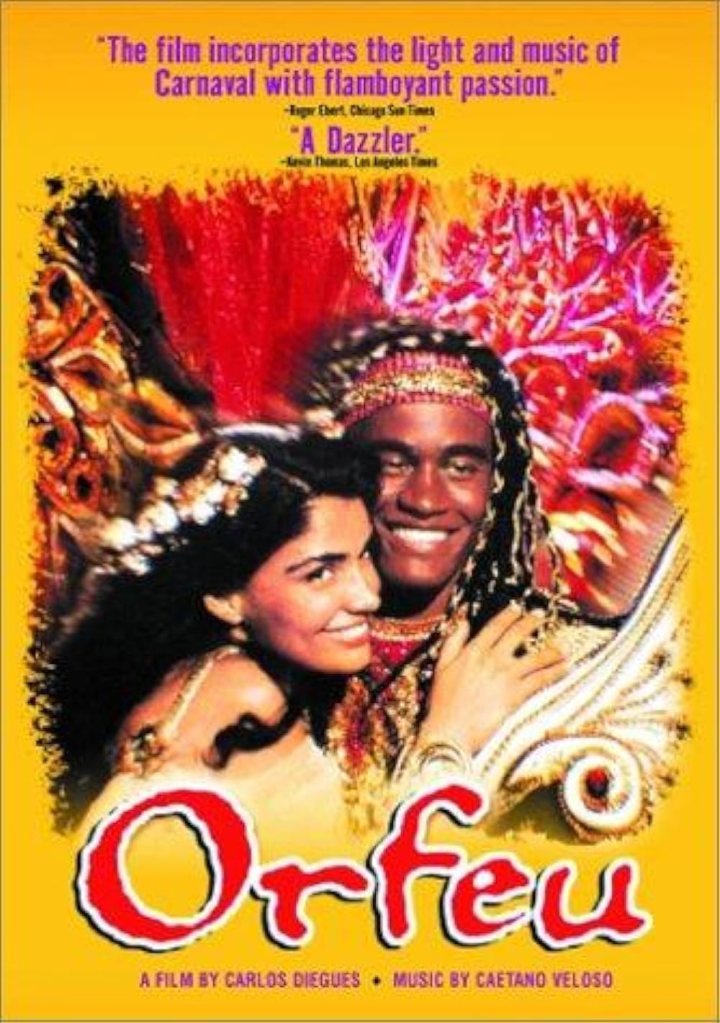
Orfeu is a 1999 Brazilian romanticdrama film directed by Carlos Diegues, and starring Toni Garrido, Patrícia França, and Murilo Benício. Based on the play Orfeu da Conceição by Vinicius de Moraes, the film retells the Greek legend of Orpheus and Eurydice, setting it in the modern context of Rio de Janeiro during Carnival. Mostly shot in scenographic favela in Jacarepaguá, Rio de Janeiro,[4] it included scenes from the 1998 Carnival celebration in which Garrido paraded with the samba school Viradour_Orfeu_, a vibrant depiction of love and tragedy in the lively setting of Rio de Janeiro during Carnival, showcases the enduring tale of Orpheus and Eurydice, weaving together elements of romance, drama, and Brazilian culture. The film, directed by the acclaimed filmmaker Carlos Diegues, features a talented cast including Toni Garrido, Patrícia França, and Murilo Benício, who bring the characters to life with remarkable depth and emotion.
Drawing inspiration from the play Orfeu da Conceição by the renowned Vinicius de Moraes, Orfeu skillfully revitalizes the ancient Greek myth of Orpheus and Eurydice, infusing it with the pulsating energy of Rio de Janeiro’s Carnival. The juxtaposition of the traditional legend within the modern context of a vibrant city adds an intriguing layer of depth to the narrative, creating a captivating viewing experience for audiences.
Capturing the essence of the city’s eclectic charm, Orfeu is predominantly filmed in the scenic favelas of Jacarepaguá, Rio de Janeiro, lending an authentic and immersive quality to the storytelling. Additionally, the incorporation of footage from the 1998 Carnival celebration, including Garrido’s participation with the samba school Viradour, further enhances the film’s genuine portrayal of the cultural extravaganza that is Brazilian Carnival.
This video has no english subtitles.
SYNOPSIS: In a dangerous but human Rio de Janiro’s slum, rises the love affair between Orfeu, a famous composer, and Eurídice, a simple but pretty brunette, provoking jealousy and violence in times of carnival. A kind of Brazilian Romeo and Juliet, full of samba. As the vibrant rhythms of samba fill the air, Orfeu and Eurídice find themselves entangled in a passionate romance set against the backdrop of the bustling carnival. The energy of the carnival pulsates through their love, weaving a tale as old as time yet uniquely Brazilian in its essence. Their love, much like a captivating samba performance, ignites the hearts of those around them, but also stirs feelings of envy and resentment, leading to a turbulent journey marked by both euphoria and despair. It’s a story that encapsulates the dazzling spirit of Brazil, embracing the fervor of love and the melancholy of fate amidst the hypnotic beats of samba.
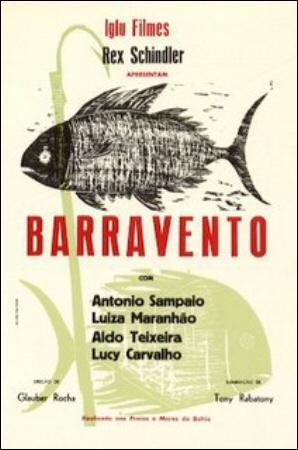
Barravento (“The Turning Wind”) is a pivotal 1962 Brazilian drama film that marks the directorial debut of Glauber Rocha. This cinematic masterpiece features a stellar cast including Antonio Pitanga, Luíza Maranhão, Lucy Carvalho, and Aldo Teixeira. Set against the picturesque backdrop of Salvador, Bahia, the film was entirely shot on location between 1959 and September 1960, capturing the authentic essence of the region.
As a significant work of the Cinema Novo movement, Barravento delves deep into the socio-political issues of Brazil, offering a thought-provoking exploration of the country’s compelling challenges and triumphs. Positioned at the intersection of art and social commentary, the film stands as a testament to the power of cinema to reflect the realities of the world. Through its compelling narrative and rich visual storytelling, Barravento has secured its place as one of the most vital and influential films in Brazilian cinematic history, leaving an indelible mark on the global cinematic landscape.
This video has no english subtitles.
SYNOPSIS:In a village of xaréu (Kingfish) fishermen, whose ancestors came as slaves from Africa, persist old mystic cults connected to candomblé. The arrival of Firmino, a former inhabitant who moved to Salvador, running away from poverty, transforms the peaceable panorama of the place, and polarizes tensions. Firmino is attracted to Cota, but he is not able to forget Naína who, on her part, likes Aruã. Firmino orders dispatch against Aruã, that isn’t attained, in opposite to the village that sees the cut net, impeding the fishing. Firmino stirs up the fishermen to revolt against the owner of the net, coming to destroy it. Policemen arrive at the village to control the equipment. In his fight against exploitation, Firmino argues against the master, mediator between the fishermen and the owner of the net. A fisherman convinces Aruã of fishing without the net, since his chastity would make him a protected man of Iemanjá. The fishermen are successful in their piecework, under the leadership of Aruã. Naína reveals her impossible love for Aruã to an old black woman. In his defeat against mysticism, Firmino convinces Cota of taking away Aruã’s virginity, and consequently breaking the religious enchantment that makes him a protected man of Iemanjá. Aruã takes the bait. A storm announces the “barravento”, the violent moment. The fishermen leave for the sea, two of them die, Vicente and Chico. Firmino denounces Aruã’s loss of chastity. The Master reneges. Naína accepts to make the ritual. But before he decides to leave for the city to work and to earn money for the purchase of a new net. In the same place where Firmino arrived at the village, Aruã leaves for the city.
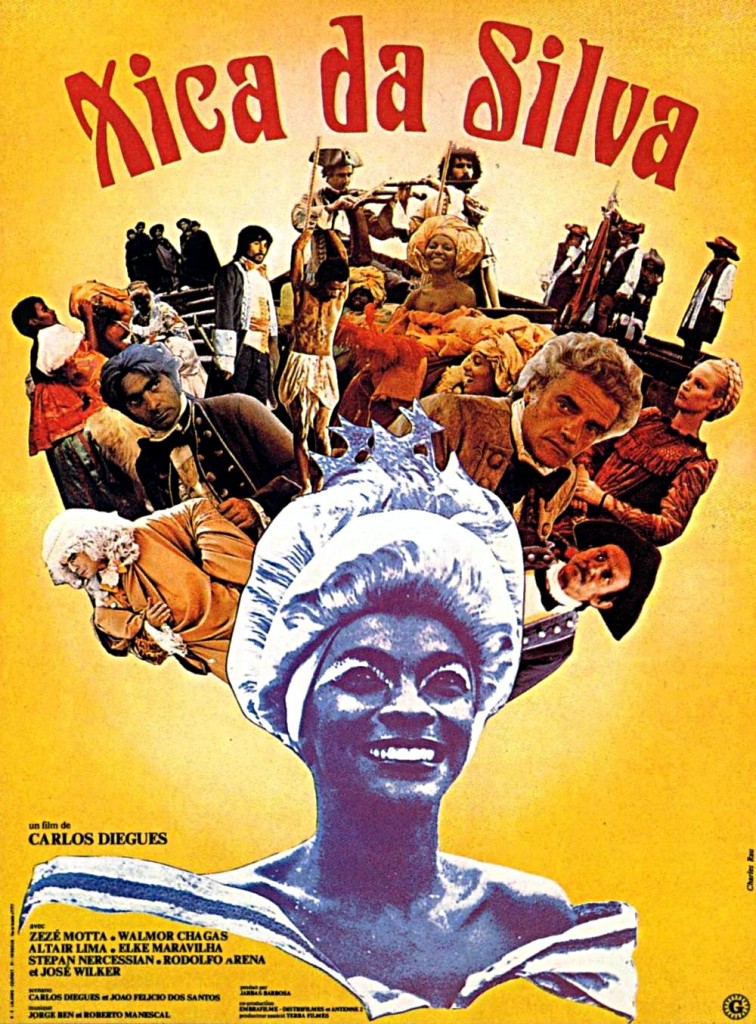
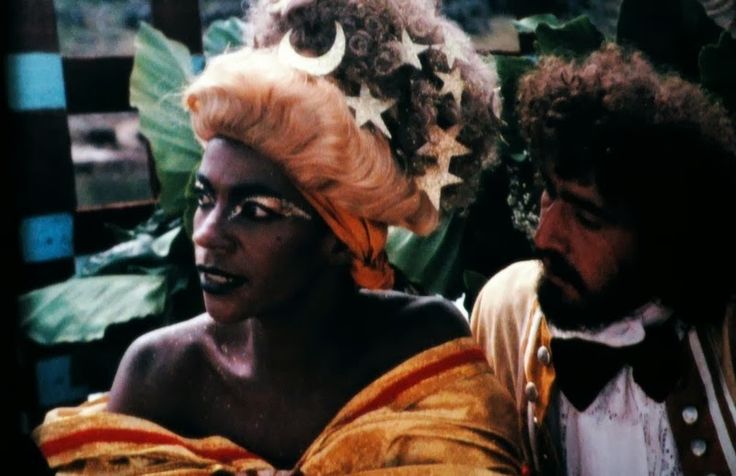
SYNOPSIS: The film “Xica” is a captivating portrayal of the novel “Memórias do Distrito de Diamantina” by João Felicio dos Santos, who interestingly plays a small role as a Roman Catholic pastor in the film. This cinematic creation presents a romanticized account of the fascinating true story of Chica da Silva, an 18th-century African slave in the state of Minas Gerais, Brazil. It delves into the intriguing dynamics as she captures the attention of João Fernandes de Oliveira, a Portuguese representative sent by Lisbon with the exclusive contract for diamond mining. The film beautifully unfolds the engaging narrative of Chica da Silva’s journey as she not only becomes João’s lover but also rises to power within Brazilian high society of that era.
Furthermore, the film adeptly showcases João’s swift integration into the web of corruption, as he readily showcases his susceptibility to bribery to the intendant and other authorities. This portrayal adds depth to the character and intricately weaves the theme of political corruption into the storyline. As the plot thickens, the repercussions of João and Xica’s excesses reach Lisbon’s ears, leading to the dispatch of an inspector to address the situation.
Notably, the character José, a political radical, enriches the narrative with his role in providing refuge to Xica, adding another layer of complexity to the intertwining storylines. Altogether, “Xica” offers a compelling portrayal of power dynamics, romance, and the intricate societal structures of 18th-century Brazil, making it a must-watch for those intrigued by historical dramas and complex human relationships.
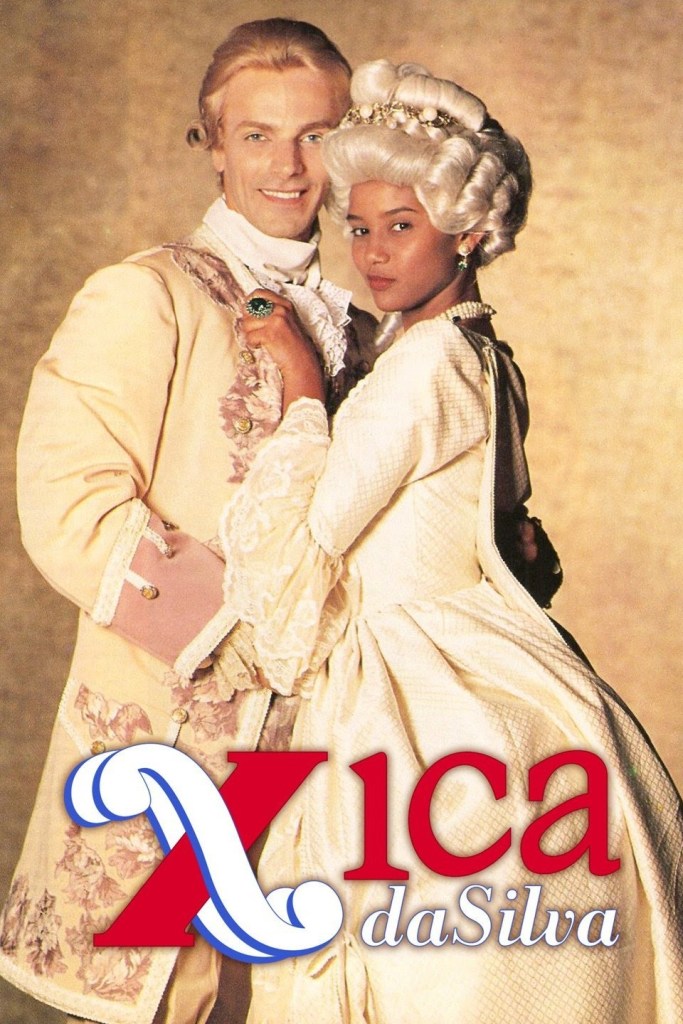
In 1996, the now defunct TV station Rede Manchete successfully adapted the film plot to the telenovela format, directed by Walter Avancini, written by Walcyr Carrasco and starring Taís Araújo as the title character. Click HERE to watch the series.
This telenovela marked the first time an Afro-Brazilian actress played the lead role on a TV show. In 2005, SBT re-aired Xica da Silva. This groundbreaking moment in television history opened doors for greater representation and diversity in the entertainment industry. The portrayal of a strong and capable Afro-Brazilian woman as the protagonist of a popular telenovela resonated with audiences and set a significant precedent for future productions. The re-airing of Xica da Silva in 2005 provided viewers with the opportunity to revisit this iconic series and witness the powerful performance of the lead actress, further solidifying the show’s place in the cultural landscape of Brazil.
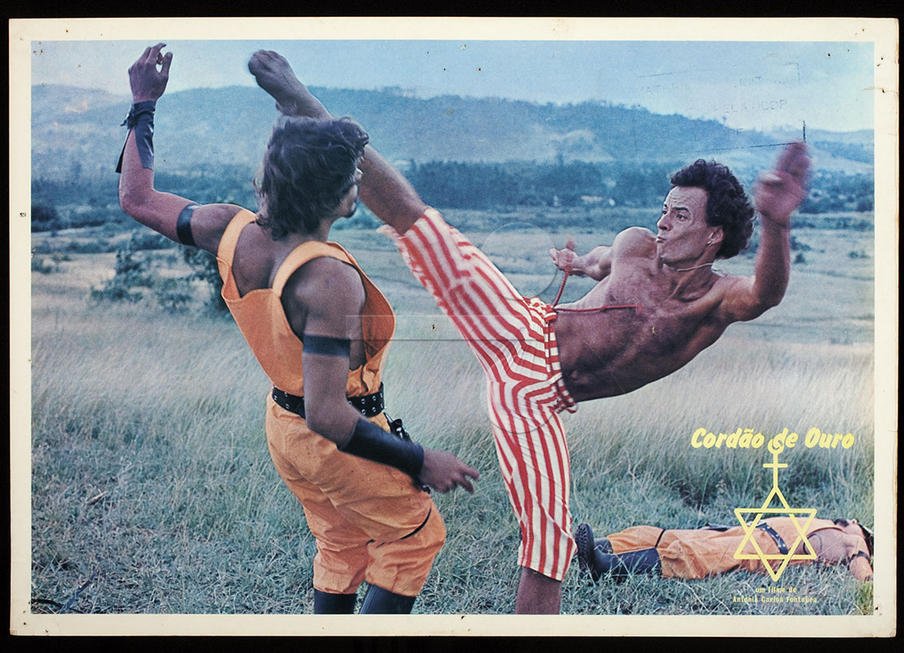
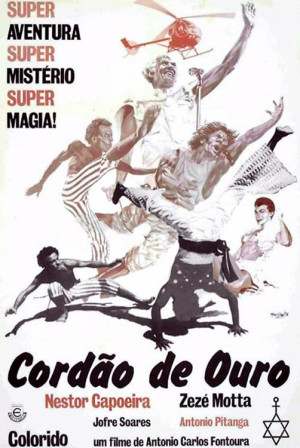
Cordao de ouro (The golden cord) is a 1976 movie from Brazil, the first Brazilian movie, I believe, that features Capoeira from beginning to end. This remarkable film provides a captivating portrayal of the art of Capoeira, a Brazilian martial art that combines elements of dance, acrobatics, and music. Set against the backdrop of rich Brazilian culture and history, Cordao de ouro showcases the beauty and power of Capoeira, offering audiences a unique and immersive cinematic experience. Through its engaging narrative and dynamic choreography, the movie not only entertains but also educates viewers about the significance of Capoeira in Brazilian society. As the first Brazilian film to showcase this traditional art form, Cordao de ouro holds a special place in the history of Brazilian cinema, paving the way for the representation of diverse cultural practices on the silver screen. With its timeless themes and captivating performances, this classic movie continues to inspire and enchant audiences around the world, making it a cherished piece of cinematic heritage.
This video has no english subtitles.
SYNOPSIS:In Eldorado, where Companhia Progresso brings together the most modern technique and primitive forms of work, Jorge, a slave from a selenium mine, manages to escape using his skill in the game of capoeira. Pursued by a bush captain helicopter, he throws himself into a waterfall, being saved by Caboclo Cachoeira. The caboclo, who was already waiting for him, takes him to Aruanda to Ogum, his protective Onixá, who teaches him the mysteries of Capoeira. Satisfied with Jorge’s expertise, Ogun gives him a protective gold cord and a mission: return to Eldorado to free his body from captivity.
Now I do have some issues with this movie, especially with this scene in particular. However, I think it’s a pretty good film, and so I included it in the list.
Jorge allies himself with the warriors of Cidade Verde and together they face the captains of the forest, who try to capture slaves. Jorge is captured in an unequal battle and taken to the Companhia do Progresso slave market. There he is bought by Dandara, ex-slave and current lover of Pedro Cem, the all-powerful head of the Company. In charge of Dandara’s personal guard. Shortly afterwards, Jorge leads a slave rebellion, but is imprisoned and sentenced to be buried alive. But, while digging his own grave, he receives a revelation from Ogun, denoting Pedro Cem and bringing freedom to his people.
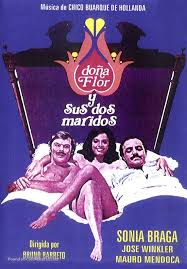
Dona Flor and Her Two Husbands (Portuguese: Dona Flor e Seus Dois Maridos) is a 1976 Brazilian comedy film directed by Bruno Barreto. Based on the 1966 novel of the same name by Jorge Amado, it takes place in 1940s Bahia and has Sônia Braga, José Wilker and Mauro Mendonça in the leading roles. The screenplay was adapted by Barreto, Eduardo Coutinho and Leopoldo Serran.
When initially released, Dona Flor became the most successful film in Brazilian history. Internationally, the film received nominations for a Golden Globe and a BAFTA Award.
In 1982, an American remake titled Kiss Me Goodbye starred Sally Field, James Caan, and Jeff Bridges in the leading roles. A 2017 remake starred Juliana Paes, Leandro Hassum and Marcelo Faria and was directed by Pedro Vasconcellos.[
Below is a trailer for this movie with English subtitles. This captivating film promises to take you on an unforgettable journey filled with emotion, drama, and thrilling moments. If you want to watch it for a small price, click HERE to enjoy this cinematic experience that has already garnered rave reviews from audiences and critics alike. Don’t miss out on the chance to explore the depths of its story and characters!
SYNOPSIS: Vadinho (José Wilker), Flor’s irresponsible husband, drops dead while dancing in a street carnival party. Only Flor (Sônia Braga) expresses remorse after his death. Flor’s friends and family see Vadinho’s death as a chance for Flor to find happiness after the misery brought upon her by Vadinho’s spendthrift ways and near-total lack of respectability.
Roughly the first half of Dona Flor recounts Flor’s marriage with Vadinho in an extended flashback. What is made clear is that Vadinho was a great lover who admired his wife’s respectability, but enjoyed protracted foreplay until she begged him to continue. Not only was he generally an inattentive husband who would rather go to the casinos and whore houses, but he beat Flor and stole the savings she made from her cooking school. Despite this, he changed a formerly inhibited girl into a wife who experienced carnal joy regularly. Click HERE to watch one of my favorite scenes.
The second half of Dona Flor involves Flor’s meeting the respectable but extraordinarily dull pharmacist Teodoro (Mauro Mendonça), his courtship of her, and her marriage to him. Flor’s friends consider Teodoro the exact opposite of Vadinho. Teodoro belongs in superior circles within Bahia’s society, dresses elegantly, and treats Flor like a lady. What Flor’s friends do not know is that Teodoro is also the opposite of Vadinho in one more respect: in bed, Teodoro is as lacking as Vadinho was accomplished. Flor finds herself unfulfilled, and wishes for her late husband to return.
On the anniversary of Vadinho’s death, Vadinho reappears to Flor in the nude and explains that she called him to “share her bed” with him. Only Flor can see and hear the nude spirit of Vadinho, but he still manages to create chaos through his spiritual presence at casinos. She protests because she is now remarried and has pledged to be faithful to Teodoro, but after Vadinho laughs during Teodoro’s pathetic attempts at love-making that night, Flor gives in and lives happily with both husbands. The last two shots depict Flor in her new marital bliss. A shot toward the end of the film shows Teodoro lying in bed next to Flor, who kisses him on the cheek. The camera then pans to the left to show Vadinho on Flor’s other side and she kisses him on the cheek too. Then (presumably the next day) as a large crowd exits Sunday Mass, we see Flor linking arms with both Teodoro and Vadinho, the latter of whom is completely in the nude without shame. Flor is seen to be very content.
Okay, that’s the end of this page… more on the NEXT page.







 Jogo Corpo Fechado