
Hi Family!
Welcome to Part 2!
Capoeira has not only become prominent on social media, showcasing its dynamic movements and attracting global audiences, but it has also emerged as a cultural phenomenon that bridges traditional art forms with modern expression. This Afro-Brazilian martial art, blending dance, acrobatics, and music, captivates audiences with its rhythm and fluidity, drawing in participants from diverse backgrounds who seek to learn its intricate techniques. With a strong online presence facilitated by engaging videos and comprehensive tutorials, enthusiasts share their journeys, demonstrating the accessibility and joy of Capoeira practice.
On this page, I’ve included a curated list of movies and various other elements that beautifully highlight the richness of Capoeira along with the vibrant tapestry of Afro-Brazilian culture, inviting you to explore and appreciate this unique art form in greater depth.
Now, lets begin with my FAVORITE brazilian movie, and it’s spinoff…

City of God (Cidade de Deus), a 2002 Brazilian epic crime film directed by Fernando Meirelles and Kátia Lund, is adapted from the 1997 novel by Paulo Lins and portrays the rise of organized crime in the Rio de Janeiro suburb of Cidade de Deus from the late 1960s to early 1980s. This film intricately weaves the stories of various characters, illustrating how their lives are intertwined with the violent realities of their environment. The film features a cast of actors, many of whom were residents of favelas, lending authenticity to the performances and capturing the essence of the community’s struggles and triumphs. It received critical acclaim with four nominations at the 76th Academy Awards, including Best Cinematography and Best Director, highlighting the filmmakers’ remarkable visual storytelling and innovative use of narrative structure. In 2015, it was ranked 8th among Brazil’s 100 greatest films by the Brazilian Film Critics Association, a testament to its enduring impact on cinema and culture. Following its success, Meirelles and Lund created the City of Men TV series (See below) and its 2007 film adaptation, further exploring the themes of adolescence and survival in the face of socio-economic challenges, and solidifying their legacy in the portrayal of Brazilian narratives in film.
I couldn’t find this film on YouTube, so here’s a few clips, along with a detailed character analysis of the main villain, Ze Pequeno (Lil Ze), whose complex personality and chilling motivations make him one of the most memorable antagonists in modern cinema. His rise to power and the intricate web of relationships he navigates reveal much about his character’s depth.
If you want to watch the full movie for a small price, click HERE and dive into the gripping narrative on AMAZON PRIME, where you can fully appreciate the storytelling and performances that make this film a standout.
SYNOPSIS:
This time, rather than write up a long boring synopsis you probably don’t want to read, which can often feel like a chore, I thought I’d post up one you can watch instead, allowing you to immerse yourself in the visuals and narrative without slogging through excessive text. This way, you can experience the essence of the story in a much more engaging and entertaining manner.
There’s sooo much I can say about this film, from its impactful storytelling to the incredible performances of the cast; it has left a lasting impression on audiences around the world. The way the characters are developed draws viewers in, making them feel connected and emotionally invested in their journeys. Each scene is thoughtfully crafted to evoke specific feelings, which enhances the overall experience. Furthermore, the cinematography and score work in harmony to elevate the narrative, creating a mesmerizing atmosphere that captivates attention. However, I think I posted enough about the film itself in previous discussions.
Now, I want to show you this short film, which beautifully encapsulates some of the themes explored in the feature, providing yet another layer of appreciation for this cinematic art form.
Released in September 2022, the short film “Buscapé – Back to the City of God” is a remarkable collaboration between Telefónica Vivo and Motorola, creatively brought to life by the talented team at VMLY&R. This film stands out as the only official sequel to the critically acclaimed “City of God,” showcasing the same exceptional production team that contributed to the original film’s success. Directed by the renowned Fernando Meirelles, the narrative intricately follows Buscapé, a former photography enthusiast who has transitioned into a dedicated photojournalist. Armed with Motorola’s cutting-edge smartphone and the power of 5G connectivity, he embarks on a mission to expose the alarming issue of animal trafficking that plagues his community. Through his lens, audiences are invited to delve deep into the harsh realities and compelling stories that unfold within the City of God, revealing not just the struggles but also the resilience and spirit of its inhabitants. This film not only serves as a sequel but also as a poignant reminder of the social issues that persist, capturing the essence of life in this vibrant yet challenging environment.
I also want to shine a light on this fascinating “reunion” documentary that they made 10 years after the film was launched. This documentary not only explores behind-the-scenes moments but also delves into what the actors and crew have been doing since that time. It features heartfelt interviews, nostalgic reflections, and some surprising revelations that will definitely resonate with long-time fans. I believe it’s a wonderful way to celebrate the film’s legacy and provide new insights that enrich the viewer’s experience. Click HERE to watch it.
City of God is a major success in Brazilian cinema, winning numerous awards, including 4 Oscar nominations, and being recognized by Time Magazine, The Guardian, and Rolling Stone as one of the greatest films in history. This critically acclaimed film not only captivated audiences with its powerful storytelling and unique cinematography but also offered a stark portrayal of life in the slums of Rio de Janeiro, making it a landmark piece that resonates with viewers worldwide. Recently, it became the second most-watched foreign film globally, with a 14-minute short film receiving over 1 million hours watched and an astonishing 310 million impacts across various digital platforms. The film’s compelling narrative and rich character development have contributed significantly to its enduring popularity and cultural impact. Due to this success, a continuation has been confirmed as a series of short stories on HBO Max, anticipated to explore new narratives while revisiting familiar characters, thereby enriching the universe established in the original film and ensuring that the legacy of City of God continues to thrive and inspire future filmmakers and audiences alike.
Now, there is a sequel series titled City of God: “The Fight Rages On”, which follows Wilson “Rocket” Rodrigues two decades after the original 2002 film, as he pursues his dream of becoming a photojournalist. Through his lens, he captures the harsh realities of life in the favela, documenting the ongoing conflicts involving not just drug dealers, but also police, militiamen, and corrupt politicians. Click HERE to watch the trailer.
Each episode delves deeper into the complexities of these relationships, illustrating the devastating impact on the residents’ lives while highlighting their resilience and hopes for a better future. As Rocket navigates this dangerous landscape, he struggles with the moral dilemmas of his role as an observer and a participant in the stories he tells, showcasing the intricate tapestry of human experience amidst chaos and violence. This journey not only challenges him personally but also compels him to reflect on the broader societal implications of the struggles he documents. Through intimate interviews and harrowing firsthand accounts, he uncovers the layers of despair and determination that characterize the human spirit, revealing how the intertwining stories of loss, love, and survival paint a vivid picture of what it means to endure in the face of adversity. As he grapples with the weight of these narratives, Rocket becomes increasingly aware that every moment he captures serves as a testament to the indomitable strength of those who refuse to be defined solely by their circumstances, underscoring the profound impact of storytelling in bridging the gap between disparate lives.
Now this movie, based on real events, focuses on the favela “Cidade de Deus” (City of God) in Rio de Janeiro, a vibrant yet tumultuous backdrop that has captivated audiences worldwide. Youtuber Gylêy Noir ventures into this dangerous area, documenting daily life and local stories that emphasize resilience and dreams, capturing the essence of a community that thrives despite the adversities it faces.
Through his lens, he reveals not only the harsh realities of life in the favela but also its rich culture, deep-rooted traditions, and the unyielding hope of its residents. He connects with local rappers who share their struggles and creative processes while pursuing success through music, showcasing the genuine spirit of the community, as they use their art to express their experiences, convey their messages, and inspire others to rise above their circumstances. As Gylêy immerses himself in these narratives, he highlights the power of storytelling and creativity, serving as a bridge between worlds that often remain unseen and unheard, and capturing the vibrant energy that pulsates through the streets. The rhythm of the music intertwines with the sounds of daily life, painting a vivid picture of resilience and passion.
Gylêy also explores the profound connections forged between artists and their audiences, revealing how each note is a testament to enduring dreams and aspirations, illustrating how these musicians navigate their environments and foster a sense of unity among their peers. Through this lens of artistic expression, the struggles faced by the community can be seen as a collective narrative, embodying the hope and determination of those who refuse to be defined solely by their circumstances, ultimately creating a tapestry of voices that resonate far beyond the boundaries of the favela.

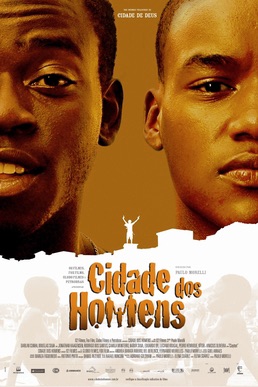
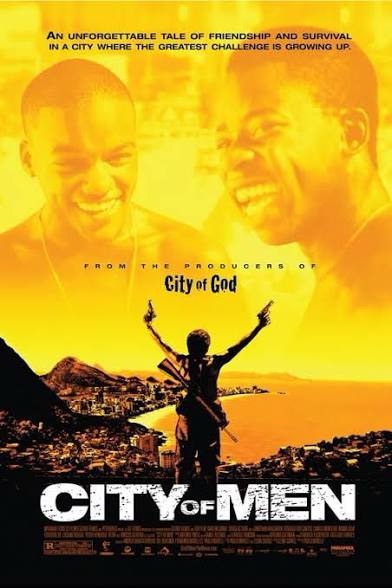
Now like I “typed” before, following the success of City of God, Meirelles and Lund created the CITY OF MEN TV series and its 2007 film adaptation, further exploring the themes of adolescence and survival in the face of socio-economic challenges. This narrative not only delves deeply into the lives of young men navigating the harsh realities of life in the favelas but also highlights the complexities of friendship and loyalty amidst struggles.
The series, acclaimed for its authentic portrayal of everyday life and the challenges faced by the youth, set a new standard for Brazilian storytelling on screen, solidifying their legacy in the portrayal of Brazilian narratives in film while also sparking discussions about social issues that continue to resonate today.
Below, is the movie adaptation for City of Men. With an engaging plot and rich character development, this film offers viewers an authentic glimpse into the lives of its protagonists. You can watch the movie for a small price by clicking HERE and immersing yourself in this unforgettable journey filled with emotional highs and lows that resonate long after the credits roll.
SYNOPSIS:
Best friends Ace and Wallace, who grew up side by side in the vibrant yet perilous favelas of Rio de Janeiro without their fathers, find themselves thrust into the harsh reality of a gang war as they approach their eighteenth birthdays. The onset of adulthood brings not only the thrill of newfound freedom but also the weight of their past. During this tumultuous time, Wallace encounters his estranged father, Heraldo, a parolee striving to reintegrate into society, but their brief reunion quickly spirals into chaos when he witnesses Heraldo’s abrupt arrest for past misdeeds.
As secrets unravel, Ace and Wallace learn that their fathers, once close friends, were intertwined in a dark history, with Heraldo’s actions leading to the tragic death of Ace’s father during a robbery gone wrong. This shocking revelation weighs heavily on both, as they uncover layers of deceit that had remained buried for years. Confronted with these facts that threaten to shatter their bond, the two friends grapple with feelings of betrayal and confusion, struggling to comprehend how long they have been oblivious to the truth lurking beneath their friendship.
Memories of shared laughter and adventures now feel tainted by the ominous shadows of their fathers’ past. Ultimately, after deep reflection on their precarious circumstances and the profound impact this knowledge has on their lives, they make the difficult decision to leave “the Hill,” seeking a path towards a more responsible and hopeful life. With heavy hearts, they are determined to rise above the shadows of their past, vowing to create a new narrative for themselves, free from the chains of history that once bound their families together.
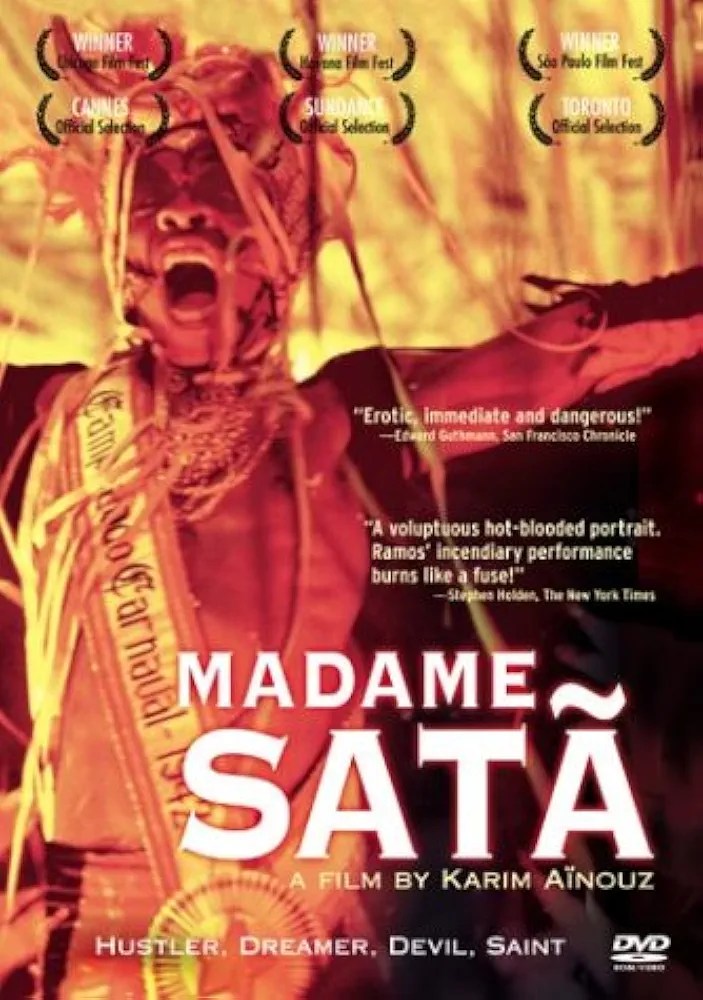
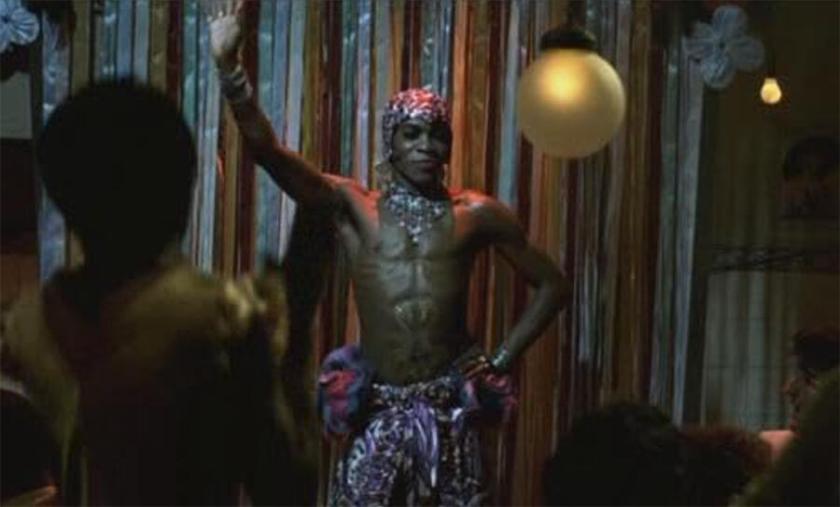
Madame Satã is a compelling 2002 Brazilian biographical crime drama film that delves into the tumultuous life of the iconic real-life figure, João Francisco dos Santos. Directed by Karim Aïnouz, the film offers a non-linear and evocative portrait, rather than a strictly factual account, of a man who became a legend in the bohemian underbelly of Rio de Janeiro.
The narrative centers on João Francisco dos Santos, a marginalized and often volatile figure who navigated the harsh realities of poverty, racism, and homophobia in mid-20th century Brazil. Born in the notorious favela of Lapa, his journey is one of radical self-invention. He was not only an acclaimed street performer and master of capoeira but also a fiercely unapologetic transvestite and criminal. The film chronicles his transformation, charting his rise from a struggling hustler to the flamboyant, powerful stage personality known as Madame Satã, a name he adopted after being inspired by Cecil B. DeMille’s 1930 film Madame Satan.
Central to the film’s success is the electrifying and highly praised performance by Lázaro Ramos in the titular role. Ramos masterfully captures the character’s complex duality: the raw aggression and survival instinct necessary for the streets, contrasted with the theatrical flair and yearning for acceptance that defined his stage persona. His portrayal vividly brings to life João’s struggle for identity and recognition in a society determined to reject him.
Madame Satã is widely regarded as a significant work of Brazilian cinema, praised for its powerful aesthetics, raw energy, and its unflinching look at themes of marginalization, sexual identity, and artistic expression. It solidified Karim Aïnouz’s reputation as a major international director and remains a vital cultural document exploring the life of one of Brazil’s most audacious and unforgettable personalities.
Please Note: Due to the age-restricted nature of the original feature film, the content is not embeddable on this page. However, you can experience Madame Satã in its entirety by clicking HERE.
This movie is in Portuguese, so you might want to check out the synopsis below, before watching the movie.
For those interested in the historical figure who inspired the movie, the notorious street legend, capoeira master, and performer, you can learn more about the real-life Madame Satã by clicking HERE.

SYNOPSIS: A Life on the Margins
The film meticulously reconstructs the atmosphere of the bohemian Lapa district of Rio de Janeiro during the 1930s, a hub of nightlife, music, and the city’s underbelly. The narrative is not a straightforward cradle-to-grave biography but focuses intensely on the pivotal period just before João Francisco dos Santos fully embraces his celebrated, gender-defying stage persona.
João’s Complex Identity:
João is portrayed as a multifaceted and volatile character, a study in contradictions. He is simultaneously:
- A fierce street fighter known for his explosive temper and physical prowess.
- An erstwhile chef, capable of domesticity and care.
- An ex-convict, bearing the stigma of a life often in conflict with the law.
- An openly homosexual man, navigating a deeply homophobic society.
- The patriarch of a self-formed, surrogate family of social outcasts.
The Surrogate Family:
His emotional center is this chosen family, consisting of individuals also living on the fringes:
- Laurita: A pragmatic sex worker who serves as his closest confidante.
- Her Baby Daughter: An innocent presence that brings a surprising tenderness to João’s tough exterior.
- Tabu: A young, ambitious hustler whom João takes under his wing, representing a complex blend of mentorship and desire.
The Narrative Arc: A Portrait of Visceral Struggle and Transcendent Ambition
The film’s structural approach eschews conventional, linear biography, opting instead for a highly impressionistic and visceral narrative. This technique immerses the audience directly into the raw, often brutal, and deeply textured reality of João Francisco dos Santos’s daily existence in Rio de Janeiro. His life is portrayed as a relentless gauntlet, a constant, grinding struggle against systemic forces and personal demons.
Central to this harsh depiction are his unyielding struggles with poverty, which are not merely a backdrop but an active, suffocating force shaping every decision and interaction. The narrative emphasizes the physical and psychological toll of perpetual destitution, the desperation fueling his drive, and the casual cruelty of a society that marginalizes him.
Equally pervasive are his frequent and violent run-ins with the prejudiced police force. As a poor, Black, and openly queer man in 1930s-1940s Rio, João is a perpetual target of police brutality and institutionalized homophobia. These confrontations are not episodic; they are a fundamental, cyclical part of his survival, illustrating the constant threat of incarceration and violence that defines his existence outside the law. These interactions underscore the social and political oppression that Madame Satã, the persona, would ultimately transcend.
Counterbalancing this bleak reality is the relentless inner drive fueling his ambition. This internal fire manifests as a fierce desire to become a cabaret star. This dream of artistic and public performance is far more than a simple quest for fame or financial security; it represents a profound, almost spiritual need for recognition, dignity, and self-expression. The stage, with its transformative power, is the only space where João can fully inhabit his identity, a sanctuary where the marginalized man can become the magnificent, unapologetic Madame Satã. This ambition is the film’s beating heart, the force that allows him to endure the constant degradation and violence.
The Climax of Transformation:The film builds towards the moment of metamorphosis. It culminates in the charged scene where João takes on the stage name “Madame Satã,” inspired by the title of the famous 1932 Cecil B. DeMille film, The Sign of the Cross, which featured a character named Madame Satan. This embrace of the stage name marks the beginning of his performances in a local club. The film masterfully captures this journey of self-discovery and radical expression in a social environment that systematically marginalizes people of color and punishes those who defy conventional sexual and gender norms. Madame Satã is ultimately a powerful testament to the resilience and defiant glamour of an outsider carving out his own legendary space in the world.
Okay, these next group of videos are a small series of beautiful low-budget movie that I found on YouTube, showcasing incredible storytelling and creativity despite their limited resources. These films prove that talent knows no budget, as the filmmakers have crafted captivating narratives that can resonate deeply with audiences.
It’s truly inspiring to see how they utilize innovative techniques and imaginative concepts to deliver a memorable viewing experience, inviting us to appreciate the art of filmmaking in its purest form.
This 1st movie is FIGHT DANCE SING: a Capoeirista’s story. I’m not gonna type out some fancy synopsis here, just post up the original video description from YouTube.
This film was produced with a 0$ budget to gain investor interest in the following films. Share if you dig!
Directed & Written by Kamal Robinson(ReDef.) ReDeffilms@gmail.com / fightdancesing
FightDanceSing.com
FiGHT DANCE SiNG: A Capoeirista’s story, is a fun, first of its kind “online movie”, centered around the action packed fast changing life of New York city native Junie Lachman. Junie is reaching the point in his life where just surviving day by day isn’t cutting it. But it takes life’s own special blend of events to force him to do something about it. Junie is forced to face death, deal with an unexpected house guest, and fight for his life. The only thing that “holds him down” through it all is his passion for the urban martial art of Capoeira.
The film is written and directed by Will Smith’s Mentee and former on-set assistant, Kamal Robinson(I AM LEGEND, HANCOCK). The film also features HIp-Hop’s own classic figure Dres(Black Sheep) as the film’s main antagonist.
The film has a rocking’ original hip-hop soundtrack produced by Eli Brame, Ayo, the Killer Kidz and more.
Thank you/Obrigado/Merci/Gracias
Capoeira Movie
This next film is called Se Safando. Once again, I’m just posting the original YouTube description here.
A Bahia Love story. Shot entirely in Salvador, Bahia in 2005. Featuring Capoeira Angola. The music of Gilmar Gomes. Starring Miralva Melo Swaby, Taganyahu Swaby, Jorge Conceicao amongst others
NO TEMPO DO MEU PAI
Paulo Cigano desde pequeno dedicou-se a capoeira. O preconceito que seu pai tinha sobre essa arte fez o jovem capoeirista passar alguns anos morando na rua , agora seu pai esta’ morrendo e ele vai ter que encarar velhas feridas.
(Paulo Cigano dedicated himself to capoeira from a young age. The prejudice his father had against this art caused the young capoeirista to spend several years living on the streets; now his father is dying, and he will have to confront old wounds).
There are no English subtitles in this video
Now this little gem of a short film is my favorite.
There’s no description or fancy synopsis to this story, so I’ll tell you what I get out of this narrative.
I see a Capoeirista who’s hit some bumps in his life, as we all do, navigating them through the art of Capoeira, a vibrant expression that blends physical prowess with deep cultural roots.
It’s not just about the kicks and spins; it’s about resilience, community, and the pursuit of harmony in the face of challenges. Truly, the games we play inside the Roda are a reflection of the world outside the Roda—mirroring our struggles, triumphs, and the connections we forge with one another. Each encounter in this sacred circle teaches us invaluable lessons, where every movement is steeped in tradition and every interaction is laced with mutual respect. “LISTEN TO THE BERIMBAU.” It may appear as a cliché of some Zen-Yoda bulls&&t to outsiders, but for us capoeiristas, it’s real; it serves as a reminder to be present, to feel the rhythm of life, and to channel our experiences, both joy and sorrow, into every movement we make.
This deep resonance with the berimbau goes beyond mere sound; it embodies the spirit of our community, urging us to embrace the ebb and flow of our journeys while cultivating a profound sense of belonging and purpose that transcends the boundaries of the Roda itself, ultimately uniting us in our shared human experience.
FAVELA RISING

Favela Rising is a 2005 documentary film by American directors Jeff Zimbalist and Matthew Mochary. It was produced by Sidetrack Films and VOY Pictures. It debuted at the Tribeca Film Festival on April 24, 2005, where it won the award for Best New Documentary Filmmaker for Zimbalist and Mochary. The film’s look at life in Brazil‘s slums won it further awards such as Best Documentary Film from the New York Latino Film Festival and Best Feature Documentary from Big Sky Documentary Film Festival. The film has won over twenty-five international festival awards and was short-listed for an Oscar.
Click HERE to watch this movie on Amazon Prime, for a small price.
SYNOPSIS: FAVELA RISING highlights Anderson Sá’s impactful work with Grupo Cultural AfroReggae, a transformative movement aimed at improving the lives of young people in marginalized communities through the powerful mediums of music and education. The group provides an inclusive space for various musical genres, which not only fosters creativity and self-expression but also encourages collaboration among the youth, leading to a rich tapestry of cultural exchange. Through engaging workshops, AfroReggae offers holistic education that encompasses both artistic development and essential life skills, equipping participants with the tools they need to thrive. By promoting community, empowerment, and positive relationships, AfroReggae seeks to prevent gang involvement and drug use among young people, focusing on fostering resilience and hope. Their initiatives aspire to create a significant cultural shift, paving the way for brighter futures and improved opportunities for youth within their communities, ultimately aiming to inspire a new generation that believes in their potential and the power of collective growth.

UMBANDA: OFFERINGS OF FAITH
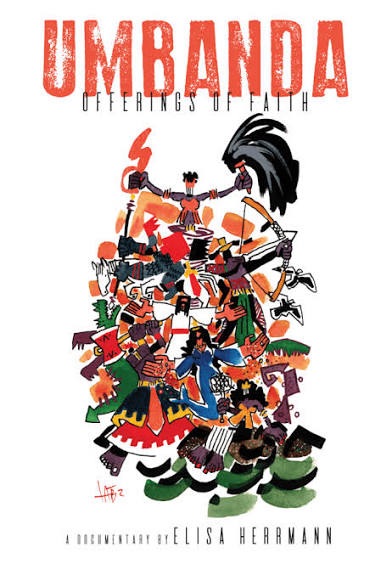
This documentary explores the fascinating origins and diverse practices of Umbanda, a vibrant syncretic religion founded in 1908 in Rio de Janeiro by the visionary Zélio Fernandino de Moraes. The film delves deep into the historical context that gave rise to this unique faith, highlighting how it embodies a blend of African, European, and Indigenous spiritual traditions.
It includes a rich array of interviews with devoted practitioners, as well as knowledgeable scholars, showcasing the faith’s profound cultural heritage and its evolving nature. Viewers will gain insight into the rituals, ceremonies, and community dynamics that characterize Umbanda, providing a comprehensive understanding of its significant role in both spiritual and social contexts. This exploration not only emphasizes the personal experiences of followers but also underscores the ongoing impact of these diverse influences on the religion today. Through in-depth discussions, the documentary illustrates how traditions are passed down through generations and adapt to contemporary challenges, thereby ensuring that Umbanda remains relevant in modern society. Interviews highlight the interweaving of African, Indigenous, and European spiritual elements, fostering a unique tapestry of beliefs that enrich the cultural fabric of Brazil. Additionally, the program delves into the challenges faced by practitioners, including misconceptions and societal stigma, while celebrating the resilience and devotion of those who adhere to this vibrant faith.

Marighella

Marighella is a 2019 Brazilian political thriller directed by Wagner Moura, based on the life of Carlos Marighella, a prominent politician and guerrilla fighter who fiercely opposed the Brazilian military dictatorship during a turbulent period in the nation’s history.
Click HERE to watch this movie on Amazon Prime.
The film intricately explores Marighella’s ideologies and actions, capturing the essence of his struggle for justice and democracy in Brazil during a period marked by political upheaval and social inequality. It is adapted from Mário Magalhães’ comprehensive biography Marighella – O Guerrilheiro que Incendiou o Mundo, which delves deep into Marighella’s life and legacy, providing a nuanced portrait of his character and shedding light on the complexities that defined his existence as a revolutionary leader. This cinematic endeavor not only highlights significant historical events but also serves as a poignant reminder of the persistence of authoritarianism, making it particularly relevant in today’s political landscape, where challenges to democracy remain prevalent across the globe. Furthermore, it marks Moura’s directorial debut, showcasing his unique vision and storytelling prowess in a compelling narrative that resonates with audiences both in Brazil and around the world, inviting viewers to reflect on the cyclical nature of history and the ongoing struggles for freedom and justice that continue to shape societies today.
Seu Jorge plays Carlos Marighella. The film also features Adriana Esteves, Bruno Gagliasso and Humberto Carrão

Mandinga em Manhattan
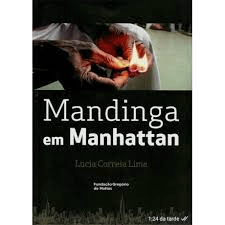
“Mandinga in Manhattan”: A Global Journey of Capoeira
“Mandinga in Manhattan,” a compelling 2004 Brazilian documentary directed by Lucia Correia Lima, provides an insightful exploration into the transnational expansion of the Afro-Brazilian art form of Capoeira. The film specifically focuses on the art’s powerful presence and establishment in one of the world’s most competitive cultural landscapes: New York City.
The documentary masterfully traces the trajectory of Capoeira’s spread, chronicling its journey from its historical roots in Bahia, Brazil, to its current status as a globally recognized practice. The director, Lima, puts forth a profound central argument: that Capoeira’s survival and subsequent flourishing—especially in foreign environments lacking official governmental or institutional support, such as the vibrant cultural melting pot of Manhattan—was anything but a mere accident. This resilience and successful proliferation, Lima posits, was intrinsically linked to the concept of “mandinga.”
“Mandinga,” in this context, refers to the spiritual protection and path-opening ritual from the Afro-Brazilian religion Candomblé, performed to the Orixás (deities). The film suggests that this spiritual force, a deep-seated cultural element, was the silent, powerful engine that allowed Capoeira to endure periods of intense historical repression in Brazil and subsequently thrive internationally. A prime example highlighted is the successful operation of one of the most authentically Brazilian Capoeira academies in New York for over a decade.
To provide this comprehensive narrative, the documentary boasts extensive and meticulous production, with filming conducted across a wide array of significant locations. In Brazil, the crew documented the art form in its cradle, Salvador and the Recôncavo Baiano, as well as in major cultural centers like São Paulo and Rio de Janeiro. The global expansion is captured through footage shot across the United States, including major cities such as Chicago, Las Vegas, and Los Angeles, and within academic institutions like Notre-Dame, the University of Michigan, and New York University, underscoring Capoeira’s growing acceptance in both popular and scholarly environments.
The film’s richness is further enhanced by its use of meticulous iconographic research and rare archival footage. This material serves to powerfully illustrate the complex historical origins of Capoeira—its creation as a dance-fight form by enslaved Africans—and its subsequent evolution up to the early 21st century. By weaving these visual threads together, “Mandinga in Manhattan” compellingly demonstrates how this unique, syncretic art form has managed to permeate even the most geographically and culturally remote corners of the world.
The narrative of the documentary is primarily driven by the personal accounts and profound wisdom of prominent figures within the Capoeira community. The film features in-depth interviews with some of the most revered and influential active Capoeira masters of the era, who serve as the key storytellers. This esteemed roster includes:
- Mestre João Grande (based in New York)
- Mestre João Pequeno
- Mestre Camisa
- Mestre Suassuna
- Mestre Acordeon
- Mestra Alabama
- Mestre Cobra Mansa
Complementing the masters’ experiential knowledge, the documentary incorporates expert contributions from a diverse group of scholars, researchers, and public figures. These interviews are crucial in providing a broader historical, sociological, and cultural context for the subject. Notable contributors include the renowned musician and former Minister of Culture Gilberto Gil, historian Ubiratan Castro, academic Dr. Decânio, and researcher Carlos Eugênio Líbano Soares, ensuring the film delivers a comprehensive, multi-faceted understanding of Capoeira’s history, cultural significance, and enduring global legacy.
 Jogo Corpo Fechado