

Capoeira Angola, an art form rich in history and cultural significance, stands as a testament to the enduring legacy of Afro-Brazilian heritage. Its origins are deeply intertwined with the experiences of enslaved Africans in Brazil, who developed Capoeira as a means of self-defense, resistance, and cultural expression. Drawing upon diverse influences, Capoeira Angola seamlessly blends elements of African martial arts, intricate dance movements, and soul-stirring music, creating a multifaceted practice that transcends mere physical exertion. The rhythms of the berimbau, atabaque, and pandeiro are not merely accompaniment; they are the heartbeat of the roda, guiding the movements and narratives of the practitioners. Each instrument contributes to a complex soundscape that reflects the emotional depth and historical weight of the art.
In recent years, Capoeira Angola has experienced a global resurgence, transforming from a historically marginalized practice into a respected art form embraced by communities worldwide. This renaissance signifies a renewed appreciation for its profound cultural value and its capacity to connect individuals to a rich and vibrant past. As it gains international recognition, it becomes even more crucial to safeguard the authenticity and traditional practices that define Capoeira Angola. This includes preserving the intricate techniques, the philosophical underpinnings, and the oral traditions that have been passed down through generations.
Looking ahead, the future of Capoeira Angola lies in a delicate balance: honoring its foundational traditions while simultaneously embracing innovative approaches and fostering global collaborations. This means exploring new pedagogical methods that ensure its accessibility and appeal to a broader audience, without compromising its core essence. It also involves engaging in cross-cultural dialogues and partnerships that allow for the exchange of knowledge and the enrichment of the art form, while respecting its origins. The goal is to ensure Capoeira Angola’s continued relevance and vitality for generations to come, allowing it to evolve and adapt without losing its soul.
To truly understand and navigate this future, we must embark on a comprehensive journey into its past, meticulously unraveling the intricate tapestry of events that have shaped its existence. From its earliest, clandestine beginnings as a form of resistance among enslaved communities, to its evolution into a recognized cultural phenomenon, each twist and turn has left an indelible mark. These historical threads illuminate the subtle and profound ways in which Capoeira Angola has been influenced and transformed.
By peeling back the layers of time, we gain a deeper understanding of the socio-political forces at play and the motivations driving its continuous evolution. Key historical milestones, such as the abolition of slavery in Brazil, the suppression of Capoeira, and its eventual legalization, have all played pivotal roles. Cultural shifts, including the influence of various African ethnic groups and indigenous Brazilian practices, have enriched its forms and philosophies. Societal changes, from colonial oppression to the modern-day quest for cultural identity, have shaped its purpose and expression. These elements have often intertwined in unexpected ways, creating a dynamic and resilient art form.
Throughout its history, key figures have emerged—visionaries and masters who championed ideas that resonate across generations. These masters, or mestres, not only preserved the physical techniques but also acted as custodians of its history, philosophy, and ethical codes. Their dedication and resilience in the face of adversity were instrumental in ensuring Capoeira Angola’s survival. Challenges and adversities, including periods of persecution and attempts to dilute its cultural significance, have continuously demanded resilience, adaptation, and unwavering commitment from its practitioners.
Only by thoroughly examining this complex past can we hope to grasp the full significance of its current state—its global reach, its educational impact, and its role in fostering community and identity. This deep historical understanding allows us to envision its potential future, creating a blueprint that not only honors its profound legacy but also inspires us to navigate the complexities and opportunities that lie ahead, ensuring Capoeira Angola’s enduring place as a powerful and transformative art form.

Danca da guerra is a captivating documentary that delves into the rich historical, folkloric, and touristic aspects of Brazilian culture, particularly in the context of the lives of Black people during the monarchy and slavery in Brazil. The film is a vibrant celebration of traditional choreography, intricately intertwined with characteristic songs that vividly depict the experiences and struggles of the individuals working in a mill during this tumultuous period of history.
This enthralling documentary explores a tapestry of cultural elements, incorporating the rhythms and movements of batuque, the soulful expressions of samba, and the rhythmic intensity of capoeira. These integral components of Brazilian heritage infuse the documentary with a pulsating energy that mirrors the resilience and vitality of the people it represents.
Moreover, Danca da guerra skillfully weaves in scenes that vividly portray everyday life, breathtaking landscapes, and iconic monuments in the ancient city of Salvador, Bahia. These visuals transport the audience to a bygone era, offering a glimpse into the vibrant tapestry of traditions and the enduring spirit of the people of Salvador.
The documentary serves as a poignant reminder of the indomitable human spirit, as well as an invaluable exploration of Brazil’s cultural legacy, making it a must-see for anyone drawn to the captivating history and traditions of this diverse nation.
This video has no english subtitles.
TJ Desch-Obi’s observation brings to light an intriguing aspect of the art of capoeira, shedding new light on the historical integration of weaponry and combat techniques. The portrayal of knife strikes by the illustrious masters João Grande and João Pequeno serves as a testament to the seamless fusion of the blade as a natural extension of traditional capoeira stances. This depiction offers a captivating glimpse into the historical context of capoeira, showcasing the evolution and adaptation of combat techniques over time. By integrating the blade into the fabric of traditional capoeira, these masters exemplify a harmonious blend of martial skill and artistic expression, underscoring the rich tapestry of capoeira’s cultural and historical significance. As Desch-Obi’s insightful analysis illuminates, the portrayal of knife strikes in this context unveils a compelling narrative of adaptation and ingenuity within the realm of martial arts and traditional combat forms.
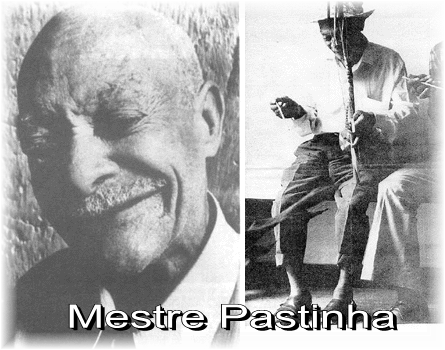
This captivating documentary provides a fascinating insight into the life and legacy of the esteemed Capoeira Angola Poet and Guardian, Vicente Ferreira Pastinha, widely revered as MESTRE PASTINHA. Shot in 16mm and Hi-8mm video, the film takes viewers on a journey through the vibrant cities of Salvador, Rio de Janeiro, and New York, offering a rare and intimate portrayal of the roots and principles of Capoeira Angola, as well as the remarkable life and teachings of its preeminent master.
To delve deeper into the captivating legacy of Vicente Ferreira Pastinha and his enduring impact on Capoeira, you can immerse yourself in the rich history and evolution of this mesmerizing martial art form. Vicente Ferreira Pastinha, also known as Mestre Pastinha, was a revered figure in the world of Capoeira, recognized for his influential role in preserving and promoting its traditional roots. His dedication to upholding the authenticity and cultural significance of Capoeira Angola continues to resonate through the centuries, inspiring practitioners and enthusiasts alike.
By clicking HERE, you can uncover a wealth of insights and stories that shed light on Mestre Pastinha’s contributions and the timeless legacy he left behind.
In this documentary, there were some powerful truth bombs being dropped, shedding light on aspects of Capoeira that some viewers may find unsettling or thought-provoking. For those unfamiliar with the rich history of Capoeira and the Afro-Brazilian community, as I have been endeavoring to convey over the last 2 pages, the revelations presented may serve as a catalyst for deeper exploration and understanding. The documentary delves into the intricate connections between Capoeira and the cultural experiences of Afro-Brazilian people, offering insights that challenge conventional perspectives and encourage reflection on the resilience and creativity of this vibrant community.

Mestre Bimba, a capoeira iluminada, is a compelling documentary that tells through the heartfelt testimonies of his former students and captivating images the intricate story of Manoel dos Reis Machado, known affectionately as Mestre Bimba. An extraordinary figure, he rose from humble beginnings as an illiterate individual to receive the prestigious title of Doctor Honoris Causa from one of the most esteemed Universities in Brazil, a recognition awarded posthumously that underscores his significant impact on both culture and education.
Not only was he a remarkable capoeira “player,” demonstrating unparalleled skill and artistry, but he was, above all, an educator—one who dedicated his entire life to elevating the dignity and understanding of capoeira across the world. His innovative teaching methods and passionate commitment helped to shape the perception of capoeira as more than just a martial art; he transformed it into a powerful cultural expression and a means of social empowerment. For many historians and scholars, he stands out as one of the most influential black figures of the 20th century in America, a symbol of resilience and creativity in the face of adversity. Today, his legacy lives on through the thousands and thousands of songs sung in capoeira “rodas” across five continents, continually inspiring new generations to engage with the rich heritage and vibrant community that capoeira represents.
Last month (As of this writing), CAPOEIRISTAS FOR CHANGE helped screen this documentary.

This documentary, recorded approximately 20 years ago, sheds light on enduring truths similar to those revealed in the documentary about Pastinha. It delves into the rich history of Capoeira, presenting it as a powerful movement for social justice and a form of resistance against various manifestations of oppression. The film masterfully portrays the unwavering resilience of the art’s masters, who persist in their practice despite facing socioeconomic hardships.
Their dedication to preserving and disseminating this art form is truly remarkable, especially considering that they receive no support from the Brazilian government. One would think there should be some kind of government entity set aside to help them, since they are actively contributing to the preservation of an integral part of Brazilian popular culture. In doing so, they attract numerous tourists to the country, which, in turn, significantly contributes to the economy.
The selflessness and determination of these Capoeiristas serve as a testament to the enduring spirit of the art and its cultural significance. It is a story of resilience, passion, and commitment that continues to inspire audiences worldwide.
After the screening of “LET THE CIRCLE BE UNBROKEN,” I discovered that it had been uploaded on YouTube, raising suspicions regarding the legality of the post. The platform is notorious for hosting various unauthorized uploads, and this specific channel seemed to feature a plethora of such content, which only heightened my concerns. Aware of the implications that sharing potentially illegal materials can have, I ultimately decided against posting this video here.
My decision stems not only from a desire to avoid endorsing any illegal activity but also from a commitment to supporting creators and platforms that respect intellectual property rights. In this age of digital sharing, it is crucial to engage responsibly with content and to foster an environment where artistic works are valued and protected.
So, if you really want to watch this fascinating documentary, you’re gonna have to search for it on YouTube.

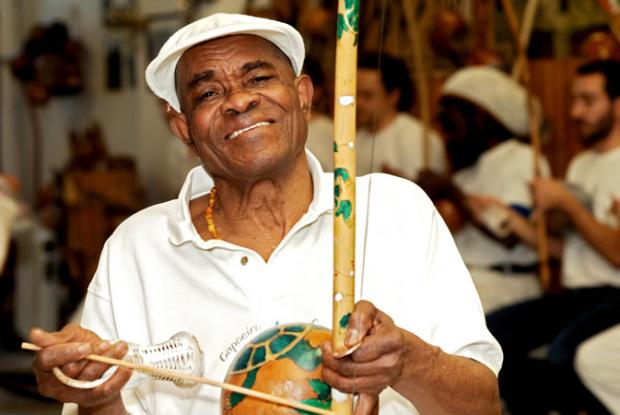
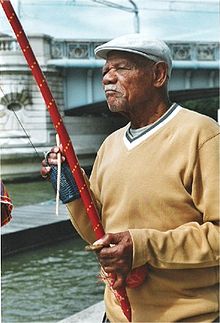
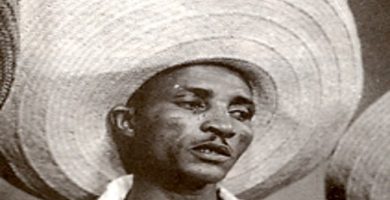
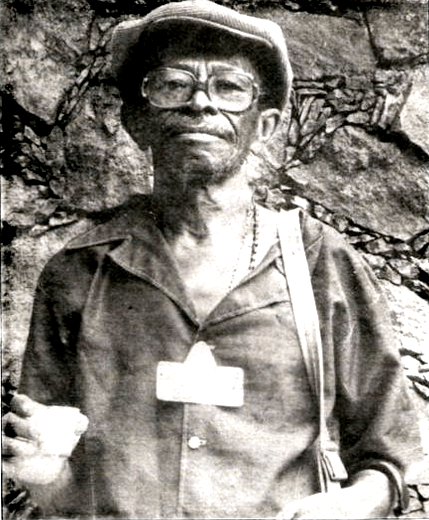
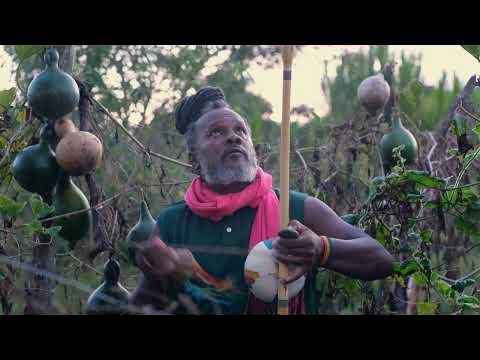
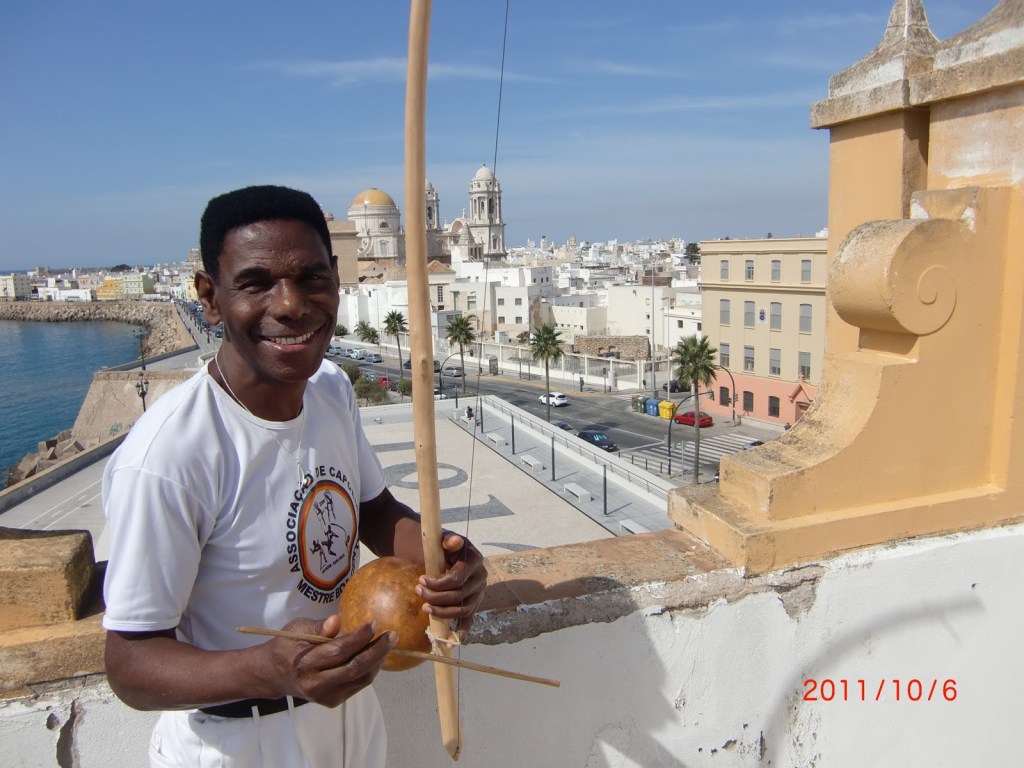
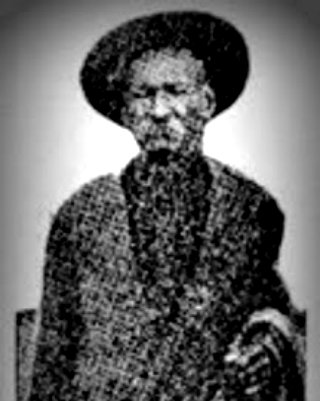
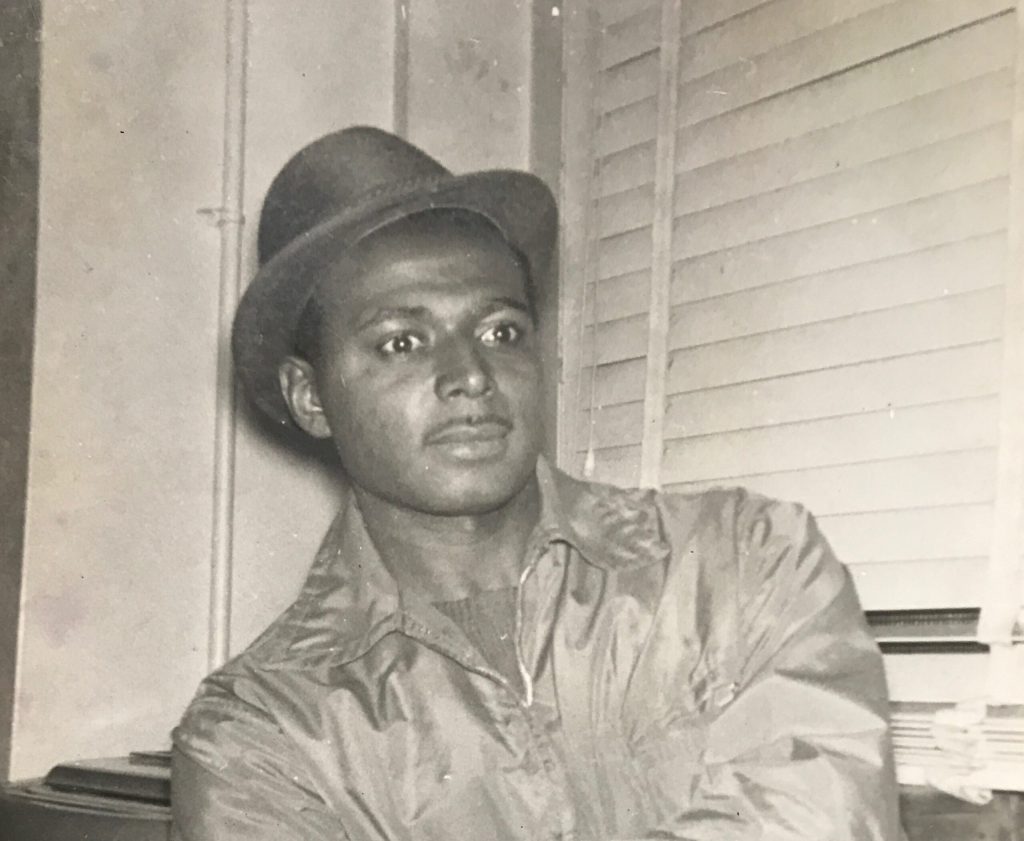
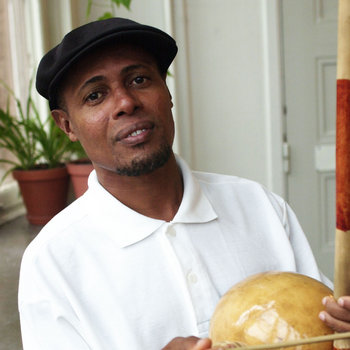
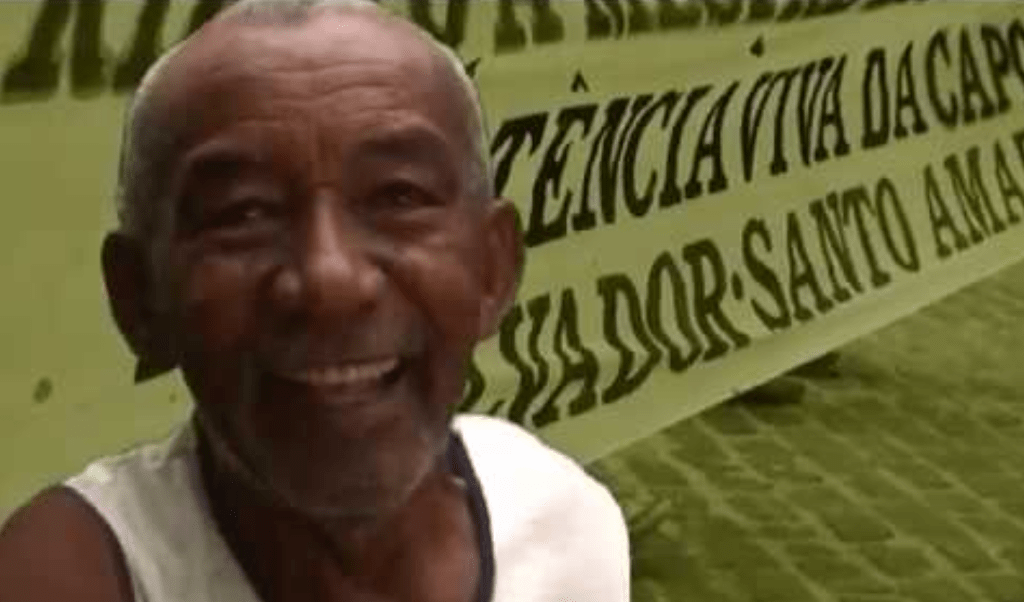
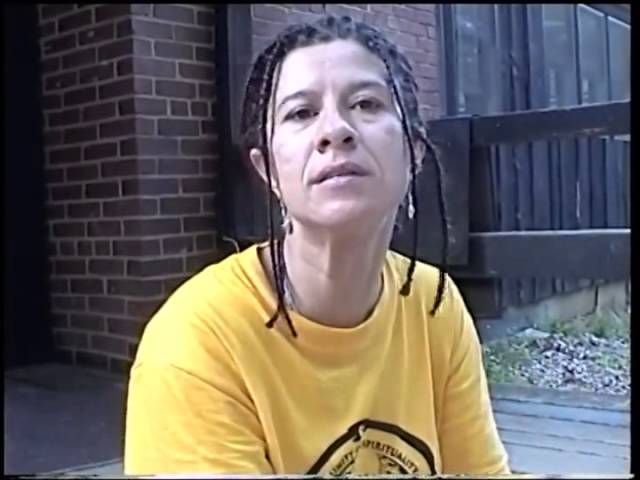
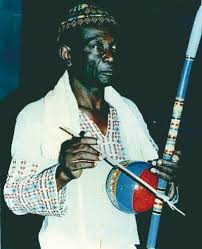
The men and women below, along with numerous others, have dedicated their lives to the art of Capoeira Angola, investing countless hours to learn, practice, and refine their skills. Their unwavering dedication is driven by a deep-rooted passion to preserve and showcase this beautiful way of life, ensuring its continued presence in the world. As they delve deep into the history and culture surrounding Capoeira Angola, they uncover new layers of significance and meaning, enriching their own understanding and allowing them to impart this knowledge to others. Their efforts extend far beyond personal gratification; they are committed to spreading the knowledge and wisdom of Capoeira Angola to new audiences, both near and far.
Through workshops, performances, and educational initiatives, they strive to open doors for those eager to embrace the art form and its cultural roots. As torchbearers of this cherished tradition, they hold the responsibility of passing it on to the next generation and beyond, ensuring its enduring legacy for years to come. These individuals are the giants whose shoulders we stand on, their collective impact shaping the vibrant tapestry of Capoeira Angola, infusing it with their dedication, creativity, and love. And we owe it to them to always honor and respect their contributions, ensuring that the circle of Capoeira Angola remains unbroken for generations to come.

















 Jogo Corpo Fechado