
In my last blog, I shared my dream of what I thought a Capoeira Angola school should look like. Today, I would like to share with you what I think is the most important factor in having a vibrant Capoeira academy, and that is creating a safe space for all the students in your school.
The creation of safe spaces within Capoeira Angola schools is a critical endeavor to address systemic issues such as sexual violence, predatory behavior, and the abuse of power within the community. As an art form rooted in the struggle for liberation and resistance against oppression, Capoeira Angola provides a unique philosophical and physical framework for fostering environments characterized by mutual respect (respeito), unity (união), and collective responsibility. By prioritizing the well being of our students, we not only cultivate a welcoming atmosphere where everyone feels valued and heard, but we also enable deeper learning and personal growth. This means actively implementing guidelines and practices that promote inclusivity, encouraging open dialogue about boundaries, and offering resources for support. When practitioners feel secure, they are more likely to express themselves fully, engage with their peers, and develop the essential skills that enhance both their Capoeira journey and their overall life experiences. Through a commitment to safeguarding all members, we strengthen the community as a whole, ensuring that our schools embody the true spirit of Capoeira Angola, a legacy of resilience and empowerment.
The Roda as a Safe Container
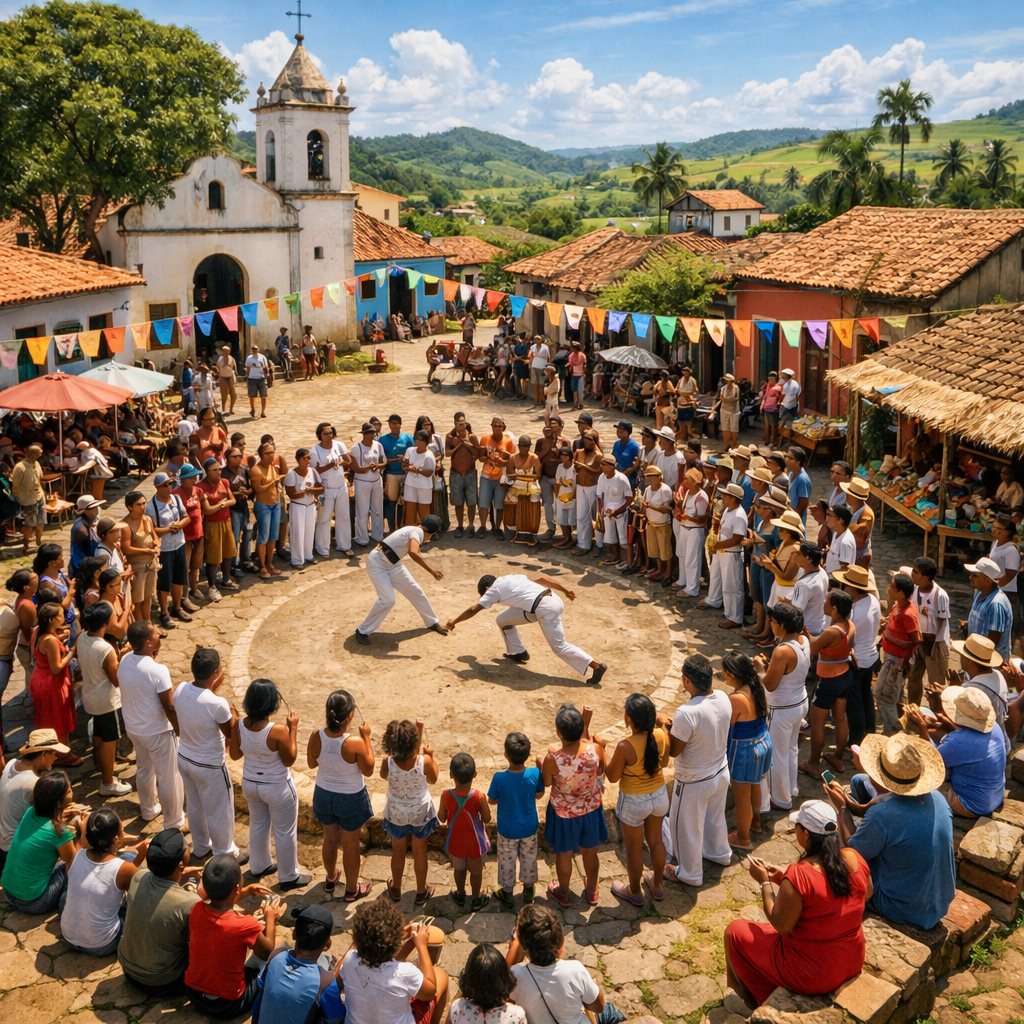
The roda (the circle where the game is played) serves as the primary micro-community for practicing these values. It is designed to be a safe container where practitioners can experience vulnerability and build trust through a structured set of rules and etiquette. This environment allows individuals to internalize healthy boundaries, which is particularly therapeutic for those healing from traumatic or dysfunctional backgrounds. By fostering this “safe container,” the school creates a protective structure for all participants to practice collective liberation. This space is maintained by the collective responsibility of the community and the leadership of the Mestre or Mestra, who models healthy authority that is firm yet unconditionally supportive.
Principles of Safety and Resilience
Several core principles of the art contribute to maintaining safety and fostering resilience within the academy environment:
- Respeito (Respect): Mandates deep listening and honoring the autonomy of every participant, ensuring collaborative and non-prescriptive interactions. This principle ensures that interventions and training are based on genuine partnership, valuing the individual’s internal world and experiences.
- Responsabilidade (Responsibility): Requires each practitioner to be accountable for the safety and flow of the roda, viewing this accountability as a civic duty that extends to the broader community. Practitioners are encouraged to assess their impact and ensure their actions contribute positively to the social fabric of the school.
- Ginga (The Sway): Beyond its physical utility, the ginga serves as a metaphor for emotional fluidity and adaptability, training the nervous system to remain engaged rather than succumbing to freeze or flight responses during stress. This continuous movement teaches practitioners to navigate unpredictable emotions and challenges with grounded adaptability.
- Malandragem (Cunning): Translation of the art’s strategic subtlety into a tool for self-defense. In a safety context, it involves reading body language and intentions to anticipate threats or manipulation before they land, allowing individuals to establish firm personal boundaries.
- União (Unity): Emphasizes that safety is a collective endeavor. Much like a successful roda relies on the seamless interaction of all participants, building a safe environment requires mutual support and a commitment to protecting the most vulnerable members of the community.
The Role of the Mestre and Community
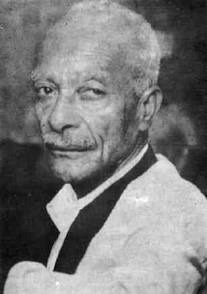
The Mestre or Mestra (Master) plays a pivotal role in modeling healthy authority that is firm yet unconditionally supportive. By embodying the philosophy of the art, they serve as the primary architect of the academy’s culture, ensuring that the hierarchy serves as a protective structure rather than a tool for exploitation. This leadership is crucial in maintaining the roda as a “safe container,” where practitioners can experience vulnerability and build trust within a structured set of rules and etiquette.
A sensitive teacher creates an academy environment where open communication is encouraged, and training is adapted to meet the physical or emotional limitations of students dealing with trauma. This trauma-informed approach allows individuals to internalize healthy boundaries, which can be therapeutic for those from dysfunctional backgrounds. Ultimately, building a safe environment is a collective endeavor; just as a successful roda depends on the seamless interaction of all participants, the school relies on União (Unity) and mutual support to protect its most vulnerable members.
Organizations like Capoeiristas for Change play a vital role in providing external resources and advocacy to support individual academies in their mission to build safer environments. These initiatives often offer frameworks for implementing accountability protocols and trauma-informed pedagogy, ensuring that the principles of respeito and união are not just philosophical ideals but active, daily practices. By collaborating with such organizations, Capoeira Angola schools can better navigate complex issues like power dynamics and boundary setting, ultimately strengthening the community’s resilience and commitment to collective liberation.
The advocacy provided by these groups helps bridge the gap between traditional hierarchy and modern safety standards, offering specific tools for conflict resolution and the reporting of misconduct. Through workshops and shared resources, schools can adapt their training methods to be more inclusive and responsive to the needs of students who have experienced systemic or personal trauma. This partnership fosters a network of solidarity where individual schools are no longer isolated but are part of a broader movement dedicated to maintaining the integrity of the art as a space for genuine resistance and healing.
Safe spaces in capoeira angola schools and academies serve as a vital mechanism for addressing systemic issues such as sexual violence, predatory behavior, and the abuse of power. By rooting the practice in its historical foundation of resistance and liberation, these academies transform into therapeutic environments where practitioners can heal from trauma and dismantle the psychological legacies of historical and personal oppression. The creation of a “safe container” within the roda allows for the development of healthy boundaries and the restoration of personal agency through the principles of respeito (respect), união (unity), and responsabilidade (responsibility). These values are not merely philosophical ideals but active practices modeled by the Mestre or Mestra, whose leadership ensures that the school remains a protective structure dedicated to the collective liberation and well-being of all its members.
The advocacy provided by these groups helps bridge the gap between traditional hierarchy and modern safety standards, offering specific tools for conflict resolution and the reporting of misconduct. Through workshops and shared resources, schools can adapt their training methods to be more inclusive and responsive to the needs of students who have experienced systemic or personal trauma. This partnership fosters a network of solidarity where individual schools are no longer isolated but are part of a broader movement dedicated to maintaining the integrity of the art as a space for genuine resistance and healing.
Conclusion: The Enduring Sanctuary of the Roda
Safe spaces in Capoeira Angola schools and academies serve as a vital mechanism for addressing systemic issues such as sexual violence, predatory behavior, and the abuse of power. By rooting the practice in its historical foundation of resistance and liberation, these academies transform into therapeutic environments where practitioners can heal from trauma and dismantle the psychological legacies of historical and personal oppression. The creation of a “safe container” within the roda allows for the development of healthy boundaries and the restoration of personal agency through the principles of respeito (respect), união (unity), and responsabilidade (responsibility).
These values are not merely philosophical ideals but active practices modeled by the Mestre or Mestra, whose leadership ensures that the school remains a protective structure dedicated to the collective liberation and well-being of all its members. By embodying healthy authority, they facilitate an embodied pedagogy of self-determination and cultural memory. Through the support of advocacy groups, individual schools can continue to implement trauma-informed pedagogy and accountability protocols, ensuring that Capoeira Angola remains a sanctuary for genuine healing and community resilience. This collaborative effort ensures that the principles of respeito and união are translated into effective, ethical community engagement and sustainable social action.
 Jogo Corpo Fechado