
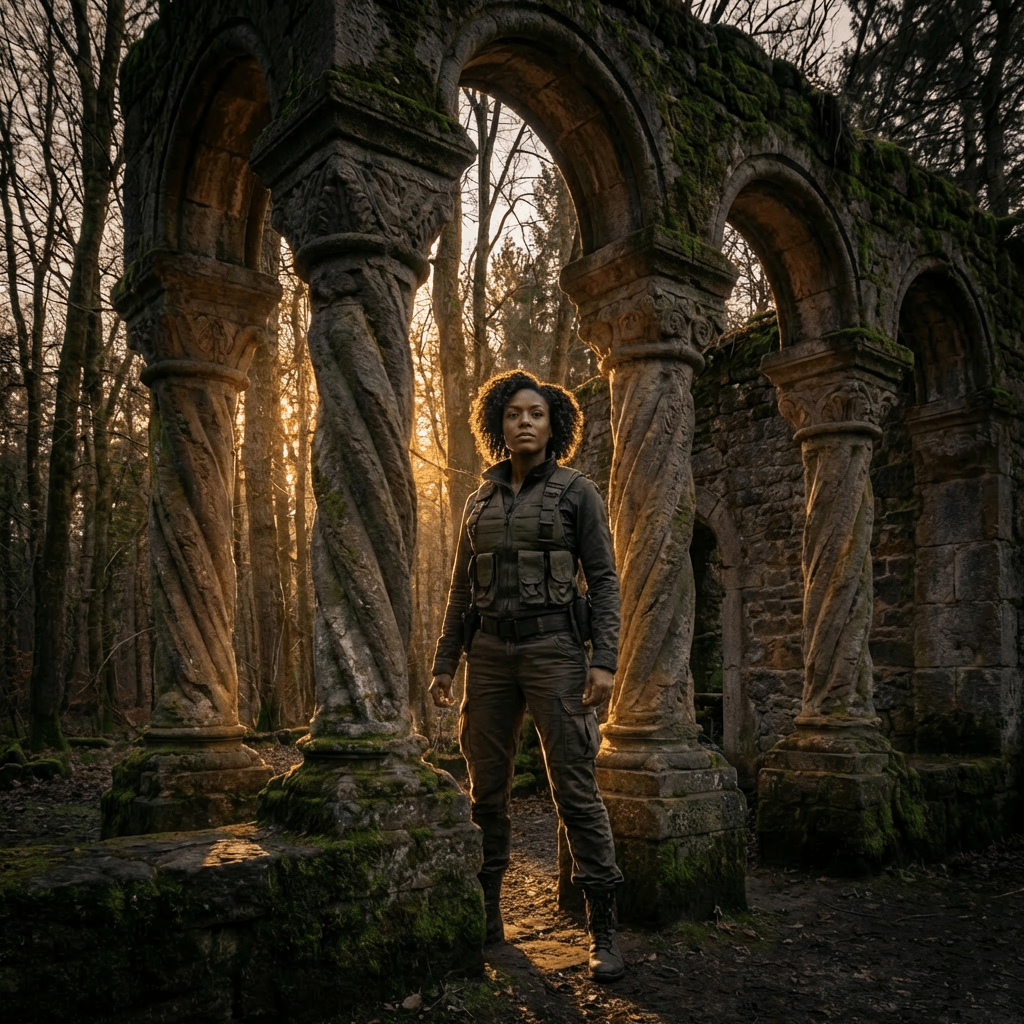
In the current cultural conversation, where the essential traits of a strong man and the true nature of masculinity are rightly being scrutinized and reaffirmed, it is not just appropriate, but absolutely necessary, that we turn our focused attention to the equally crucial topic of Womanhood. We must ask the profound and pivotal question:
What truly makes a strong woman?
For generations, the intrinsic, authentic essence of “Womanhood” has been culturally sidelined, relegated to the background, and often dismissed, which has created a dangerous ideological vacuum. This void has unfortunately allowed a flawed, distorted, and ultimately reductive narrative to take firm hold. This vacuum has been exploited by bad actors and misguided cultural forces, who have actively and incorrectly defined a host of damaging, counterproductive, or purely performative traits as a woman’s “strength.” In a devastating irony, these traits are, in reality, precisely the opposite of genuine power—they represent a significant dilution, a masking, or even a complete rejection of her authentic, innate feminine strength. This chronic misrepresentation has performed a profound disservice to women everywhere, leading to widespread confusion, uncertainty, and a lack of clarity about the true path to genuine, lasting female empowerment.
It is high time that we decisively correct these pervasive fallacies and dismantle the superficial definitions that have been imposed. We must not only reclaim the term but also establish a clear, authentic, and substantive framework for understanding and celebrating true feminine strength. This framework must move beyond shallow definitions of success or fleeting emotional reactions, instead focusing on the bedrock of character, resilience, wisdom, and the unique, irreplaceable contributions that only authentic Womanhood can provide to the world.
A Framework for Authentic Female Strength
To begin this necessary redefinition, we must acknowledge that genuine female strength is multifaceted, encompassing emotional, intellectual, moral, and spiritual resilience. It is a strength that is defined not by how much a woman attempts to emulate masculinity, but by how fully and confidently she embodies her own authentic self. It is a strength rooted in reality, not in grievance or mere protest.
This new framework asserts that true feminine strength is characterized by:
- Moral Courage and Integrity: The refusal to compromise one’s values for convenience or social acceptance, standing firmly for truth, and exercising principled judgment in the face of immense pressure.
- Intellectual Wisdom and Clarity: The ability to think critically, separate emotional response from objective reality, seek understanding over validation, and apply sound reason to complex issues.
- Enduring Resilience and Nurturing Power: The profound capacity to withstand hardship, not just survive it, but to emerge stronger, and to leverage one’s innate nurturing spirit—not as weakness, but as a source of powerful, stabilizing influence on family, community, and culture.
- Self-Possession and Authenticity: A deep-seated confidence that does not require external praise or validation, a comfort with one’s identity, and the courage to express one’s true nature without apology or performance.
This is the path forward: to define Womanhood not by reaction to external pressures, but by the timeless, powerful, and essential traits that elevate, stabilize, and enrich both the individual and society as a whole.
To guide a necessary and often difficult correction in the modern understanding of feminine strength, this analysis draws heavily from the insightful framework provided by Professor Blacktruth in his impactful video: “What Makes A Strong Black Woman And What Doesn’t.”
While the Professor’s discourse is profoundly rooted in the specific experience, historical context, and cultural challenges faced by Black women, the fundamental principles he articulates are, in essence, not restrictive or narrowly defined. Instead, they represent universal, timeless truths concerning the feminine spirit, character, and genuine contribution to society. Therefore, I hold the firm conviction that this powerful, character-based framework applies with equal relevance, clarity, and urgency to women of all races, colors, and creeds who are sincerely seeking to cultivate genuine, lasting, and constructive strength in their lives.
The core of this transformative framework pivots on identifying and cultivating qualities that truly empower a woman. A genuinely strong woman is defined not by aggression or defensiveness, but by her capacity to be a stabilising, life-affirming force for good—within the sacred bounds of her family, throughout her immediate community, and in her personal life and career. These essential, empowering qualities include, but are not limited to: profound wisdom; high-level emotional intelligence; self-directed discipline; and, critically, the innate and developed ability to foster a nurturing, stable, and peaceful environment for herself and those around her.
This authentic definition of strength stands in stark contrast to—and actively rejects—the adoption of aggressive, overly individualistic, or even self-destructive behaviors that are too often mistakenly lauded in contemporary culture as marks of “fierce independence” or “unyielding power.” The Professor’s work argues that true strength manifests as inner peace, measured response, and the ability to build and sustain, rather than as a relentless outer performance of toughness that often masks insecurity or unresolved trauma. True power lies in character, not combativeness.
Connecting This Framework to Capoeira Angola
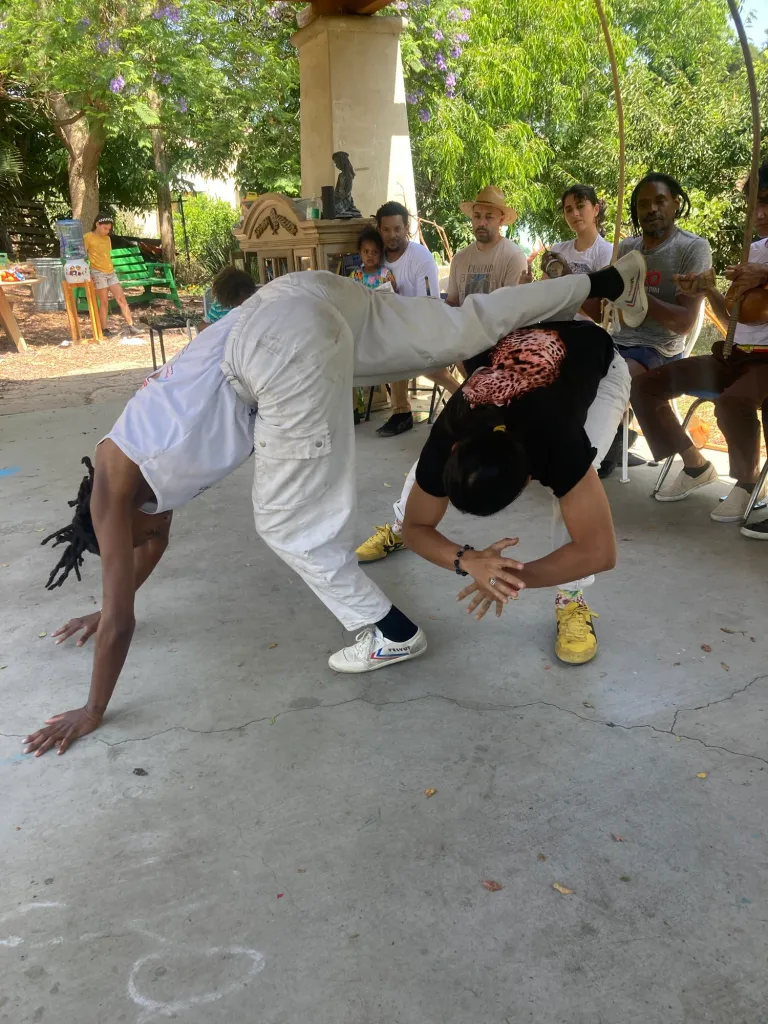
The principles of genuine strength—discipline, resilience, balance, and deep cultural understanding—are not abstract concepts confined to philosophy. Instead, they are vibrantly embodied in real-world practices, offering tangible blueprints for human development. One of the most profound examples is the Afro-Brazilian martial art and cultural practice of Capoeira Angola.
Capoeira Angola, far more than a mere fighting style, is a practice built on strategic patience, radical adaptability, and the harmonious balance of mind and body. It offers a potent and multifaceted metaphor for the strong woman’s journey through life. The jogo (game) played within the roda (the circle or ring) is a microcosm of the challenges and opportunities the world presents. Just as a Capoeirista must understand the dynamics of the roda—the rhythm of the berimbau, the energy of the opponents and allies, and the collective song—a strong woman must possess emotional and environmental intelligence to navigate her world.
The core concept of malícia is key. Often mistranslated as simple trickery, malícia is, in fact, a blend of cunning, wisdom, and intuitive understanding—the ability to read a situation, anticipate a move, and respond with grace and precision. The Capoeirista executes fluid, low-to-the-ground movements, prioritizing evasion and counter-attack over direct confrontation. This self-mastery illustrates that true strength is not found in brute force or aggressive dominance, but in strategic self-possession and the disciplined ability to flow. The strong woman, like the adept player in the roda, learns to maintain axé (life force and positive energy), endure pressure, and ultimately protect her personal space and the well-being of those she cares for through intelligent action, not just raw power. Her ability to survive and thrive is rooted in flexibility, endurance, and a powerful, internal rhythm.
Support the Professor’s Work
If you value the work of correcting harmful narratives and promoting genuine strength, both masculine and feminine, you can support Professor Blacktruth’s ongoing educational efforts:
- CashApp: $ProfessorBlacktruth
- Patreon: https://www.patreon.com/ProfessorBlacktruth
- PayPal: https://www.paypal.com/paypalme/ProfBlackTruth
- Twitter/X: https://twitter.com/ProfBlacktruth

 Jogo Corpo Fechado