
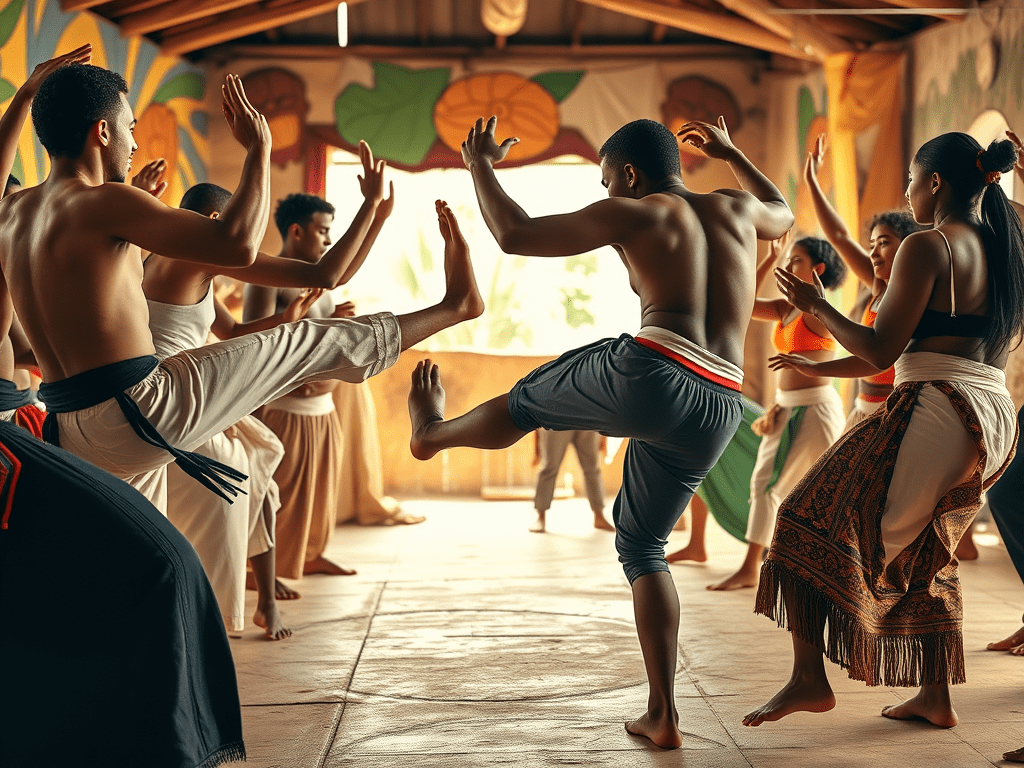
The intricate and often painful web of toxic family dynamics and the pervasive inheritance of generational trauma can feel insurmountable, creating a seemingly inescapable cycle of dysfunction. These deep-seated wounds, which are not merely emotional but are often encoded in the body and nervous system, are passed down through generations—sometimes through explicit conflict and abuse, but just as often through unspoken silence, ingrained behavioral patterns, and the subtle, chronic stress of an insecure environment. The cumulative impact affects an individual’s mental health, leading to anxiety and depression; their emotional regulation, resulting in volatile reactions or emotional numbness; and even their physical well-being, manifesting as chronic pain, illness, or tension.
However, the human capacity for healing is equally profound, and ancient, embodied practices offer powerful, experiential pathways toward transformation. These disciplines move beyond mere cognitive understanding, engaging the body and spirit as essential partners in the therapeutic process. One such profound and holistic discipline is Capoeira Angola.
Capoeira Angola, a centuries-old Afro-Brazilian art form, is far more than a simple martial art or a superficial dance; it embodies a profound, holistic philosophy, acting as a living cultural repository and a highly sophisticated, multifaceted system for the ongoing development of the individual and the collective community. Its enduring structure, deeply rooted in principles of mutual respect, dialogue, improvisation, and historical awareness, inherently offers a unique and exceptionally effective framework. This framework is specifically potent for deeply addressing, navigating, and ultimately healing the complex, often intergenerational, legacy of family dysfunction, personal trauma, and ancestral pain that can persist across generations. By immersing participants in the interconnected disciplines of movement, music, ritual, and shared narrative, Capoeira Angola facilitates a profound shift from individual isolation to communal connection, creating a safe, expressive space where old patterns can be consciously broken and new, healthier dynamics can be forged and embodied.
The Foundational Principles of Capoeira Angola for Healing Toxic Family Dynamics and Generational Trauma:
Capoeira Angola, a uniquely Afro-Brazilian art form that blends martial arts, dance, music, and philosophy, offers a profound and embodied pathway for healing the wounds inflicted by toxic family dynamics and the cycle of generational trauma. This practice is not merely physical exercise; it is a holistic system that models healthy relational patterns, fosters emotional intelligence, and restores a sense of personal agency. Through its rhythms and movements, Capoeira encourages participants to engage in a dialogue with their bodies, promoting self-awareness and mindfulness while simultaneously building a community of support and understanding.
Participants learn to navigate their emotions, channeling them into expressive movement, which can unveil hidden pain and allow for the nurturing of resilience. As individuals develop their skills, they also cultivate a deeper appreciation for cultural heritage and connection, enabling them to break free from the constraints of past familial patterns and embrace a transformative journey toward personal empowerment and collective healing.
The Roda (The Circle): A Safe Container for Vulnerability, Trust, and Healthy Boundaries
The Roda, the physical circle formed by participants in which Capoeira is played, is the literal and metaphorical crucible of the practice. It functions as a meticulously crafted micro-community built upon foundational principles of mutual respect (respeito), collective responsibility, and unshakeable trust. In direct and therapeutic contrast to the unpredictable, emotionally volatile, and often unsafe emotional landscape of a toxic family environment, the roda is governed by clear, supportive, and consistently enforced rules. This environment teaches participants, often for the first time in an embodied way, what true psychological and physical safety feels like.
- Modeling Functional Dynamics: Within the roda, every action—a song, a movement, a call-and-response—is an interaction. This continuous, low-stakes practice of negotiating space, offering support, and respecting roles teaches individuals the essential mechanics of functional group dynamics. They learn to give and receive feedback without defensiveness, to assert themselves without aggression, and to hold space for others’ expression.
- Embodying Healthy Boundaries: The structure of the circle and the etiquette of the game (e.g., waiting one’s turn to play, respecting the rhythm set by the berimbau) inherently enforce healthy boundaries. This lived experience is critical for survivors of enmeshed or boundary-less family systems, helping them to internalize the feeling of having personal space respected and the necessity of respecting the space of others.
The Ginga (The Sway): Embodied Resilience, Emotional Fluidity, and Grounded Adaptability
The Ginga, the continuous, rhythmic, pendulum-like sway, is the core movement of Capoeira Angola. It is far more than a physical technique; it is a powerful metaphor for life’s inevitable constant flux and a master class in embodied resilience. The ginga mandates that the practitioner remain perpetually in motion—grounded through the lower body yet fluid and adaptable in their transitions, never static, rigid, or entirely exposed.
- Countering Trauma Responses: This embodied lesson directly intervenes in the habitual freeze, flight, or fight responses often developed in traumatic environments. By mastering the ginga, individuals train their nervous systems to stay “online” and engaged, learning to navigate emotional attacks, psychological manipulations, or unexpected challenges with malandragem (cleverness and grace), thus reducing the reactive reliance on aggressive confrontation or total emotional shutdown and dissociation.
- The Power of Non-Linear Movement: The ginga‘s constant shifting teaches the mind that a direct, head-on confrontation is not always the most effective or safest route. It encourages indirect movement, observation, and strategic waiting, mirroring the essential skill of emotional regulation—the ability to feel an intense emotion without being immediately compelled to act on it.
Improvisation and Creativity (Malandragem): Reclaiming Personal Agency and Trusting Intuition
Capoeira Angola is defined by its improvisational nature—a fluid, moment-to-moment dialogue of call-and-response between the two players. This requires spontaneous adaptation, creative problem-solving, and a characteristic cleverness known as malandragem. The practice of malandragem is a profound therapeutic tool for rebuilding the sense of personal agency and self-efficacy that is often systematically eroded by controlling, critical, or abusive family systems.
- Rewriting the Script of Powerlessness: Every movement, every strategic feint or dodge, is a decision made under pressure. The practitioner is continually learning to trust their own intuition, make rapid-fire, split-second decisions, and—most importantly—to respond actively and strategically rather than reactively out of habit or fear. This constant self-affirmation in motion gradually rewrites the internal narrative of powerlessness inherited from their trauma.
- The Play of Deception and Self-Reliance: The inherent “trickery” or cleverness of malandragem allows the individual to explore and practice healthy assertiveness and strategic thinking in a safe, contained environment, developing the internal resources necessary to confidently navigate complex interpersonal situations outside the roda.
The Role of Music and Rhythm (Axé): Tapping into Ancestral Strength and Collective Healing
The music—driven by the lead instrument, the berimbau, and supported by drums (atabaque), hand-held percussion (pandeiro), and collective singing—is the undisputed heartbeat, or axé (life force/spiritual energy), of the practice. The music regulates the energy, pace, and mood of the game.
- Grounding in Collective Heritage: Engaging with the ancestral rhythms, traditional songs, and historical narratives embedded in the music allows individuals to connect with a potent source of collective strength and cultural heritage that transcends their immediate family experience. This connection can provide a powerful counter-narrative to the isolating shame and self-blame often associated with family trauma, grounding the individual in a vast, resilient legacy of survival, resistance, and communal joy.
- Emotional Regulation through Rhythm: The steady, insistent rhythm of the berimbau acts as a natural metronome for the nervous system, facilitating emotional coherence and regulation. Participation in the music—whether playing an instrument, clapping, or singing—is a co-creative act that deepens connection and belonging, actively replacing feelings of isolation.
The Relationship with the Mestre/Mestra: Modeling Healthy Authority and Intentional Re-Parenting
The Mestre or Mestra (Master) holds the highest authority and responsibility within the Capoeira lineage and in the roda. They act as a benevolent, guiding, and intensely knowledgeable figure, modeling a form of authority that is consistently firm, clear, and unconditionally supportive—a stark and necessary contrast to the often arbitrary, conditional, critical, or abusive power wielded within toxic family structures.
- The Opportunity for Re-Parenting: This relationship offers a profound and intentional opportunity for re-parenting the inner child. By demonstrating unwavering integrity, patience, and a deep investment in the student’s growth, the Mestre or Mestra shows the practitioner that wisdom, discipline, and power can be wielded with kindness, respect, and unconditional love. This experience helps the individual to internalize a model of healthy relational dynamics and authoritative leadership, fostering a critical corrective emotional experience that is foundational to true healing.
The deliberate and immersive engagement with the multifaceted discipline of Capoeira Angola offers a profound and holistic pathway toward the dissolution of entrenched, toxic family dynamics and the healing of deeply embedded generational trauma. This ancient Afro-Brazilian art form is far more than a mere blend of martial arts and dance; it is a meticulously structured social, spiritual, and physical education system.
By actively participating in Capoeira Angola, individuals systematically address the root causes of inherited pain. The physical dimension—the challenging movements, the coordinated defense and attack sequences, and the relentless practice—compels practitioners to remain present, transforming diffuse anxiety into focused, embodied strength. This physical mastery cultivates a tangible sense of agency and self-efficacy, directly countering the feelings of powerlessness often instilled by traumatic family histories.
The musical dimension, central to the roda (the circle where Capoeira is played), serves as a powerful communal and emotional release. Learning to play the berimbau, sing the call-and-response songs, and maintain the rhythmic structure of the bateria connects the individual to a collective history of resistance and resilience. This rhythmic participation facilitates emotional regulation and provides a non-verbal means of expressing complex feelings, creating a sense of belonging that can mend the ruptures caused by family alienation.
Finally, the philosophical dimension, passed down through the Mestre (Master) and the established etiquette of the group, instills core values of respect, humility, discipline, and community responsibility. The structured, yet flexible, social hierarchy of the roda provides a model for healthy, functional relational dynamics—a stark contrast to the often chaotic or rigid structures found in toxic family systems. Within this safe and intentional environment, practitioners find a path to deliberately interrupt and break cyclical patterns of abuse, neglect, or emotional suppression. The cumulative result of this engagement is the transformation of inherited pain into wisdom and strength, leading to the cultivation of a deeply rooted, authentic sense of self-worth and an unwavering resilience—all of which are absolutely essential steps in truly healing and transcending generational trauma.
 Jogo Corpo Fechado