
“There are not more than five musical notes, yet the combinations of these five give rise to more than can ever be heard. There are not more than five primary colours, yet in combination, they produce more hues than can ever been seen. There are not more than five cardinal tastes, yet combinations of
them yield more flavours than can ever be tasted.”
― Sun Tzu, The Art of War“

Today, I’m gonna type to you about a fundamental skill in Capoeira, the BANANEIRA.
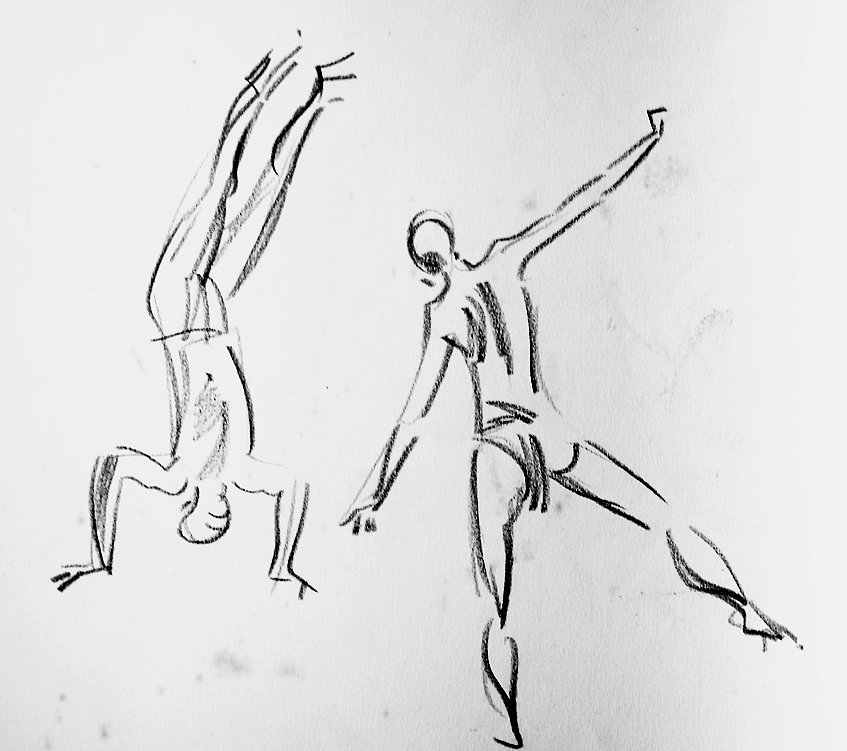
The Bananeira (pronounced “bah-na-nera”) is the term used for a handstand. It is a fundamental movement in Capoeira, serving as a building block for various acrobatic maneuvers and plays a unique role in the Capoeira roda (the circle in which Capoeira is played).
The bananeira is considered the absolute fundamental movement for all acrobatics within Capoeira, developing upper body strength and balance essential for more advanced techniques. Unlike a gymnast’s handstand, which emphasizes static control and symmetry, the bananeira in Capoeira is dynamic, mobile, and can involve shifting postures or flailing legs to prevent opponents from finding vulnerabilities. It is a versatile move that not only demonstrates physical prowess but also embodies the spirit of improvisation that defines Capoeira. The bananeira can be used strategically in the Capoeira game (jogo): it can challenge the other player to see who can hold their handstand longer and allows a Capoeirista to take a brief break and observe their opponent. During this observation, the practitioner assesses their opponent’s strengths and weaknesses, providing an opportunity to devise new tactics for the unfolding game. The bananeira can be employed to escape or initiate an attack, with the feet being used for both defense and offensive movements while inverted. This dual function adds a layer of complexity to the move, as timing and precision become crucial in ensuring successful execution. In contemporary regional Capoeira styles, the bananeira is sometimes used to showcase balance and strength as a floreio or demonstration of skill, often eliciting admiration from spectators for its aesthetic appeal.
A key distinction from other hand balancing arts is that in Capoeira, the practitioner maintains eye contact with their opponent rather than looking at the ground. This requires tucking the chin towards the chest and moving the head to track the other player during the game, emphasizing the interactive nature of Capoeira as a conversation between warriors. Achieving a stable bananeira involves “stacking” the joints, meaning keeping the shoulders over the wrists, hips over the shoulders, and ankles over the hips, all of which contributes to maintaining proper alignment and balance. Engaging the core muscles is vital to maintain a flat, board-like posture, creating a foundation of strength necessary for executing subsequent moves. Pointing the toes skyward can assist in straightening the legs, enhancing both form and function. Furthermore, the bananeira’s potential origins have been linked to the use of handstands by Nganga (Bantu healers and spiritual leaders) in their practice, symbolizing a spiritual connection to ancestors who walk on their hands in the spirit world. The linkage to spiritual practices further enriches the cultural context of the bananeira, illustrating how this move transcends mere physicality to become a bridge between the earthly and the ethereal, fortifying the sense of identity and history within the Capoeira community.
Learning the bananeira can be intimidating due to the fear of falling, which is a common barrier for many practitioners. Overcoming this fear is crucial for safe practice, as confidence plays a significant role in mastering the move.
Practicing against a wall or with a partner can help develop comfort in the inverted position; these methods provide a safety net that allows for gradual progression.
It’s important to start slowly, focusing on body awareness and control, as this foundational approach not only enhances safety but also promotes a deeper connection with your body. Begin by placing your hands shoulder-width apart, ensuring your fingers are loosely spread, with weight concentrated through the top of the palms to maintain stability while inverted. This initial setup is crucial, as it creates a solid base from which to work. As you kick your legs up one at a time, aim for your hips to be stacked directly above your shoulders and your feet to rise above your hips, which will make balancing easier and more effective. As you gain confidence, be sure to practice holding the position for longer periods, using your breath to find calmness and steadiness. Experiment with variations in leg positions and arm placements, as these can enhance your skills and deepen your understanding of this challenging pose, opening opportunities for greater strength, flexibility, and mindfulness in your practice.
 Jogo Corpo Fechado